
About Jackson Ward
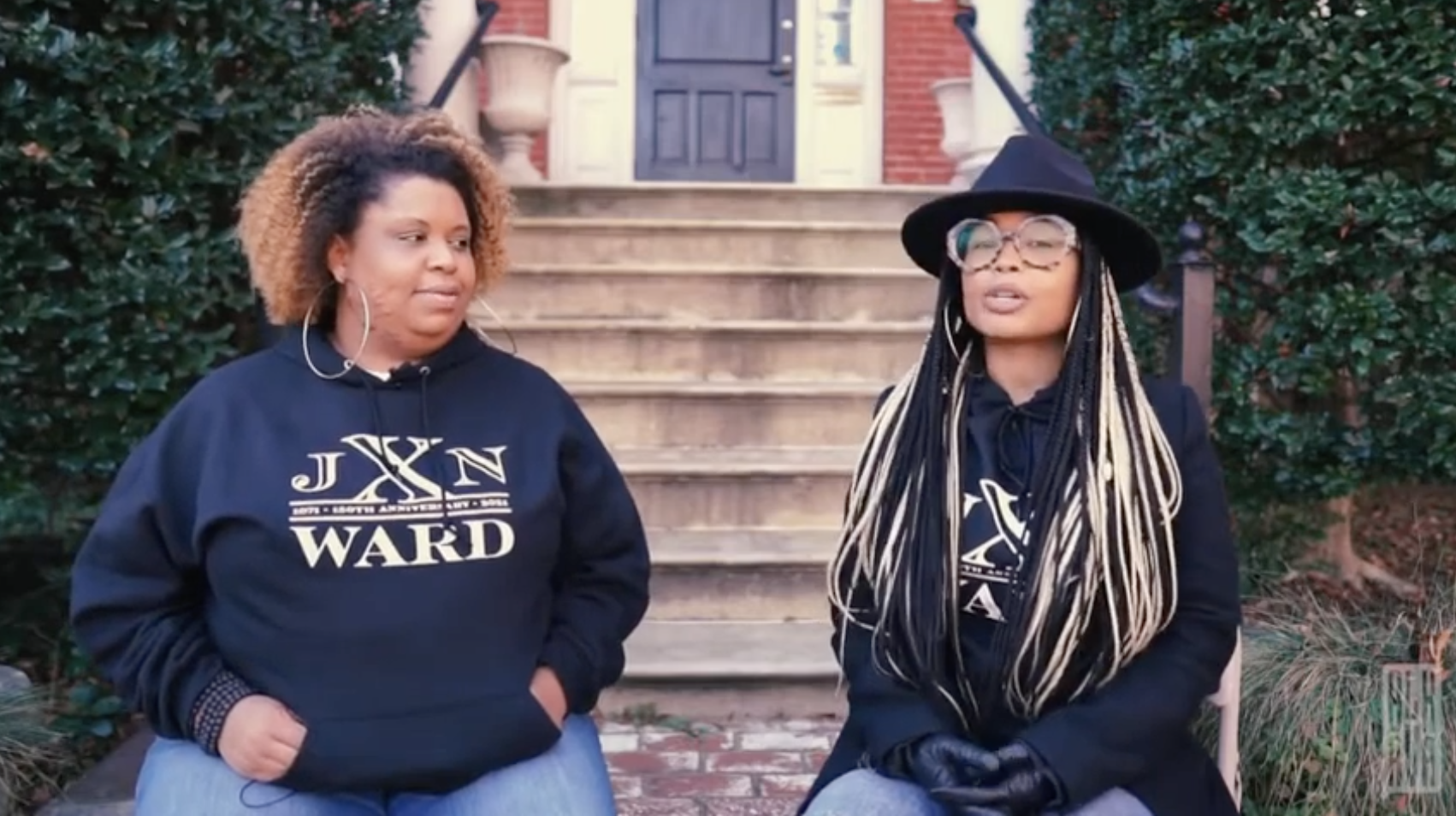
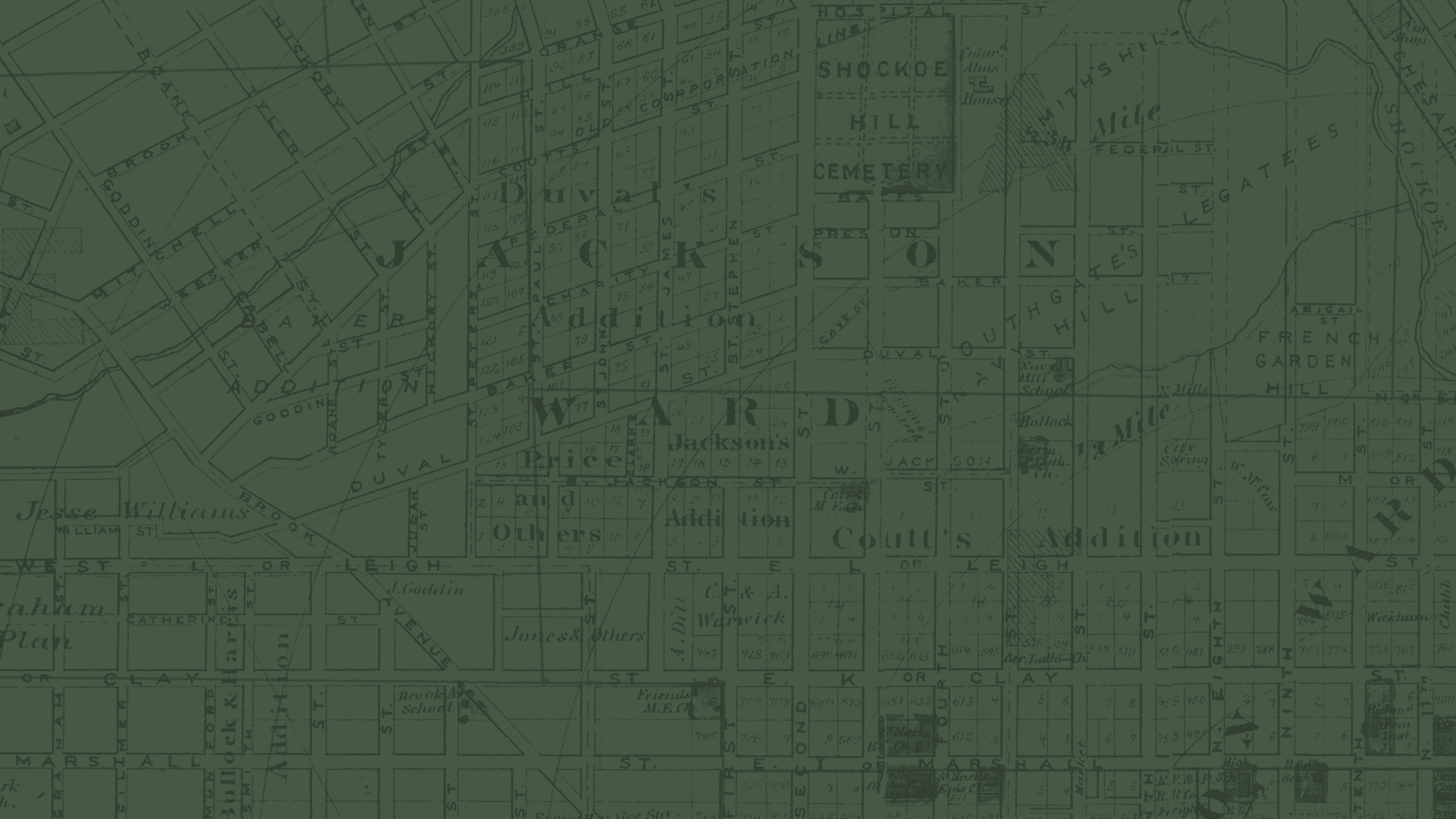
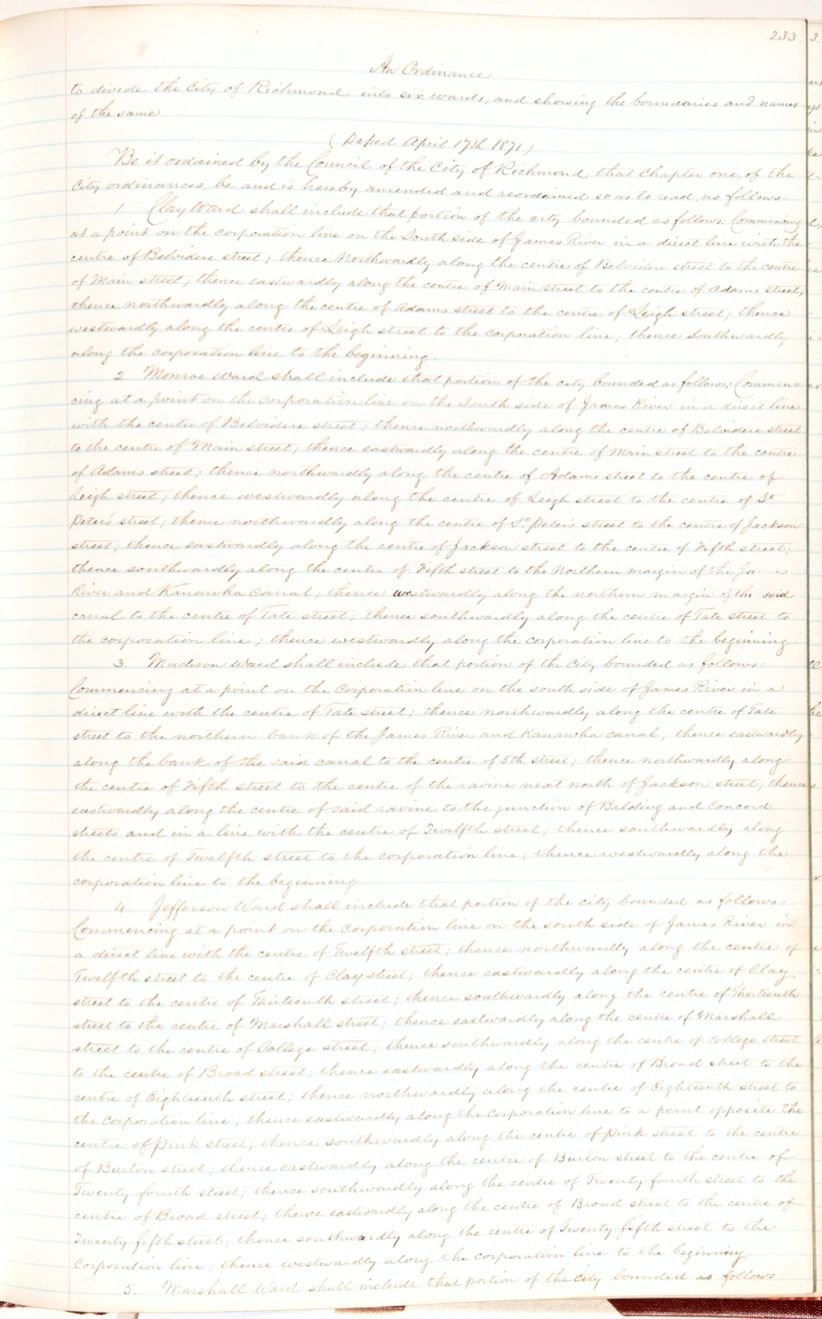
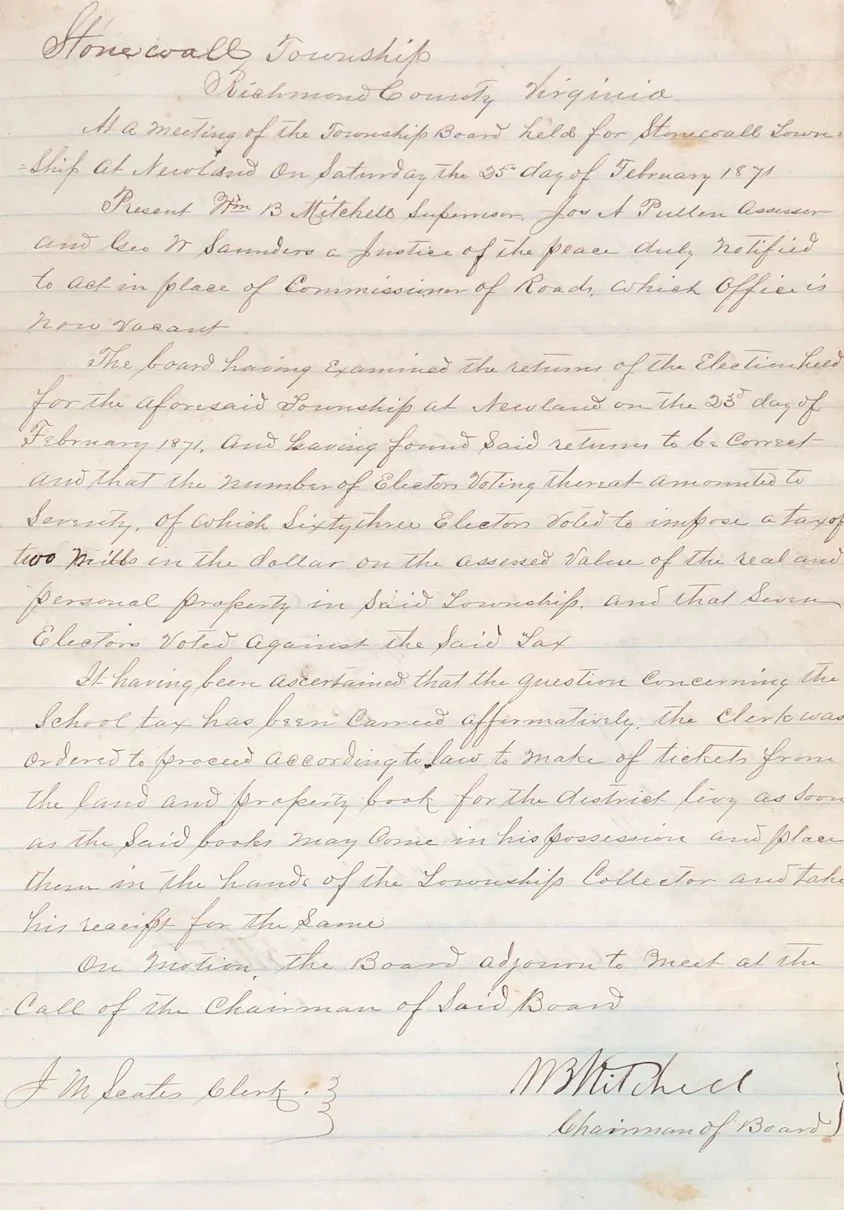
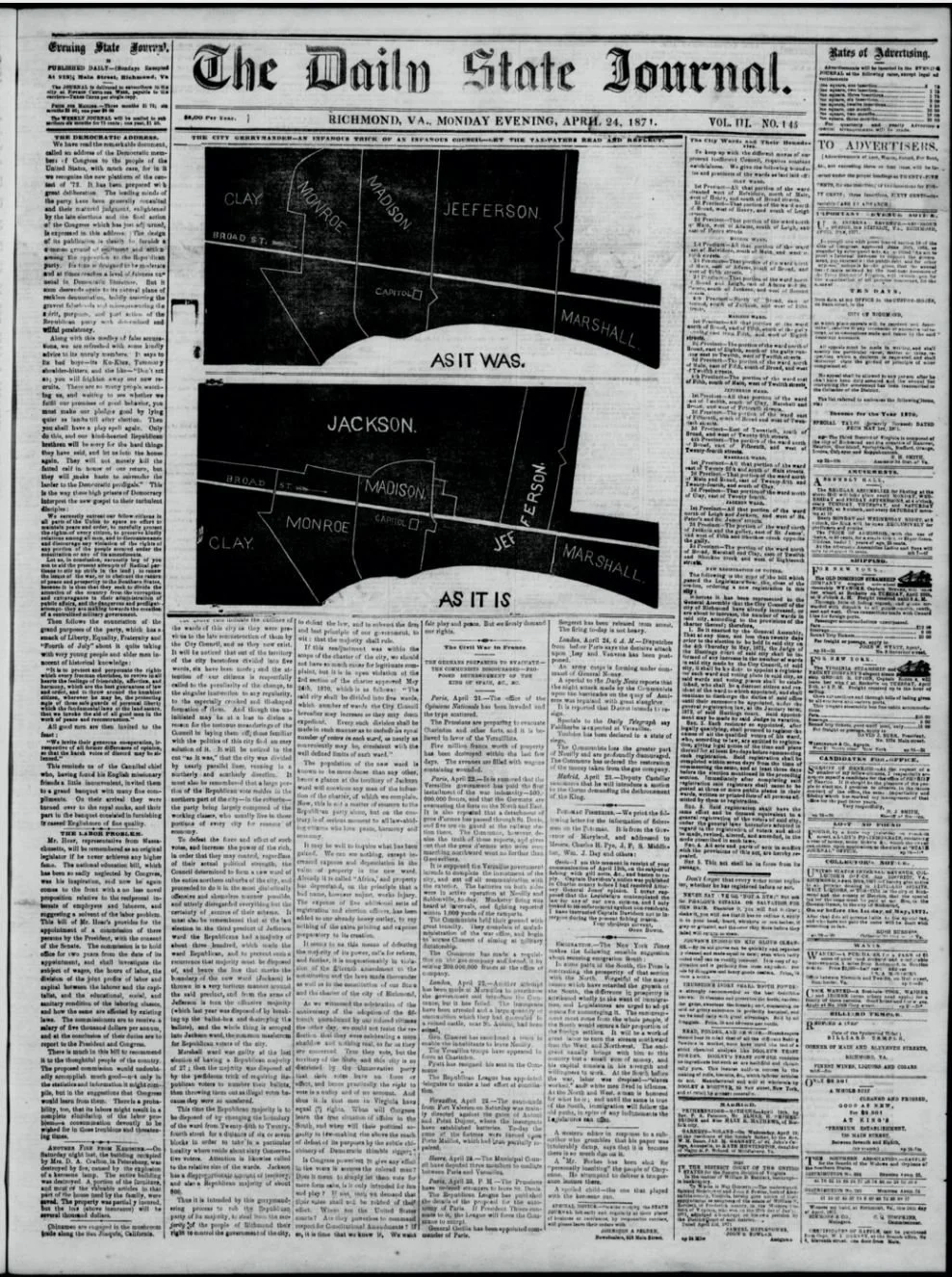
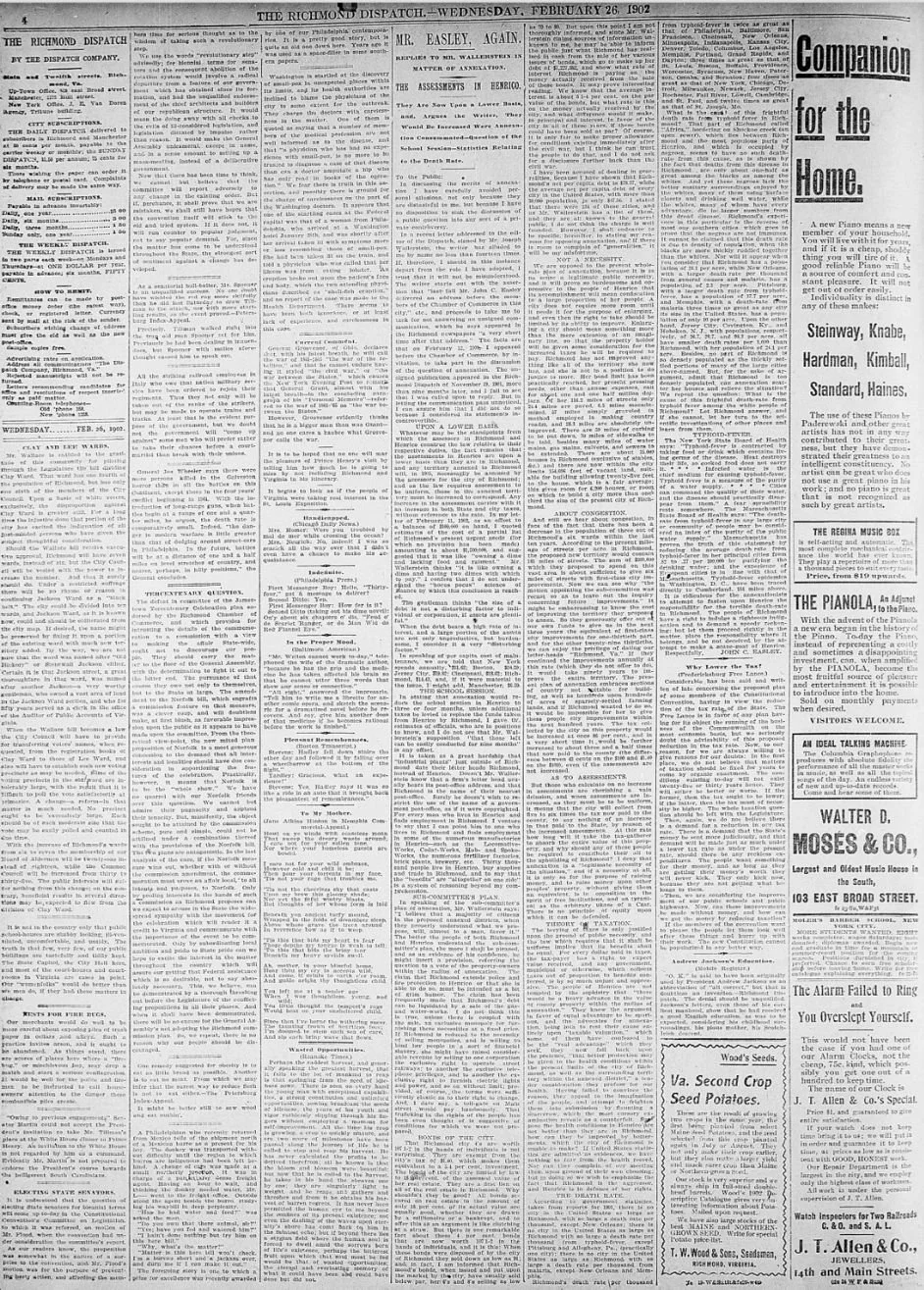
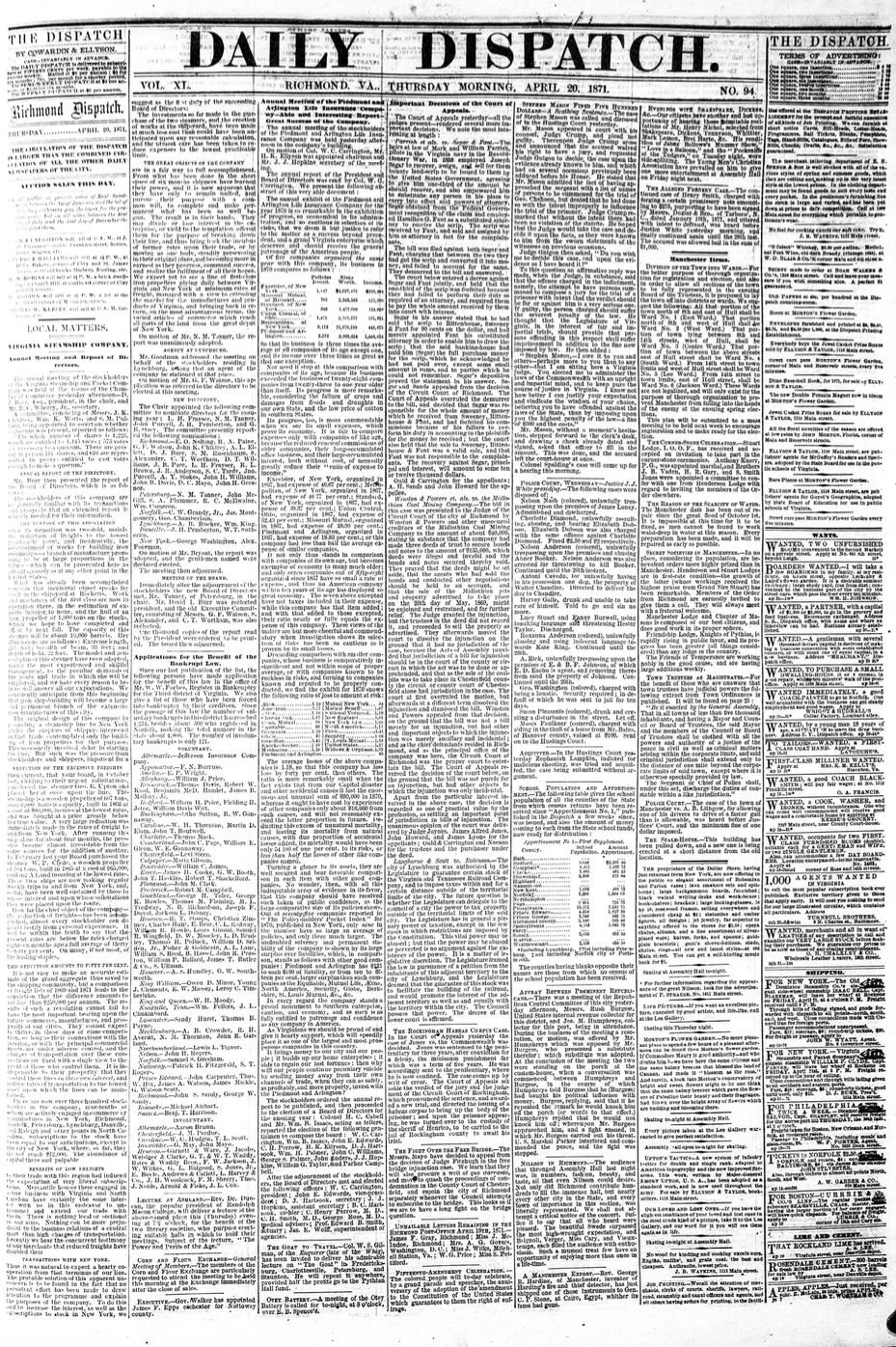
Jackson Ward is a community steeped in culture and rich in history – a history whose multiple layers have yet to be fully unearthed. In 2020, The JXN Project began with a simple question – “Who is Jackson?” Despite years of debate dating back to as early as 1902, to include a long-held belief that it was named after Giles B. Jackson as the first Black Virginian barred to practice law by the state. However, this inquiry led the project to uncover evidence that overwhelmingly suggests that, despite its historical standing, the neighborhood that would become one of the first “Black Wall Streets” and “Harlems of the South” was more than likely named in tribute to Confederate General Thomas “Stonewall” Jackson during the Reconstruction Era.
-
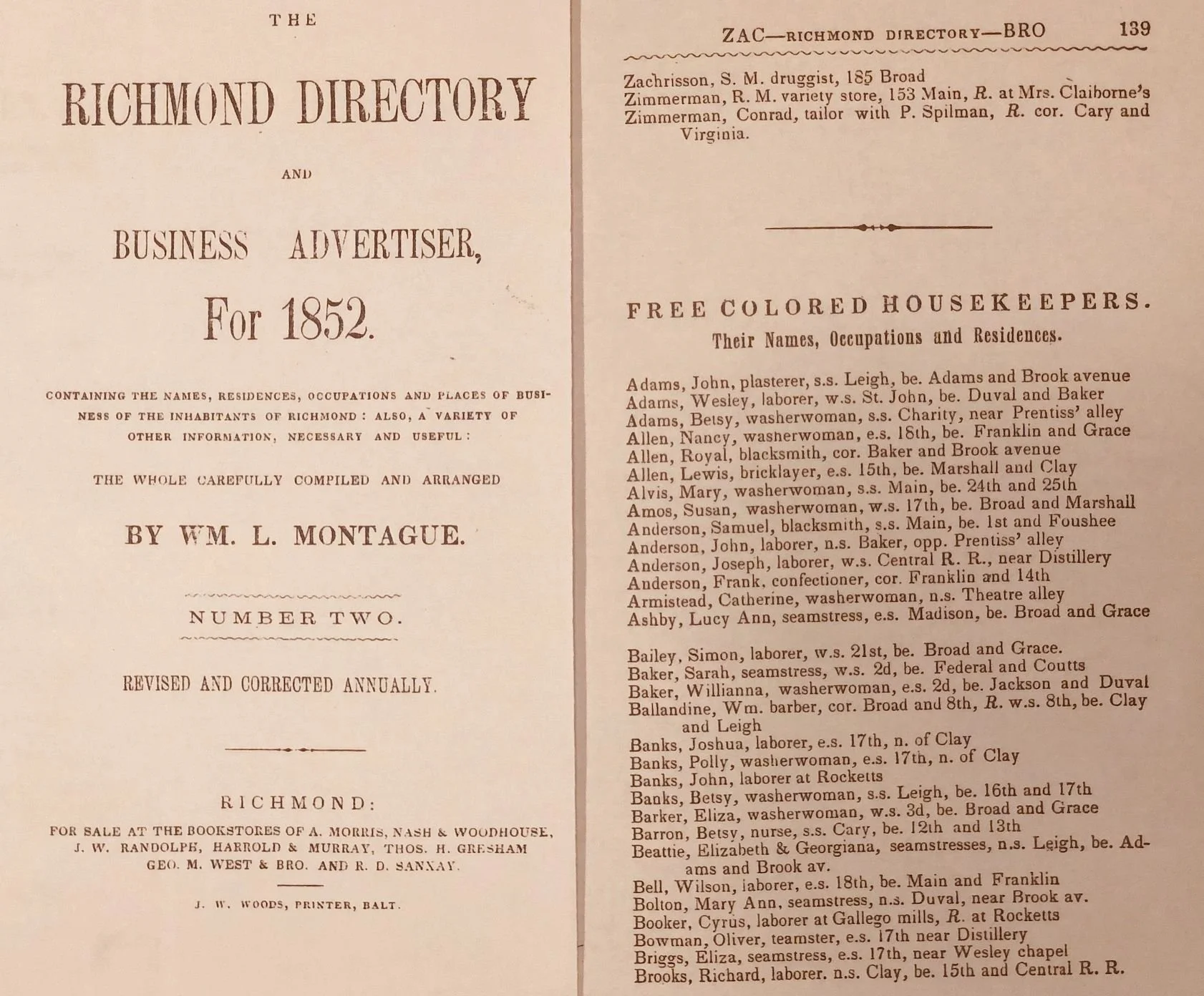
At the onset of the Civil War, the Capital of the Confederacy was relocated to the City of Richmond as the most industrialized northern city south of the Mason-Dixon Line. As the Industrial Revolution began to make its first wave in the 18th century, there was a noticeable pivot amongst the enslaved labor force from plantations in the county to plants in the city in hubs, such as Charleston, Baltimore, New Orleans, and Richmond. As part of the urban slavery system, Black Richmonders were employed as hired-out laborers for an agreed-upon duration and would work in a variety of disciplines, such as domestic workers and blacksmiths. There were stark differences between being enslaved in the county versus in the city because, while enslavers generated revenue through hired-out labor, in some instances, the laborer was able to make a nominal profit. Also, since most hired-out laborers were boarded in quarters that were separate and apart from their enslavers, they could enjoy certain liberties, such as social activities, civic organizations, and part-time jobs.
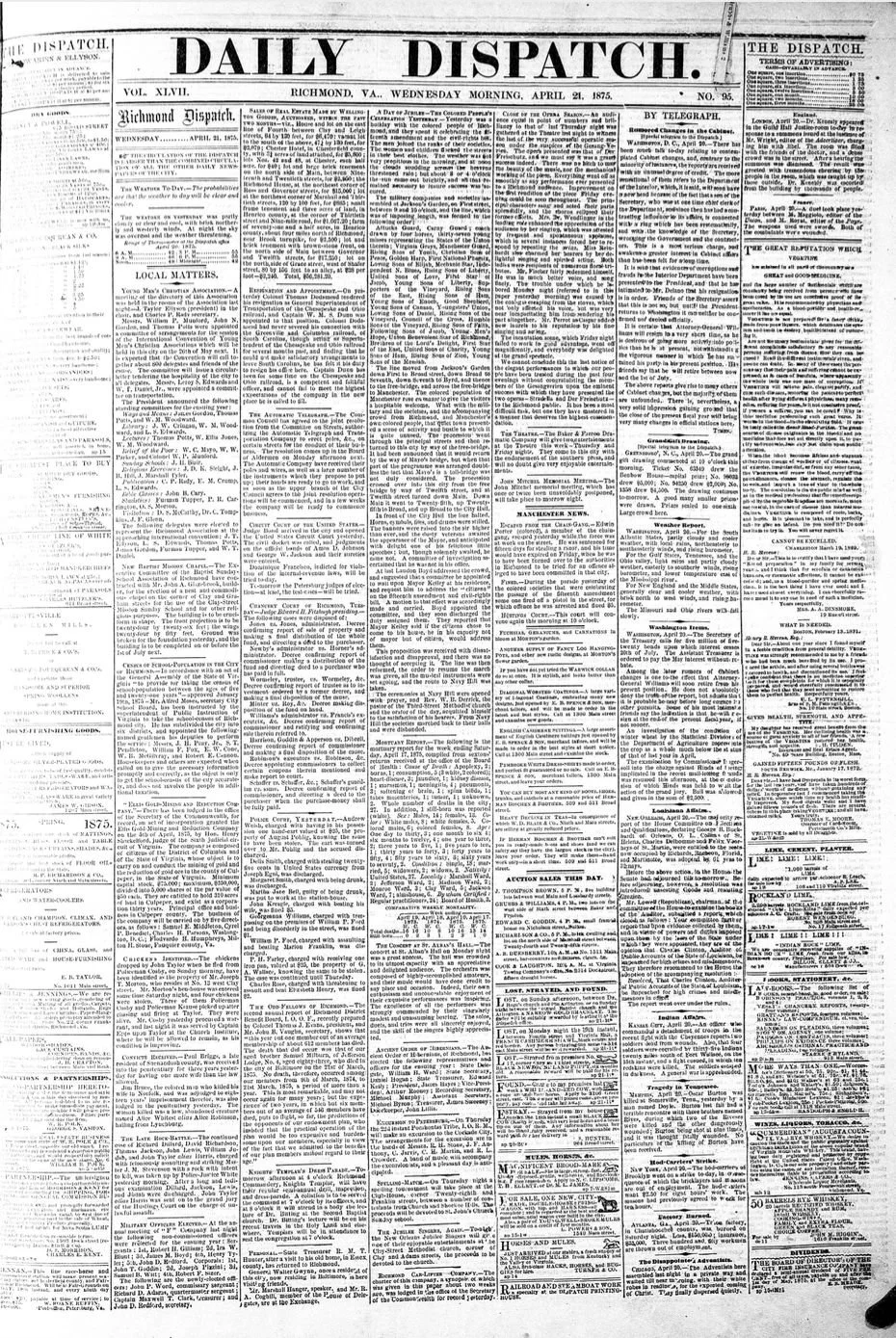
Through urbanized enslavement, Blacks Richmonders were able to find their freedom well before emancipation, which would arrive to the fallen capital on April 3, 1865. As an already educated and entrepreneurial populus, with the passage of the 15th Amendment, they too were able to realize their collective power as an electorate. The majority of Black Richmonders, both free and enslaved, resided in the northern edge of the city along with Jewish and German immigrants; however, Black residency in the area significantly increased after the Civil War.
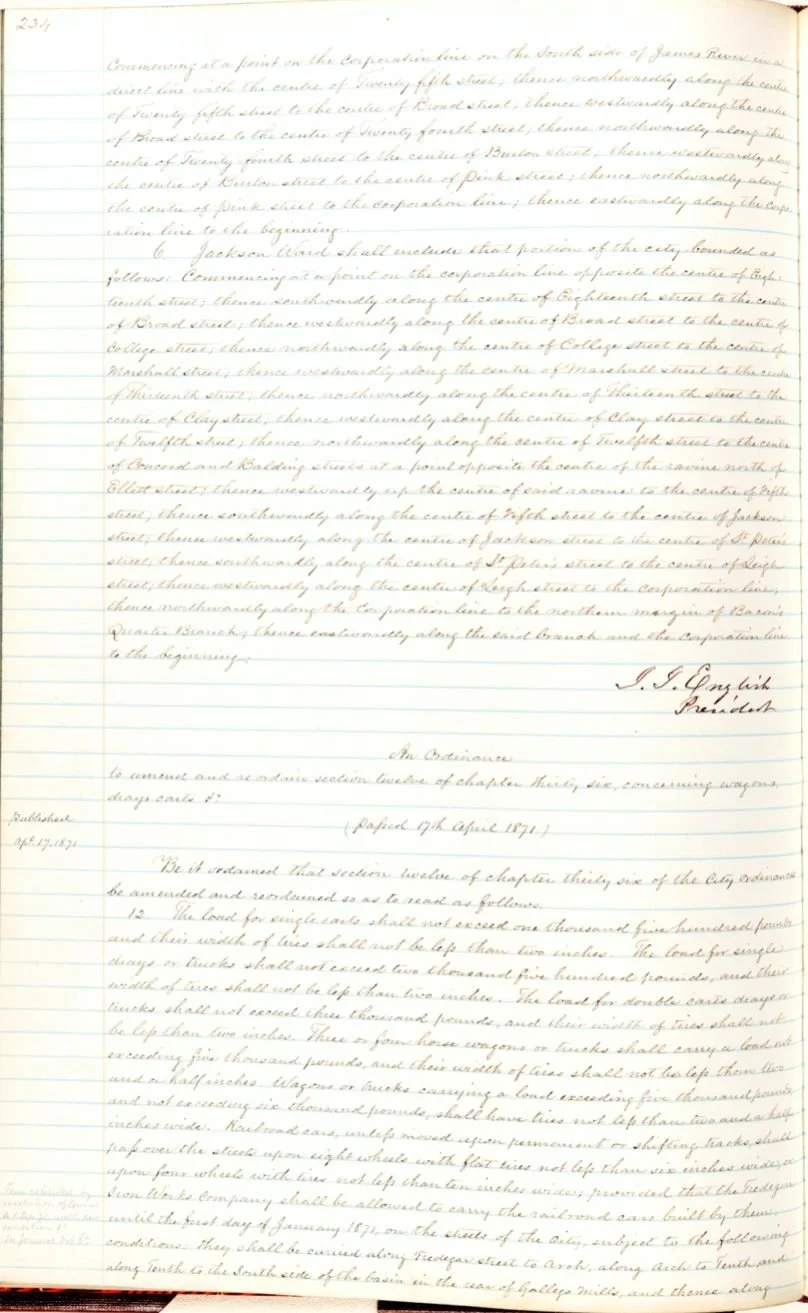
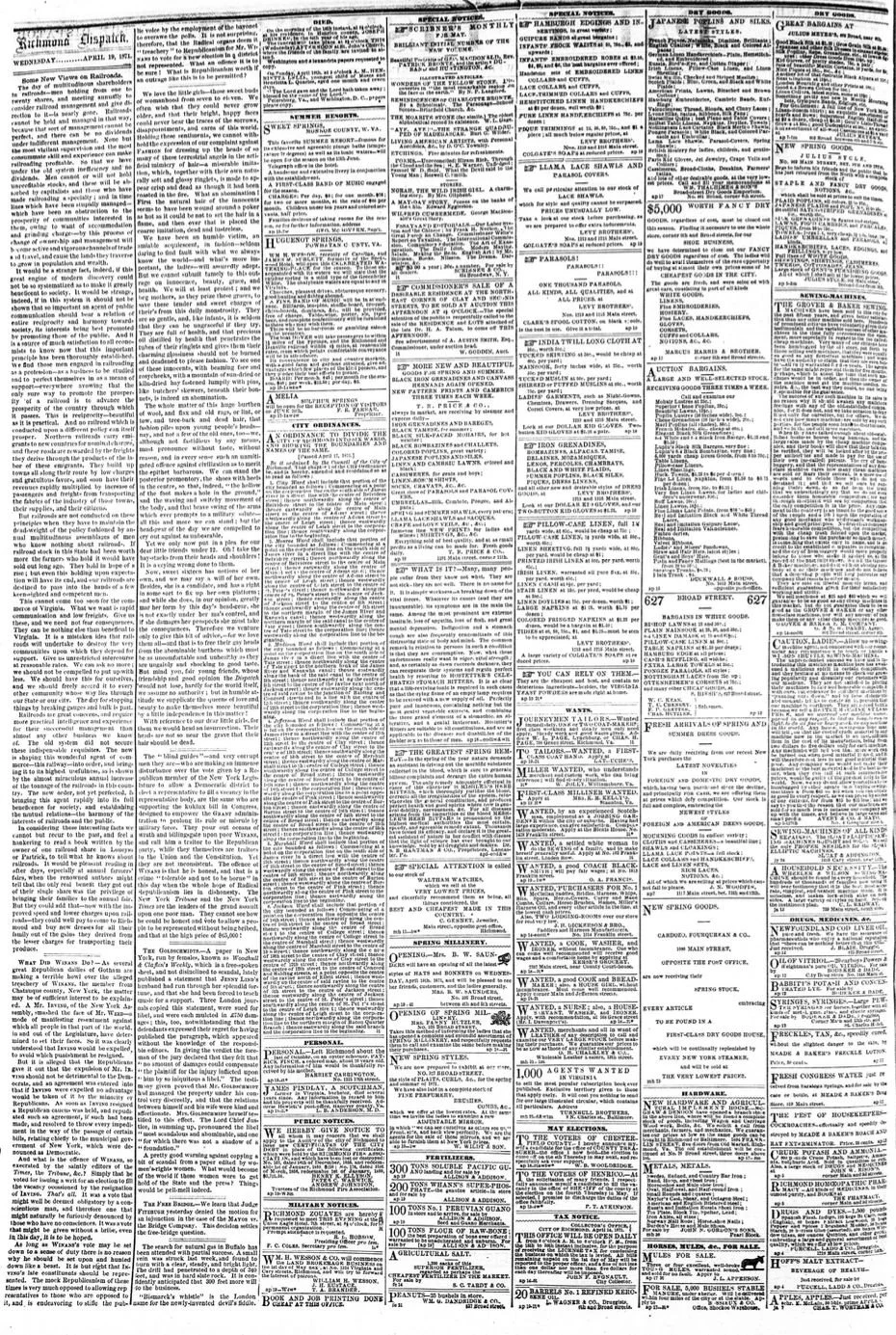
In the wake of the war, the Reconstruction Era would soon take shape with redistricting emerging as a means to revert political control of the city to the fallen confederates. On April 17, 1871, a new gerrymandered political boundary was introduced called “Jackson Ward”, which originally extended from 18th Street to Leigh Street in Shockoe Bottom – and over the years has been associated with several nicknames, such as "Black Wall Street", "Harlem of the South, "The Deuce", "Quality Row" and "Little Africa".
Today, the ward is only a fraction of its original footprint as the Historic Jackson Ward District now only extends across a limited block radius as a consequence of urban renewal and slum clearance projects in the 1940s and 1950s. The projects led to the displacement of over 1,000 Black homeowners and business owners via eminent domain as part of the construction of the Richmond-Petersburg Turnpike, or more commonly called Interstate 95. However, grassroots organizations, such as The JXN Project, are helping to drive reparative justice through historic presentation to help heal the many neighborhoods that have been devastated by these projects.
Primary Artifacts
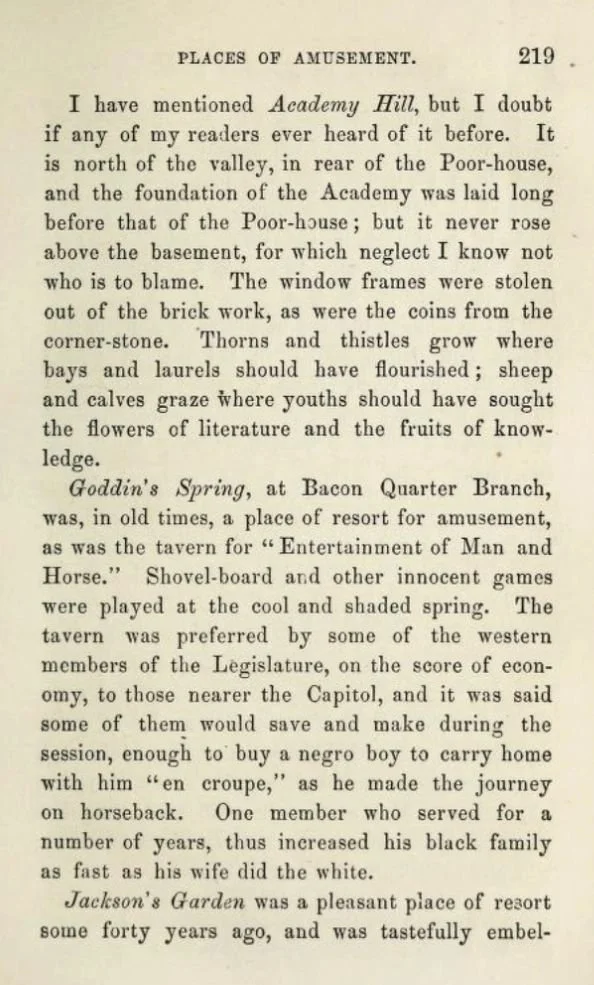
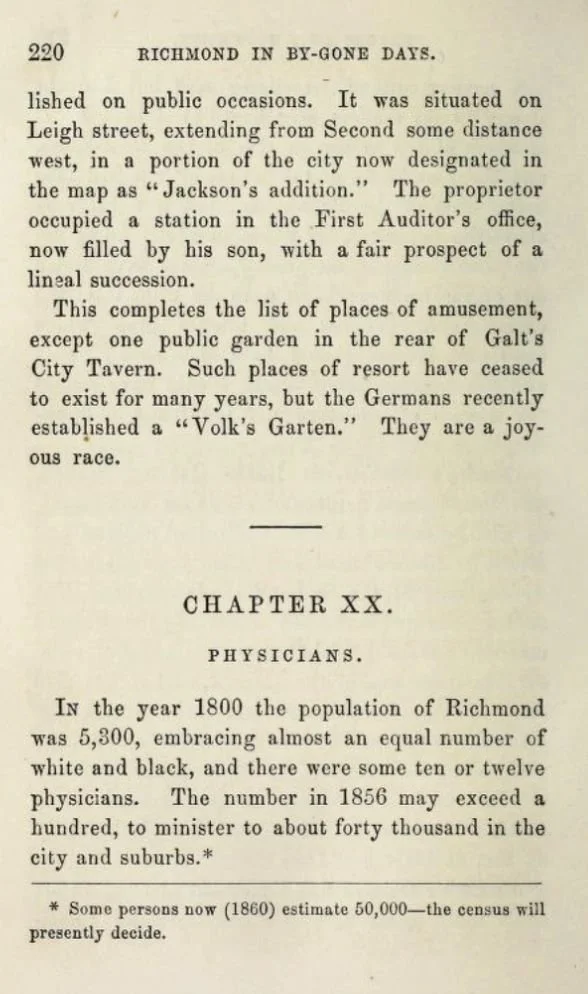
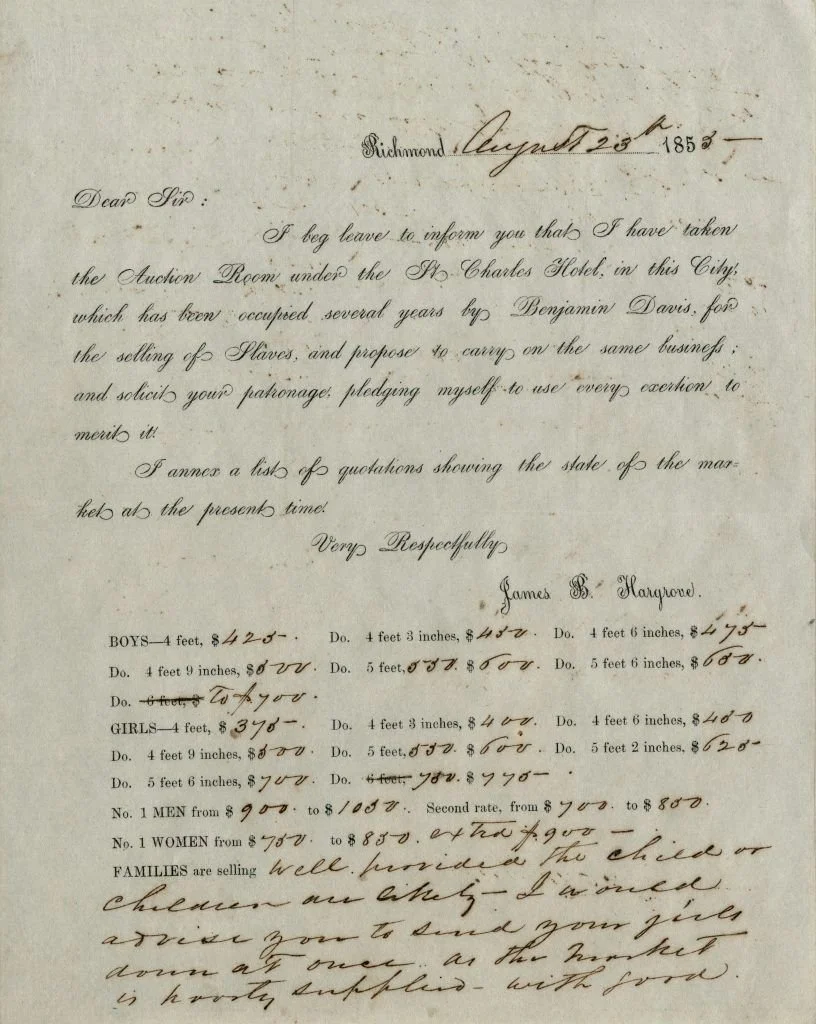
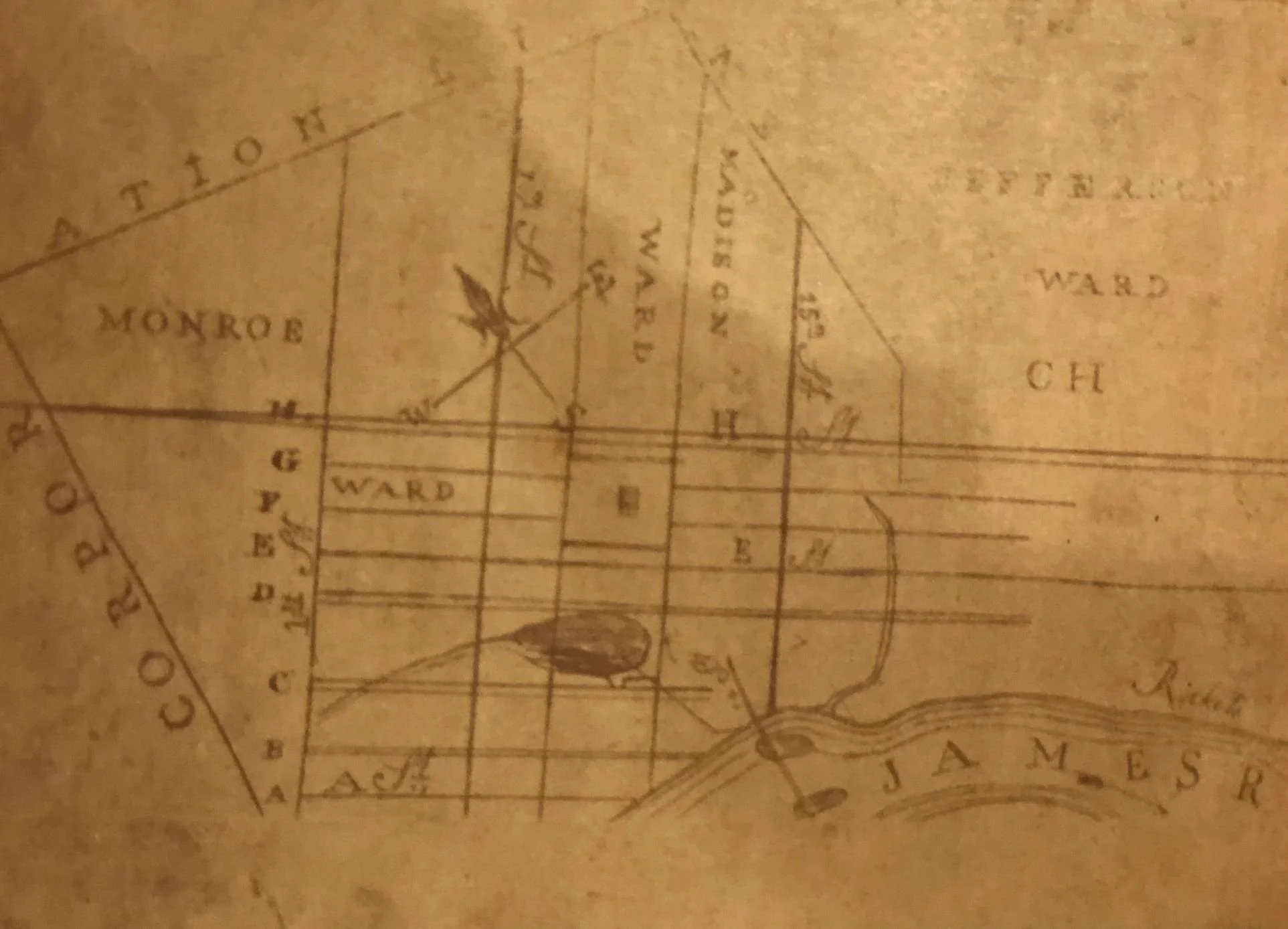
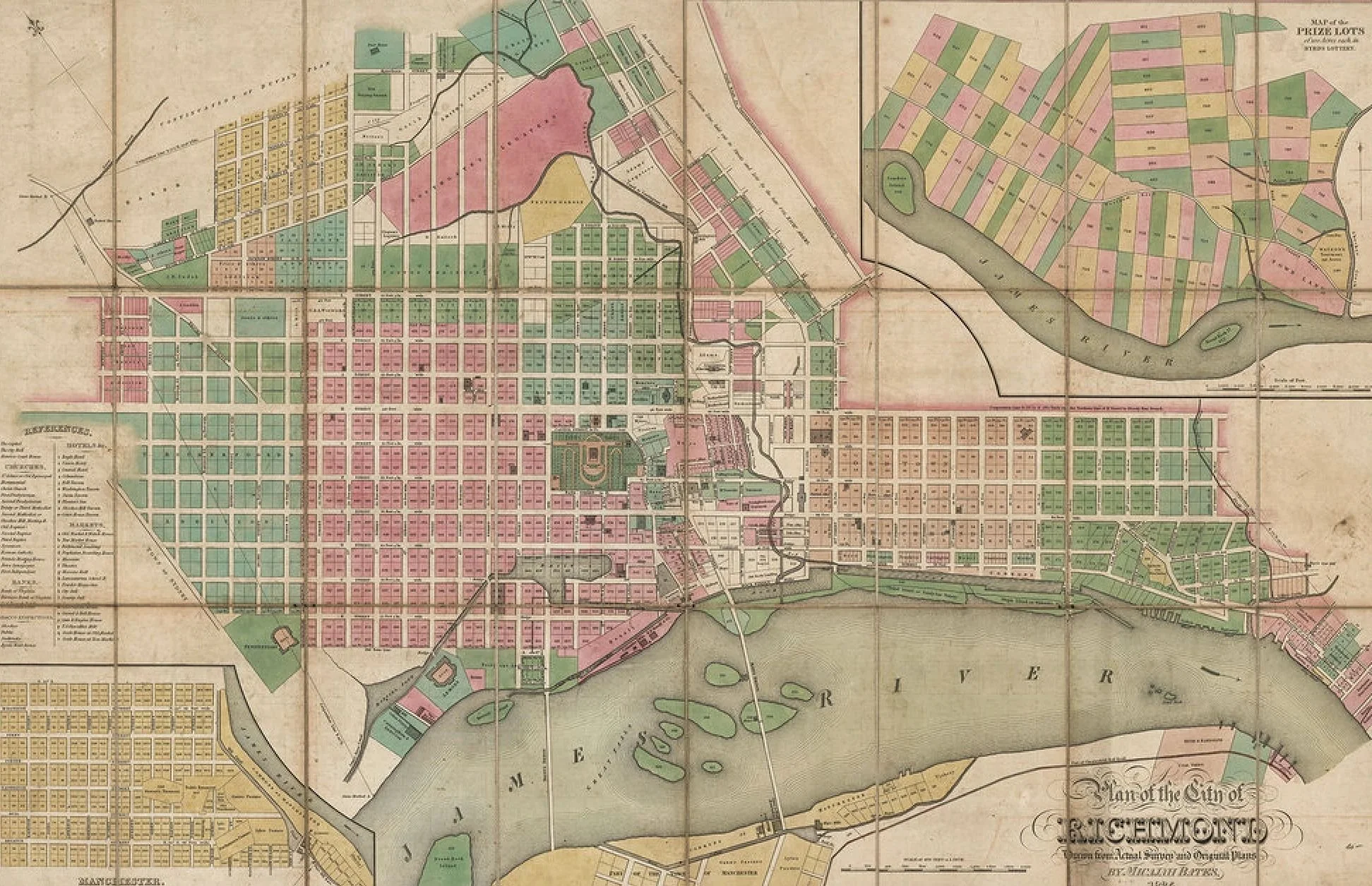
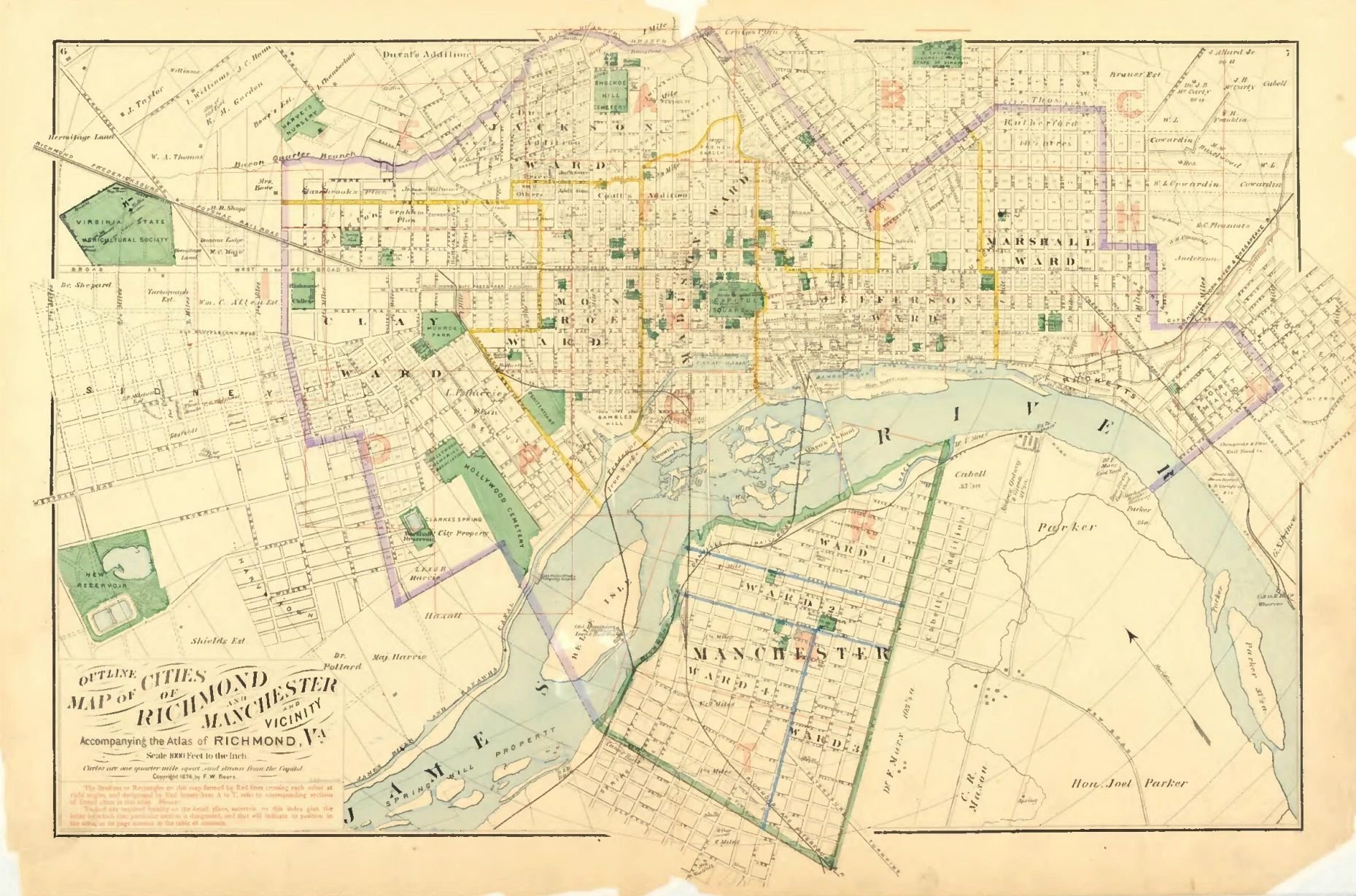
JXN x LVA x RPL Summer Lecture Series
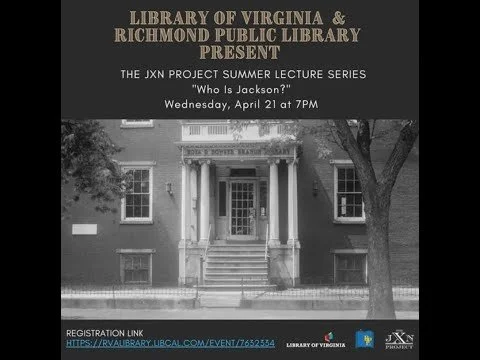
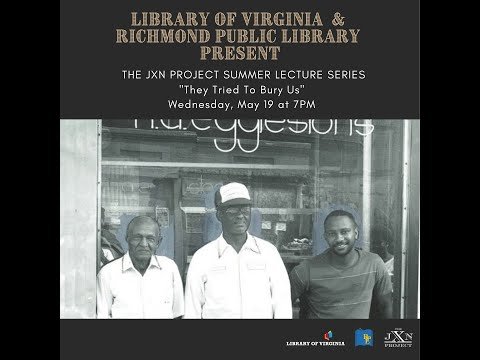
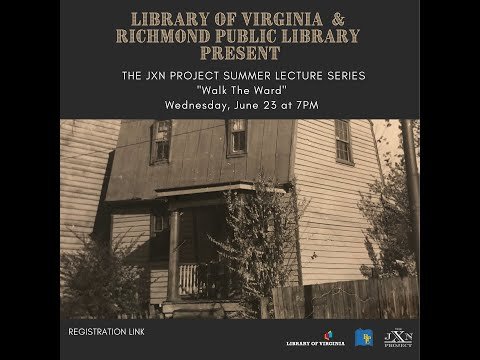
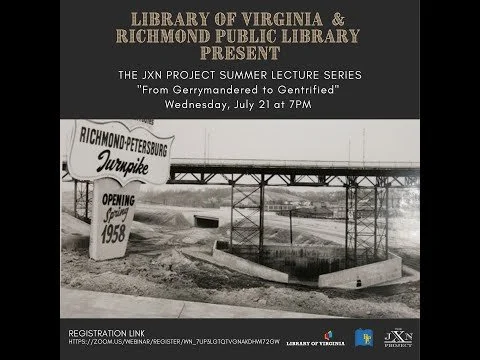
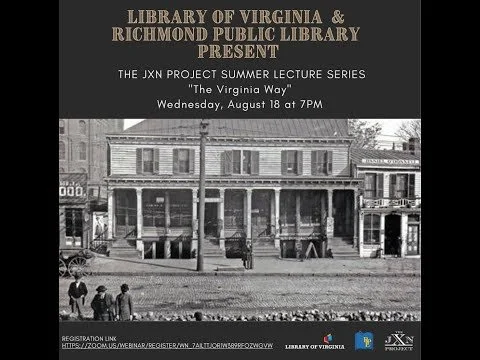
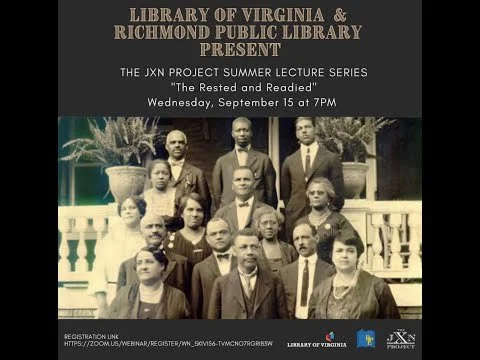
Photos Courtesy of National Park Service Maggie L. Walker National Historic Site, Library of Congress, Library of Virginia, Black History Museum and Cultural Center of Virginia, Virginia Museum of History and Culture, Virginia Humanities, Valentine Museum, and Richmond Times-Dispatch