
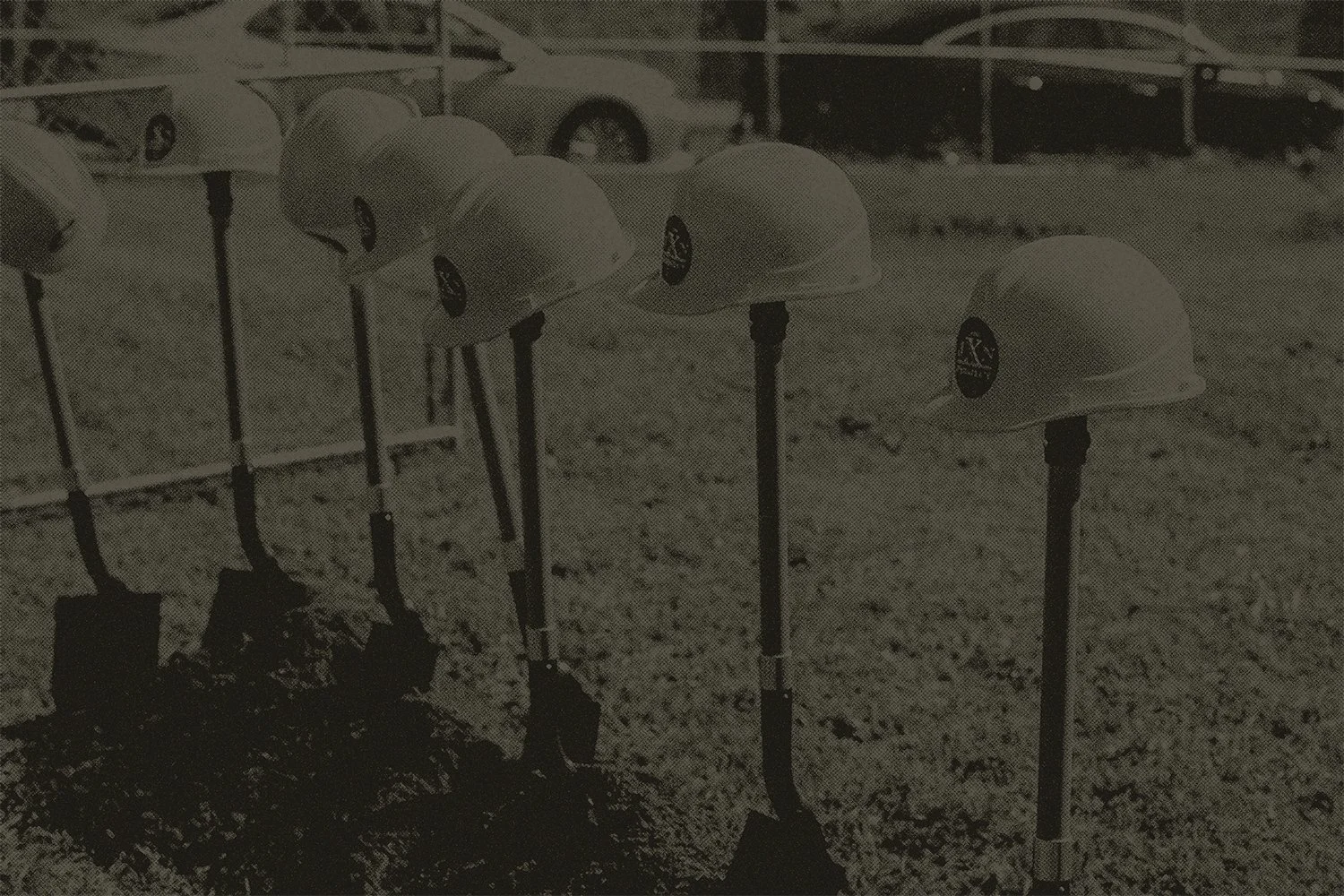
The Skipwith-Roper Homecoming
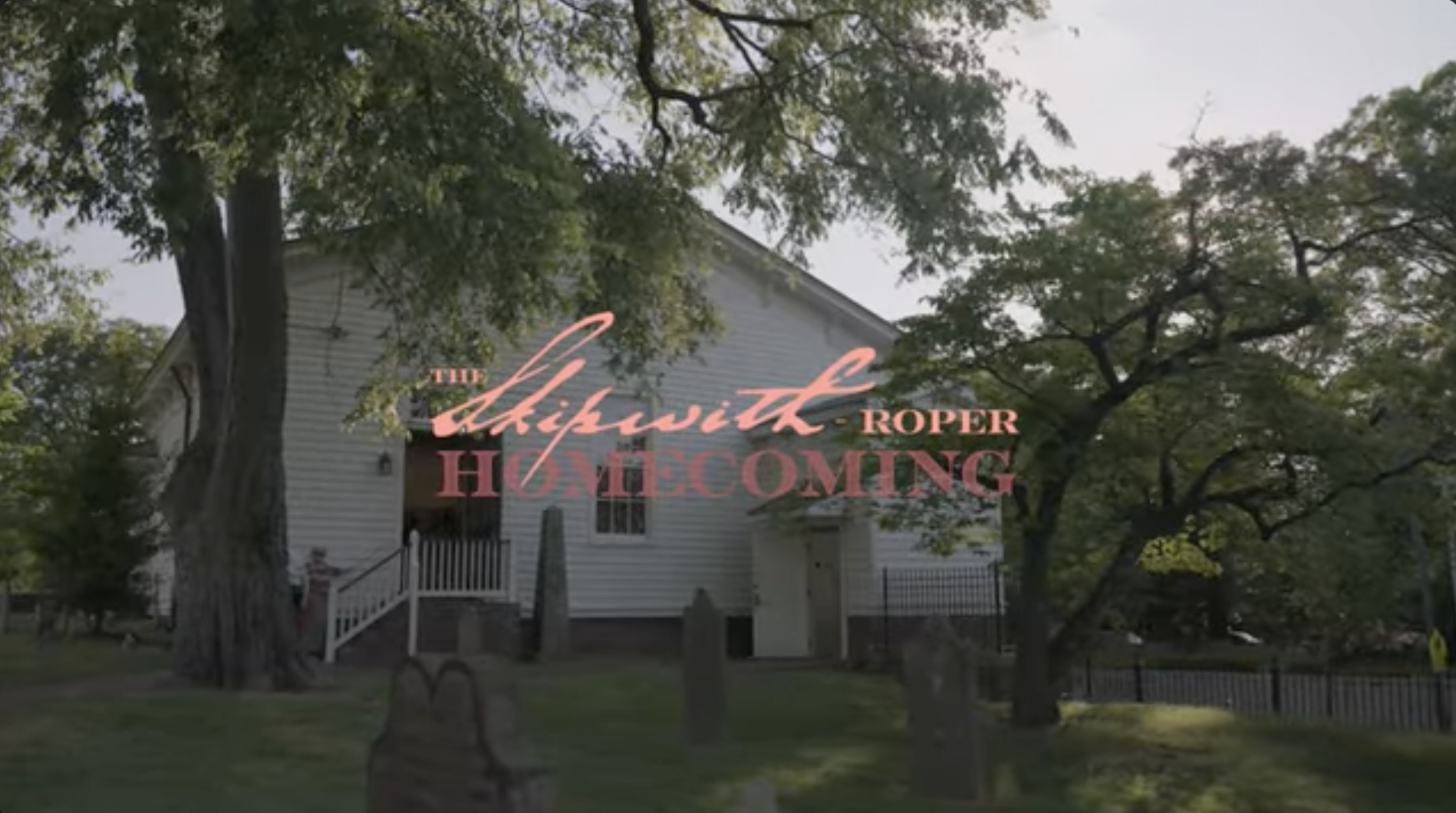
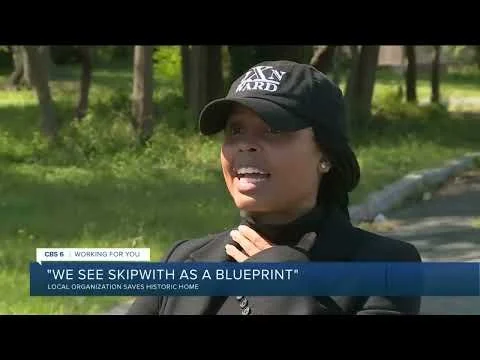
Video Courtesy of Will Roye
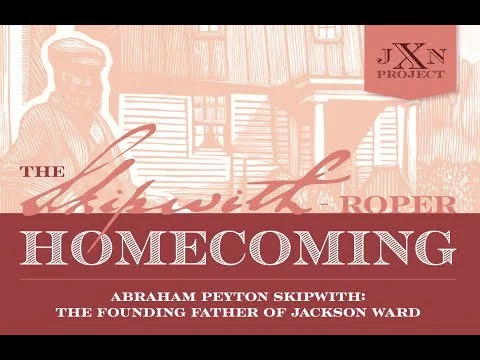
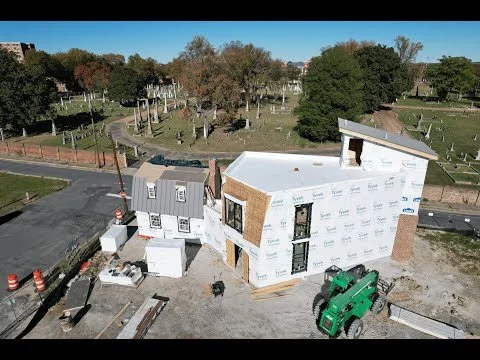
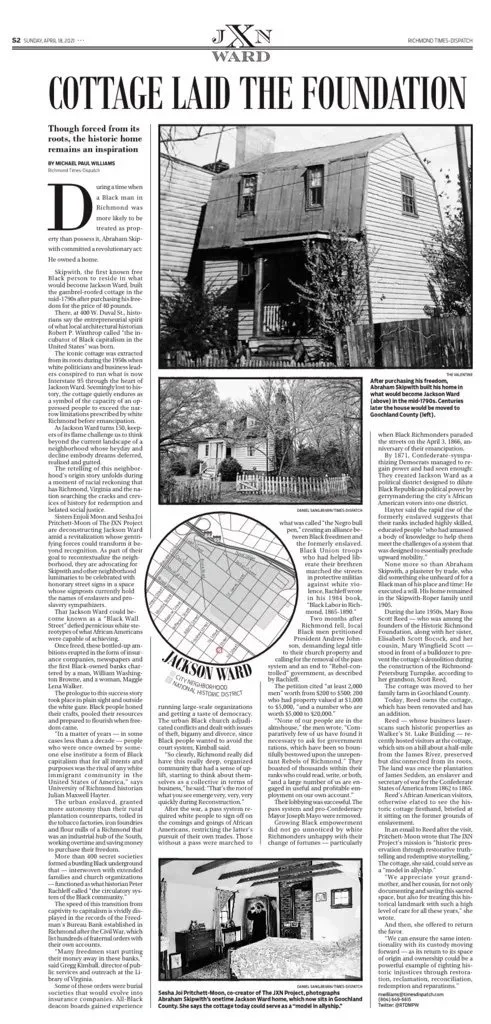
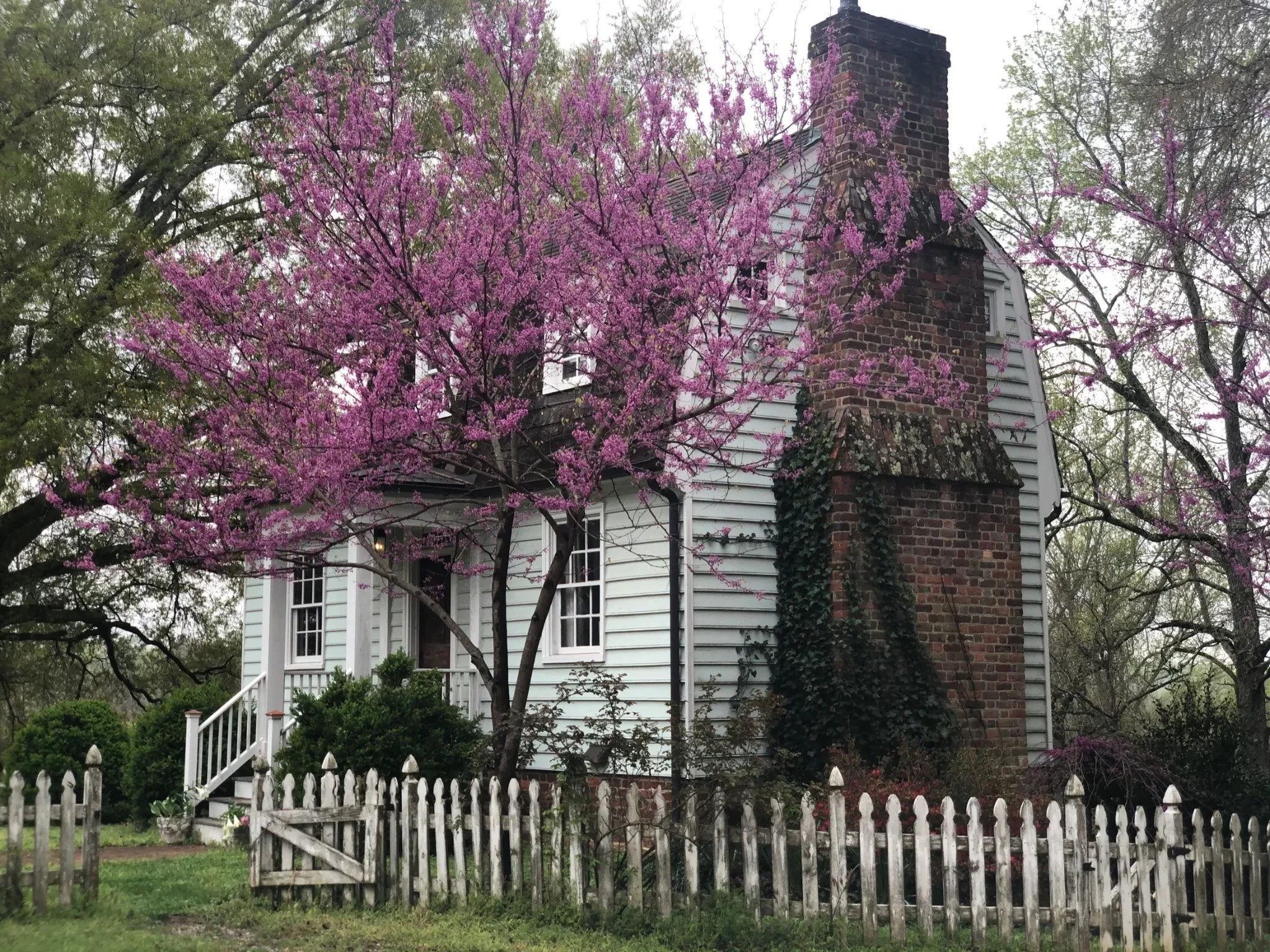
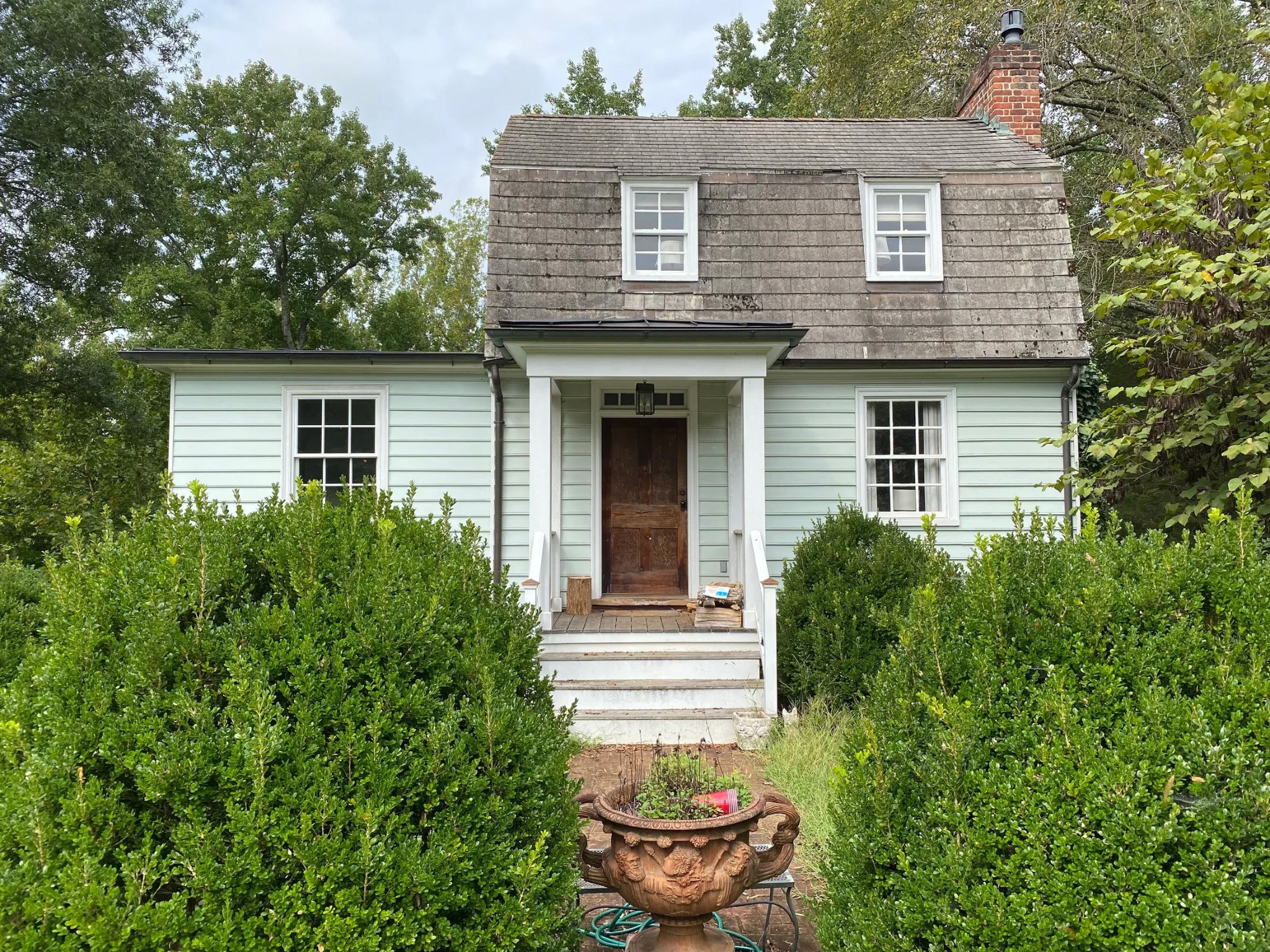
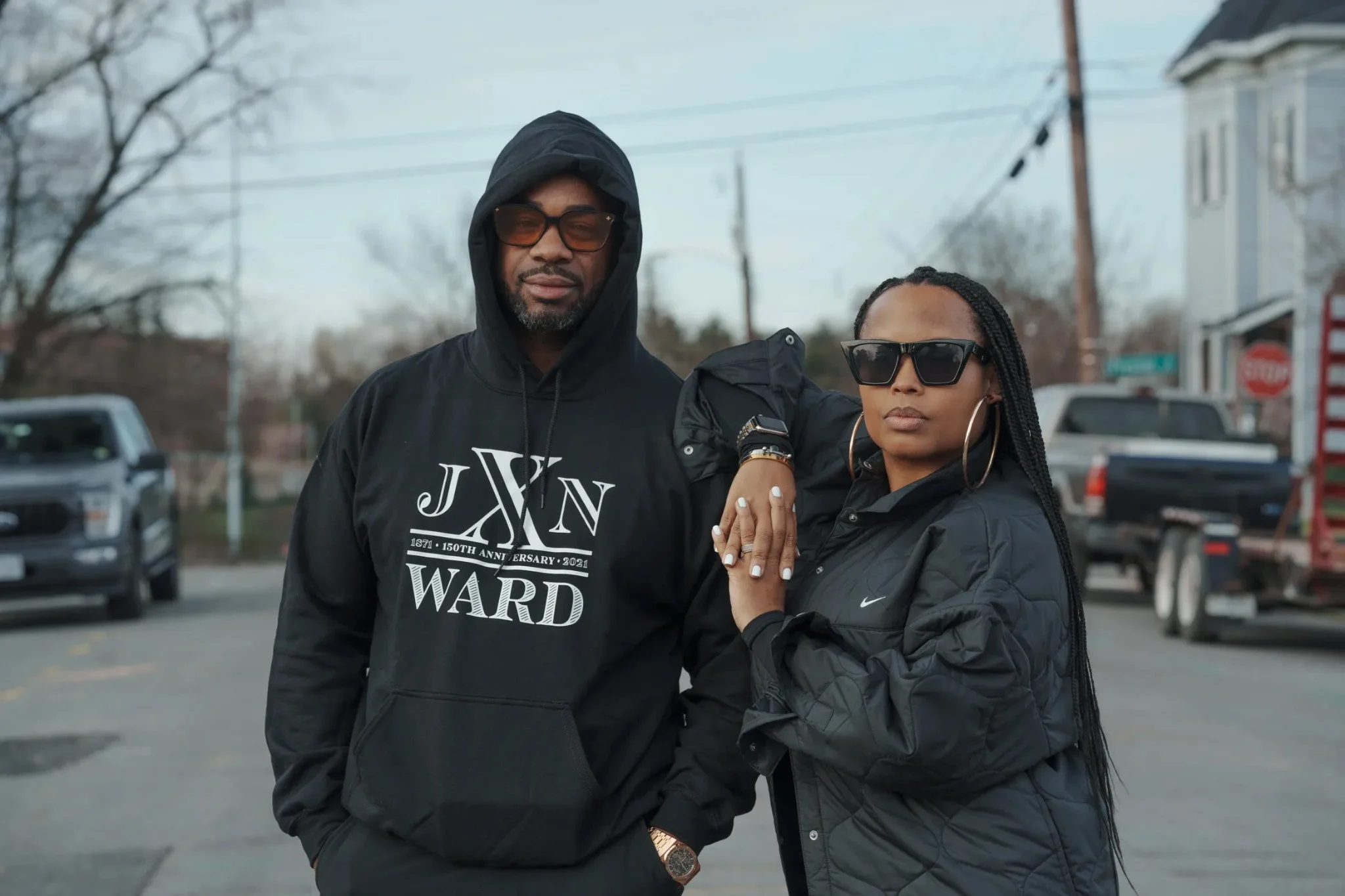
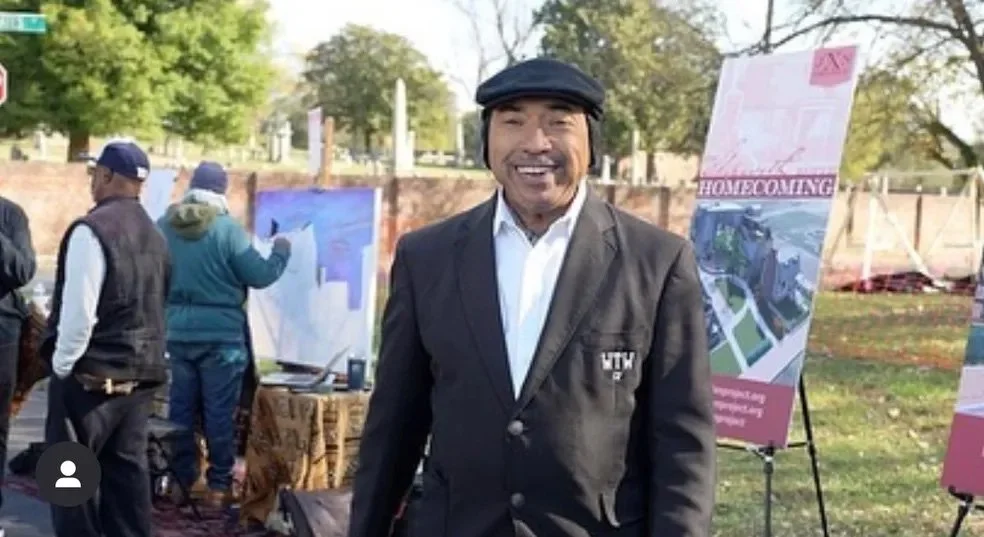
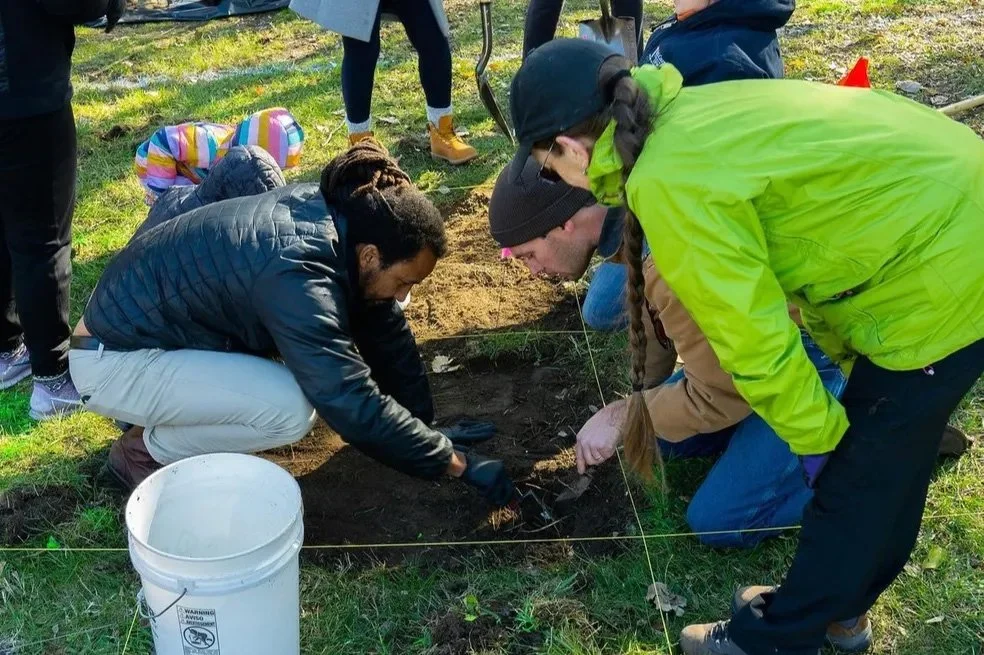
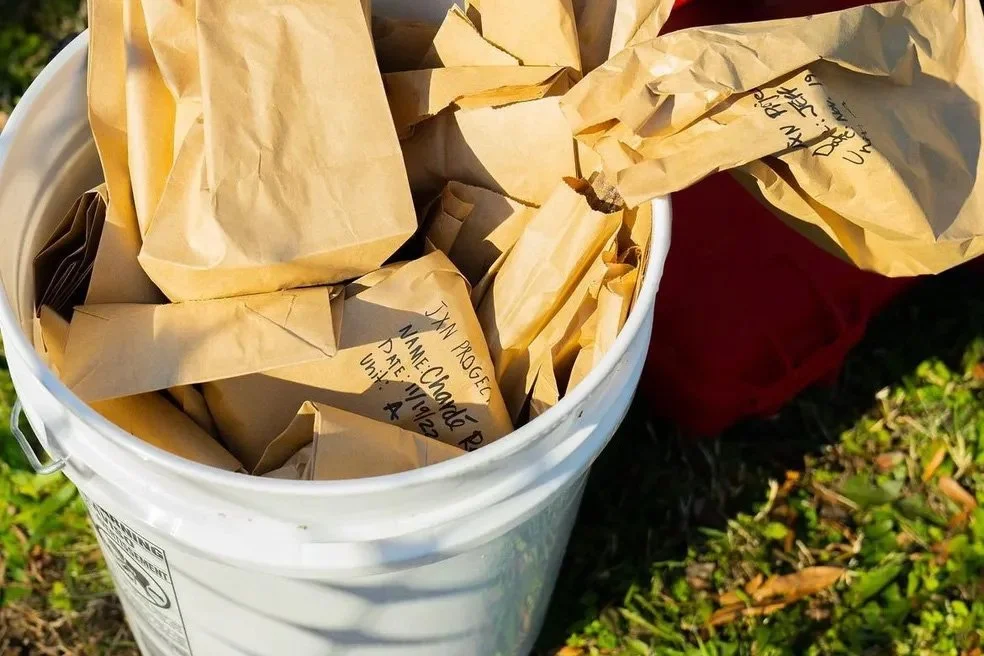
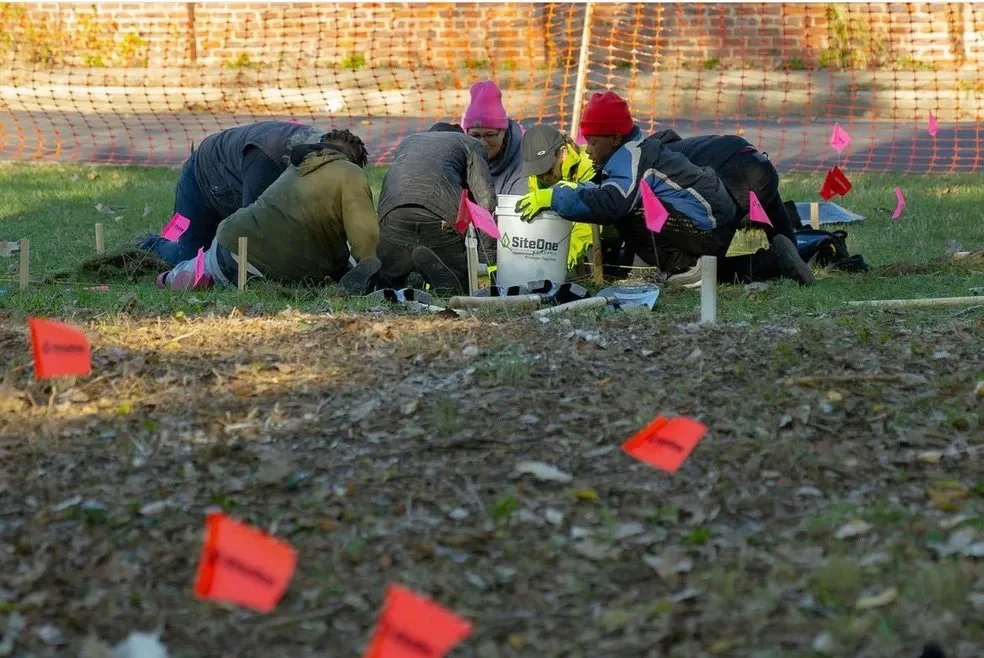
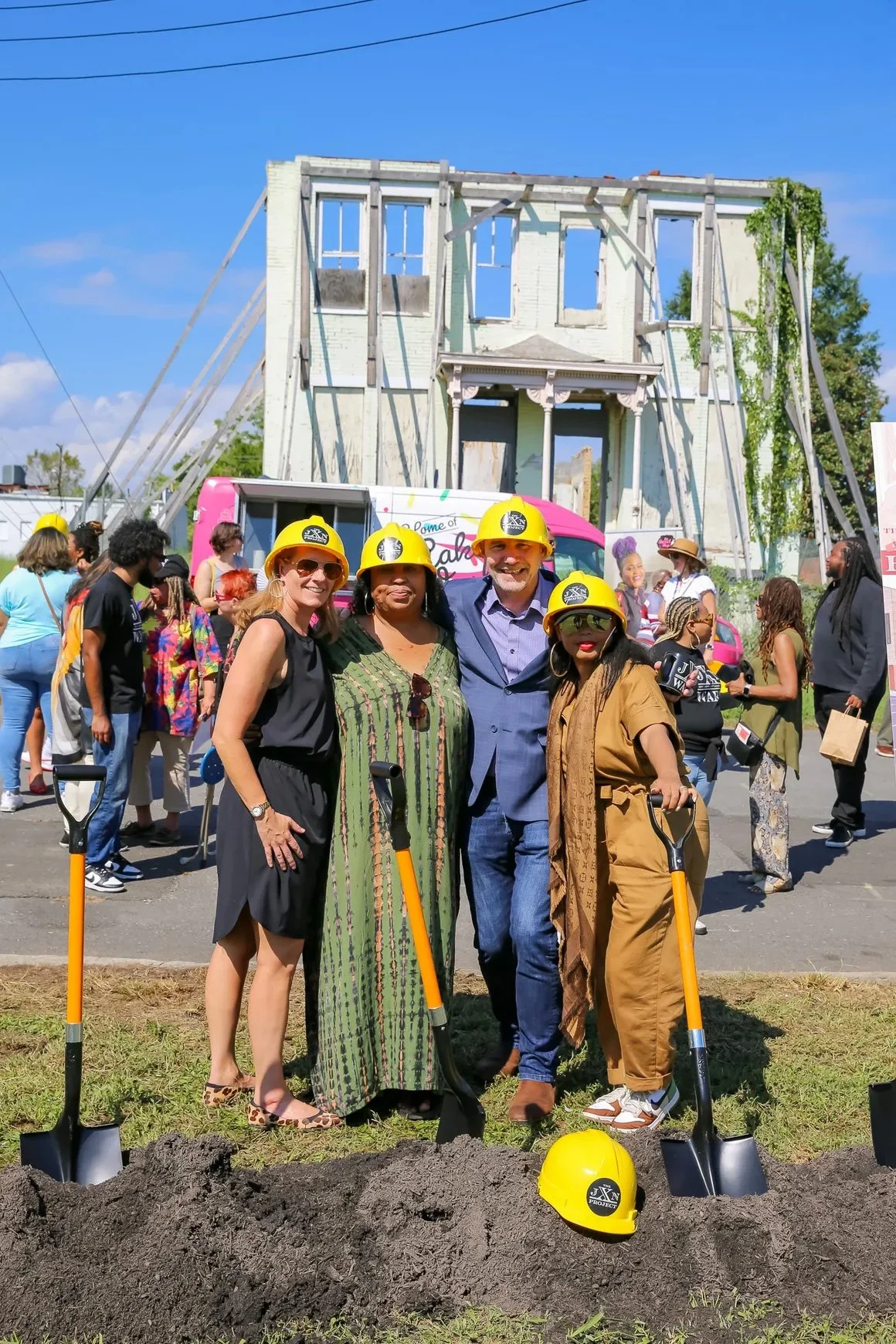
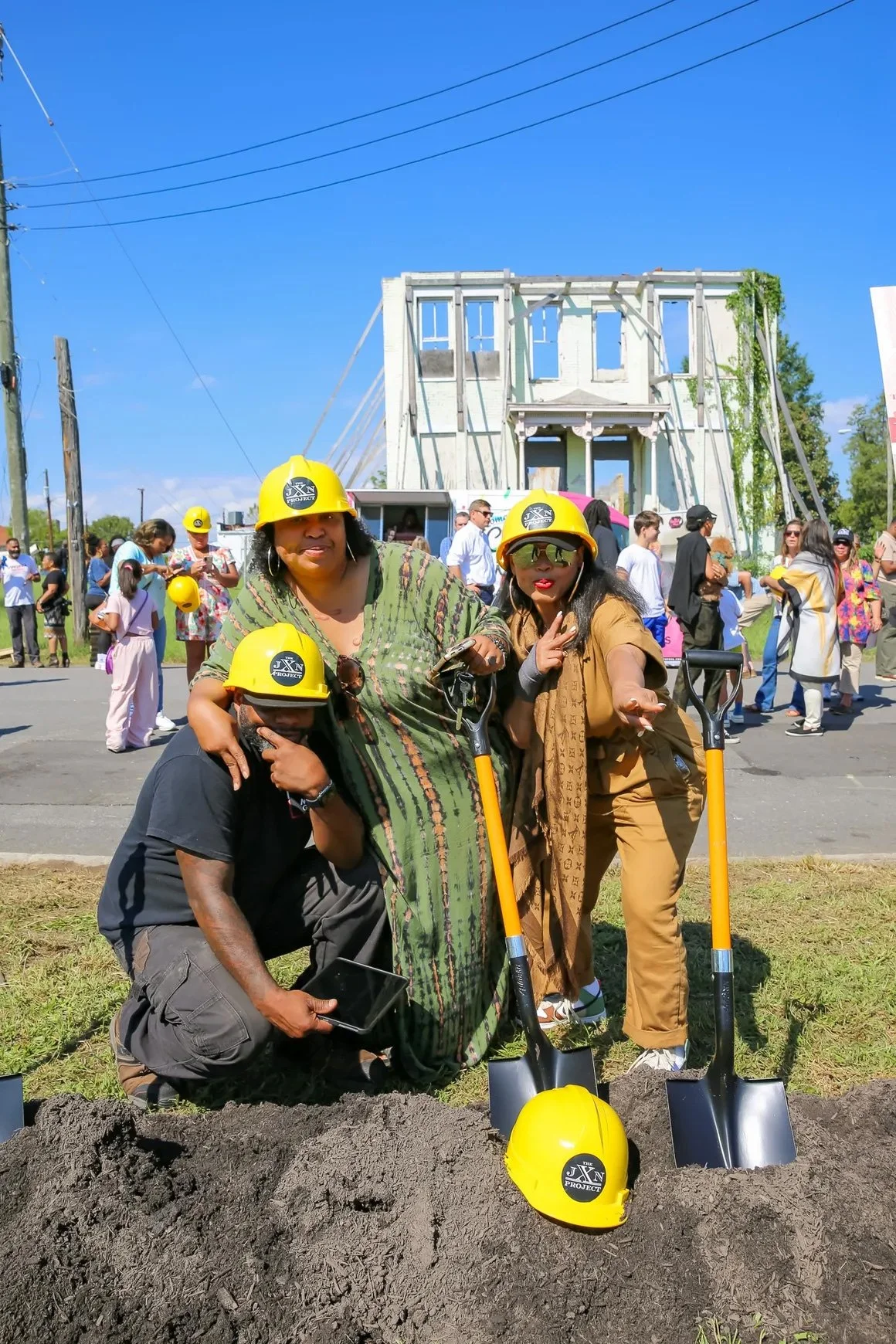
“The Skipwith-Roper Homecoming” is an initiative to reconstruct the home of Abraham Peyton Skipwith, who is considered "The Founding Father of Jackson Ward." Skipwith became the first known Black homeowner in the ward in 1793 by building a three-story gambrel roof cottage, also known as the Skipwith-Roper Cottage. The cottage was bequeathed in what became one of the first fully executed wills by a Black Richmonder and|or Virginians in 1799 to his descendants, also known as the Skipwith-Ropers. The cottage stayed in the custody of Black Richmonders until its last known owners were forcibly removed in the 1950s by way of eminent domain to accommodate construction of Interstate 95. It was then dislocated to a nearby county, where its remnants continue to sit today on the former tobacco plantation of the Secretary of War for the Confederate Army. The JXN Project launched the homecoming initiative as an effort to reconstruct the cottage for interpretative purposes in the heart of Jackson Ward – serving as an opportunity to excavate, elevate, and educate diasporic audiences on the Skipwith-Ropers as the project's anchoring ancestors, as well as on the pivotal role of Jackson Ward in the Black American experience given that it’s said 1 in 4 Black Americans can retrace their roots to the region around Richmond, Virginia."
-
The JXN Project considers Abraham Peyton Skipwith as "The Founding Father of Jackson Ward". He was a mixed-race Black man who was enslaved by Jaquelin Ambler and Rebecca Lewis Burwell as early as 1767 in the Williamsburg, Virginia area – both of whom were directly connected to Thomas Jefferson as the former served in his Council of State and the latter was his first love at the College of William and Mary.
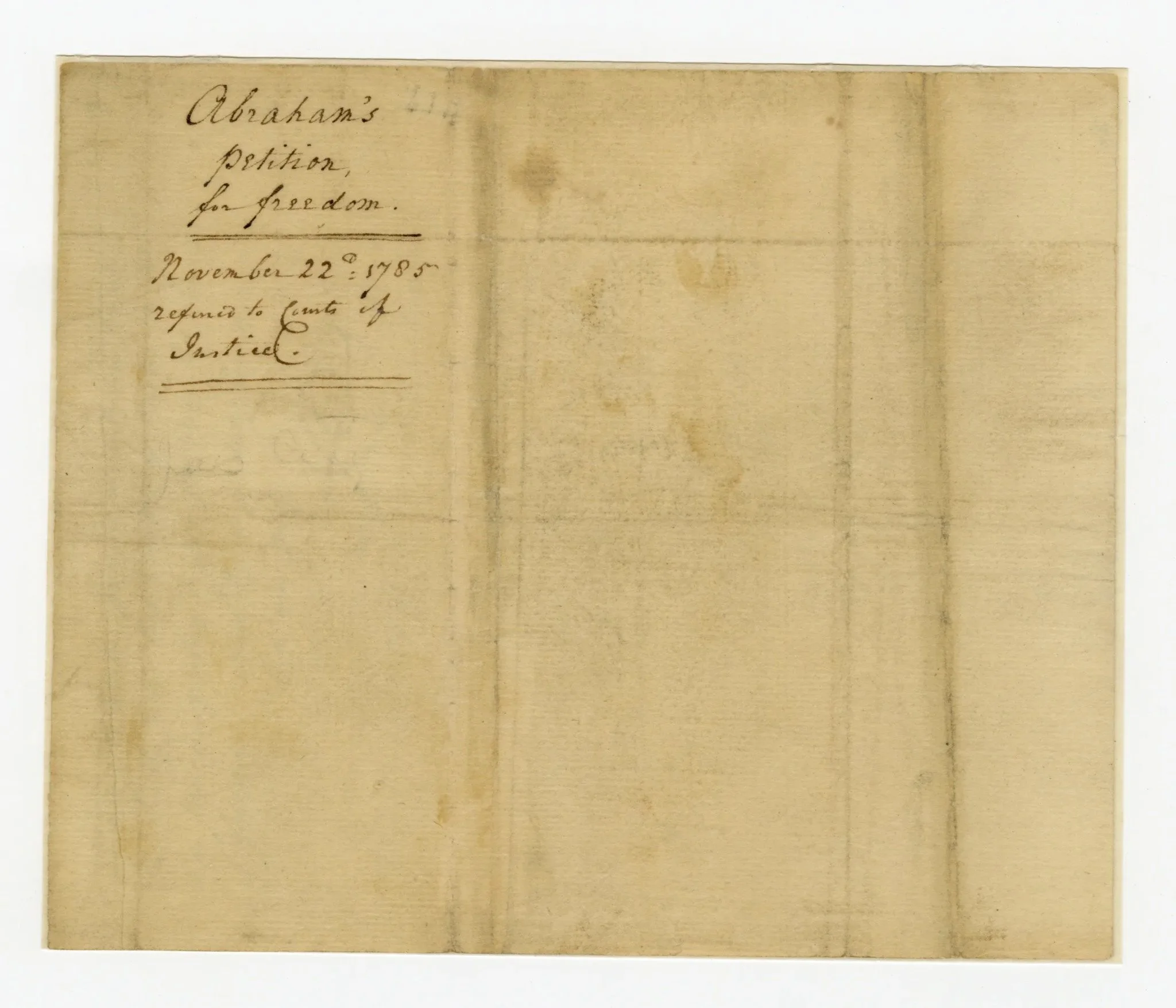
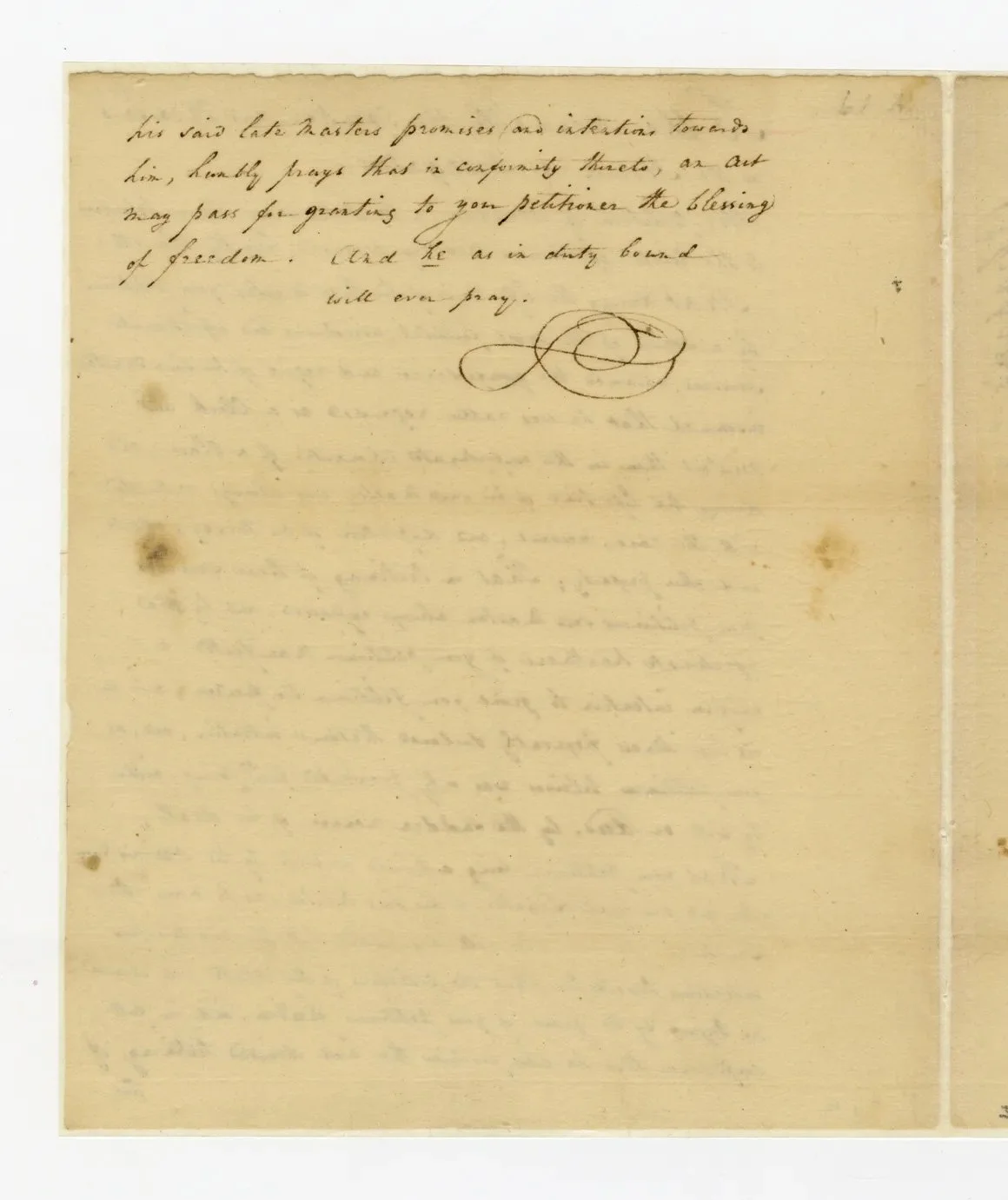
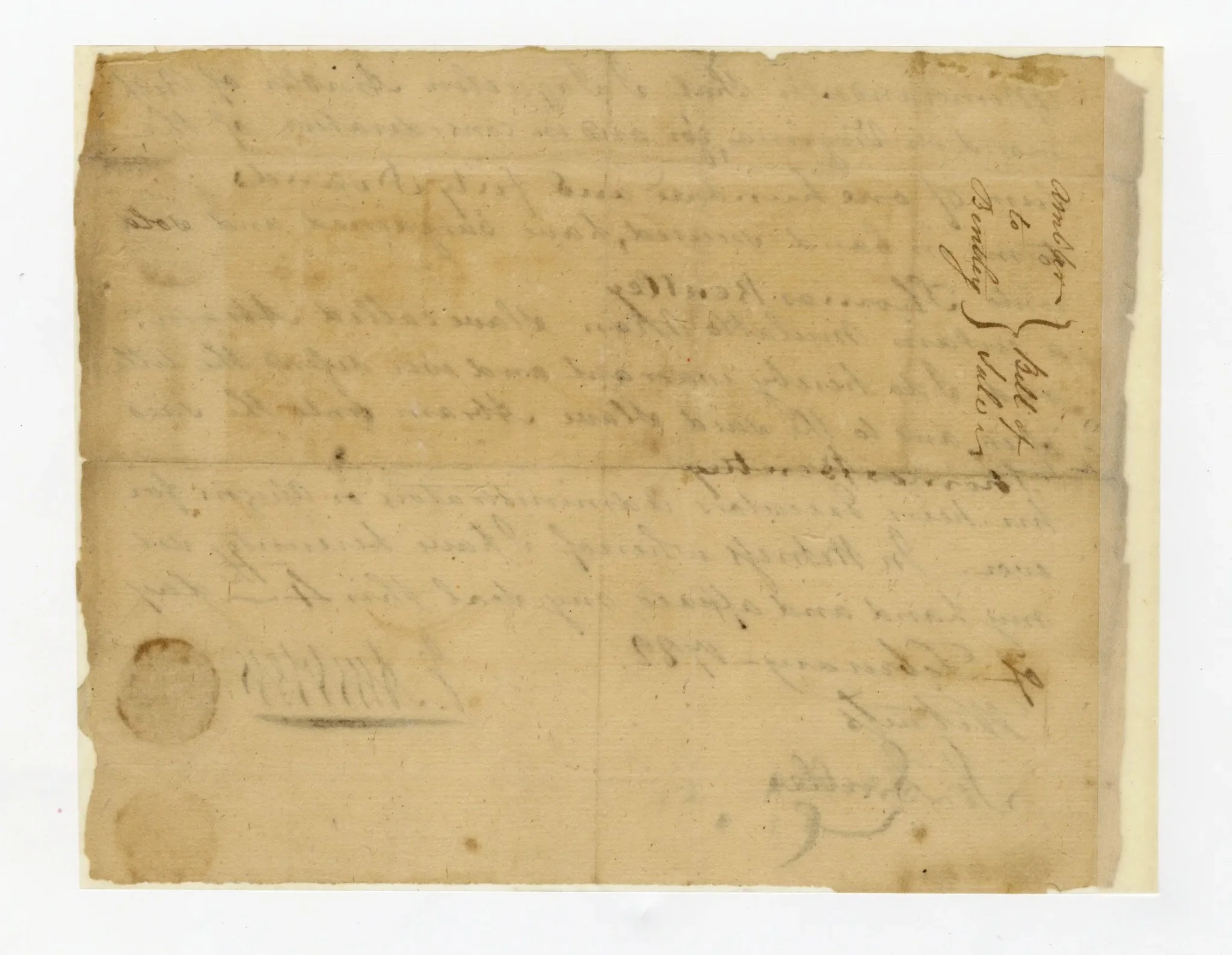
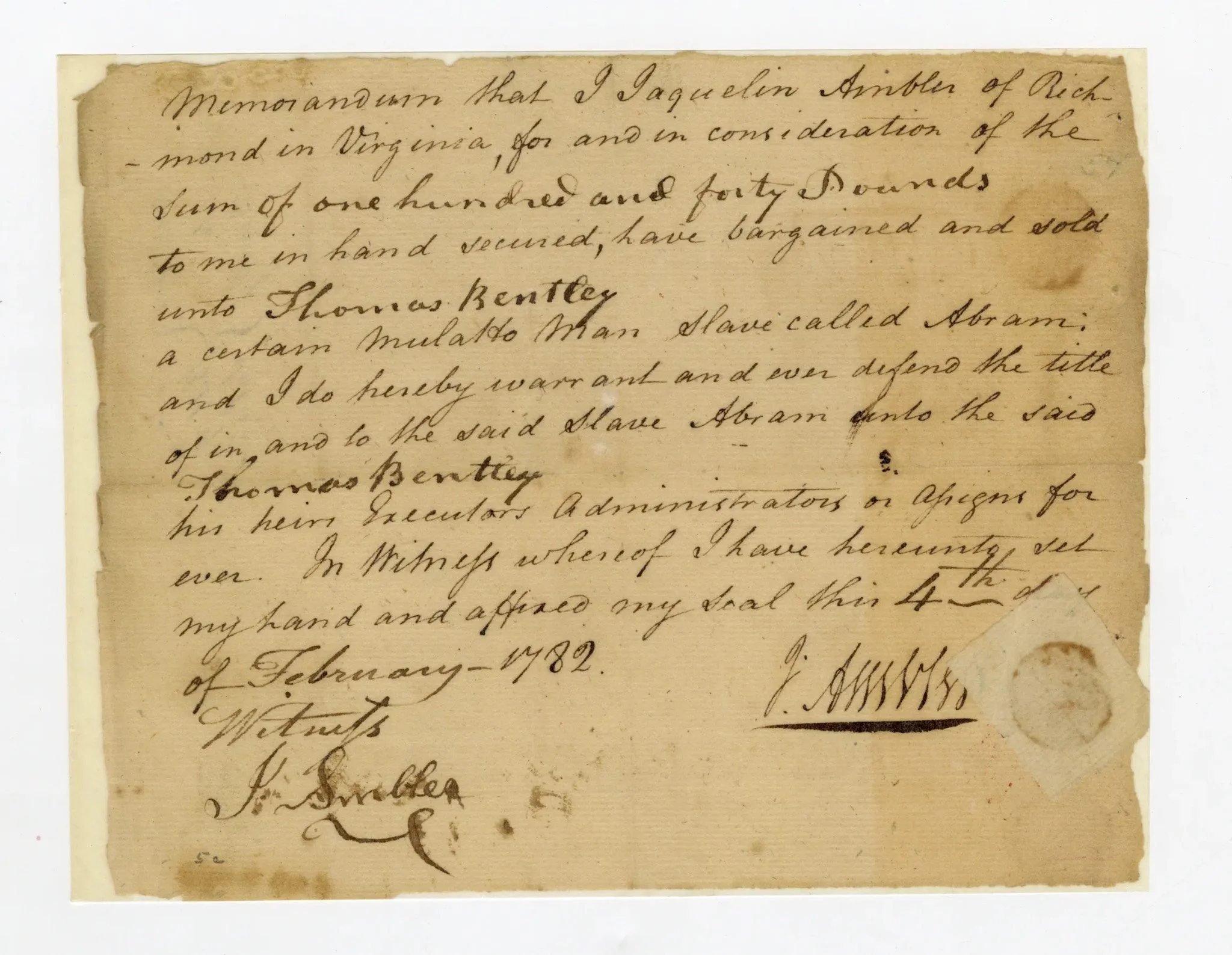
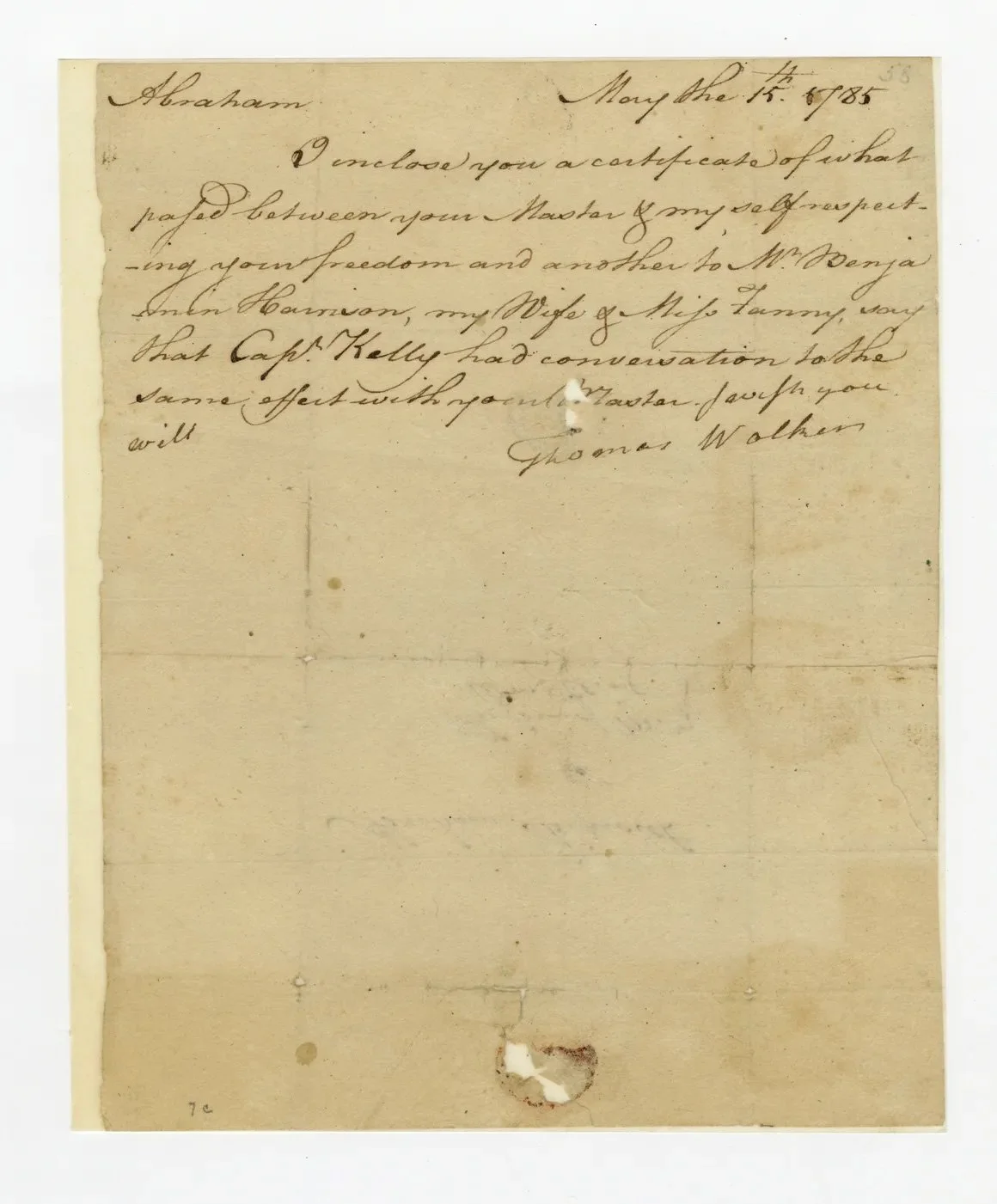
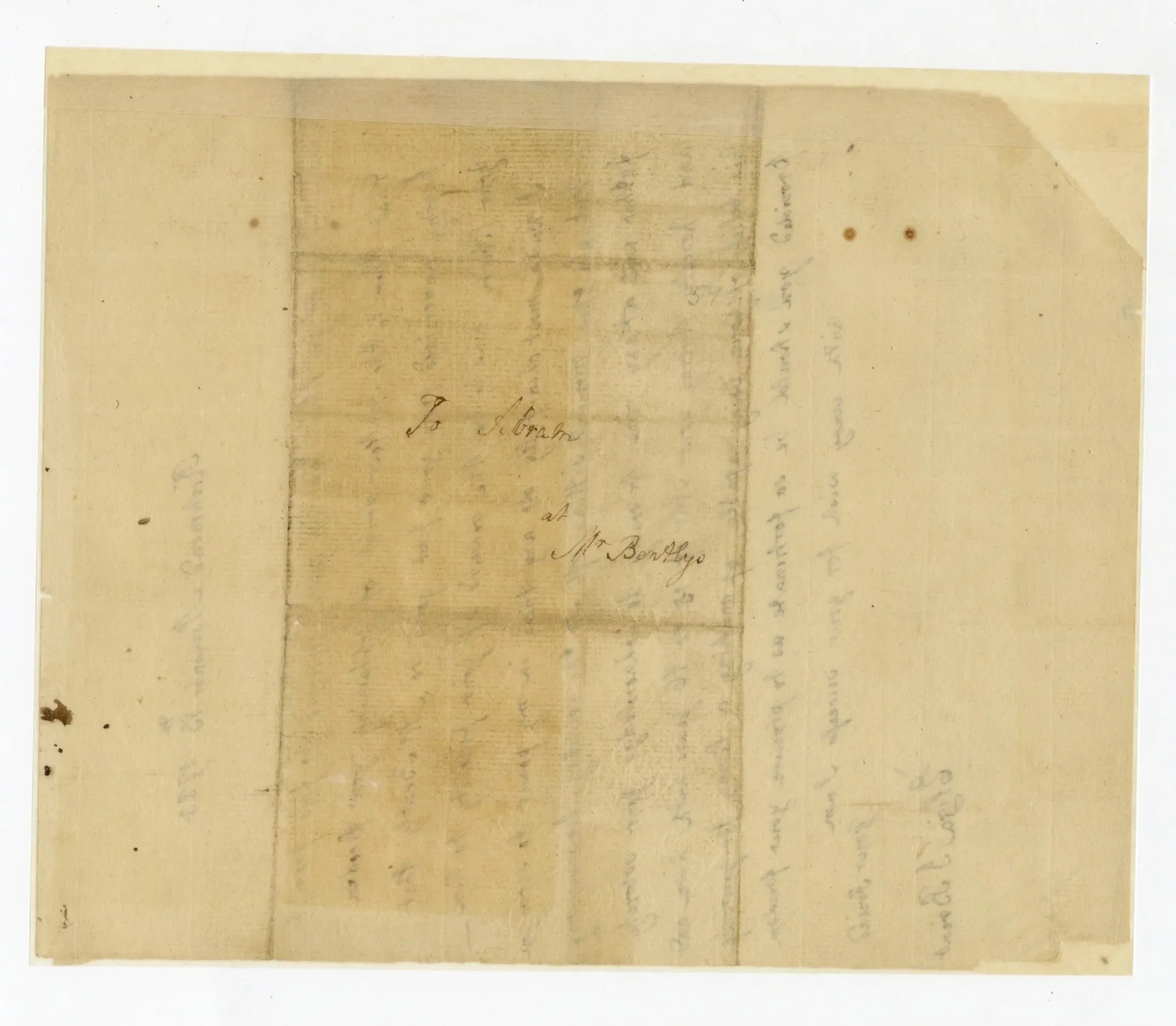
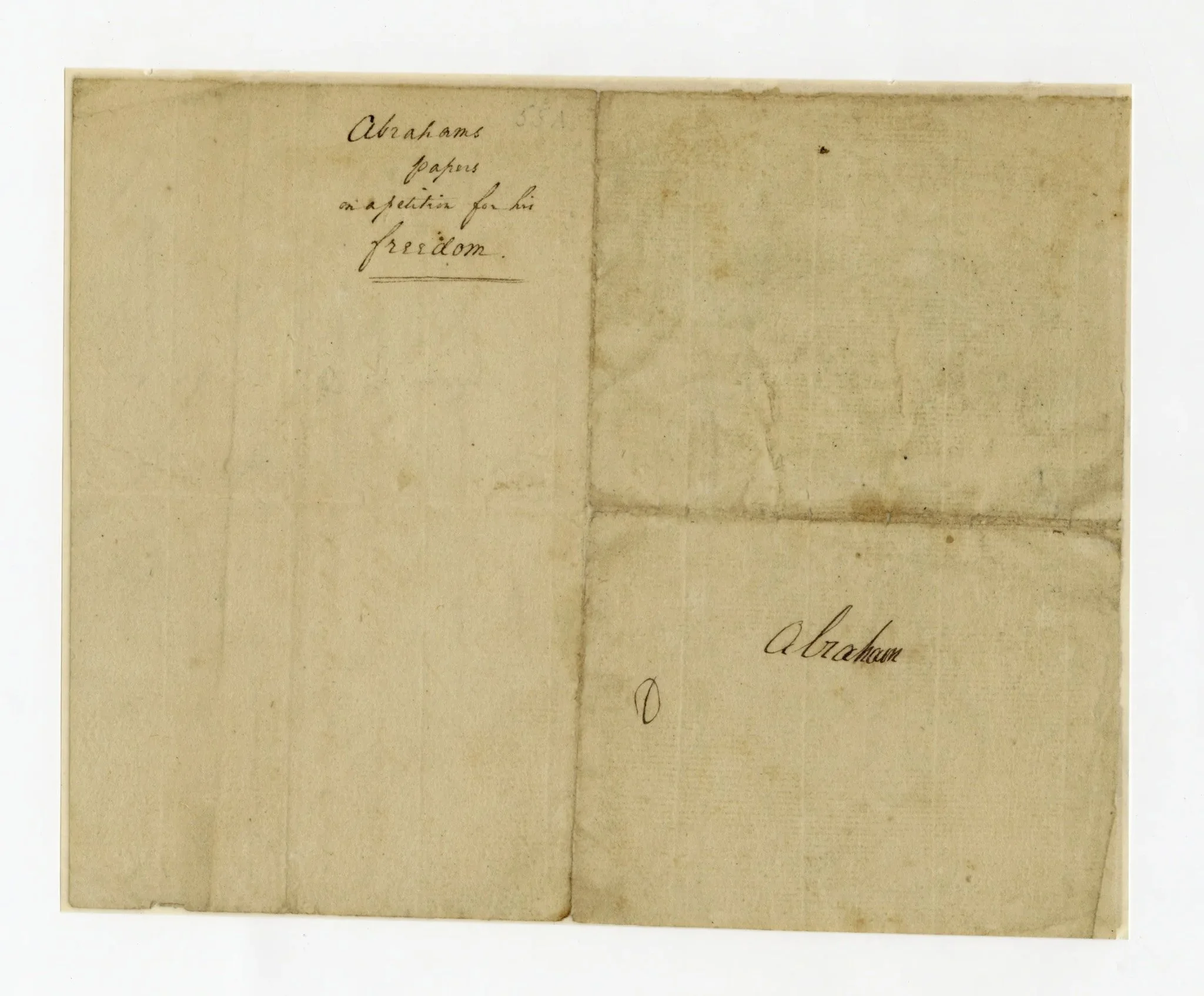
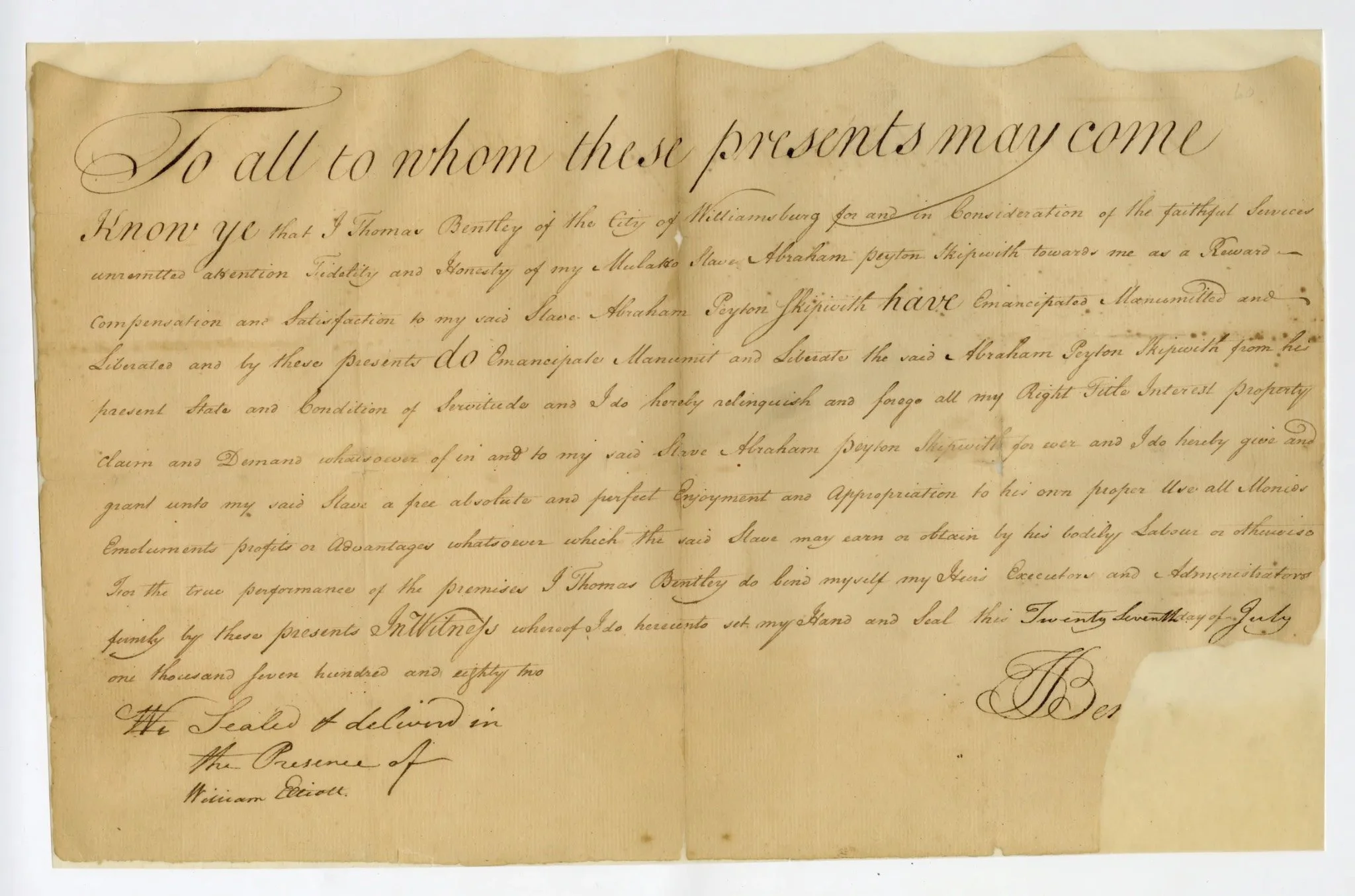
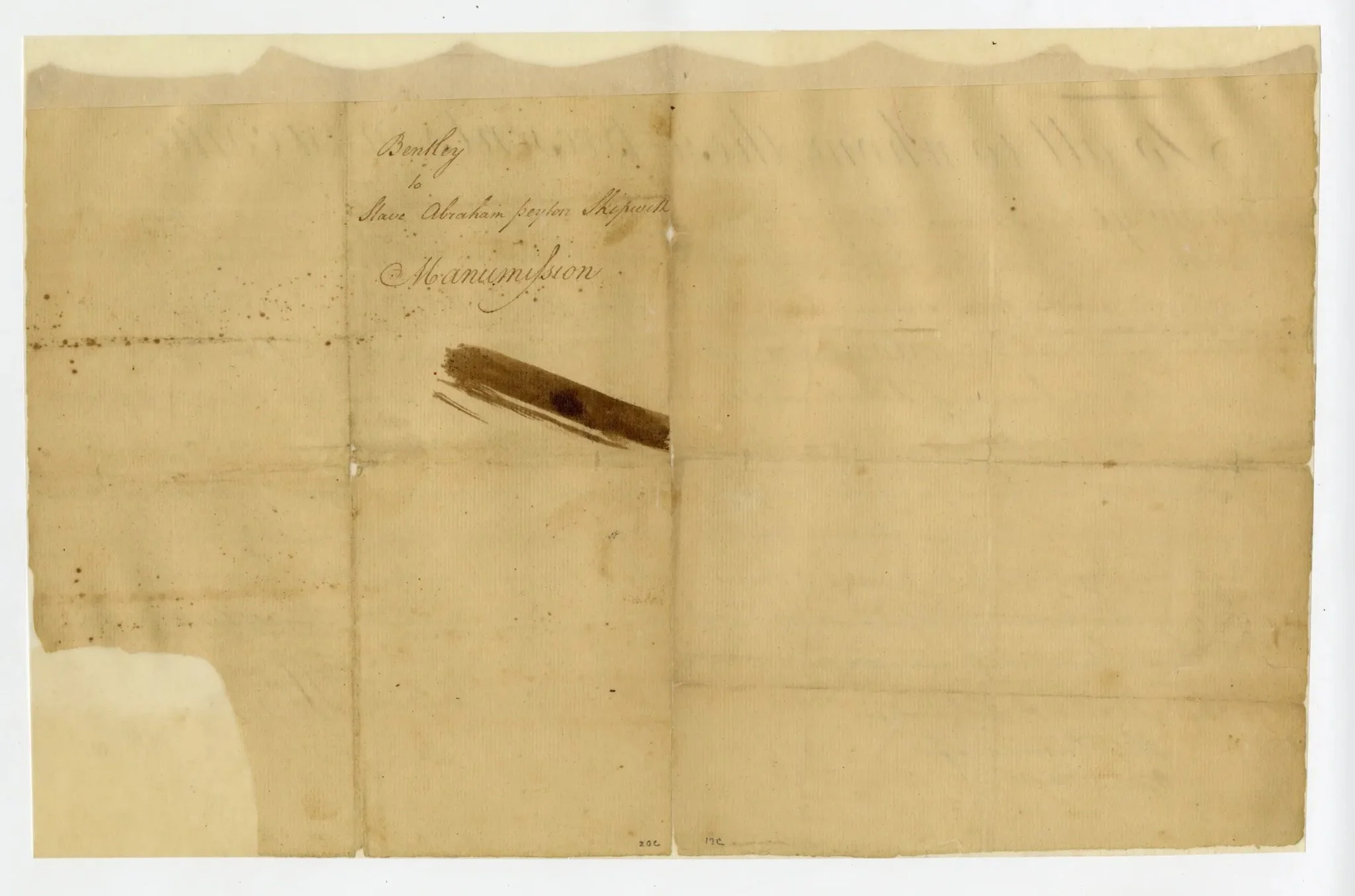
In 1782, Skipwith was sold to an explorer named Thomas Bentley, who is said to have helped expand the Revolutionary War into Illinois, and as an enslaved laborer, worked as a clerk in his store. In 1785, he filed a legislative petition for his freedom, which demonstrated his direct connection to the more traditionally recognized forefathers, such as Benjamin Harrison V who served as a witness for his petition – and who beyond being a signer of the Declaration of Independence was the father of the 9th President and great-grandfather of the 23rd President of the United States of America.
In 1789, Skipwith purchased his own manumission from two local merchants and soon thereafter relocated to the Richmond, Virginia area. He purchased parcels of land on the northern edge of the City of Richmond for 15 pounds and 5 shillings – building a three-story gambrel-roofed cottage known as the Skipwith-Roper Cottage, which is one of the city's oldest documented dwellings.
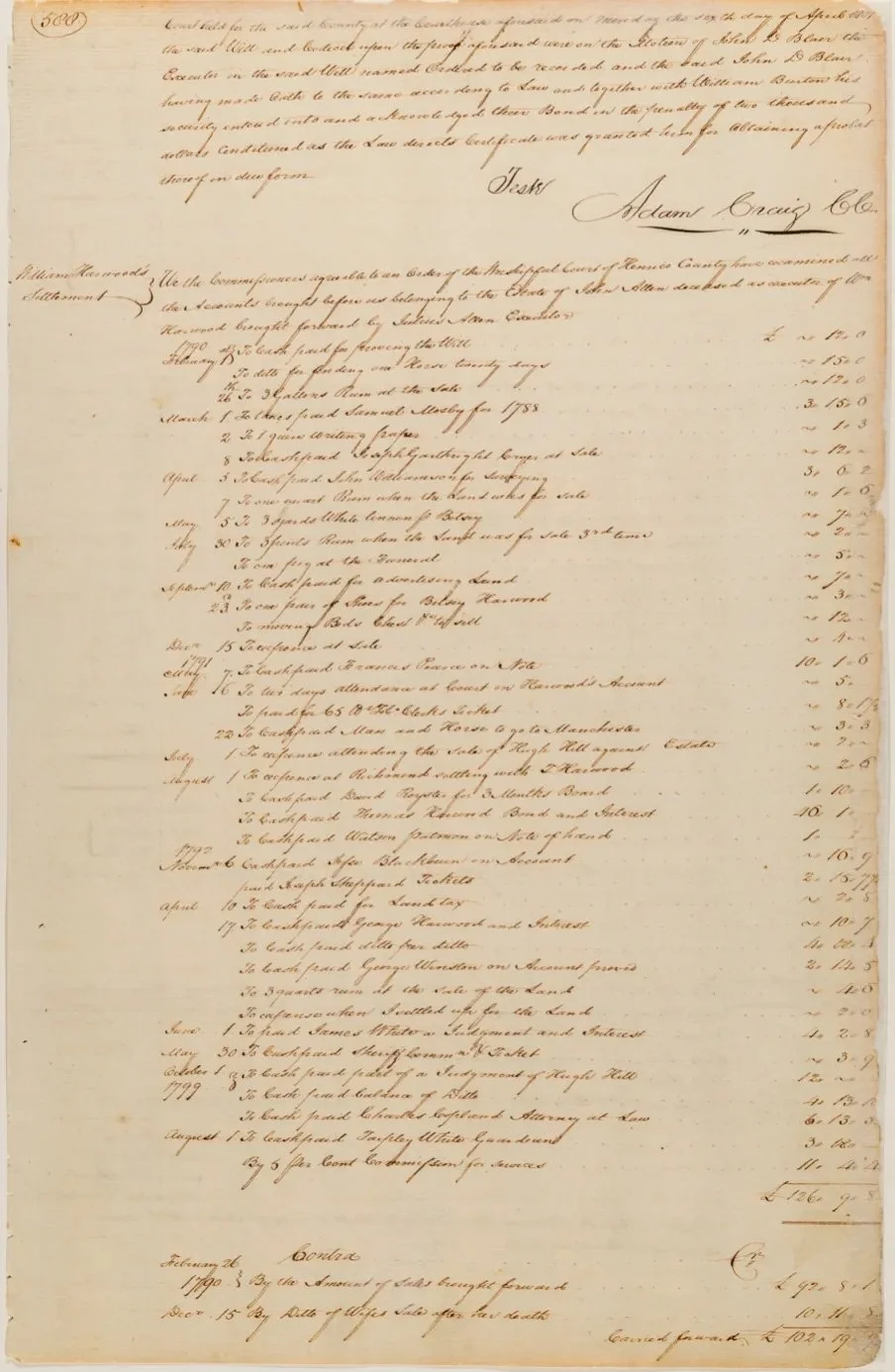
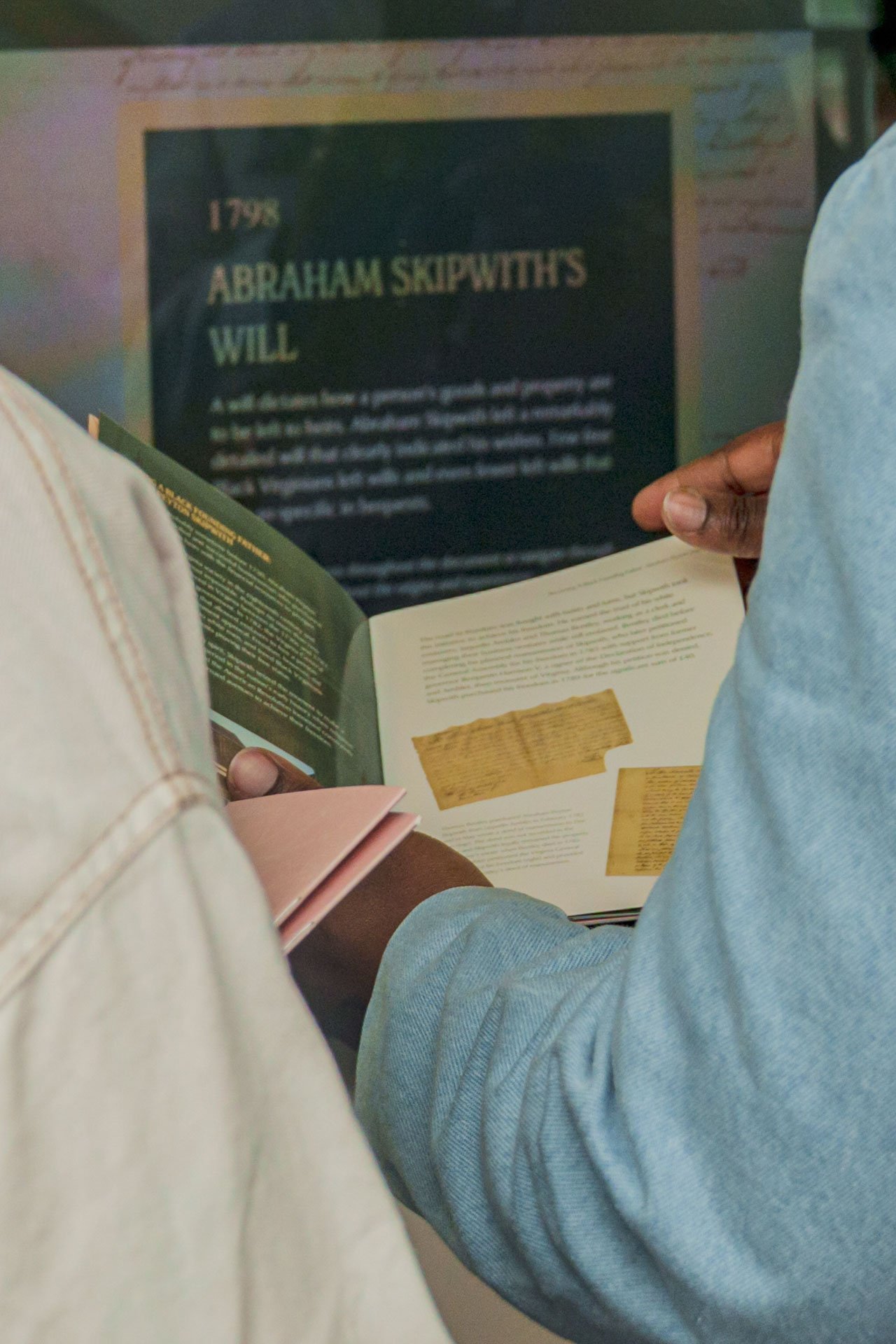
In 1797, Skipwith became one of the first known Black Richmonders and|or Virginians, with a fully executed will, where he bequeathed property and possessions to family members, to include his wife, Cloe, and granddaughter, Maria – both of whom he manumitted in circa 1794. The will includes items such as a gun, gold, silver, furniture, china, clothing, livestock, horse and buggy, and guineas to fund the manumission and education of his descendants. His descendants, known as the Skipwith-Ropers, would emerge as prominent entrepreneurs and elected officials in that same northern edge of the city – which would become a gerrymandered political district called Jackson Ward during the Reconstruction Era.
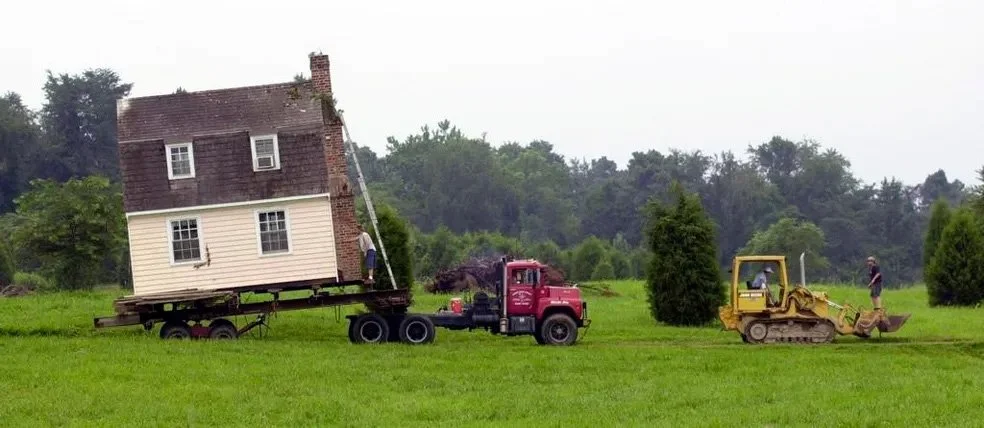
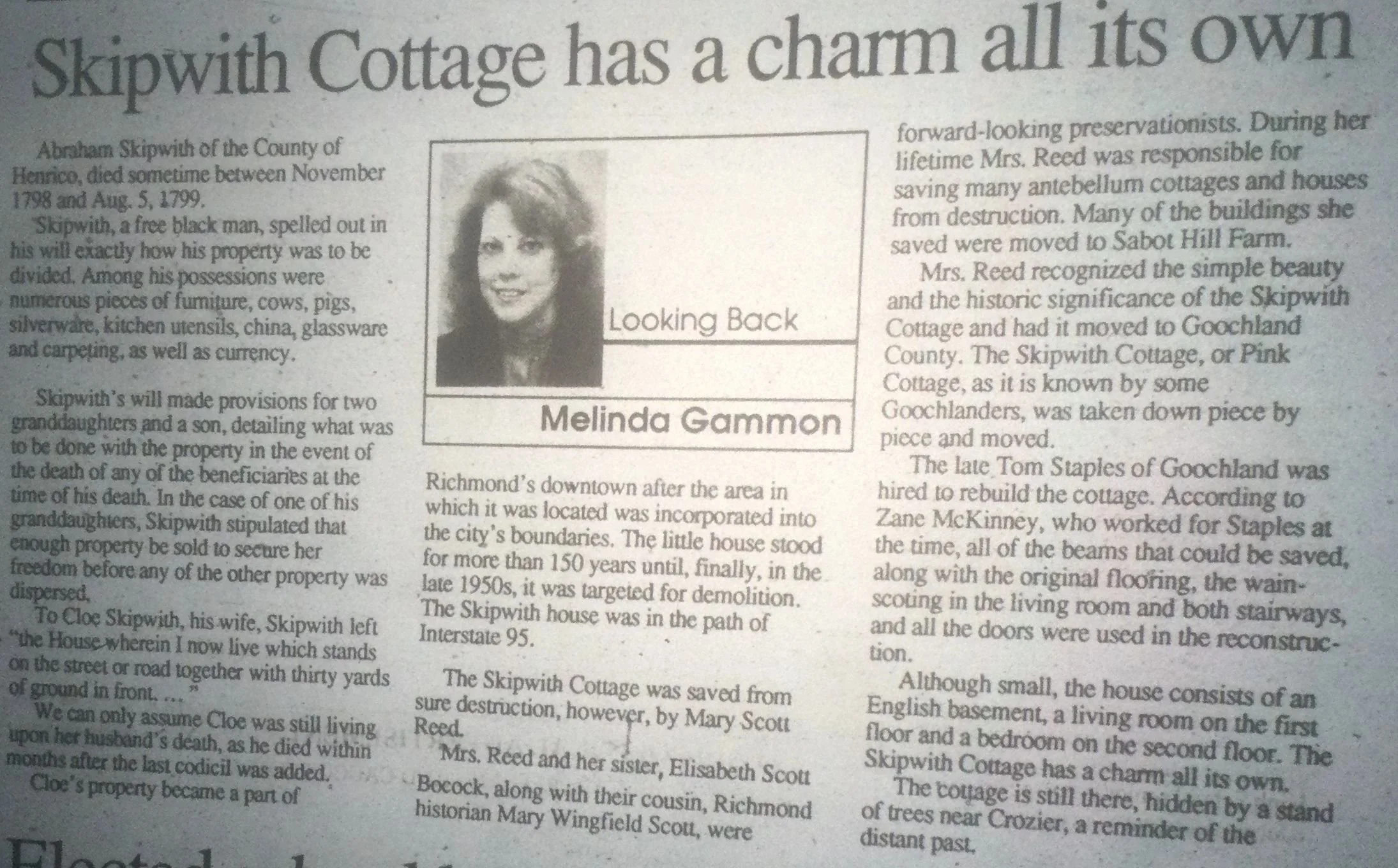
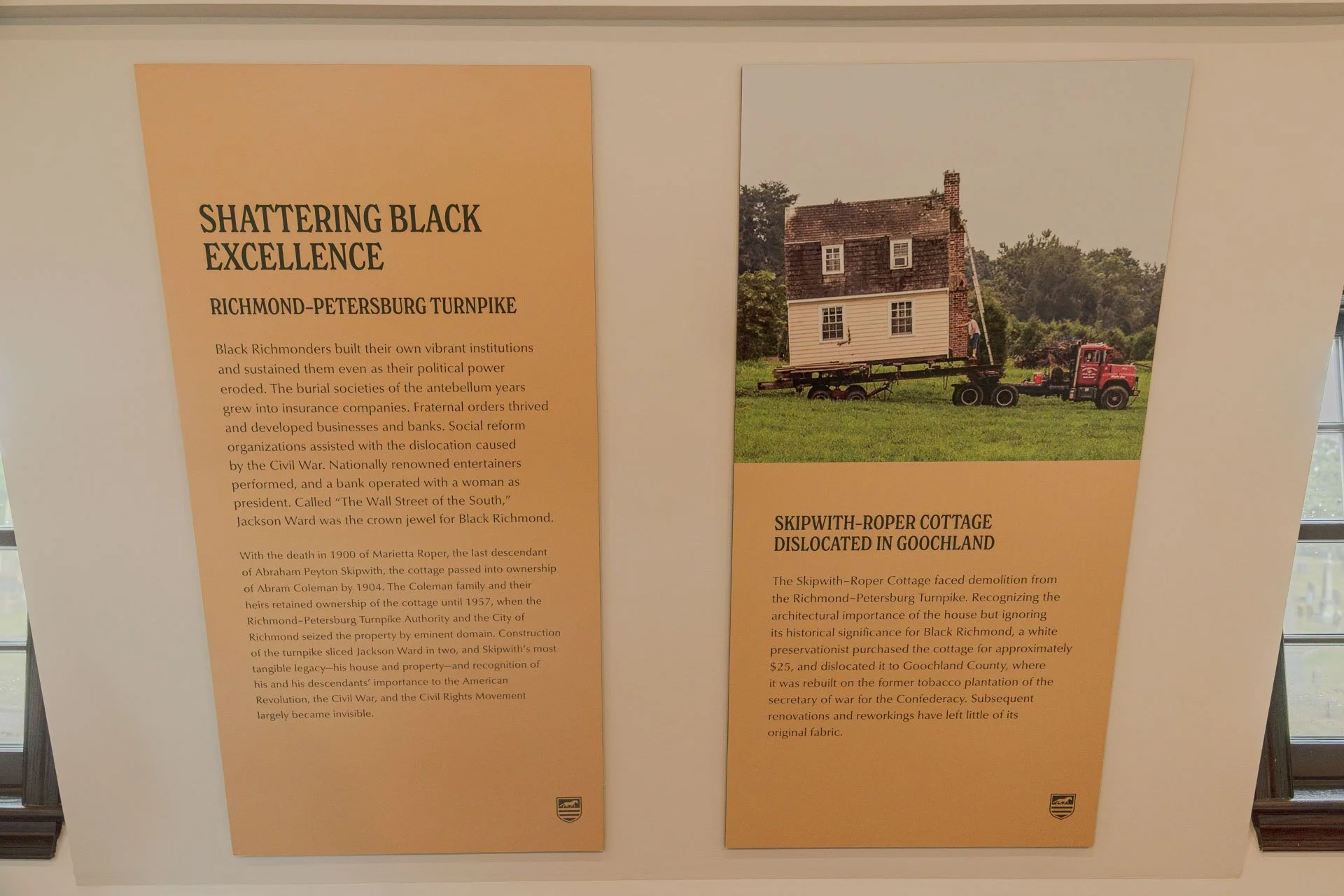
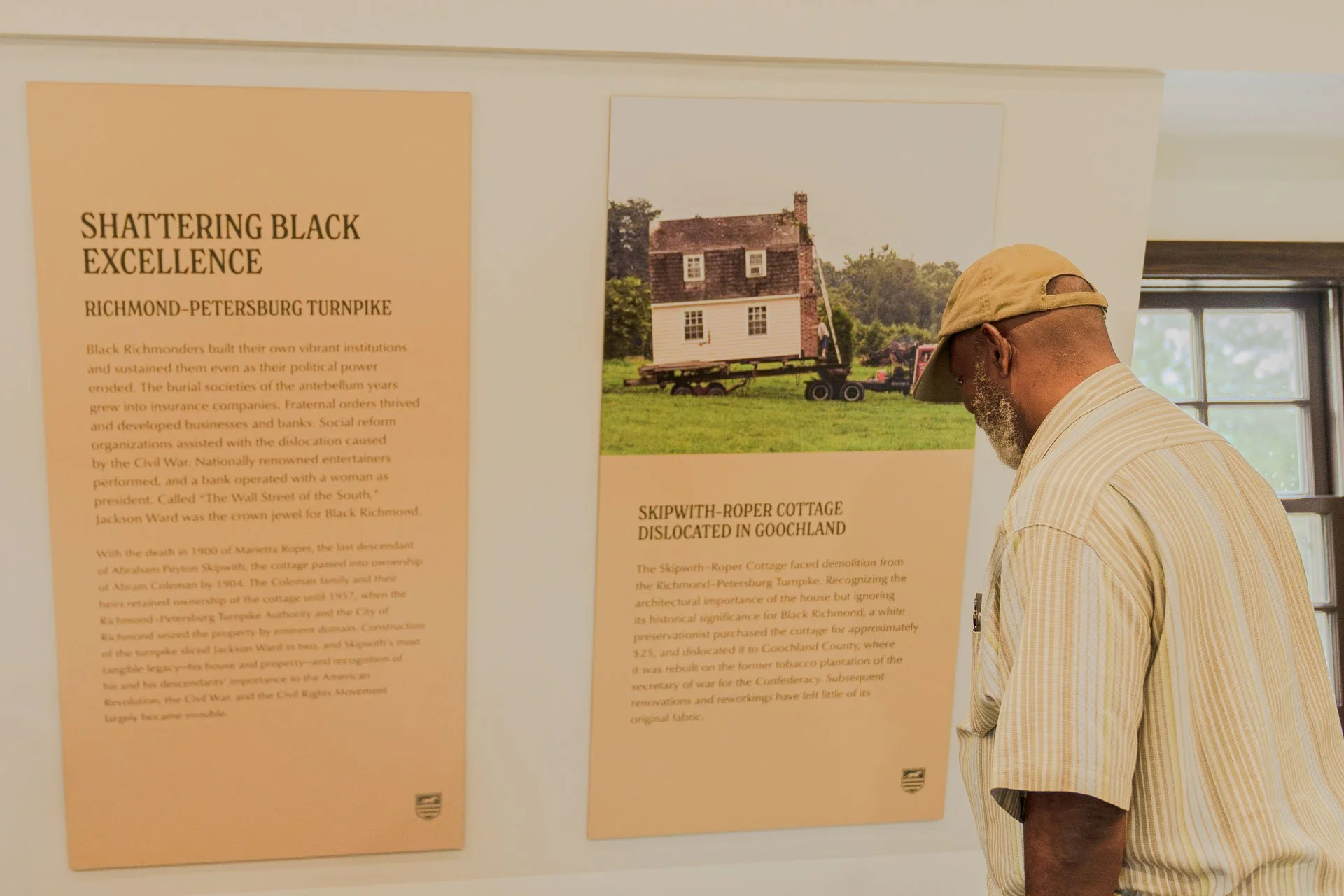
In 1905, the cottage was sold by Skipwith’s last known descendant, Marietta Roper, to Abram Coleman, whose family was forcibly condemned from the property by way of eminent domain by the Richmond-Petersburg Turnpike Authority in 1954 – or better known as Interstate 95. In 1957, the cottage was sold by the authority for $25 and soon after, was dislocated for private use in a nearby county – where a renovated version of the cottage continues to sit today on the former tobacco plantation of the Secretary of War for the Confederate Army.
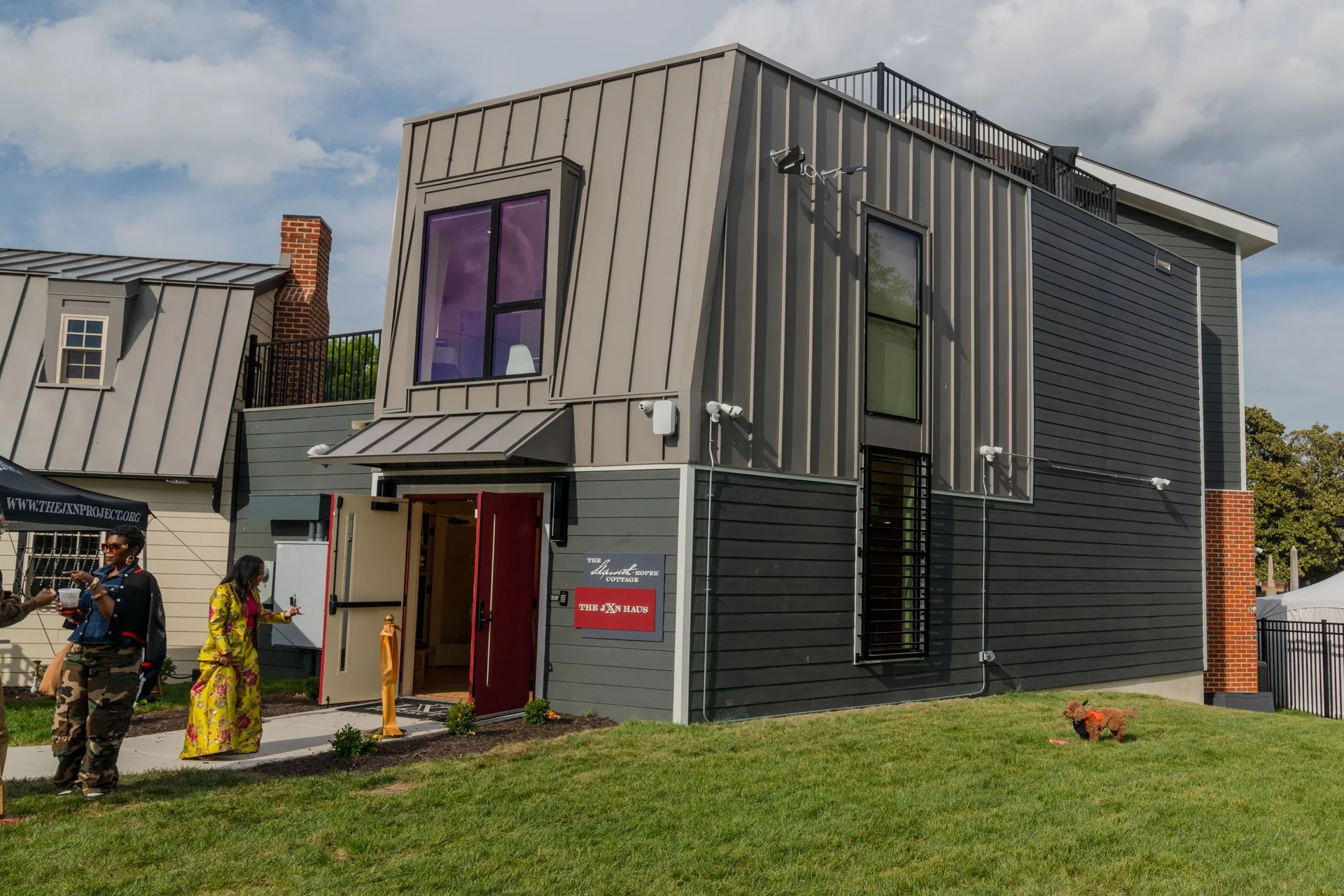
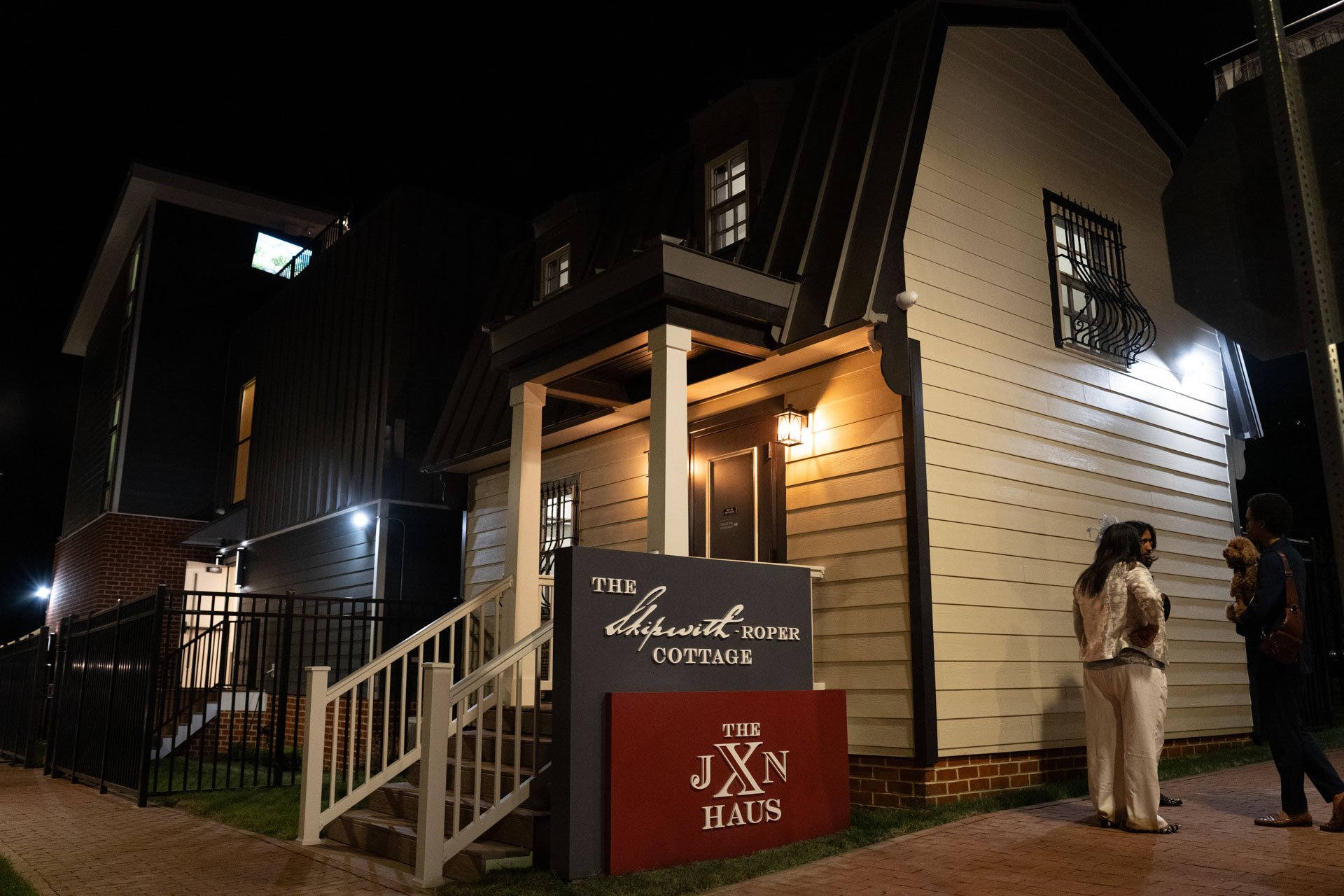
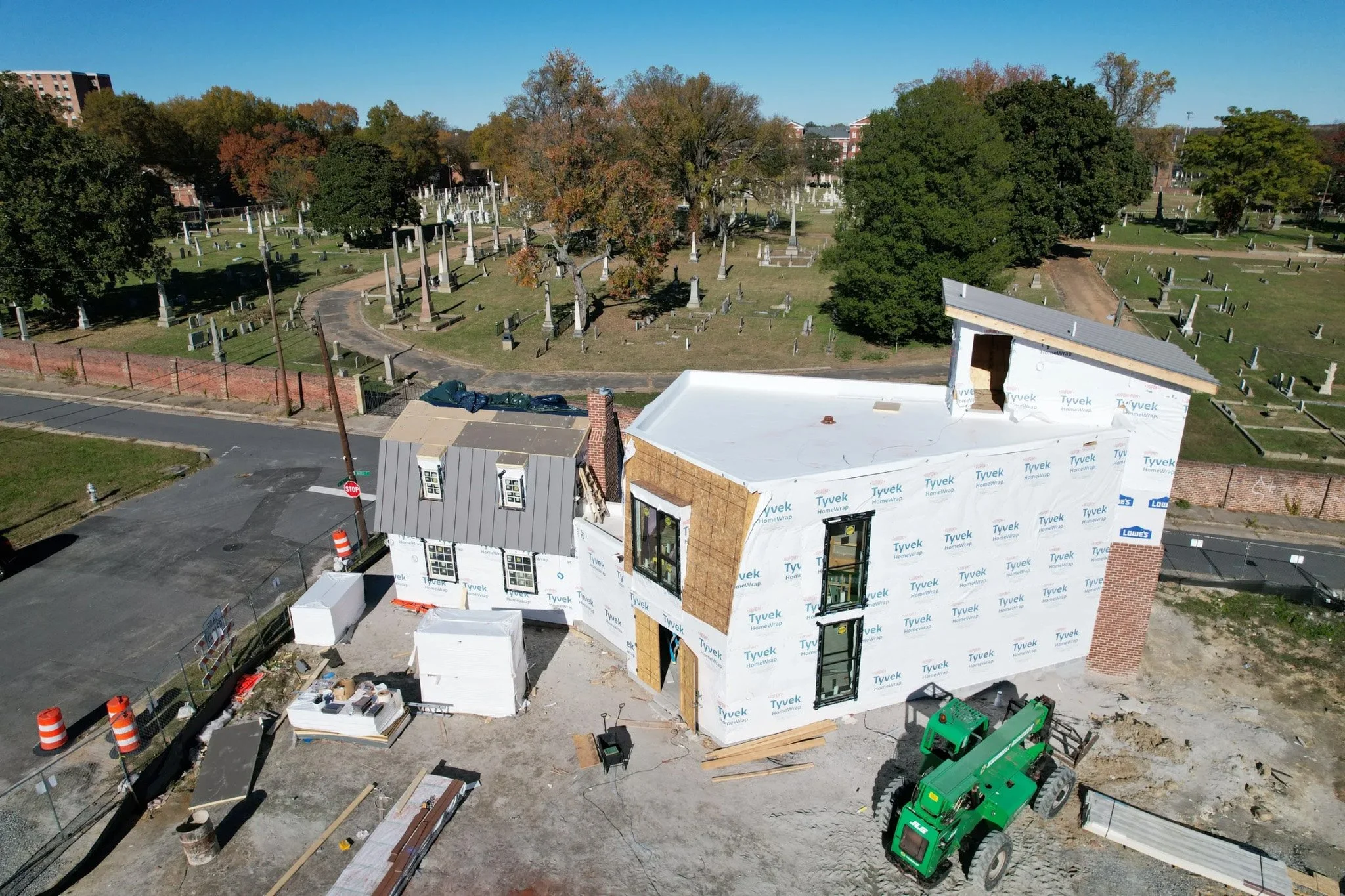
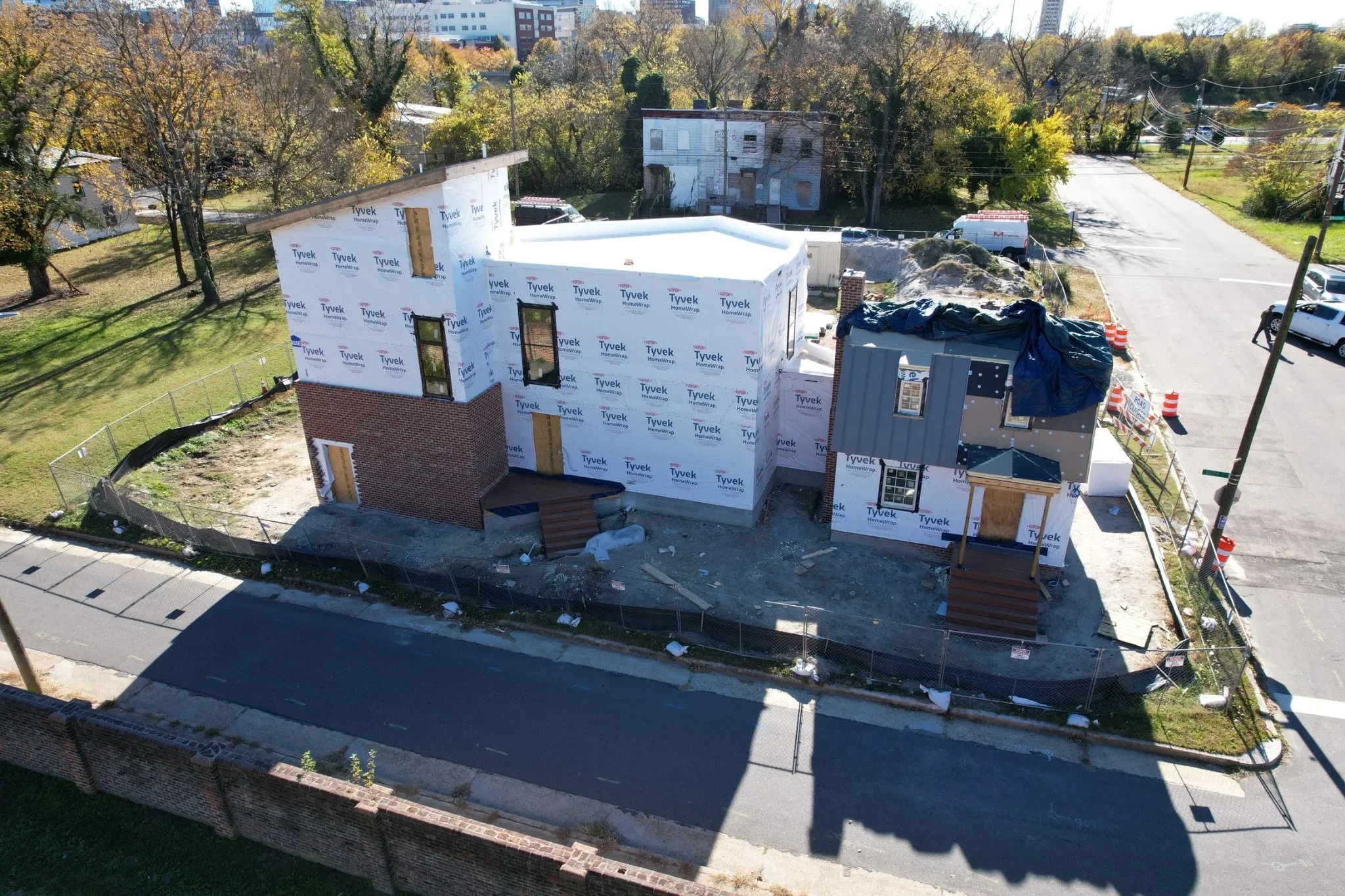
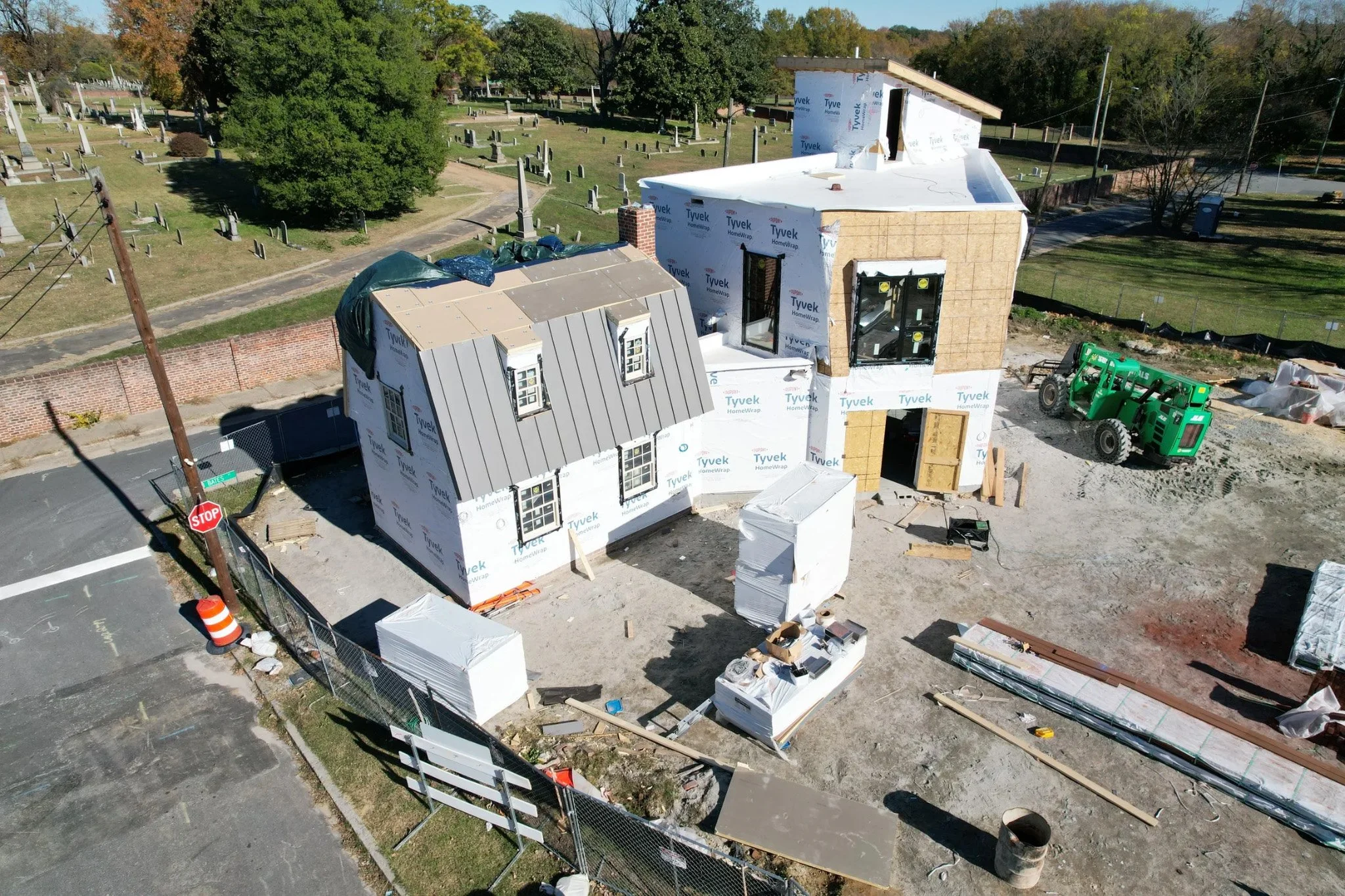
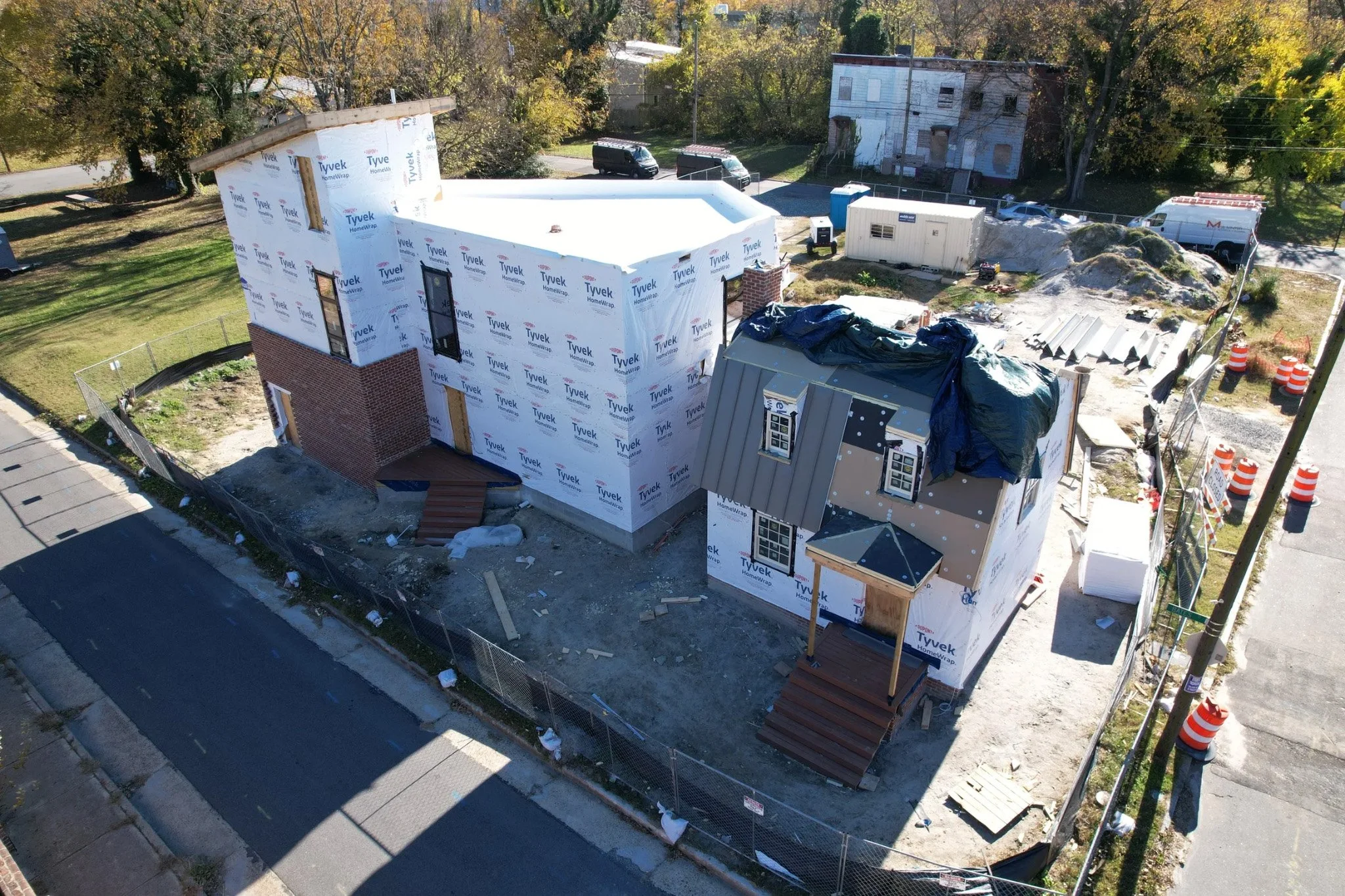
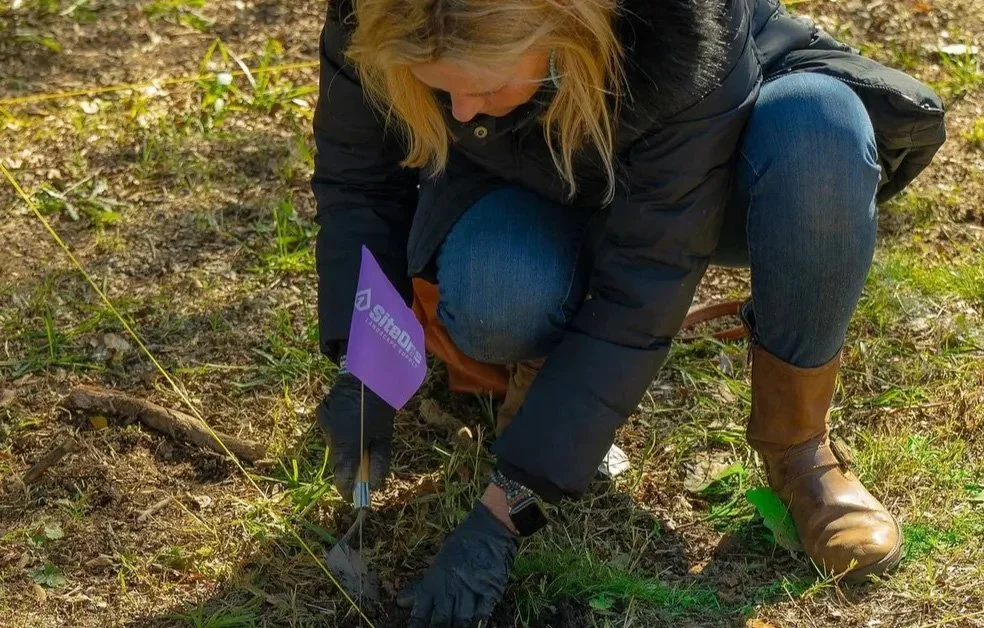
Unfortunately, despite being moved in the name of historic preservation, during its relocation, as well as a recent renovation, most of the cottage's original fabric wasn't preserved. Considering, JXN reconstructed the cottage for interpretative purposes in the heart of Jackson Ward, which served as an opportunity to re-erect the structure with greater historical, architectural, cultural, and geographical accuracy – ultimately reestablishing it as a national historic landmark that honors the life, lineage, and legacy of Abraham Peyton Skipwith.
-
Jackson Ward is often celebrated during its height as the “Harlem of the South” and “Black Wall Street”. Yet, while its a community steeped in culture and rich in history – it’s a history whose multiple layers have yet to be unearthed as very little extant research focuses on the ward’s origins dating back to William Byrd’s lottery in circa 1768 for the land that would become the gerrymandered political district in circa 1871. This research includes the even lesser-known story of Abraham Peyton Skipwith who became the ward’s first known Black homeowner in circa 1793, as well as one of the first, if not the first Black Richmonders and|or Virginians with a fully executed will in circa 1797.
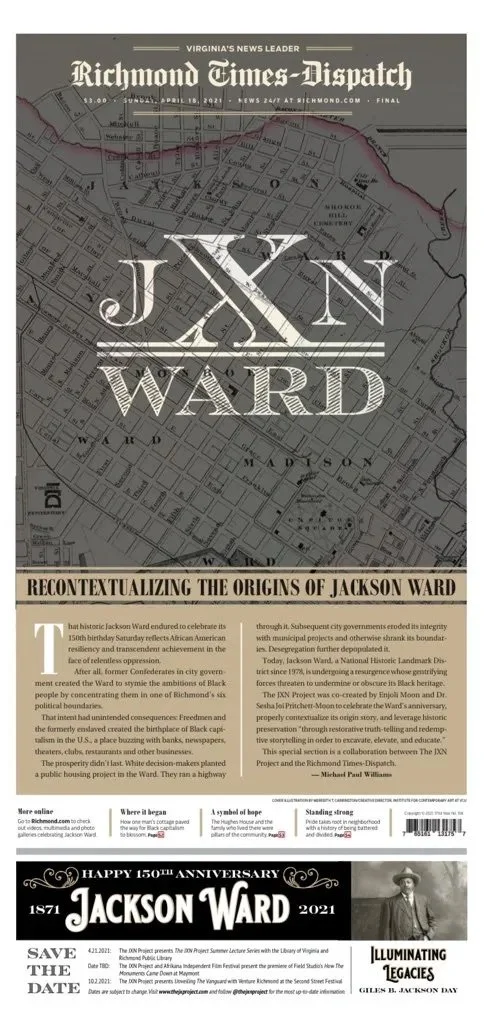
As a result of JXN’s partnership with the Richmond-Times Dispatch and Michael Paul Williams, who recently won the Pulitzer Prize for Commentary, JXN uncovered a more holistic and honest history of the house and subsequent highway, also known as the Richmond-Petersburg Turnpike, that caused the condemnation of the property. The highway essentially divested Black homeowners by shepherding generations of Black families into nearby public housing facilities, to include homes like the cottage cottage which was transitioned to private ownership and dislocated to the former plantation of the Secretary of War of the Confederate Army in a nearby county.
JXN is announced “The Skipwith-Roper Homecoming” as an effort to reconstruct an environmentally sustainable recreation of the Skipwith-Roper Cottage as a historic site with the same historical significance and standing as Monticello and|or Mount Vernon – becoming a premiere destination to understanding the Black American experience as its said that 1 in 4 Black Americans can retrace their roots to the Richmond region. This particular initiative presents a unique opportunity not only because of the rarity with being able to leverage one of the city's oldest documented dwellings to interpret the life, lineage, and legacy of a Black American from the eighteenth century, but its also rooted in leveraging research to uncover monuments that have been overlooked while lying in plain sight for centuries.
-
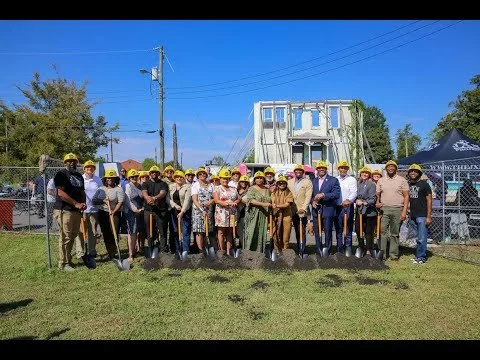
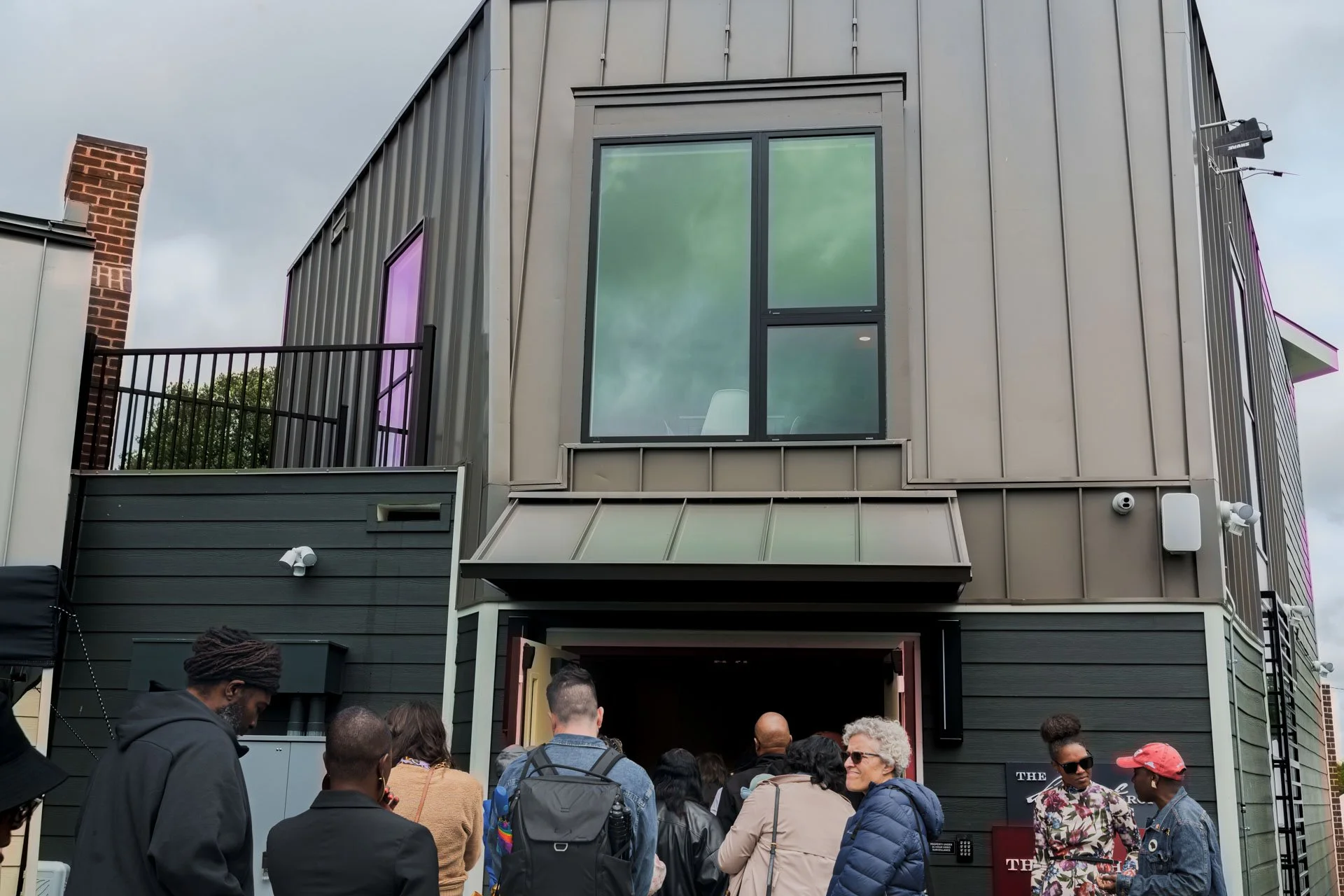
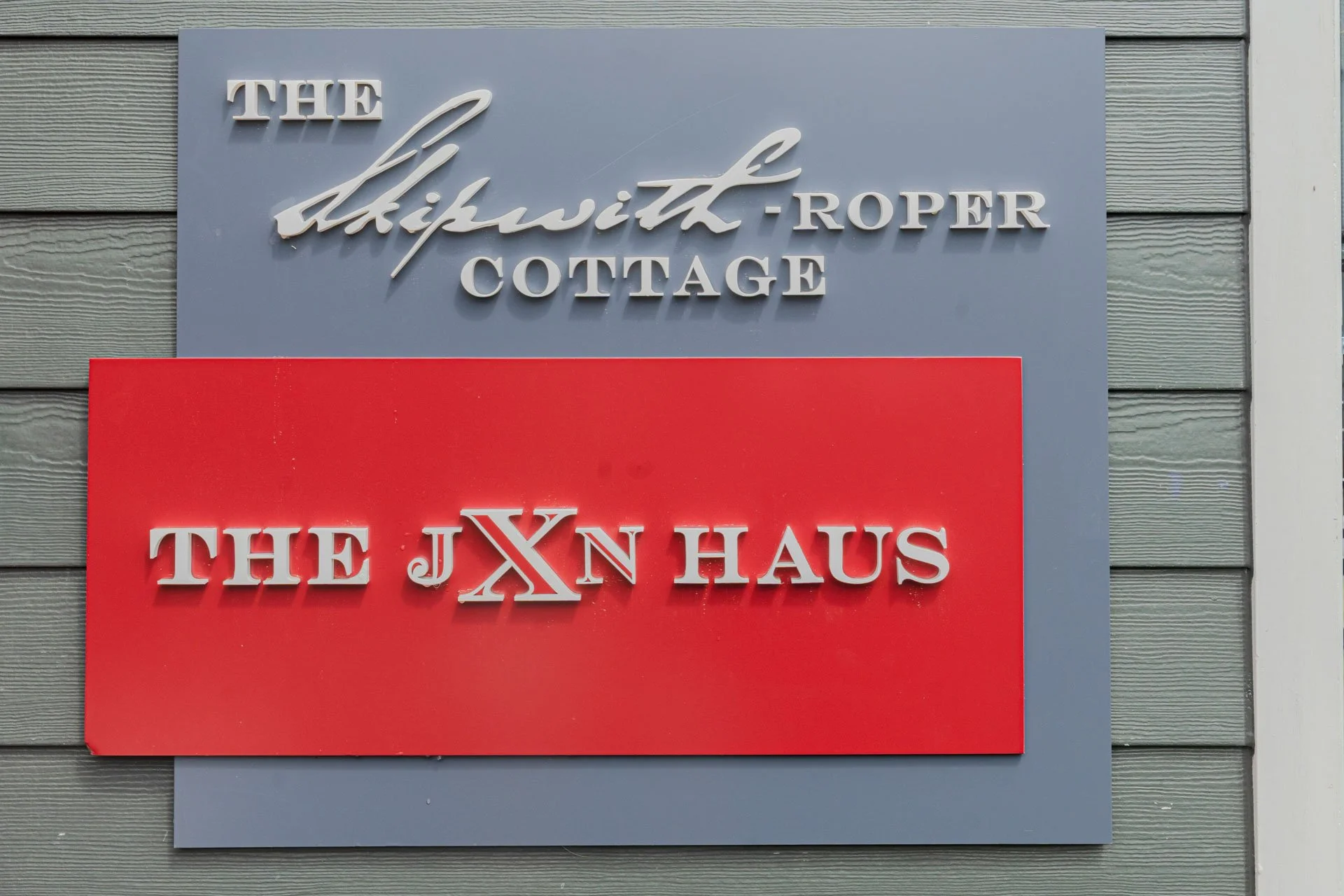
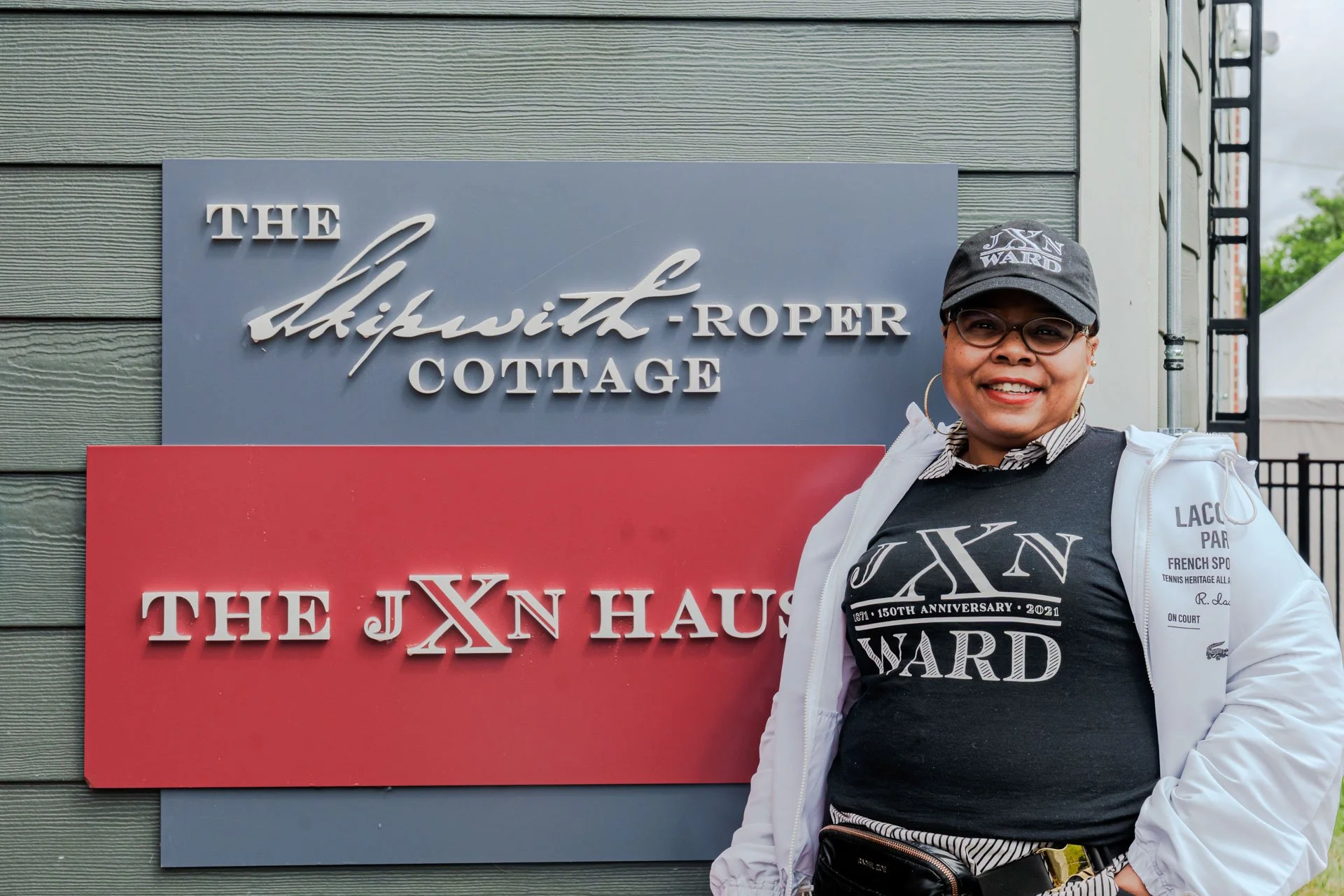
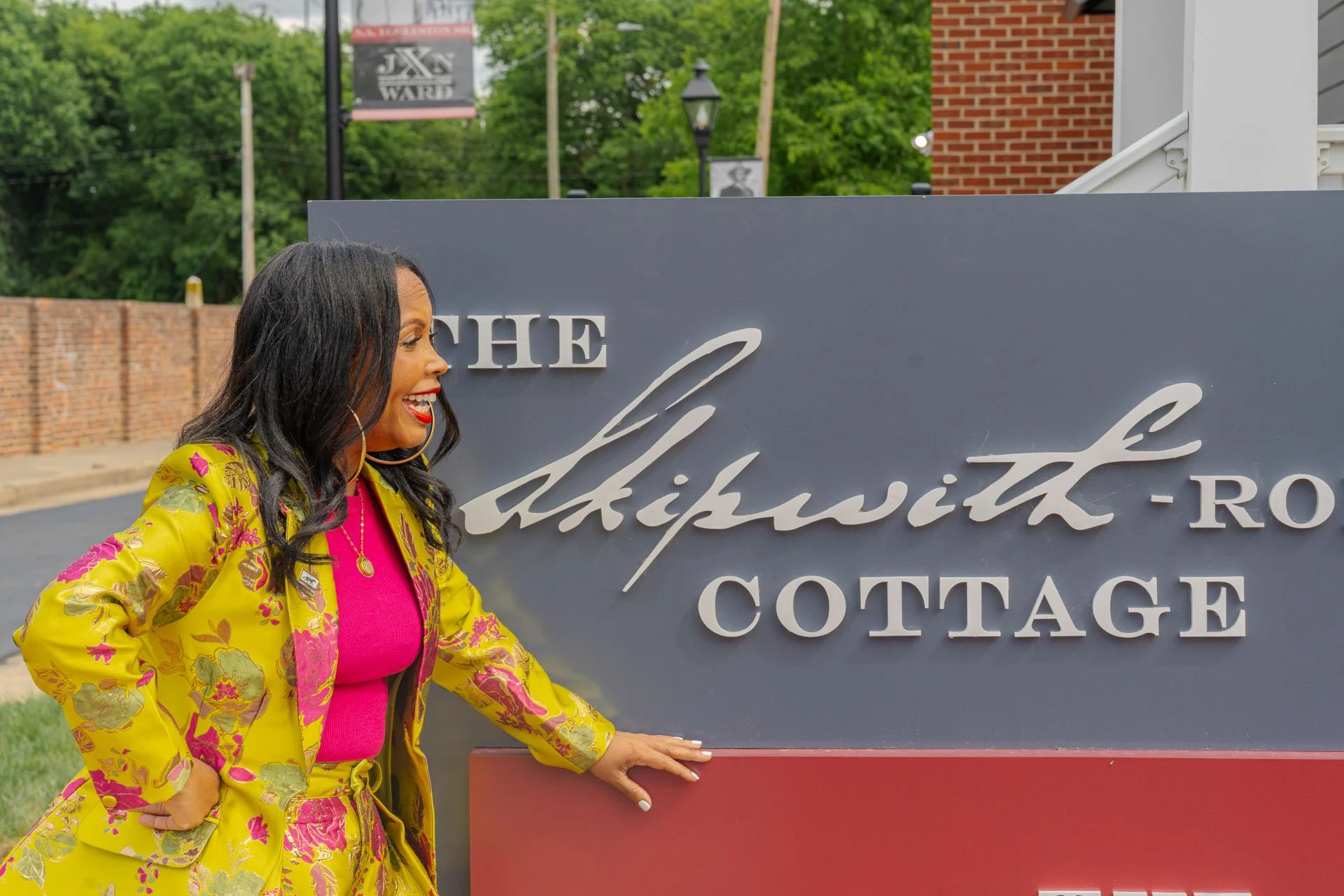
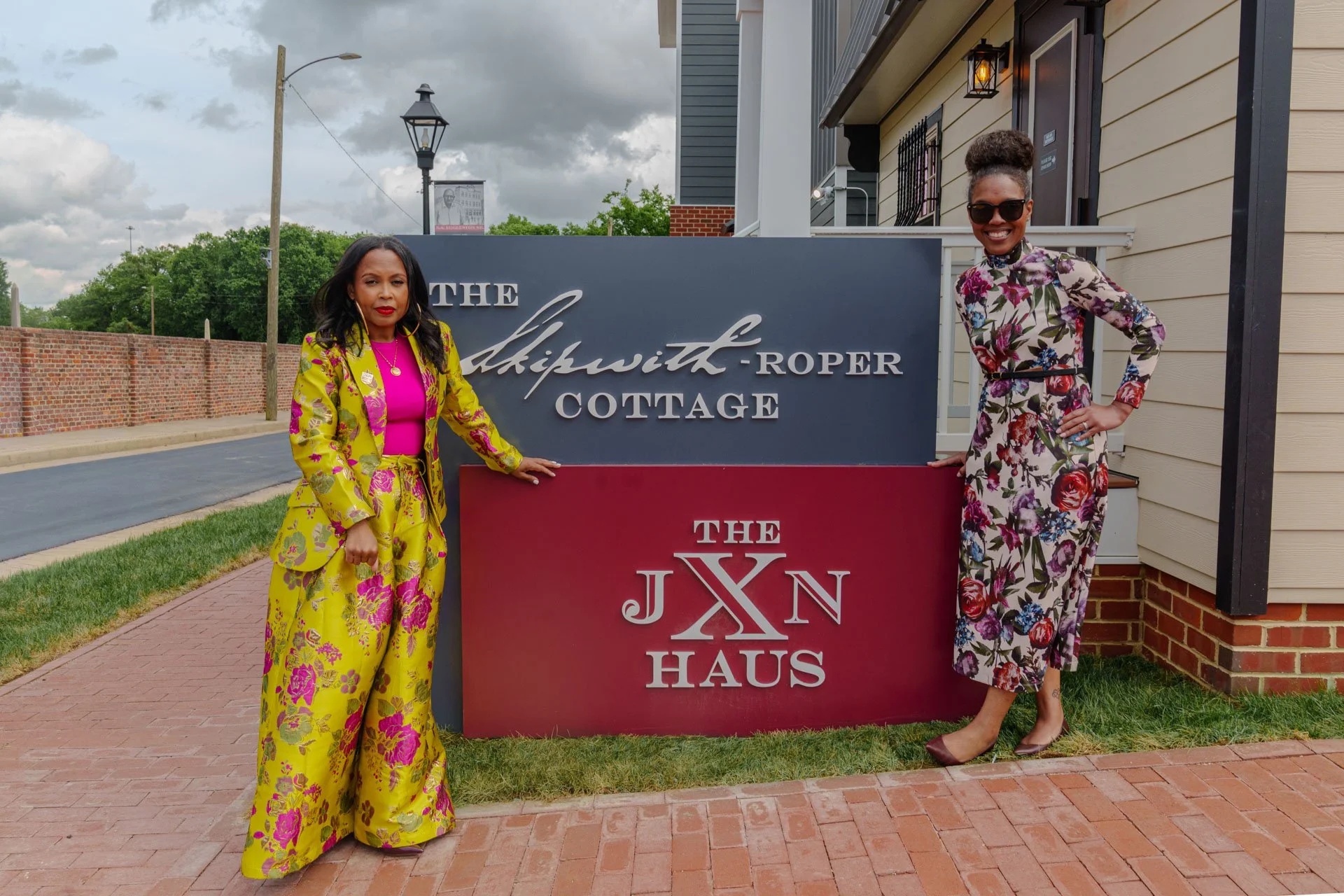
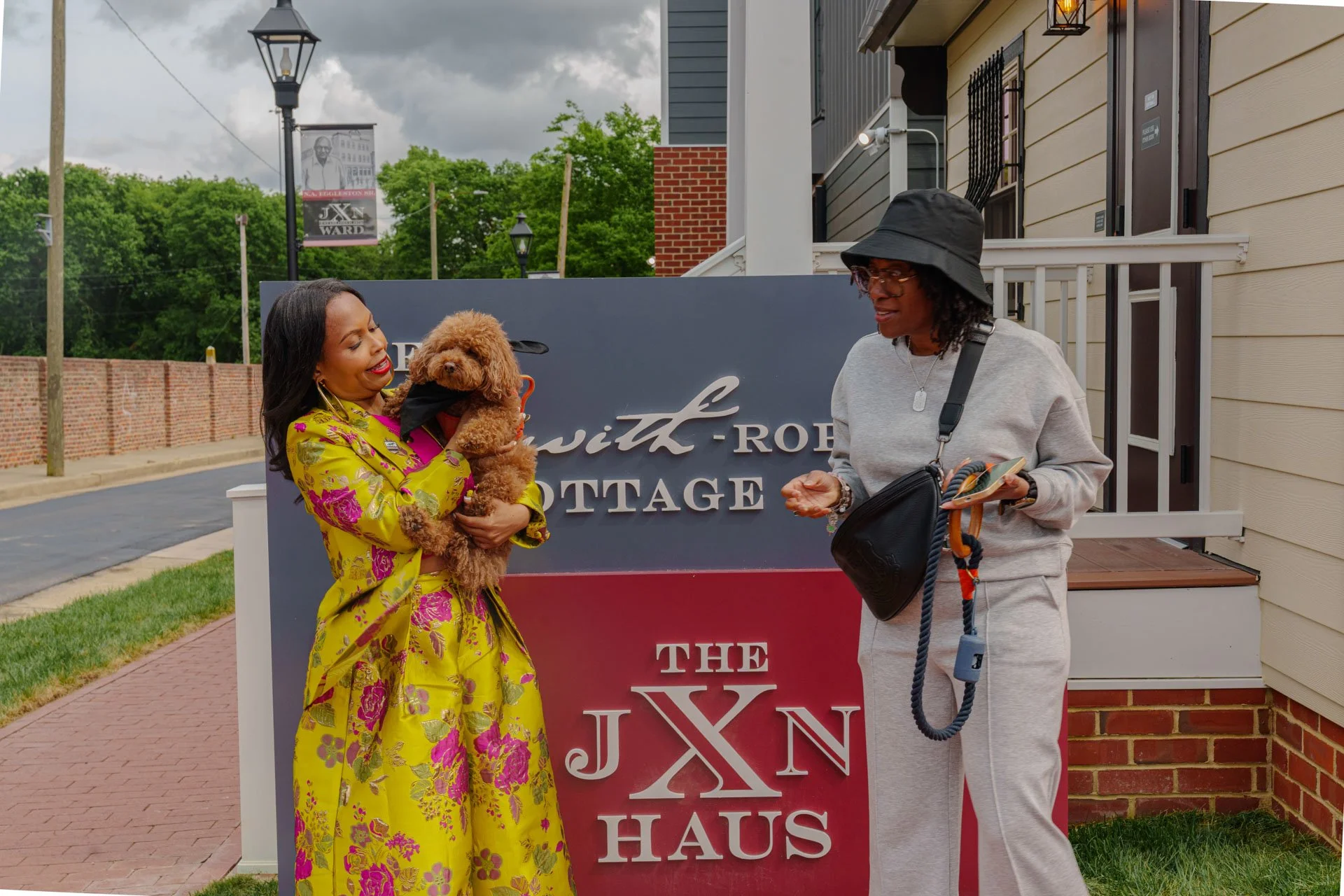
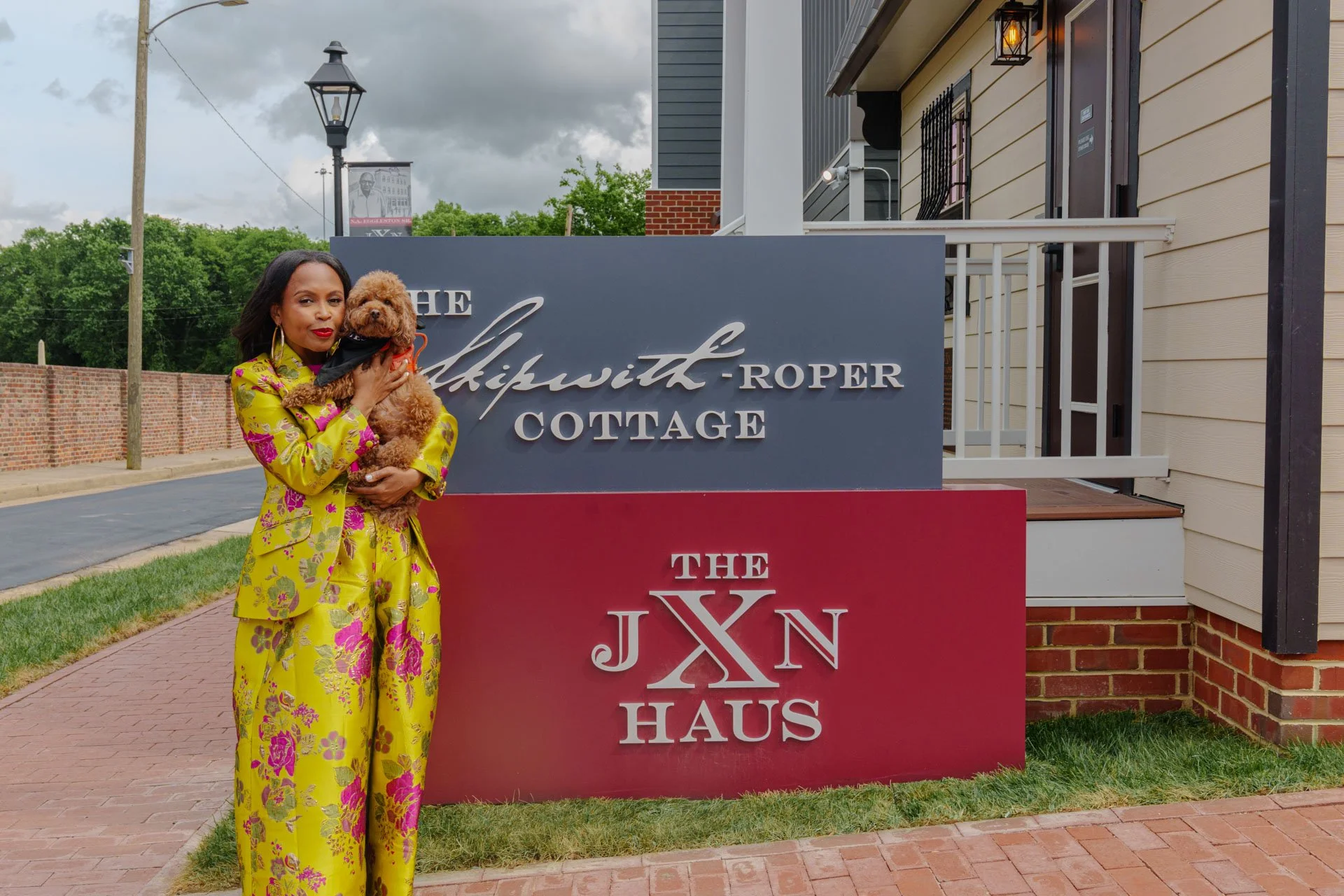
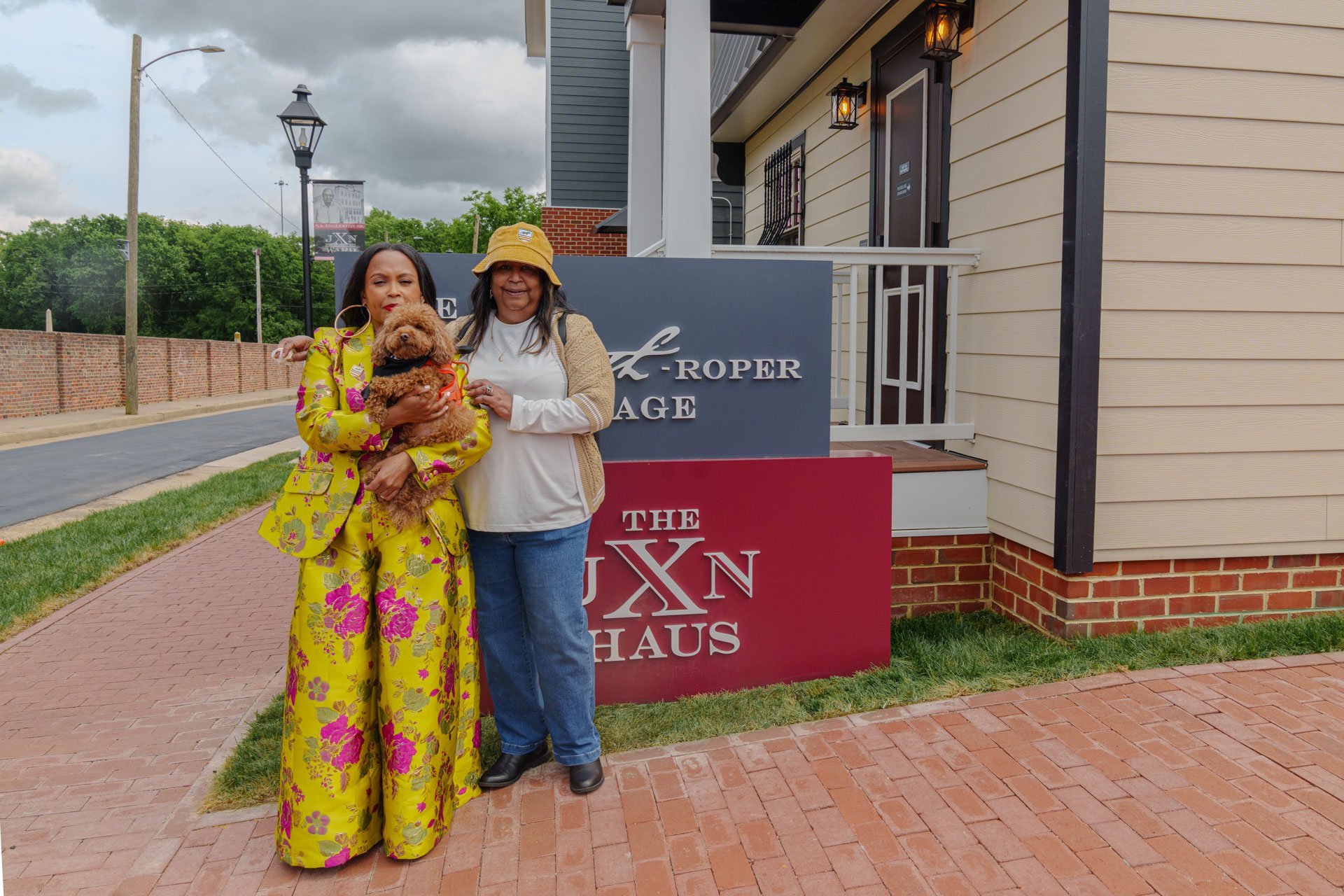
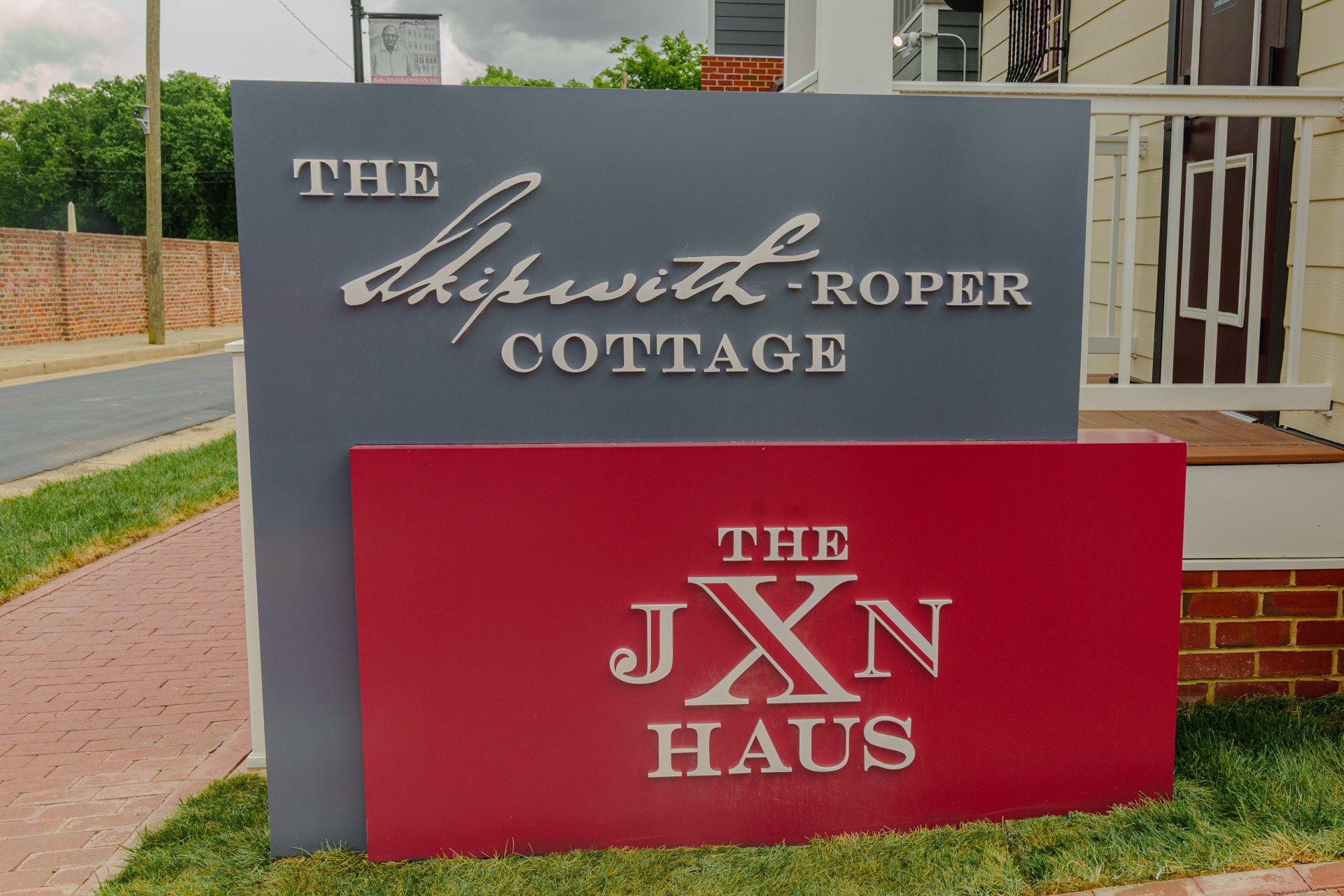
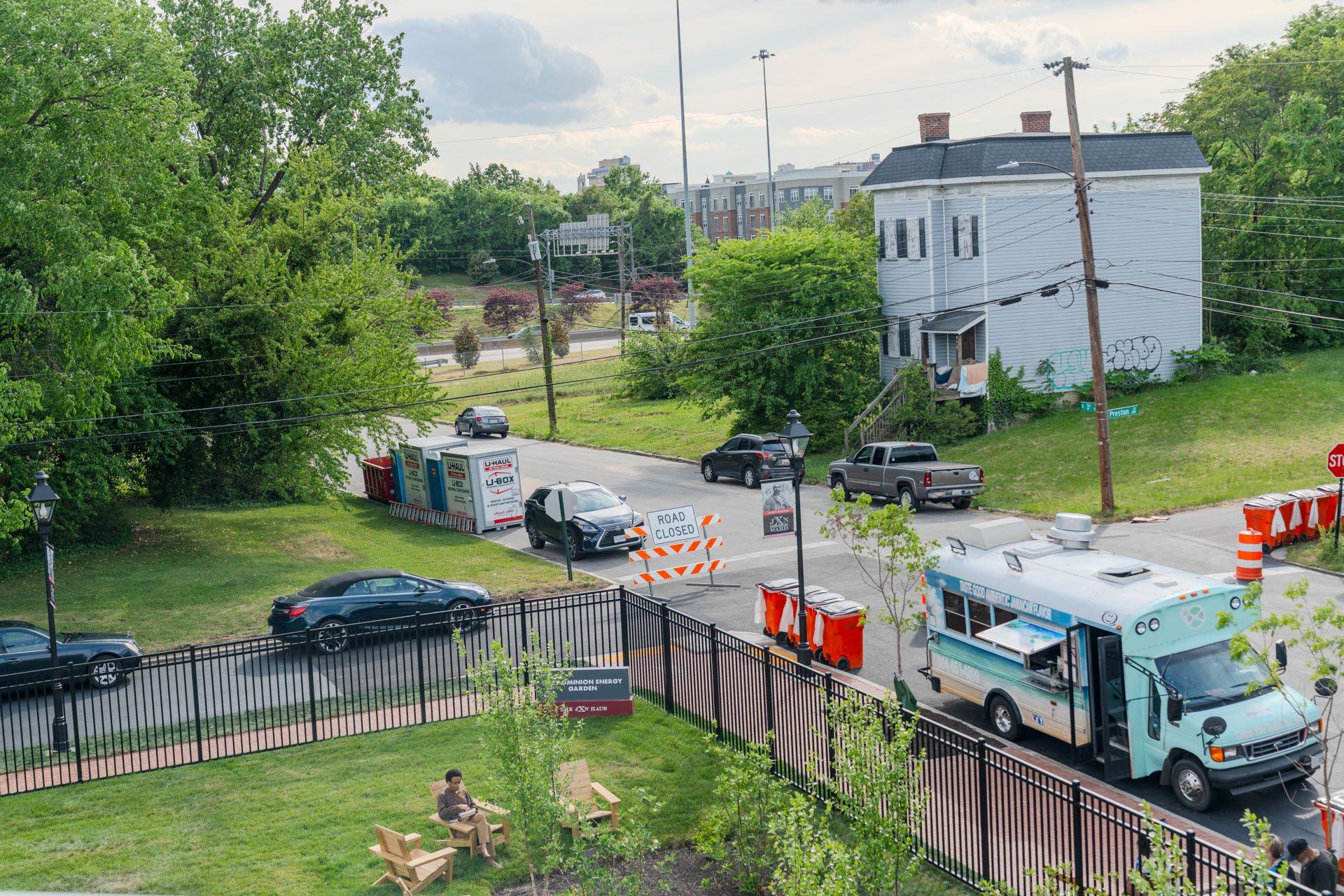
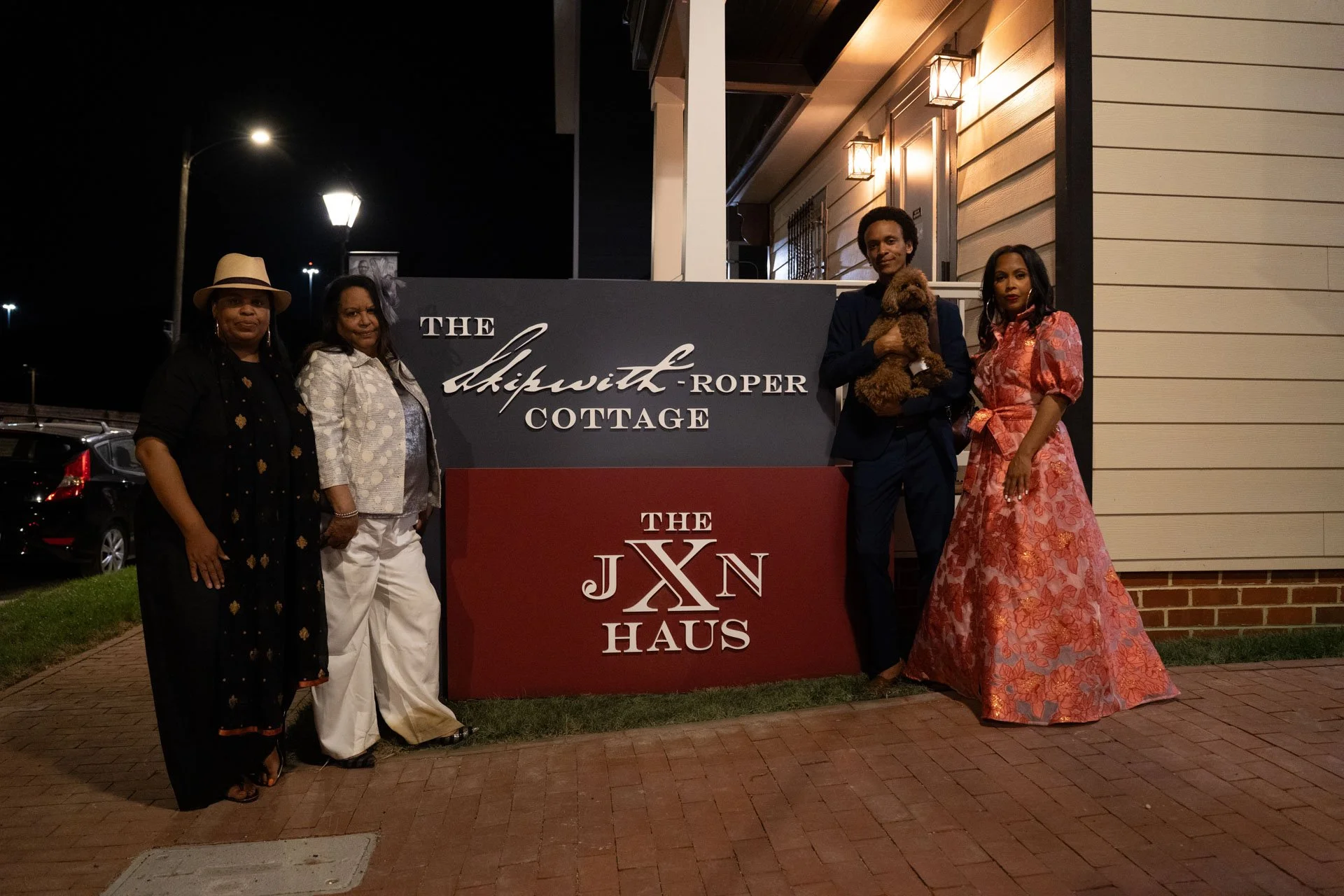
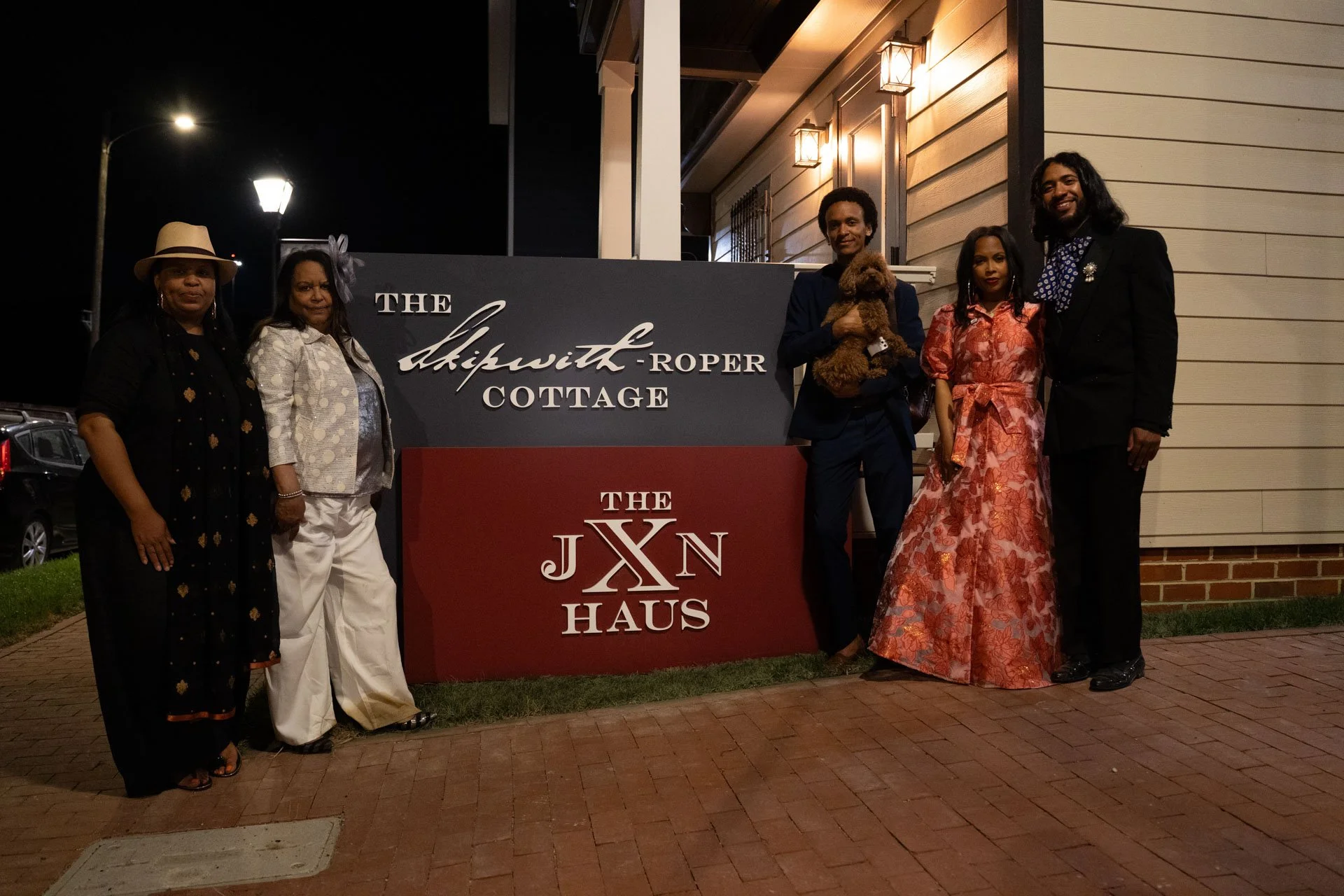
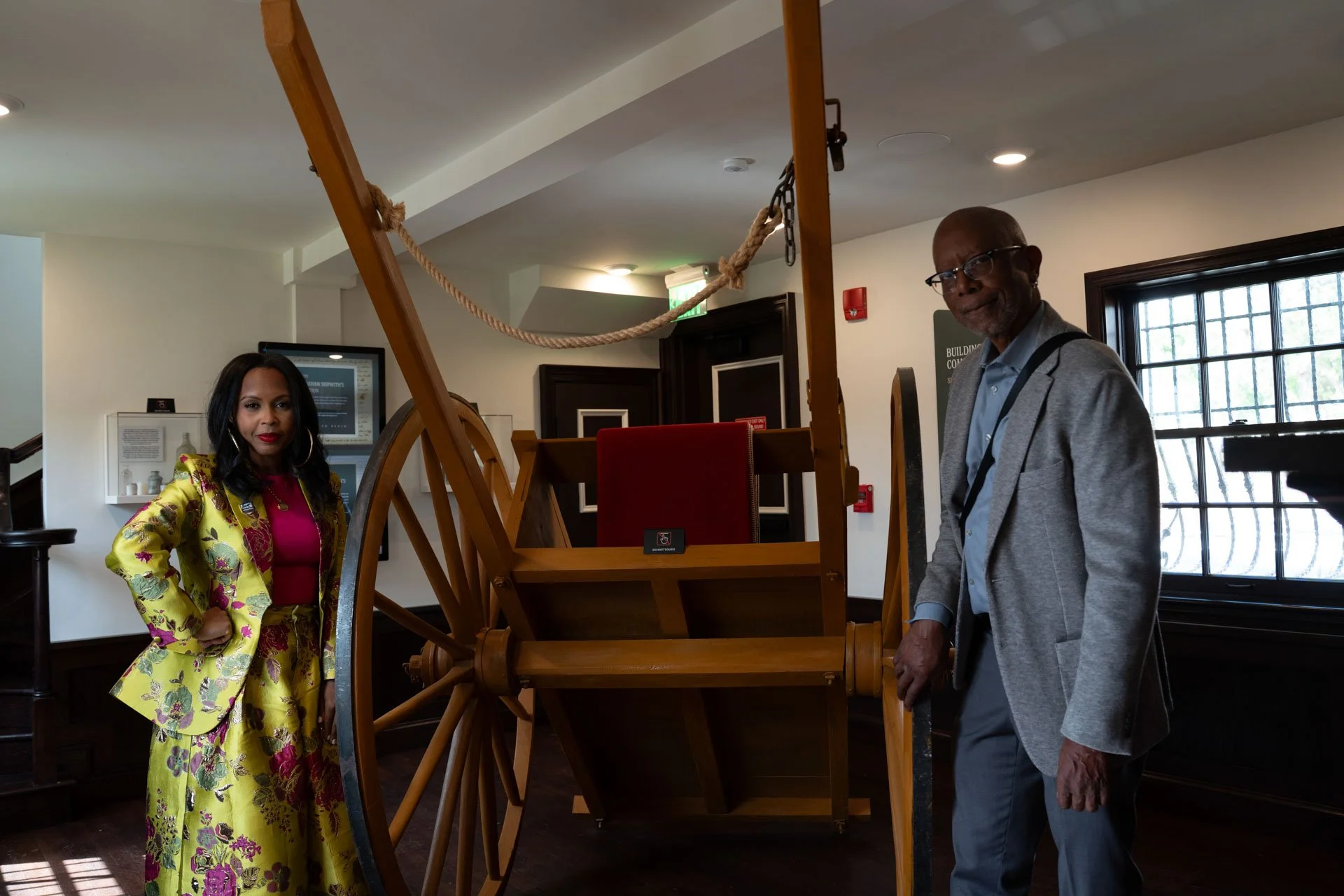
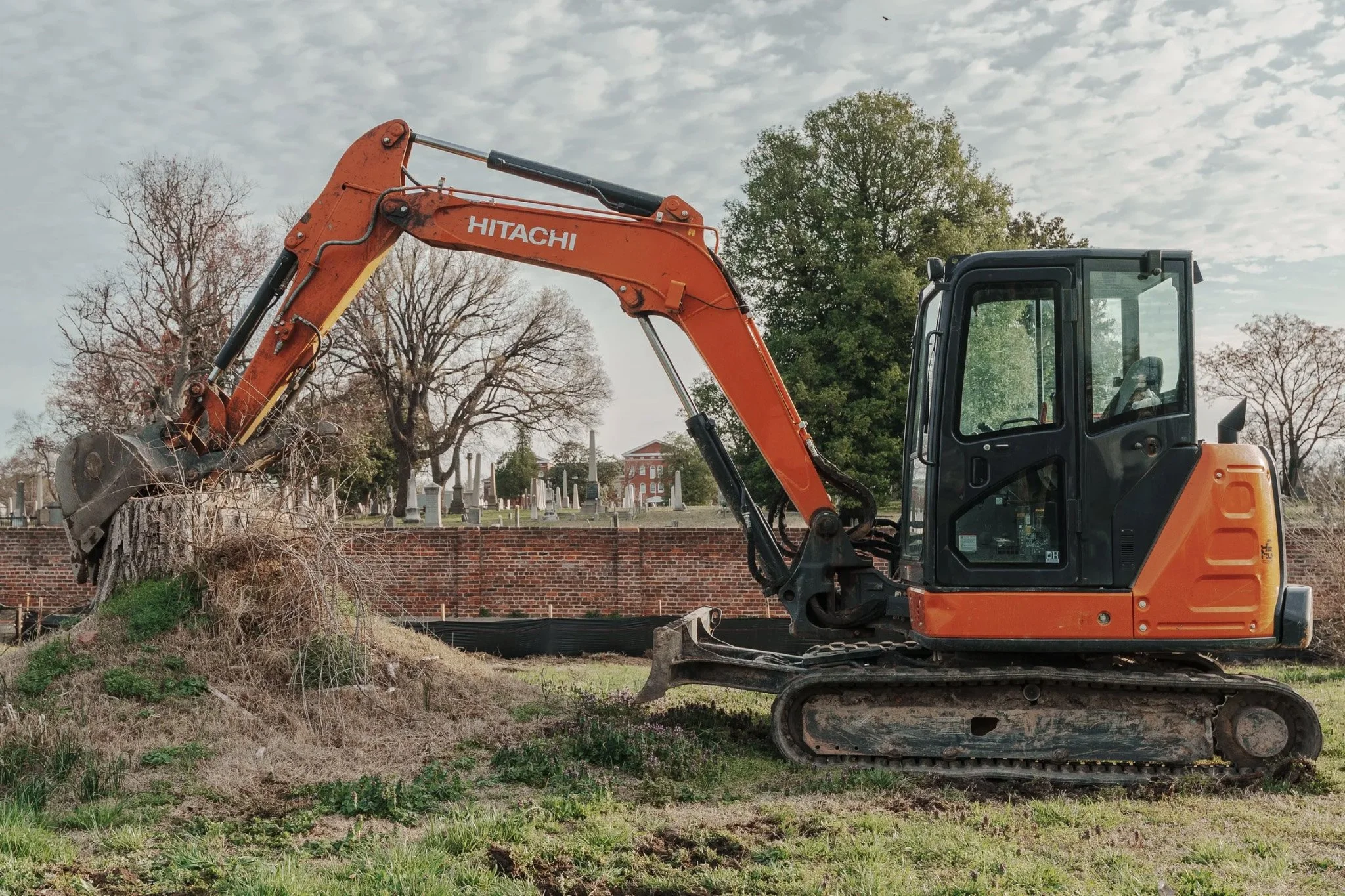
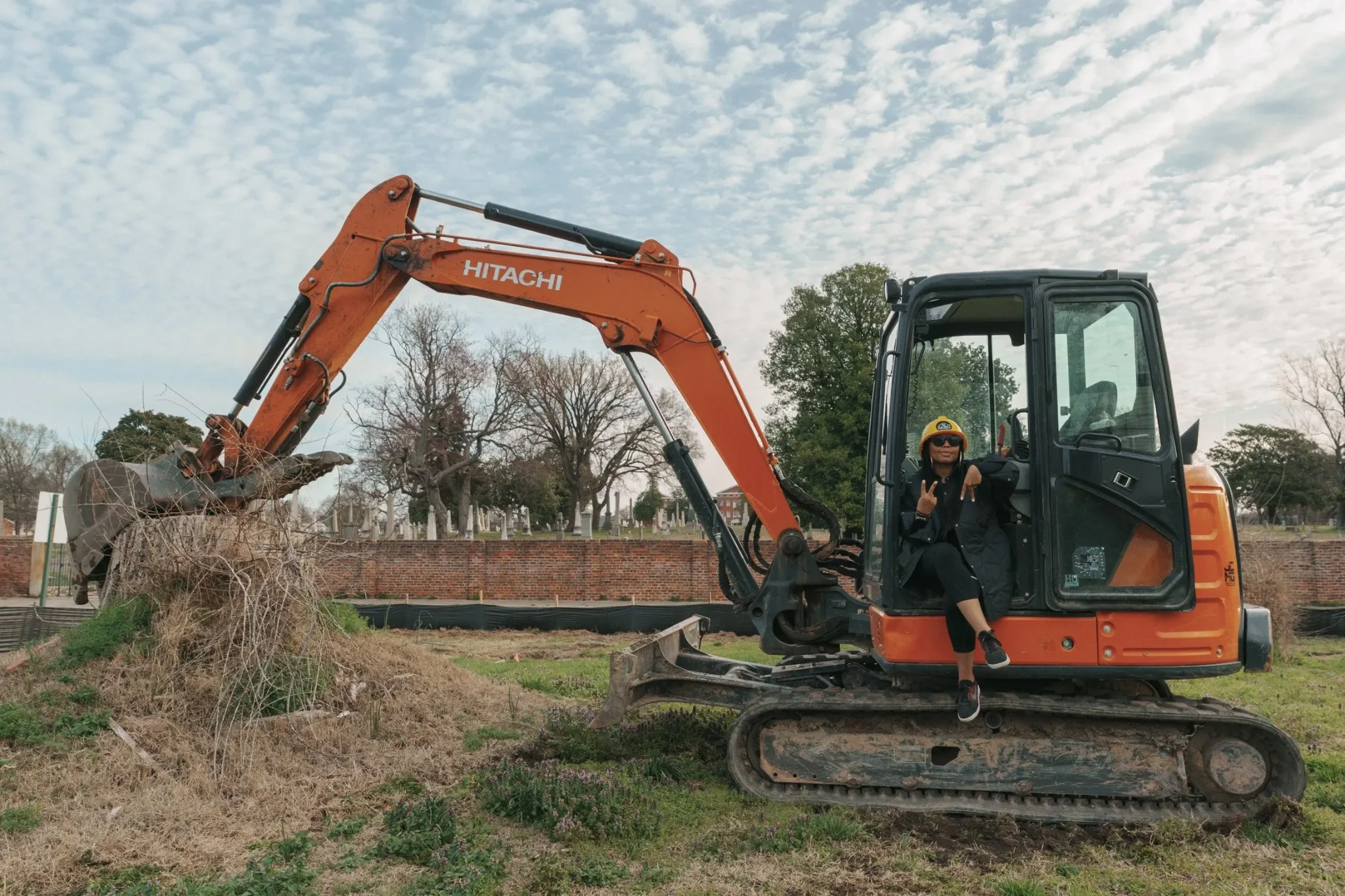
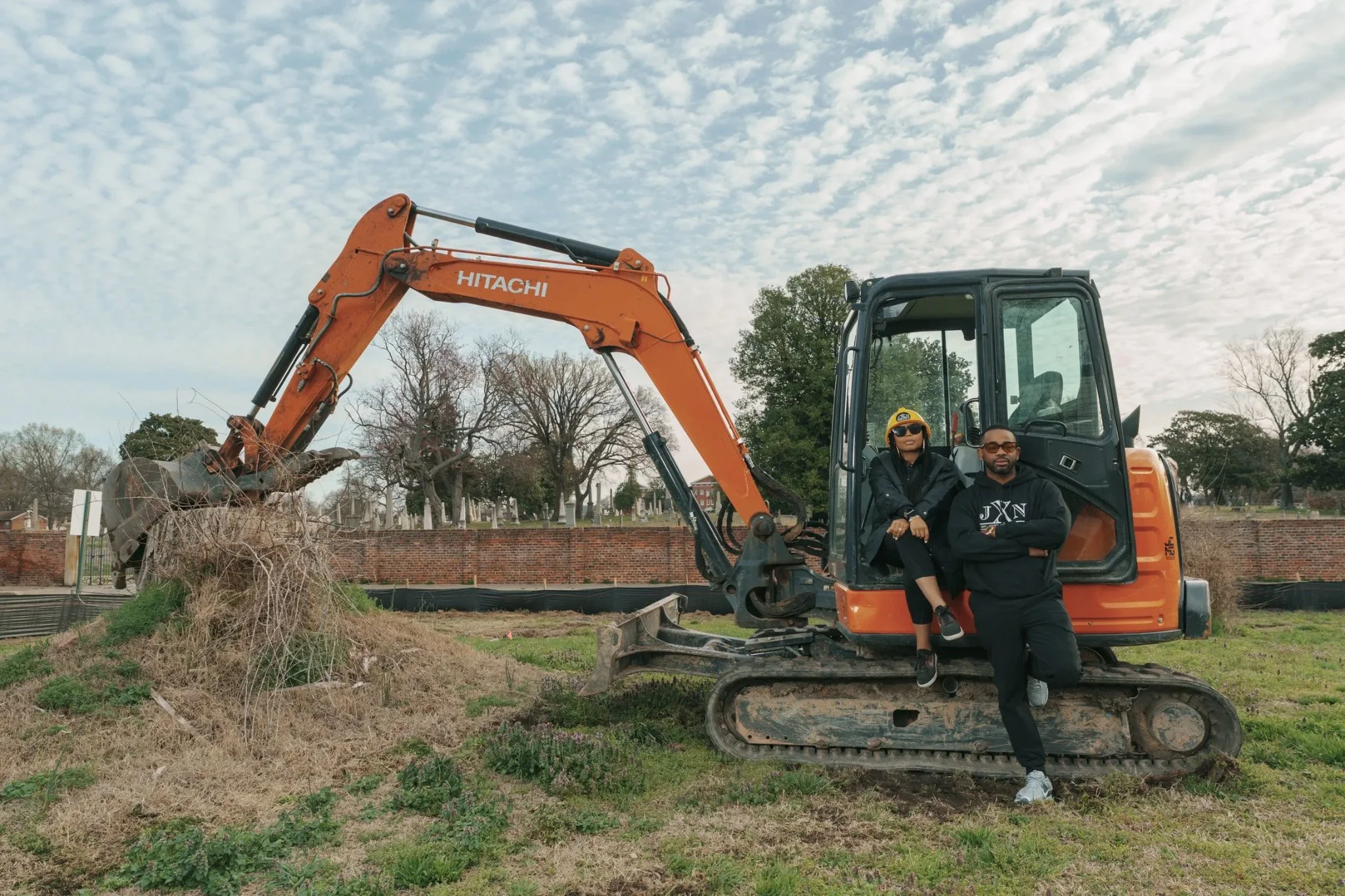
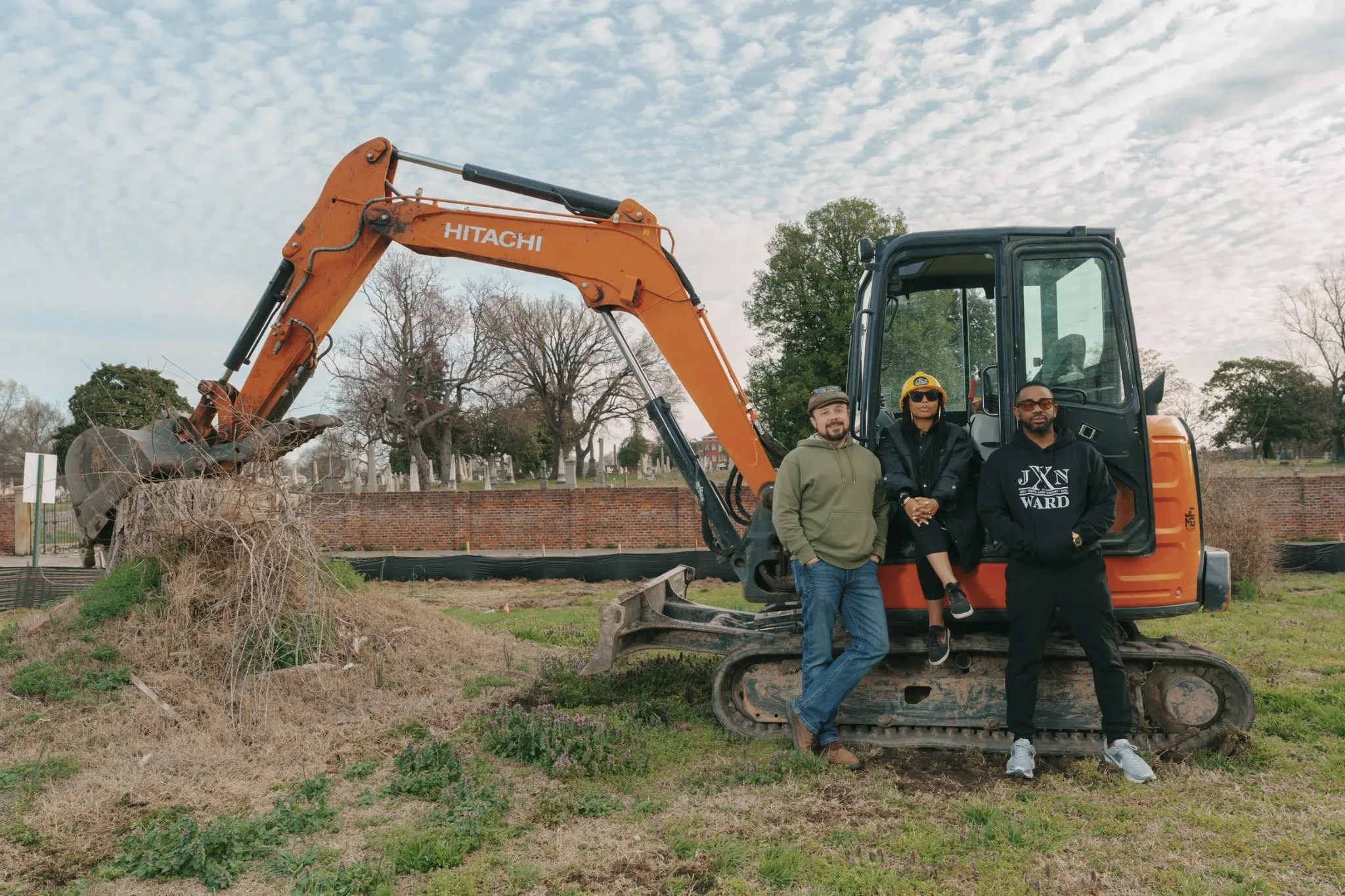
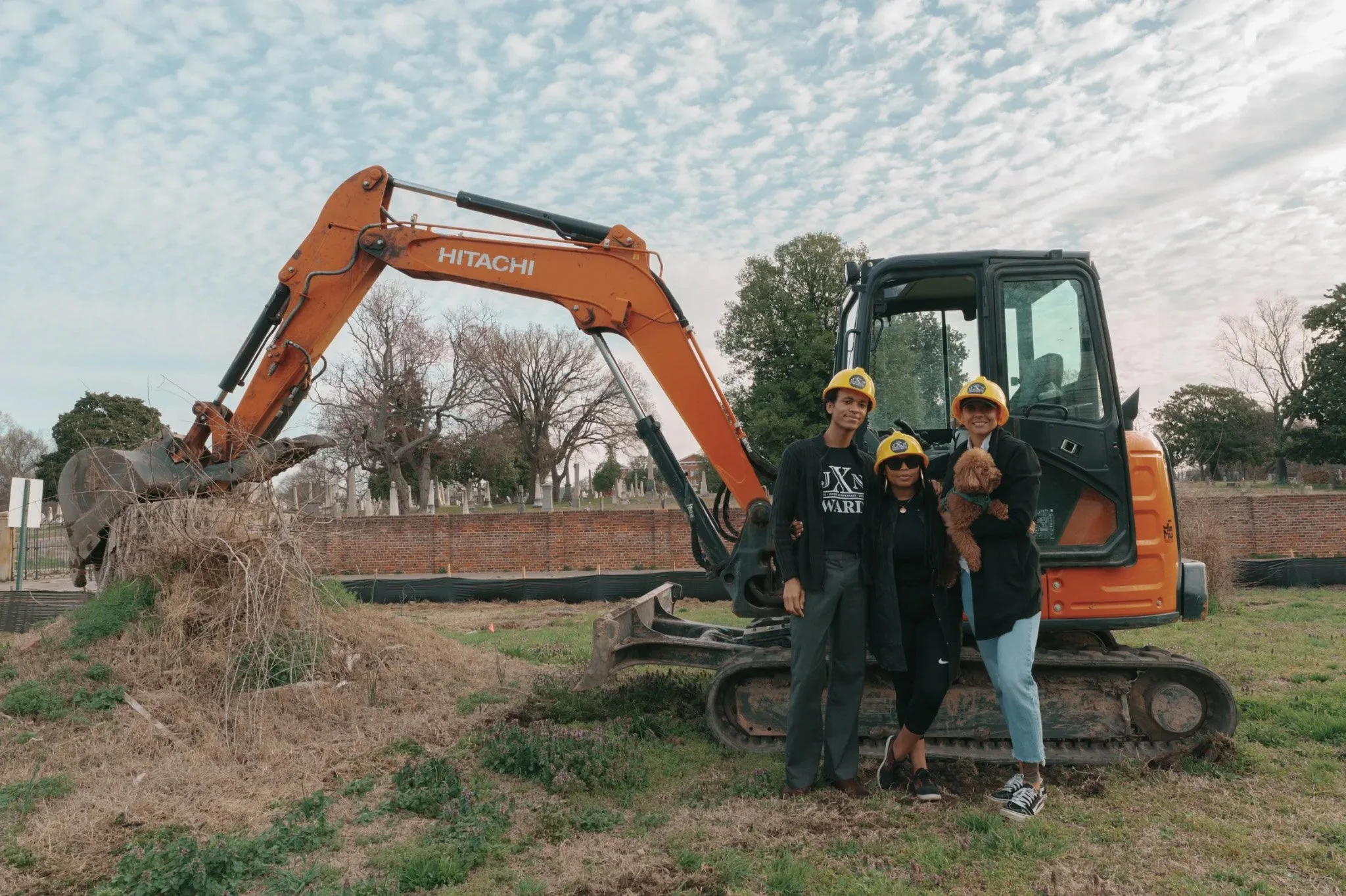
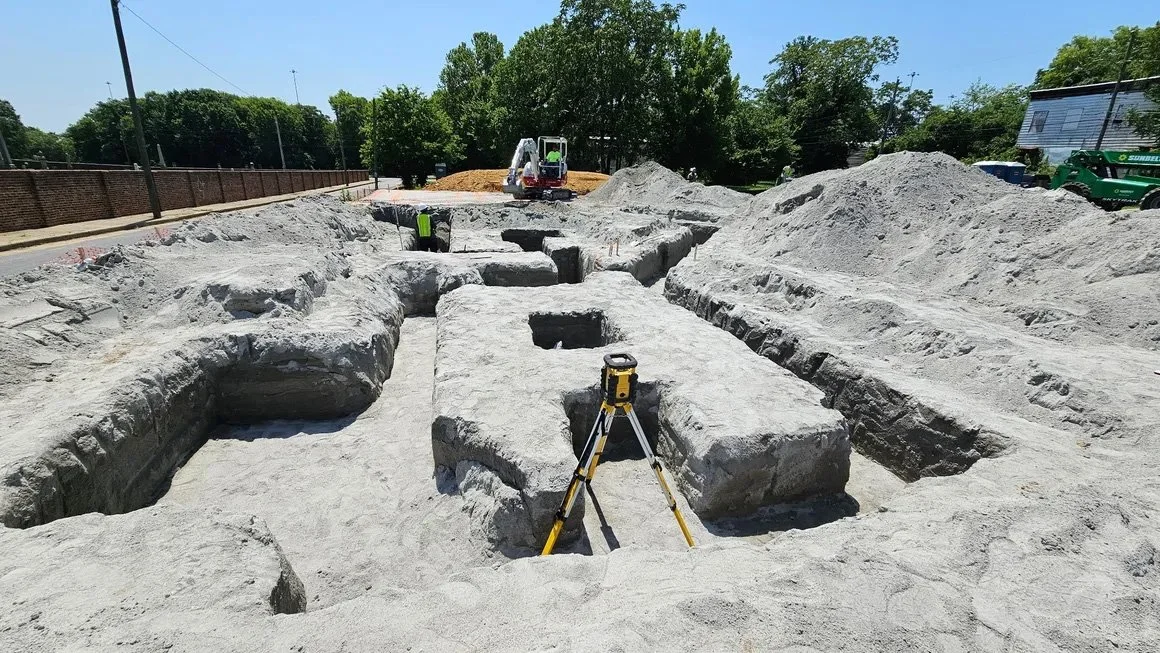
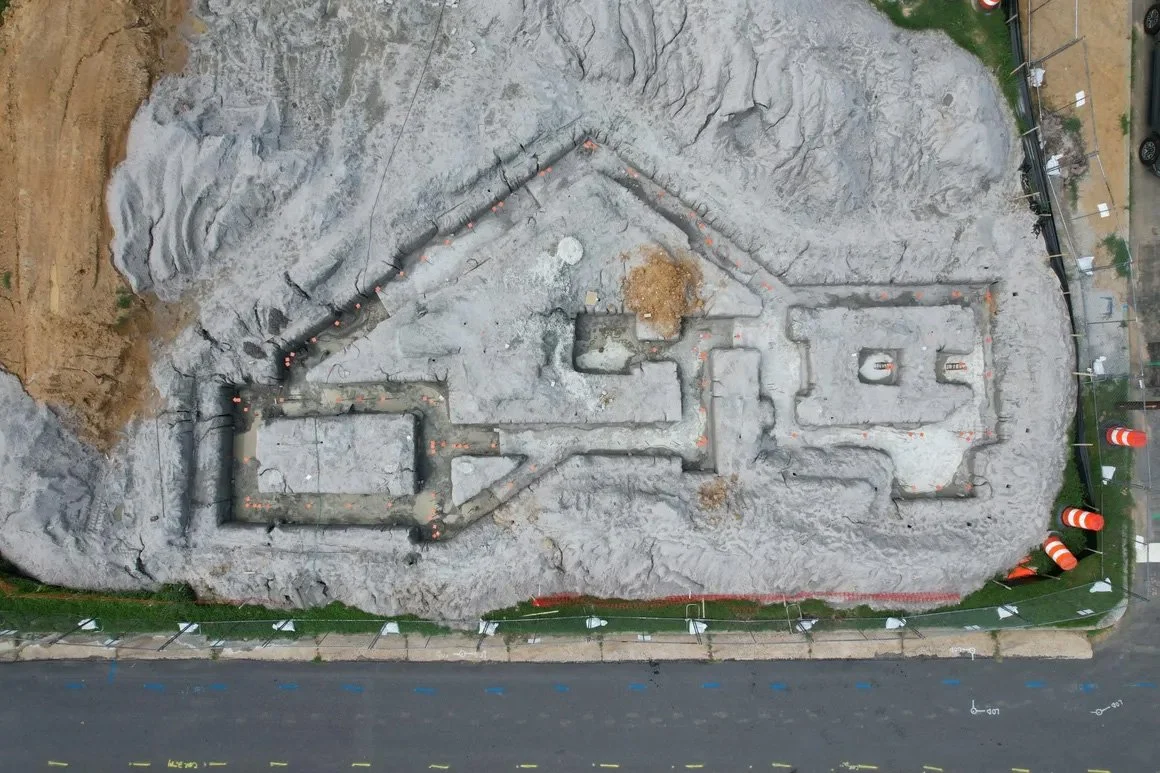
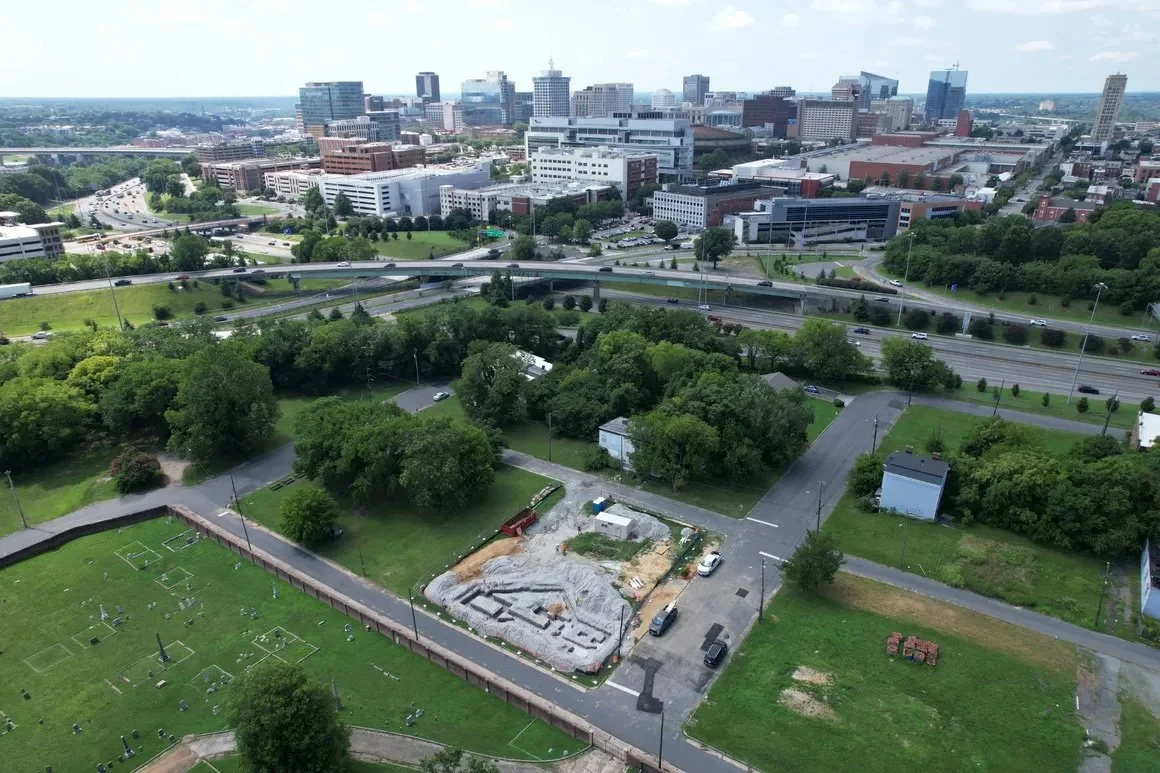
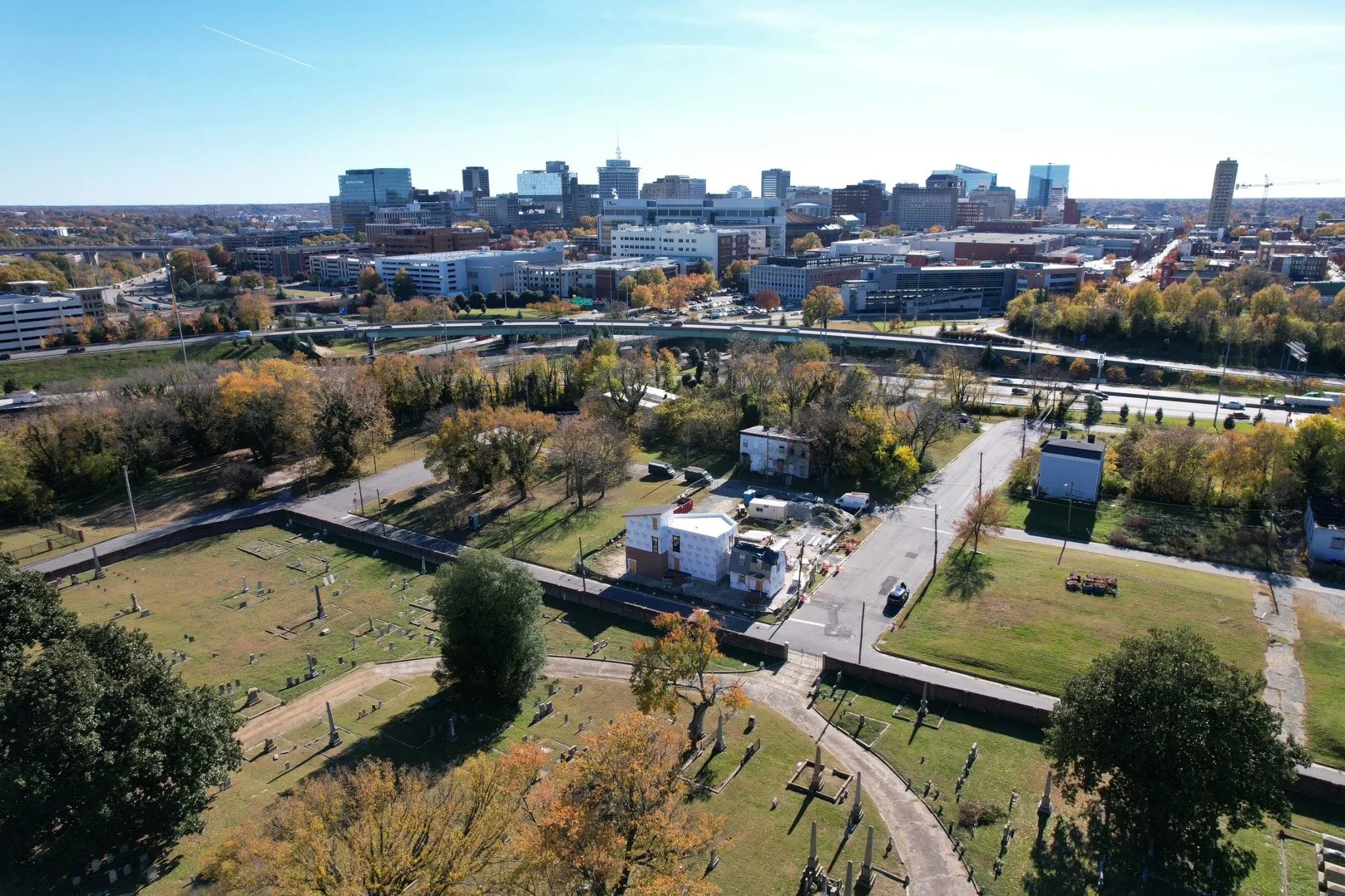
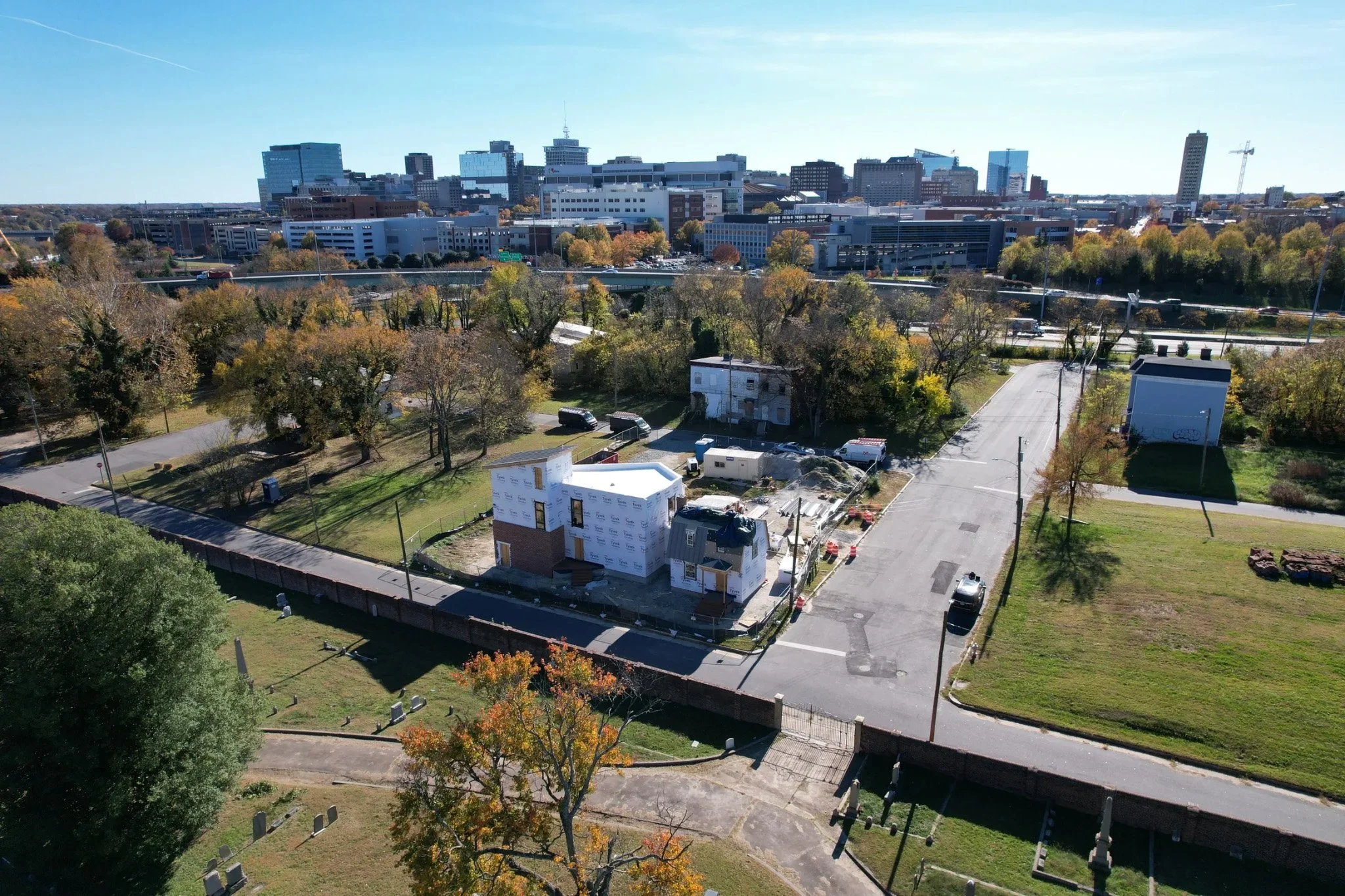
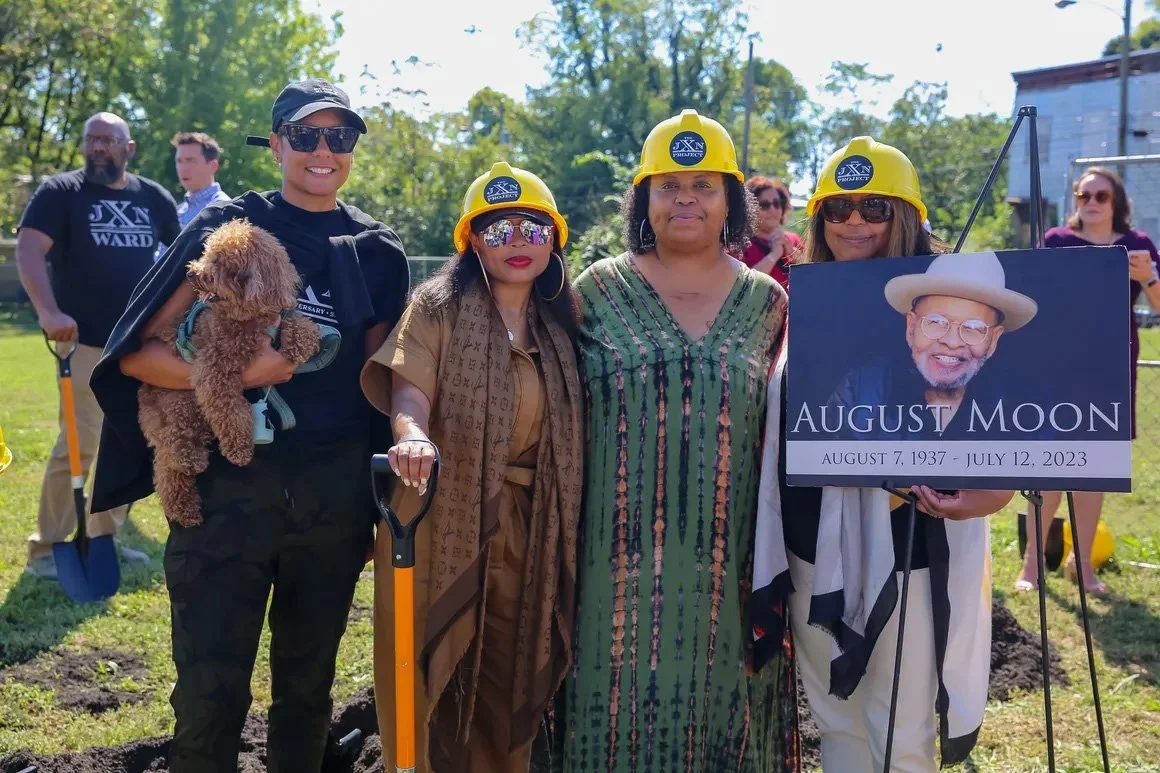
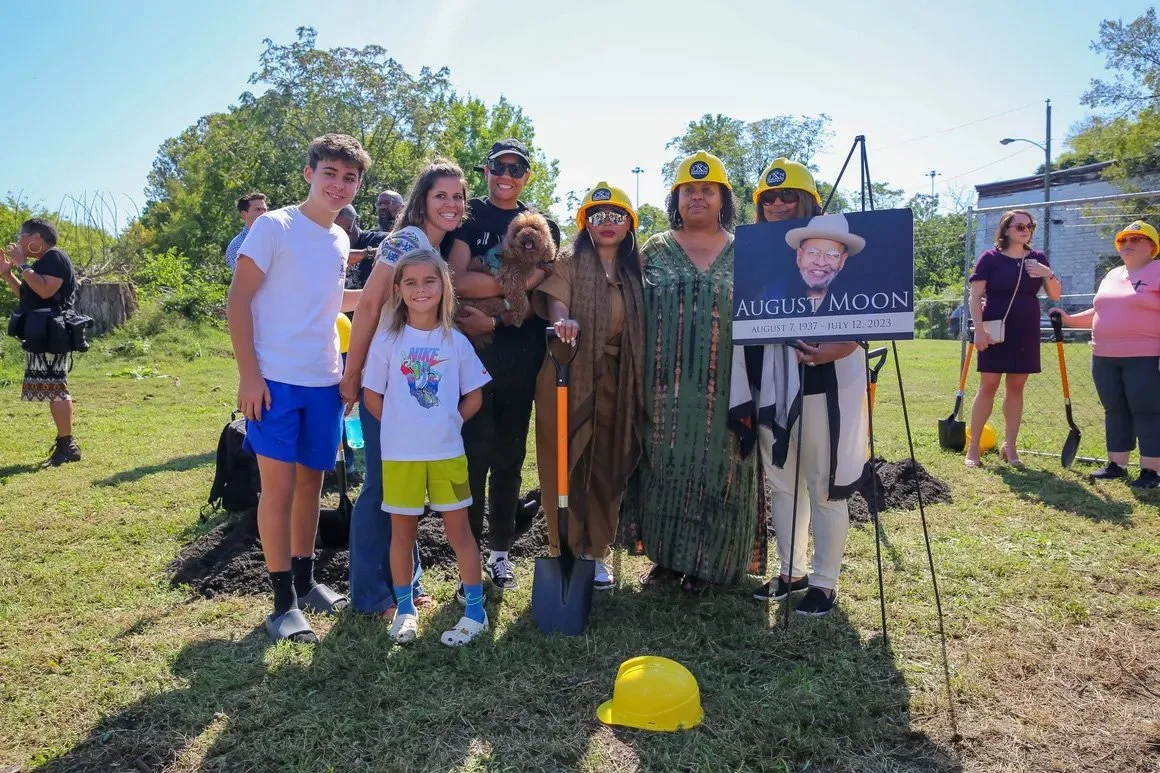
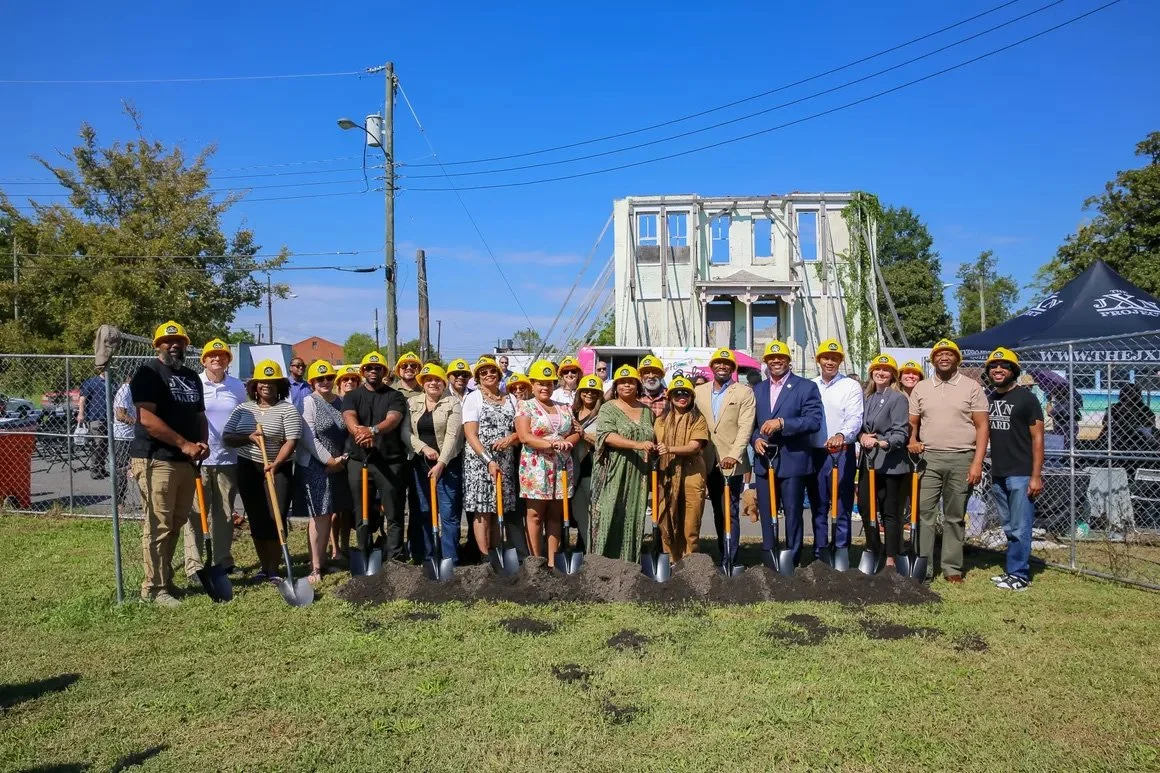
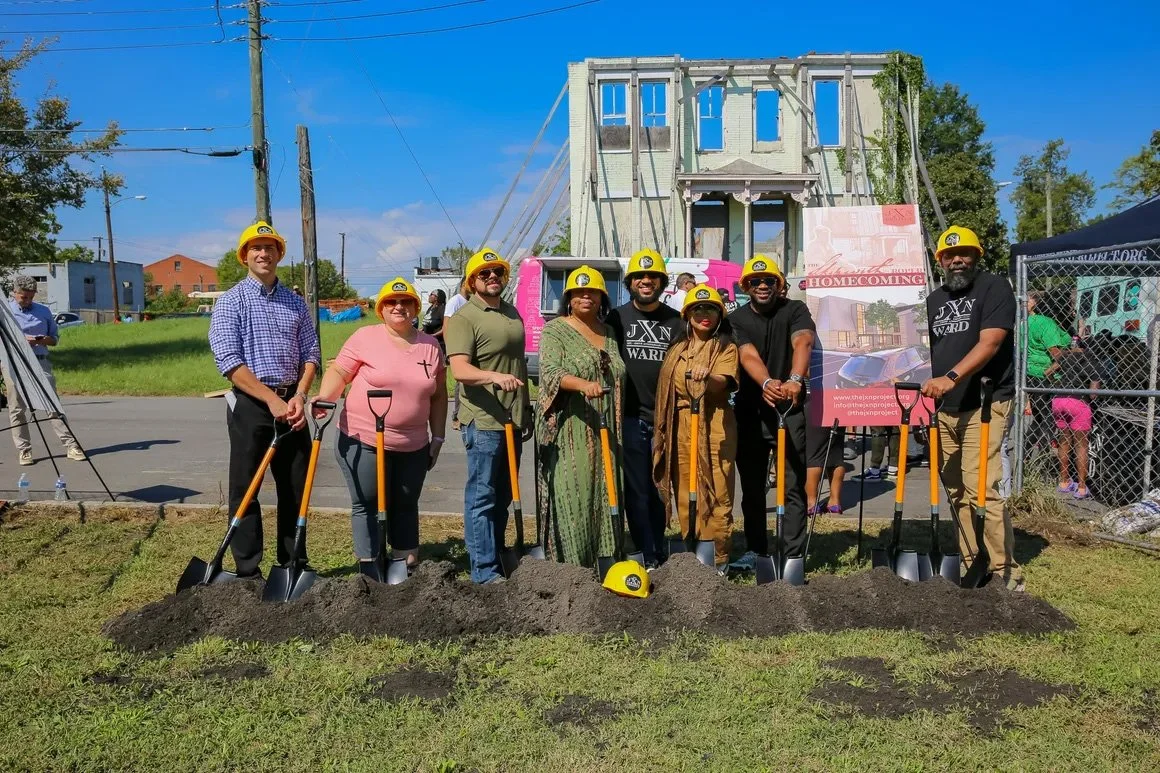
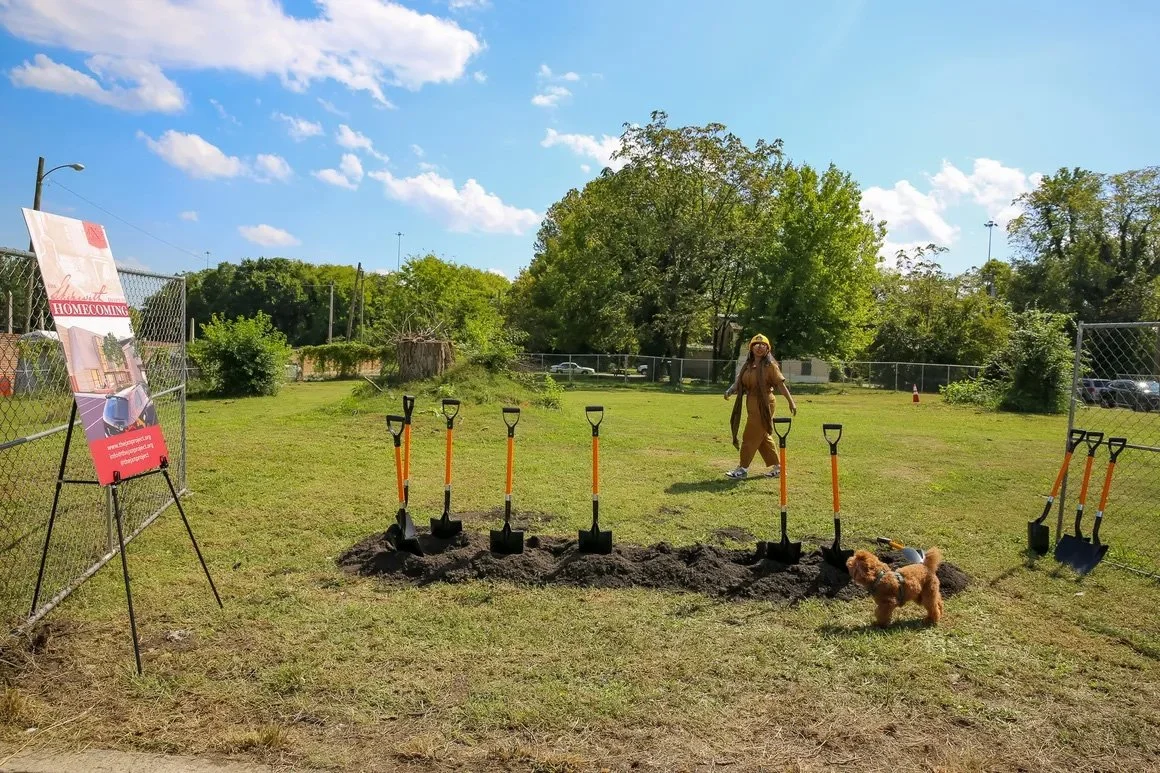
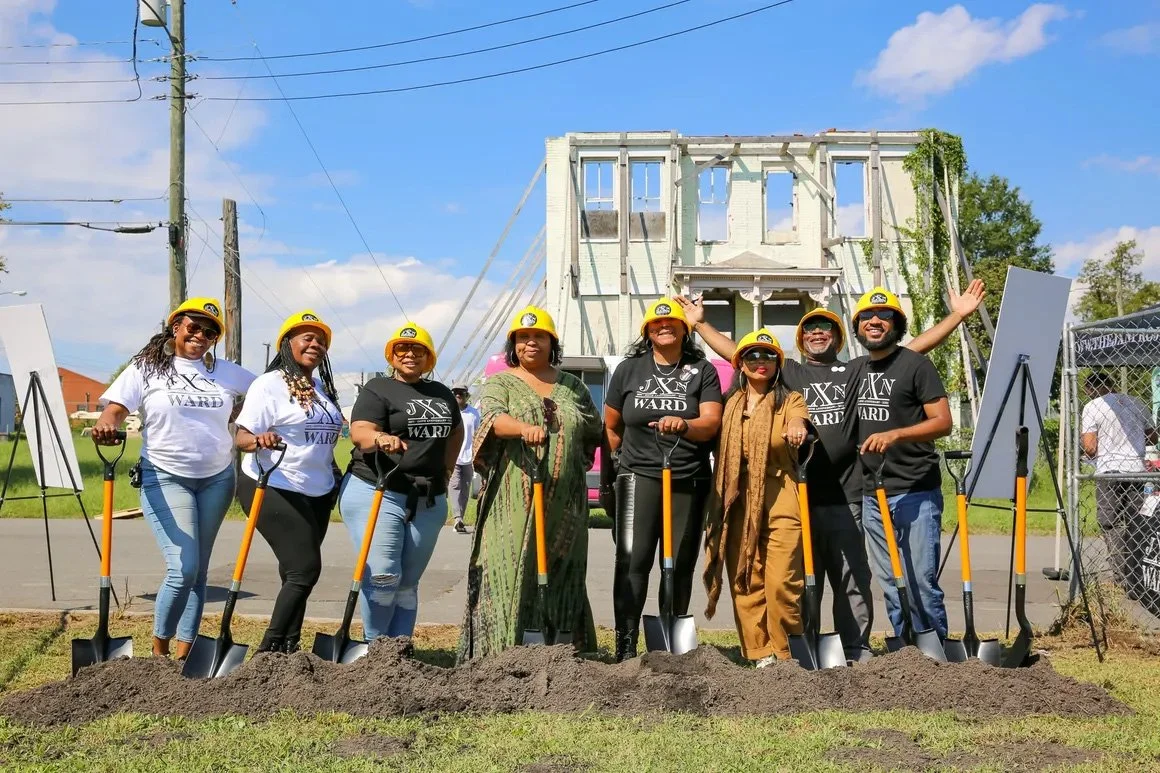
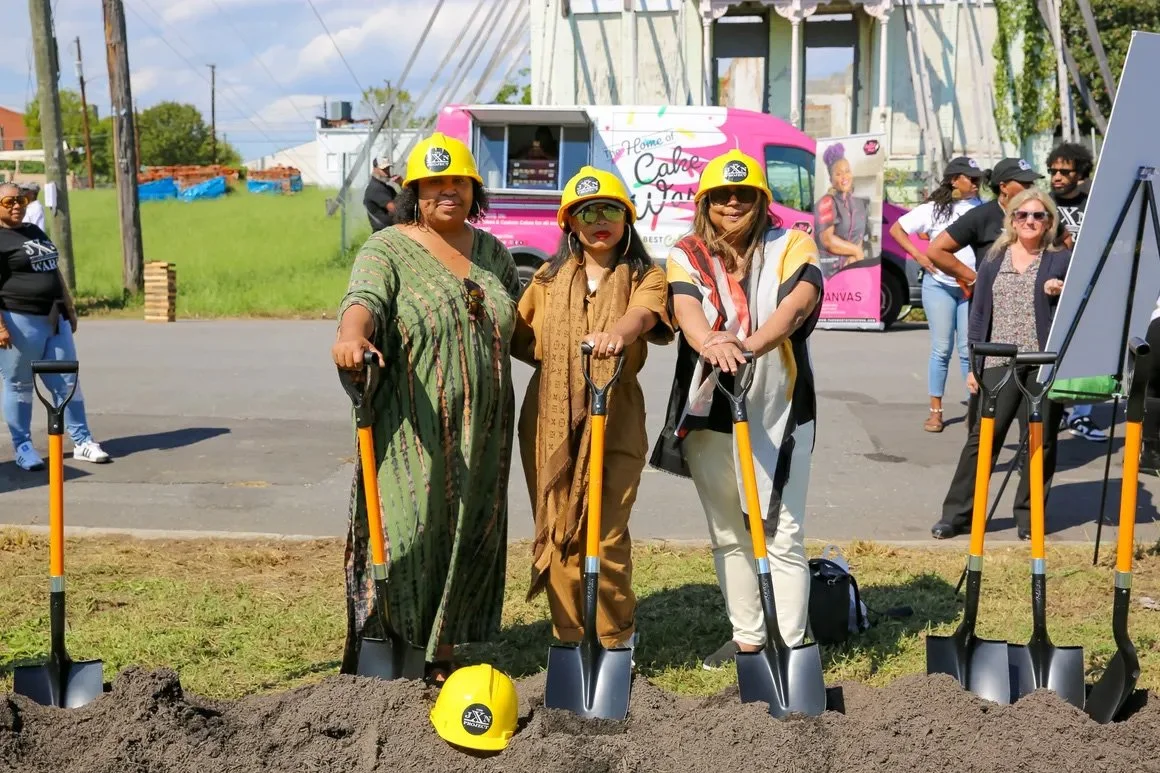
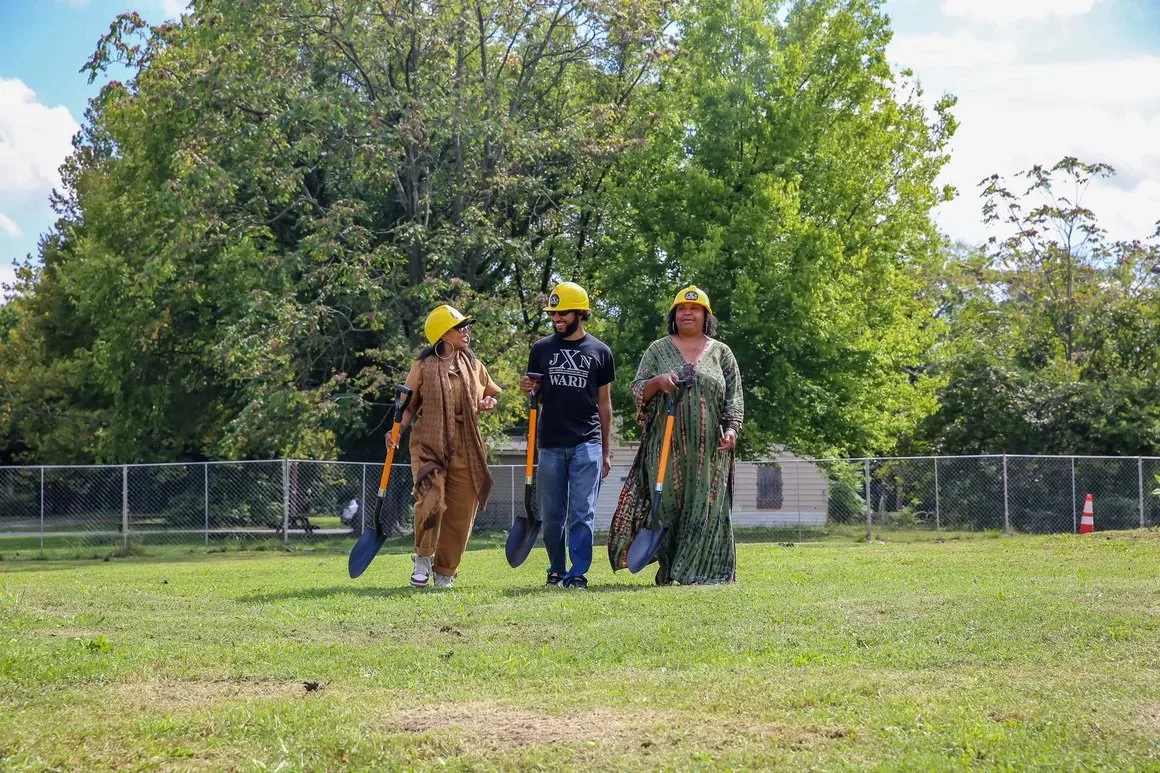
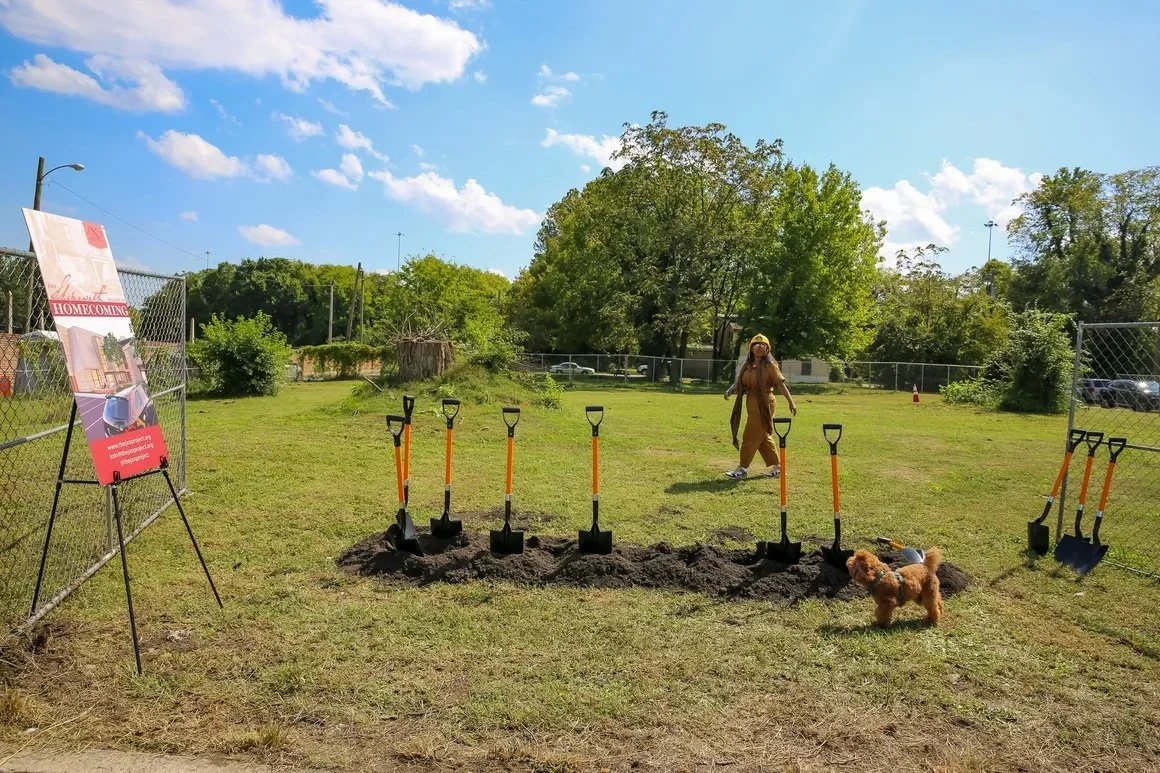
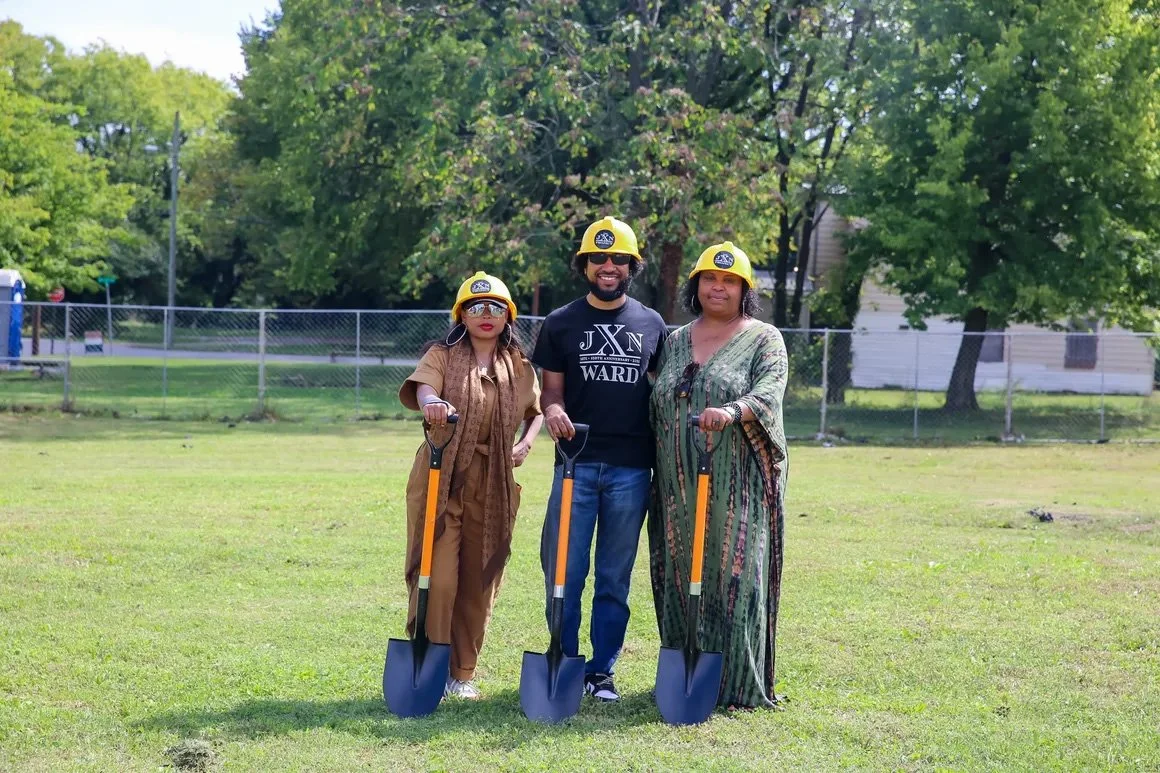
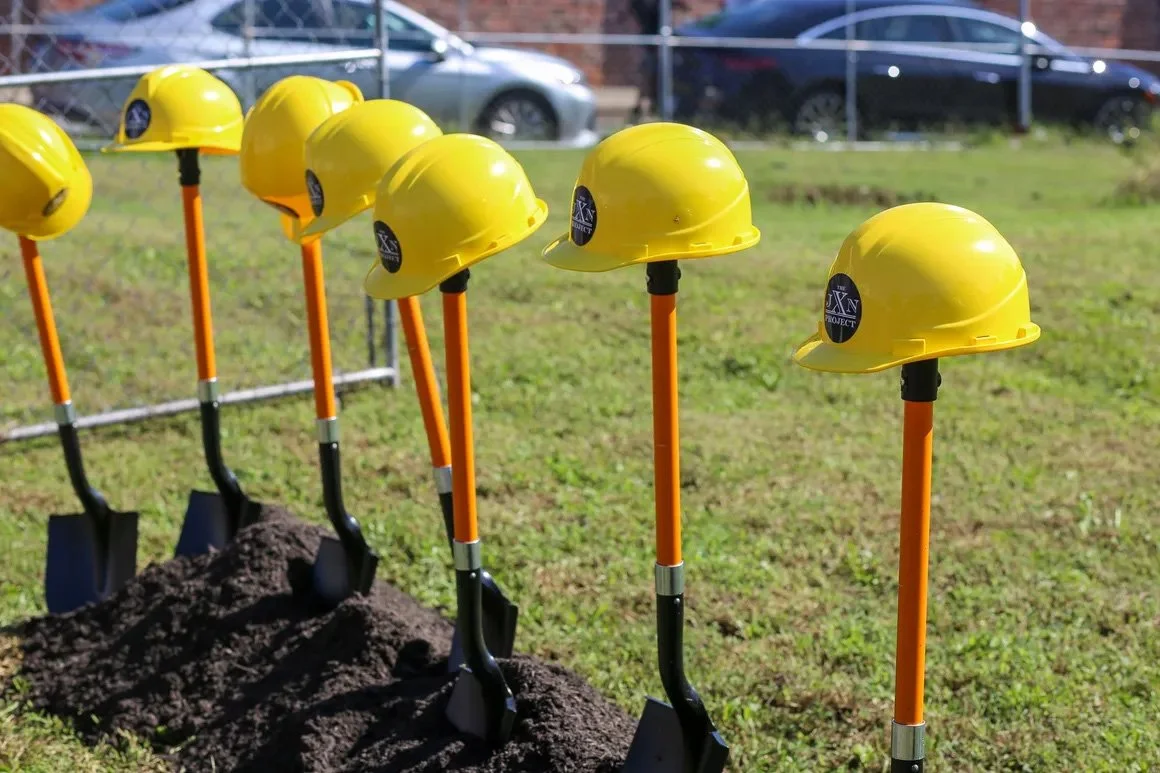
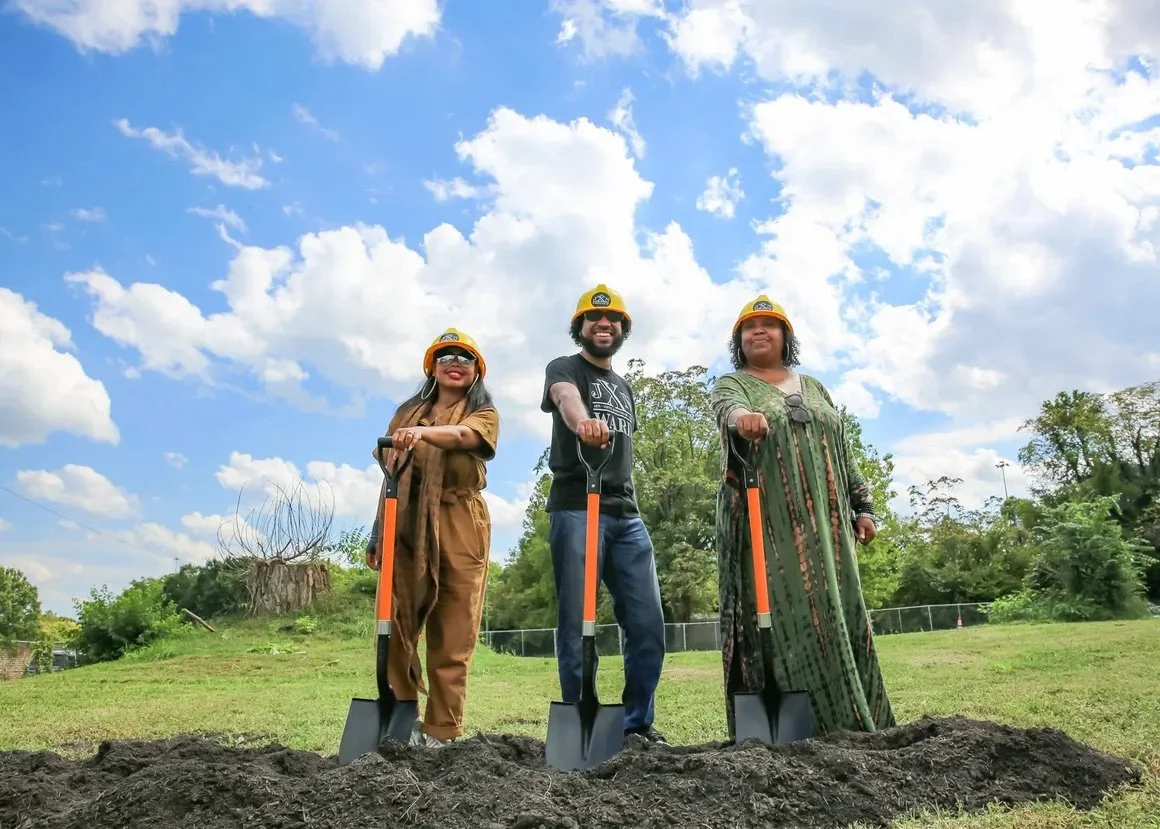
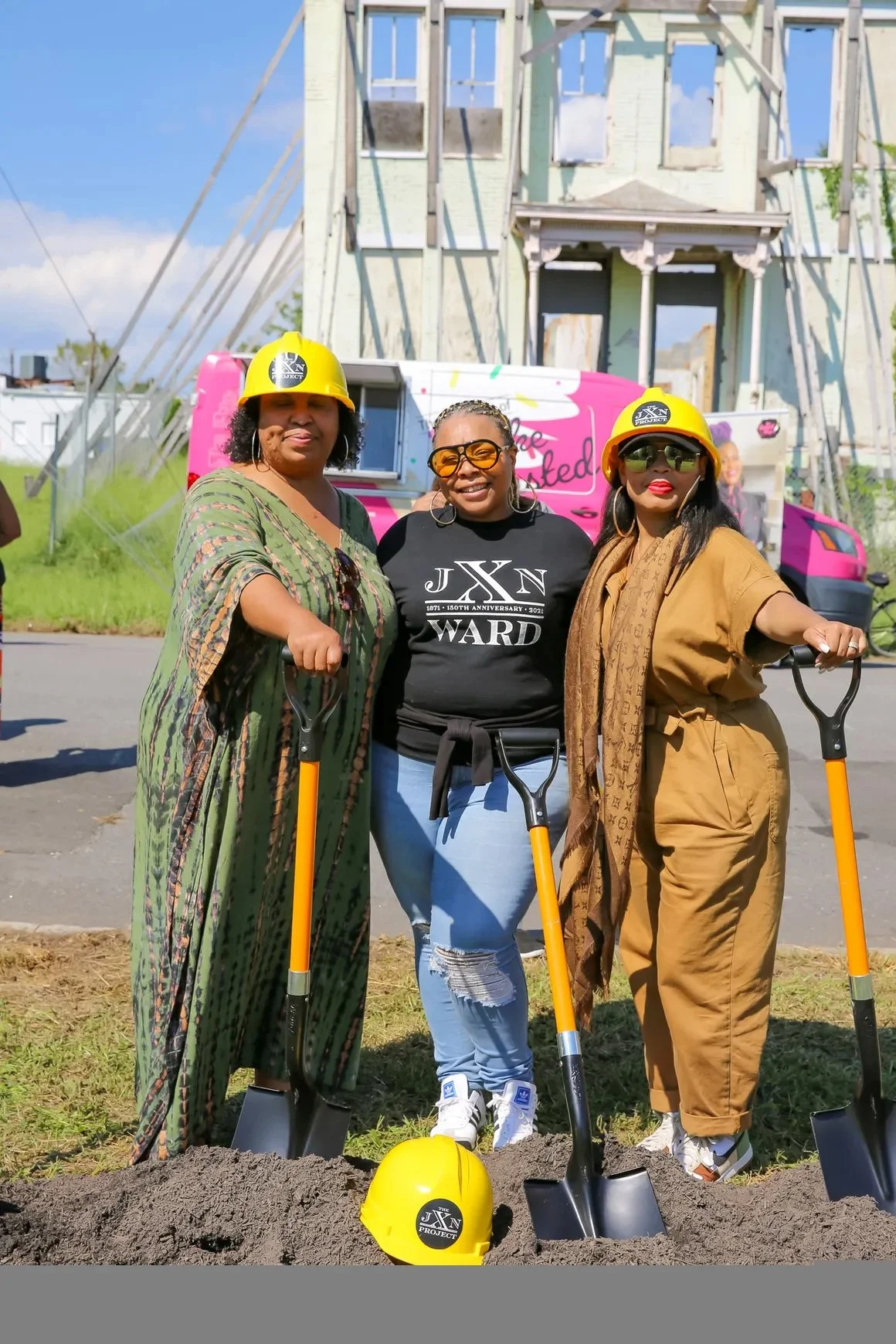
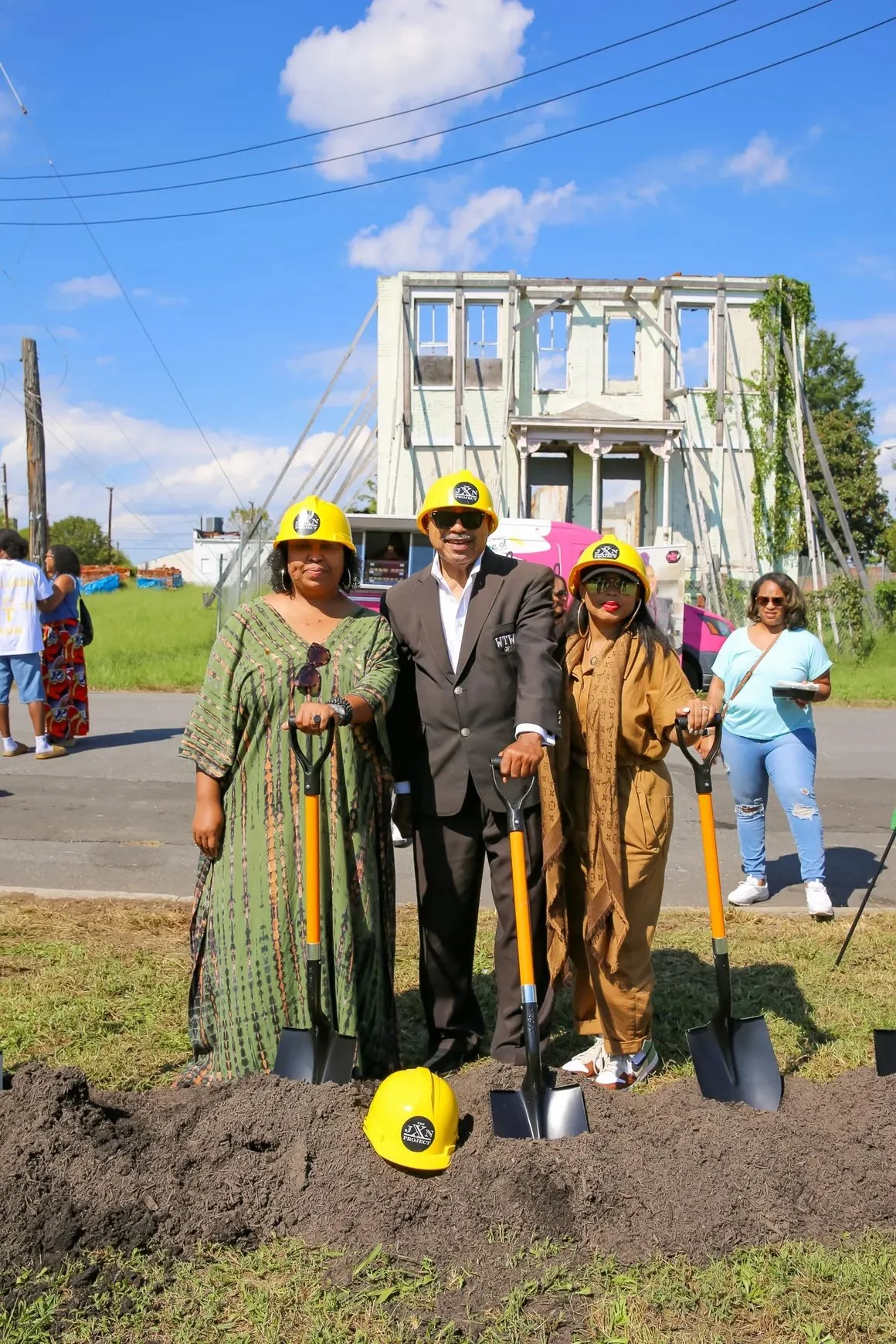
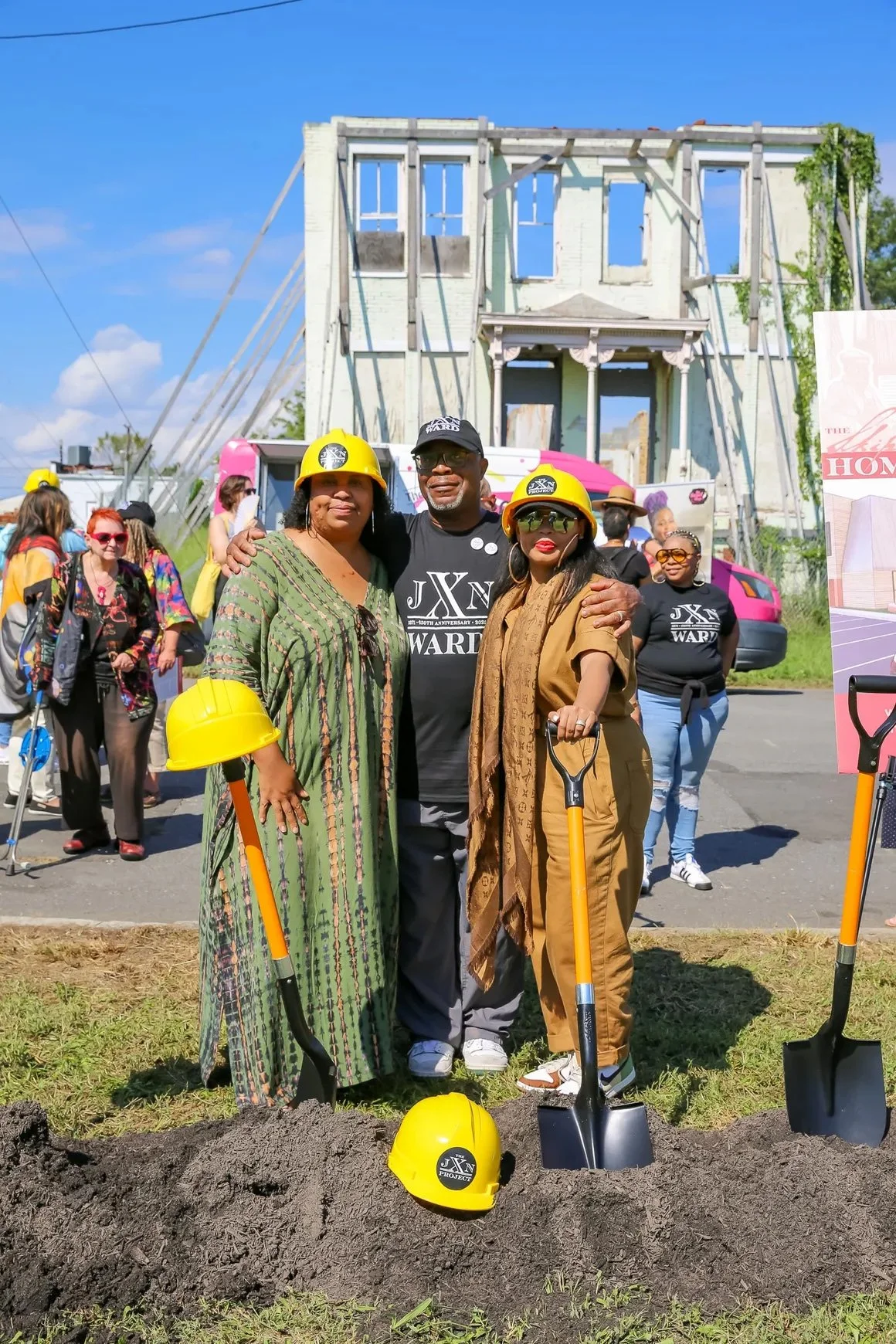
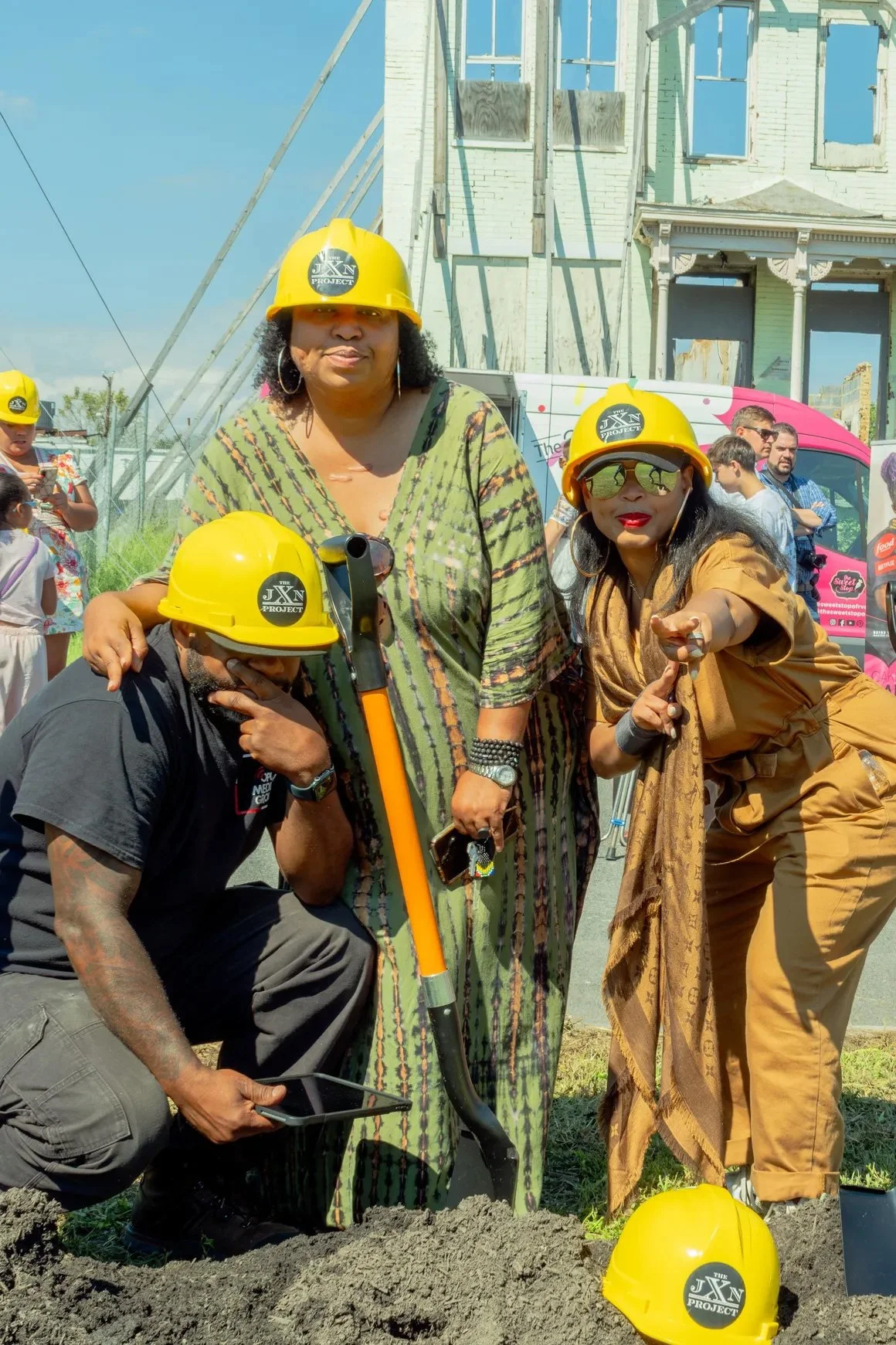
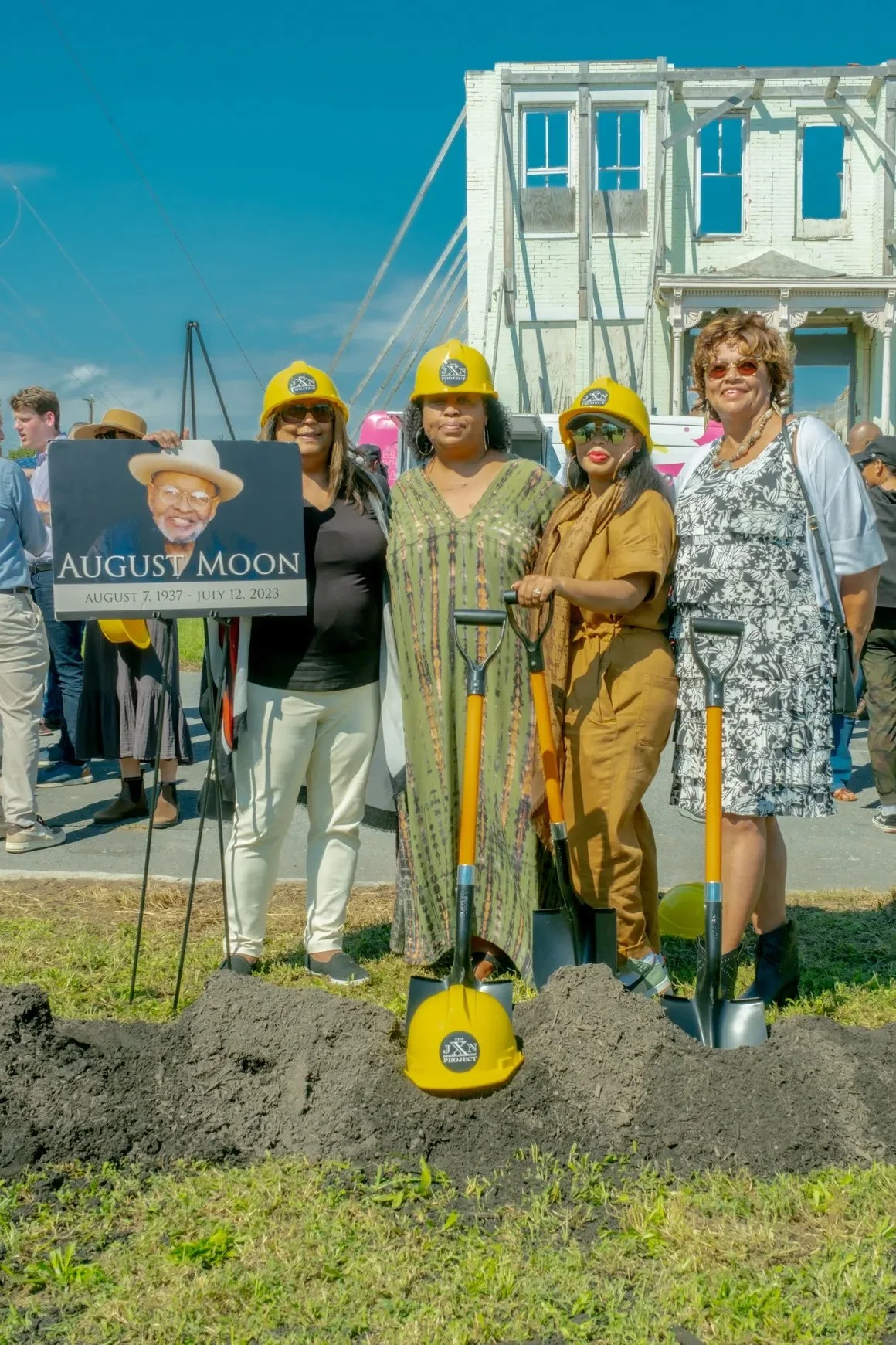
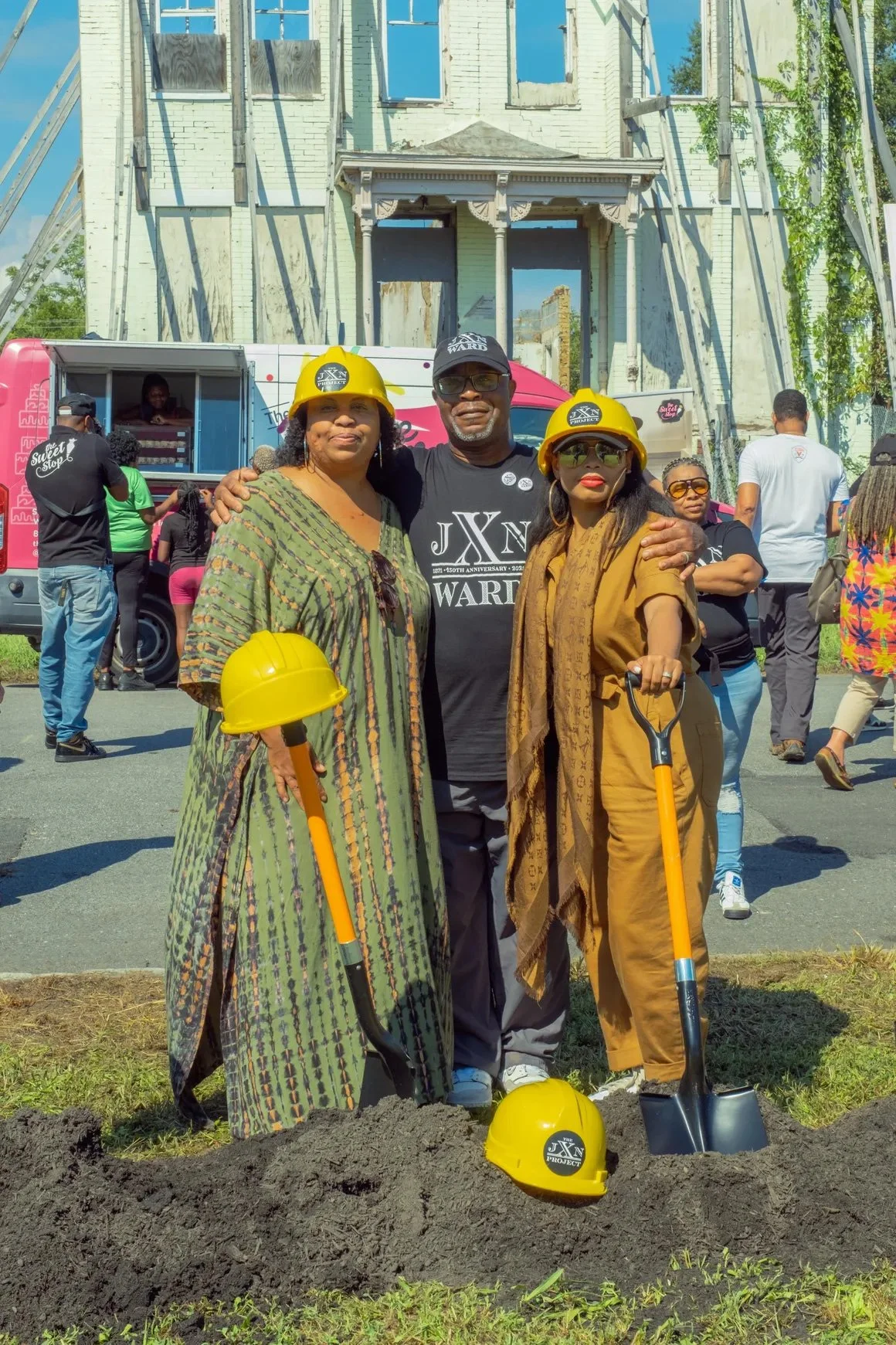
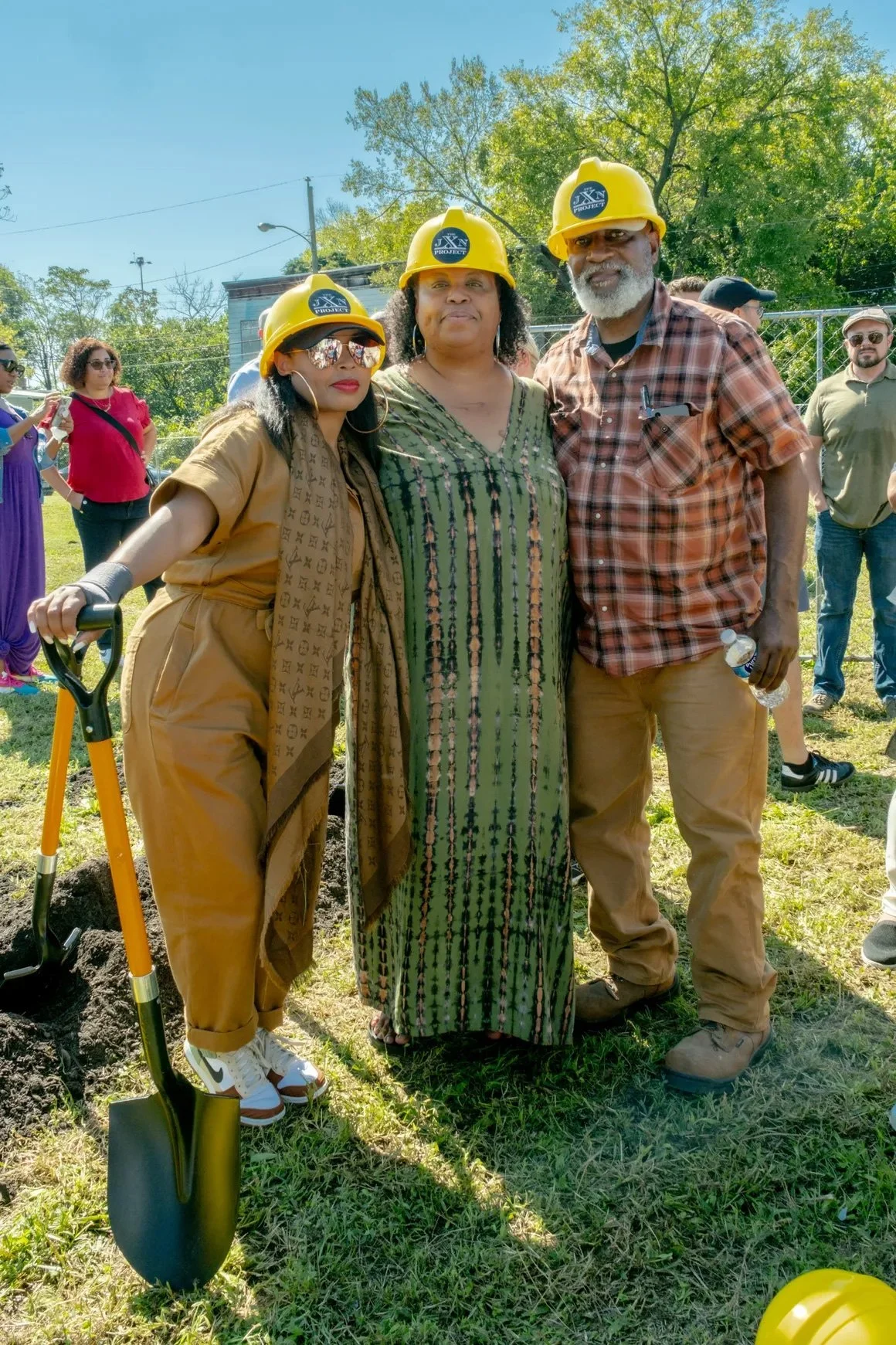
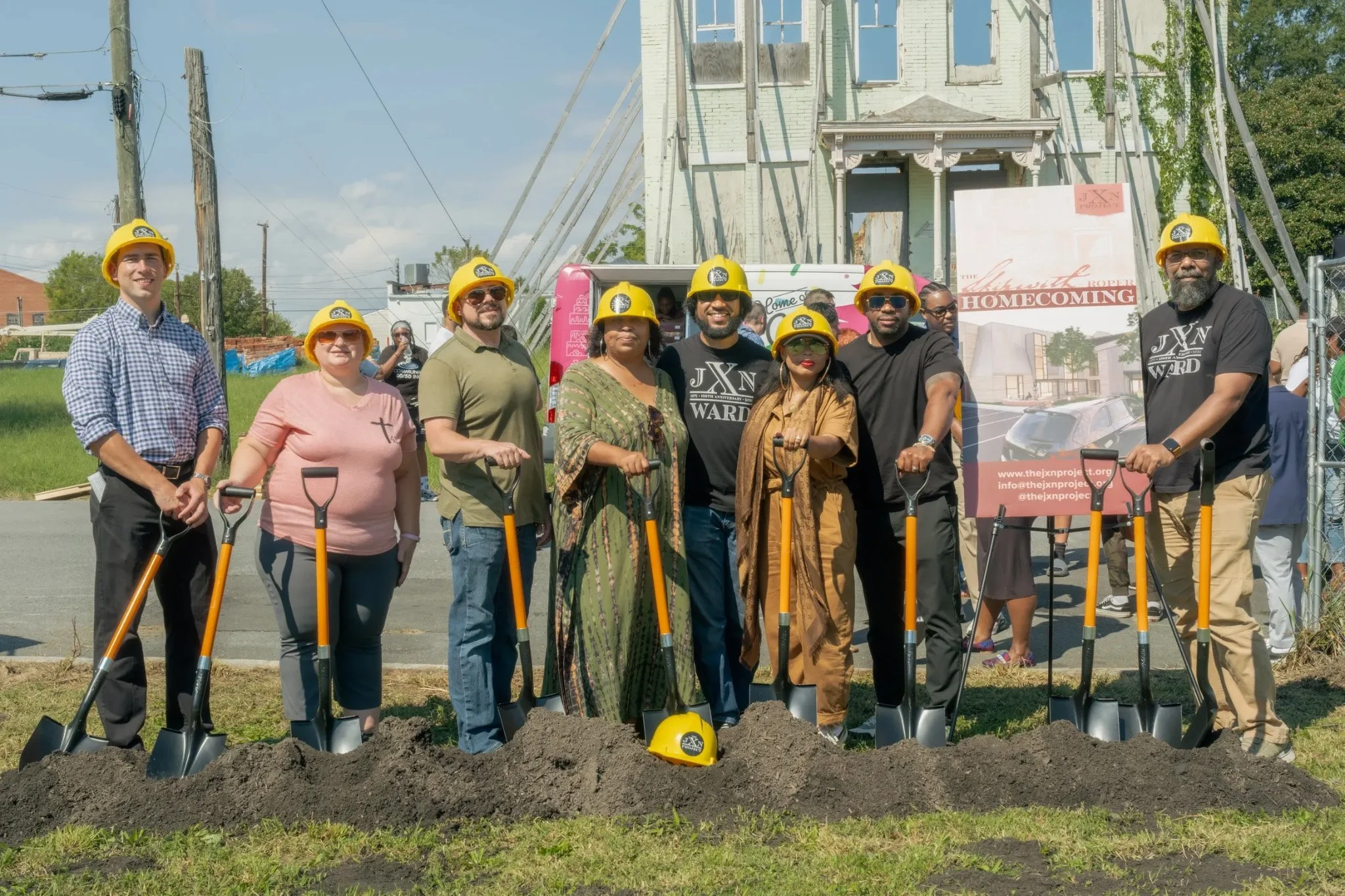
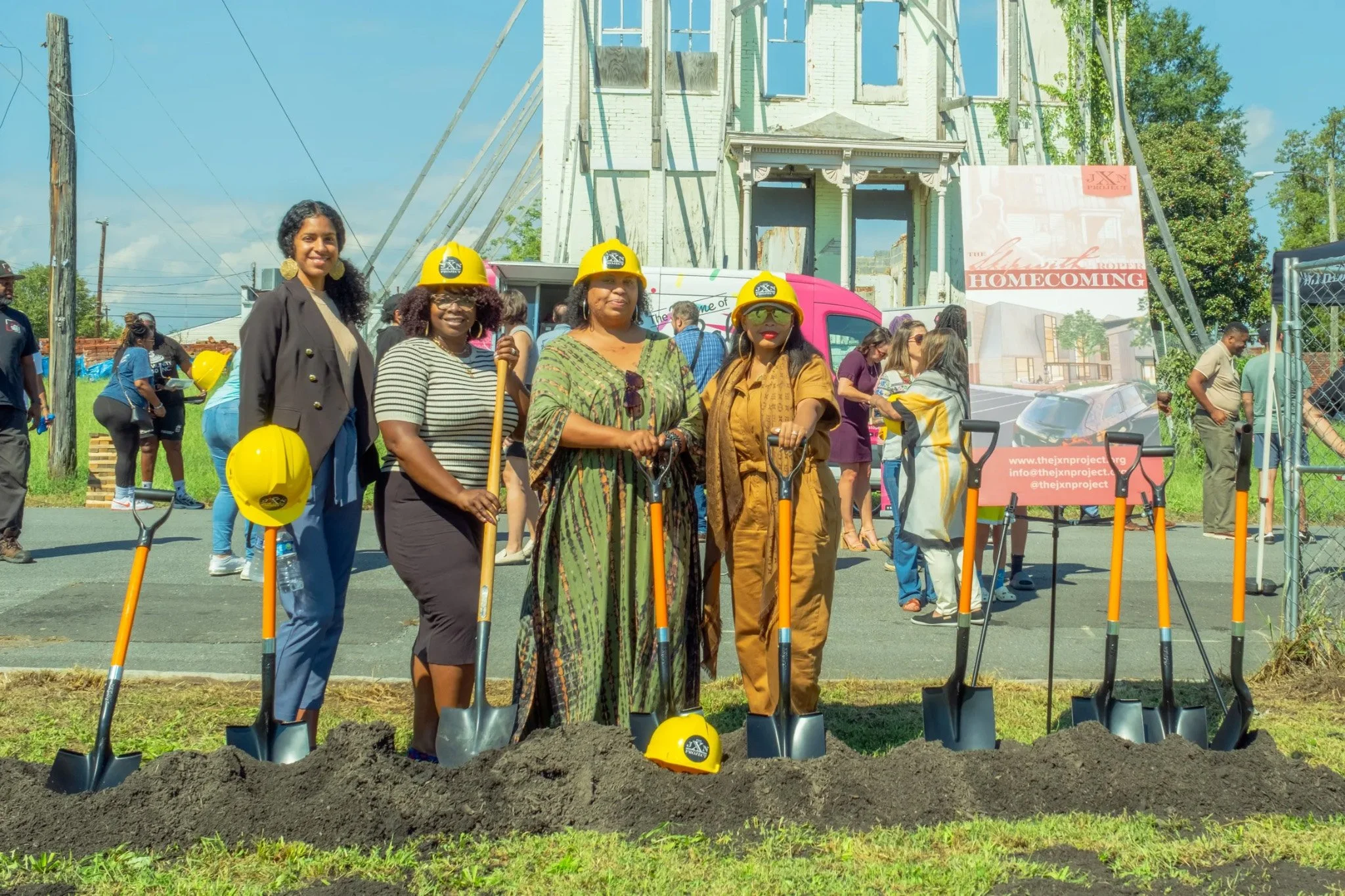
The JXN Project launched "The Skipwith-Roper Homecoming" as an effort to reconstruct the Skipwith-Roper Cottage for interpretative purposes in the heart of Jackson Ward as part of the U.S. Semiquincentennial. As part of the homecoming initiative, the project launched a campaign to reconstruct the cottage in two phases as an environmentally sustainable structure with a research lab and library and headquarter offices, also known as The JXN Haus – alongside a coworking space and outdoor greenspace for community programming and placemaking.
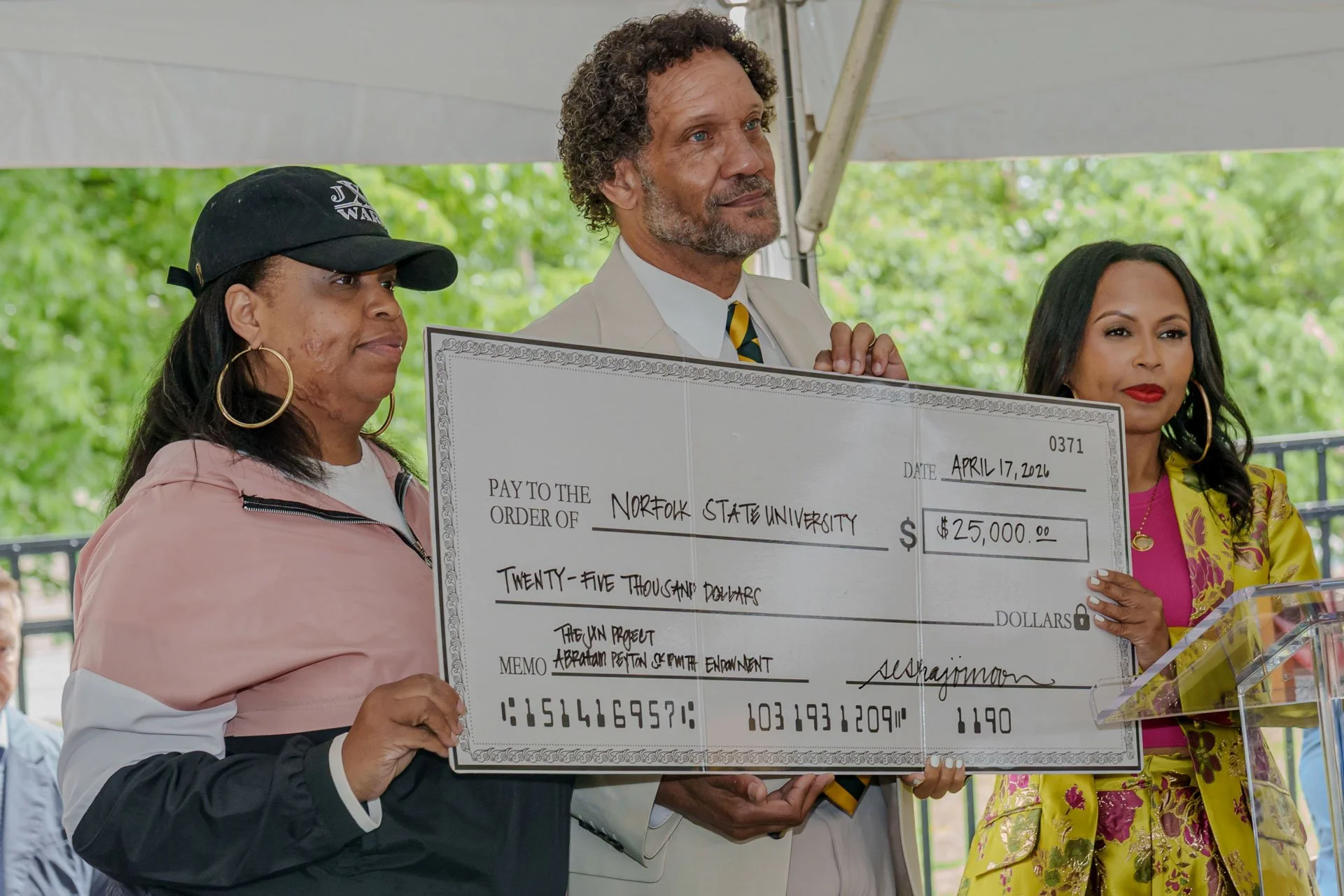
The historic site and headquarters sits on 11 parcels of donated land by the Maggie Walker Community Land Trust and Richmond Redevelopment and Housing Authority. The project also received notable contributions from the Mellon Foundation, Commonwealth of Virginia, City of Richmond, Nike Jordan Brand, Airbnb, Dominion Energy Charitable Foundation, Weissberg Foundation, Mary Morton Parsons Foundation, Virginia Museum of History and Culture, IF: A Foundation for Radical Possibility, Greater Washington Community Foundation, Richmond Memorial Health Foundation, and Meyer Foundation – as well as individual donations via GoFundMe.
The construction team consisted of Habitat for Humanity, Baskervill, Timmons Group, Schnabel Engineering, Jones Archaeology Consulting, Dickersons Construction, HurricaneFence, Hometurf Landscaping, JL Minter, C&L Plumbing and Mechanical, Pesseti Painting, Hanover Specialities, Virginia Railing and Gates, Virginia Shutters, Holiday Signs, City of Richmond, Dominion Signs, Mosca Design, Venture Richmond, Professional Art Handlers, Riggs Ward, Richmond Digital, Meredith Carrington, S. Ross Browne, Barry O'Keefe, and Team Henry Enterprises – most known for dismantling the statues in tribute to the Lost Cause. The cottage includes historic contributions from the Virginia Museum of History and Culture, Preservation Virginia, The Valentine, Poe Museum, Colonial Williamsburg Foundation, and Historic Textiles.
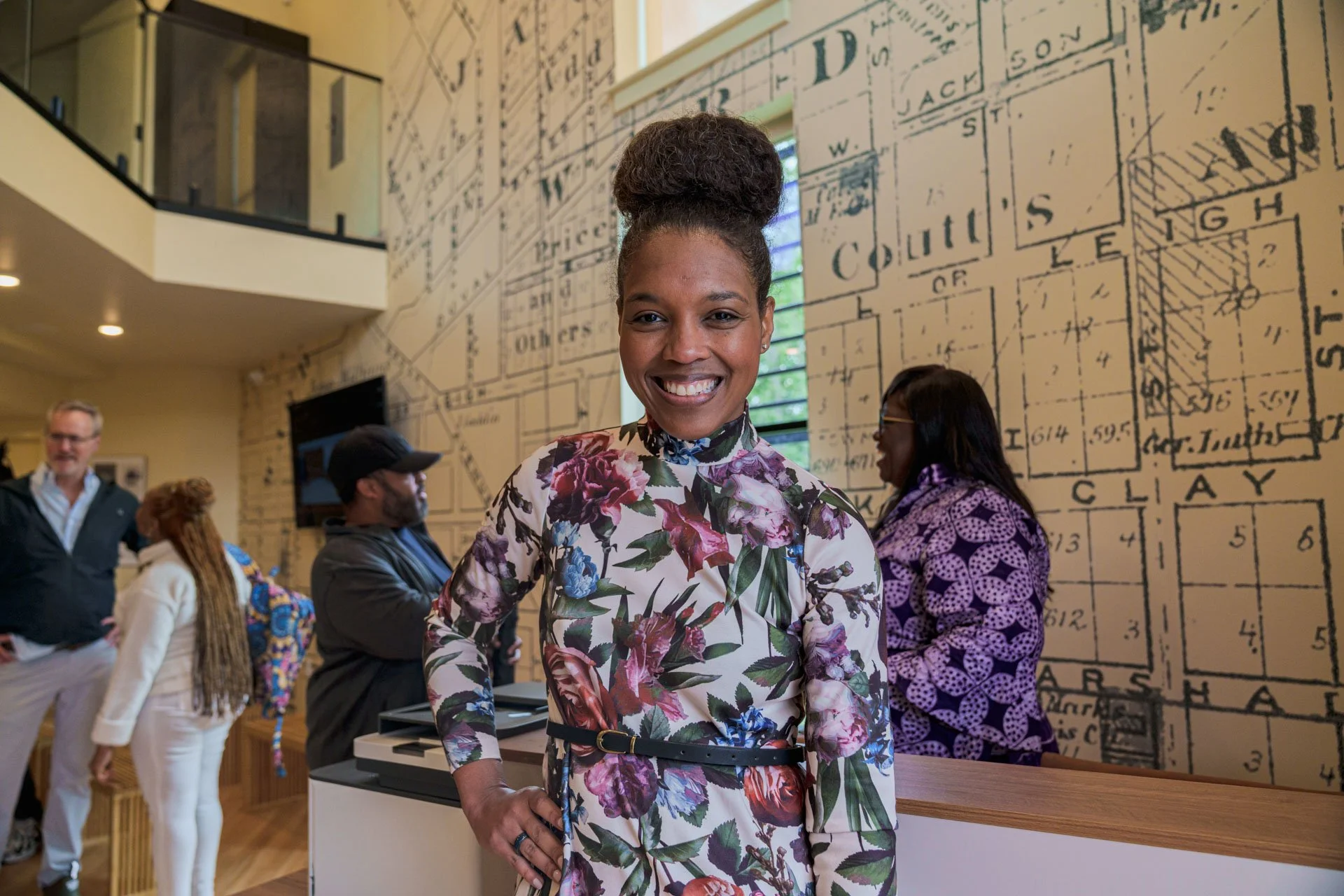
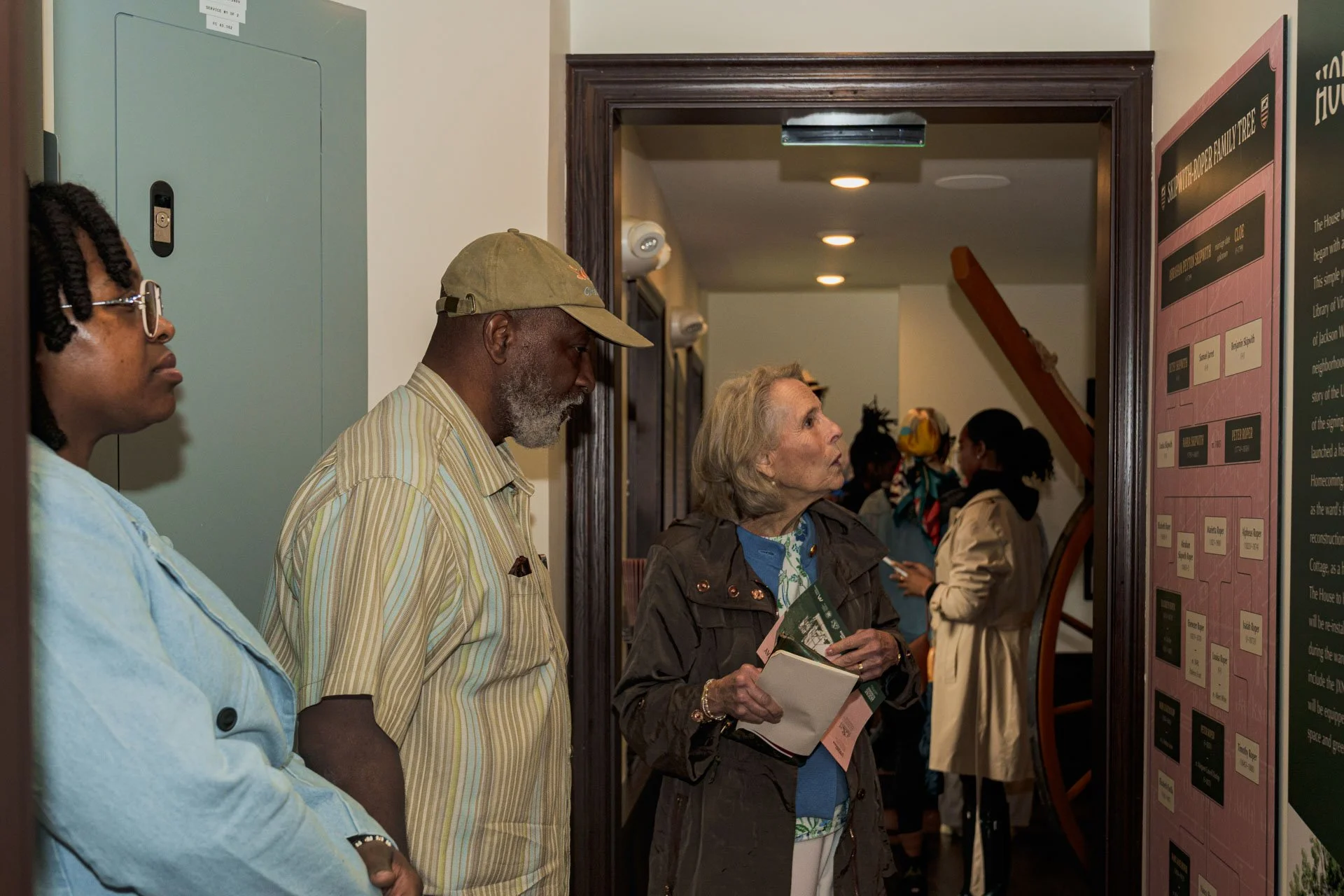
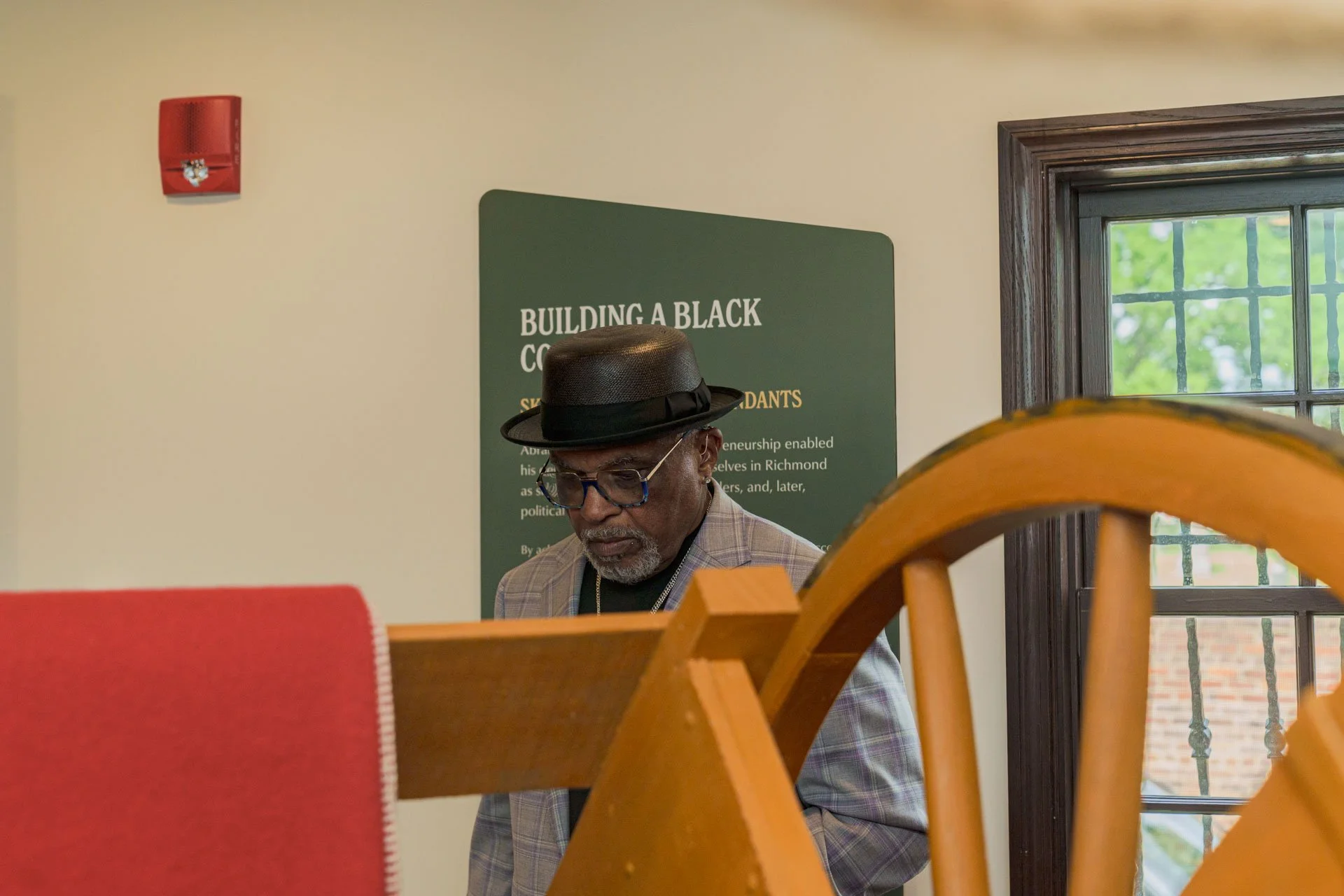
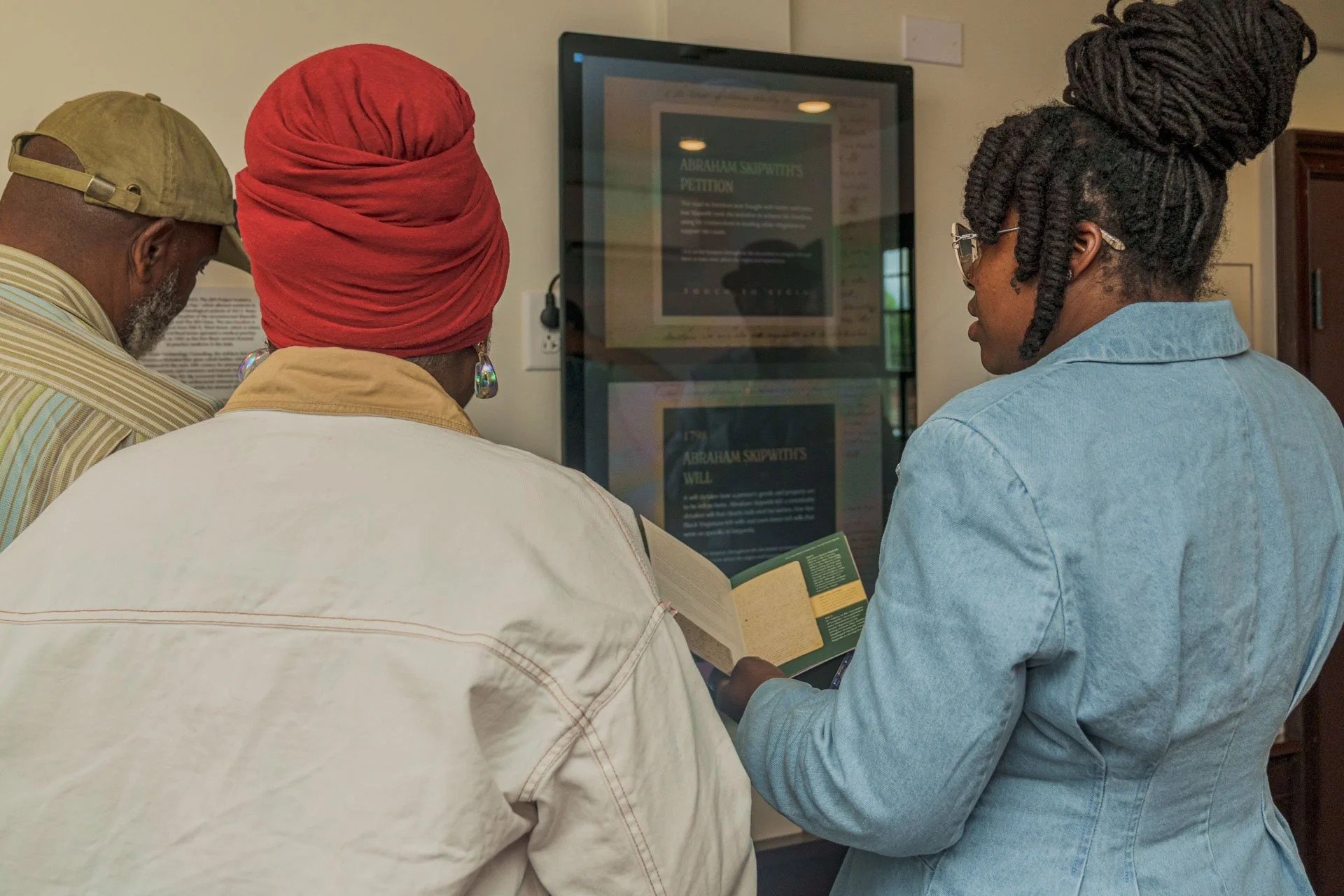
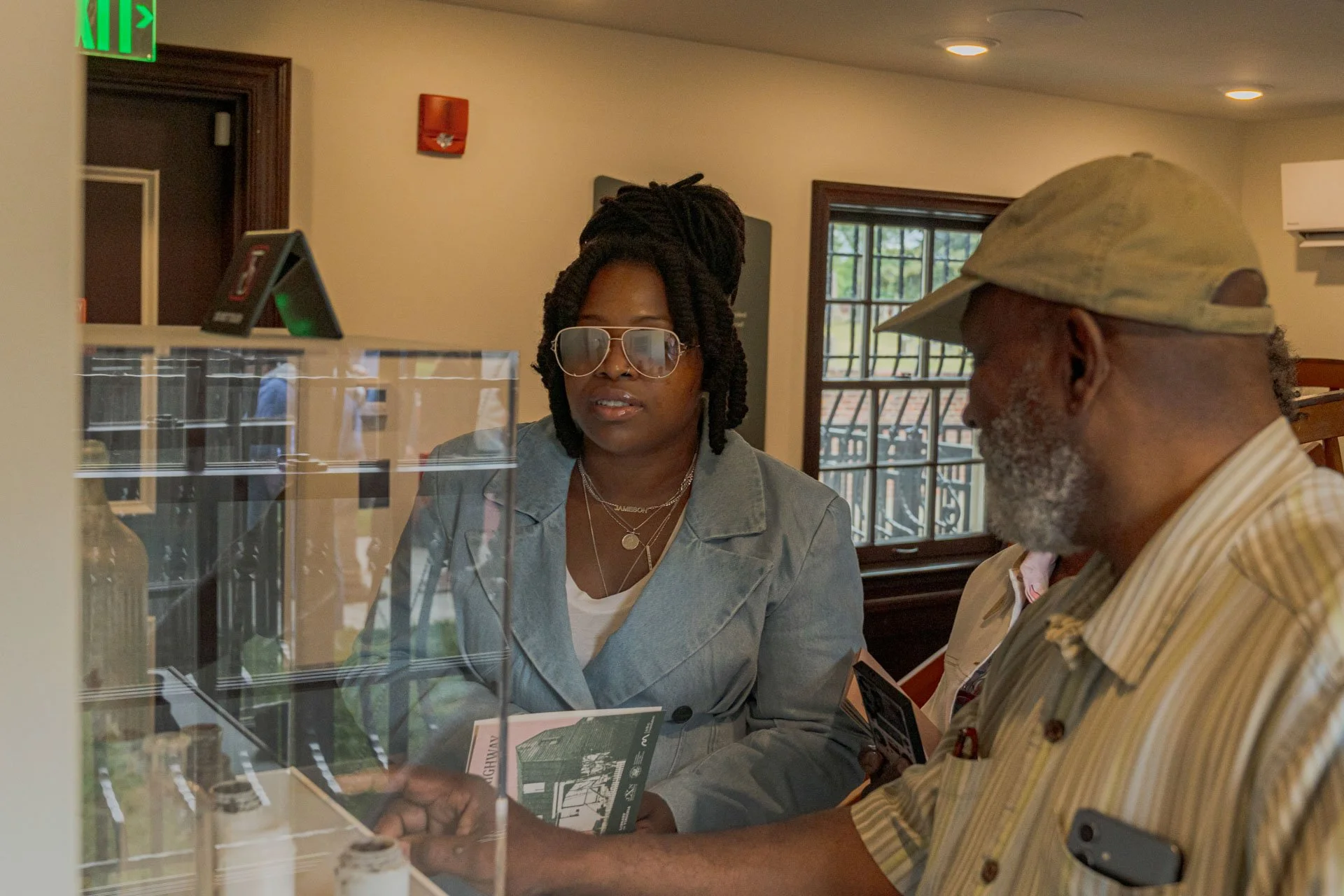
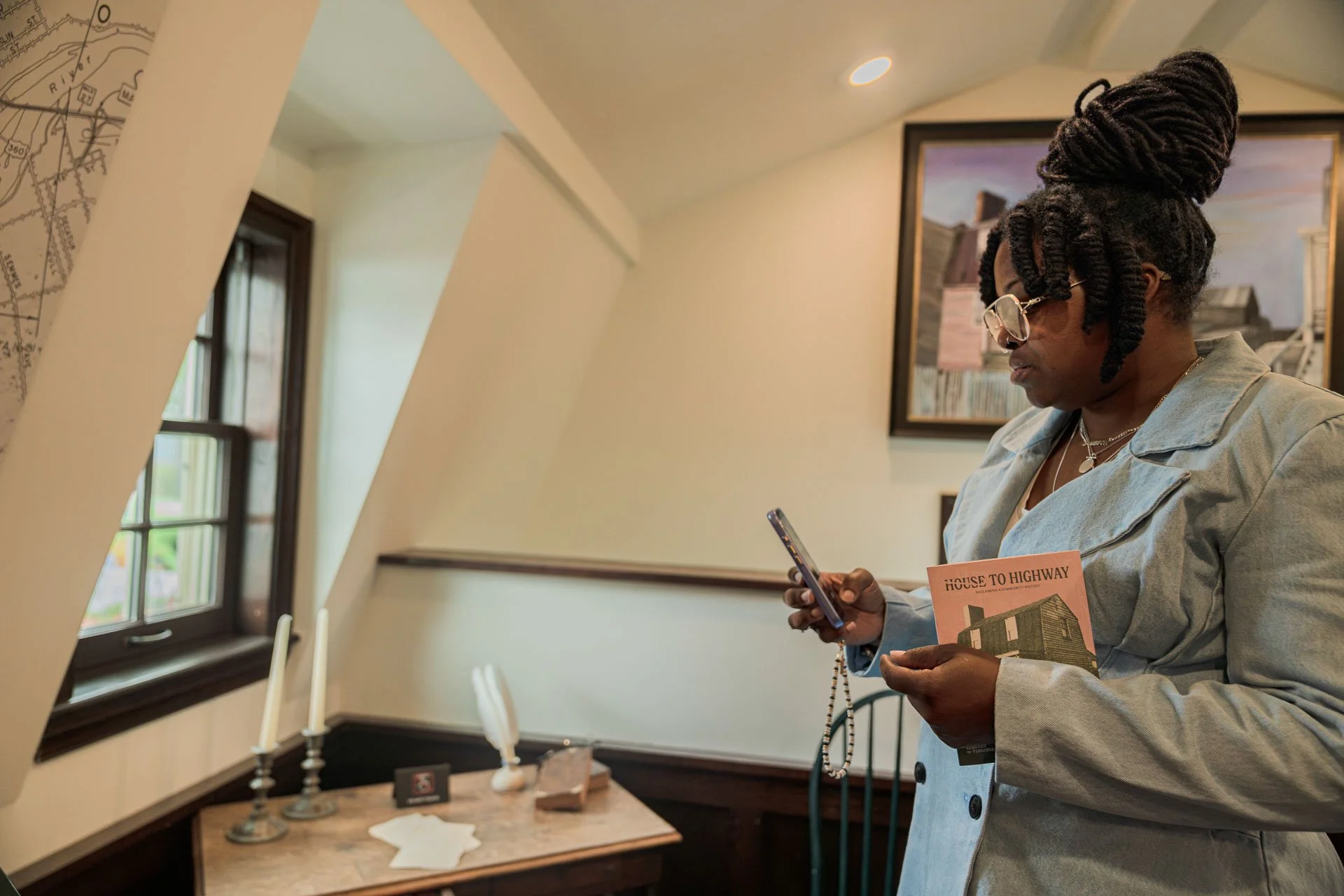
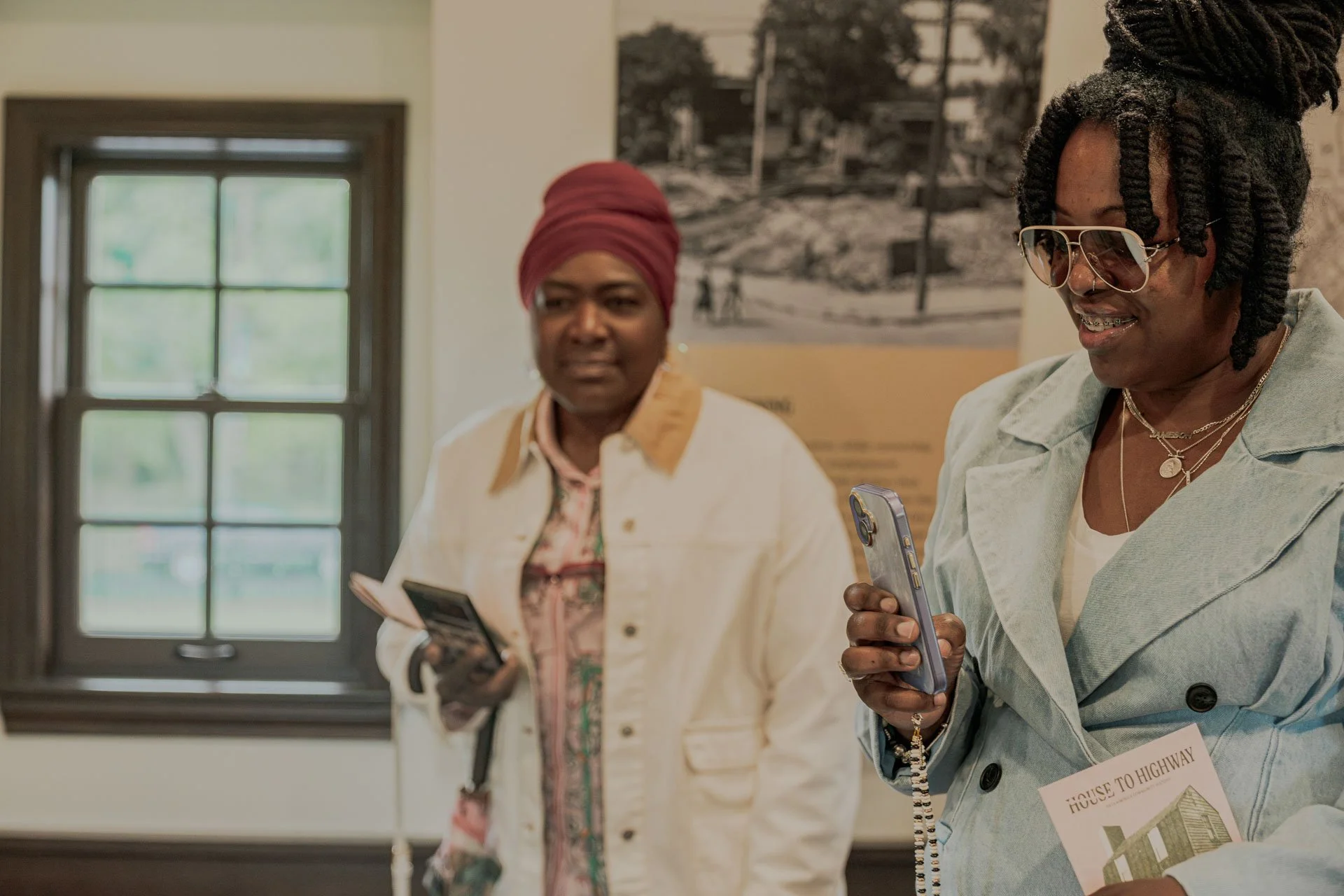
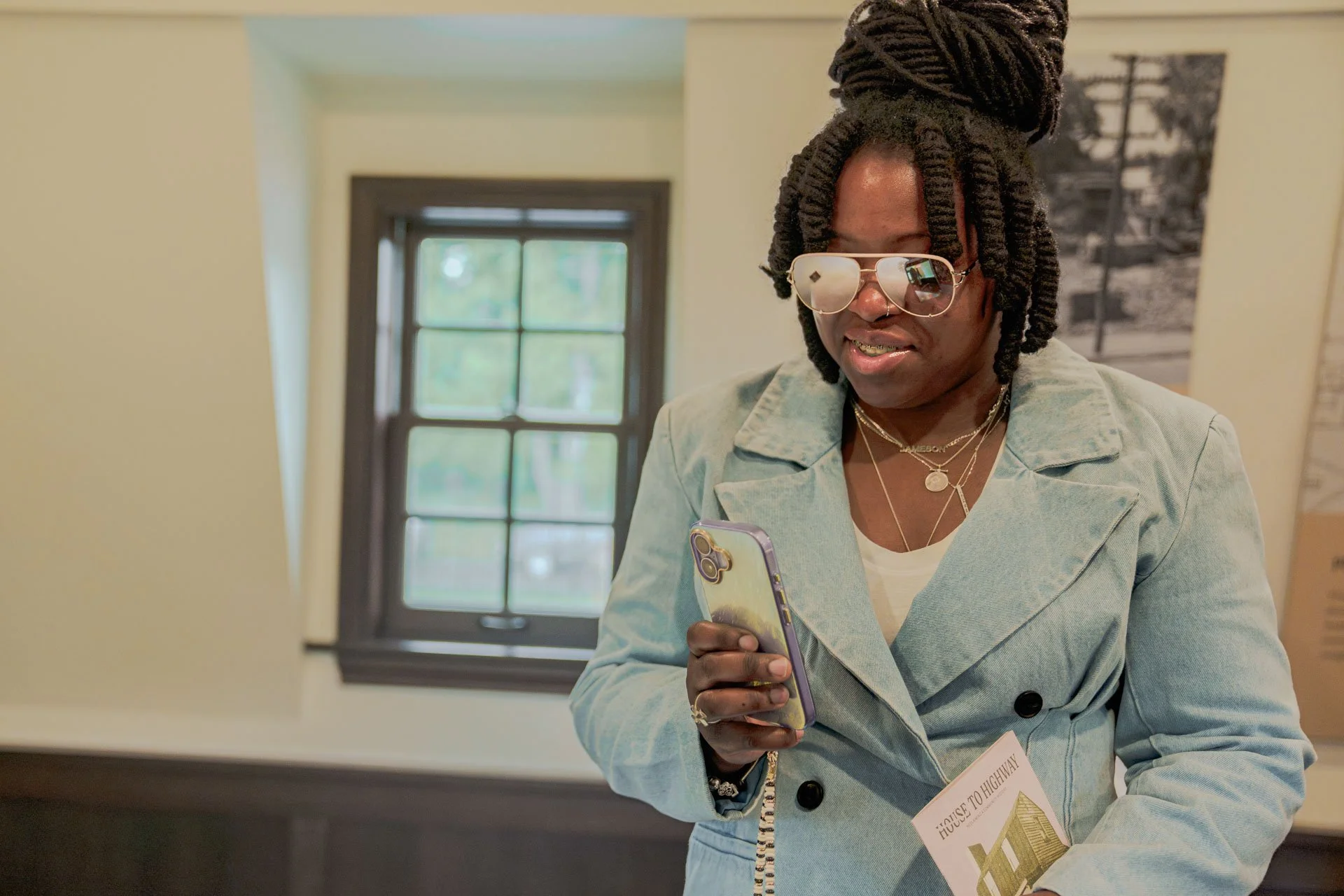
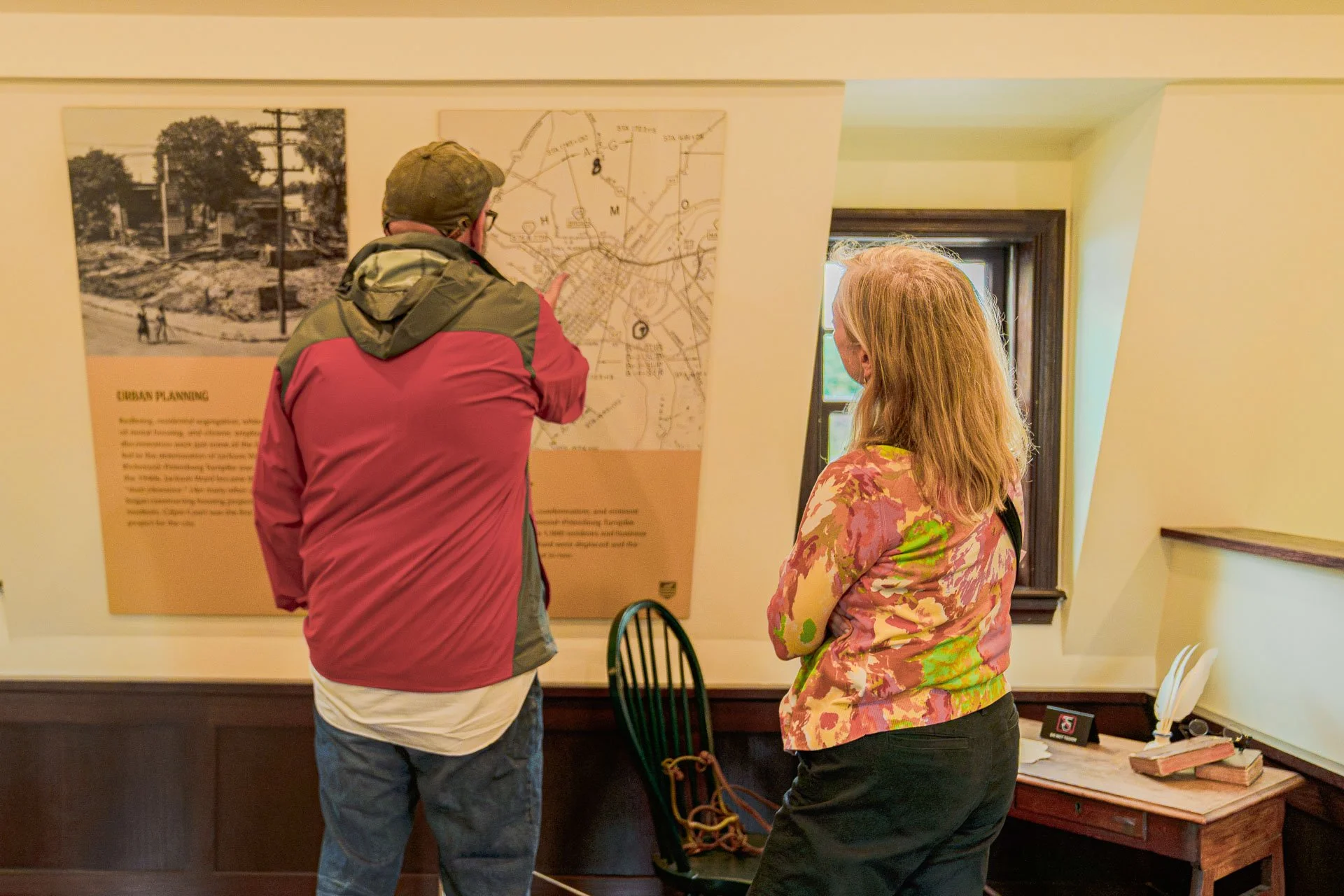
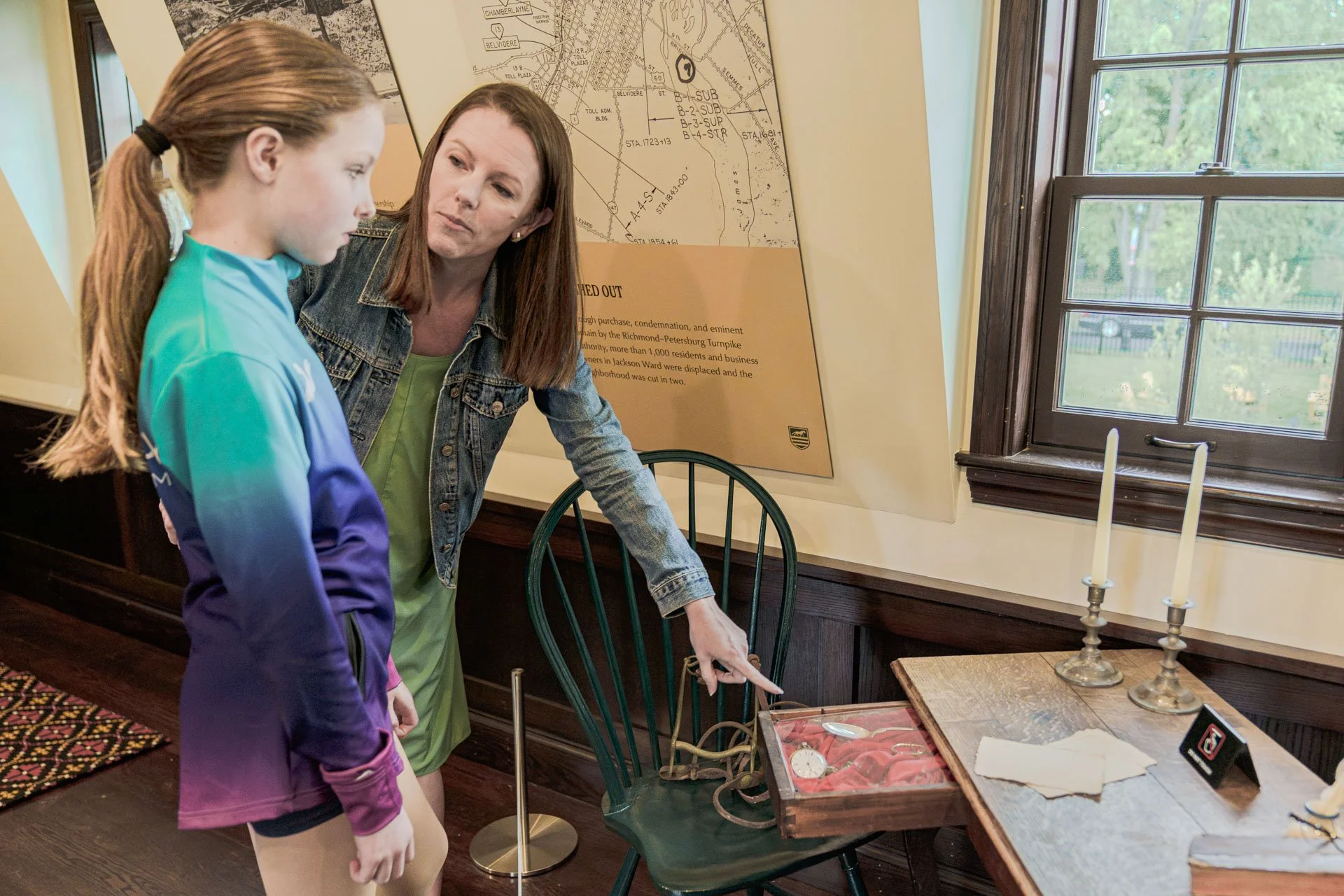
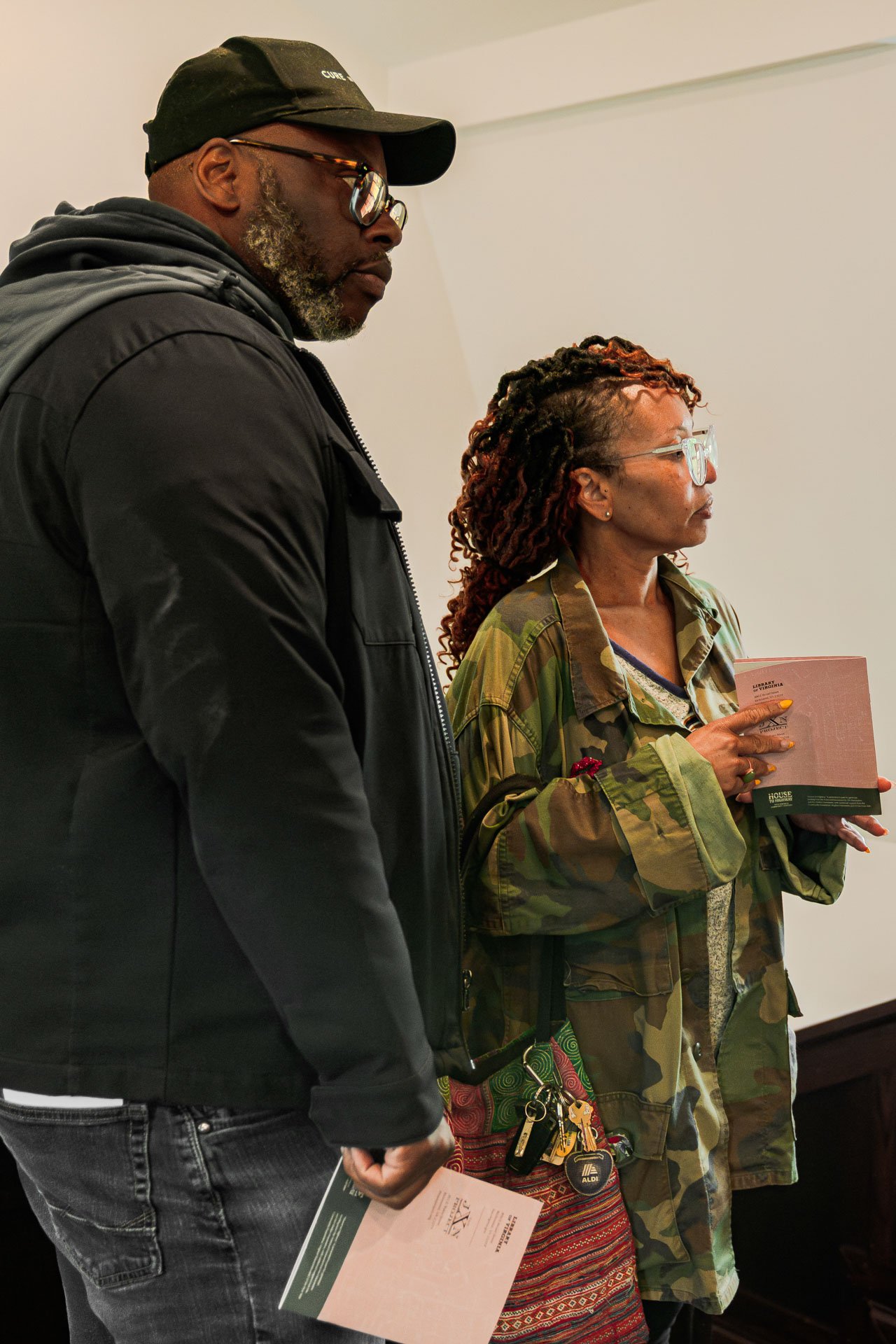
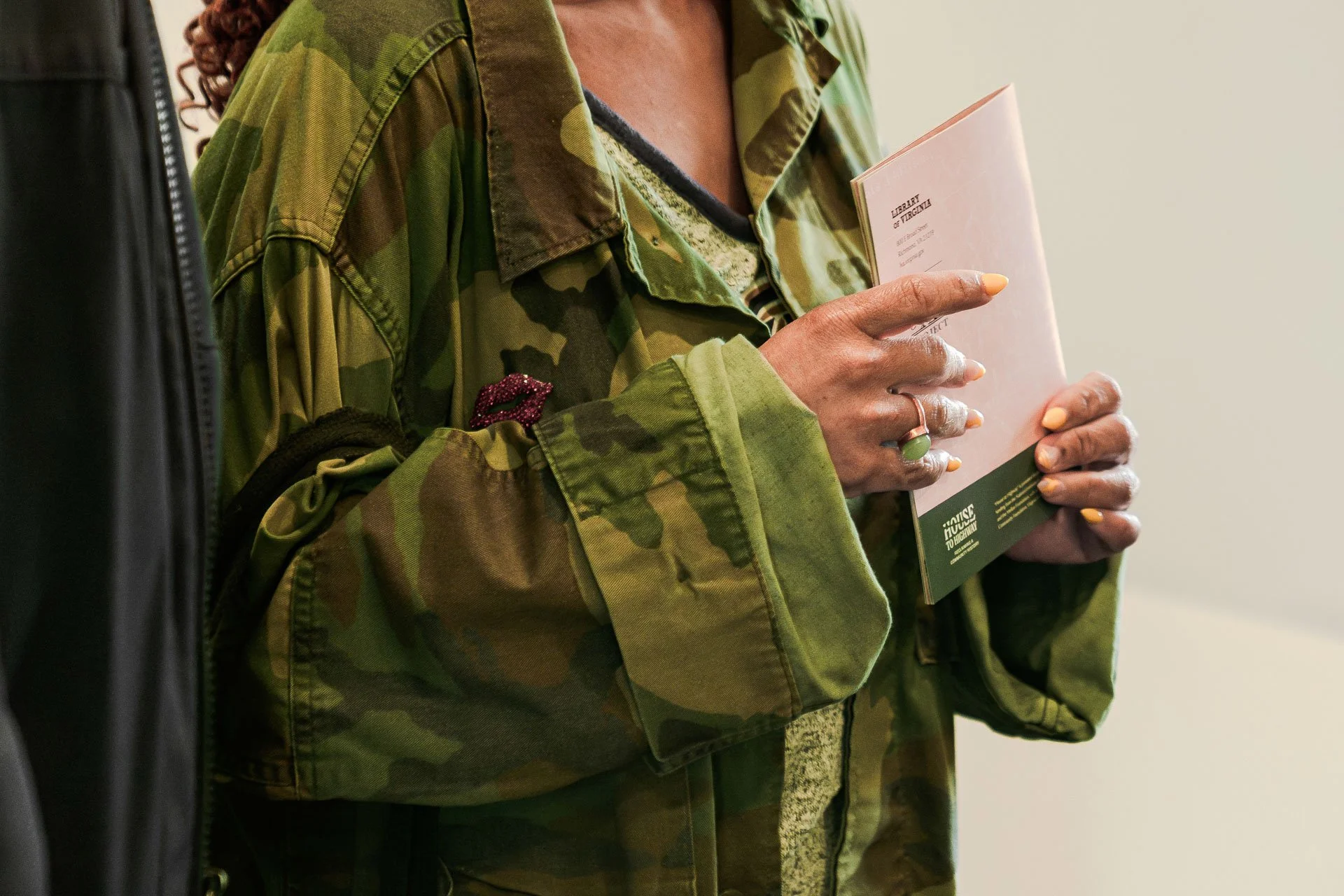
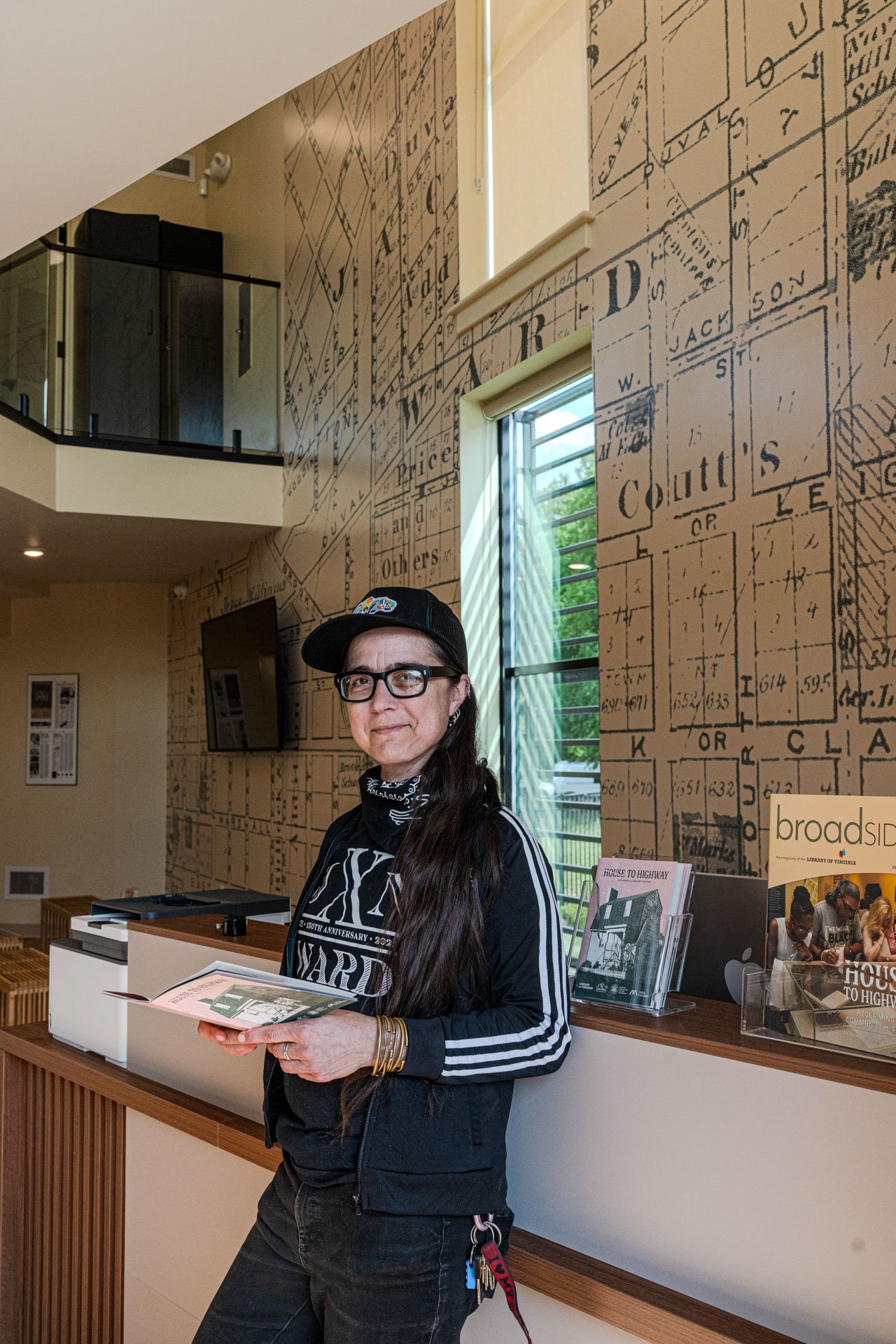
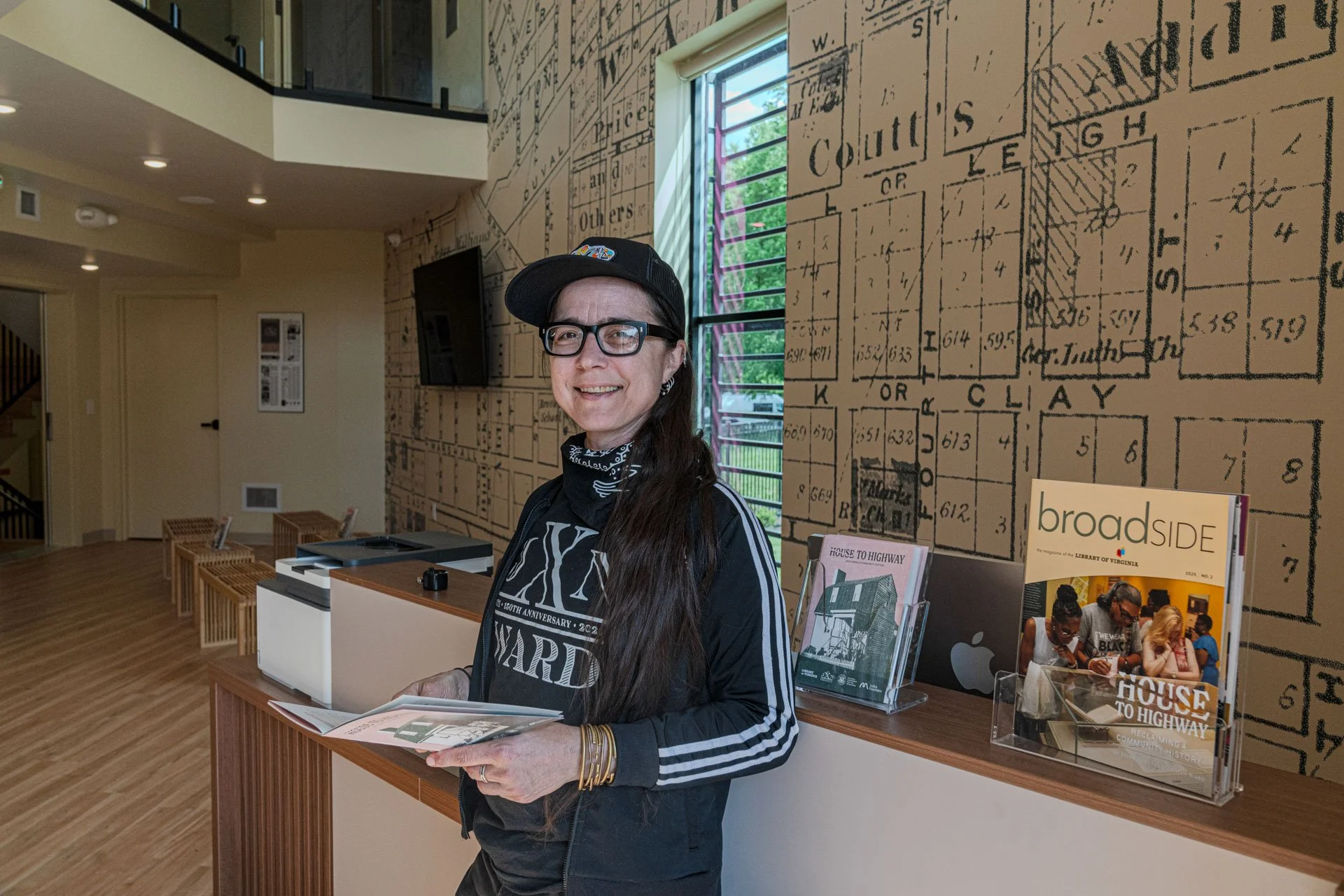
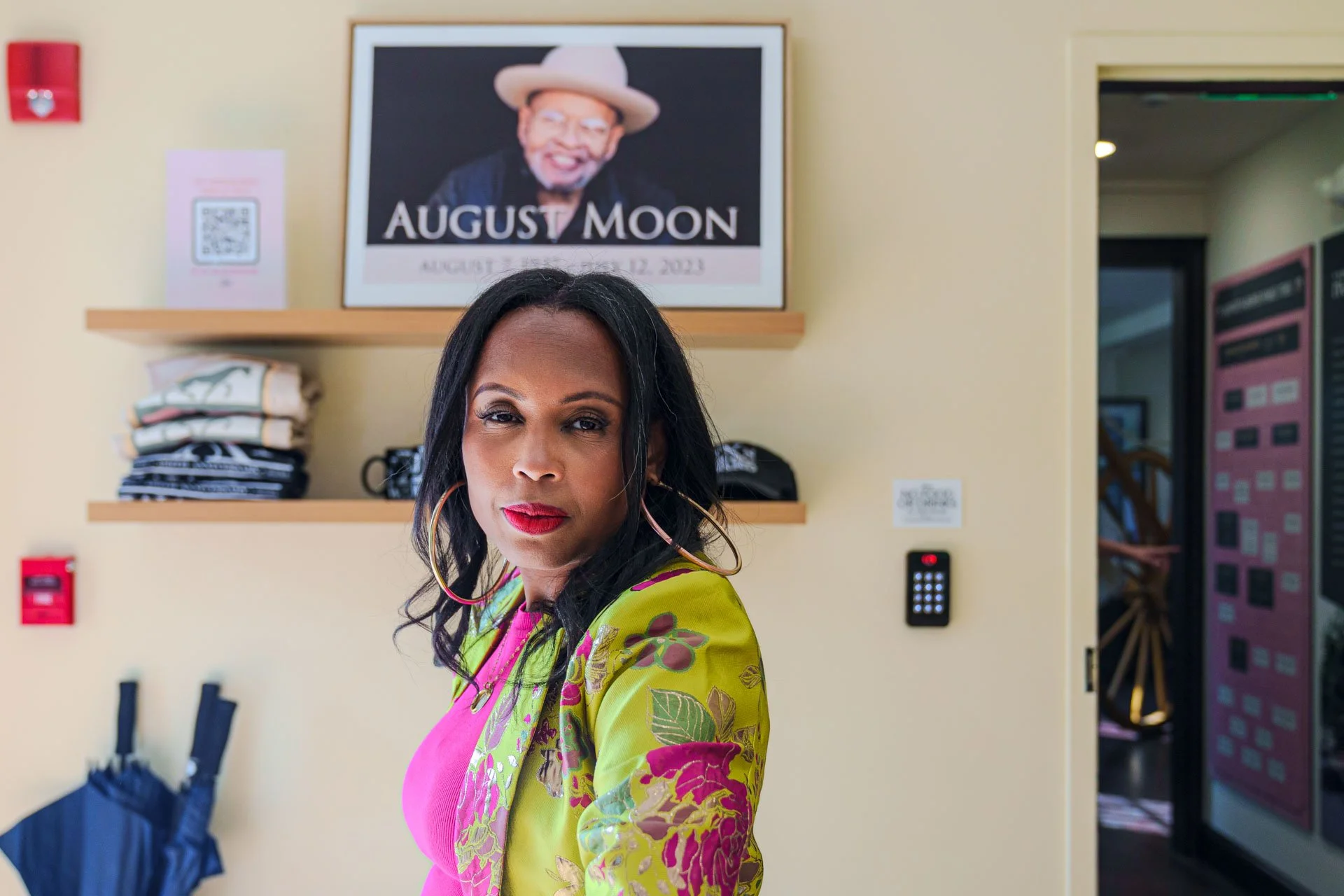
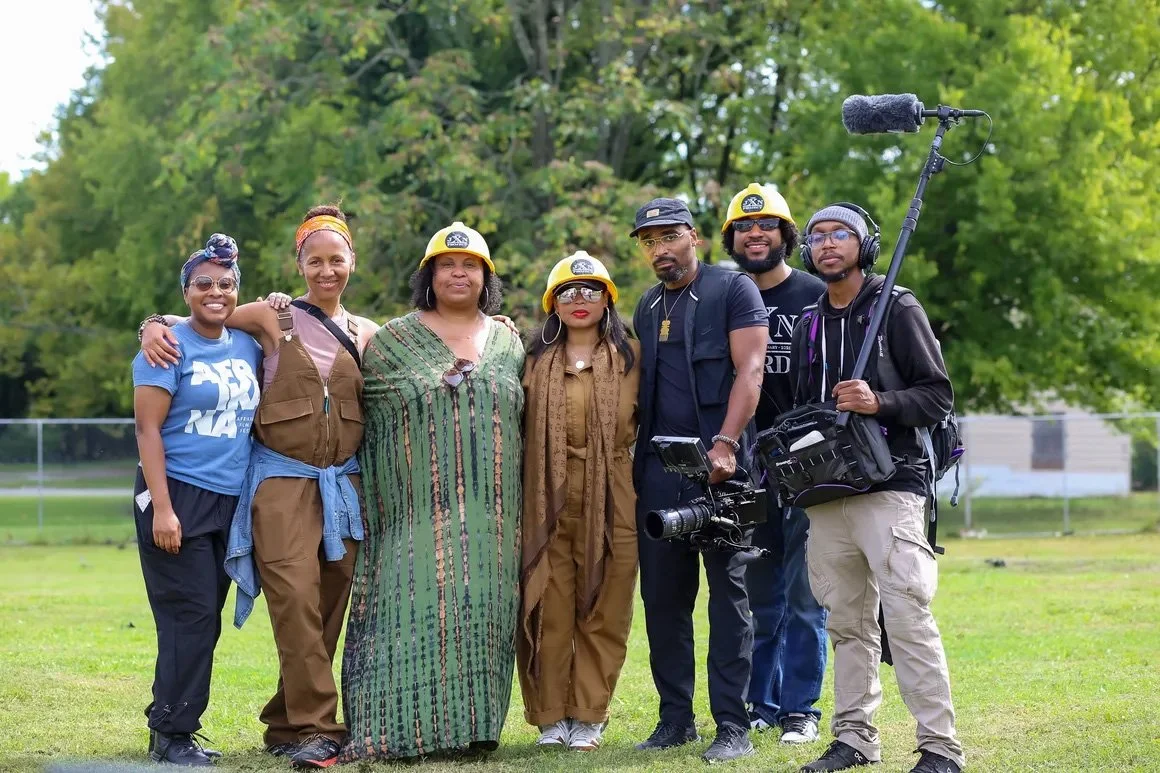
As part of the homecoming initiative, JXN partnered with the Library of Virginia, Riggs Ward, and Mindhatch Creative with support from the National Endowment for the Humanities, Mellon Foundation, Community Foundation, Virginia Humanities, and WWBT 12 On Your Side on an exhibition titled "House to Highway: Reclaiming a Community History", which was curated to serve as the permanent installation at the historic site and headquarter offices. The project also partnered with PBS NPR VPM and Black Butterfly Productions to develop a documentary titled “Declarations of Independence" for release in June 2026.
JXN welcomes support for its capital campaign to fund the second and final phase of construction with a goal of raising $3.5M in gifts and|or grants – and invites institutions to support the campaign through in-kind support and sponsorship packages that range from $5K to $1M. For more information, please contact info@thejxnproject.org or click here to donate to the campaign.
-
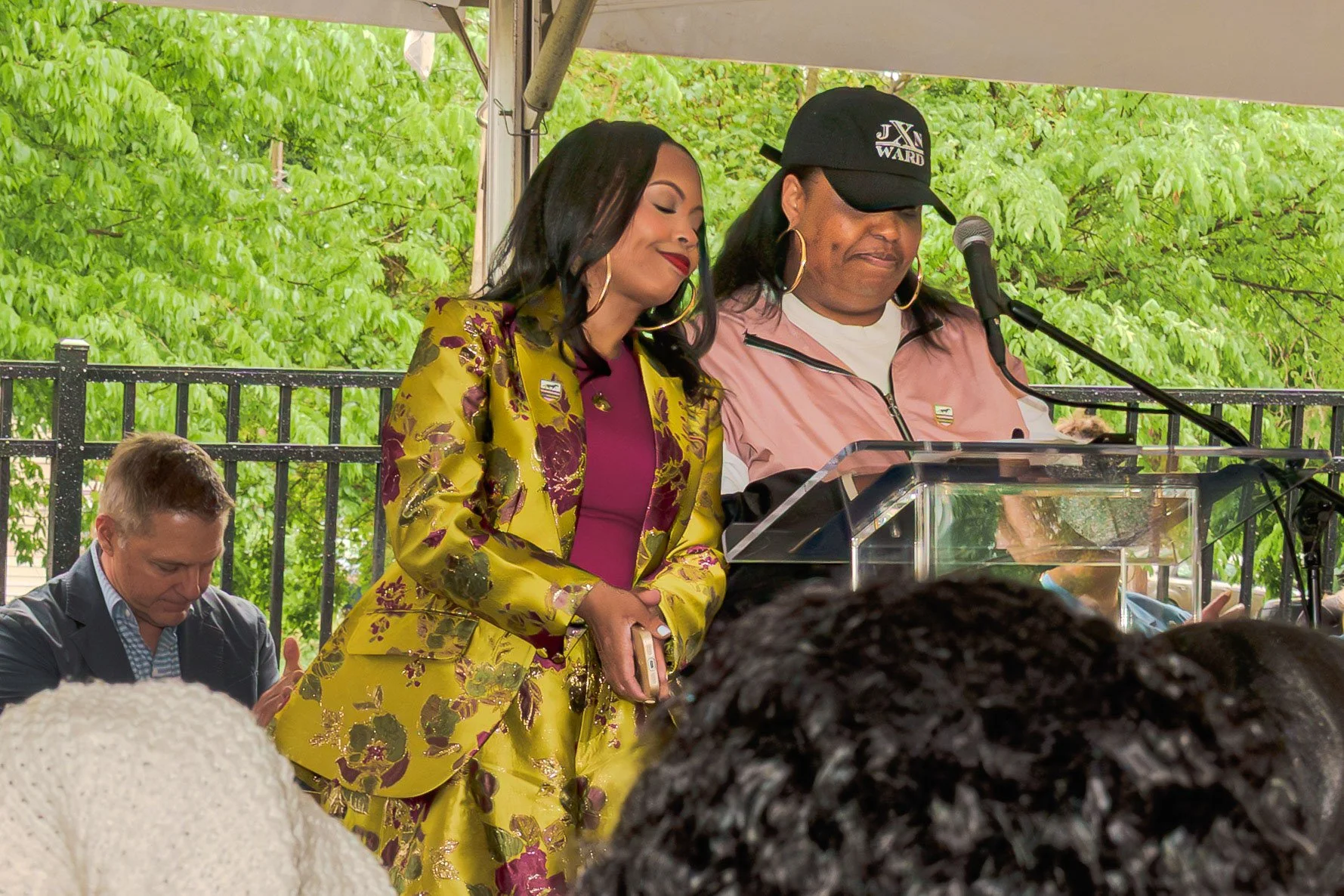
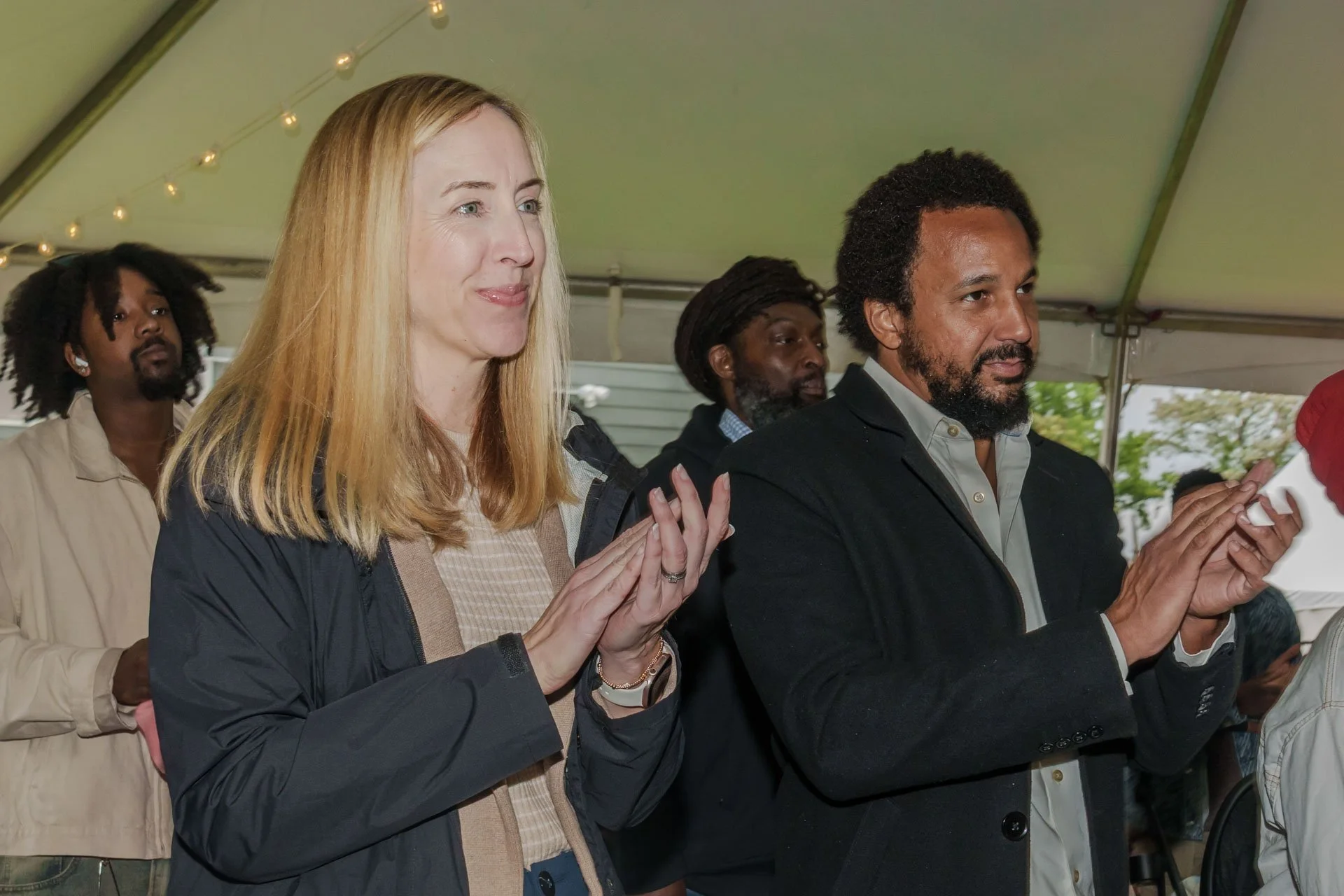
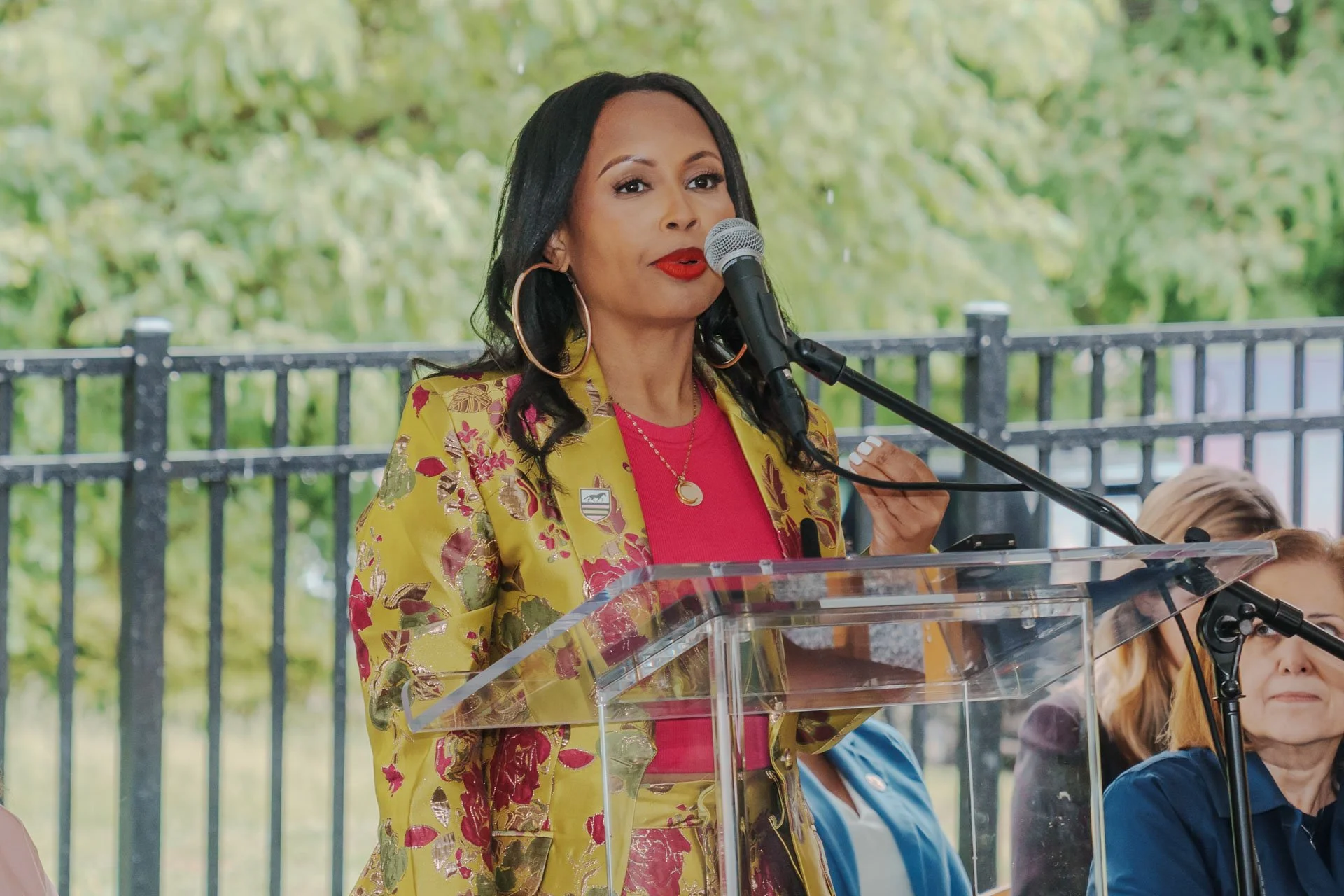
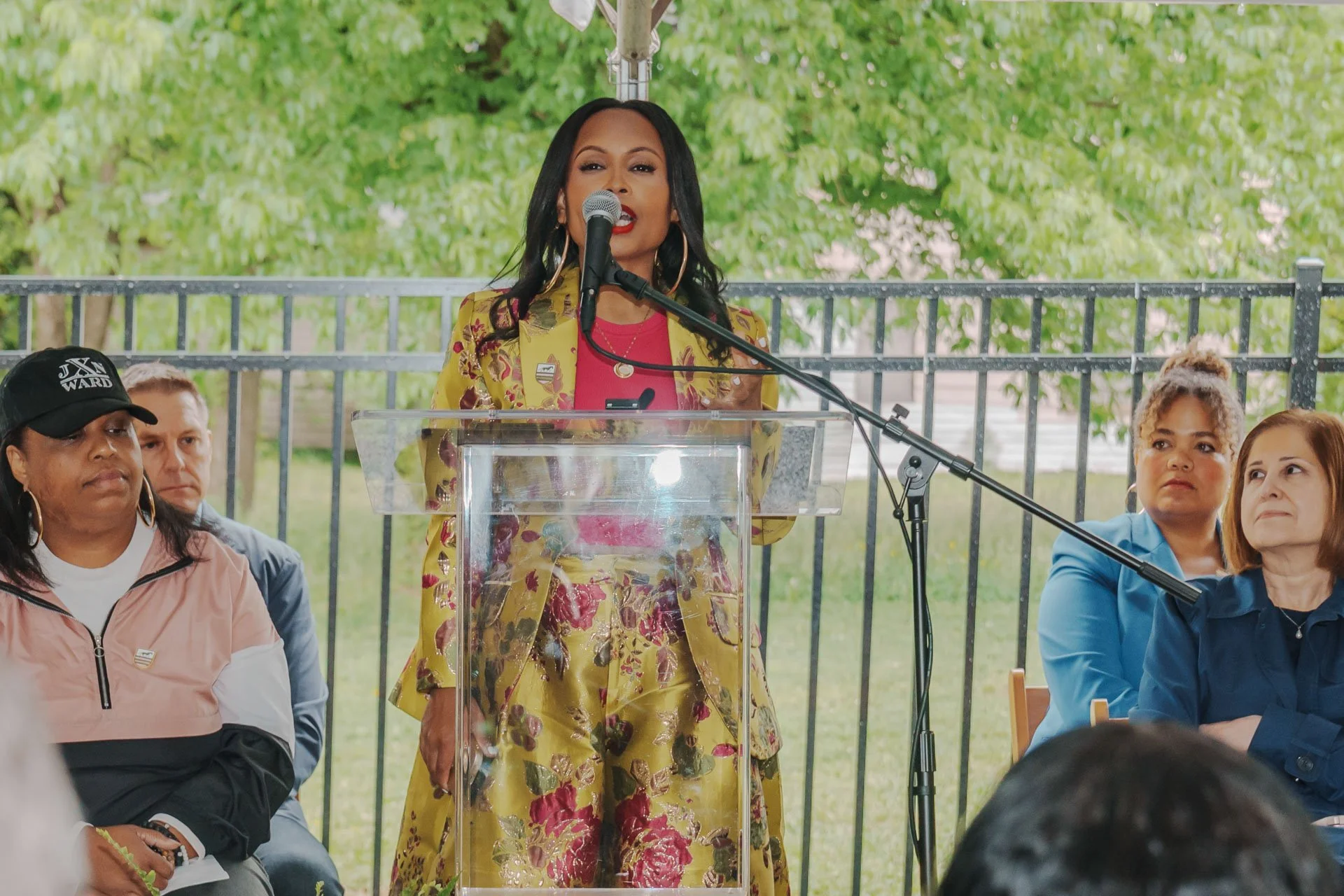
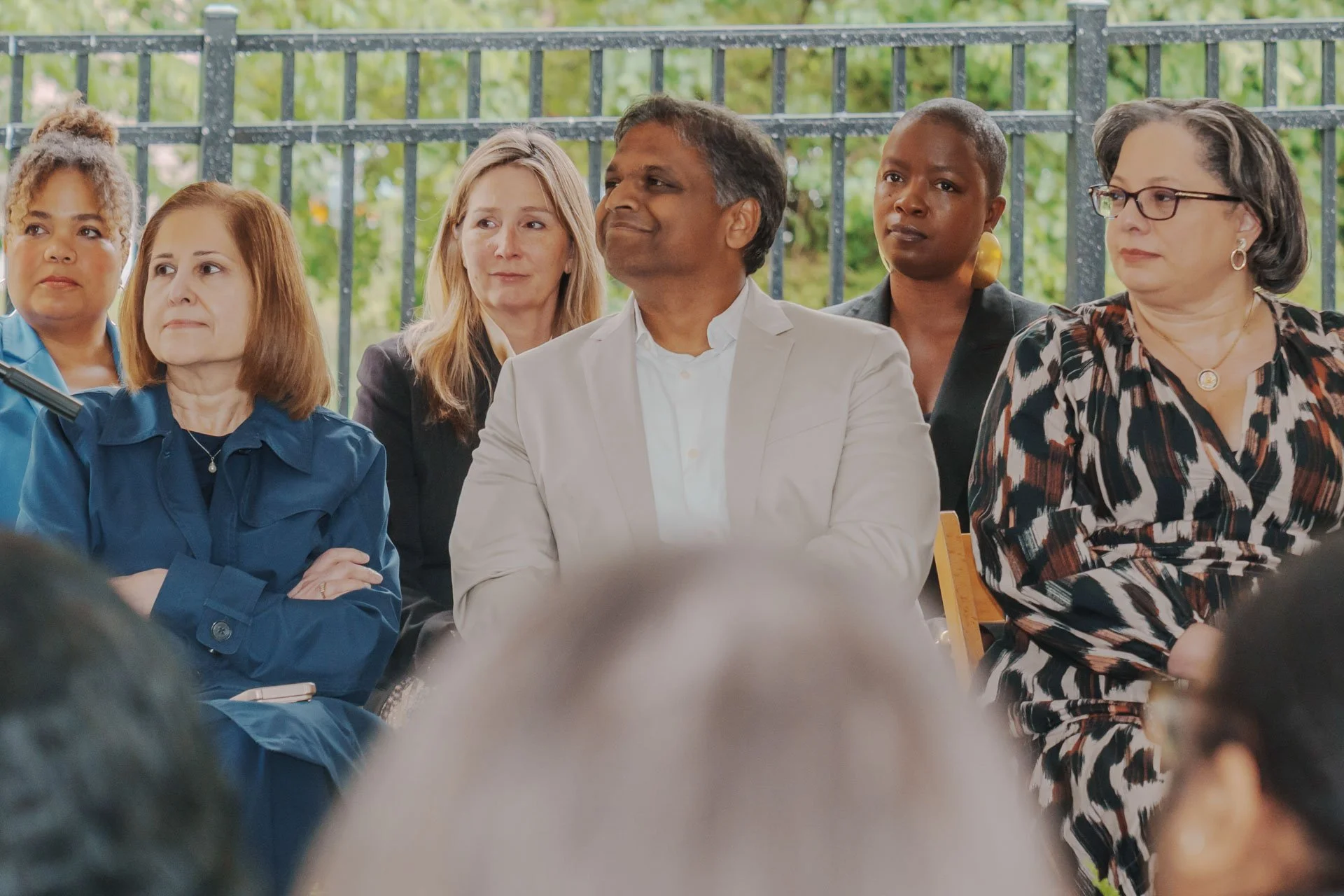
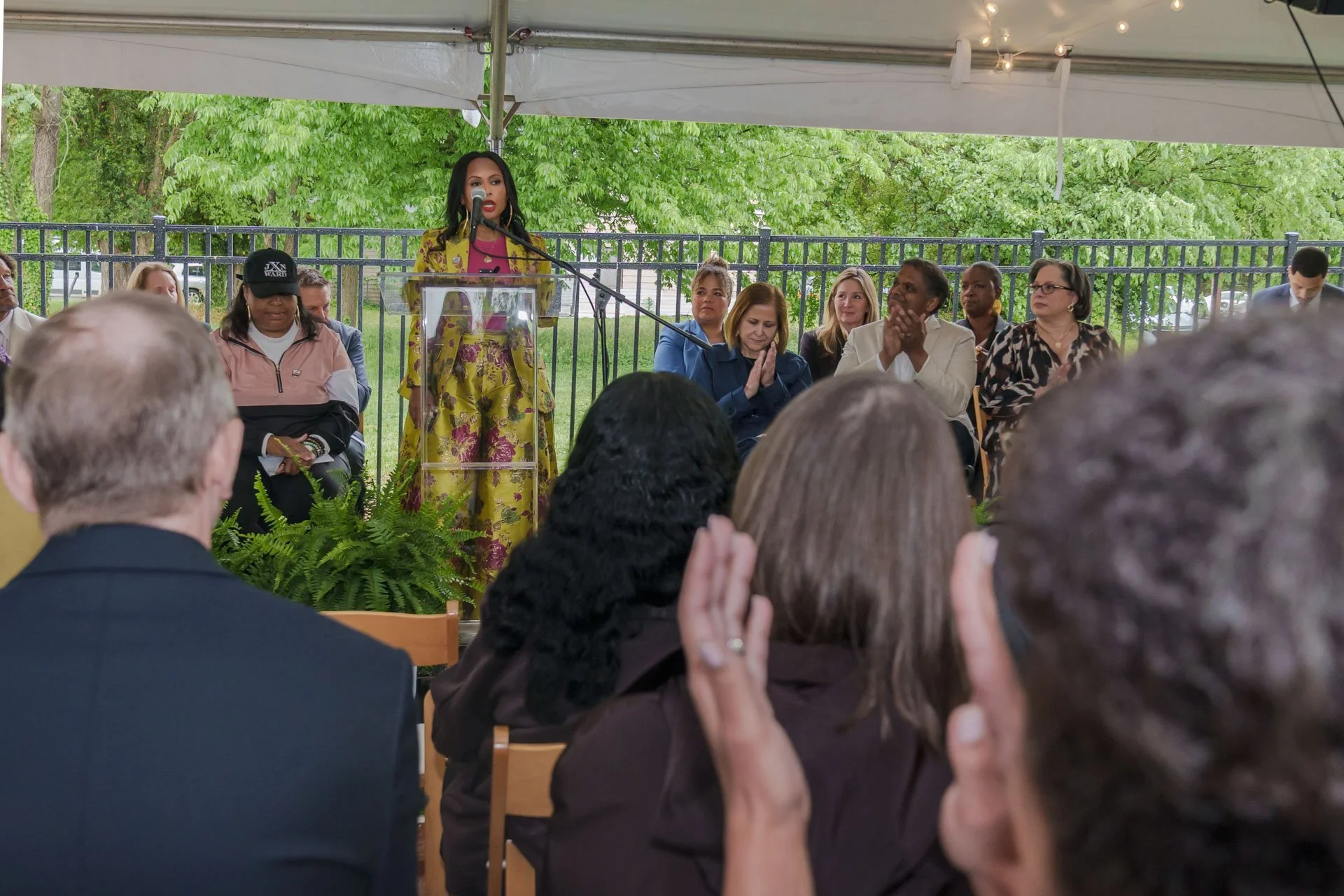
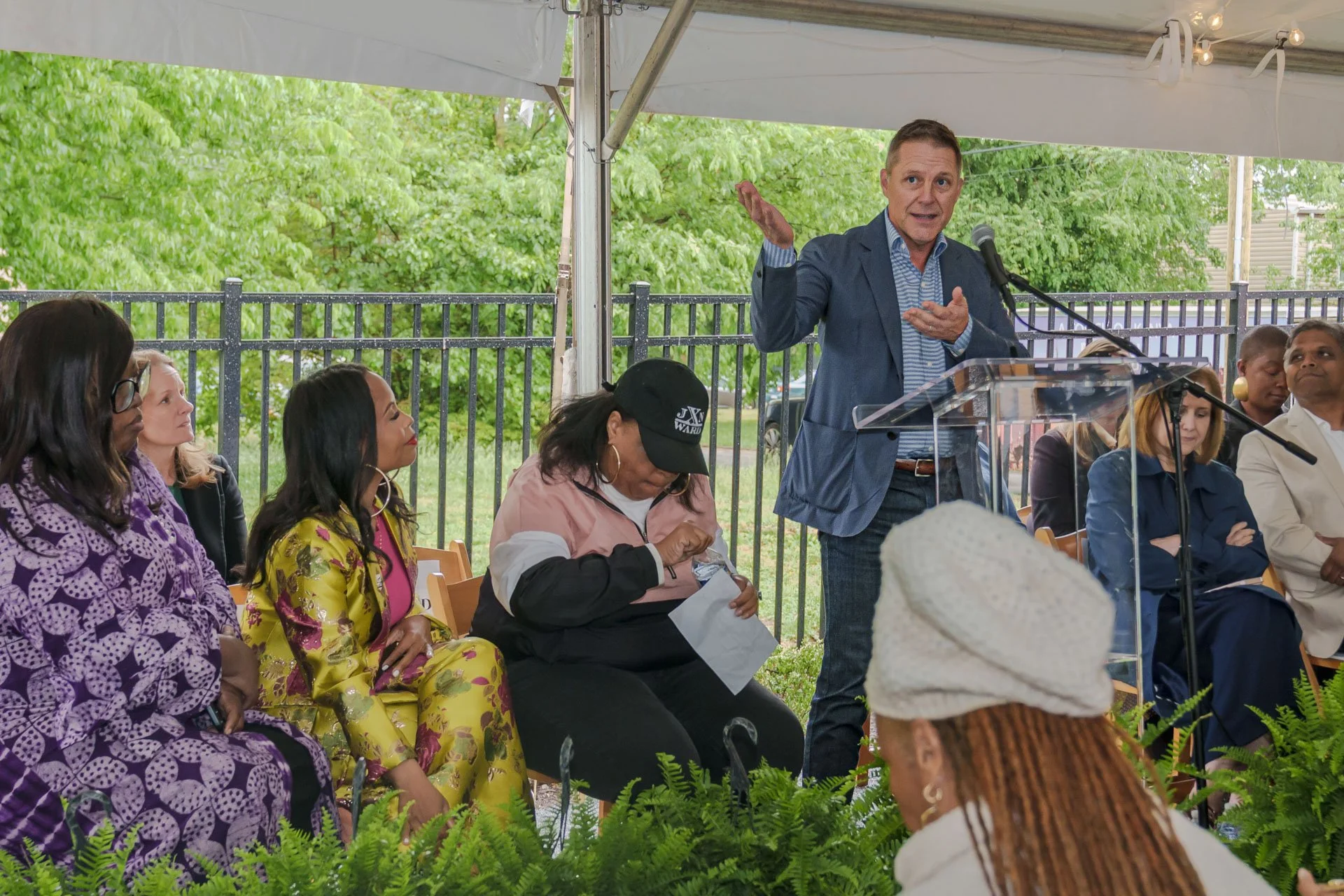
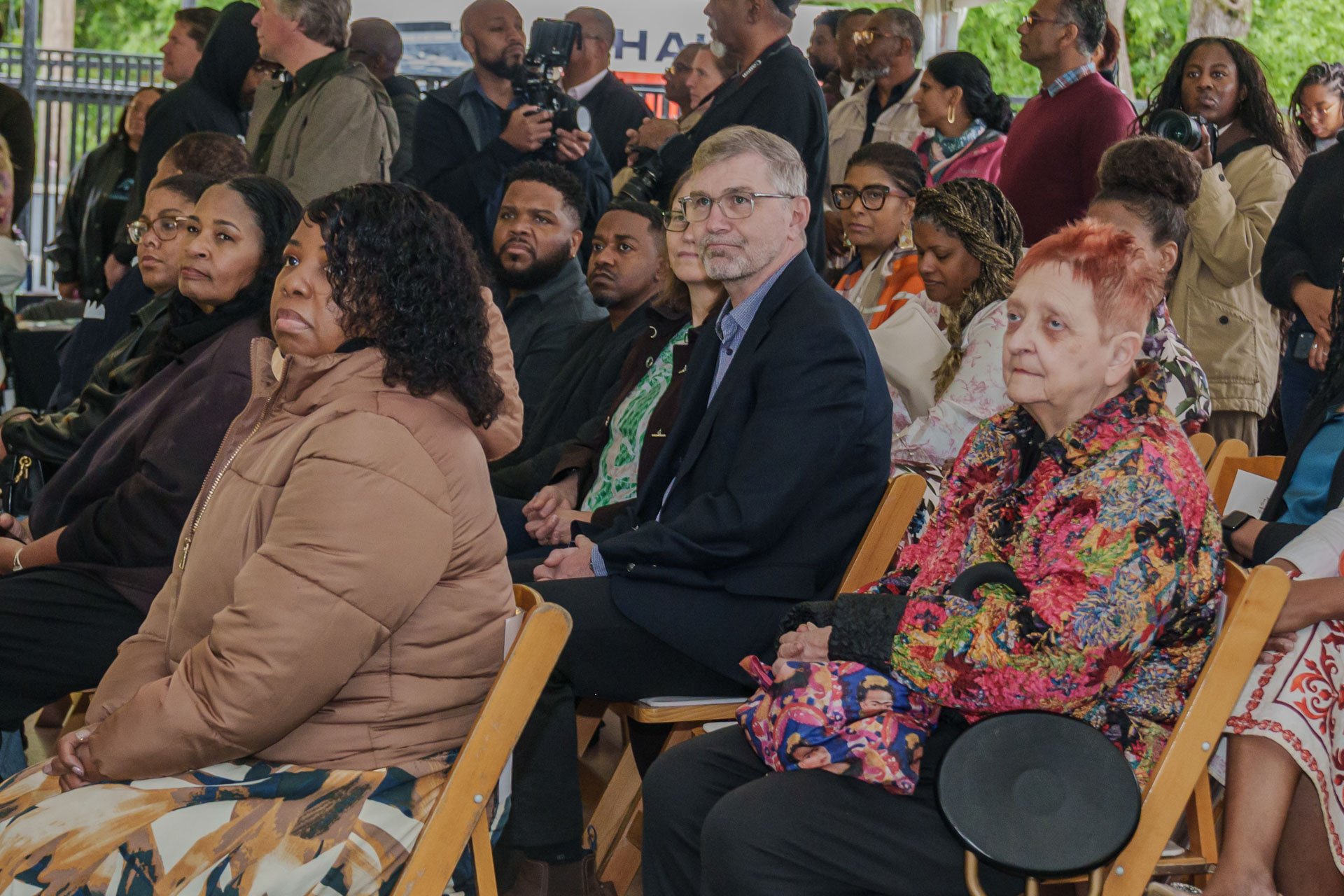
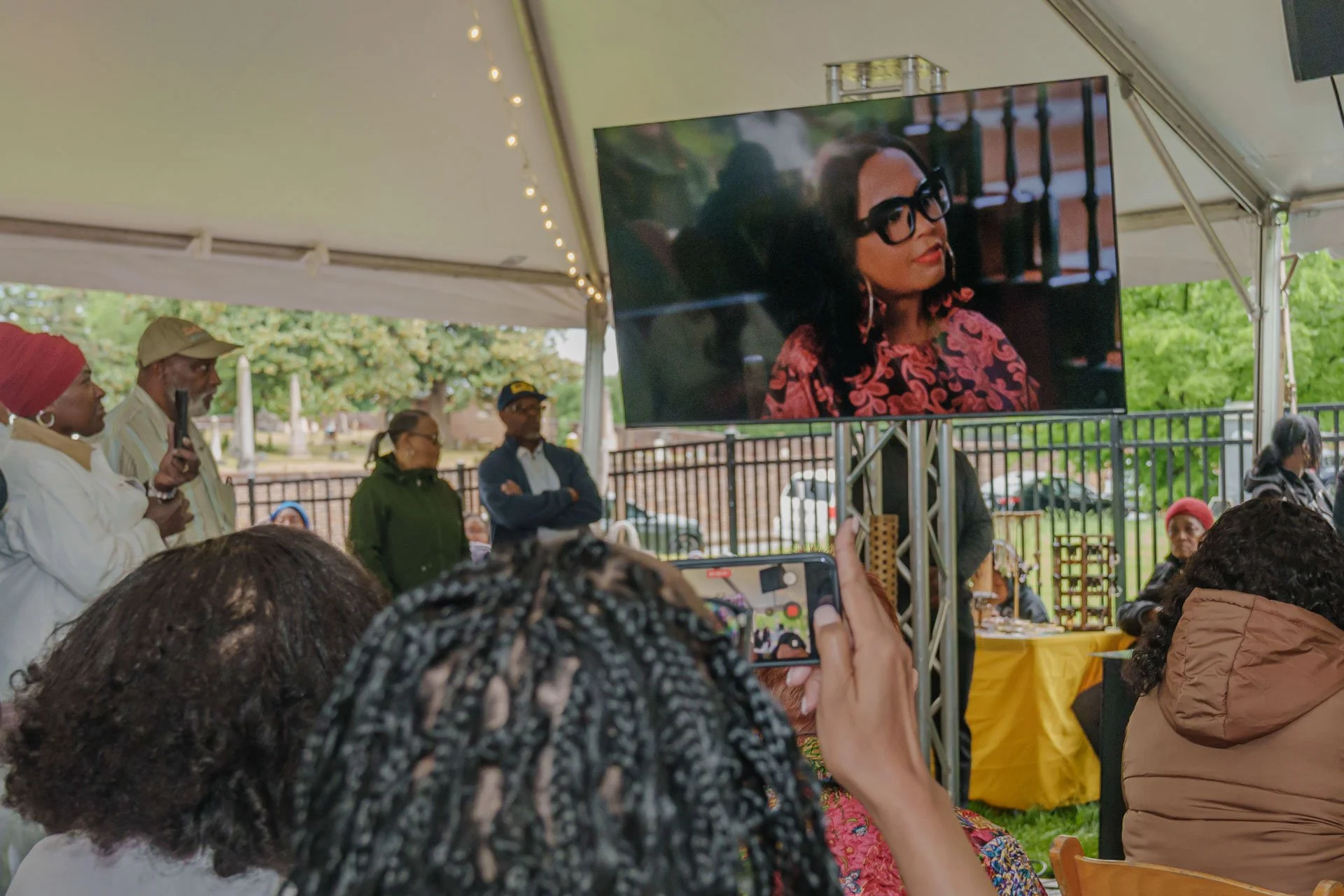
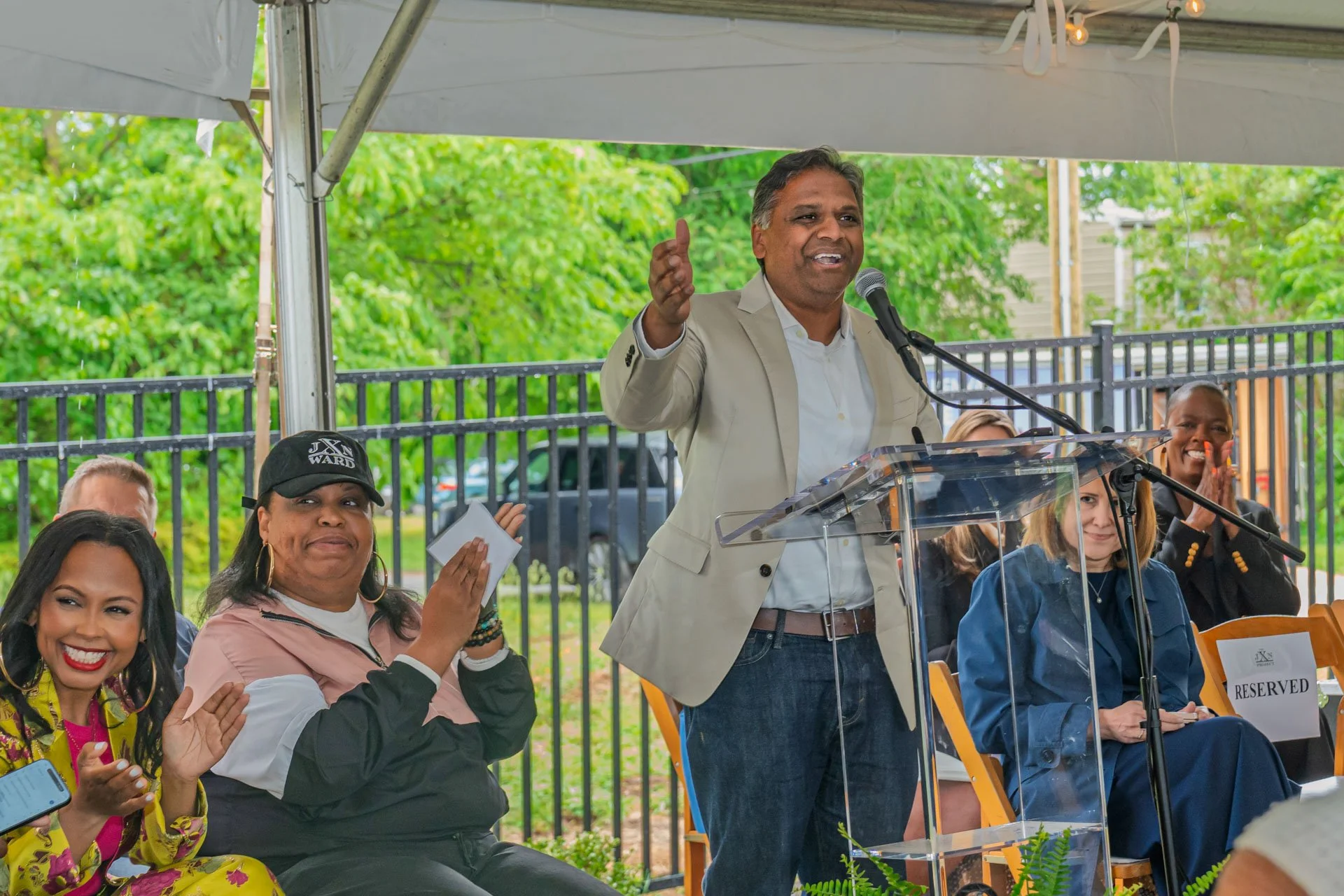
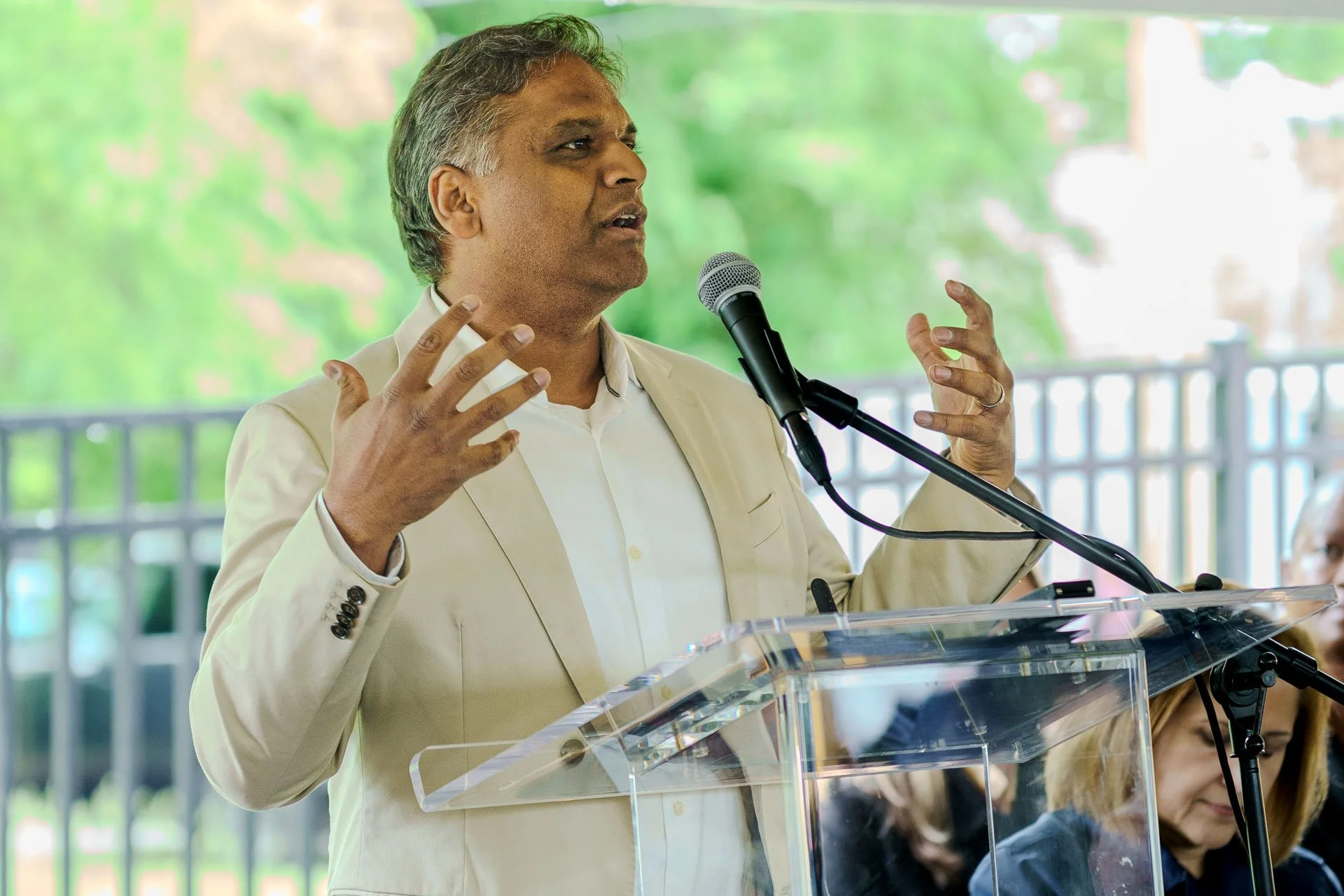
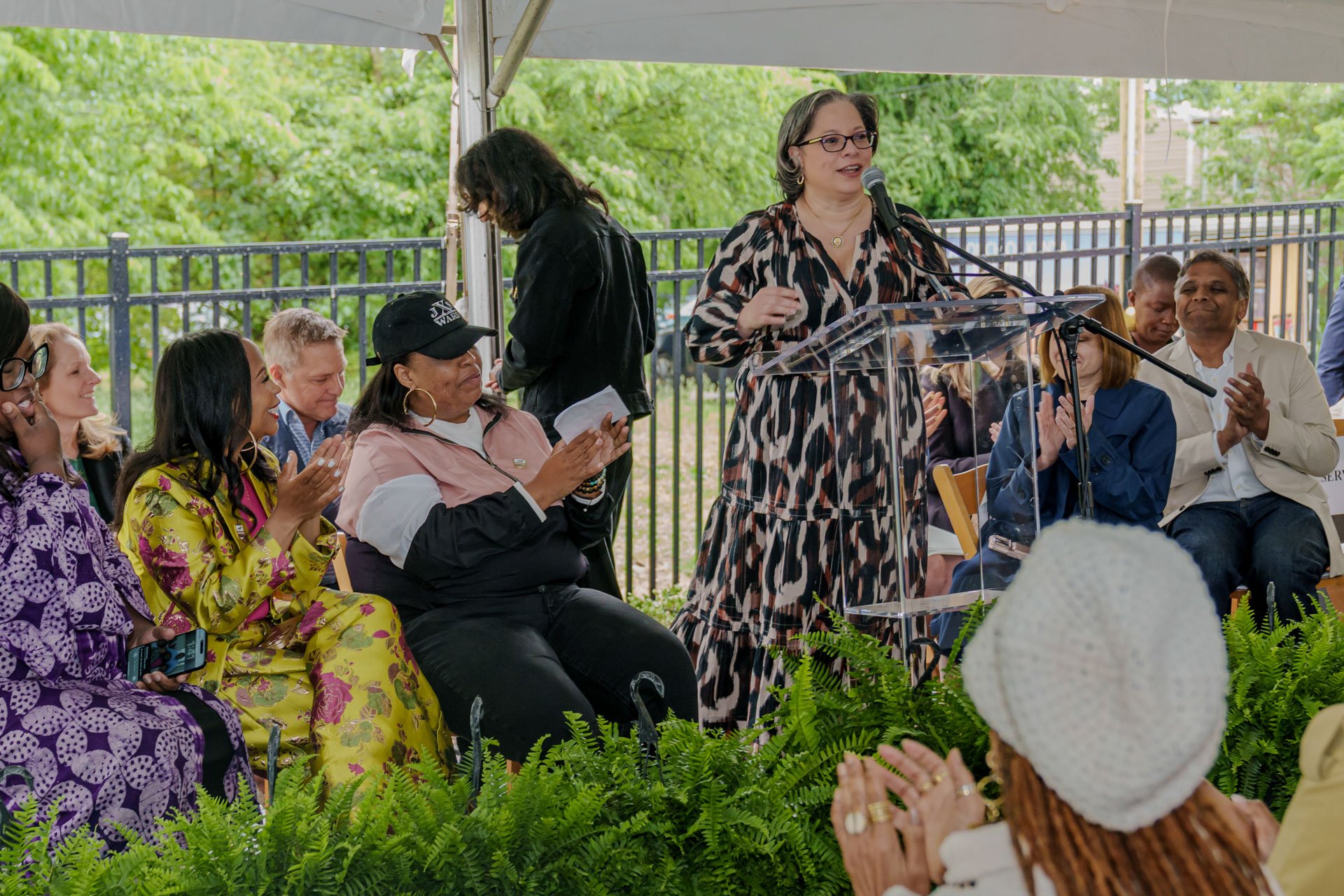
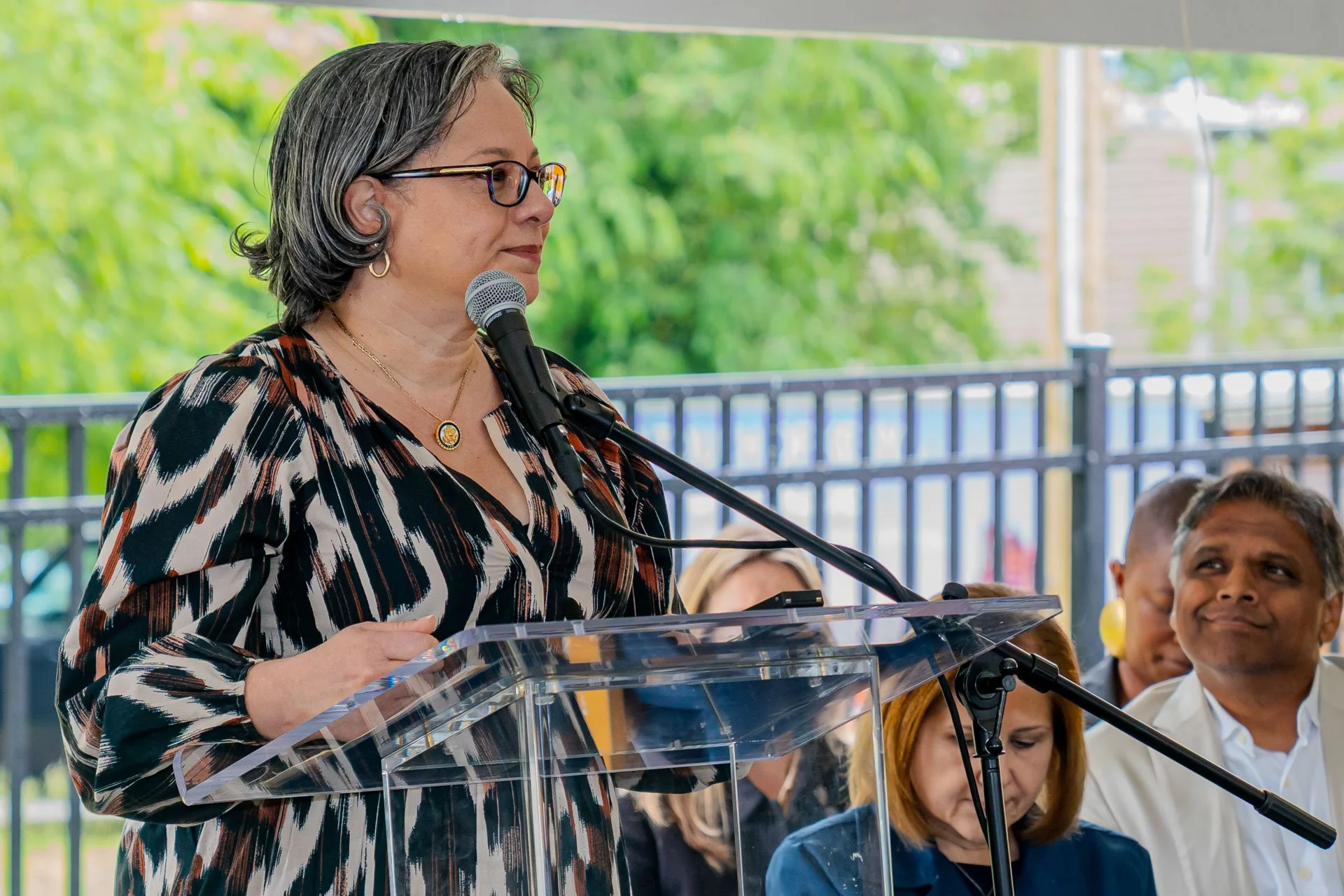
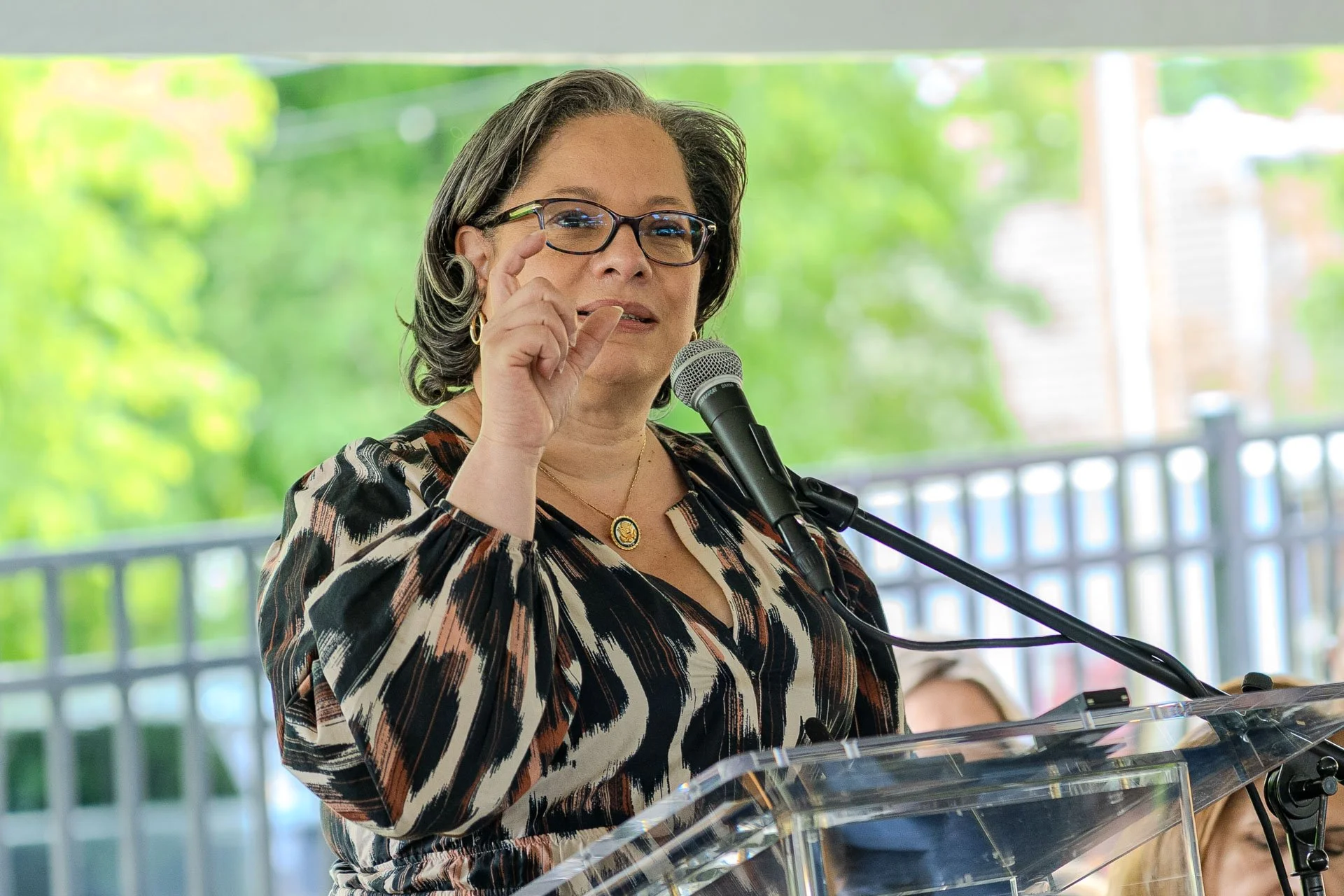
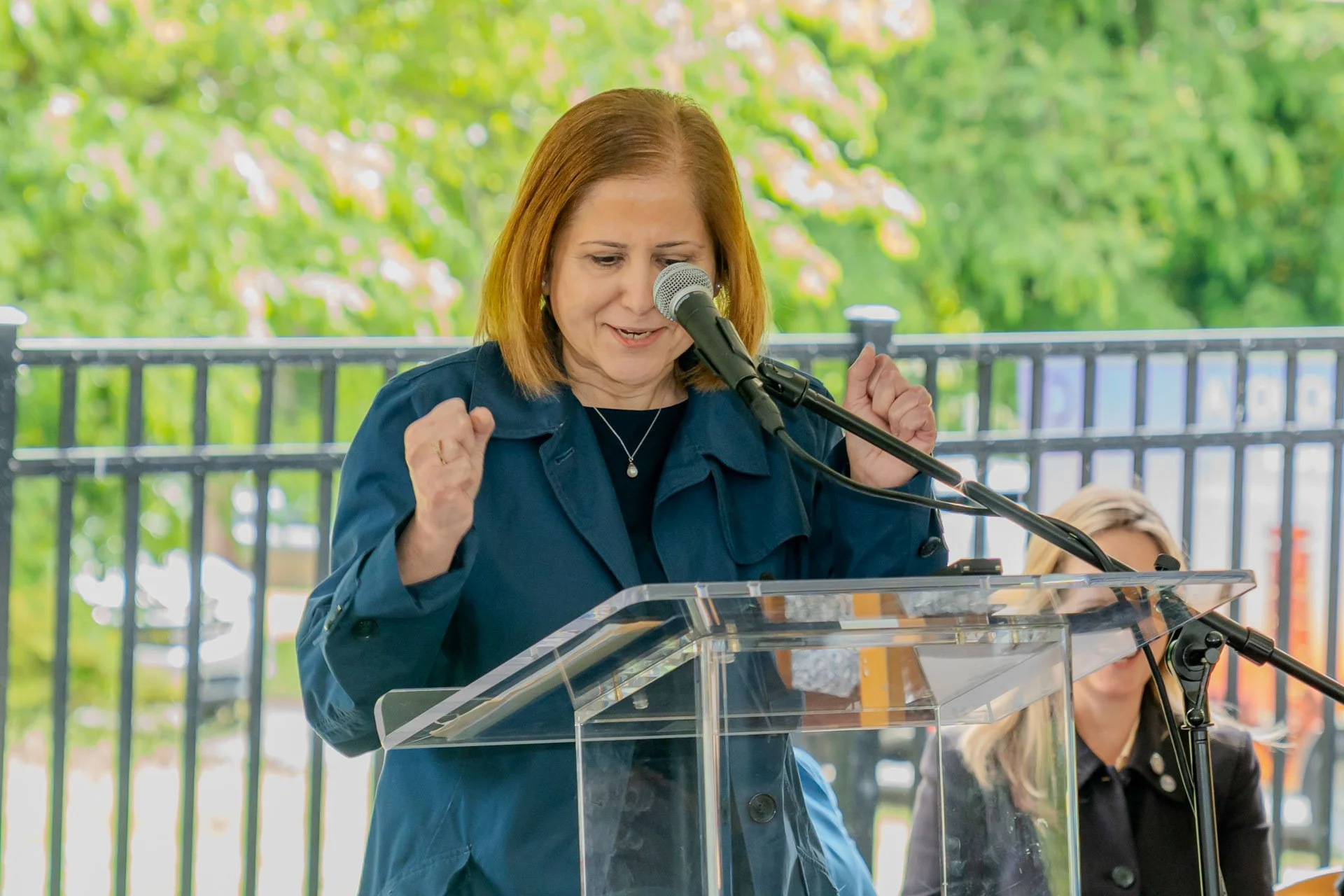
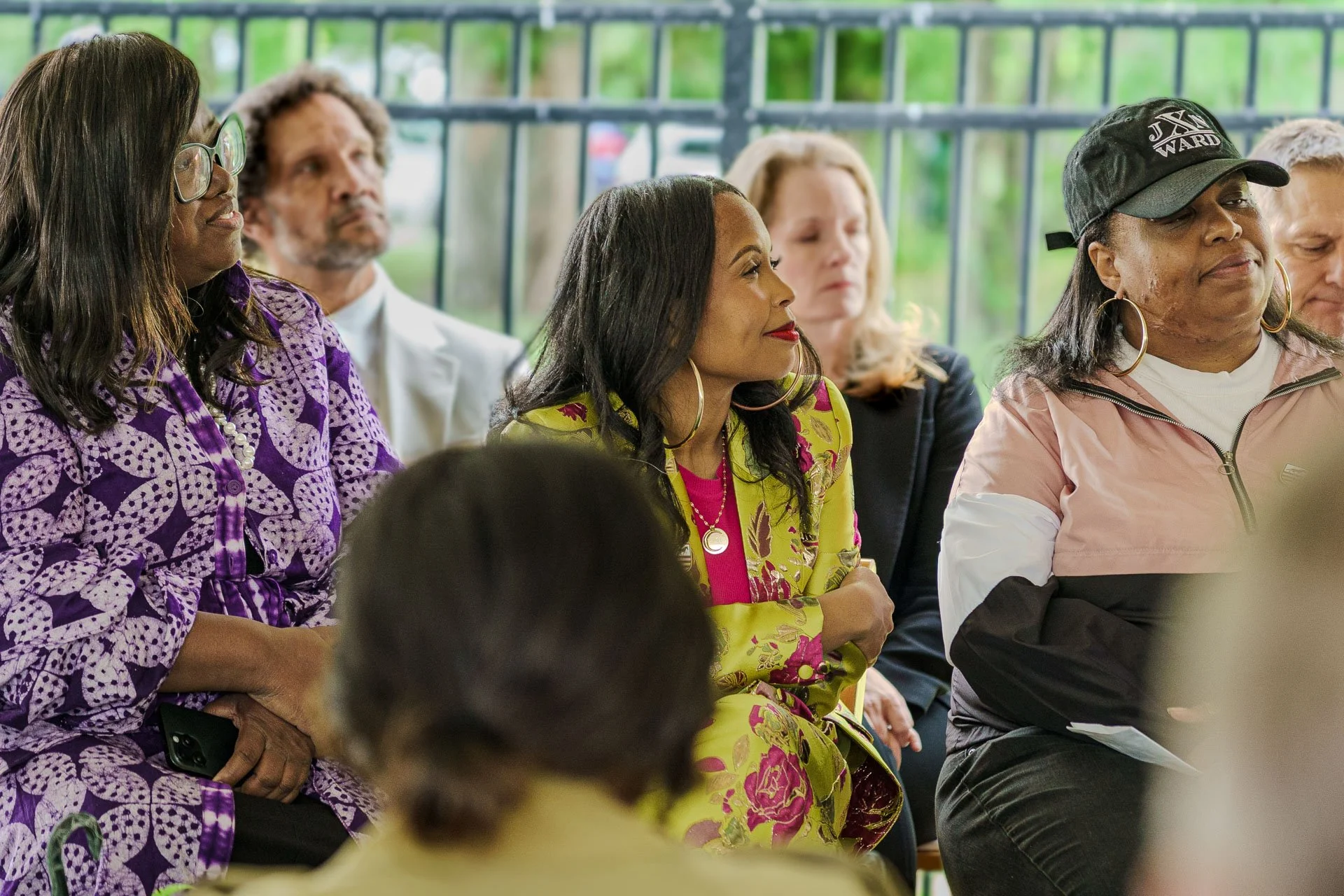
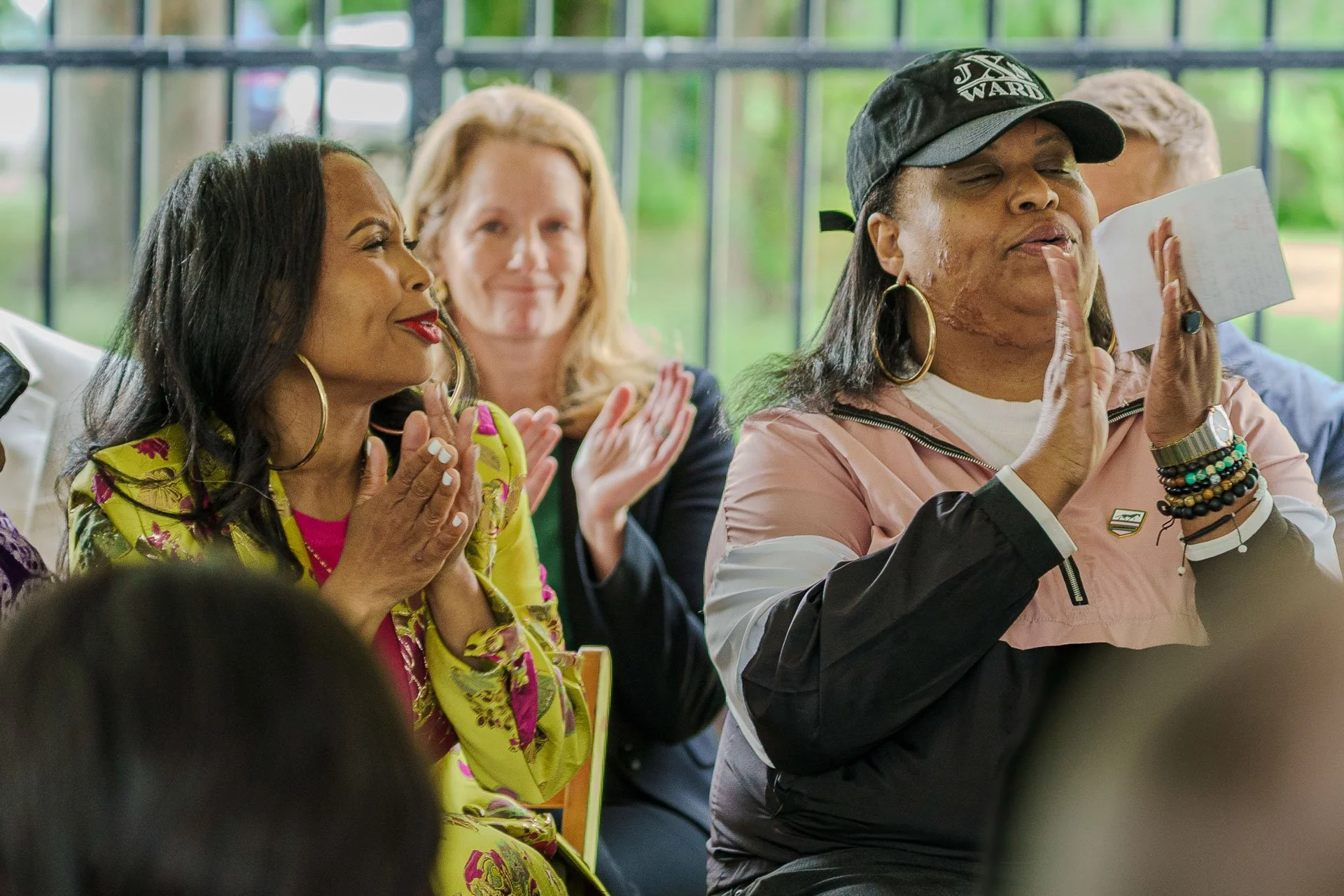
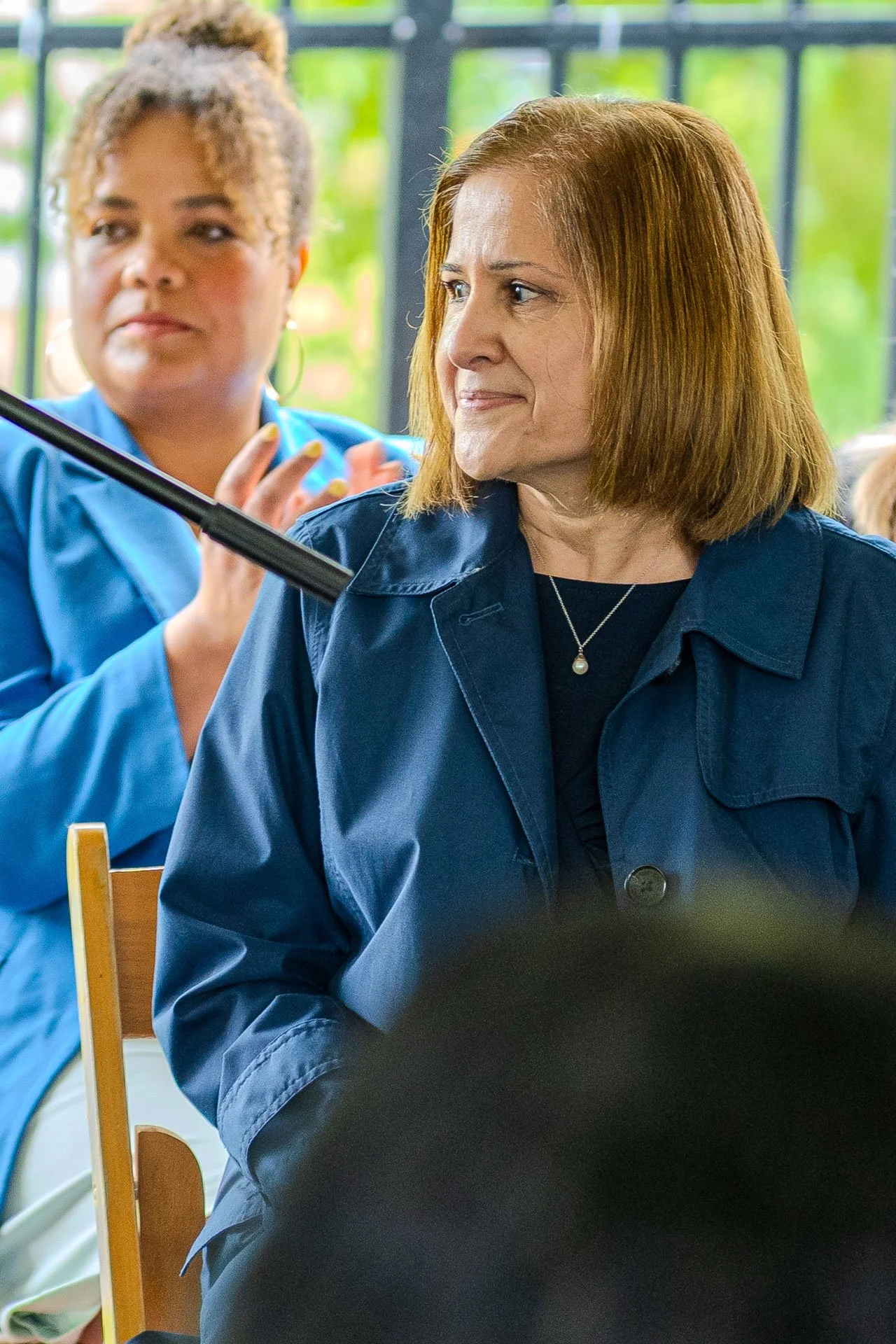
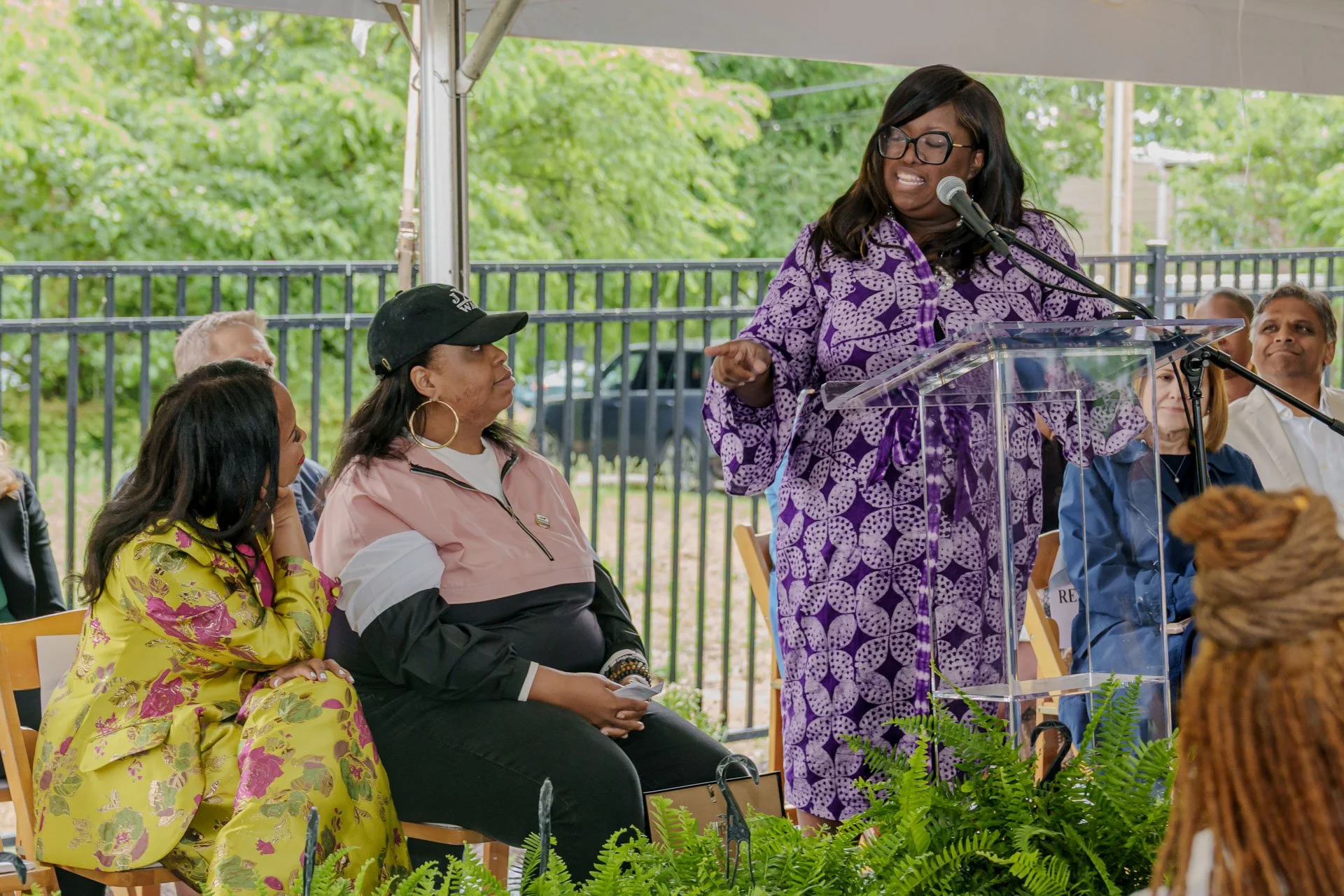
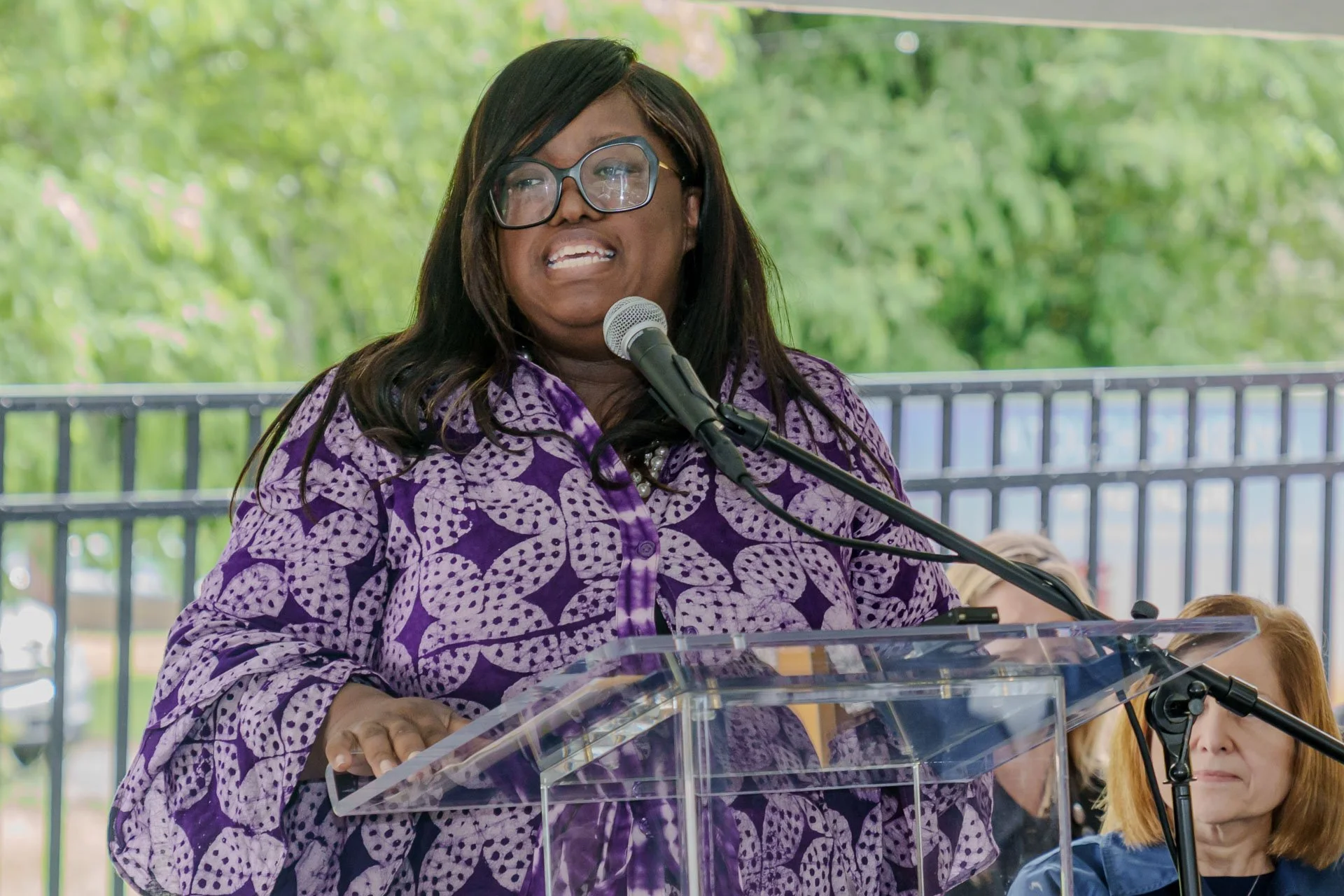
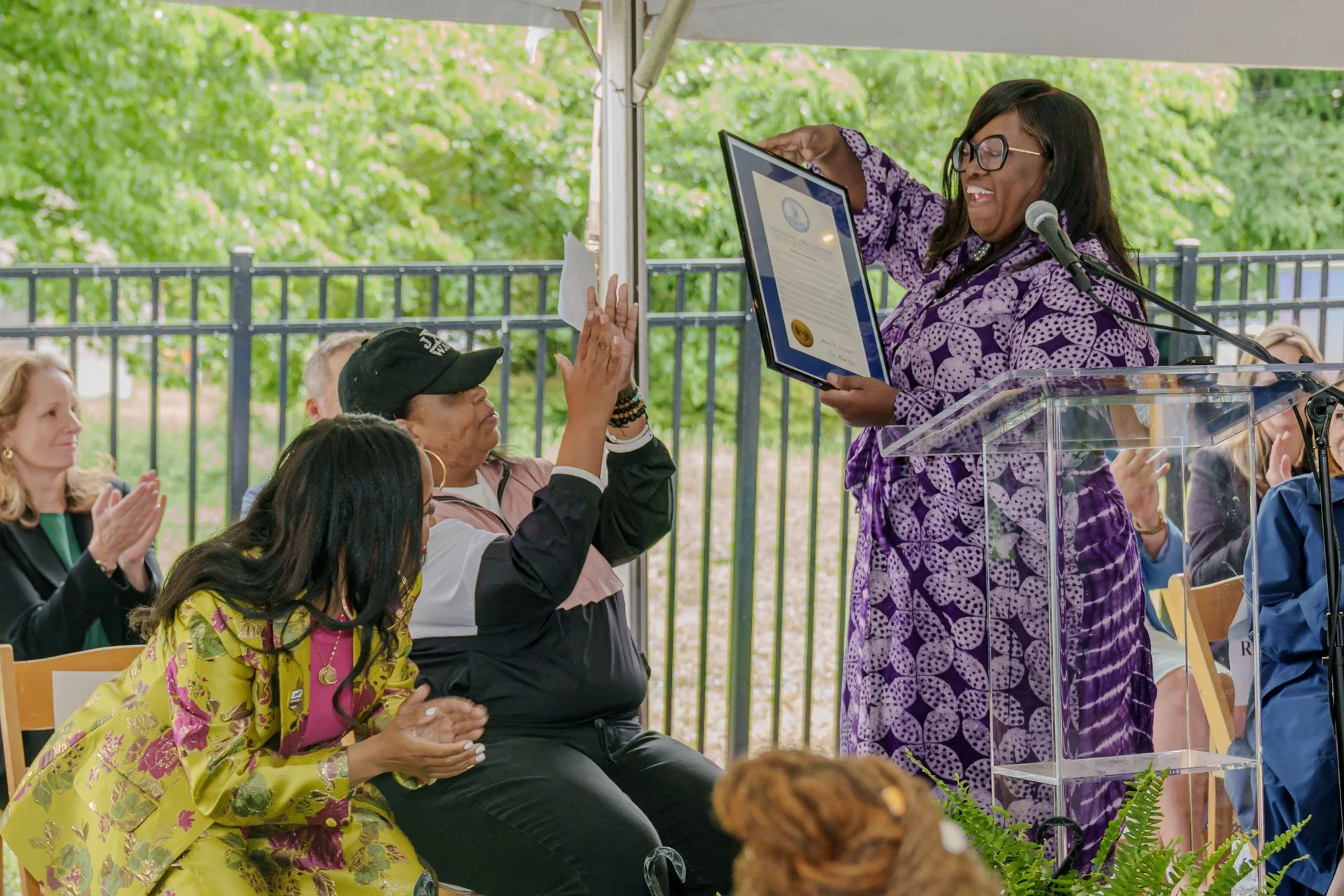
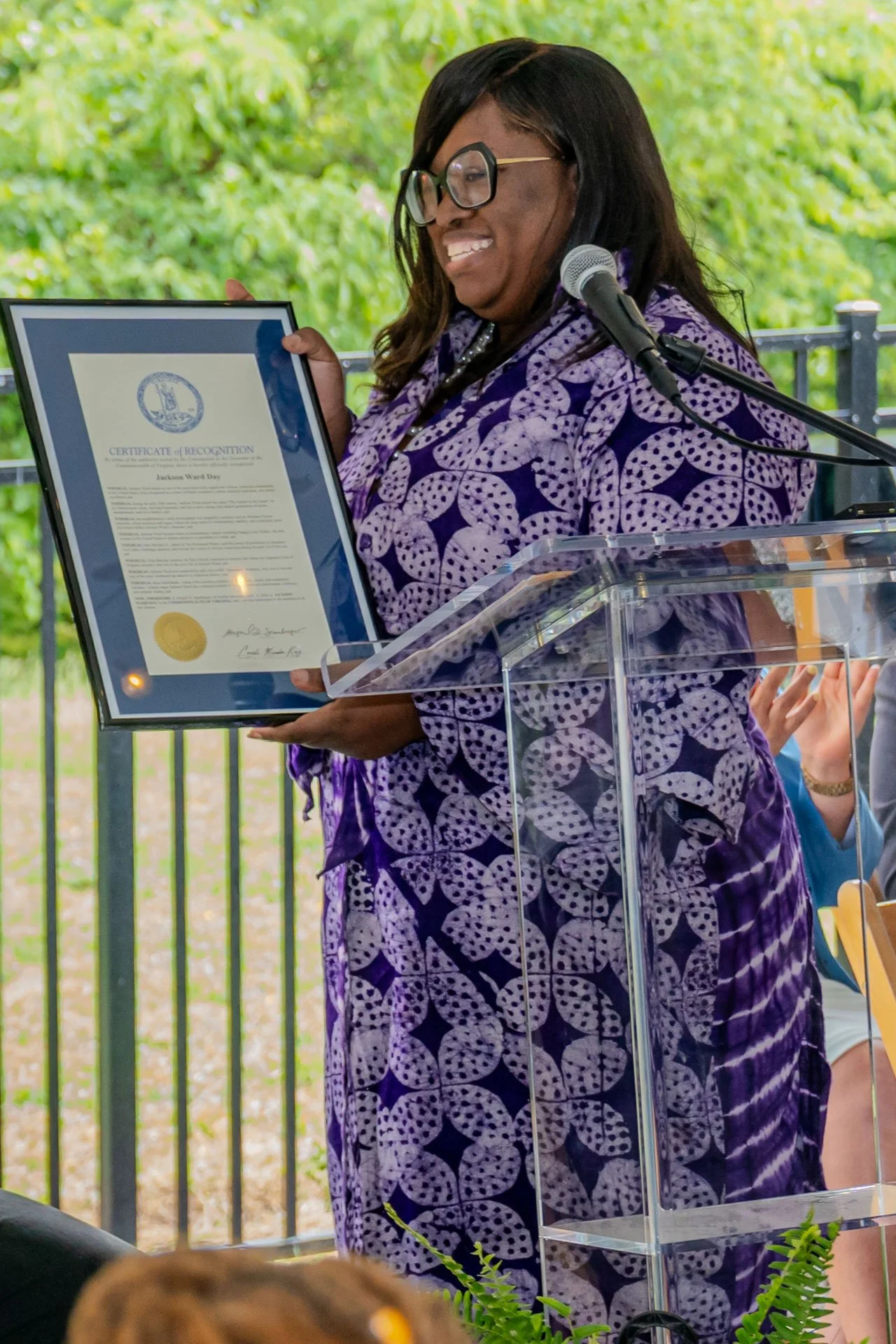
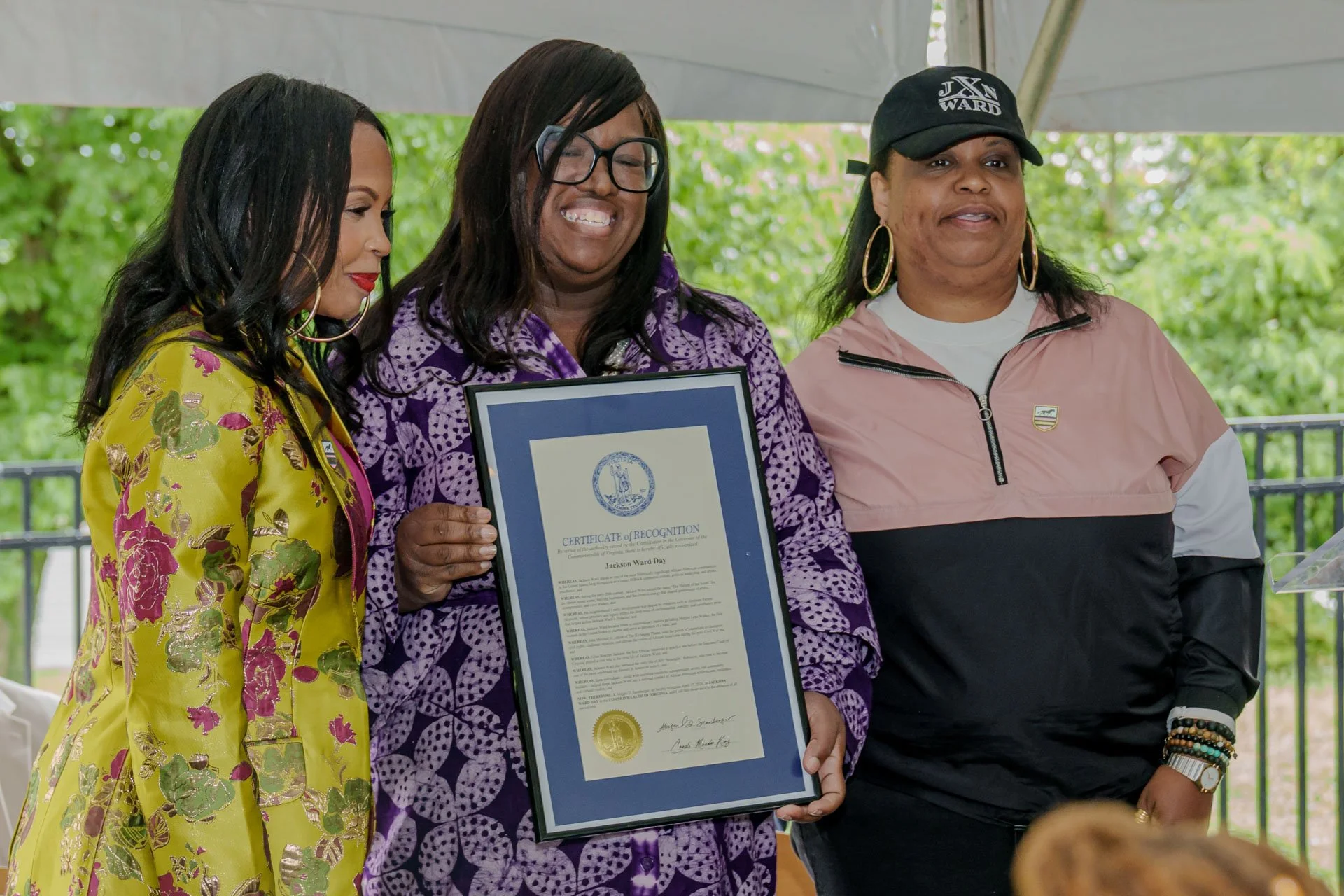
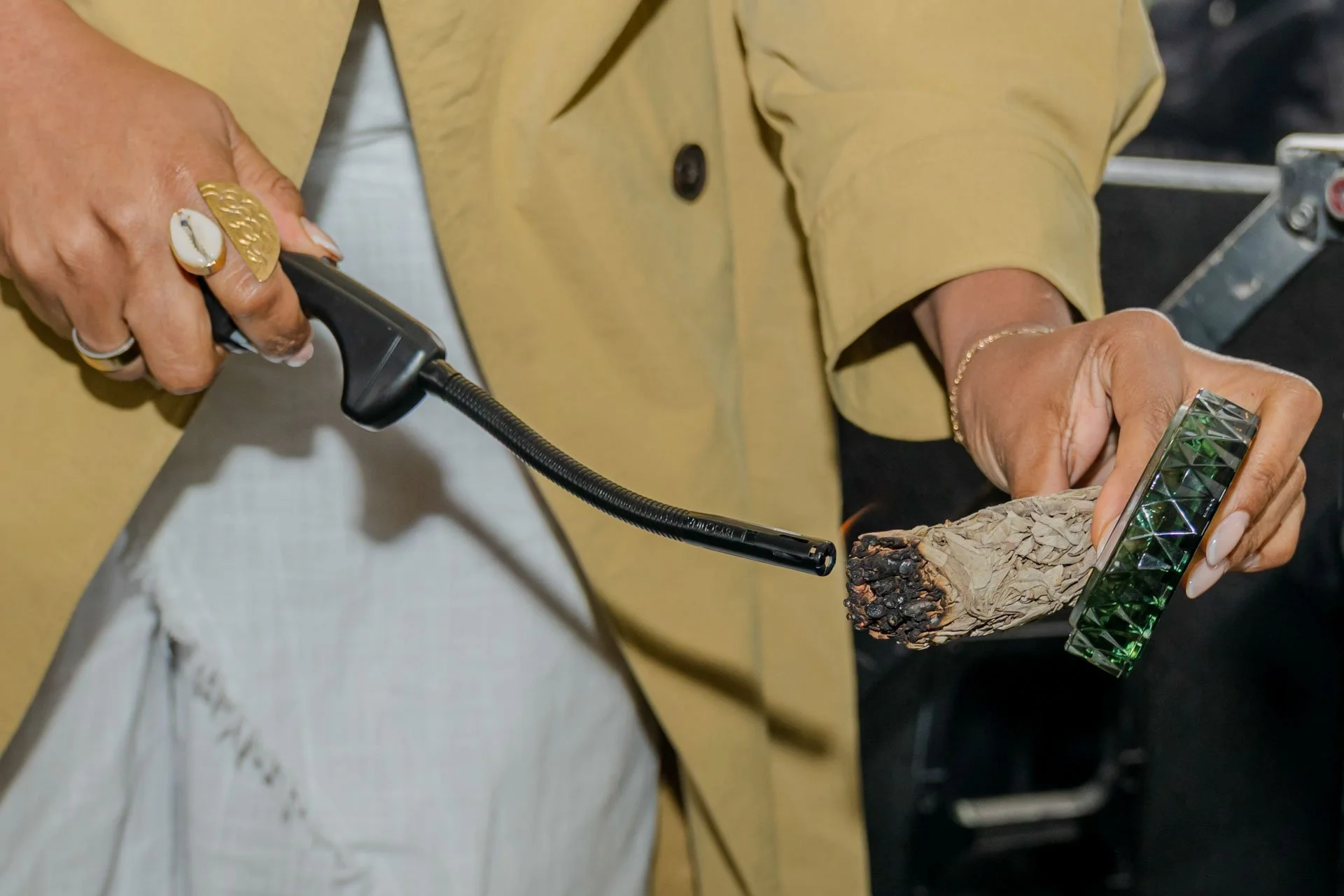
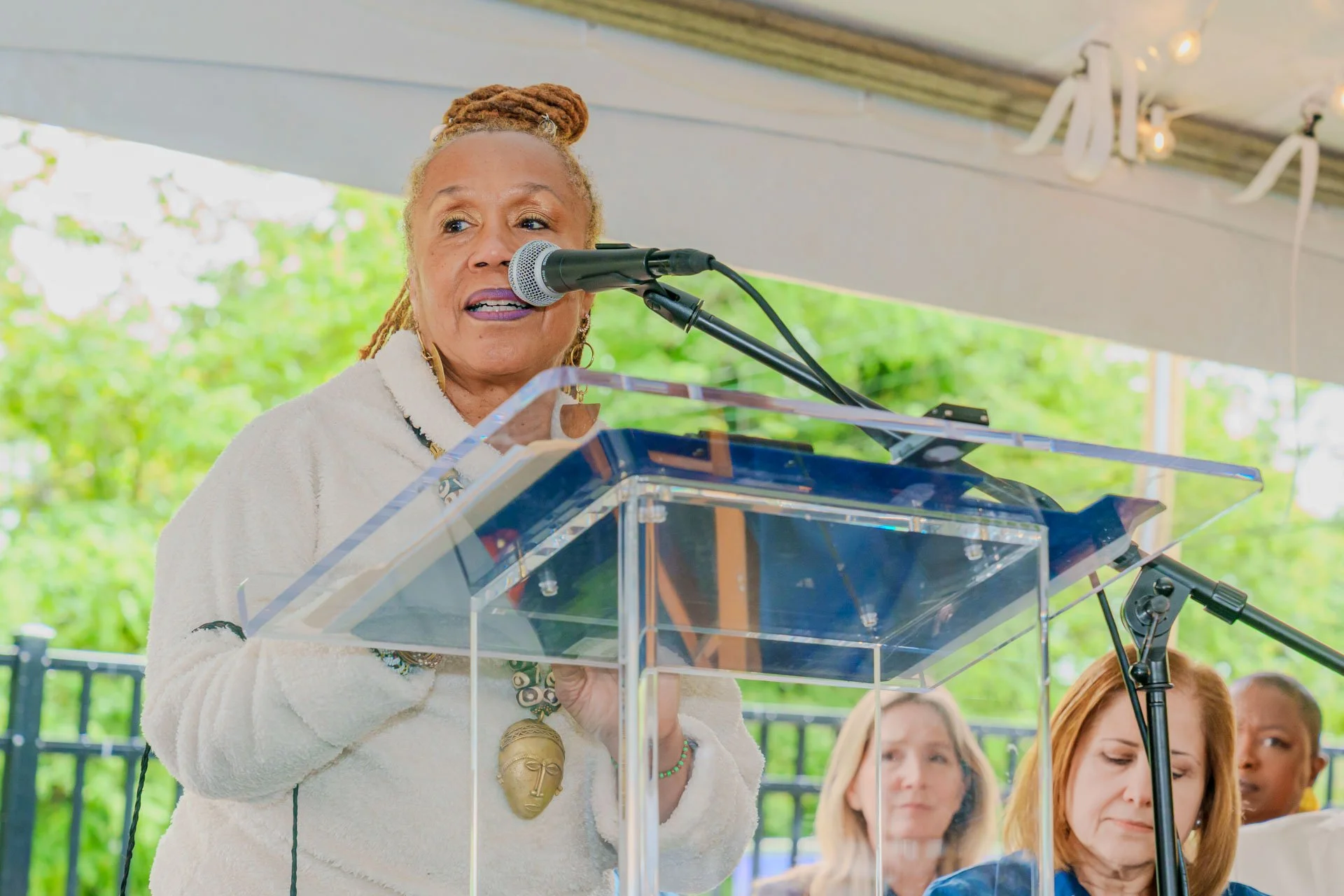
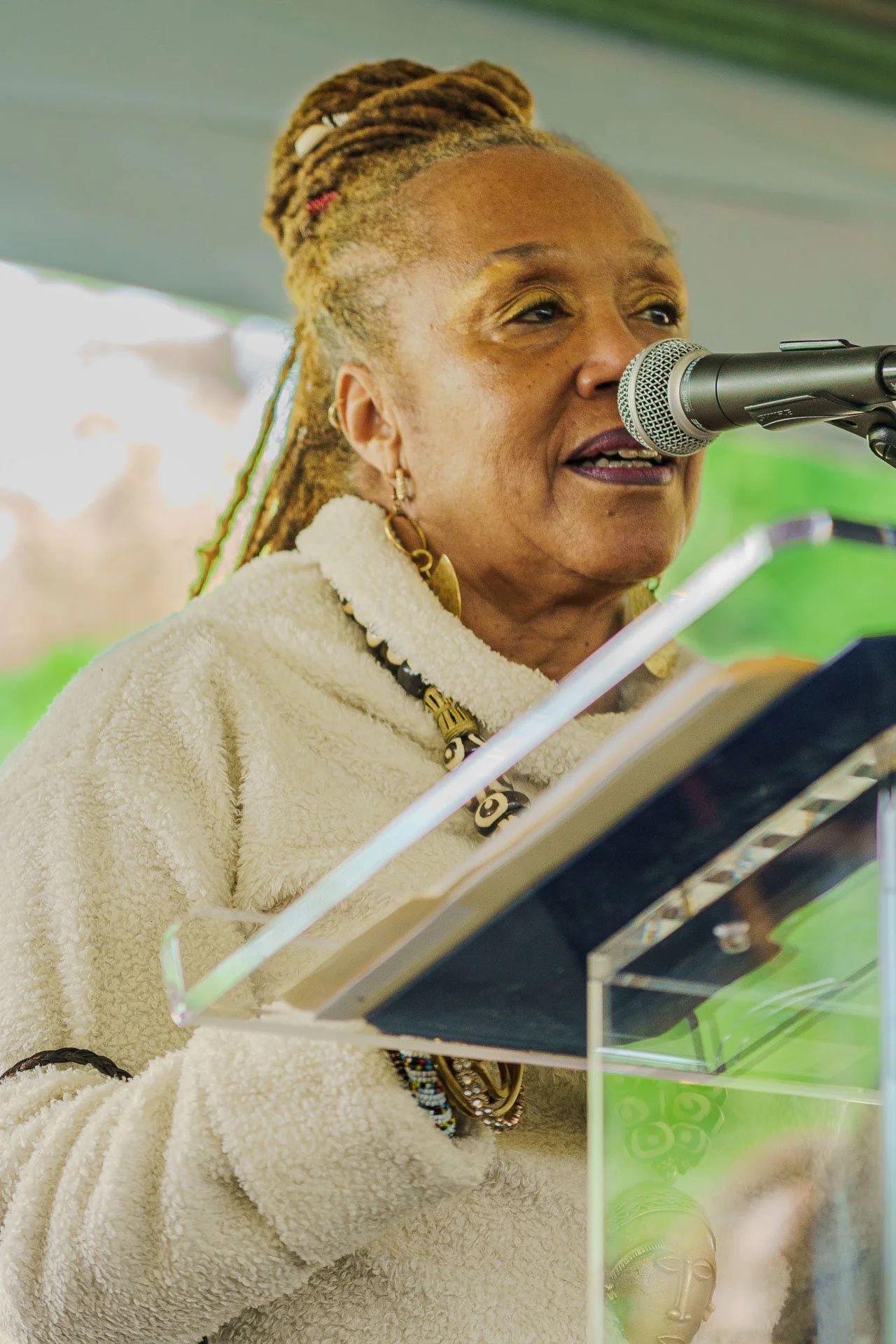
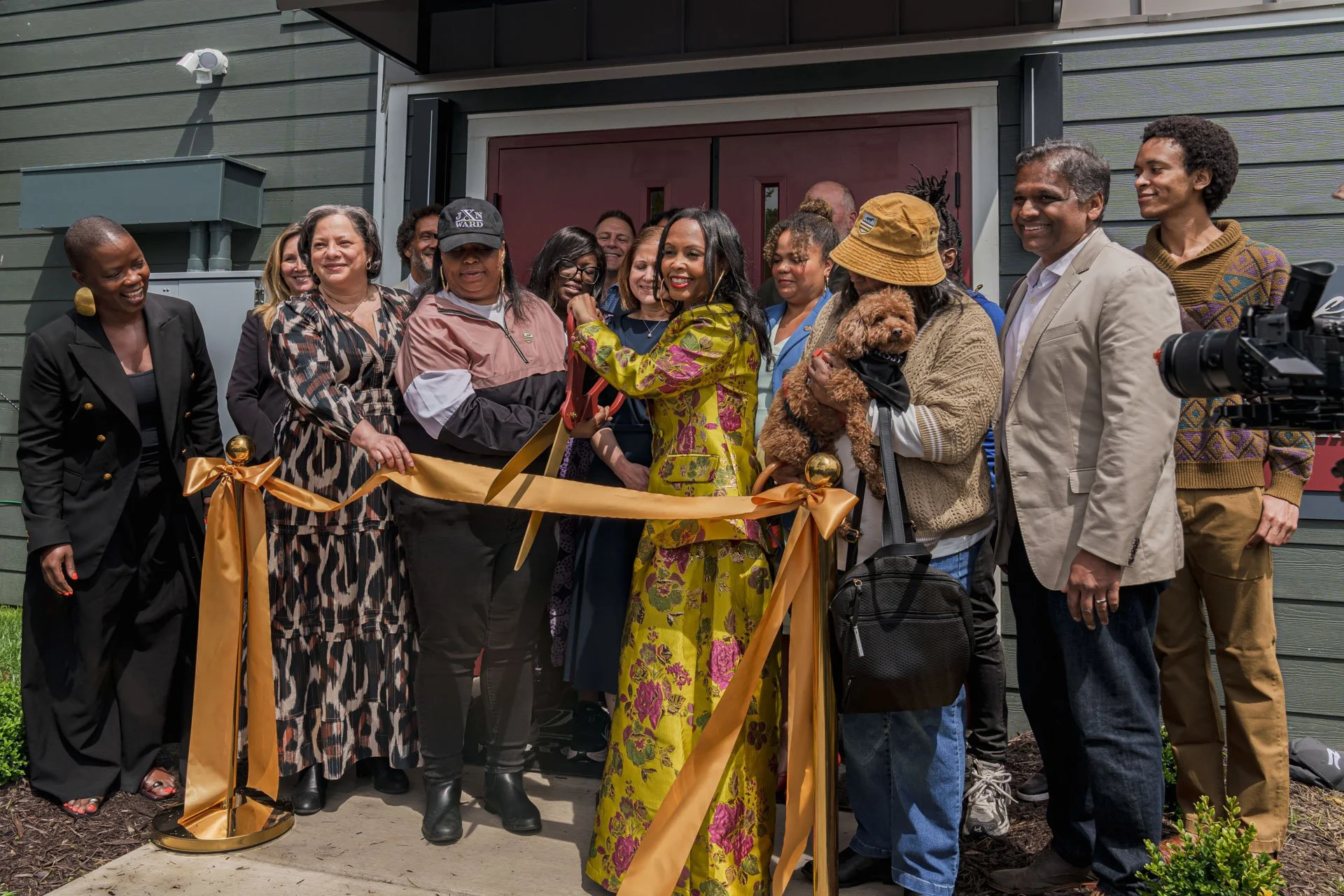
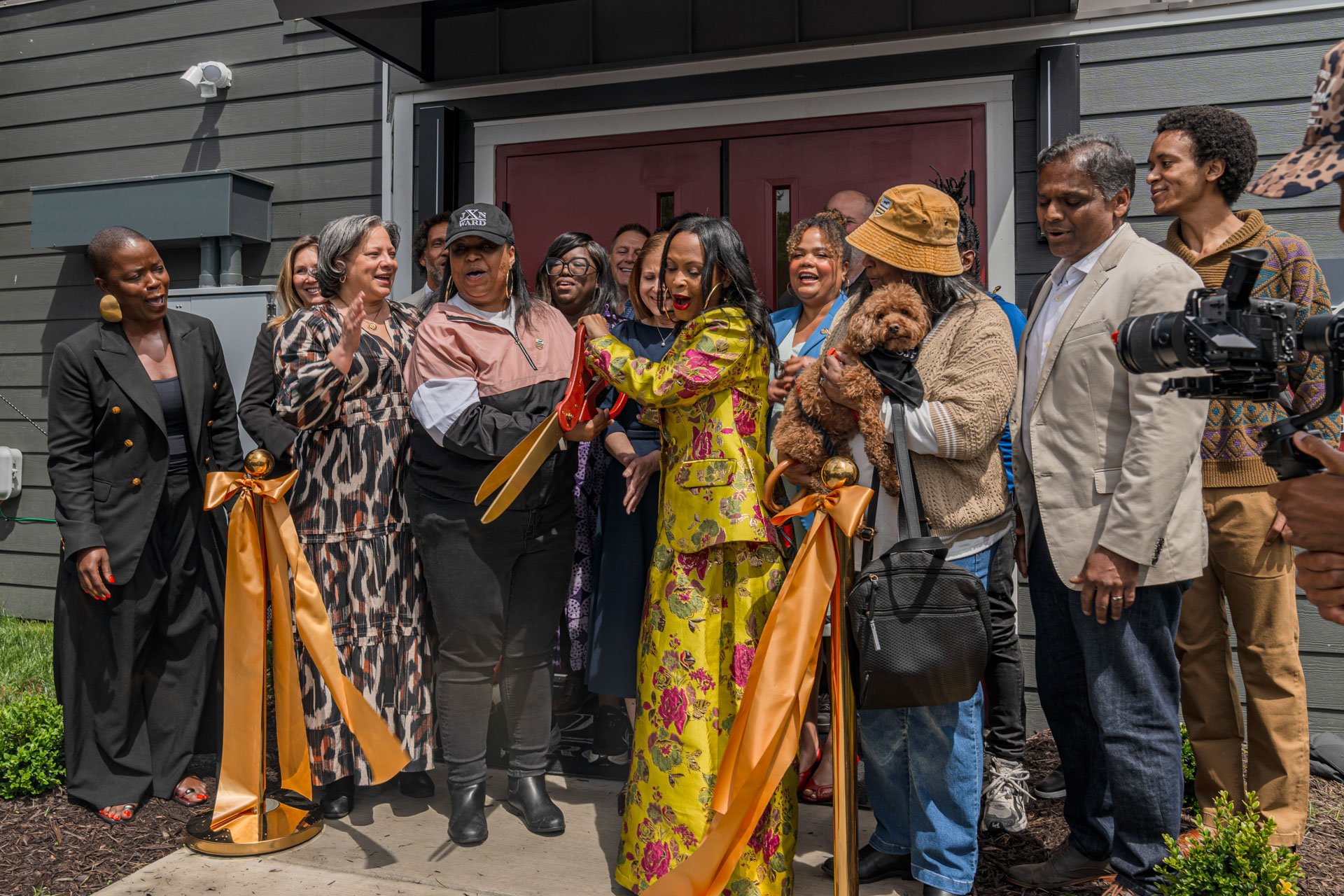
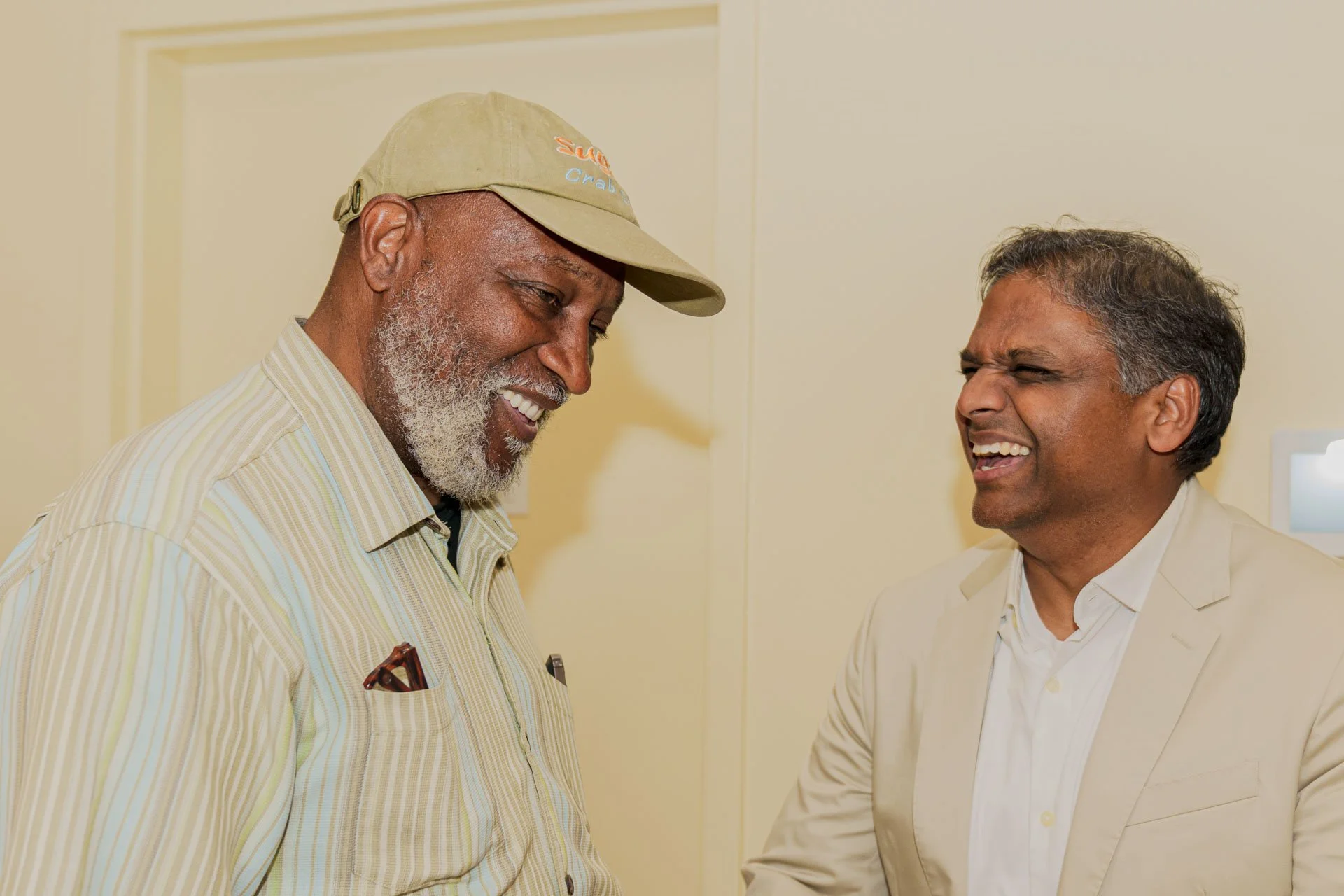
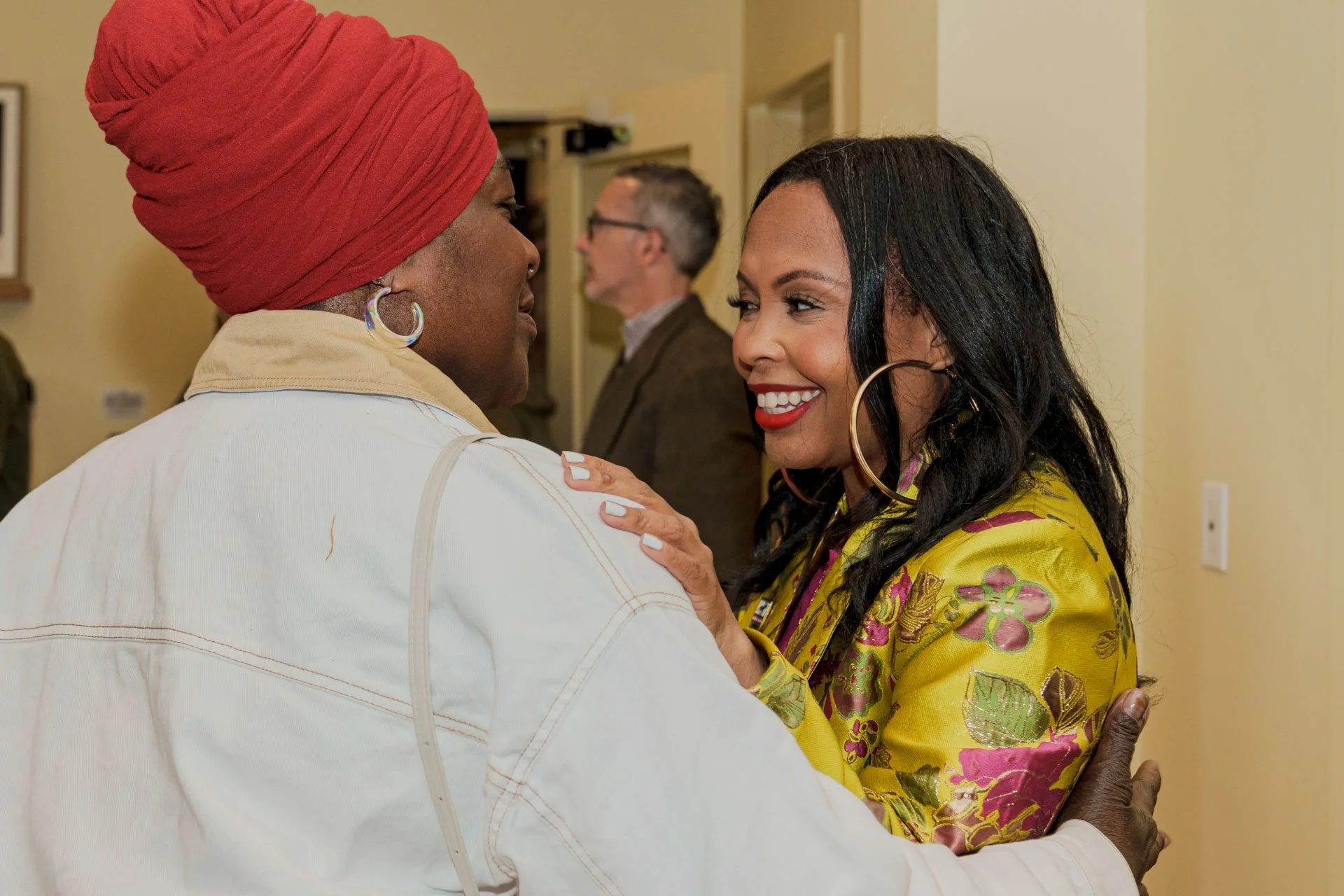
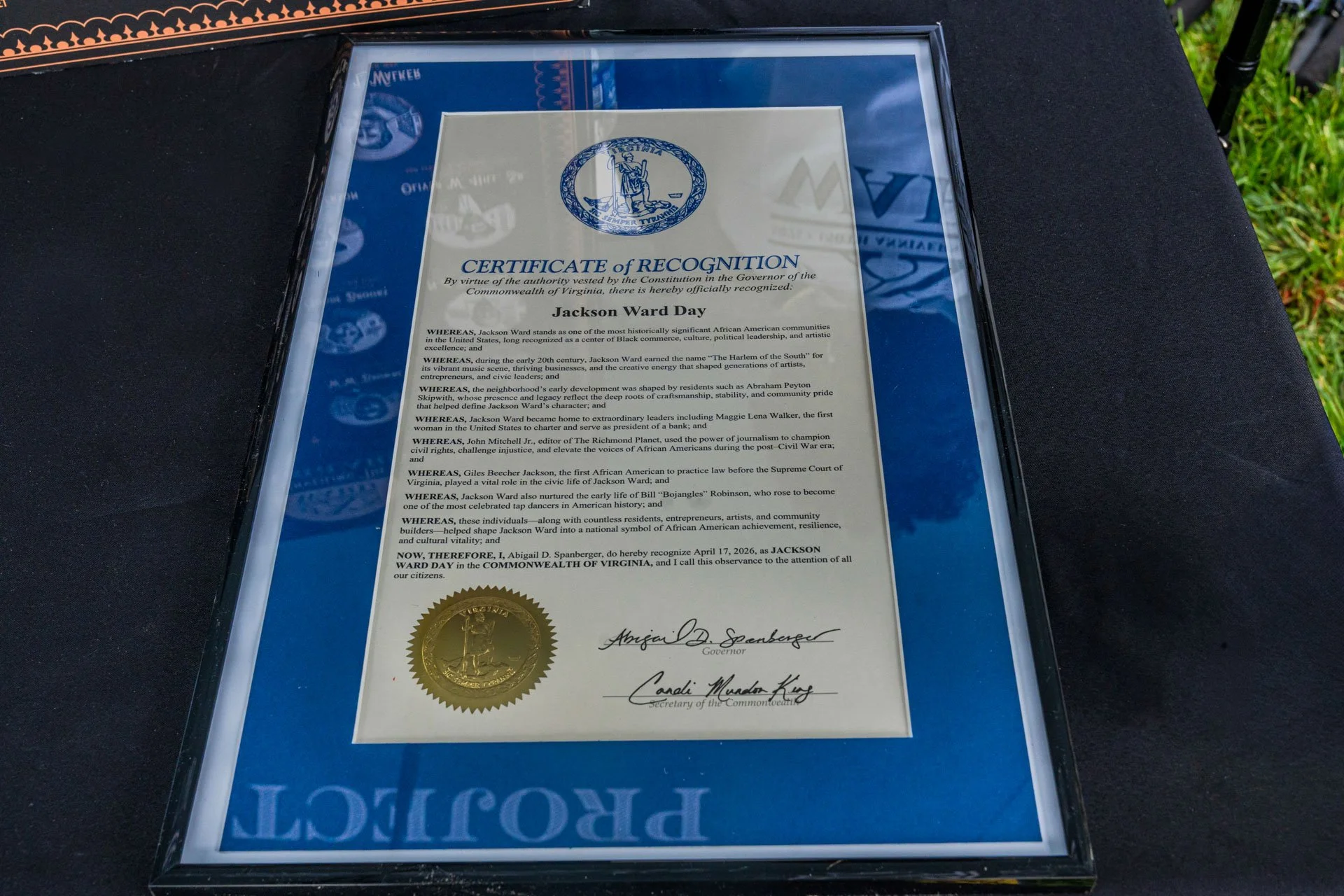
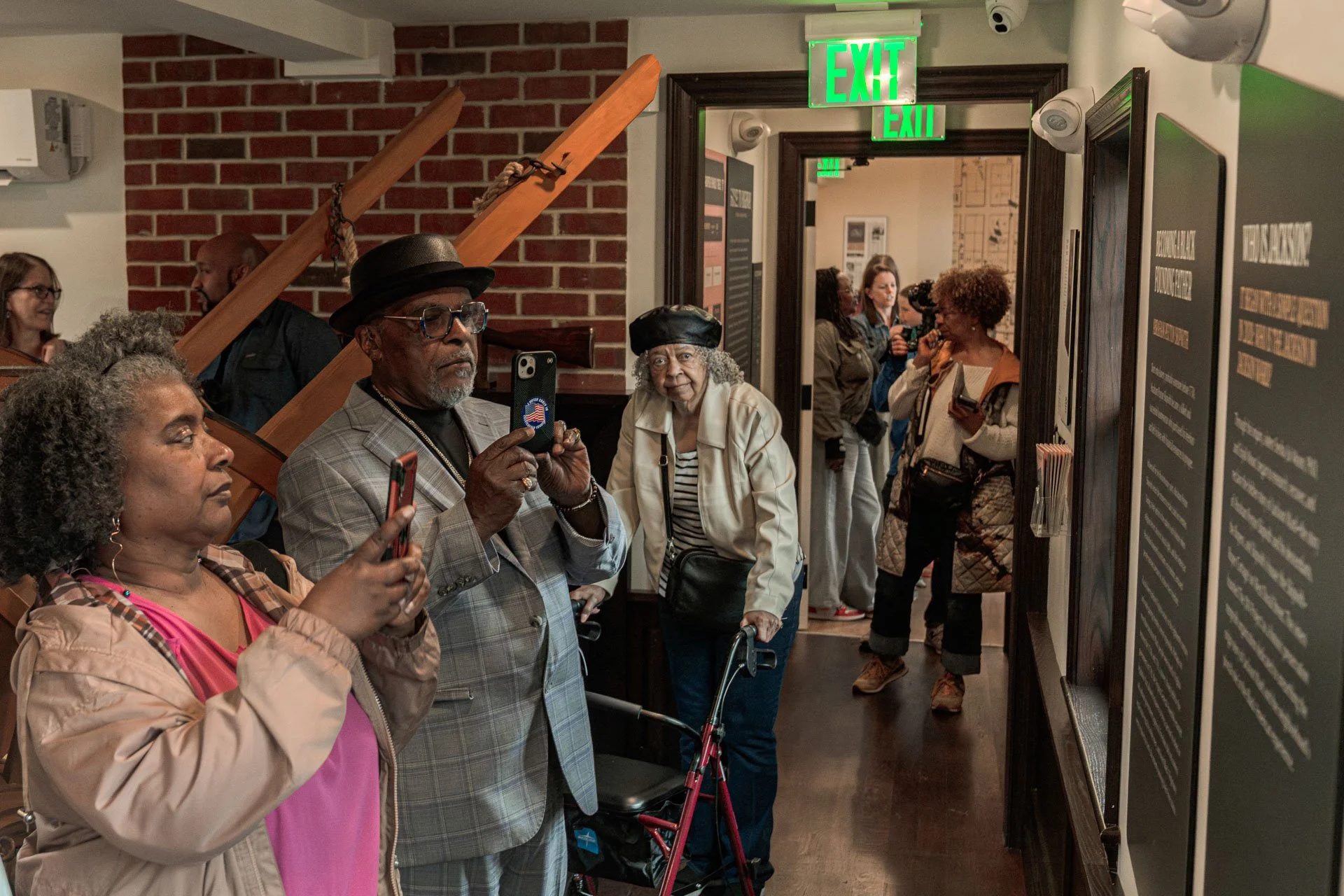
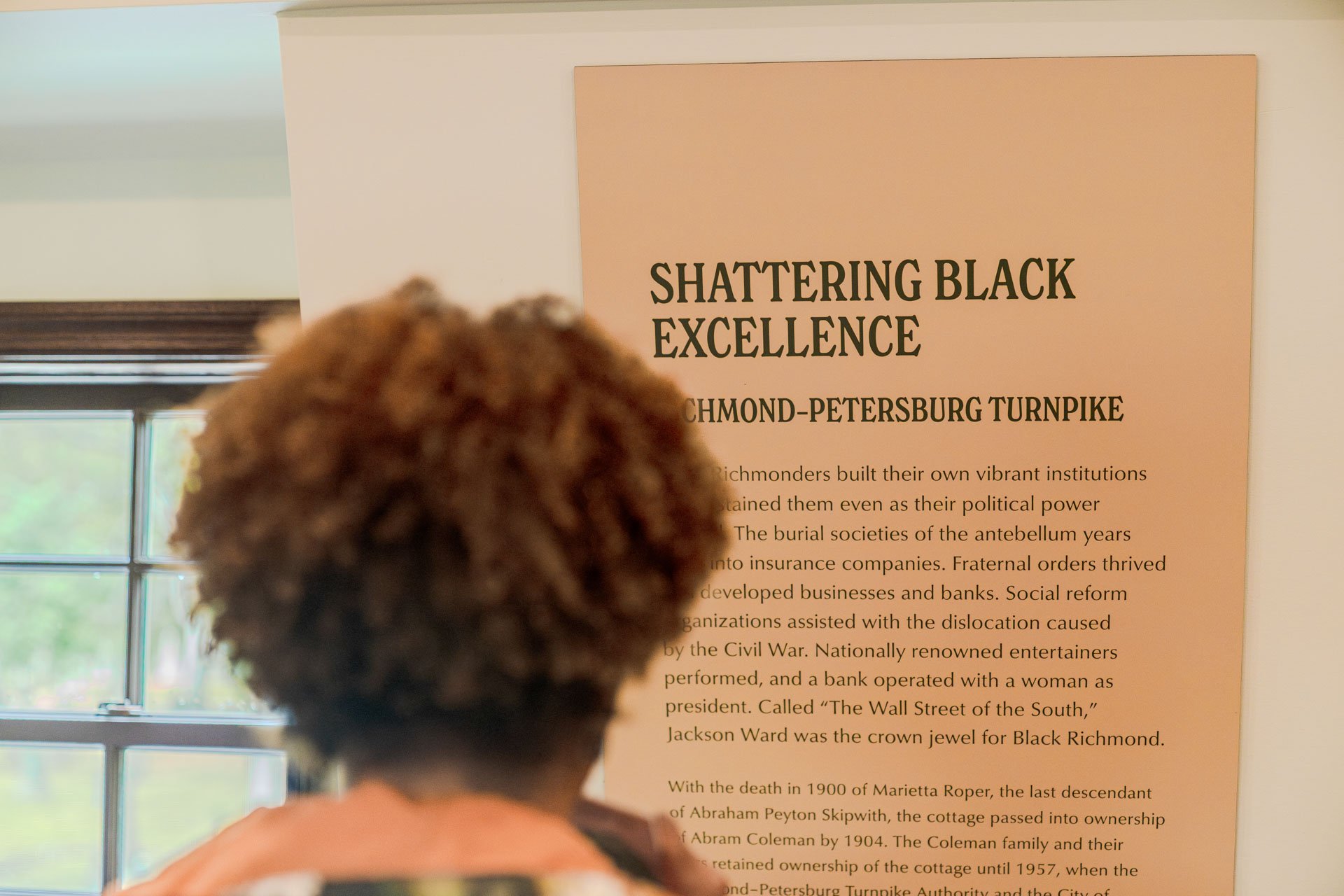
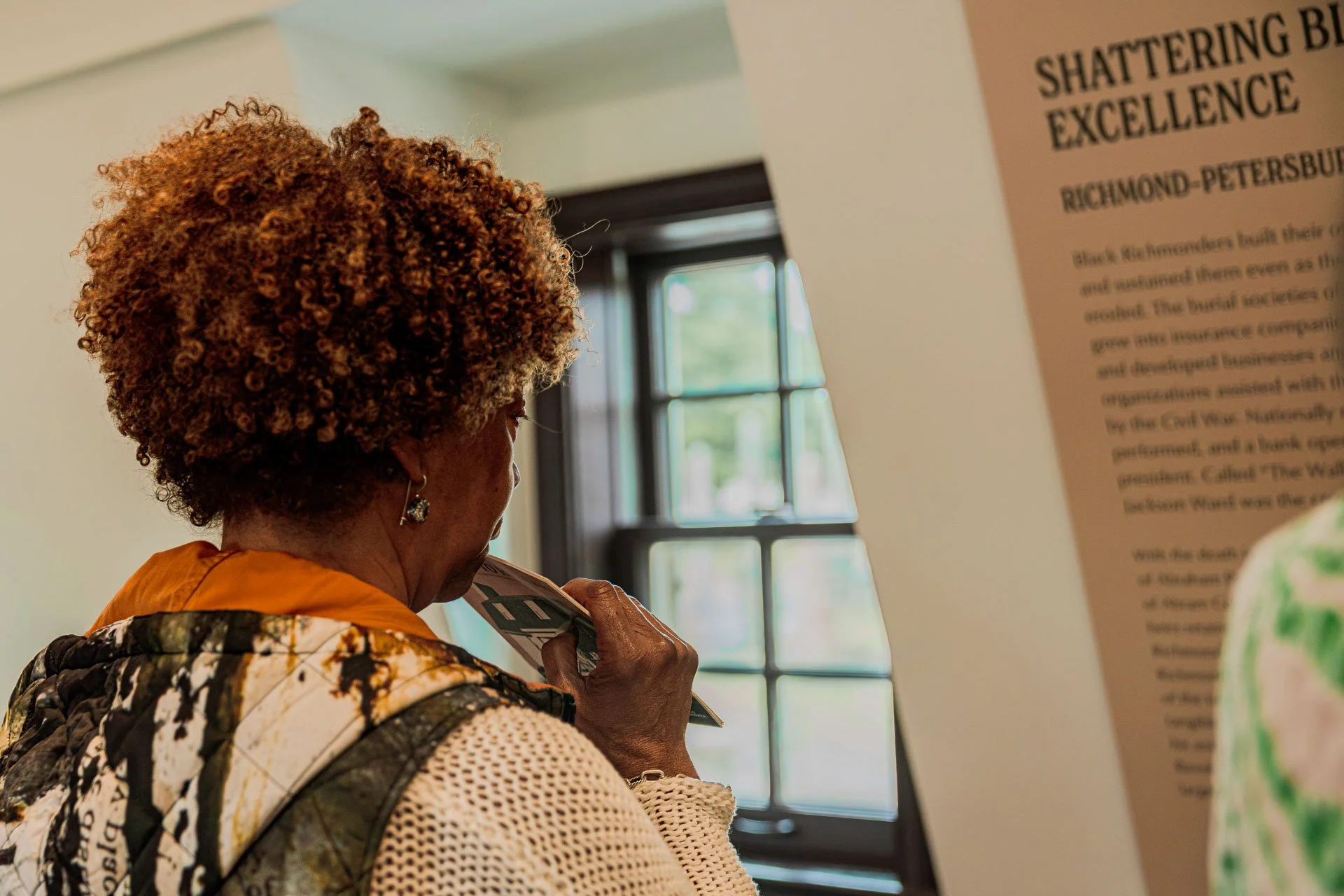
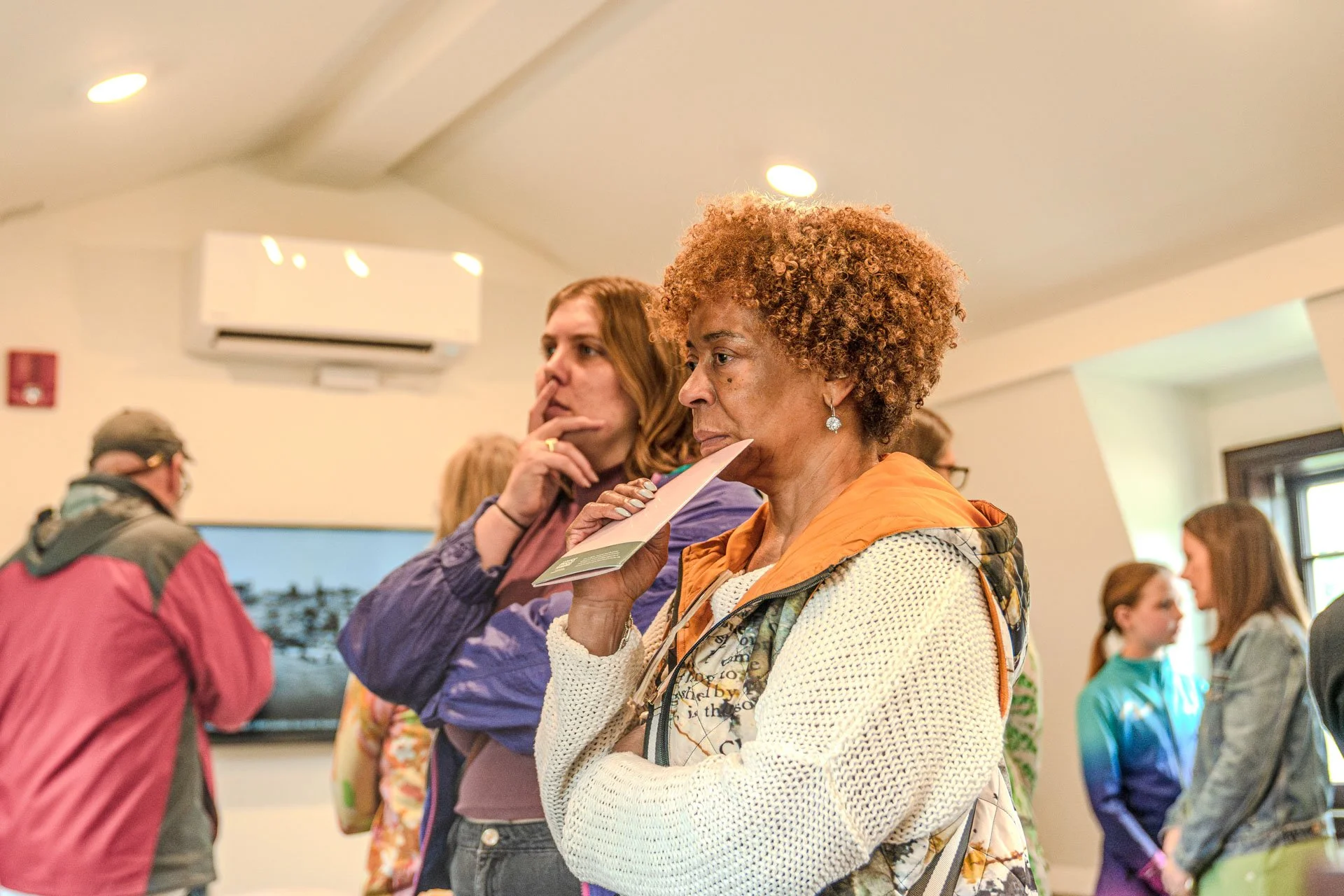
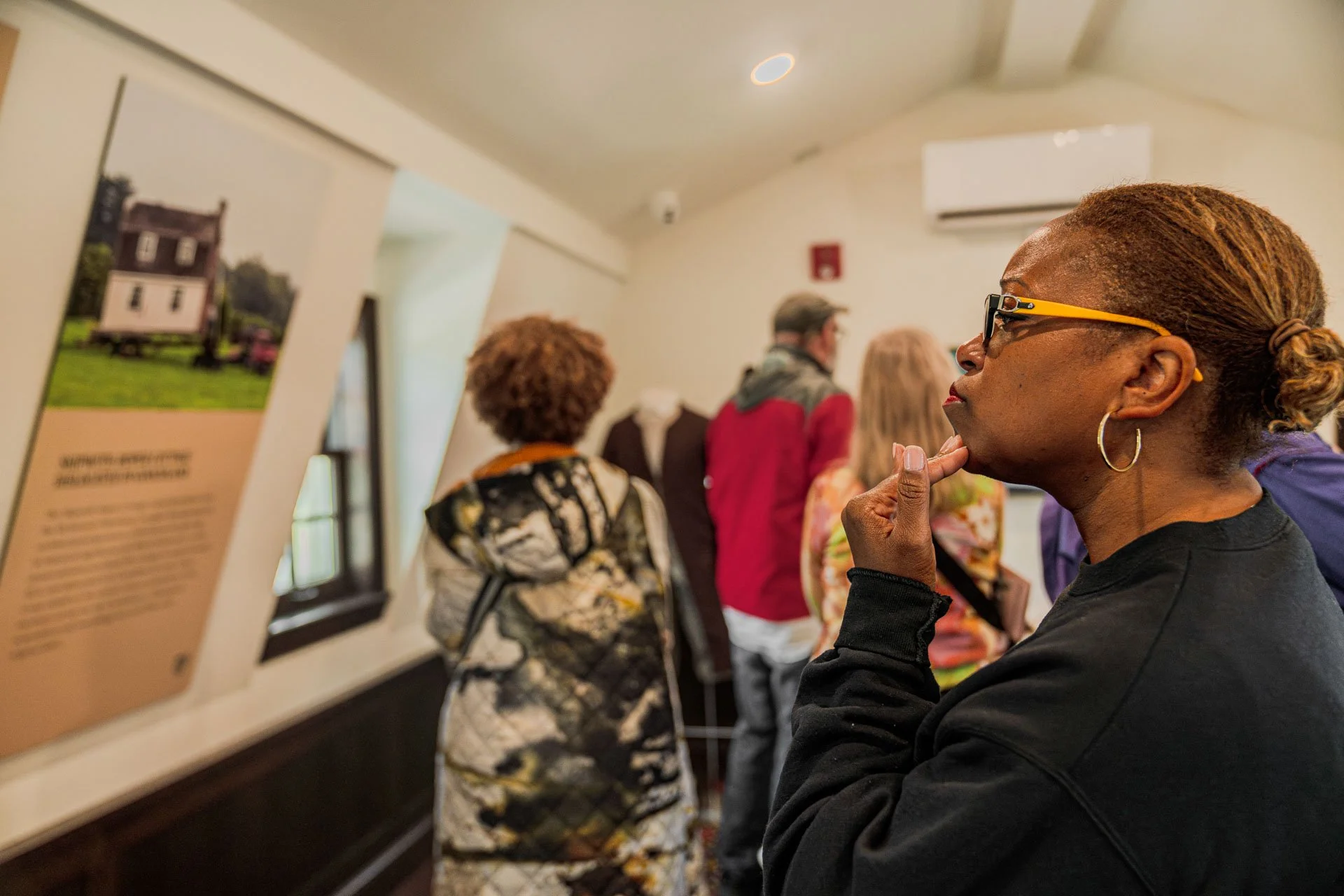
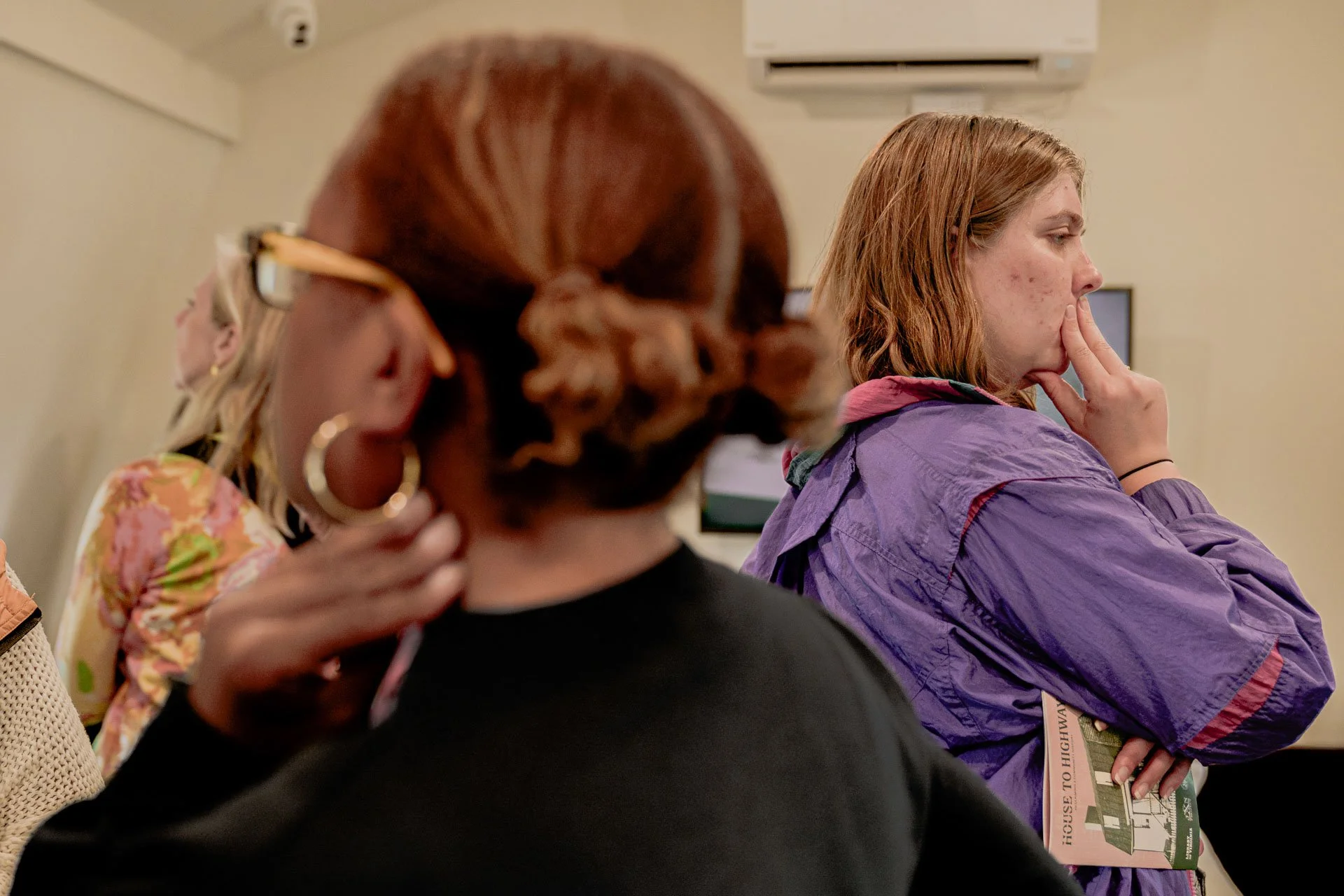
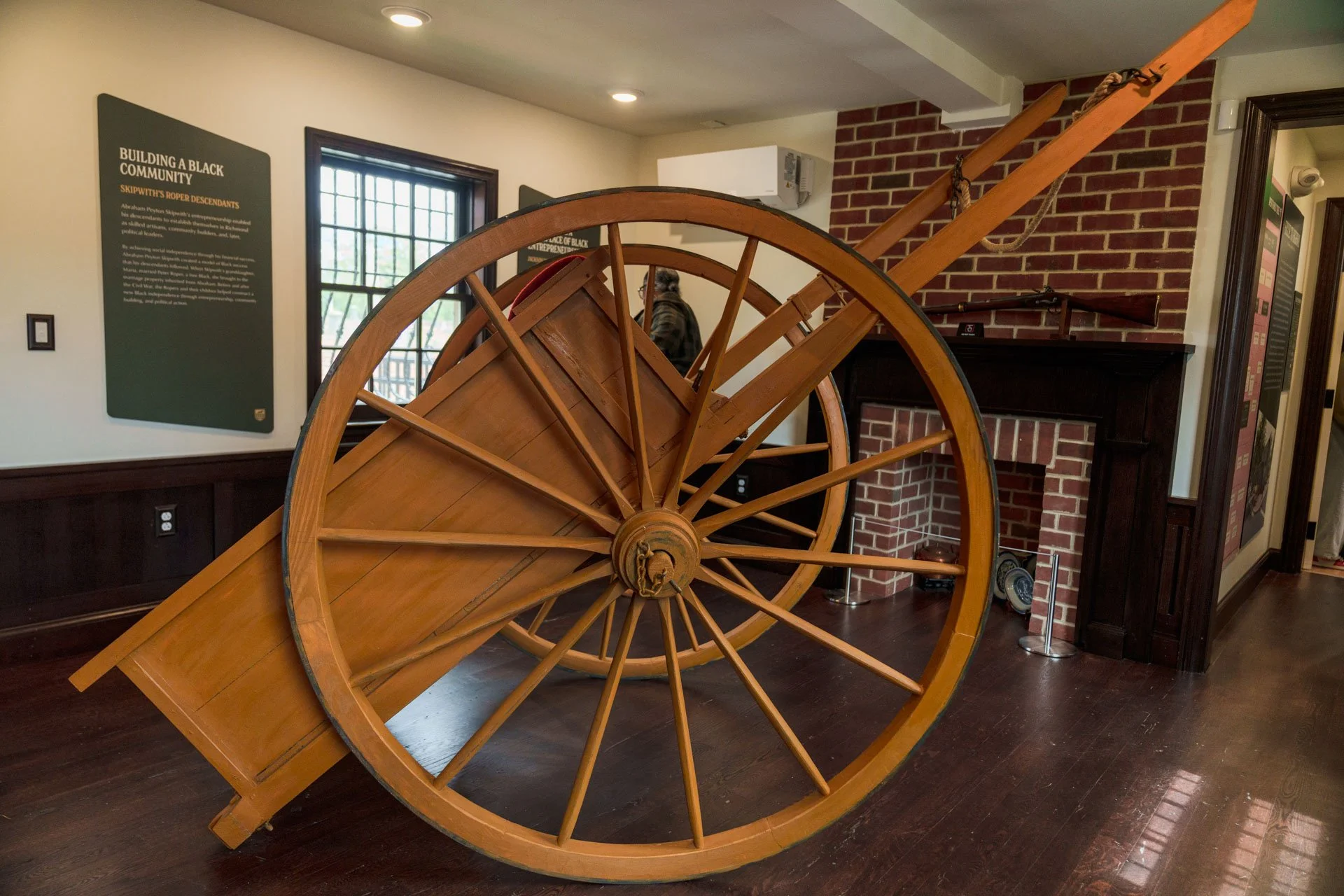
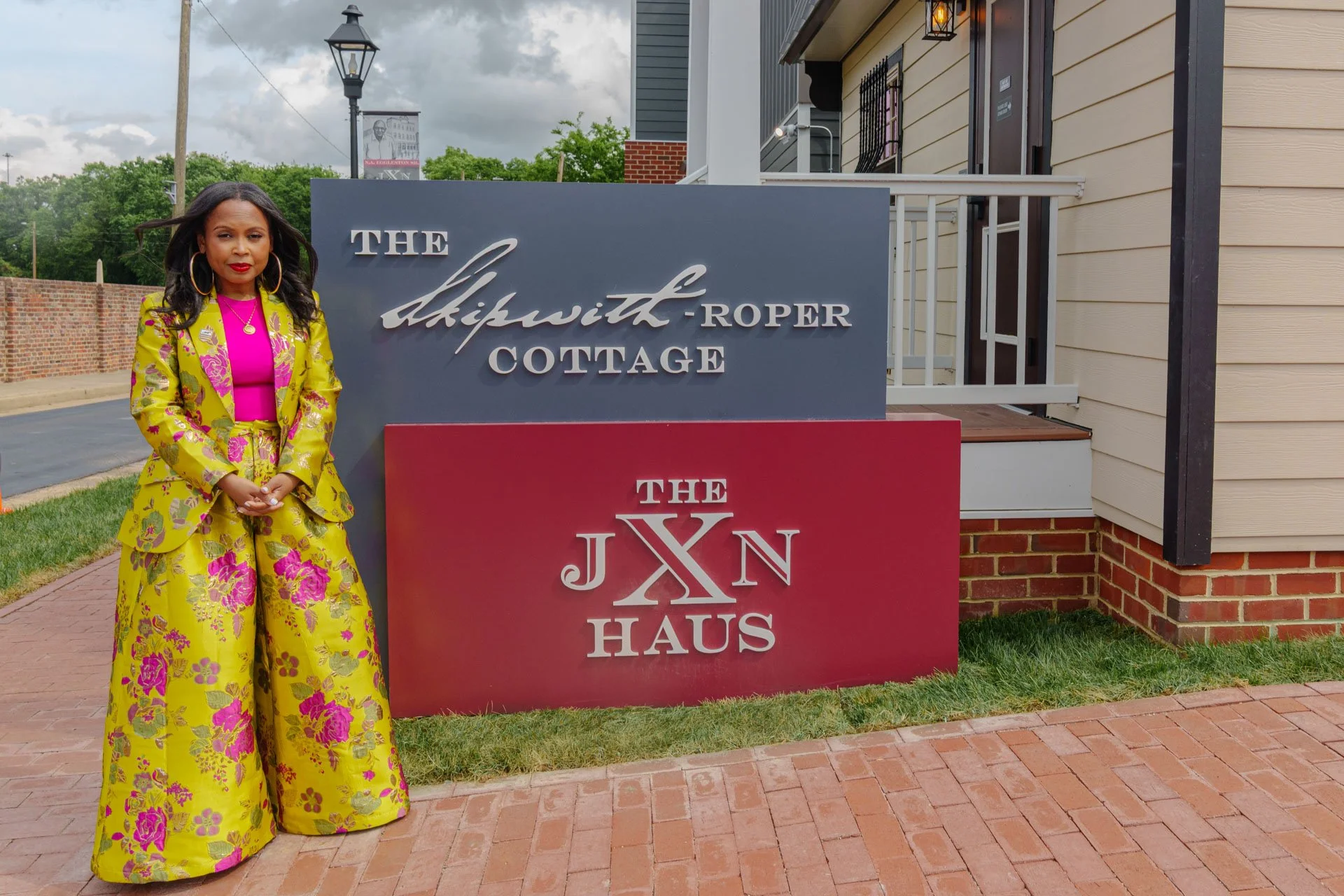
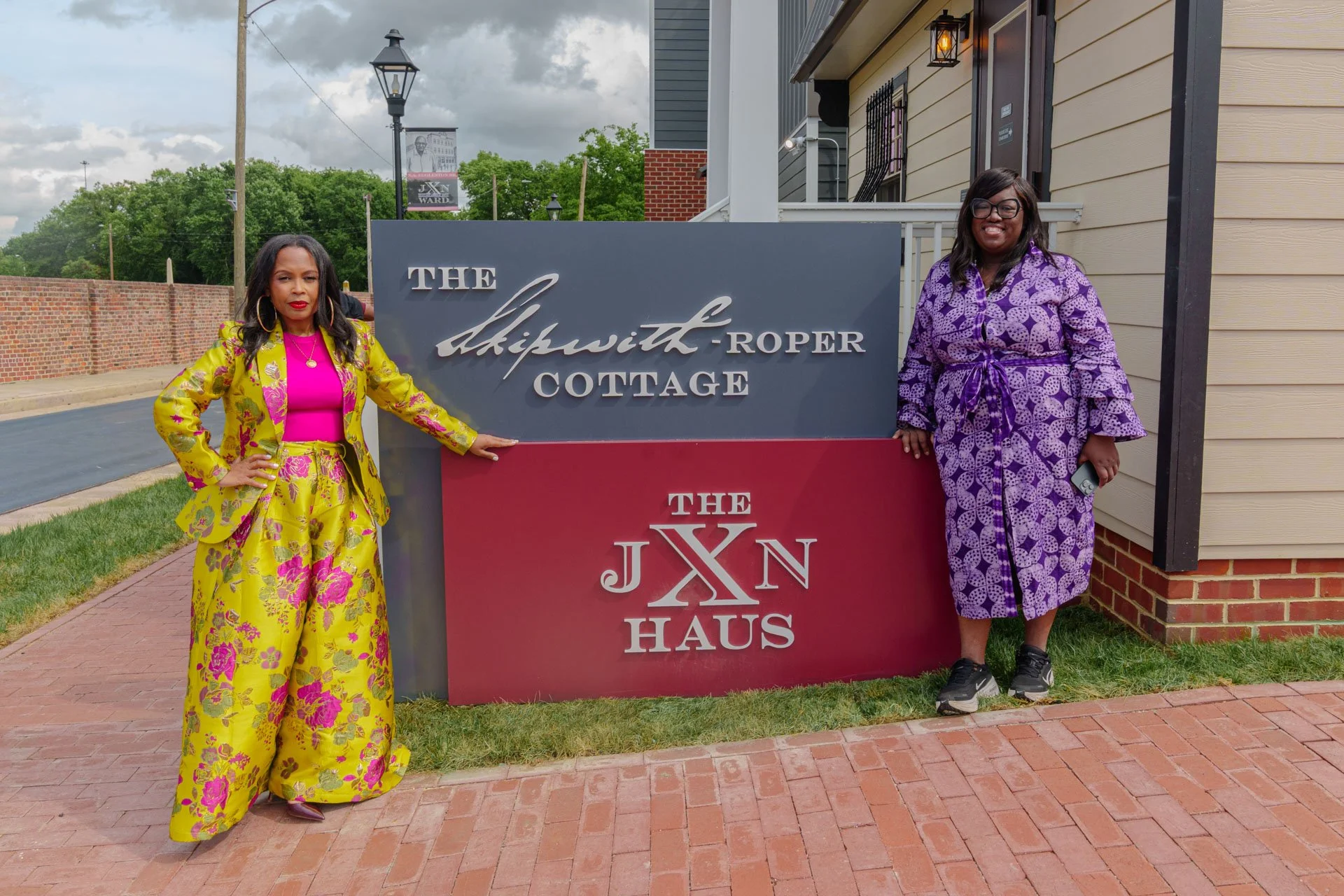
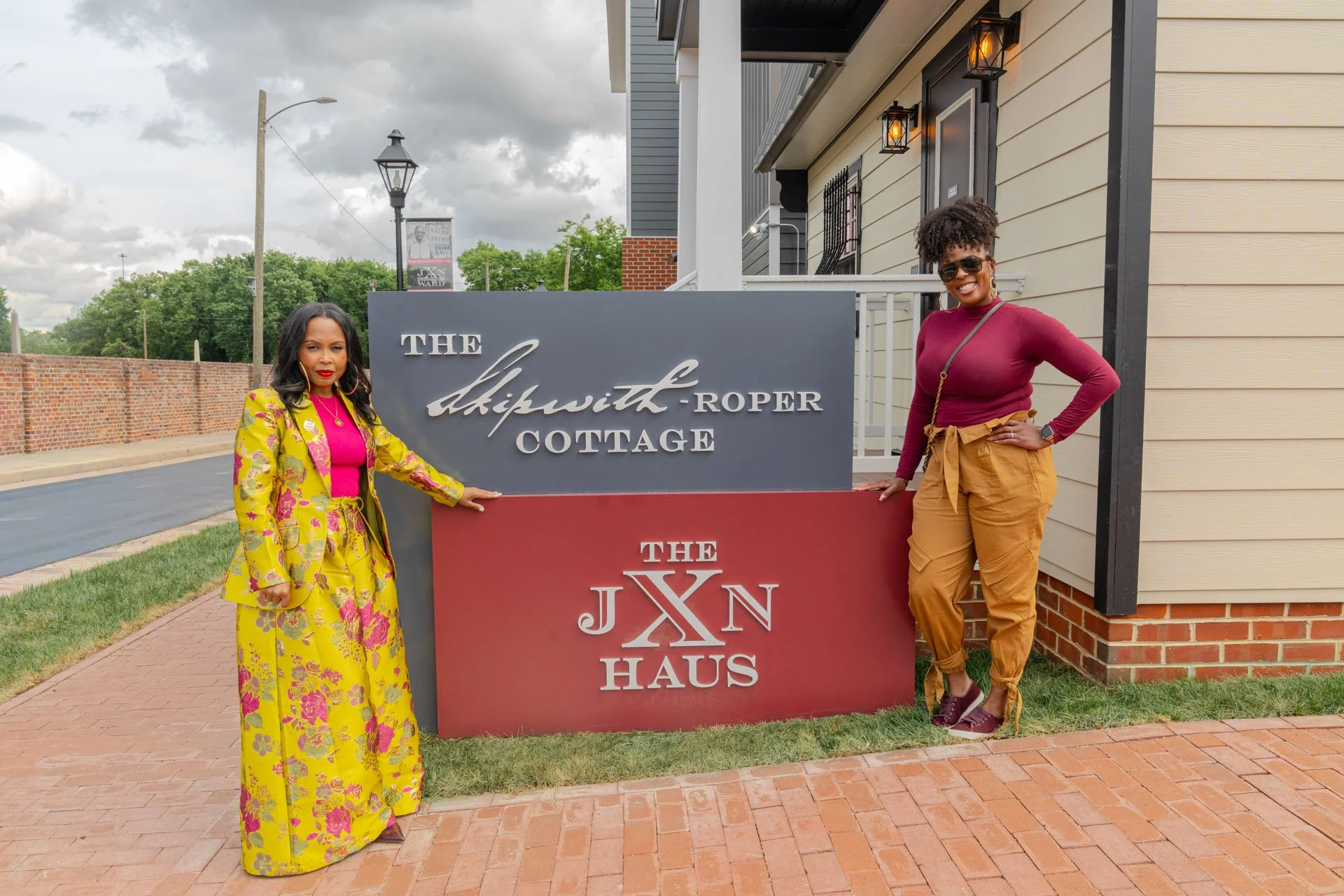
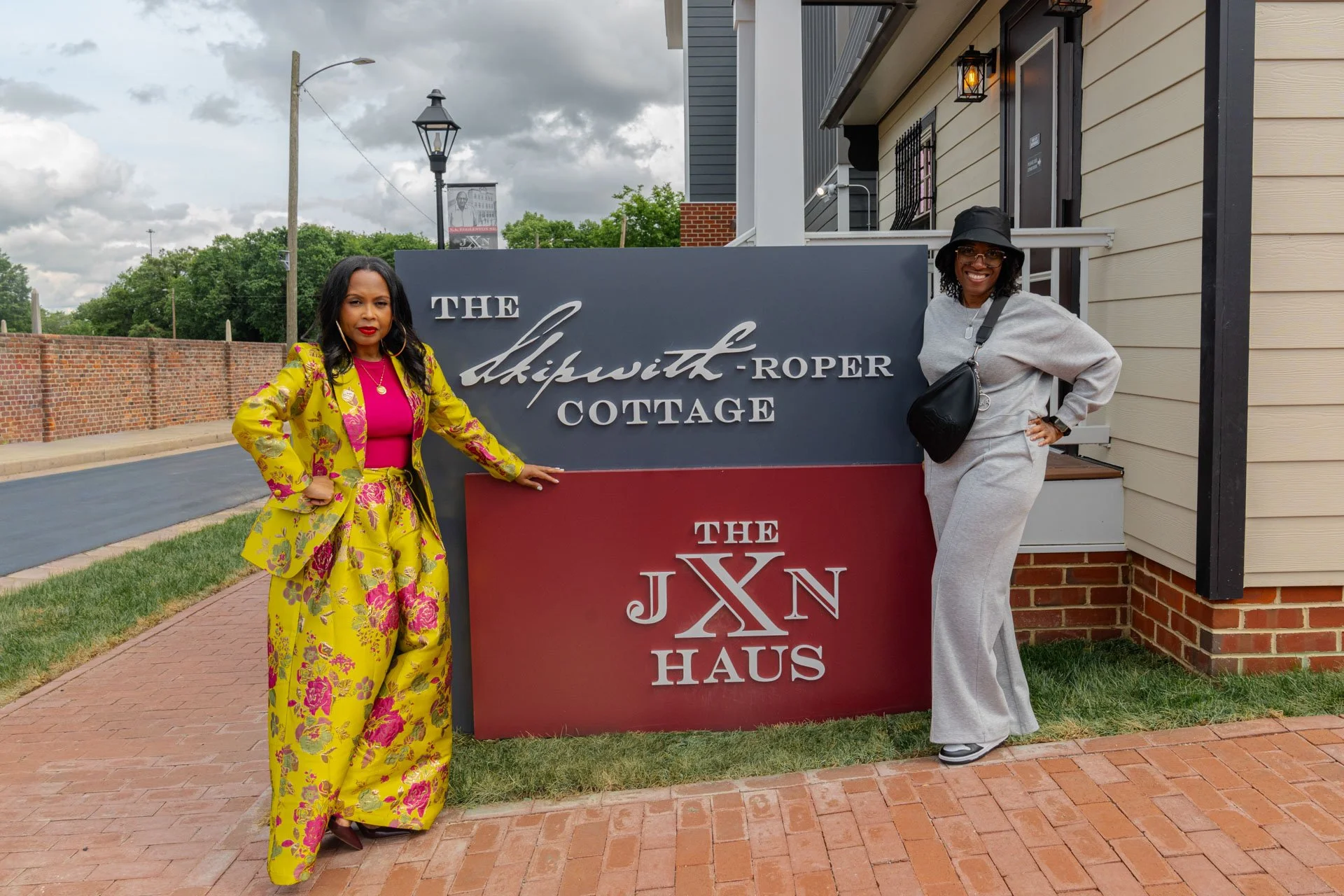
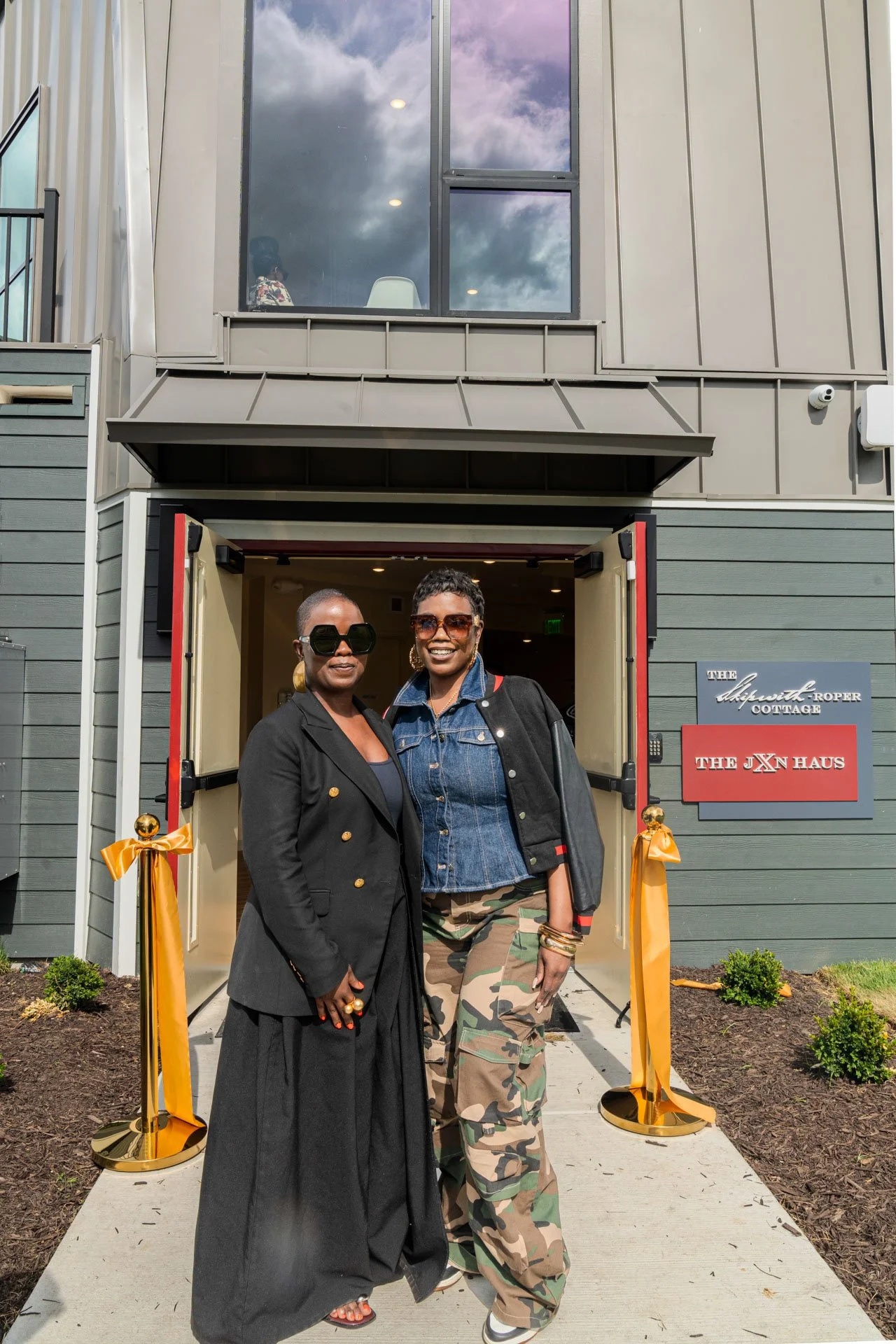
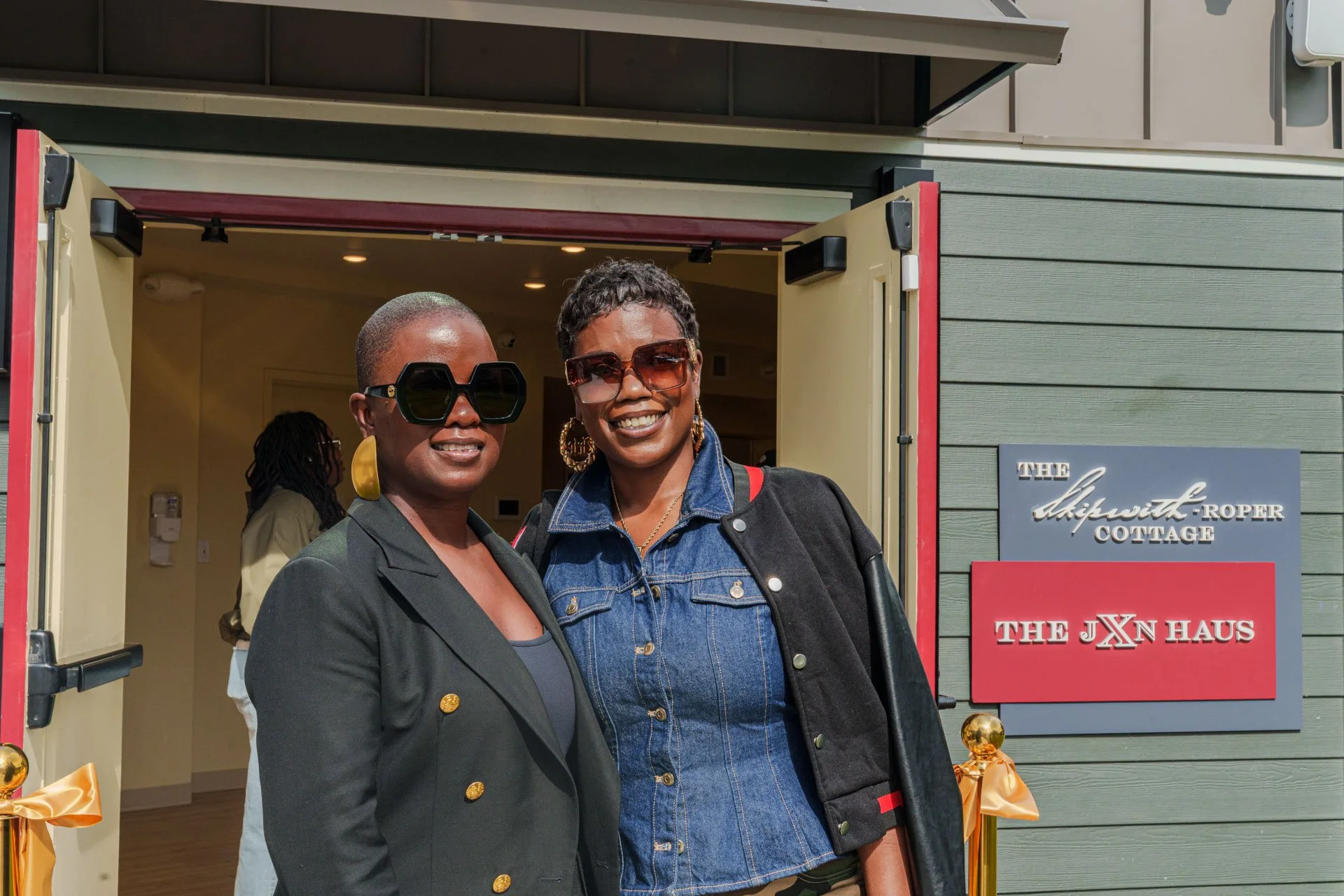
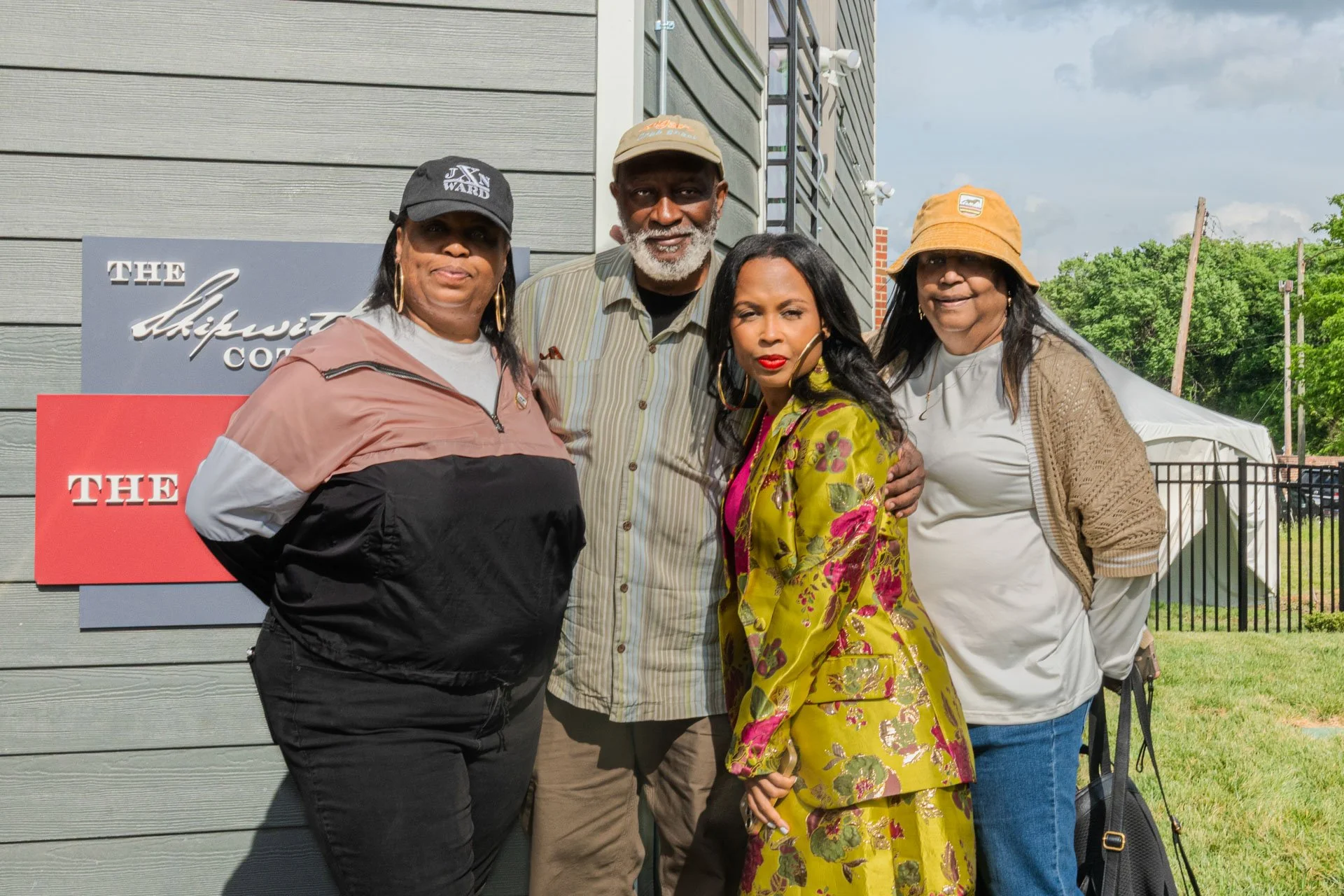
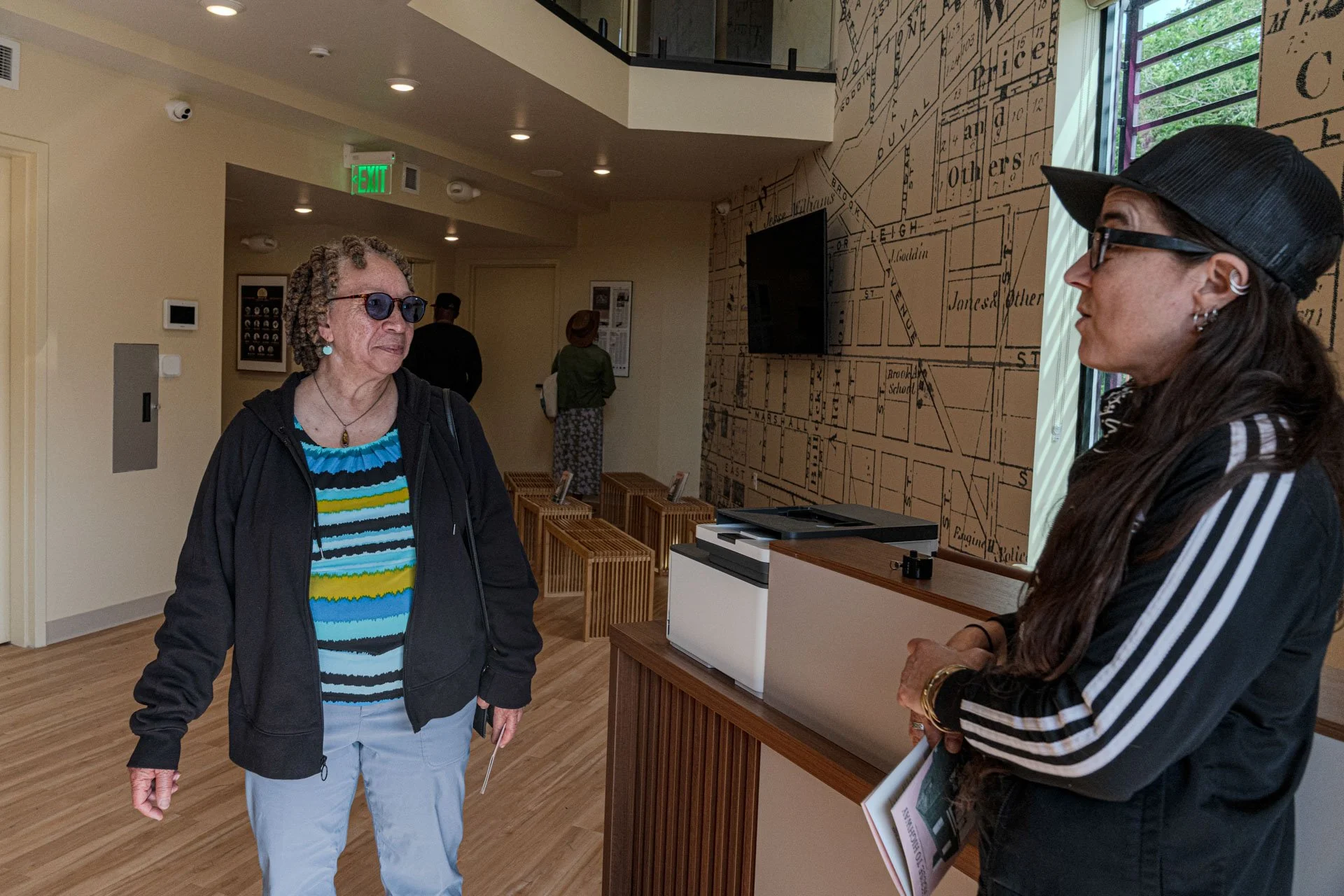
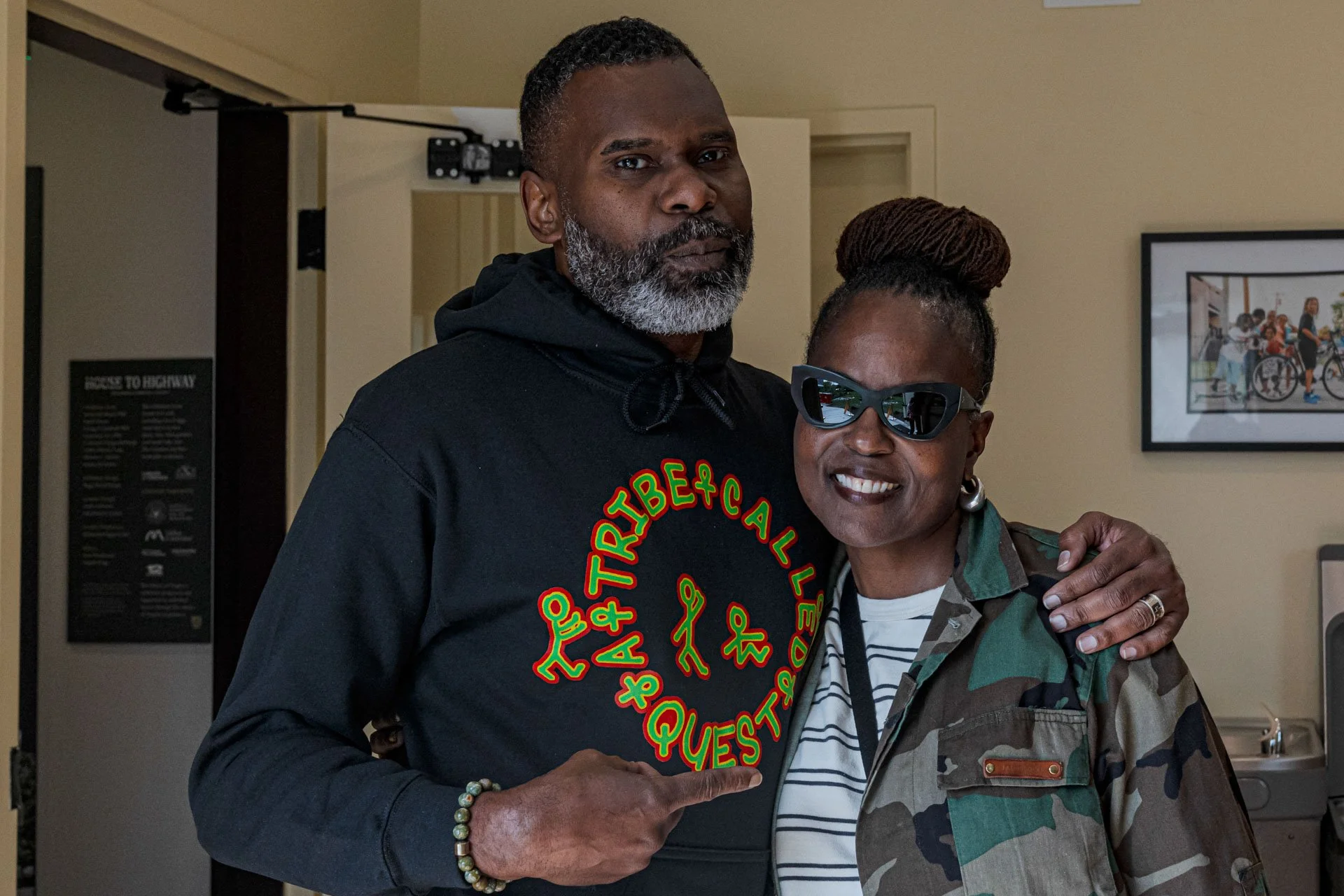
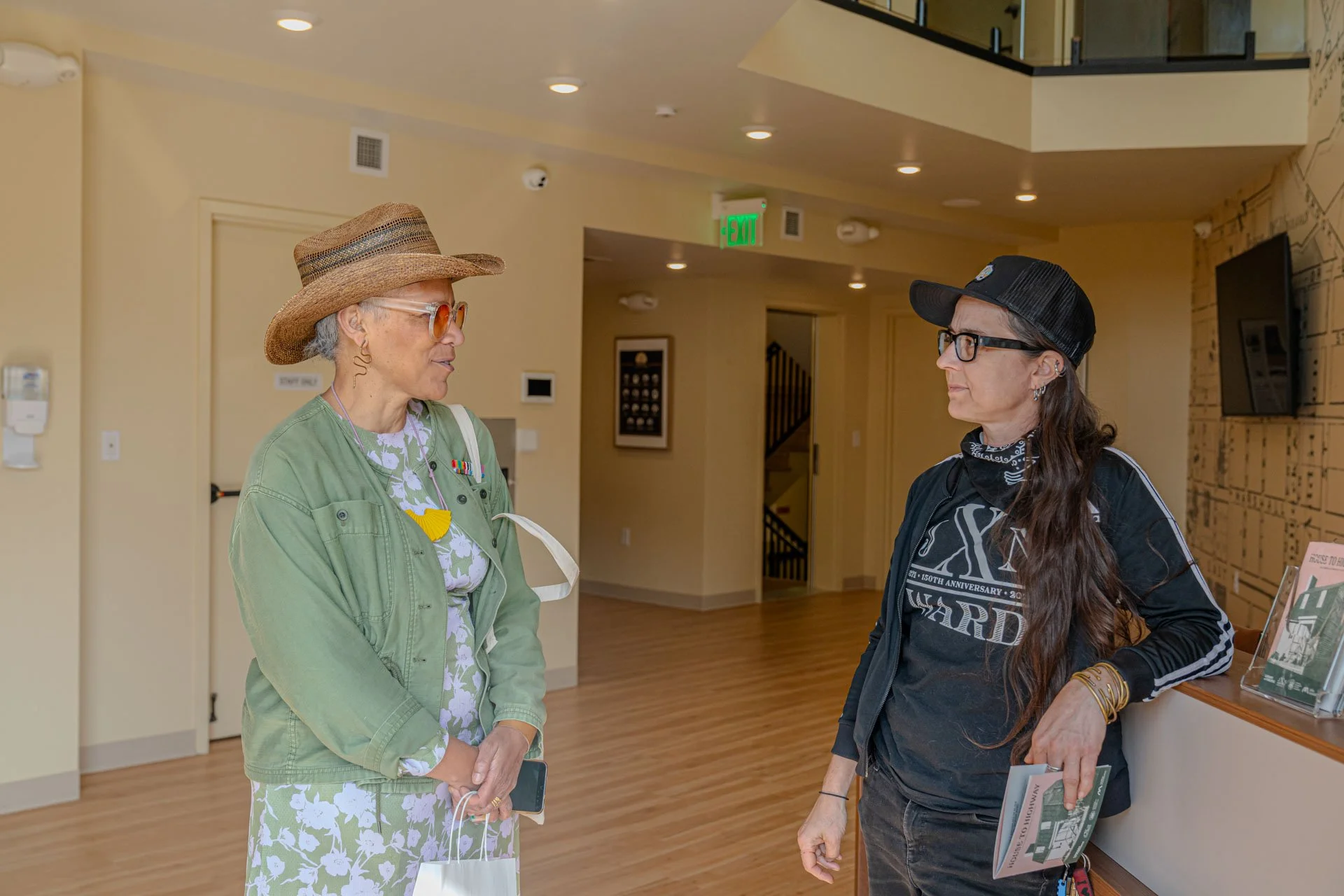
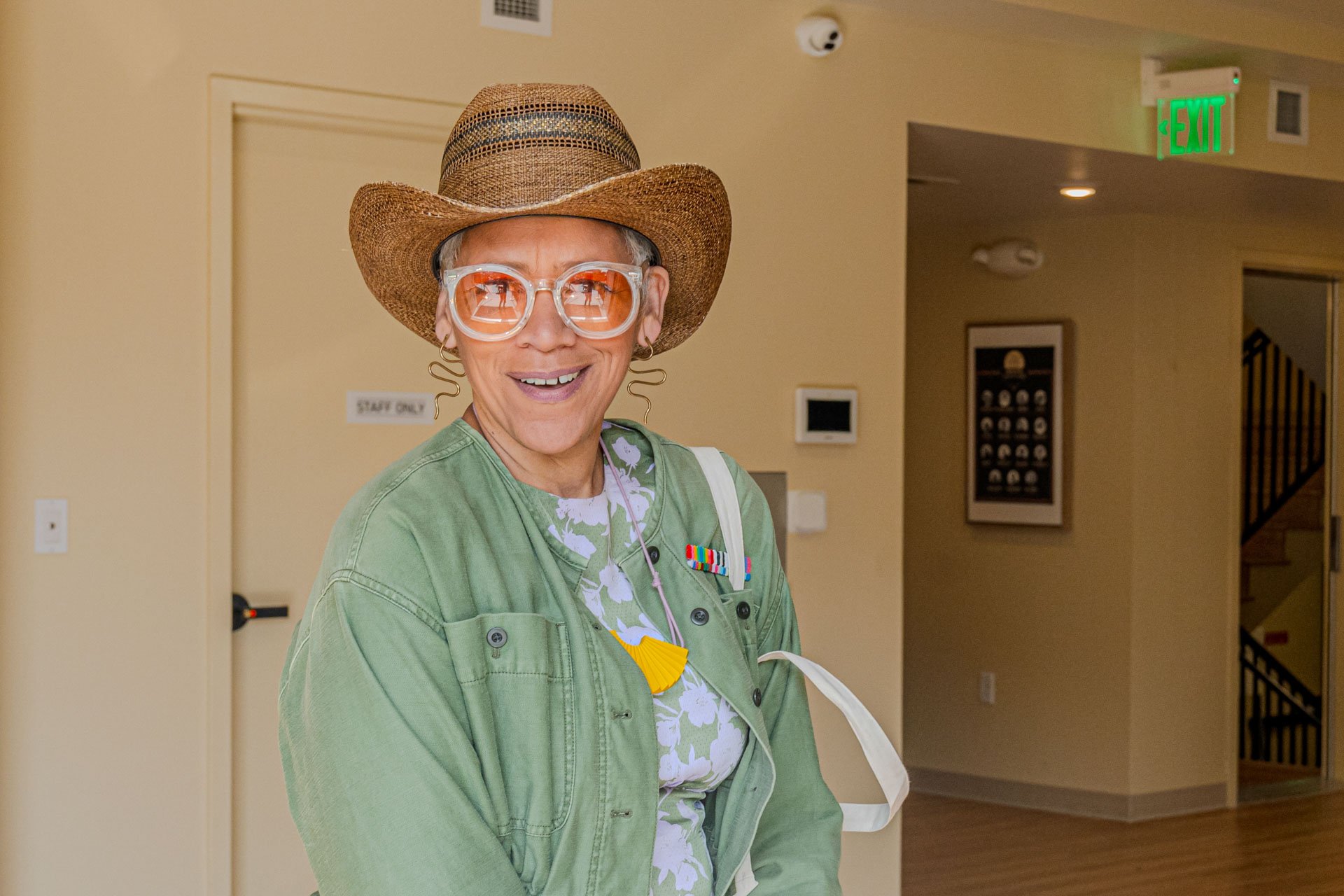
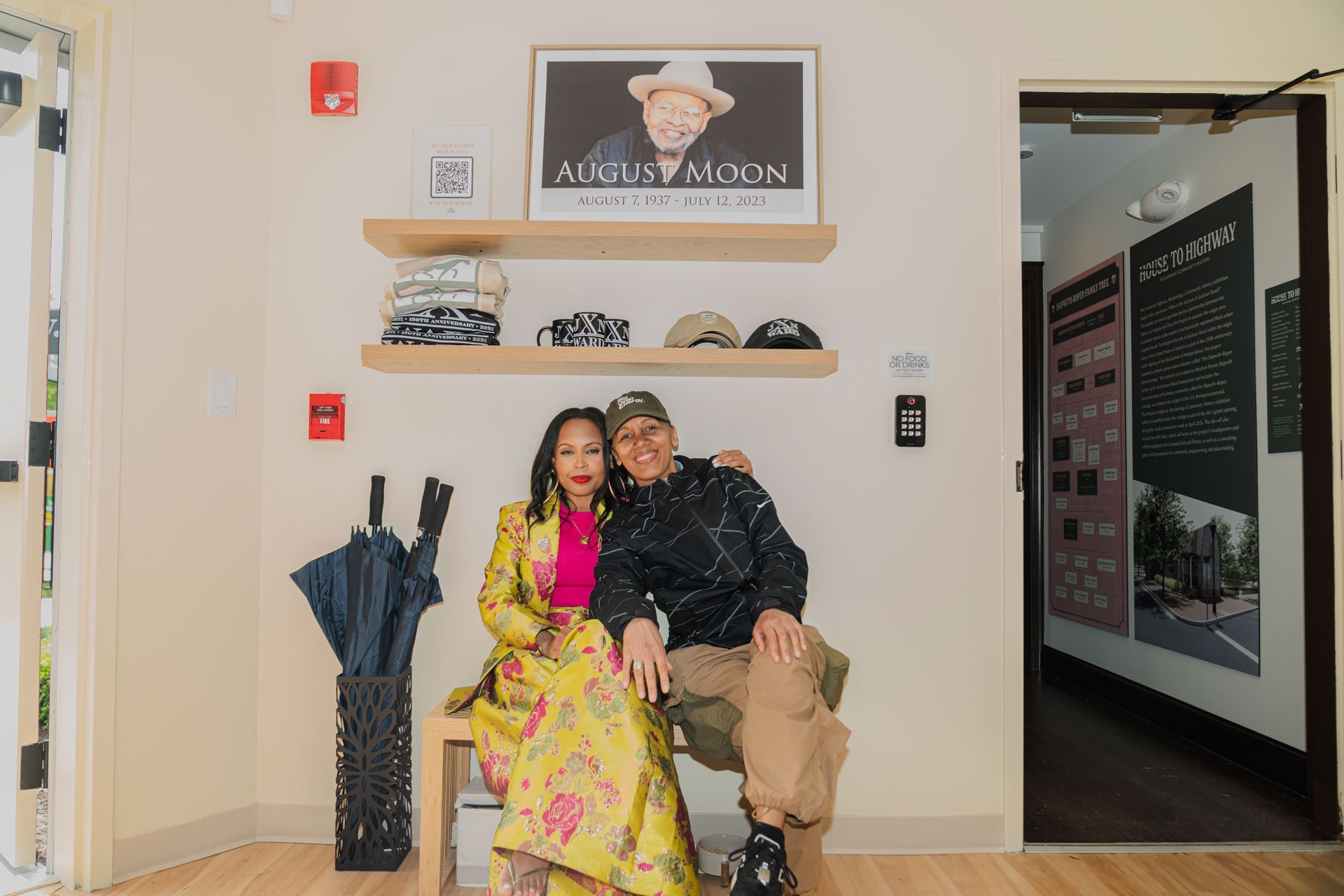
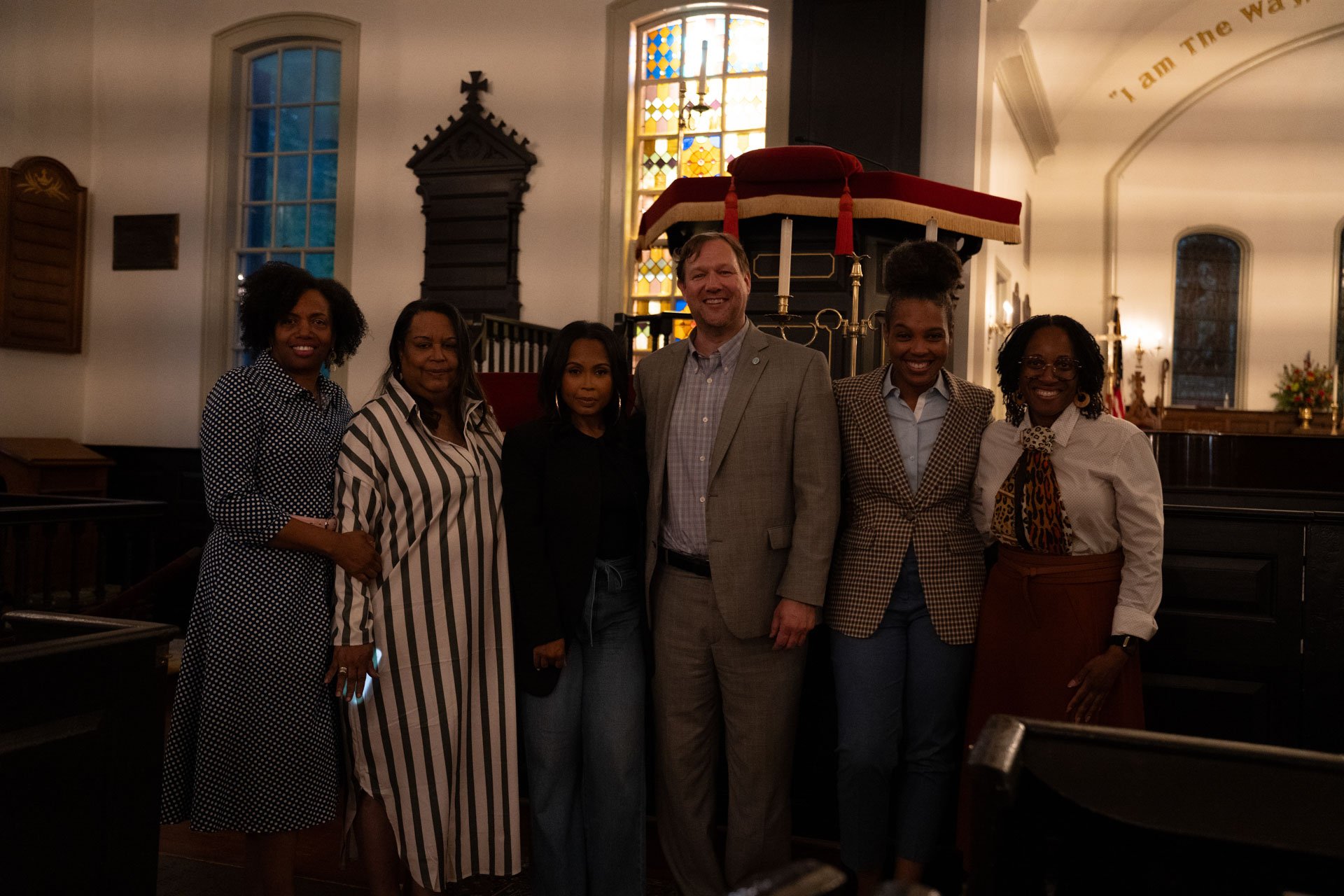
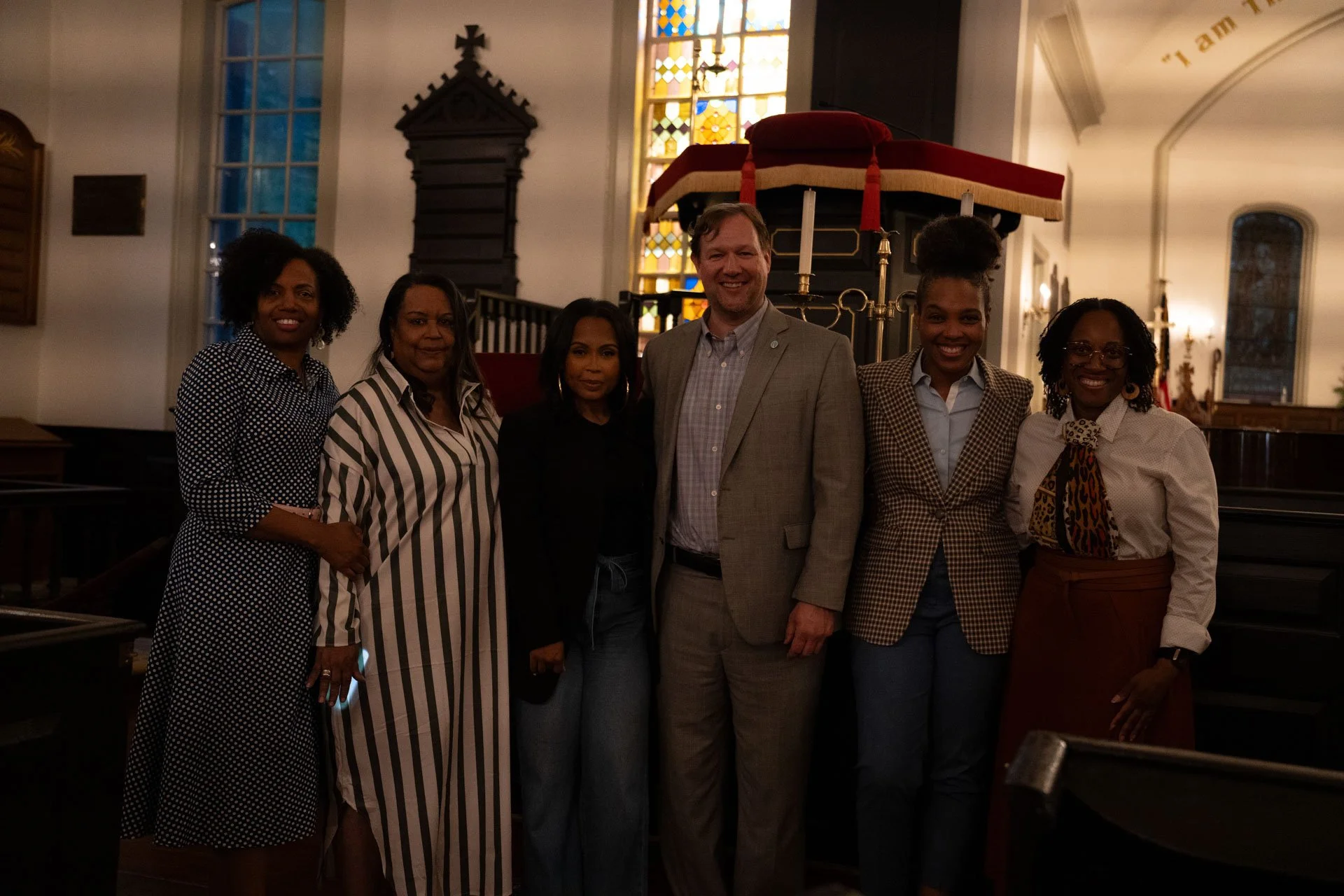
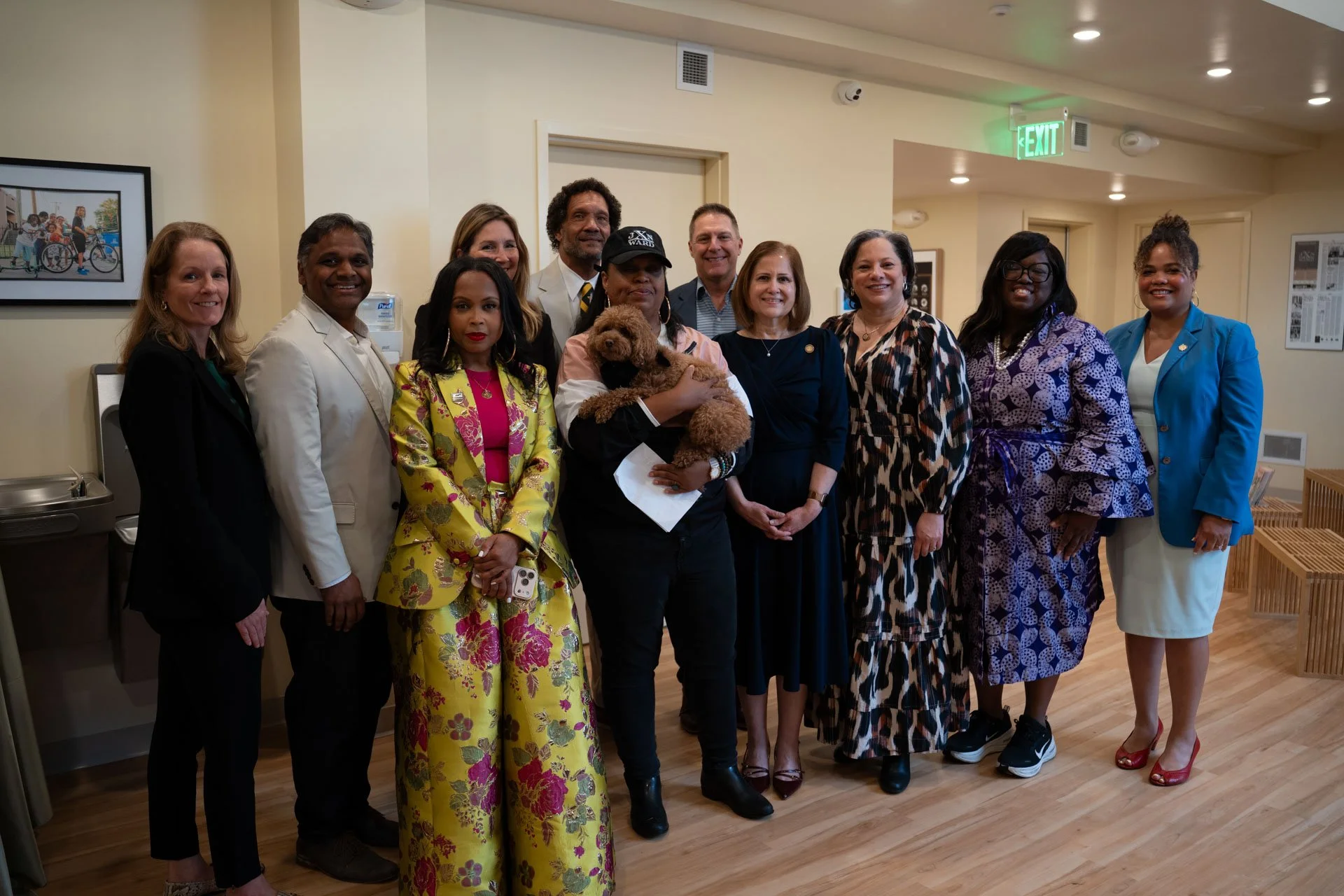
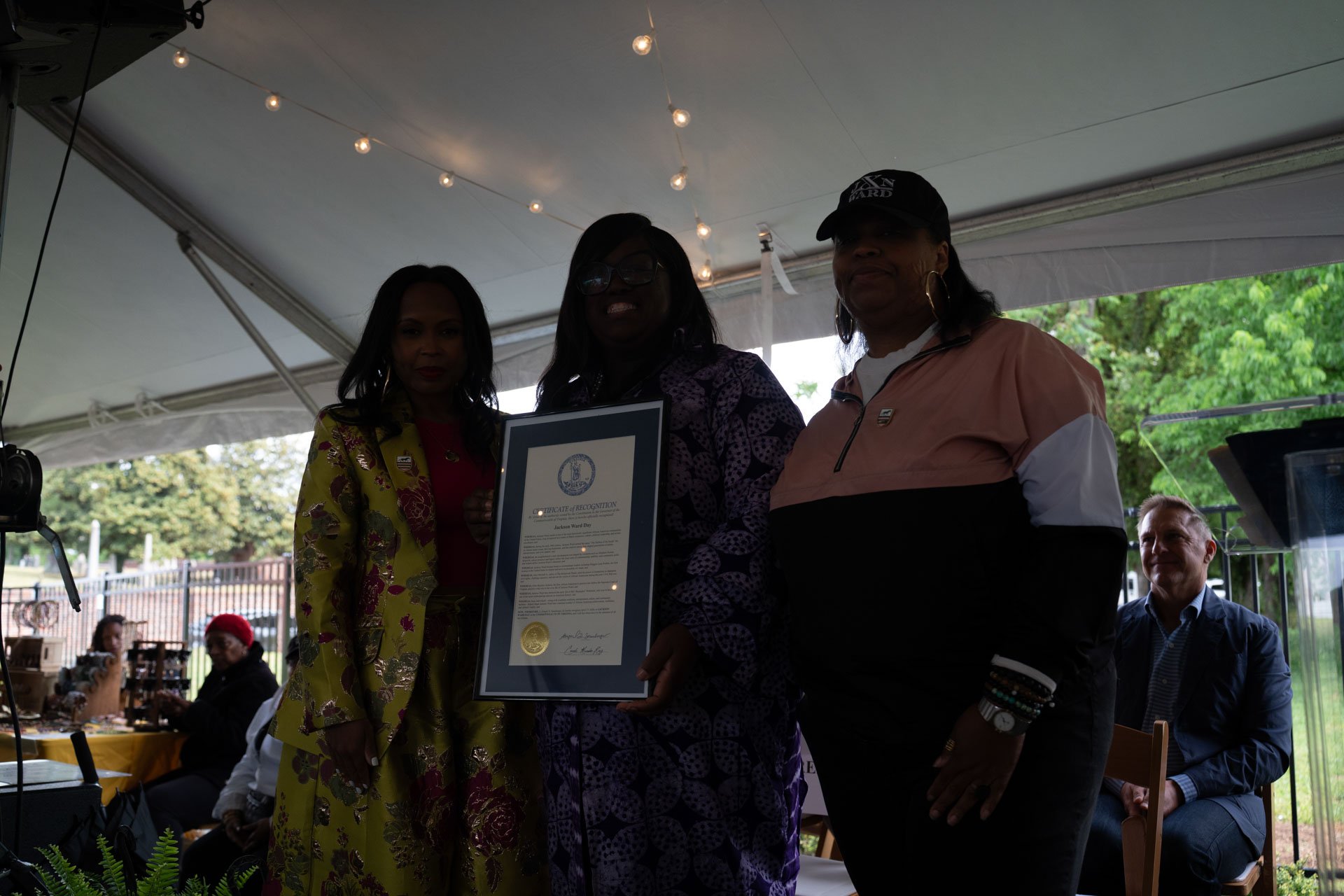
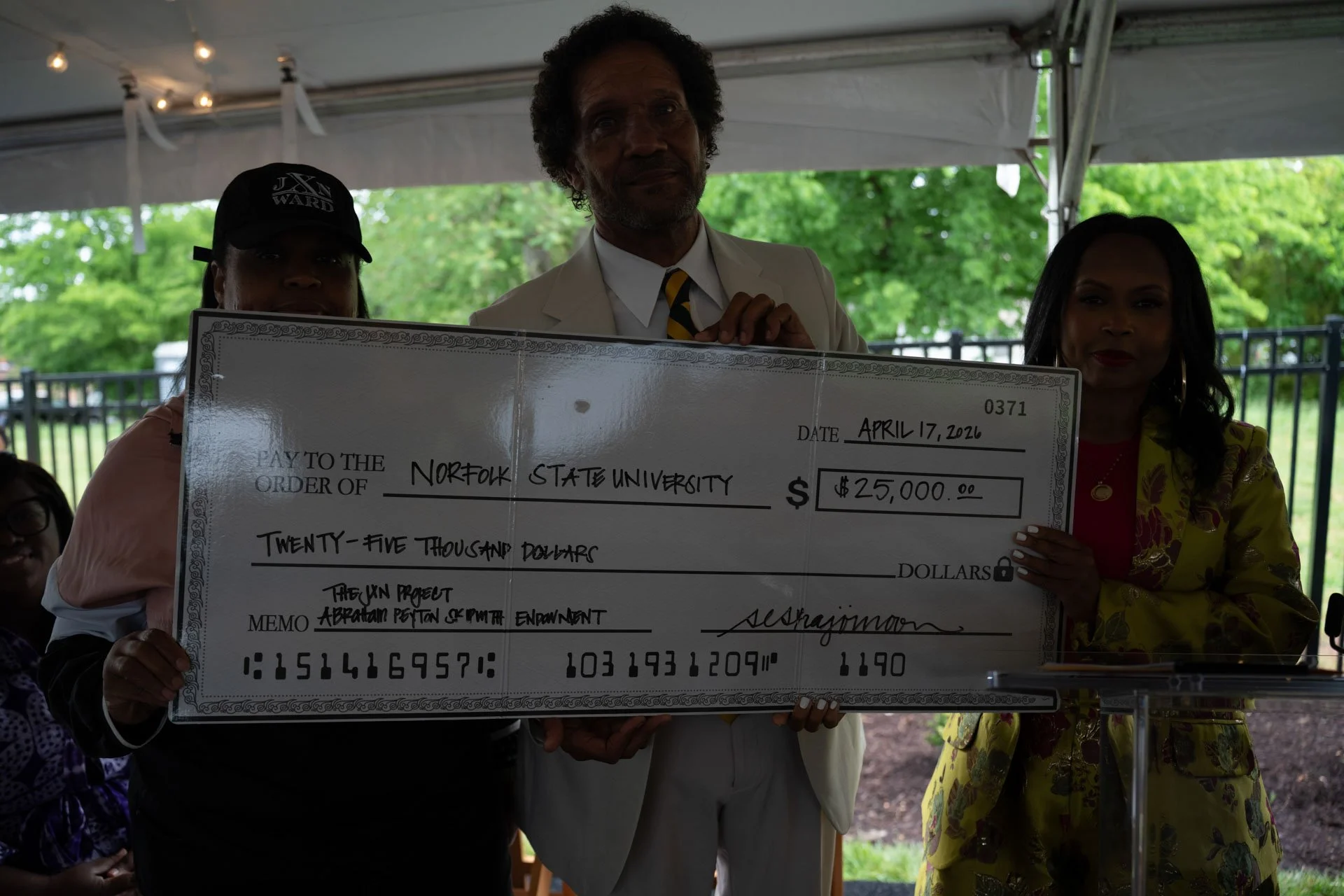
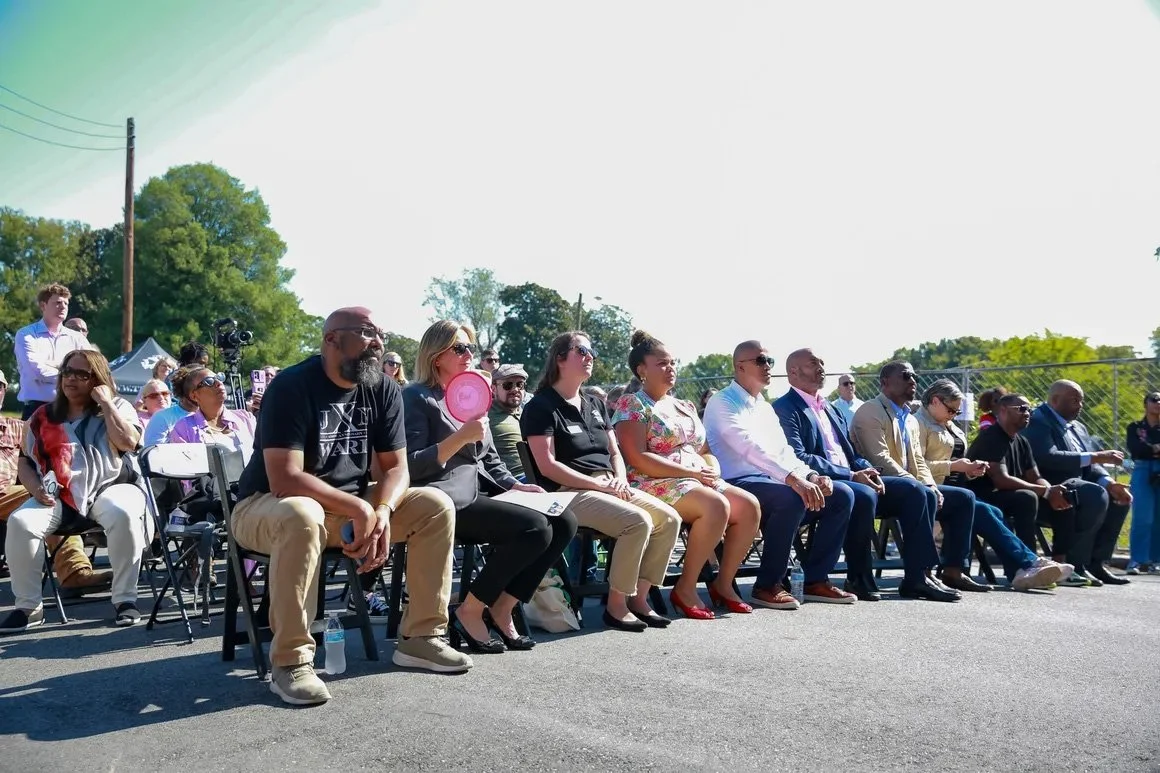
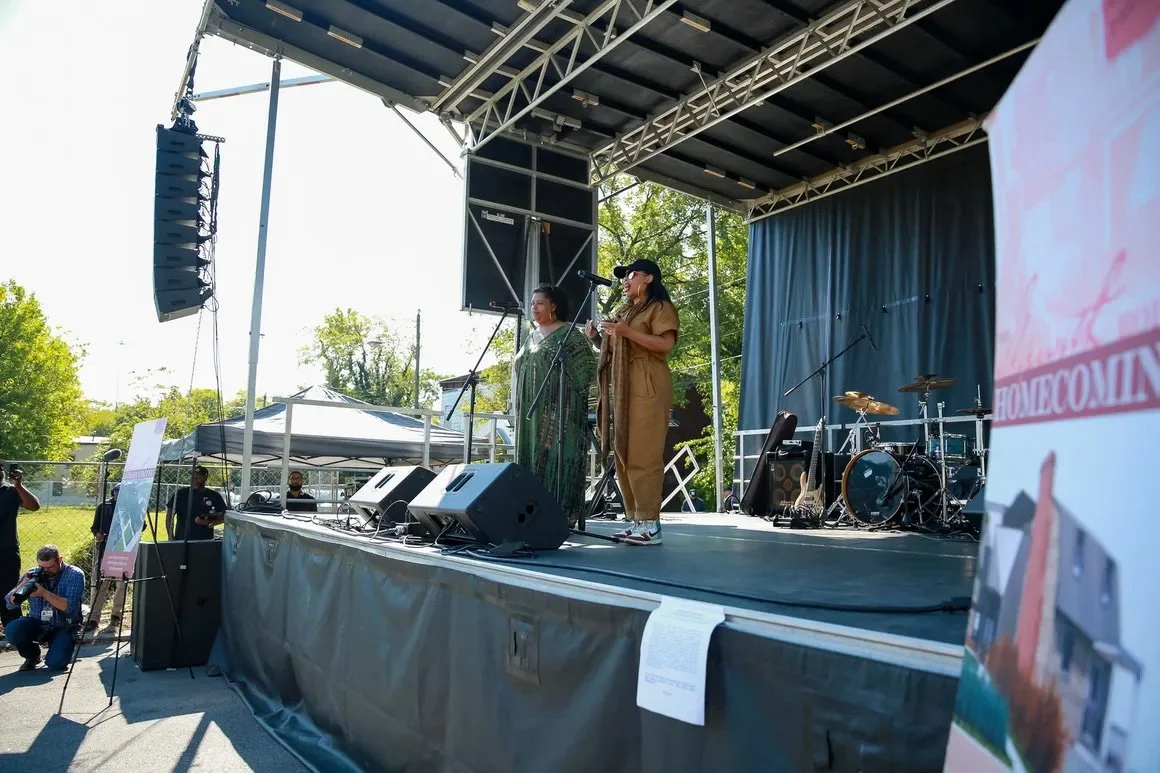
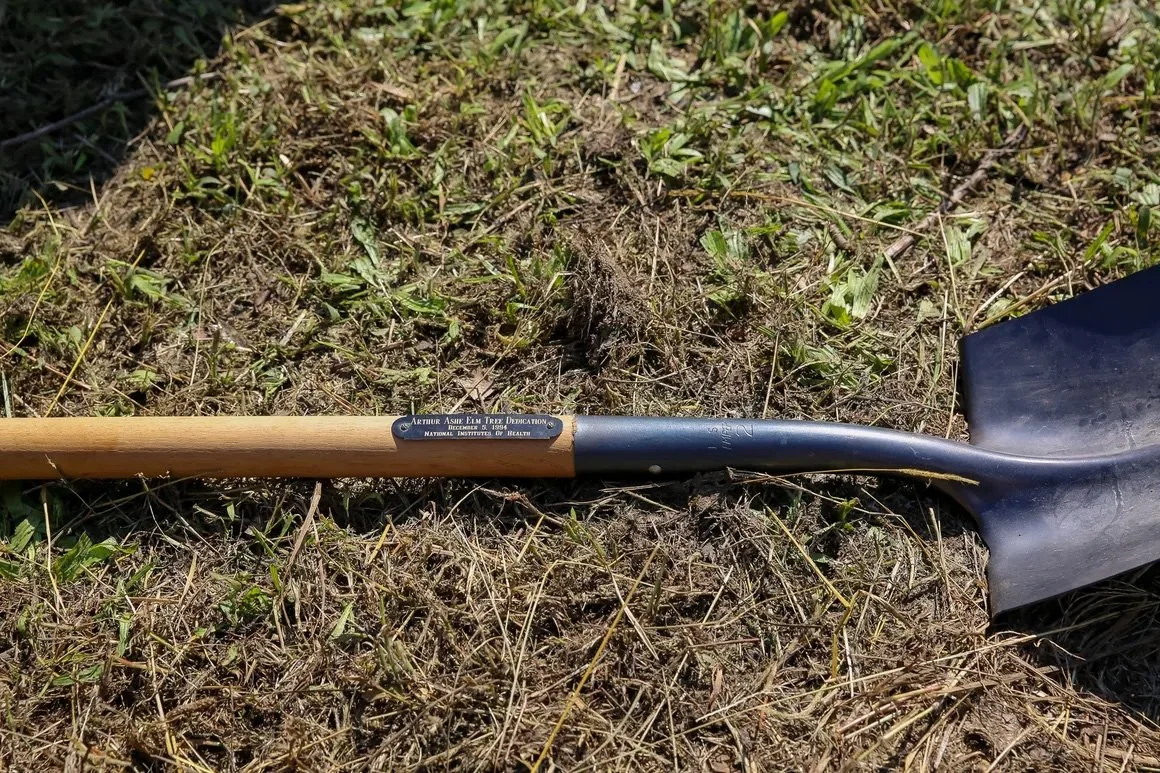
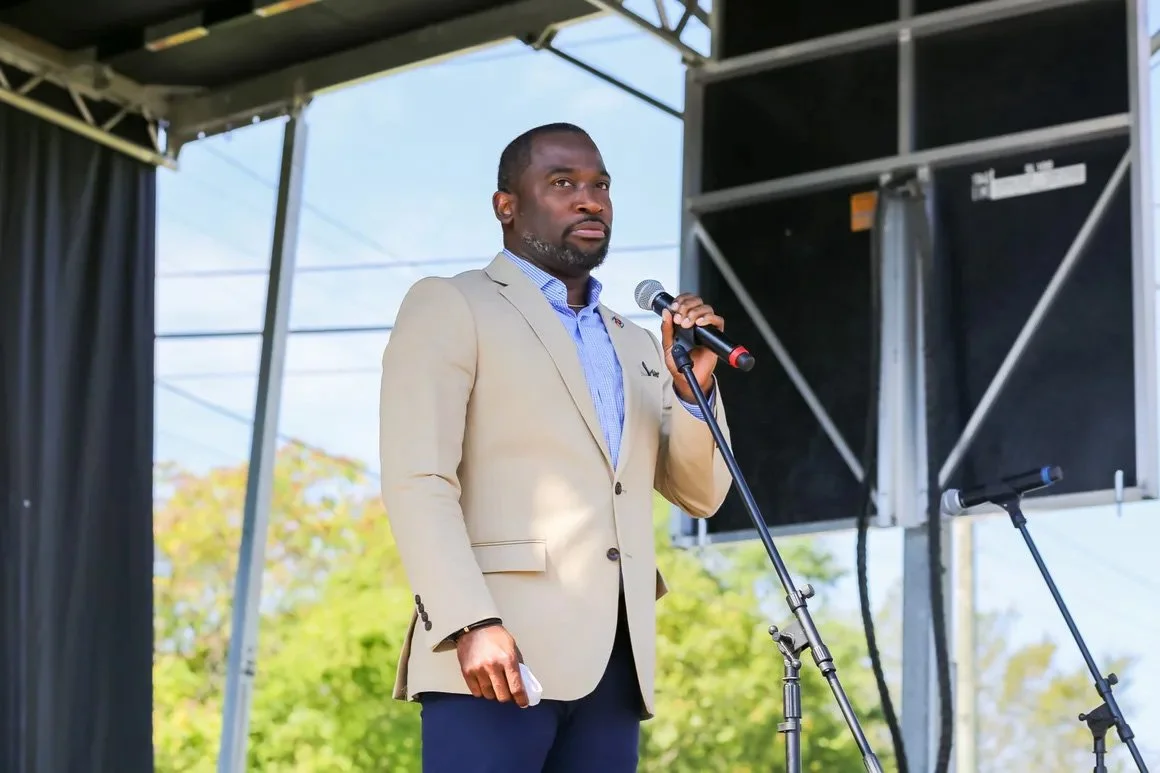
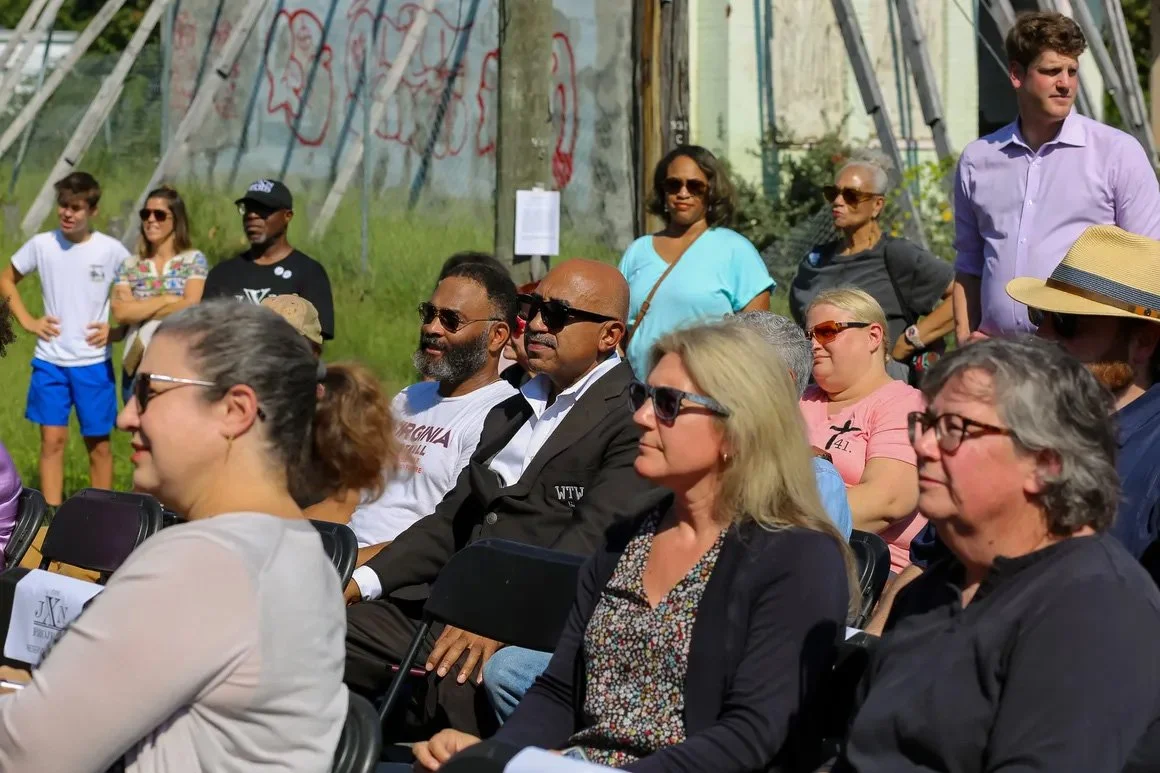
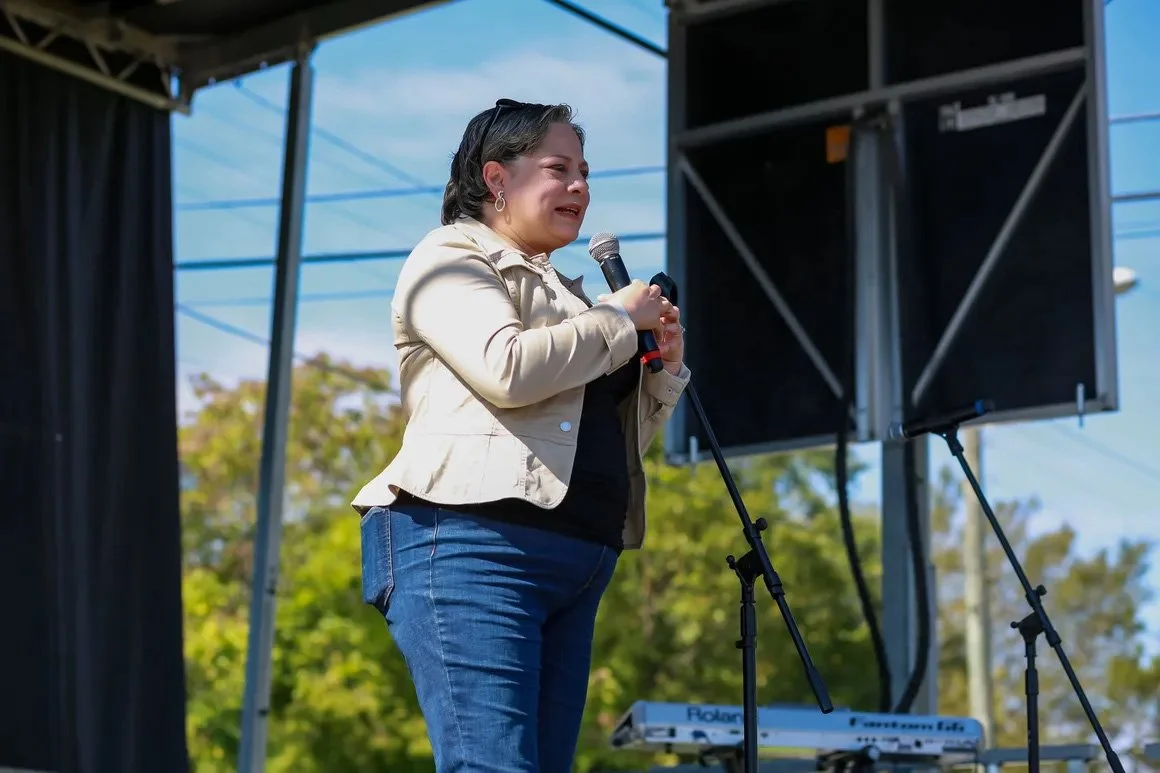
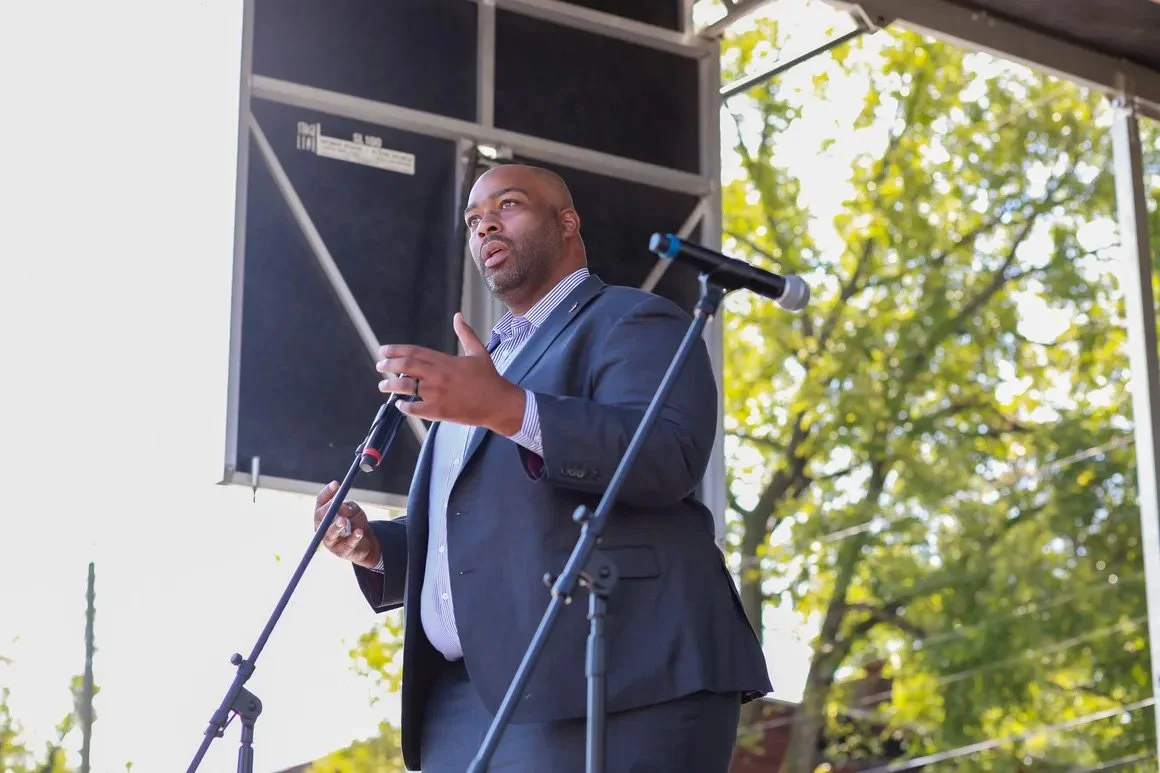
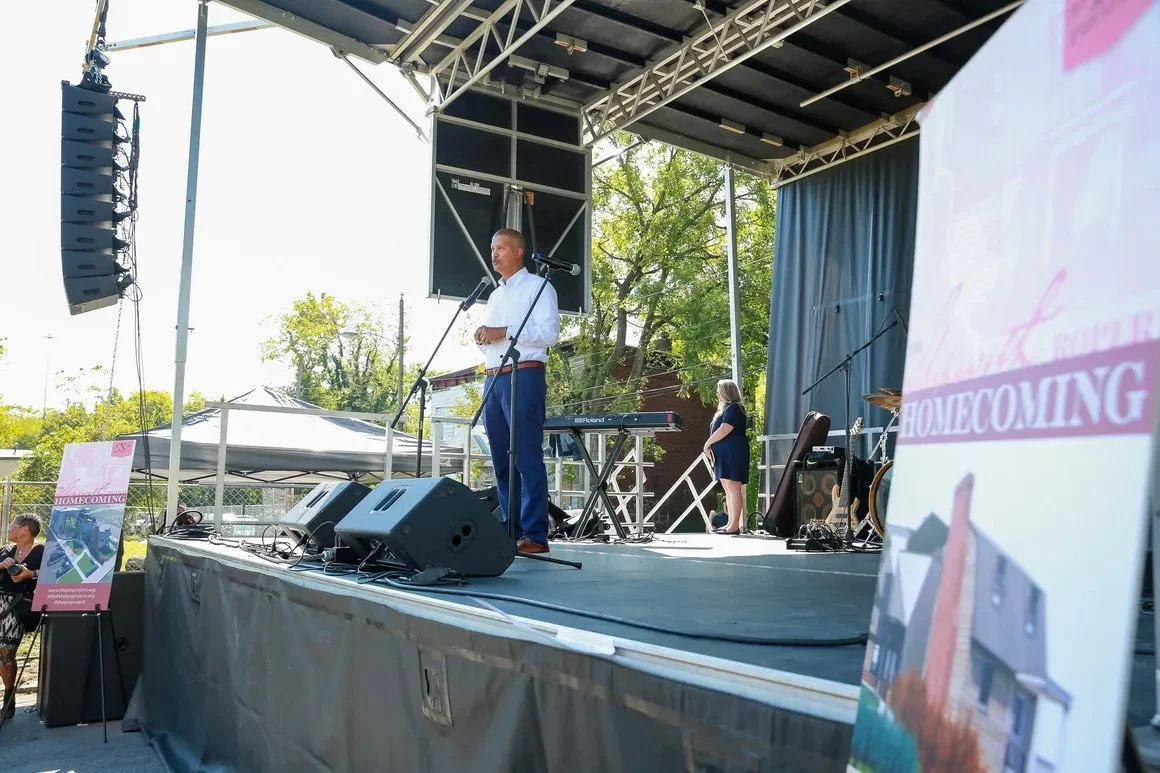
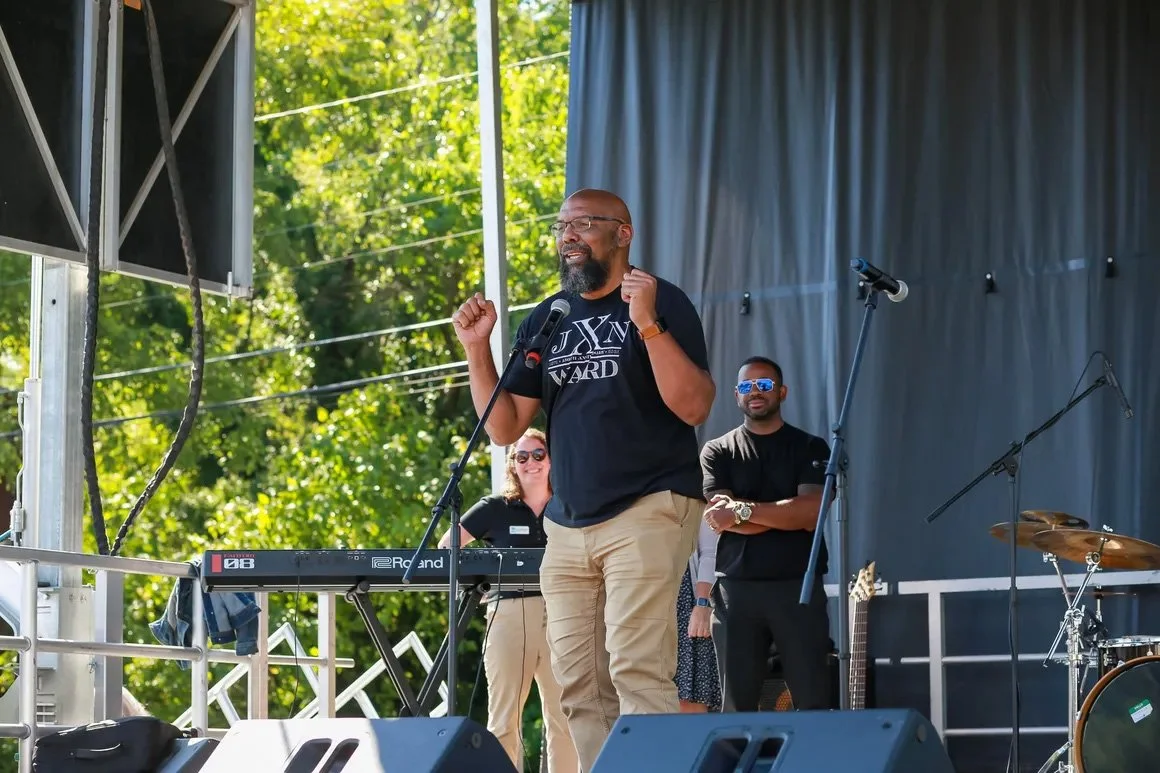
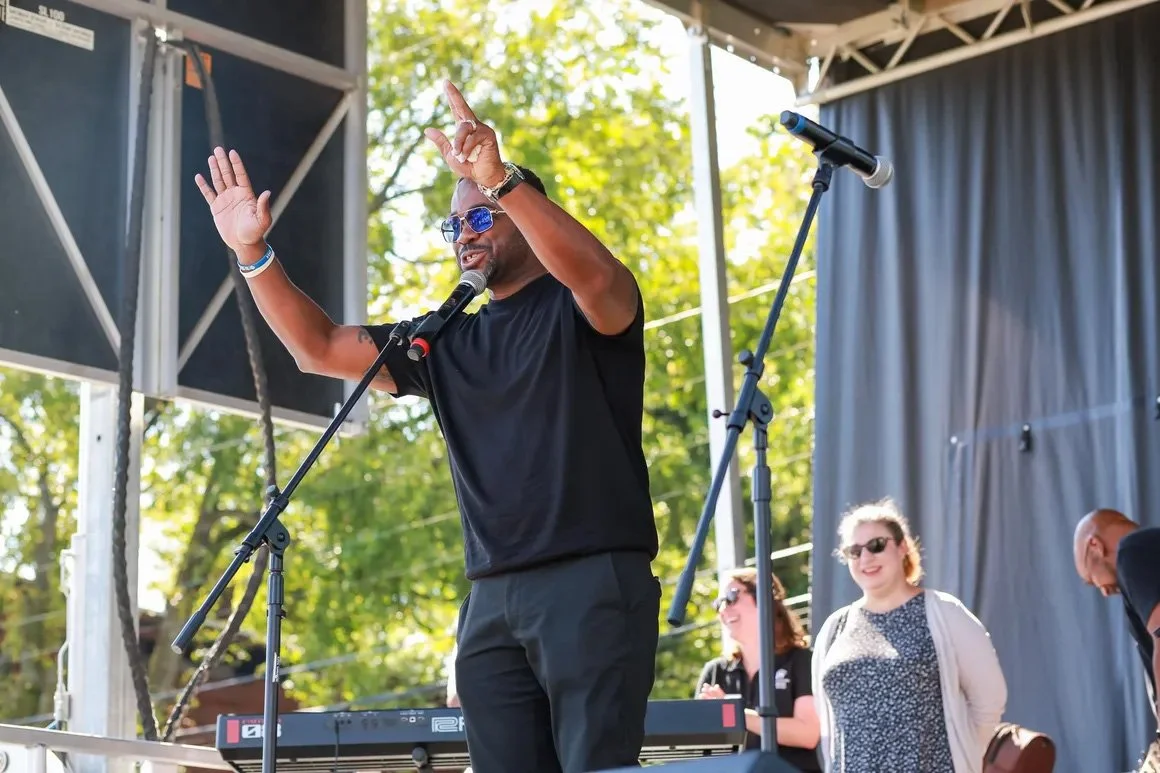
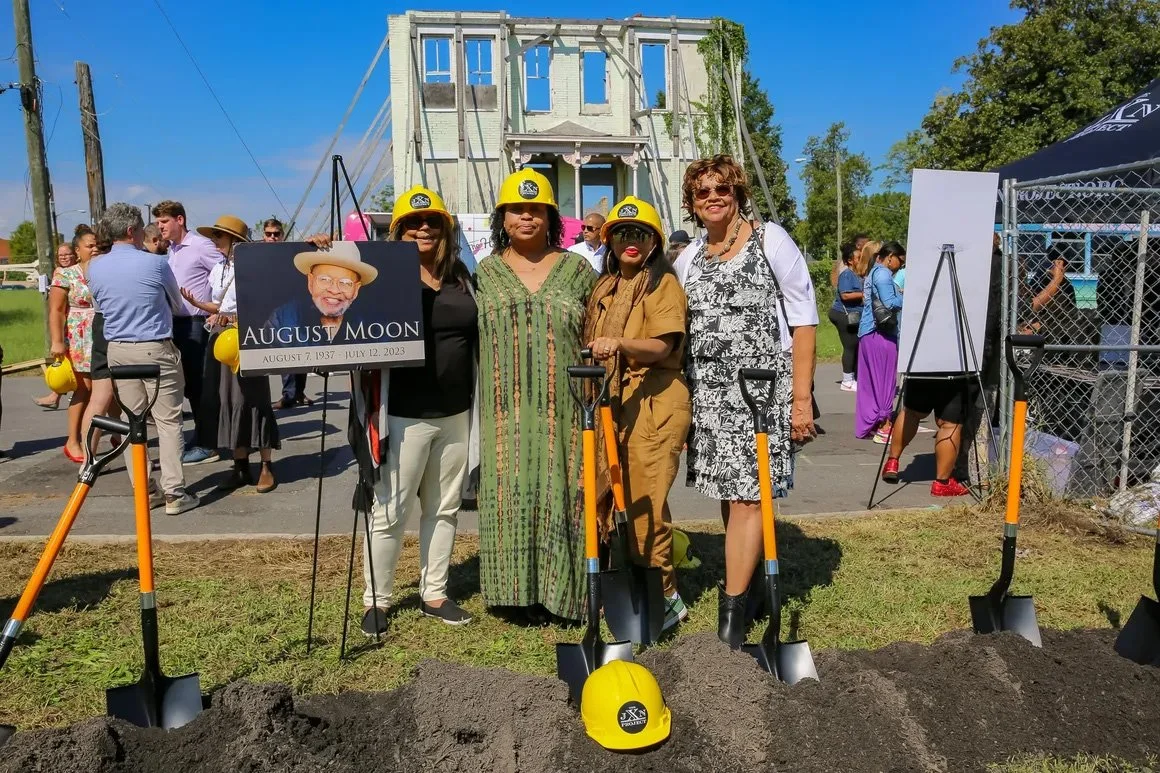
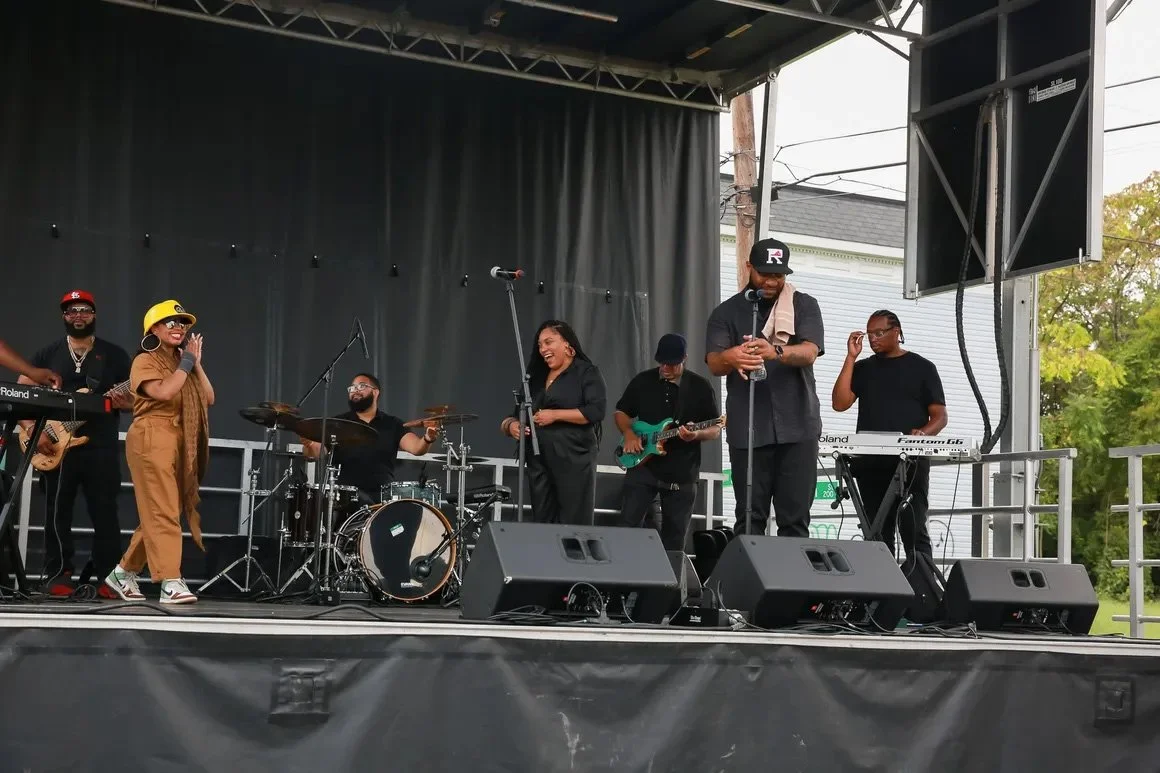
“The Skipwith-Roper Homecoming” celebrated the grand opening of The JXN Haus and Skipwith-Roper Cottage from April 17 to 19, 2026, which featured a transferred version of “House to Highway: Reclaiming a Community History” in partnership with the Library of Virginia. JXN began the homecoming weekend in partnership with Historic St. John’s Church to deliver a keynote address on “Declarations of Independence: The Story of a Black Founding Father” as part of the Walter W. Craigie Speaker Series at St. John’s Church — the church where Patrick Henry famously declared, “Give me liberty or give me death”.
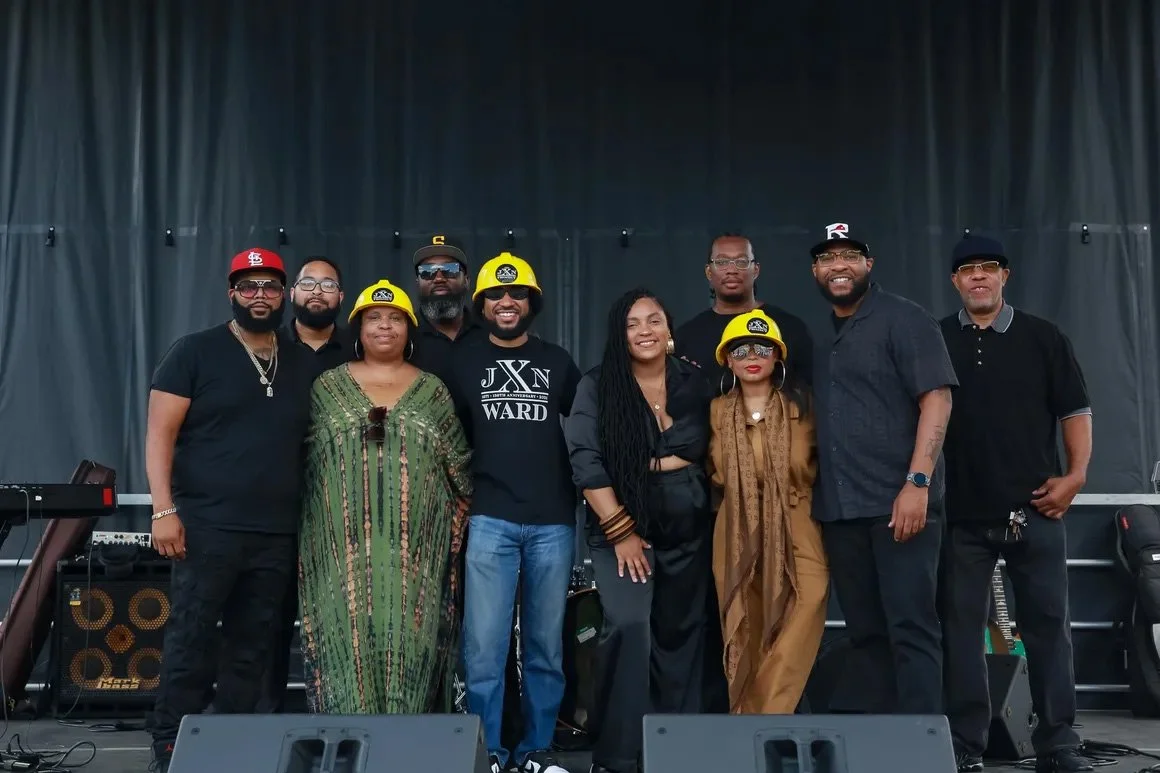
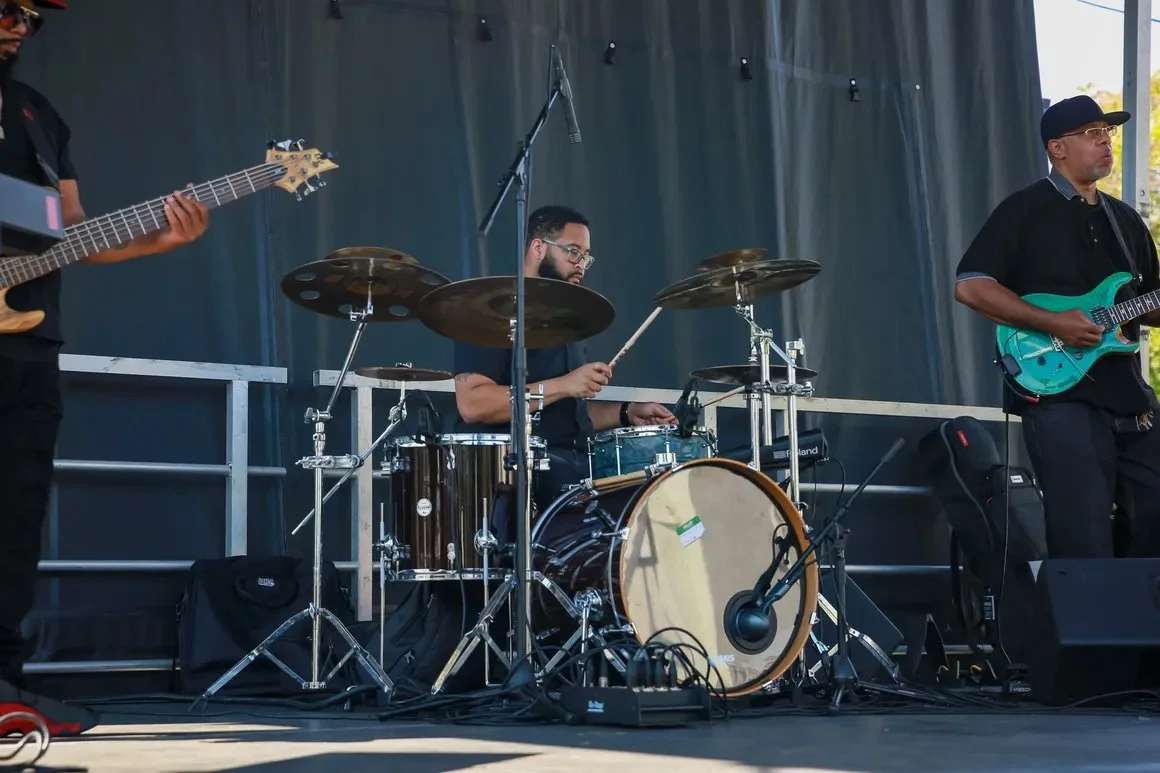
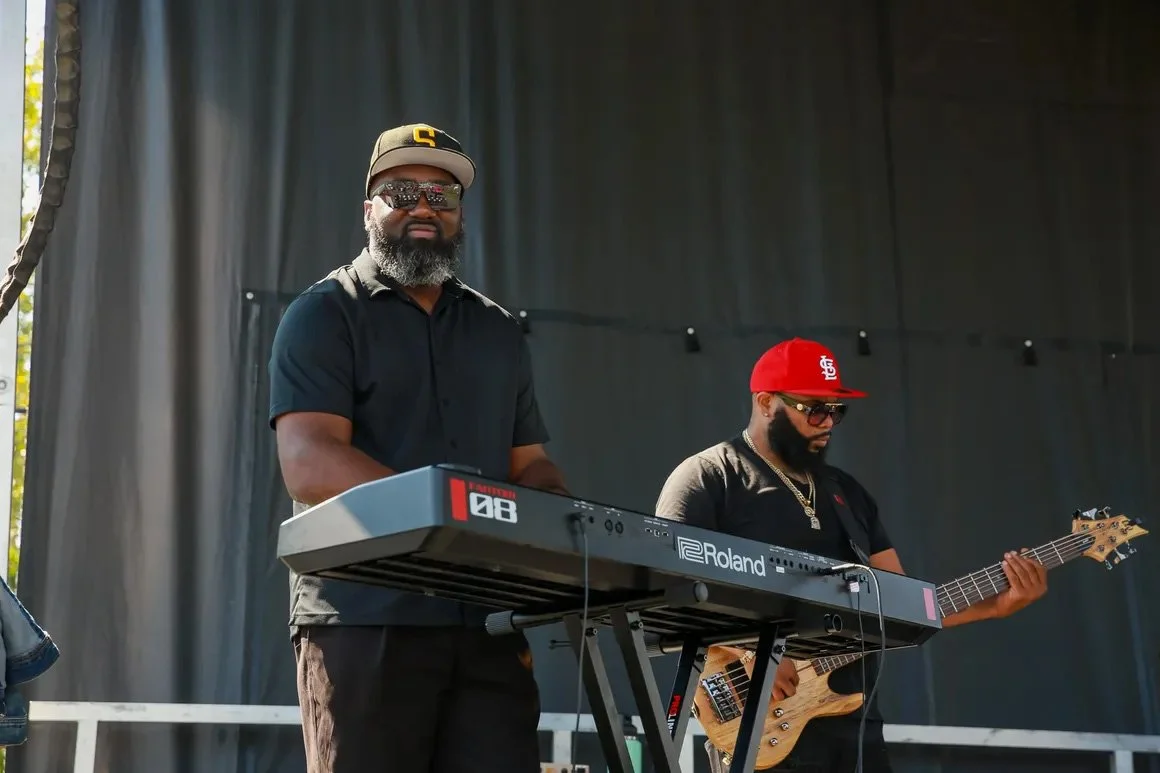
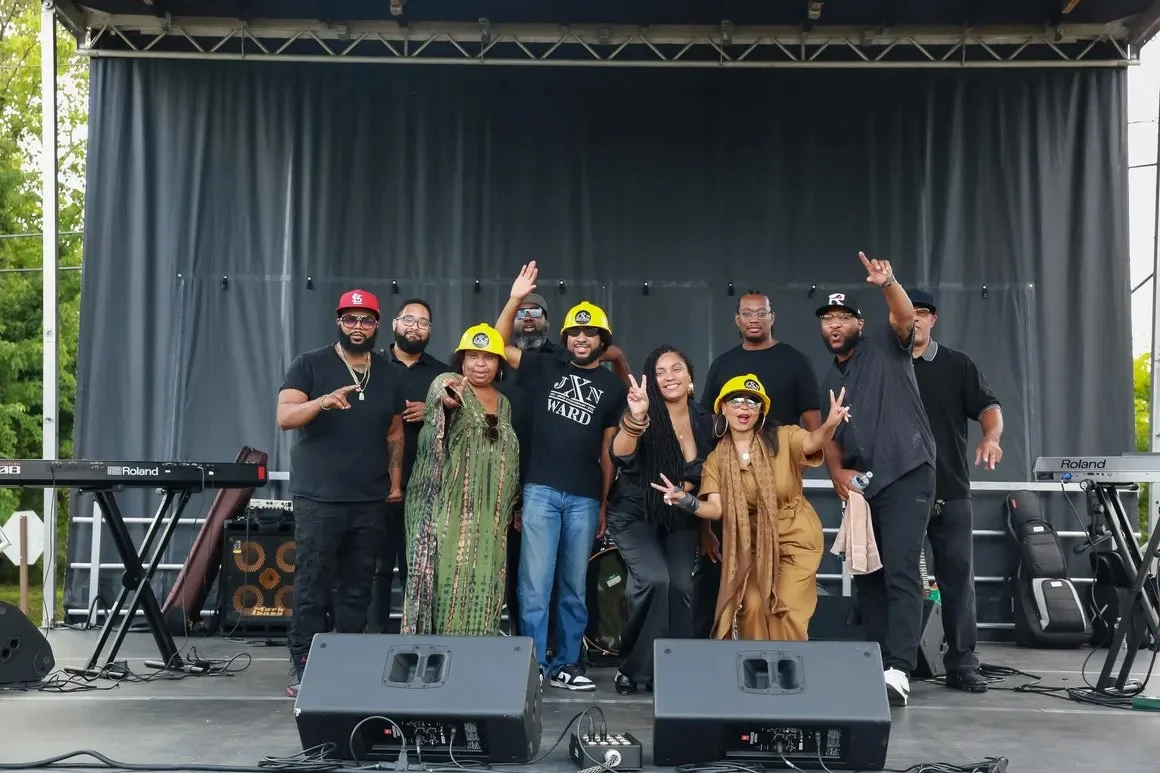
JXN also partnered with Monticello and the Black History Museum and Cultural Center of Virginia with sounds by the Sam Reed Band and Dr. Naima Burrs Orchestra to host “Feast of Reason: An Ode to Black Culinary Arts” in tribute to the colonial culinary contributions of the Hemings Family — whose descendants resided in Jackson Ward.
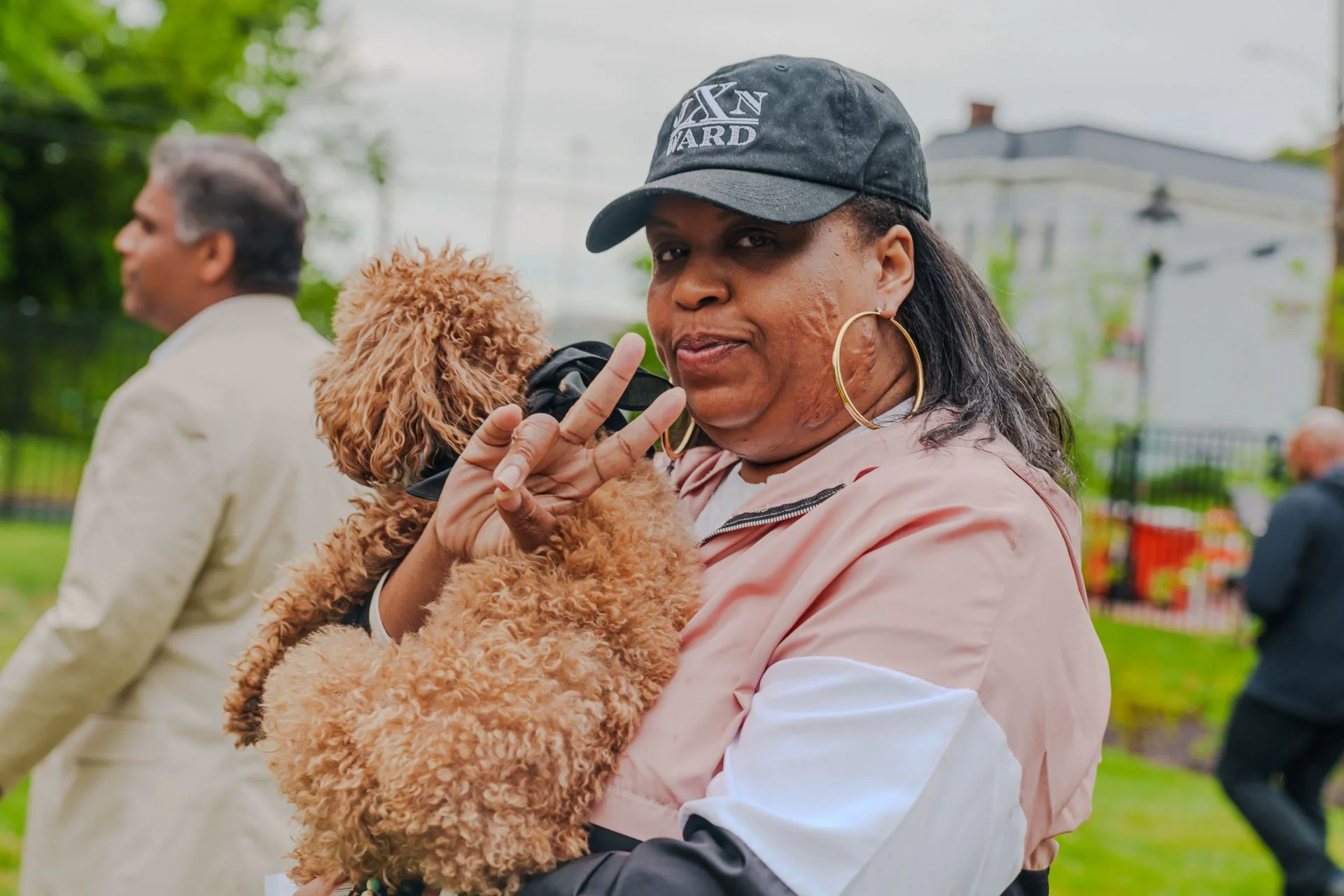
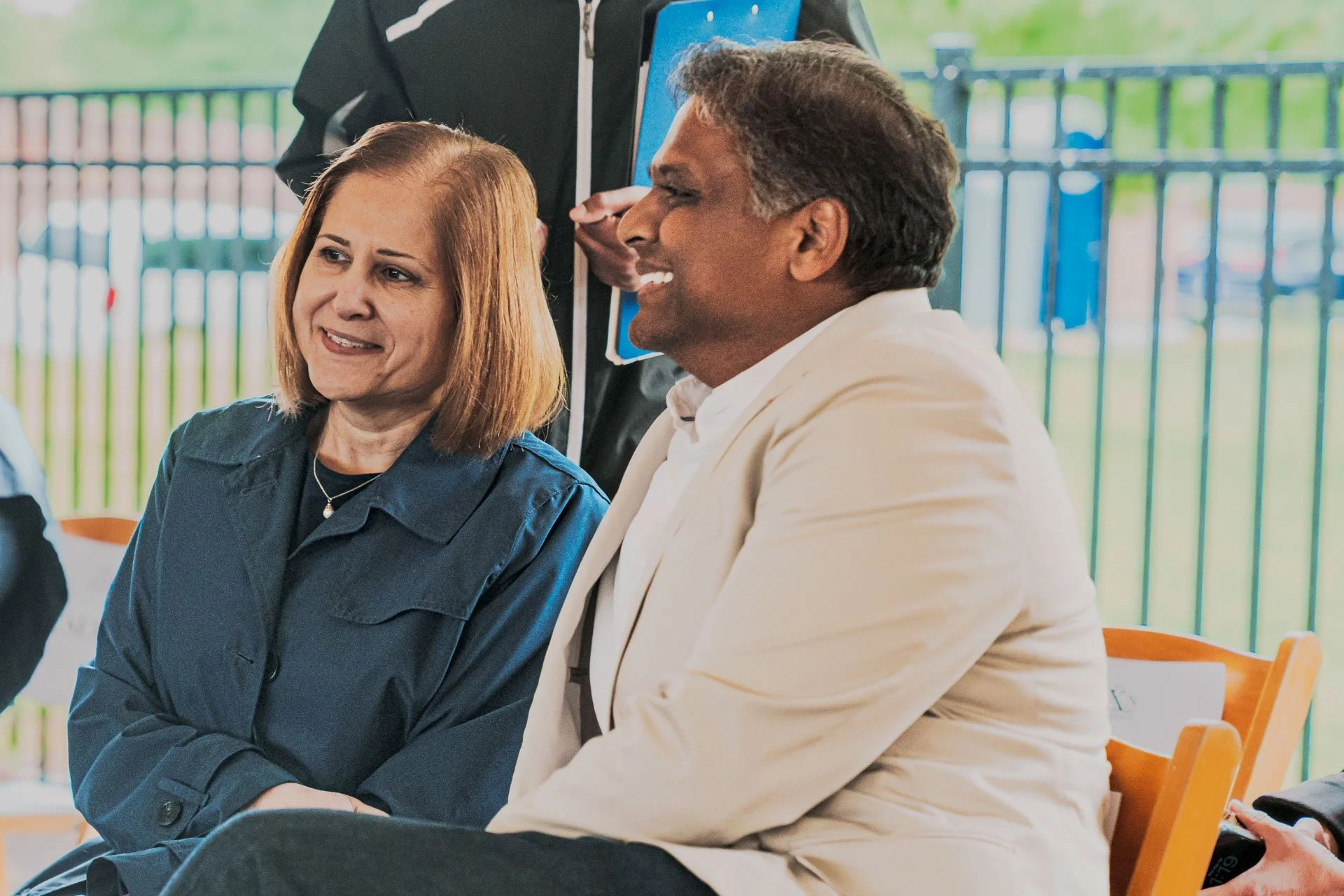
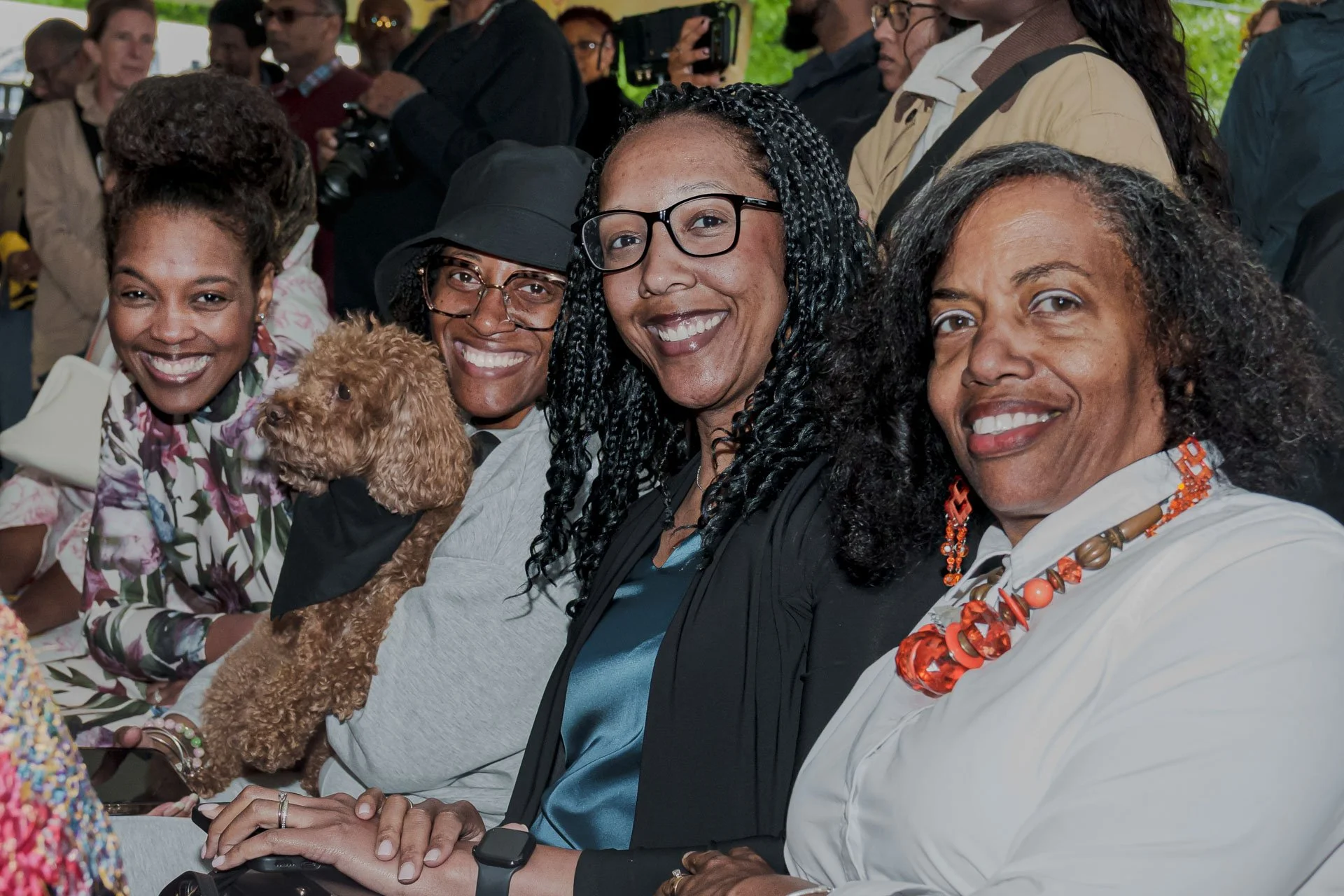
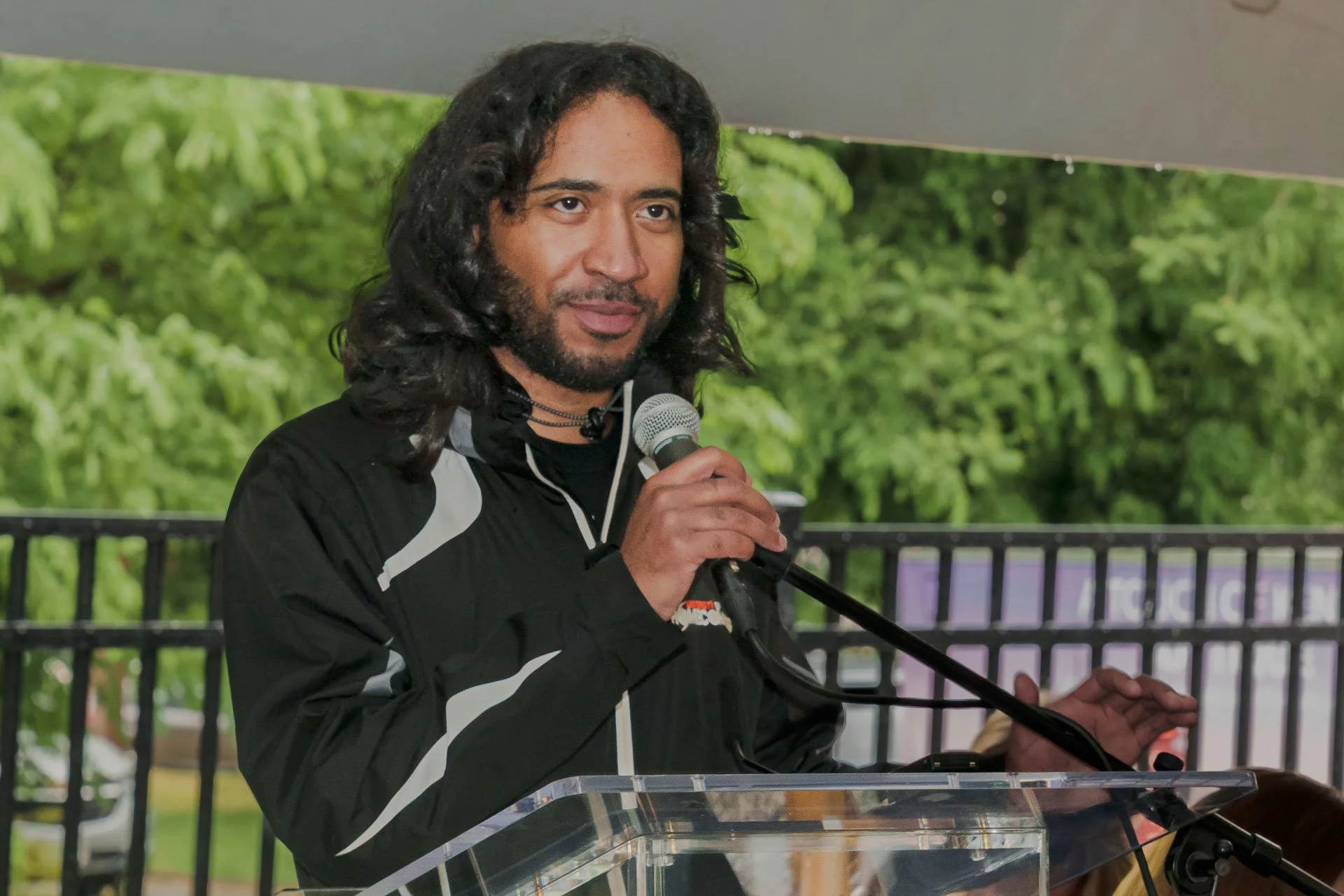
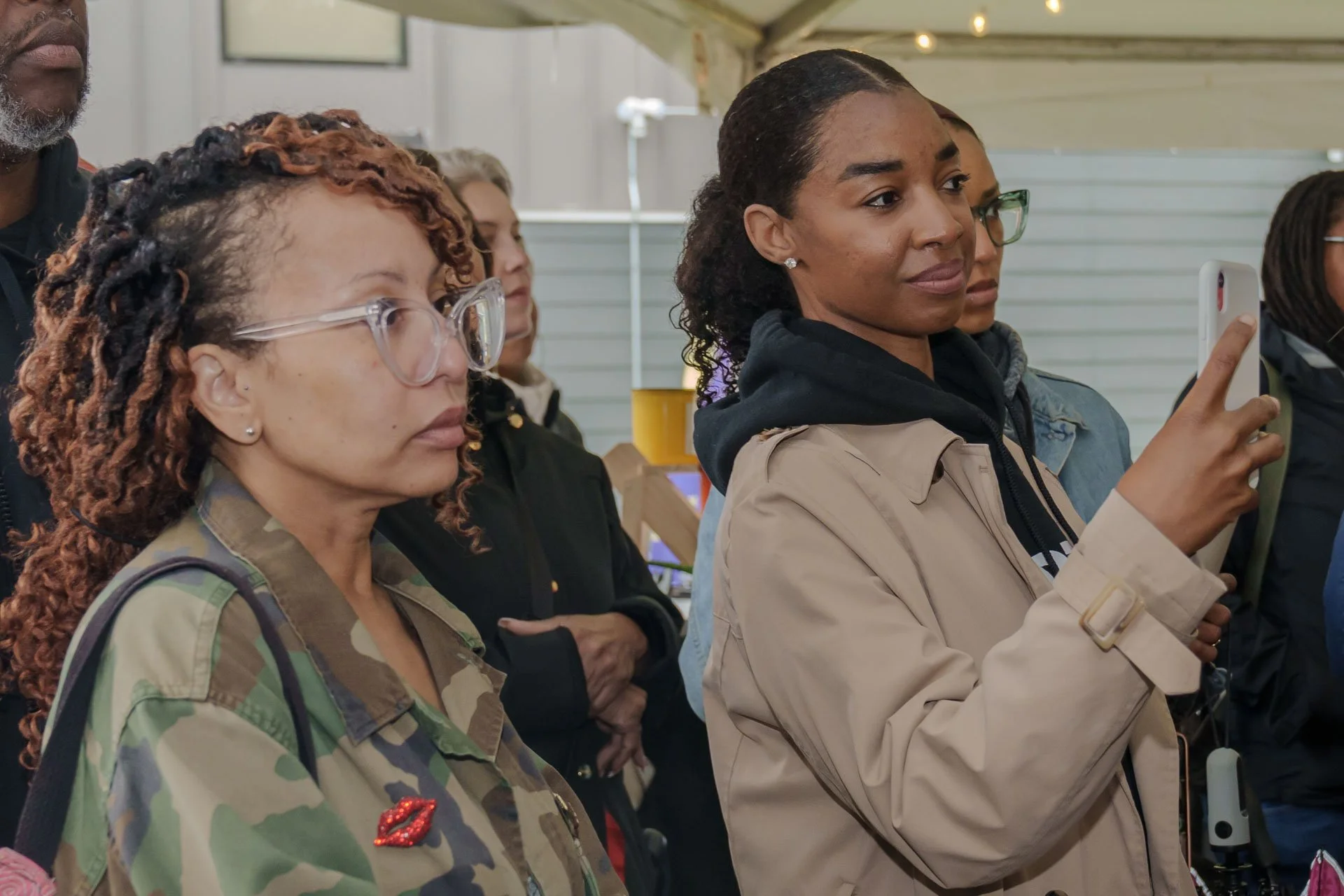
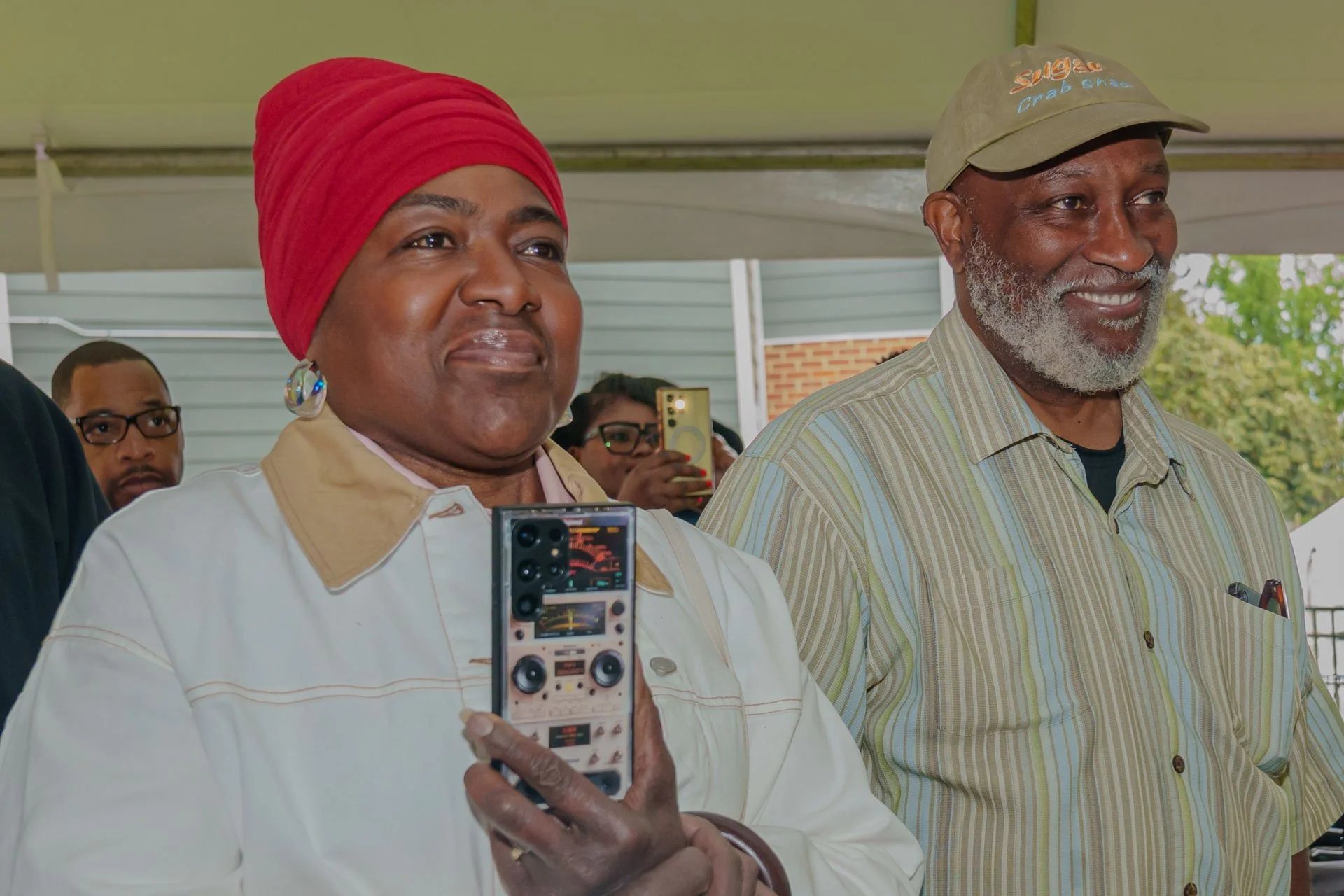
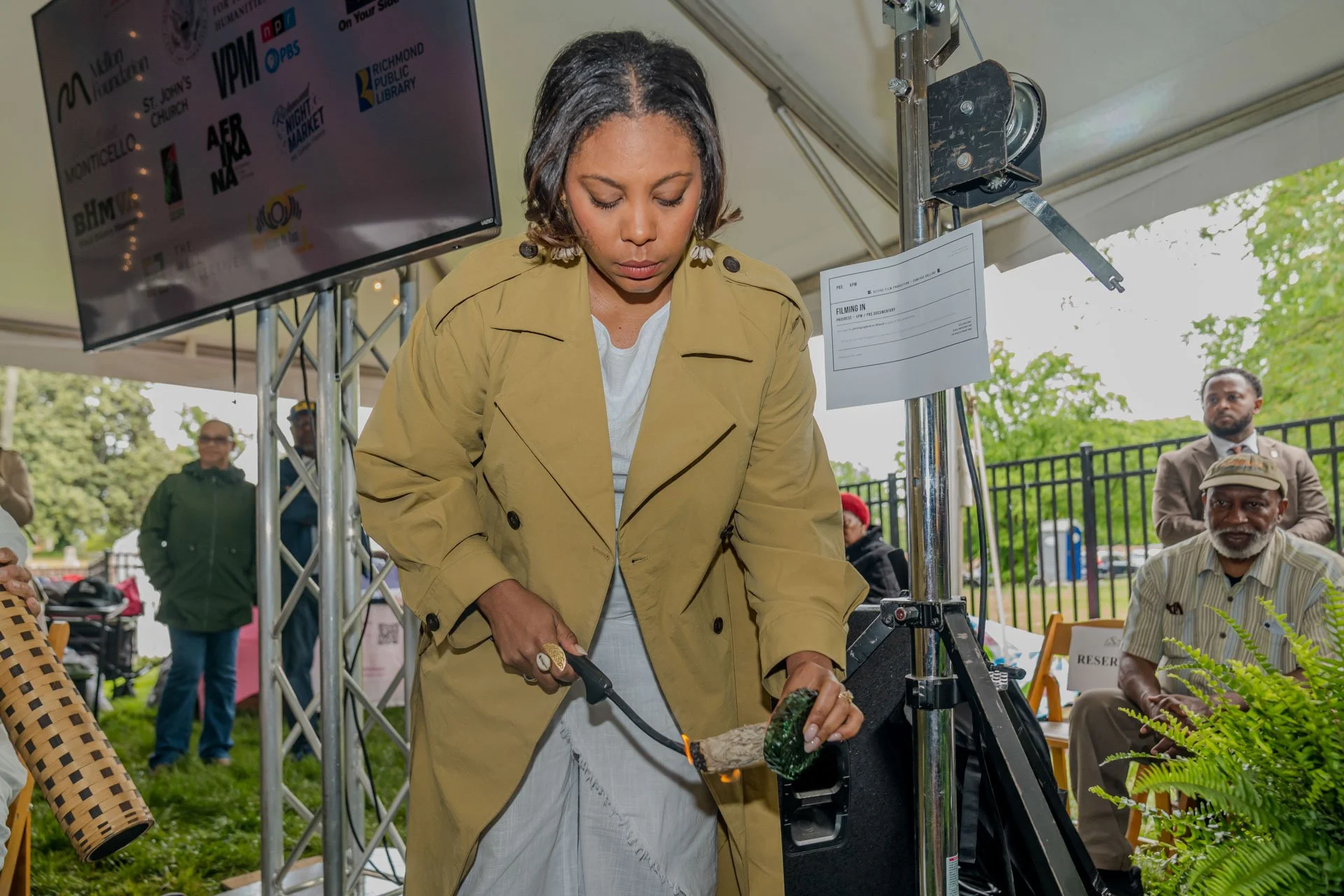
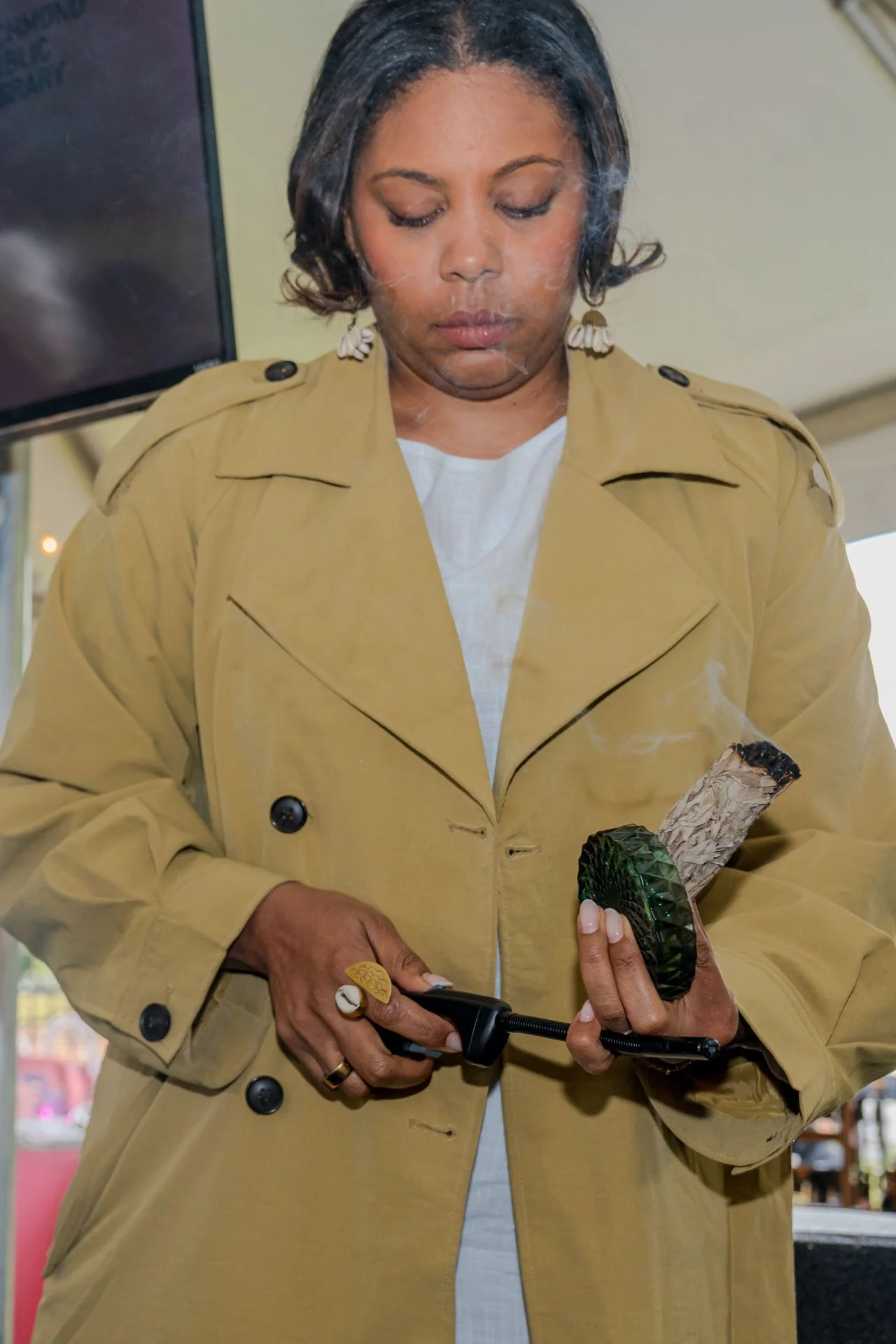
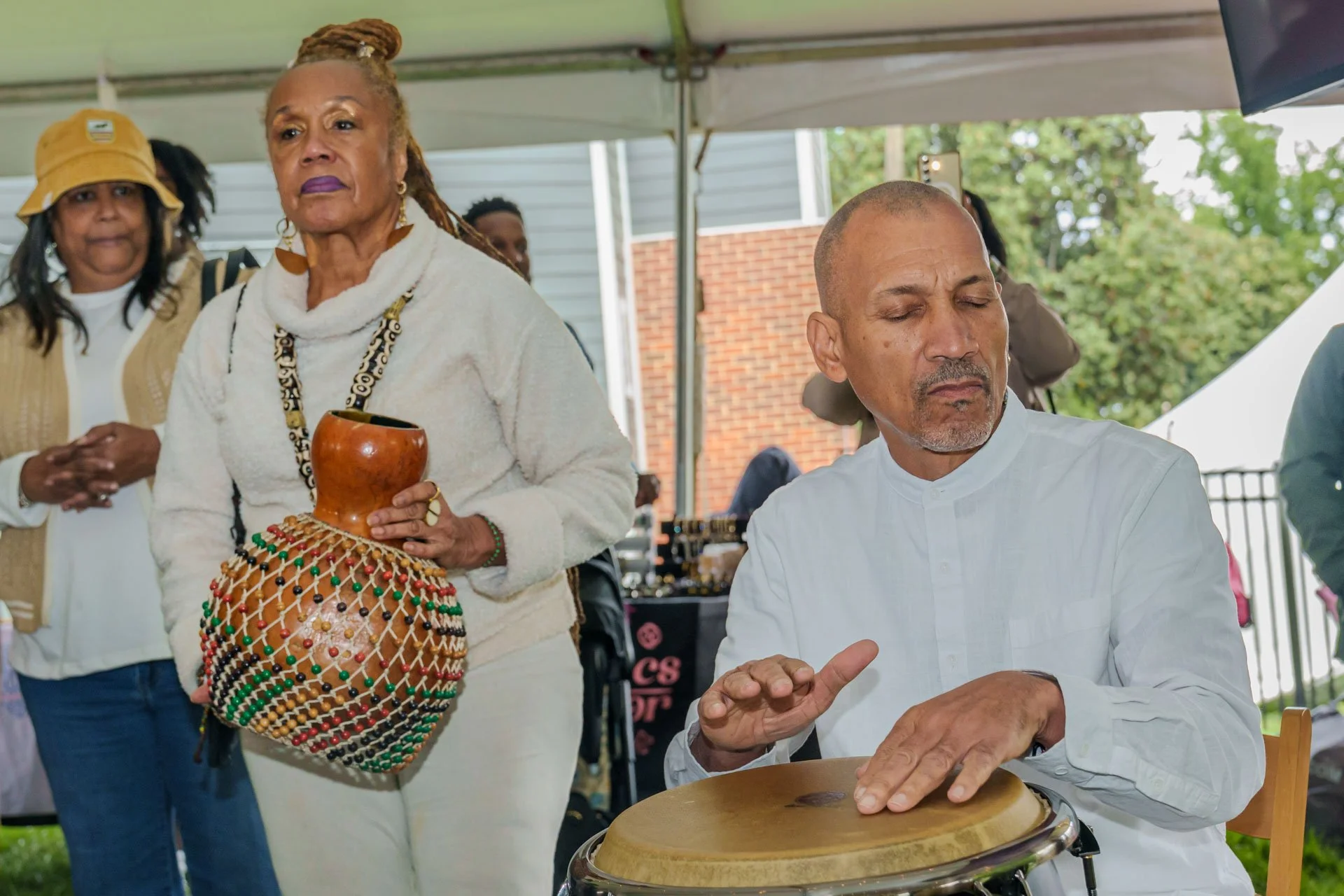
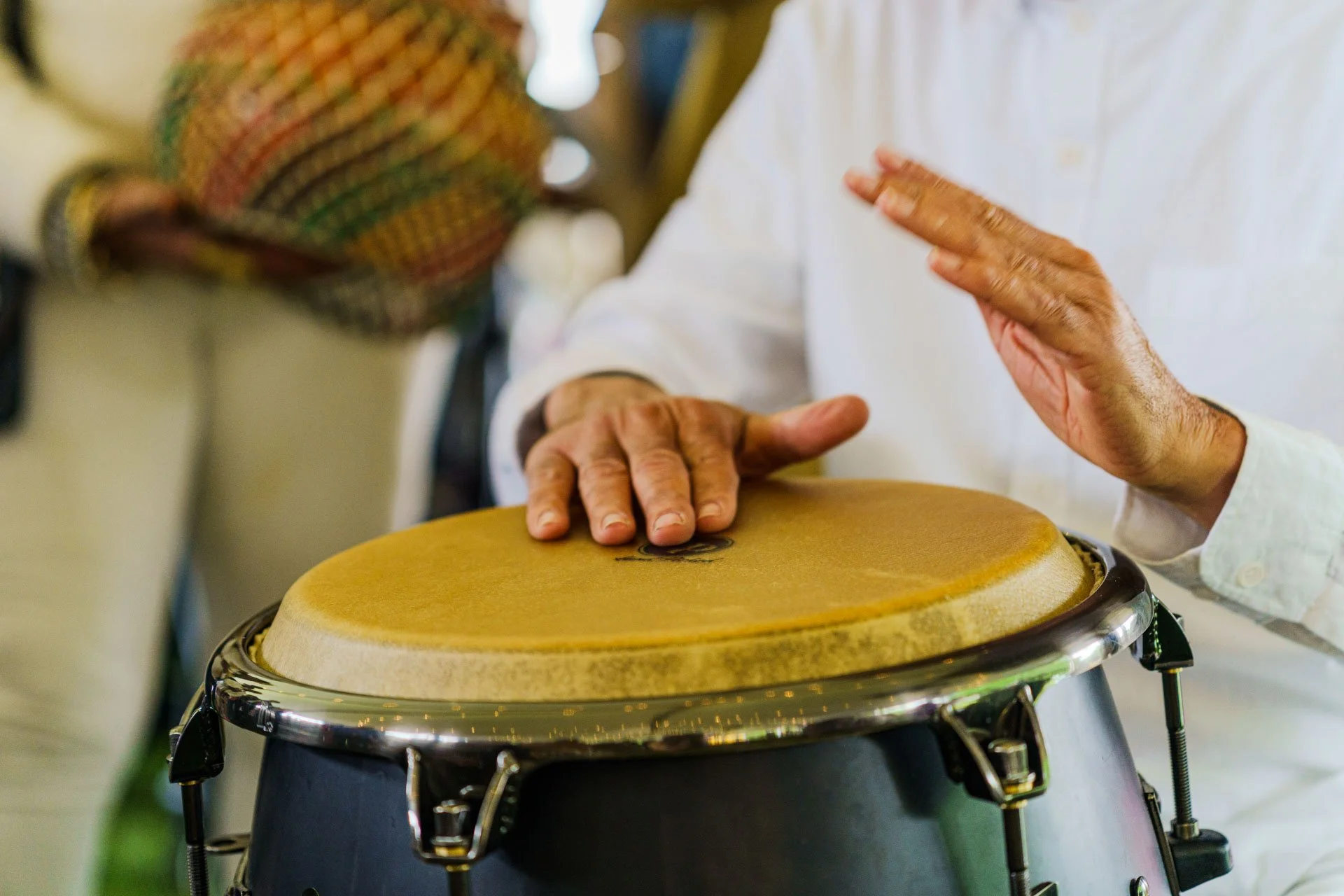
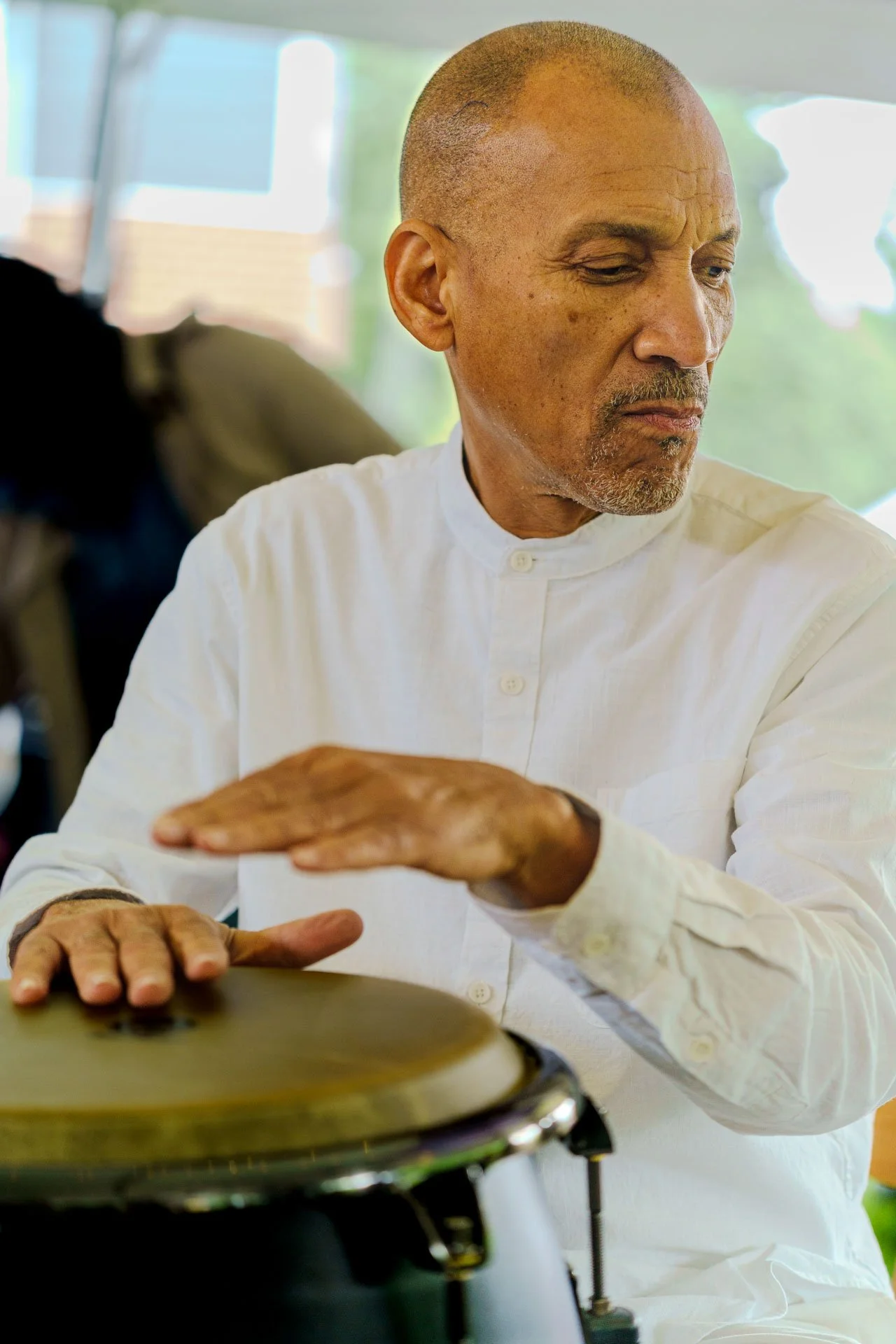
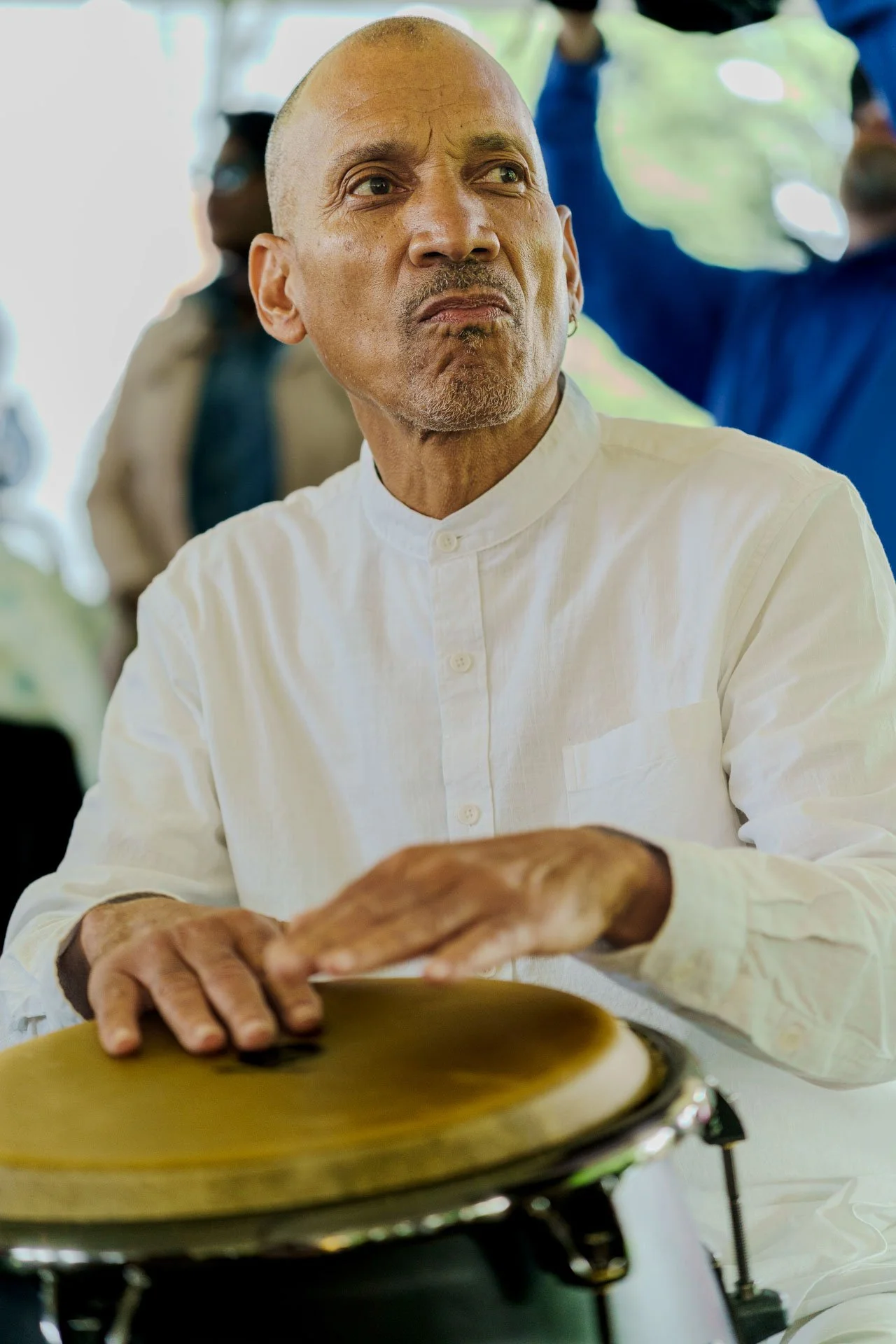
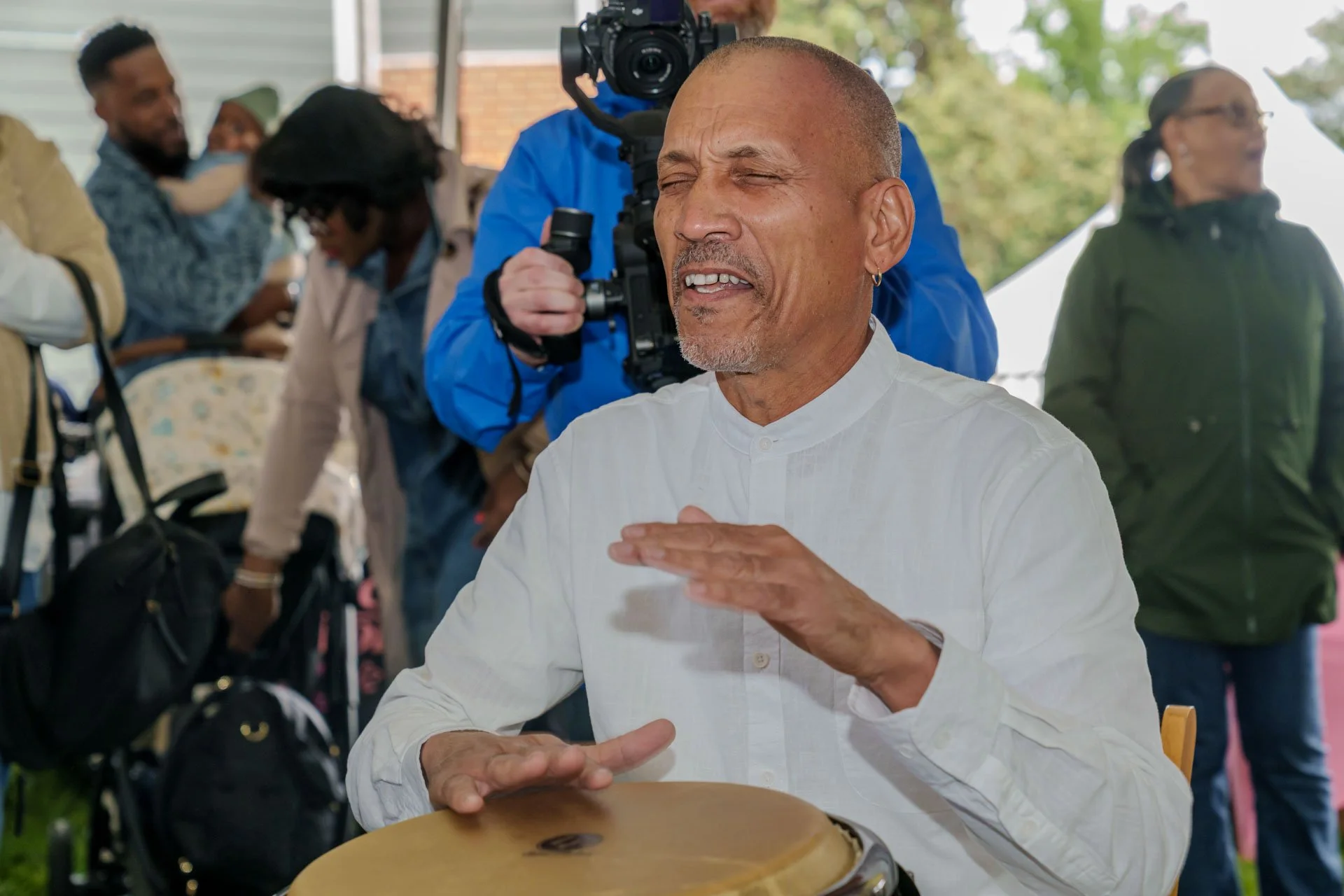
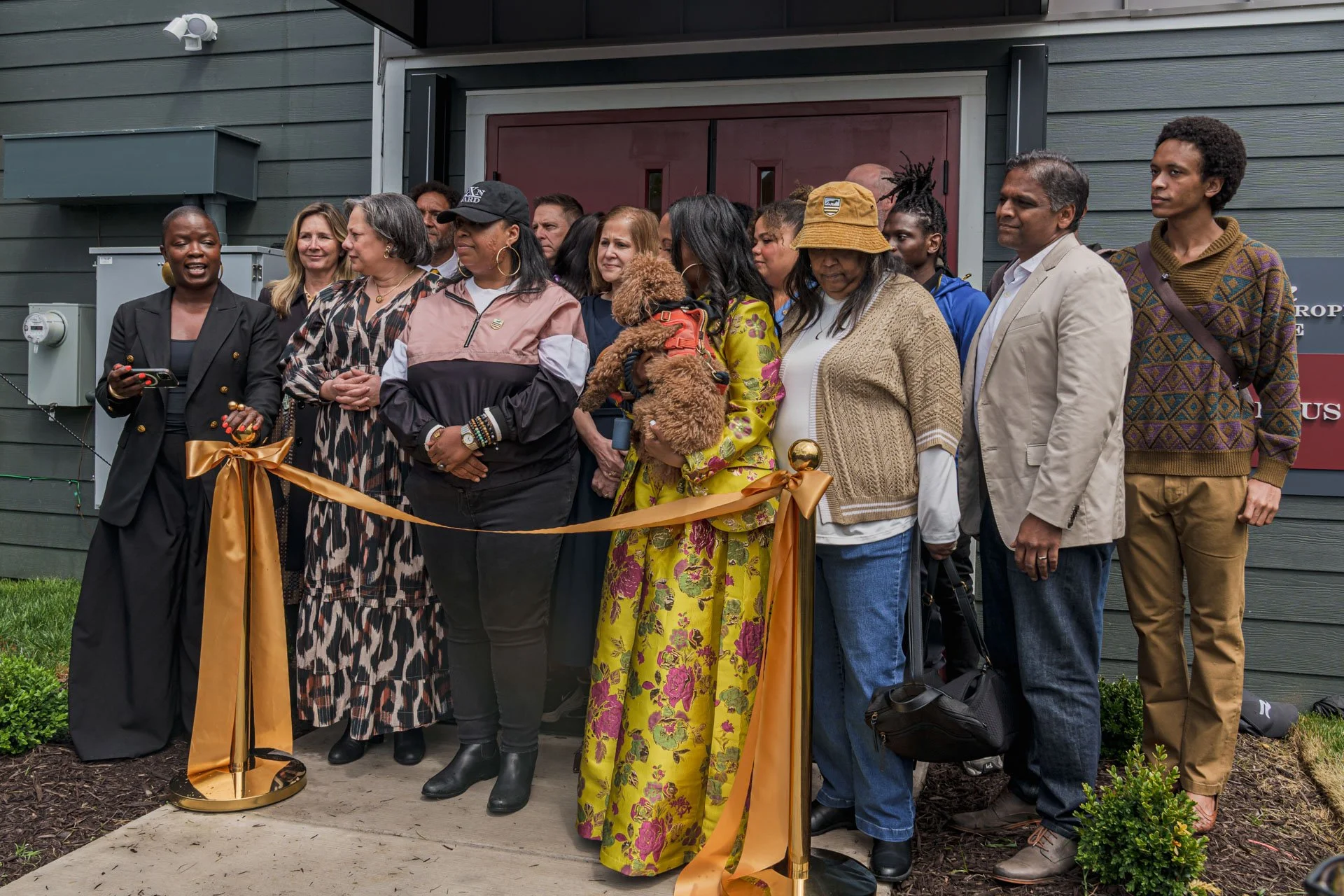
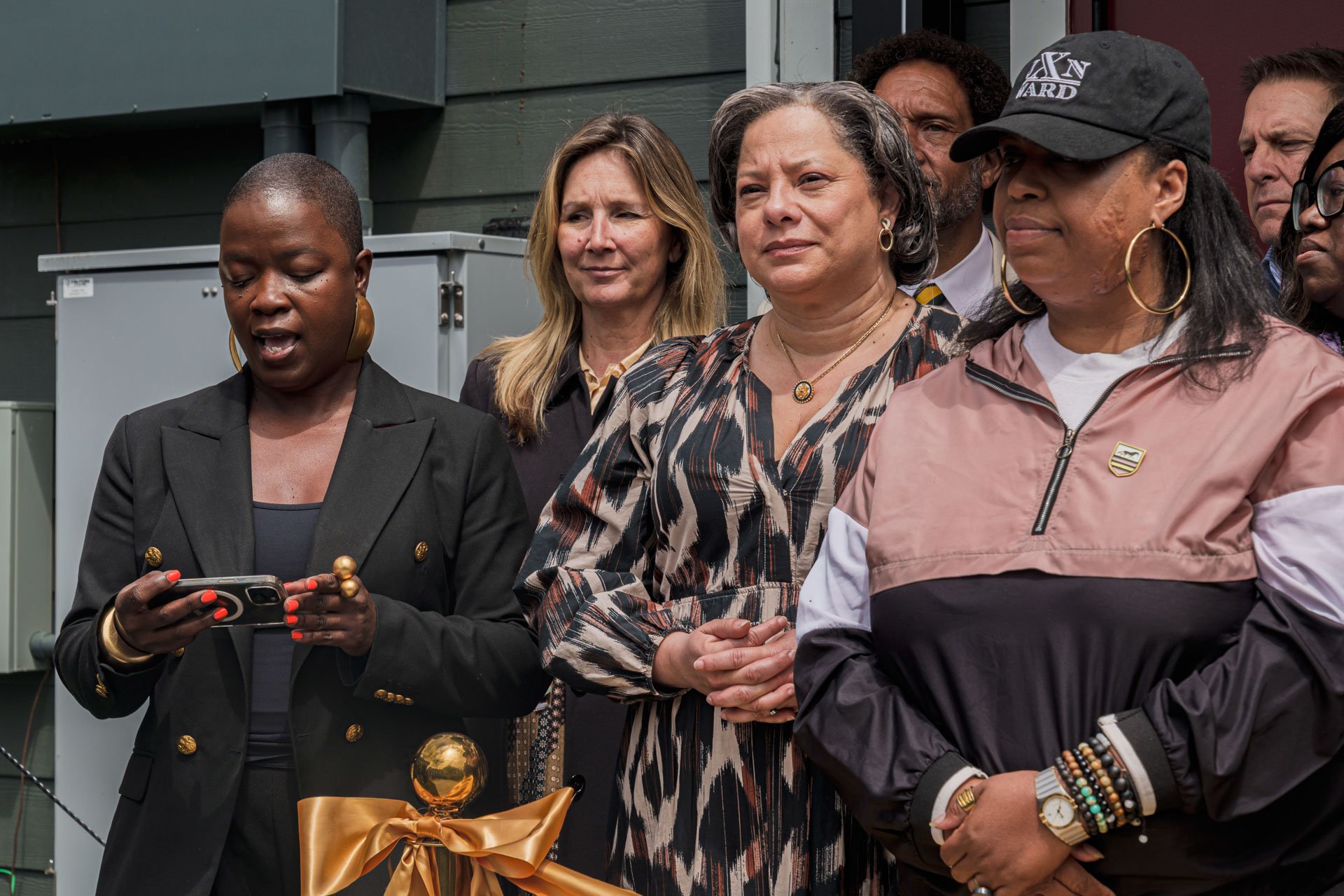
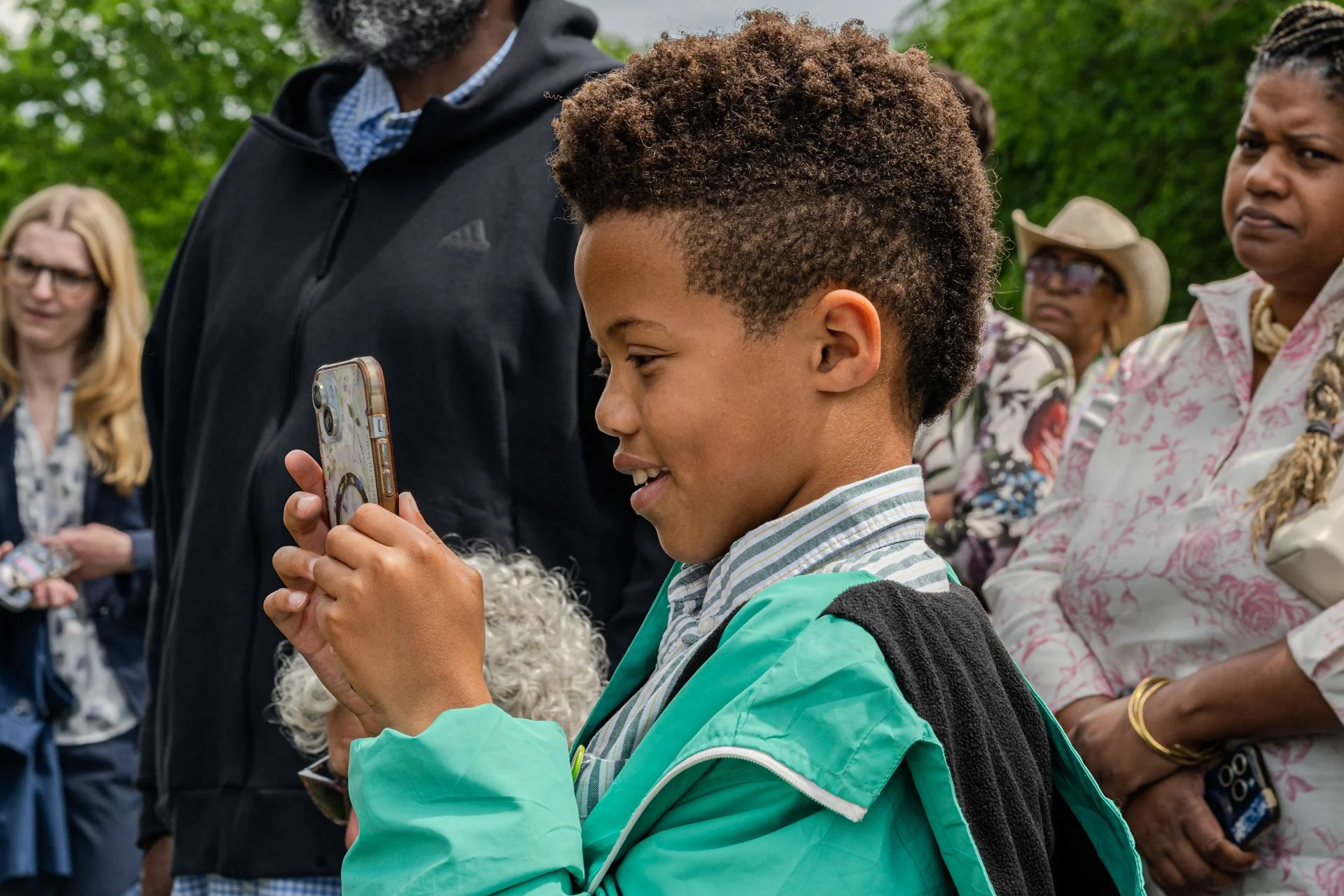
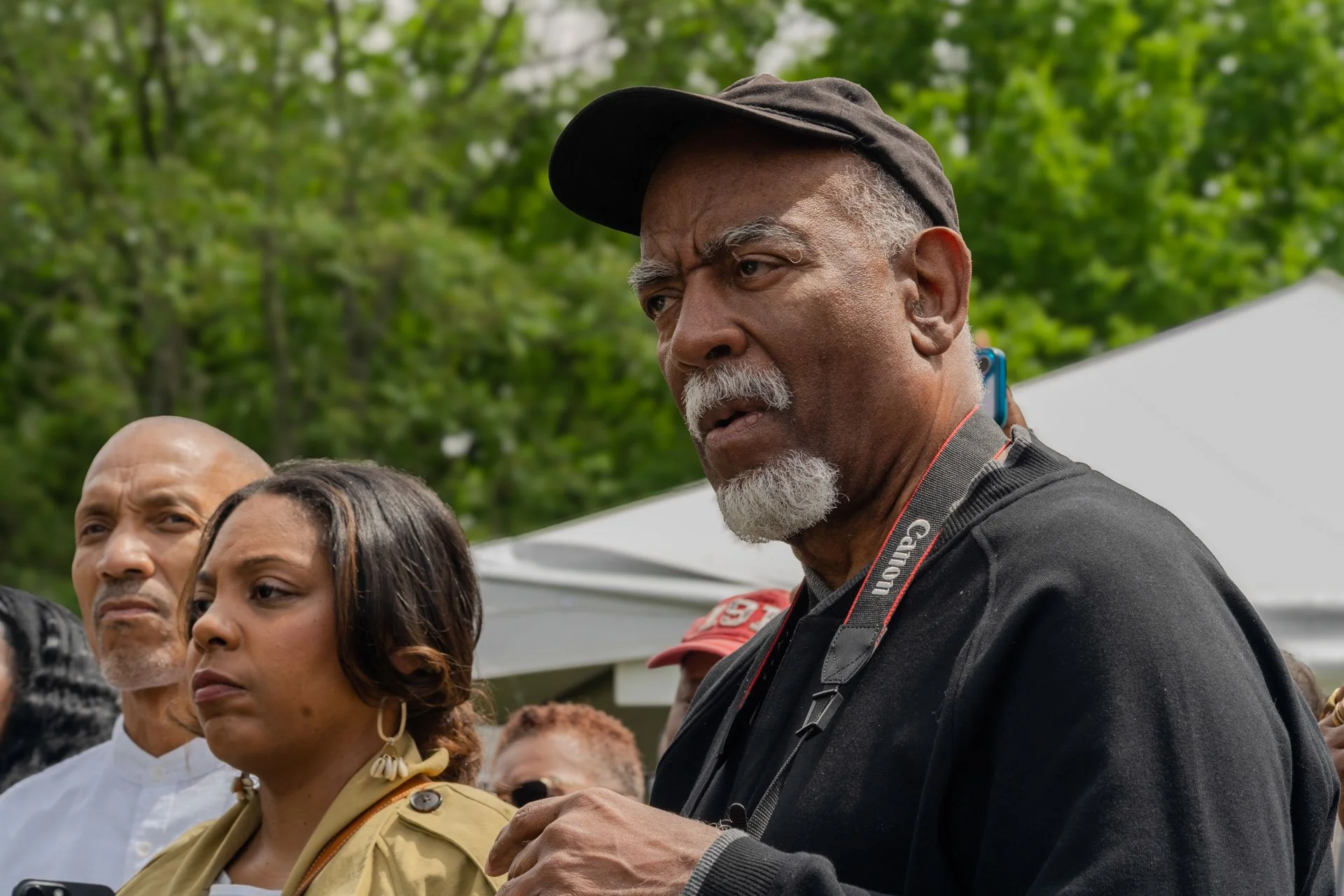
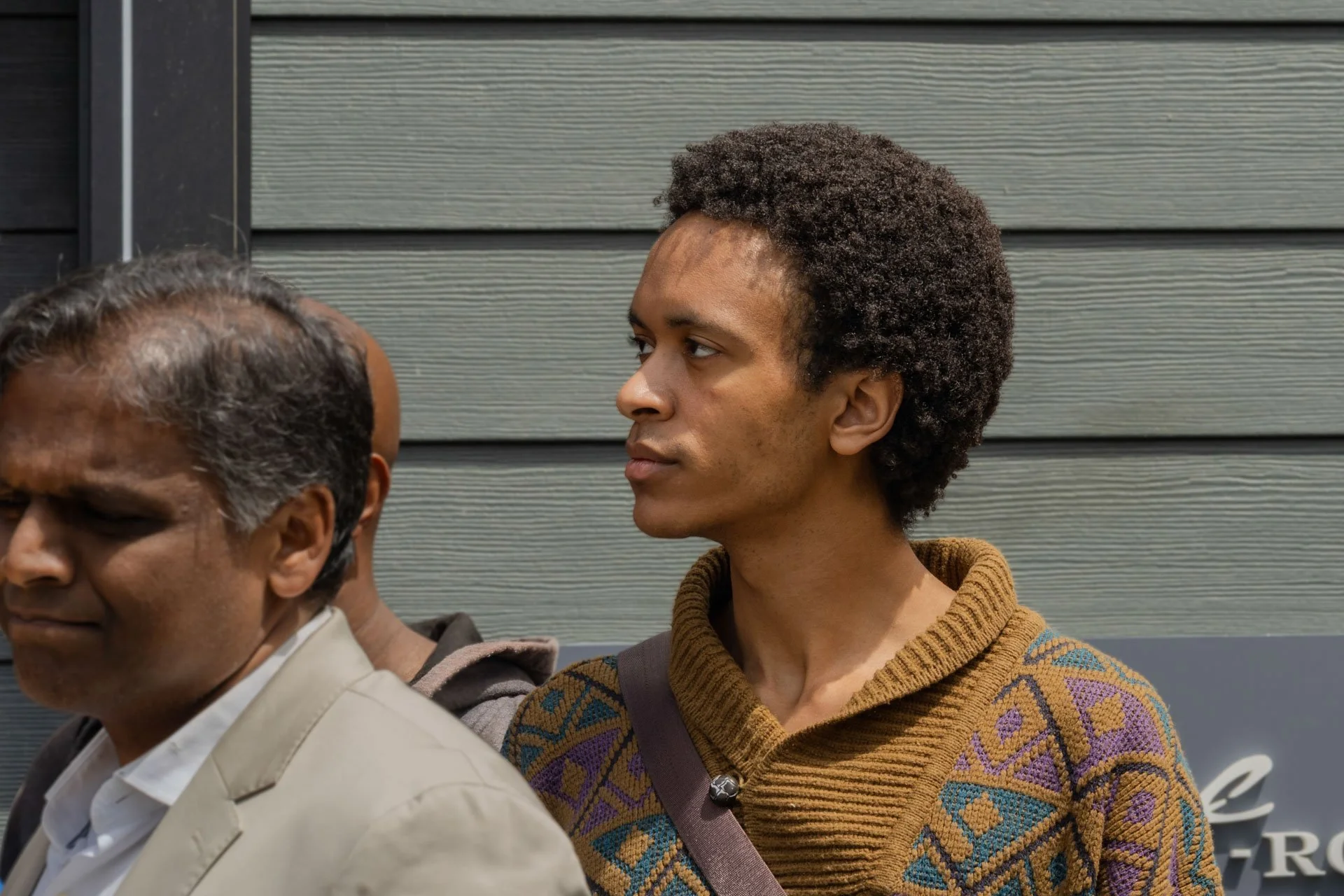
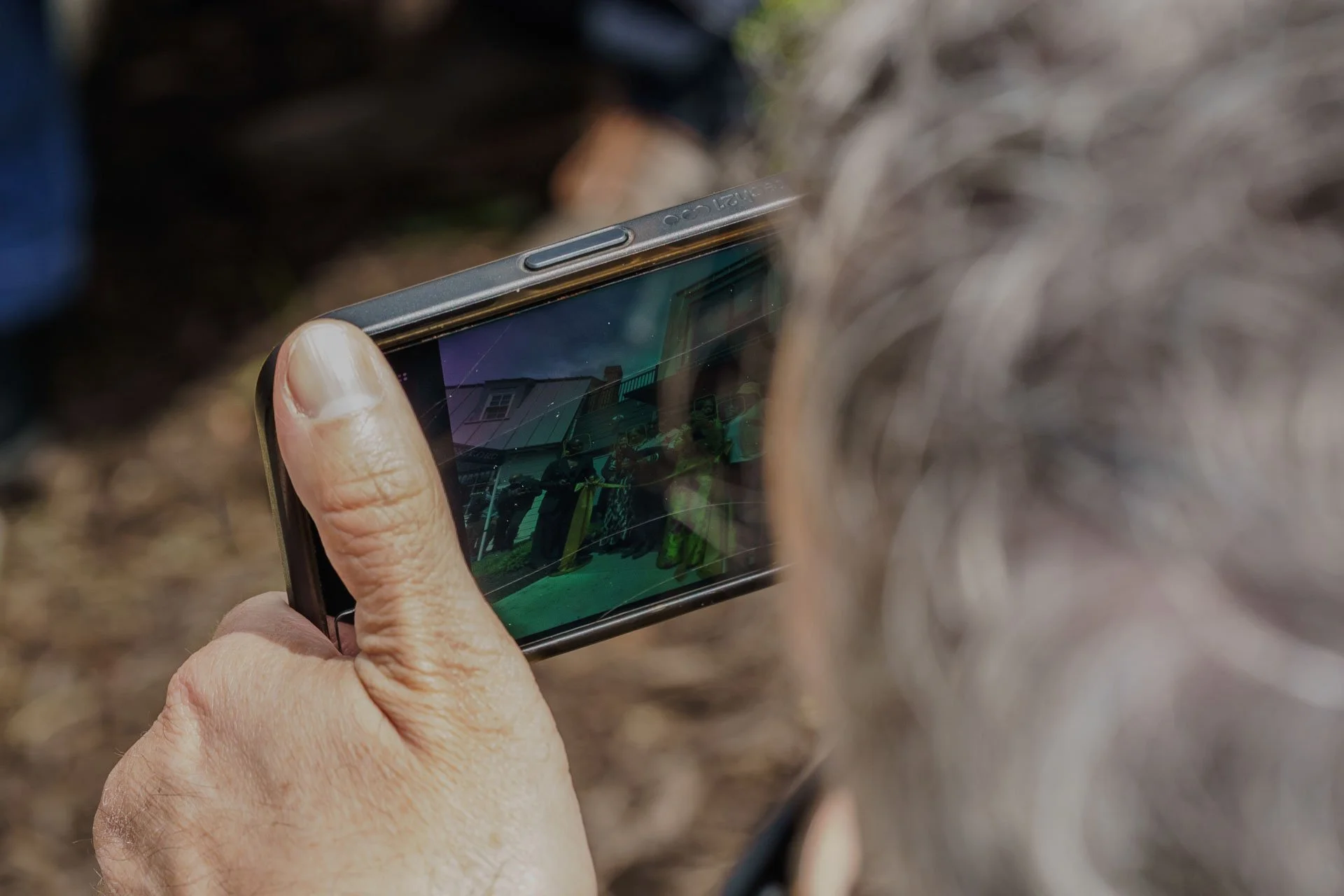
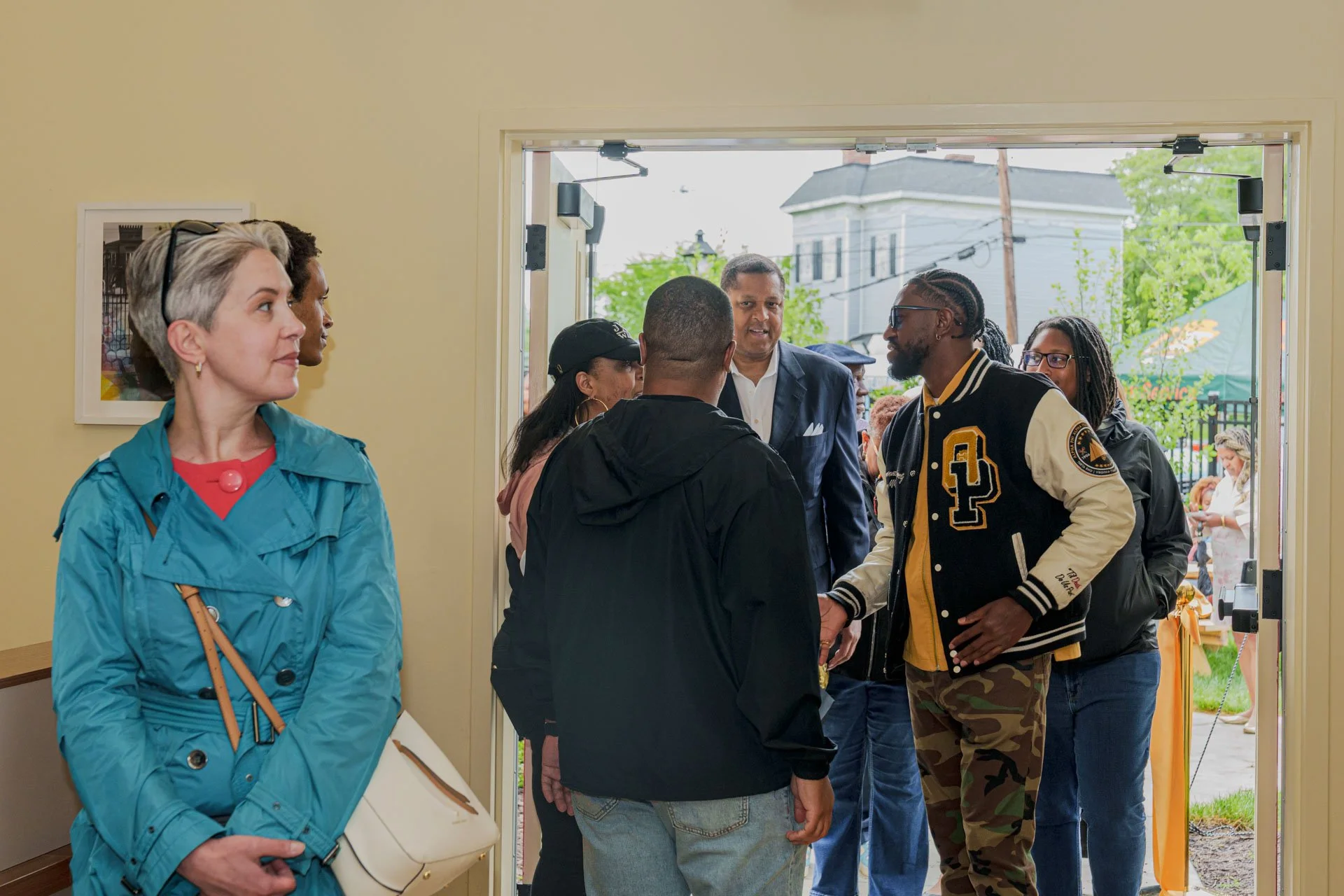
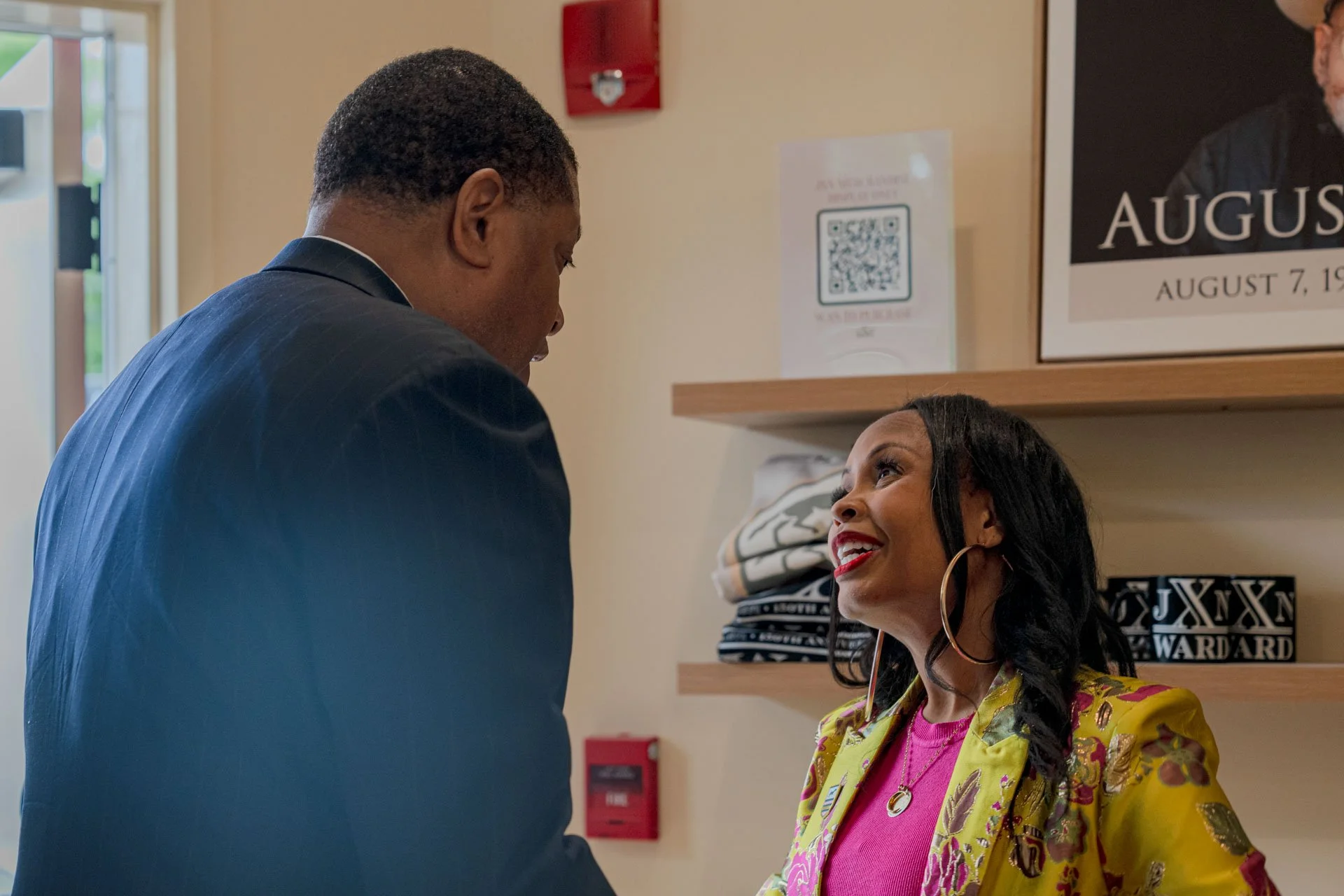
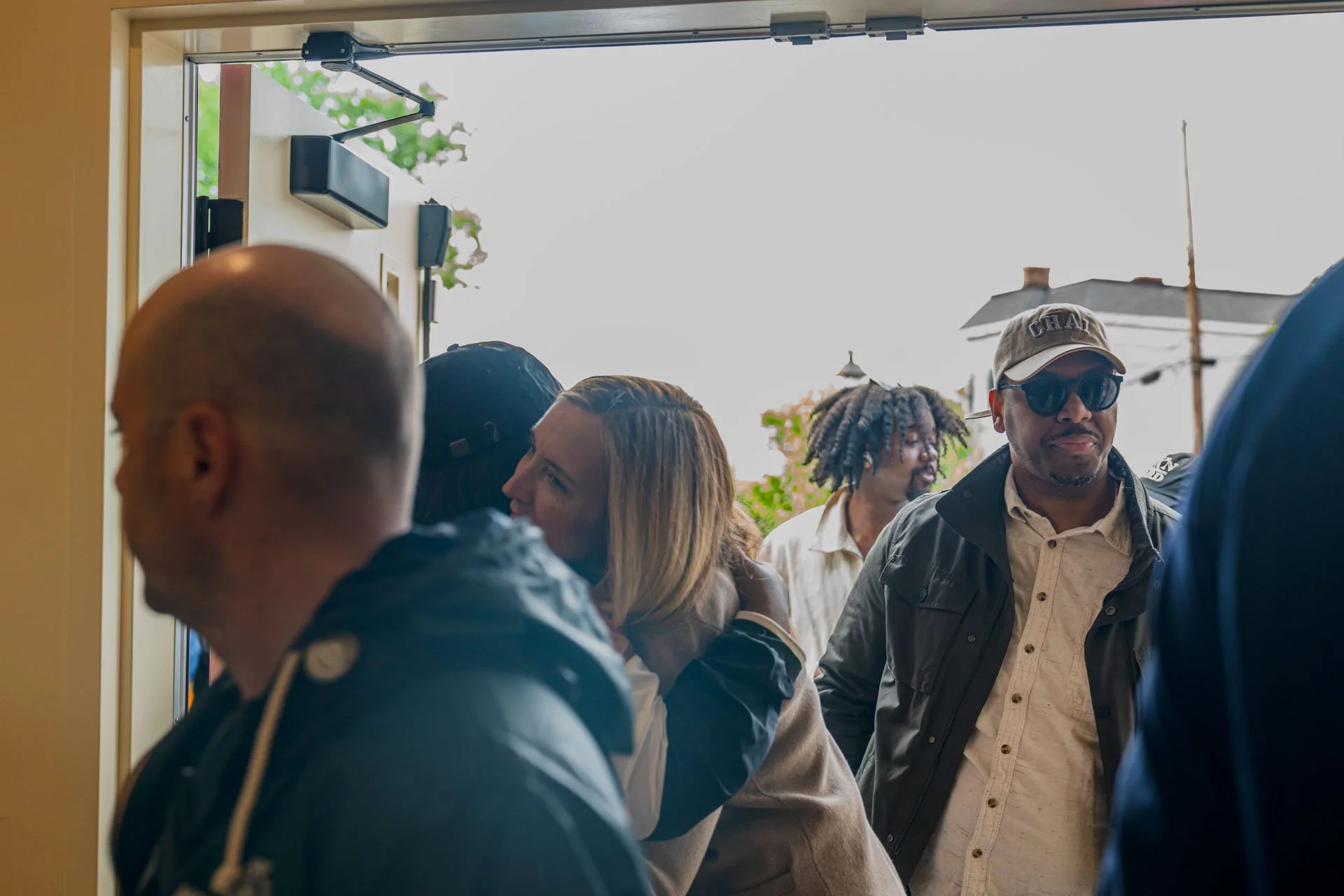
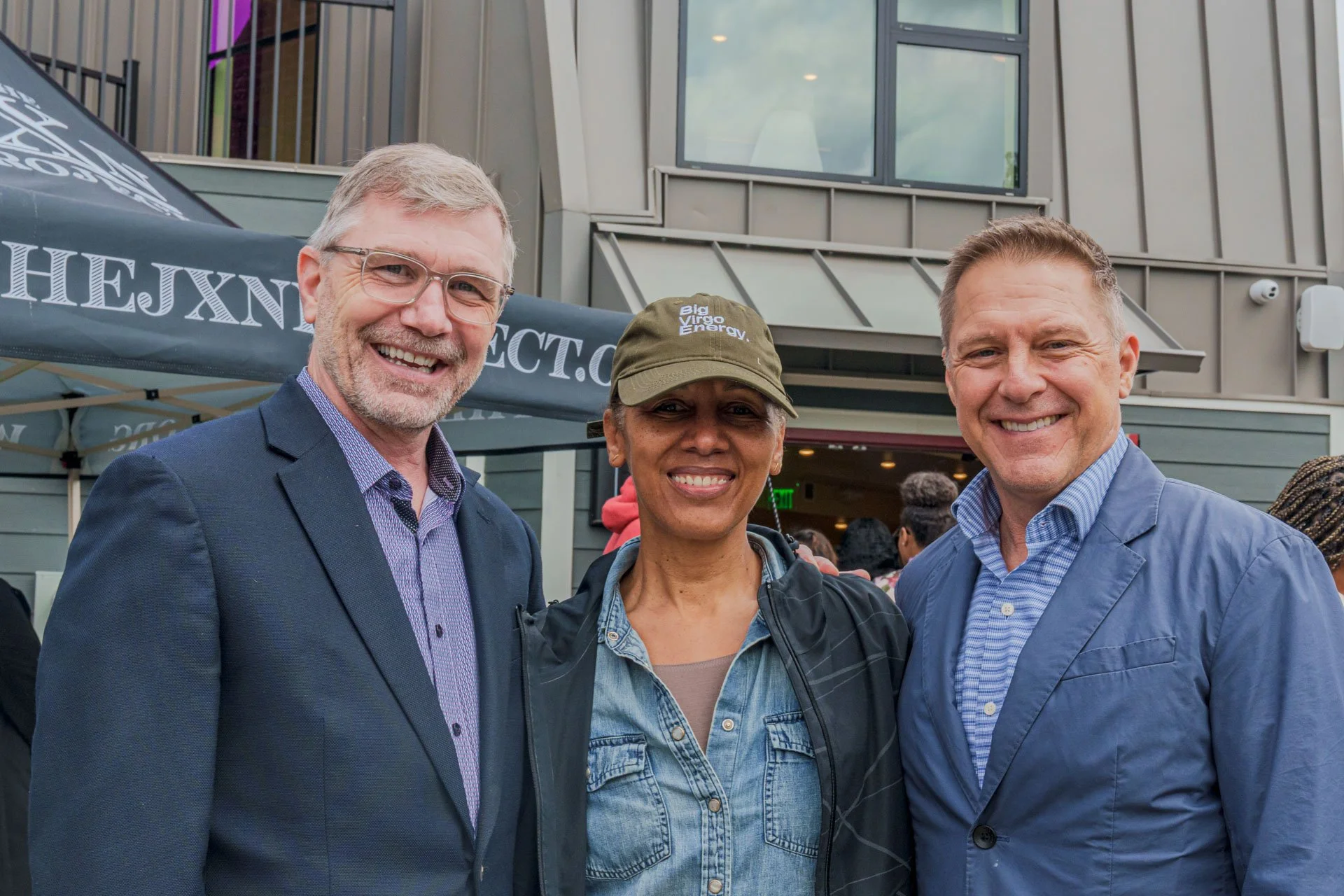
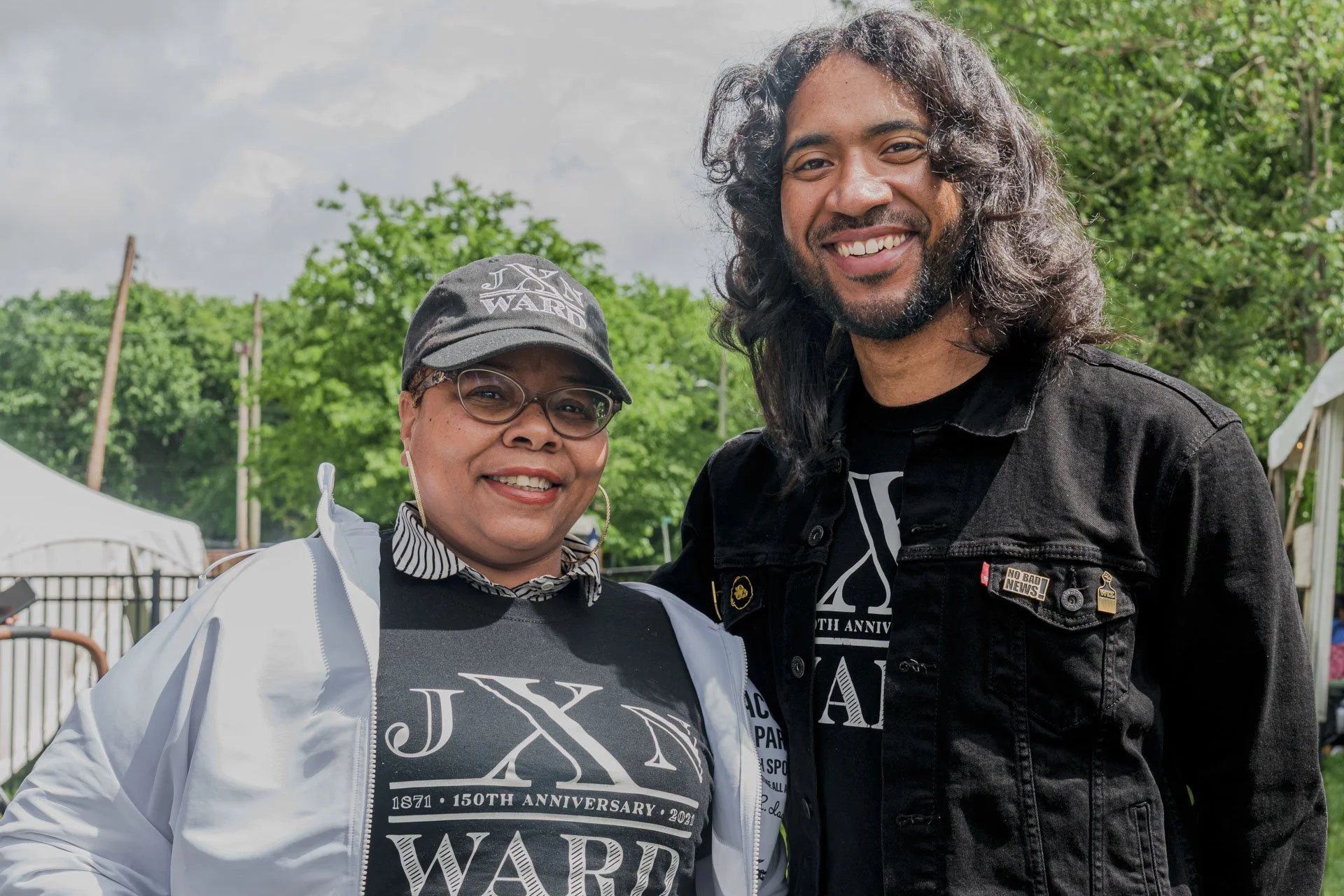
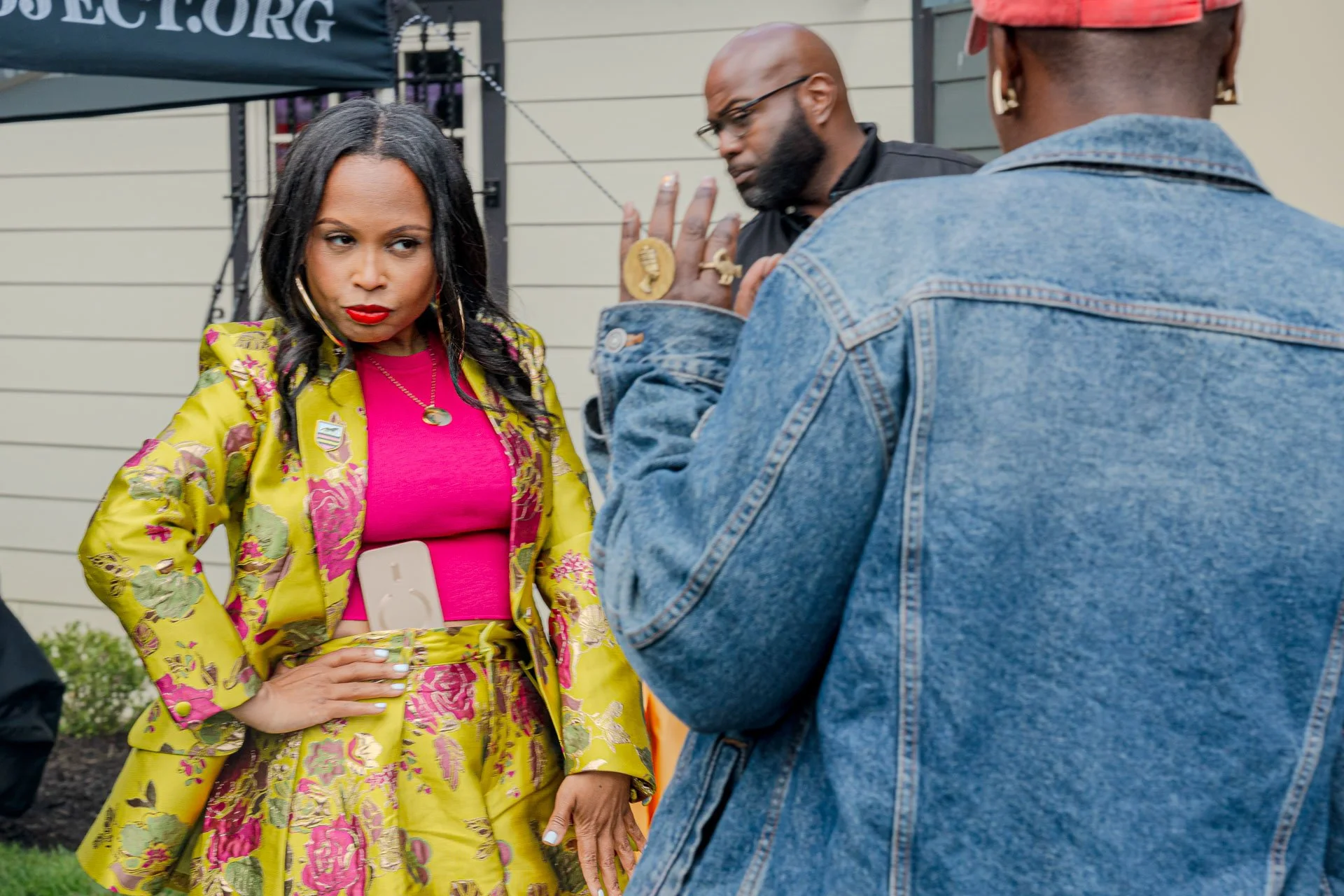
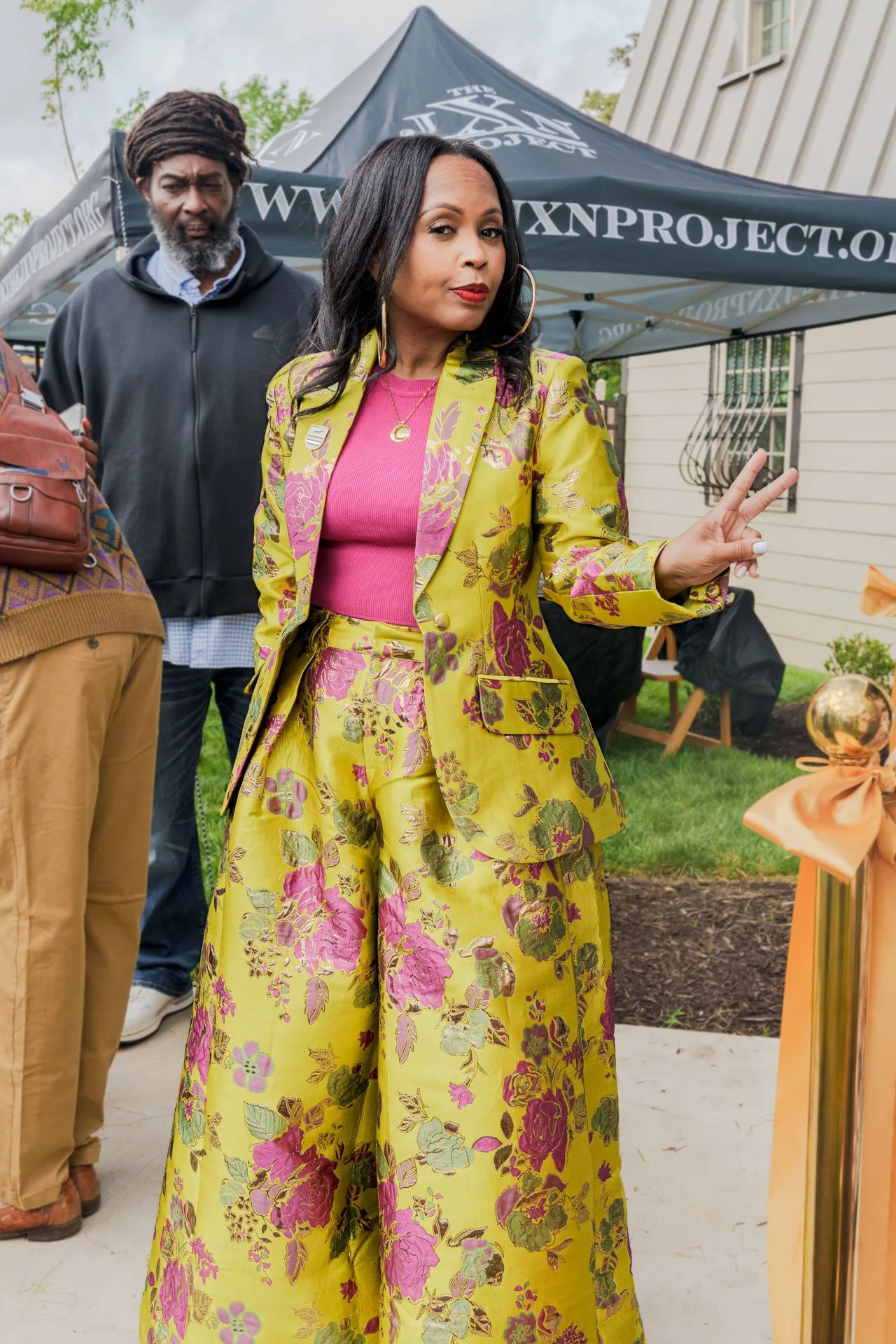
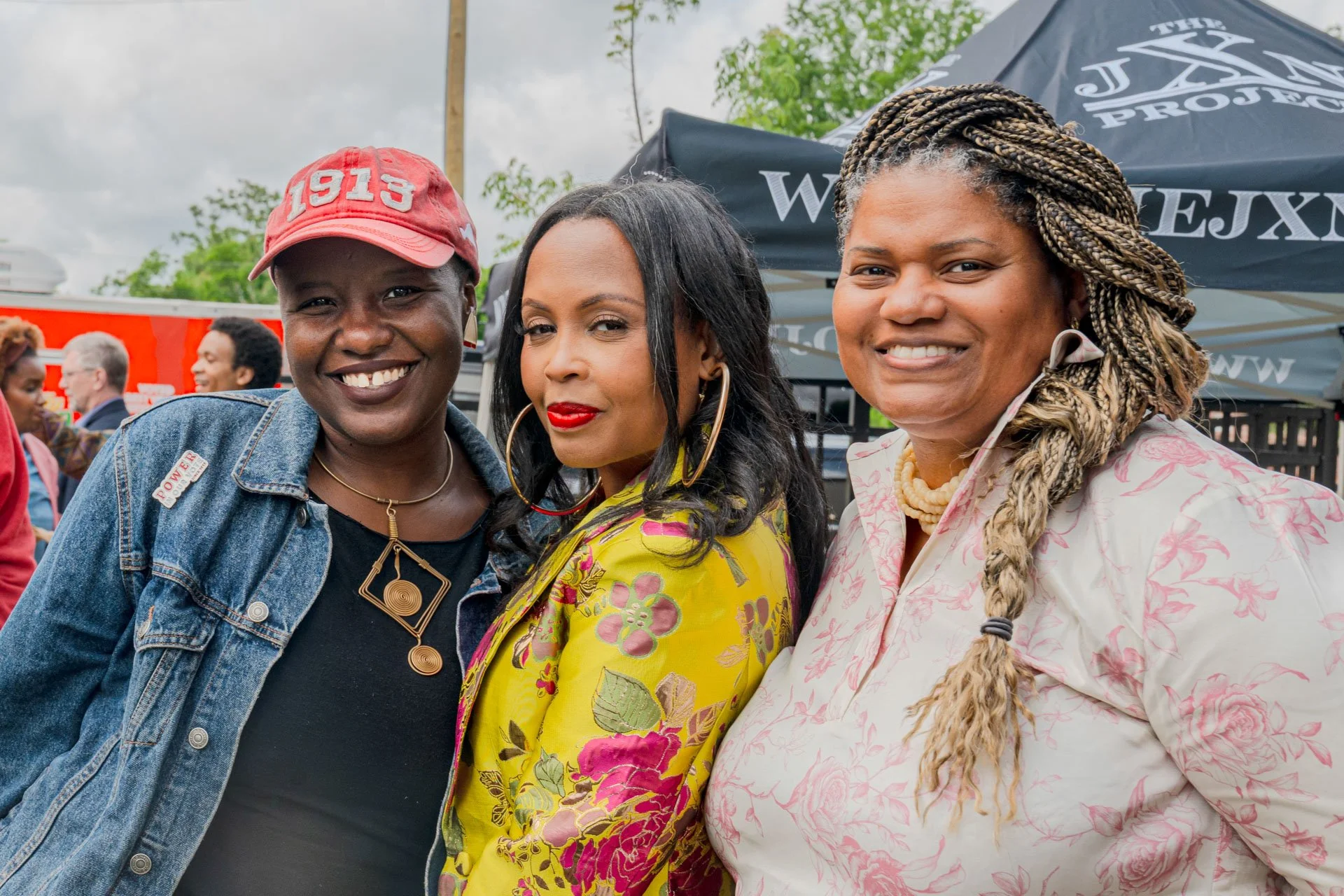
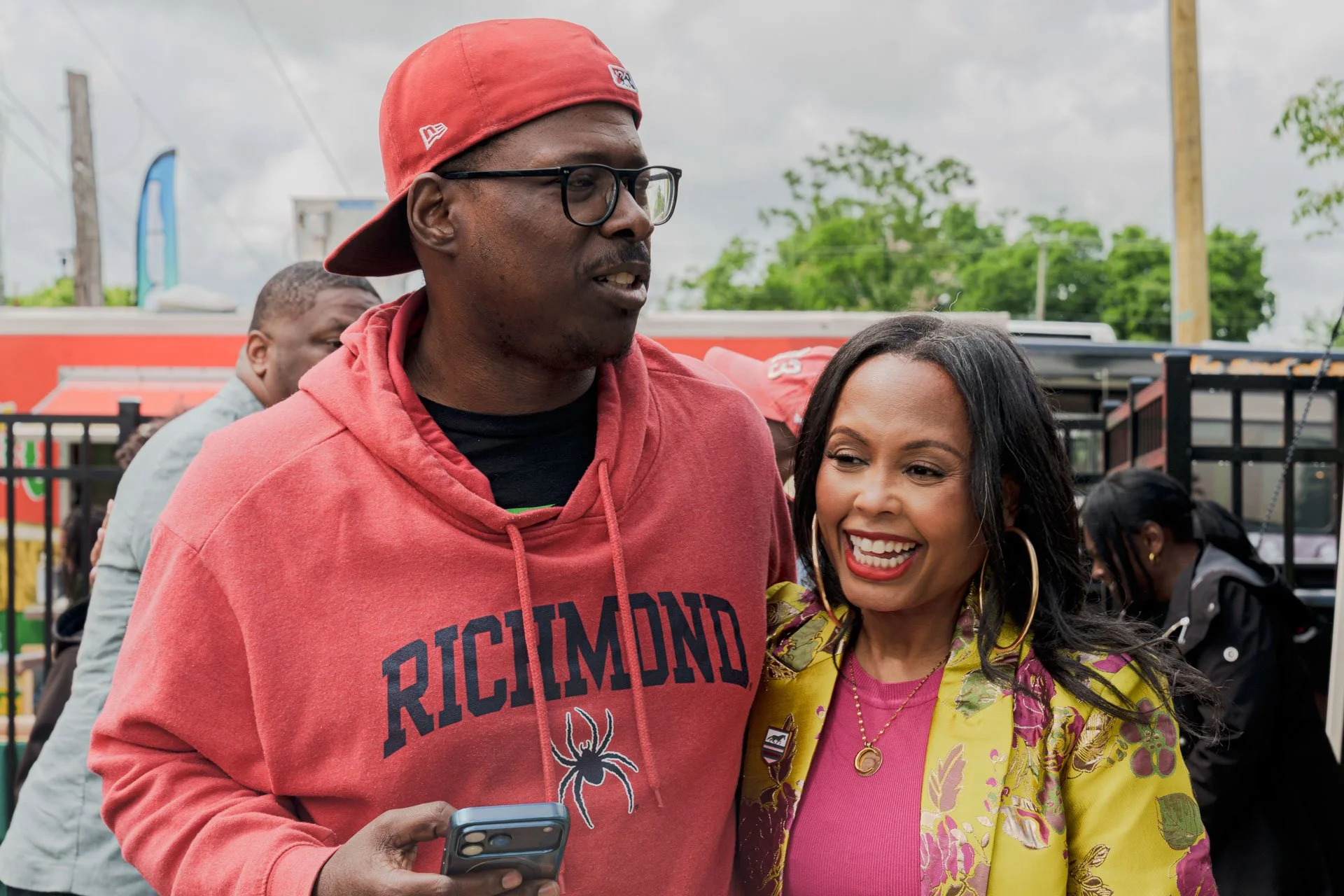
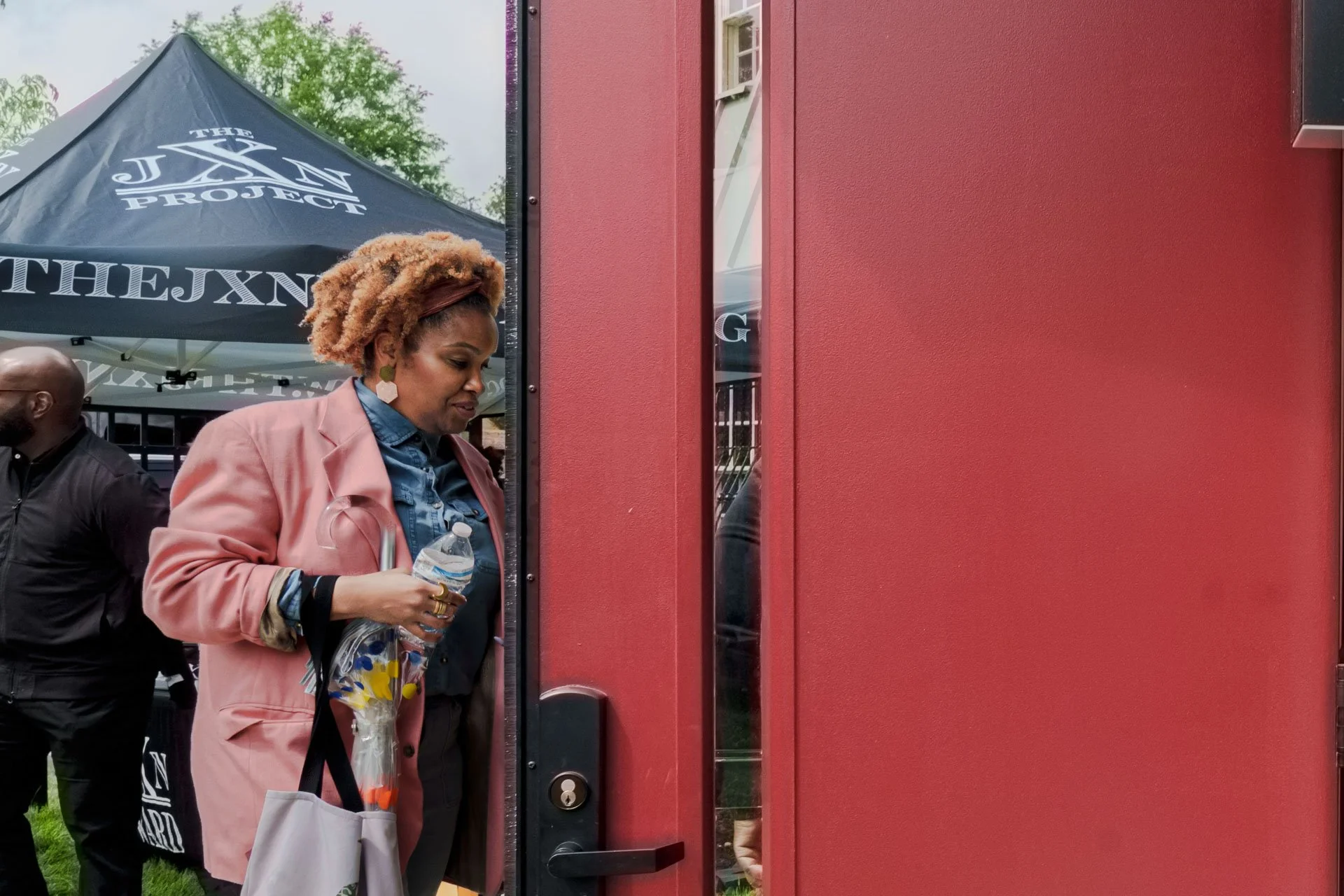
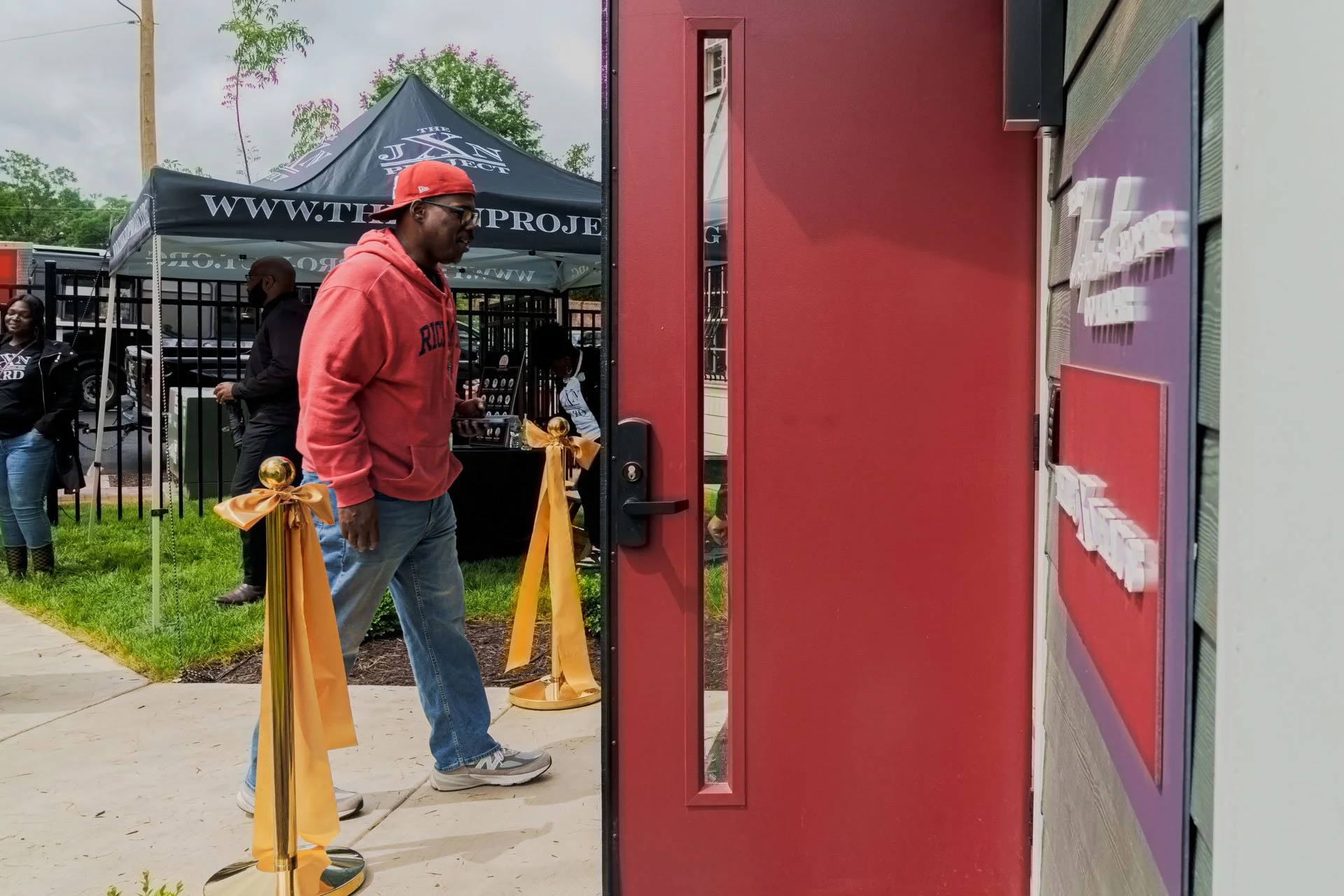
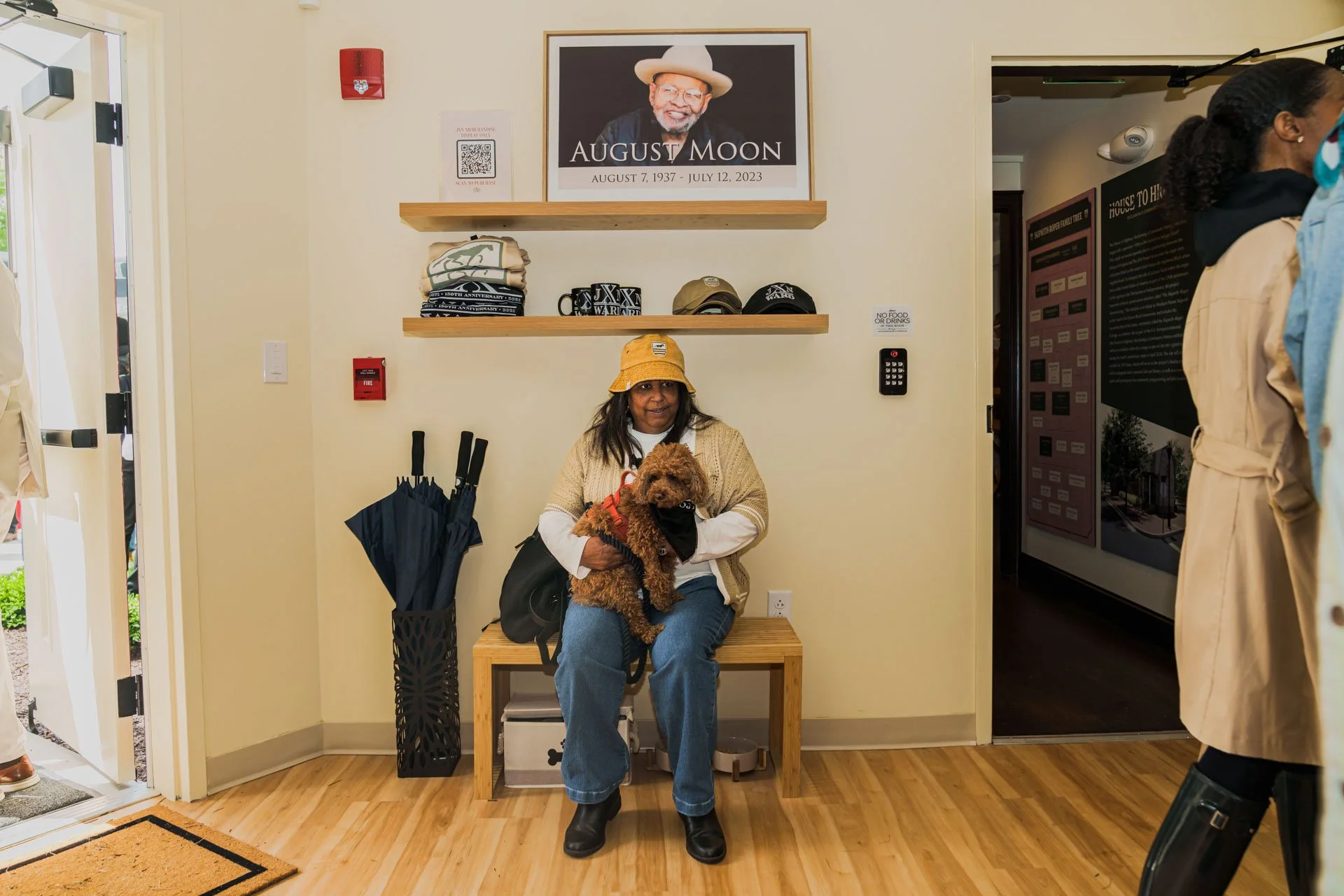
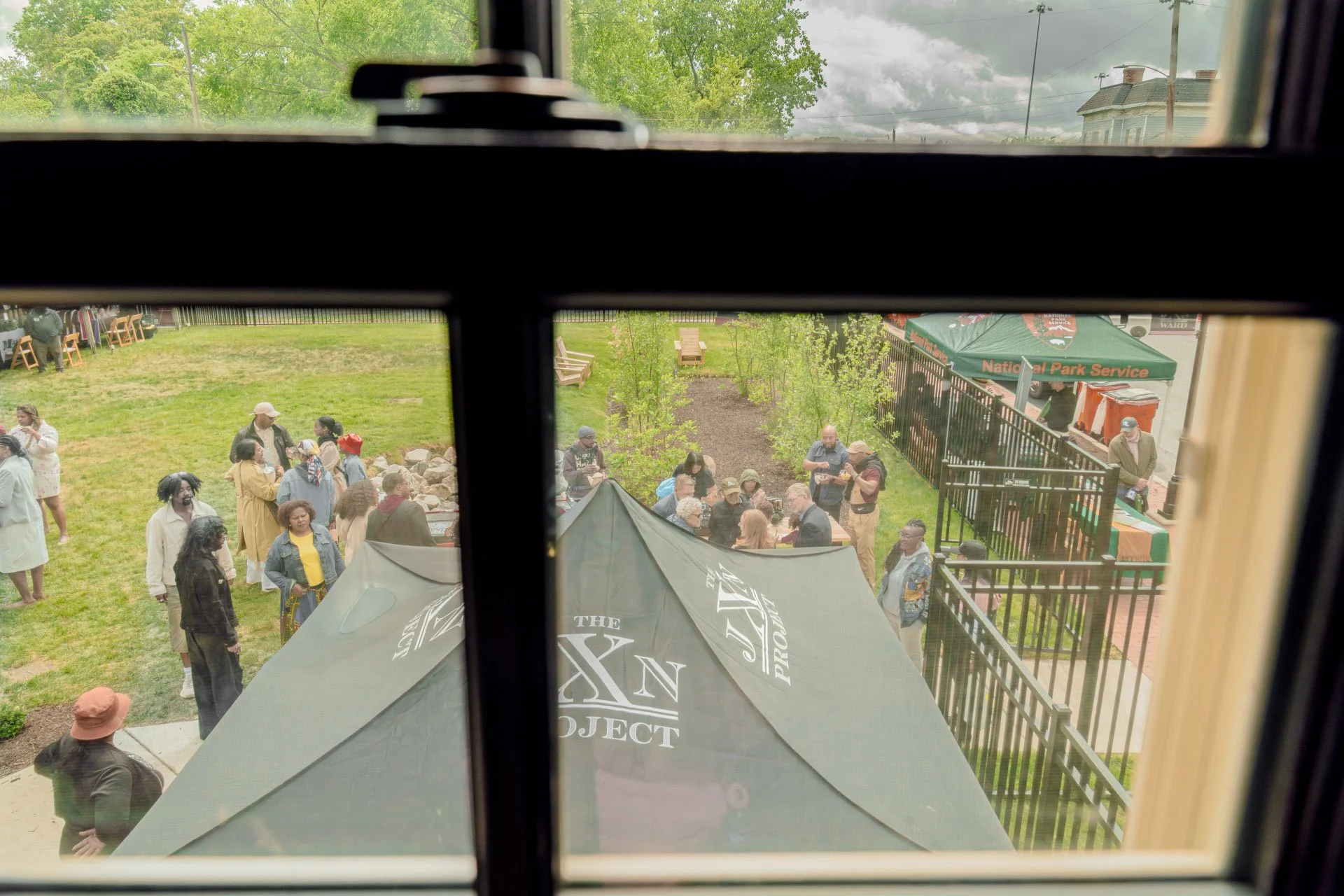
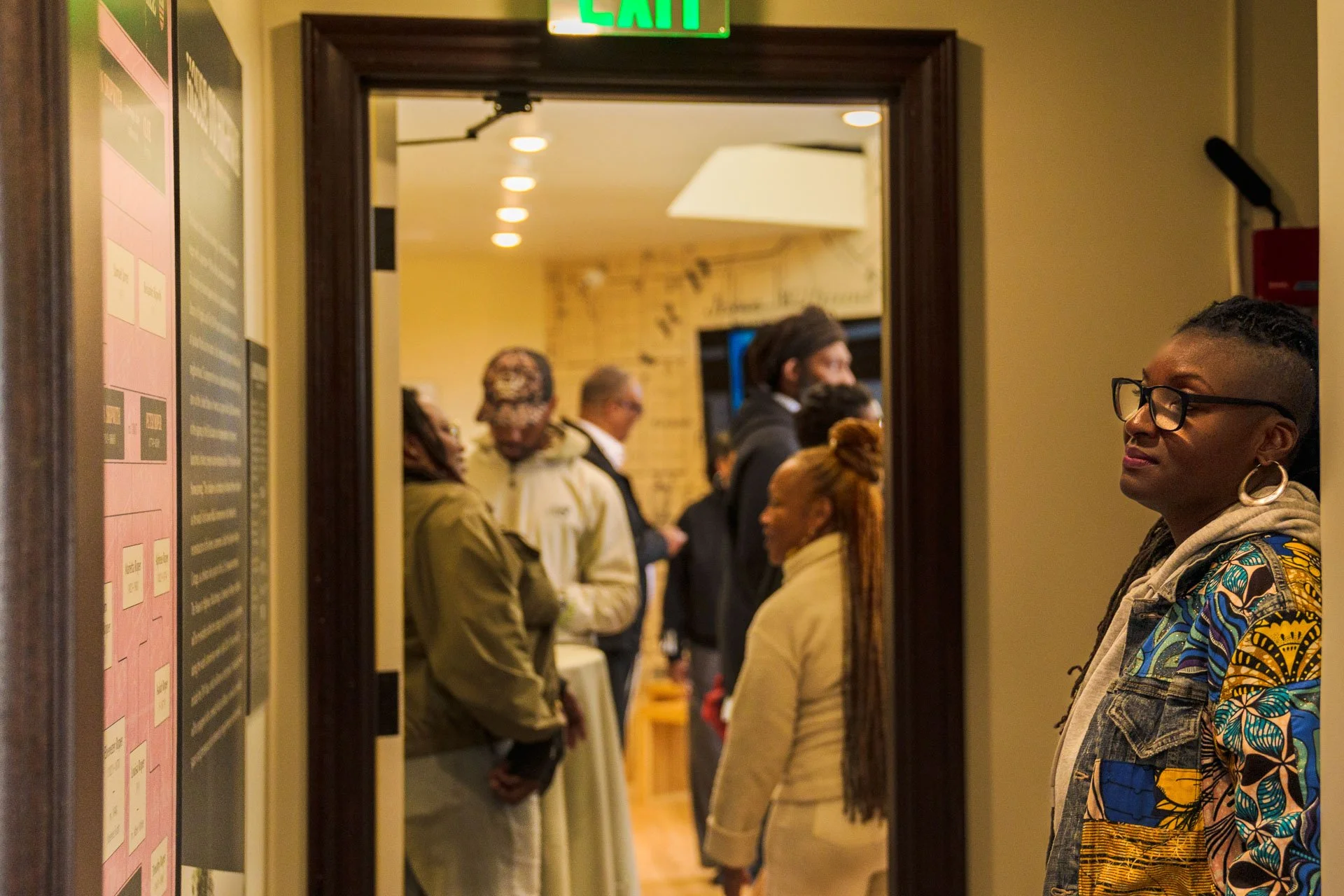
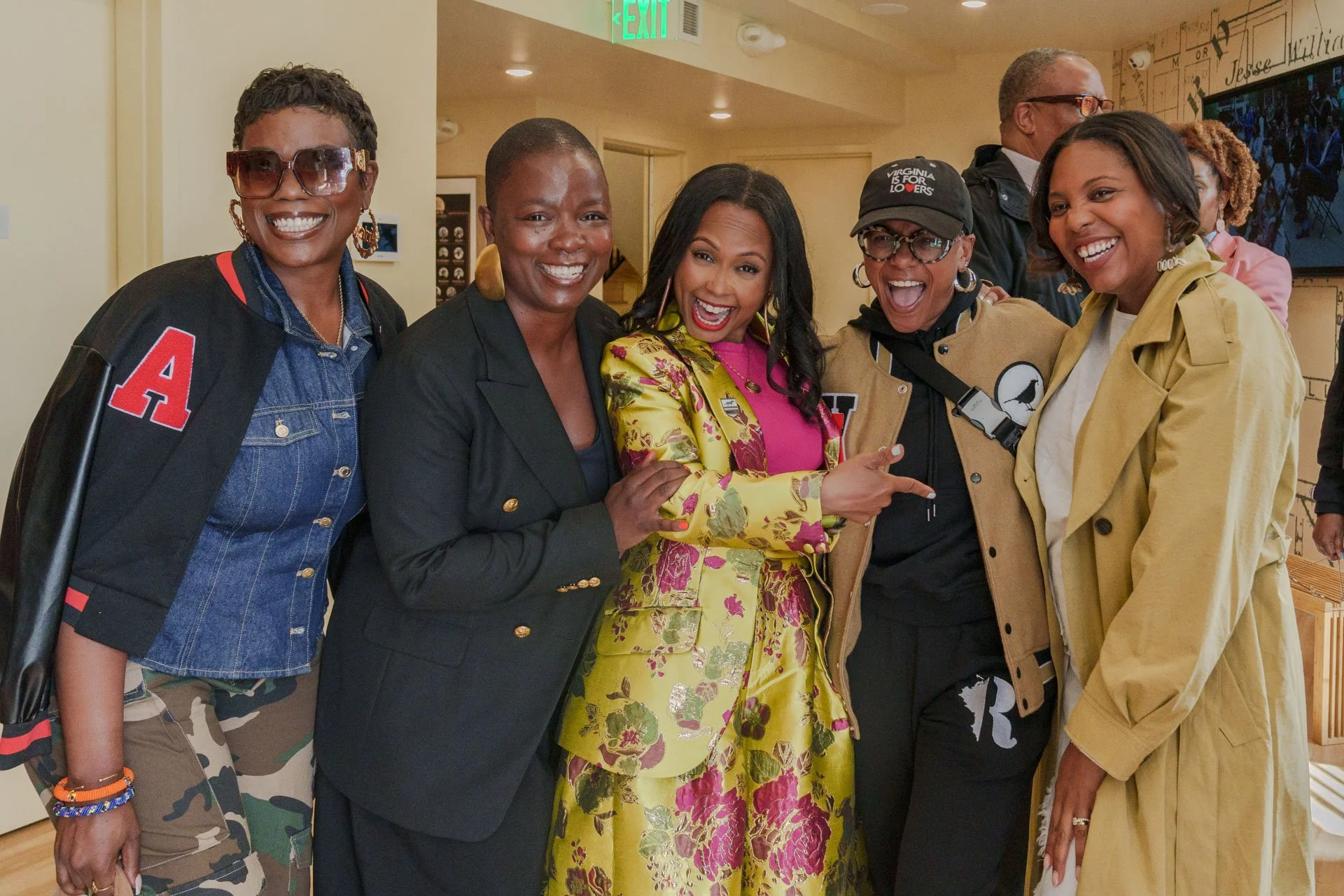
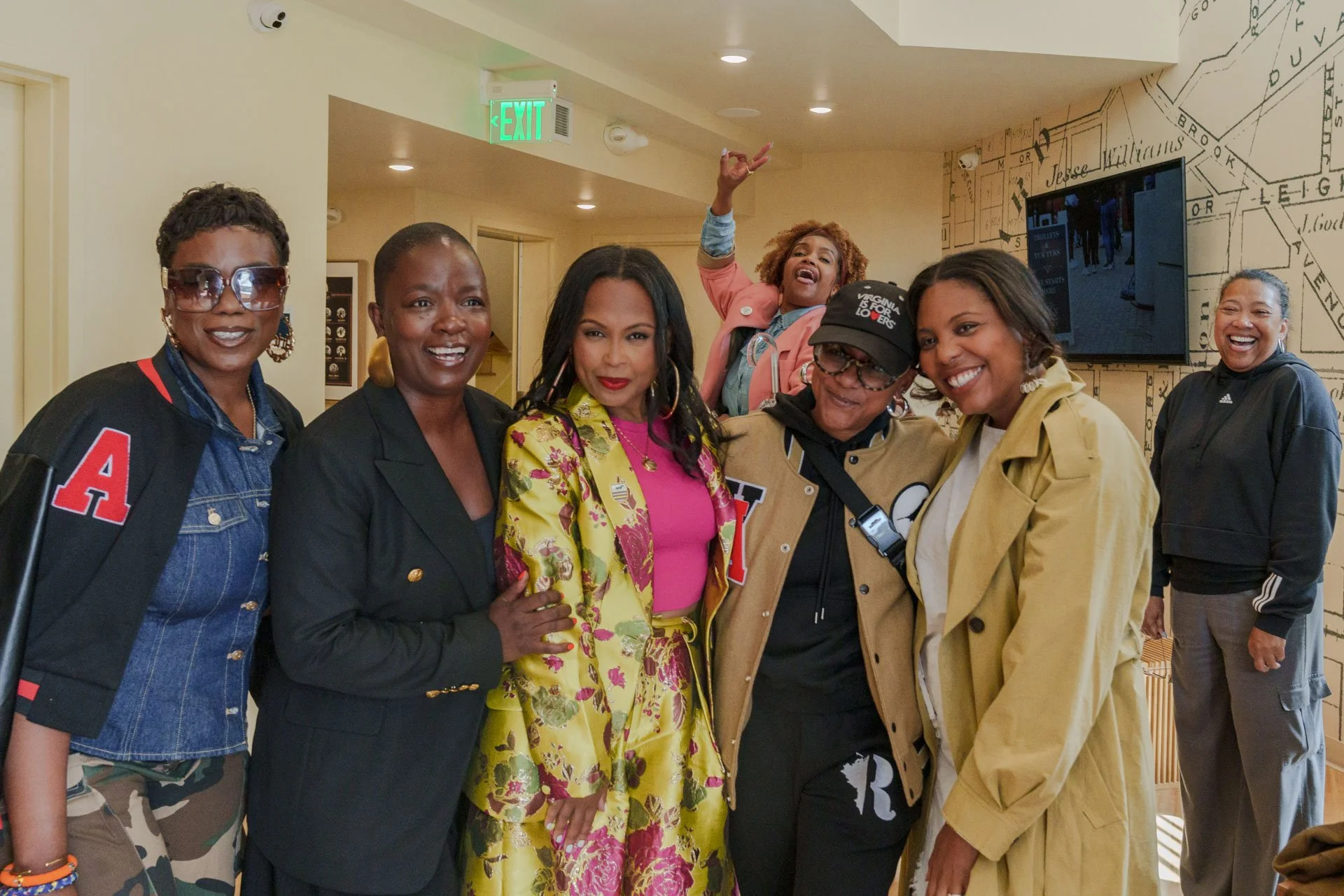
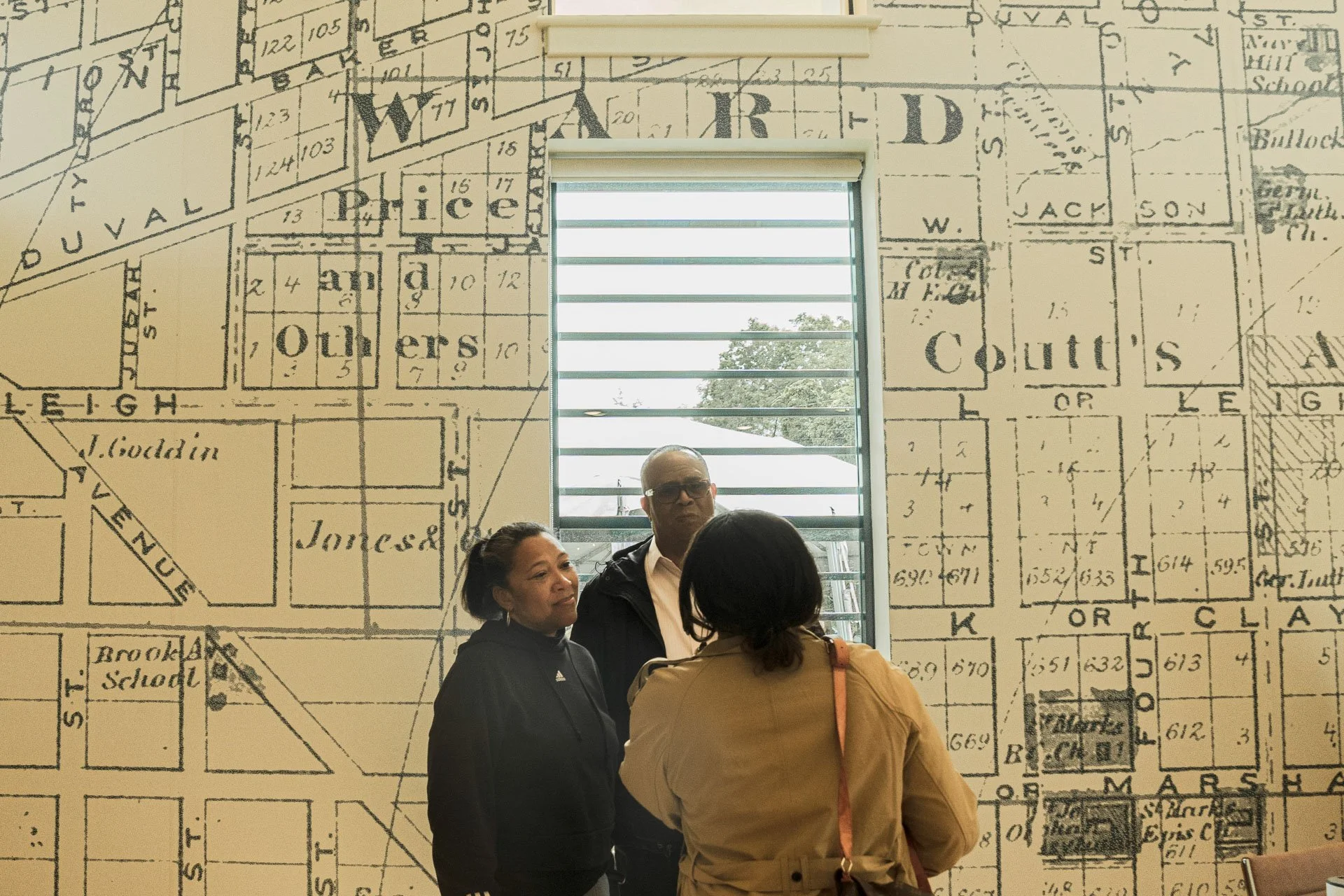
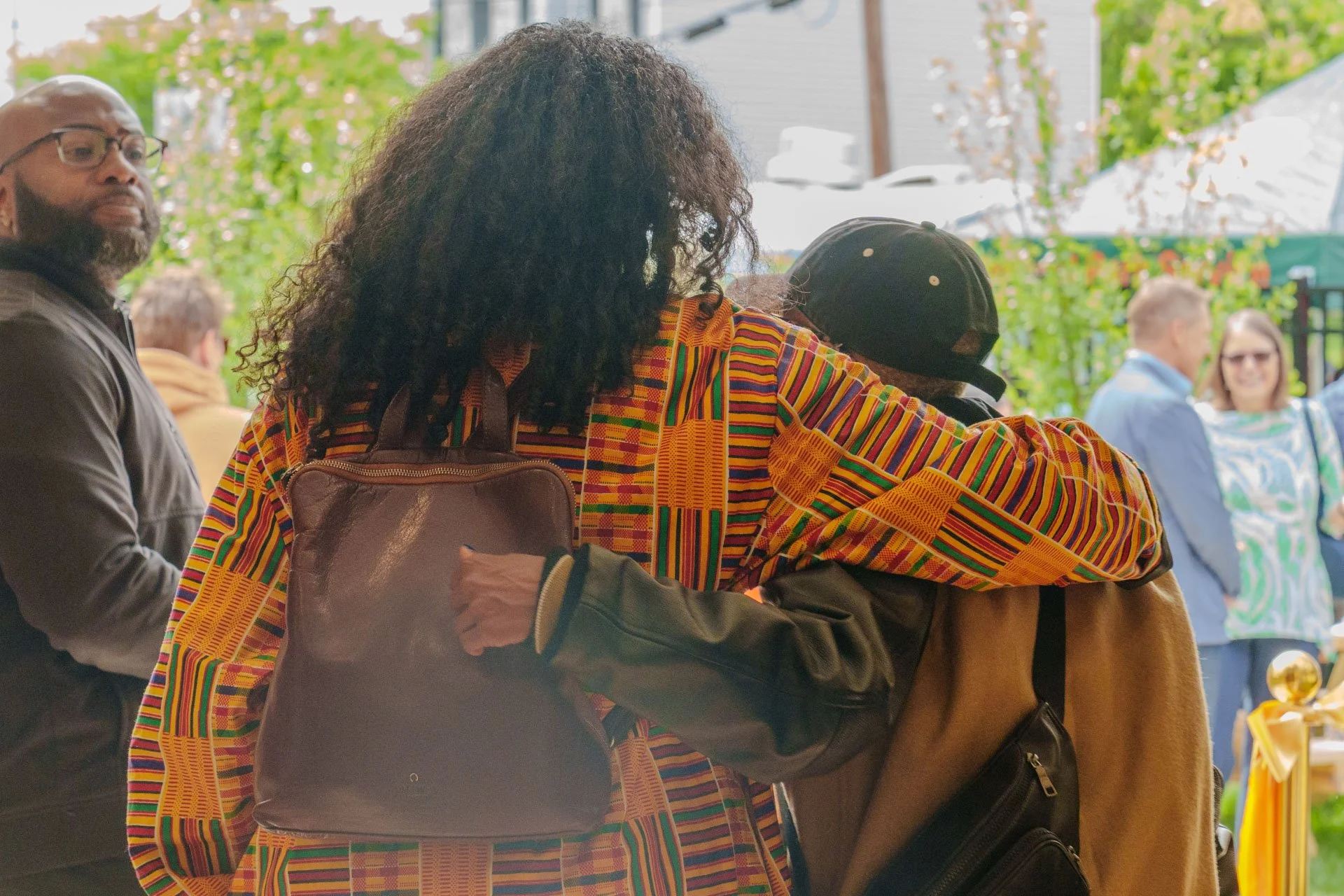
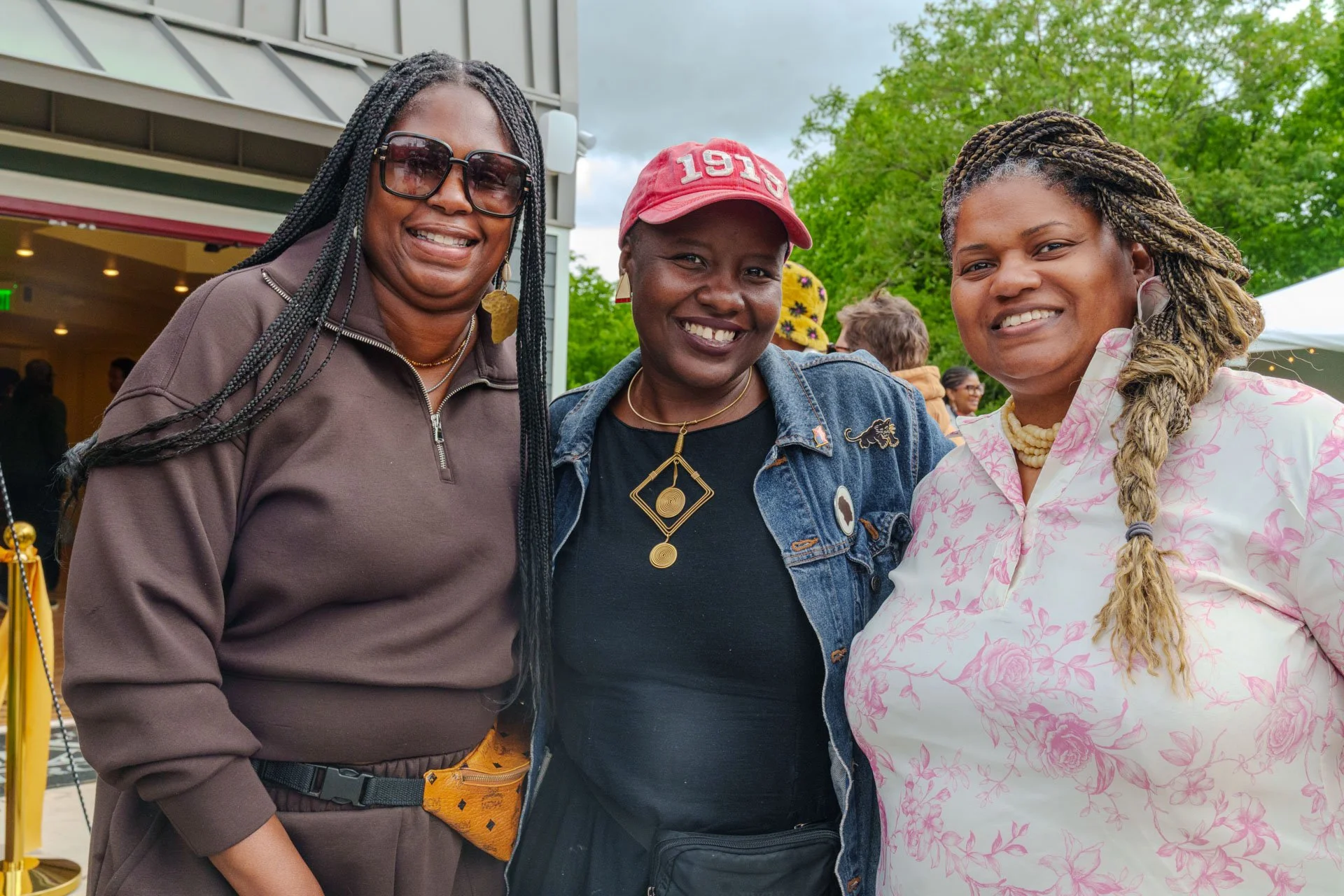
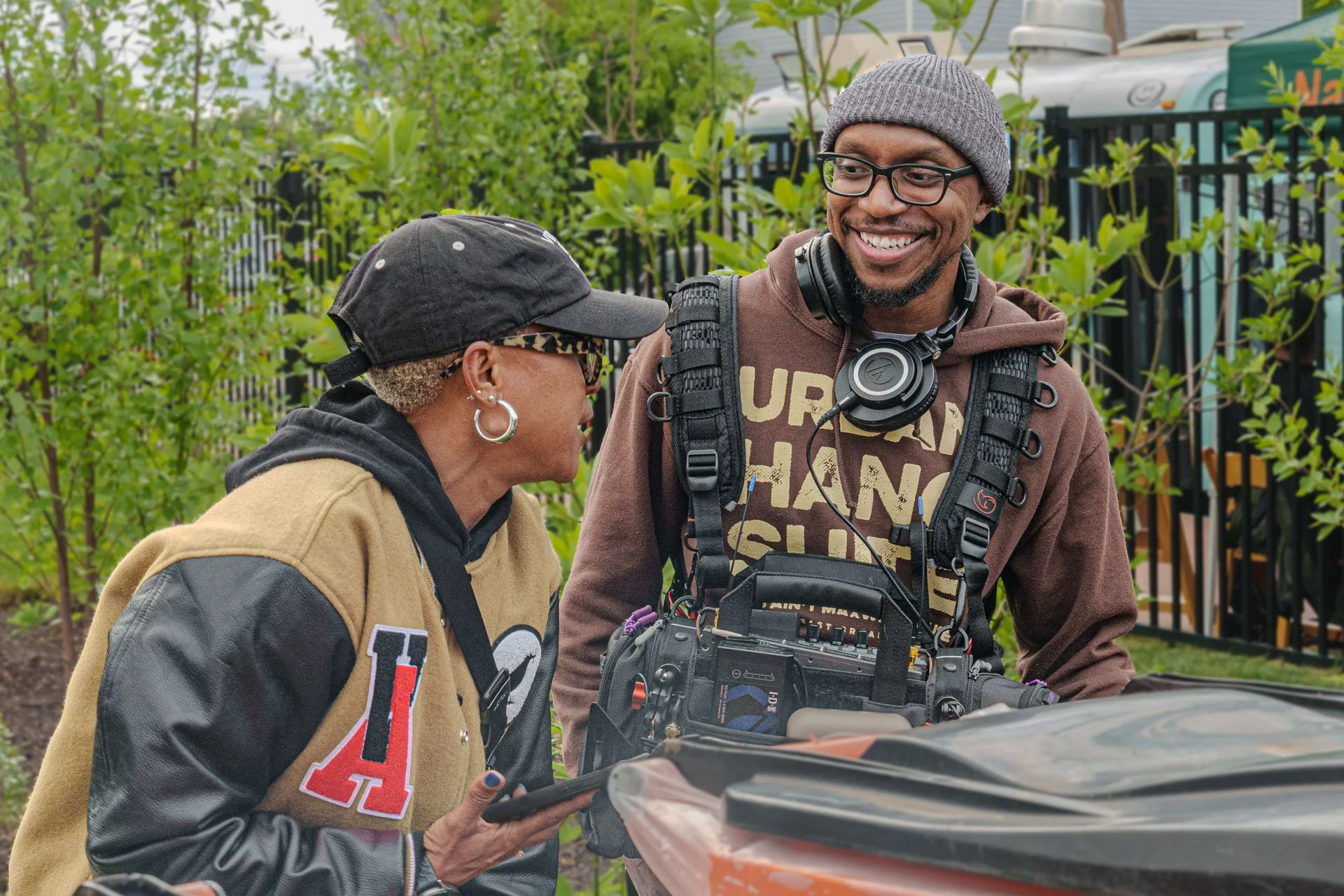
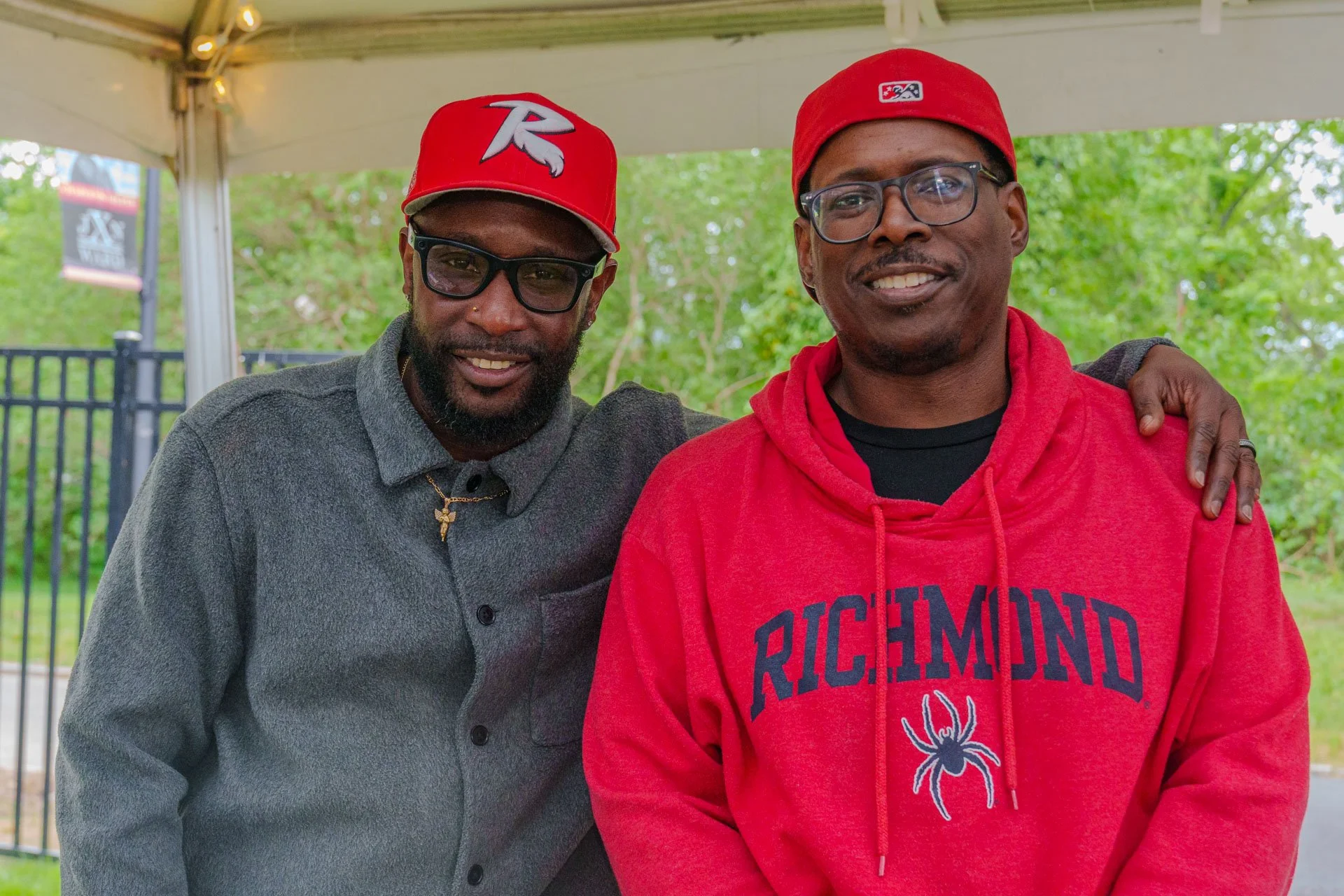
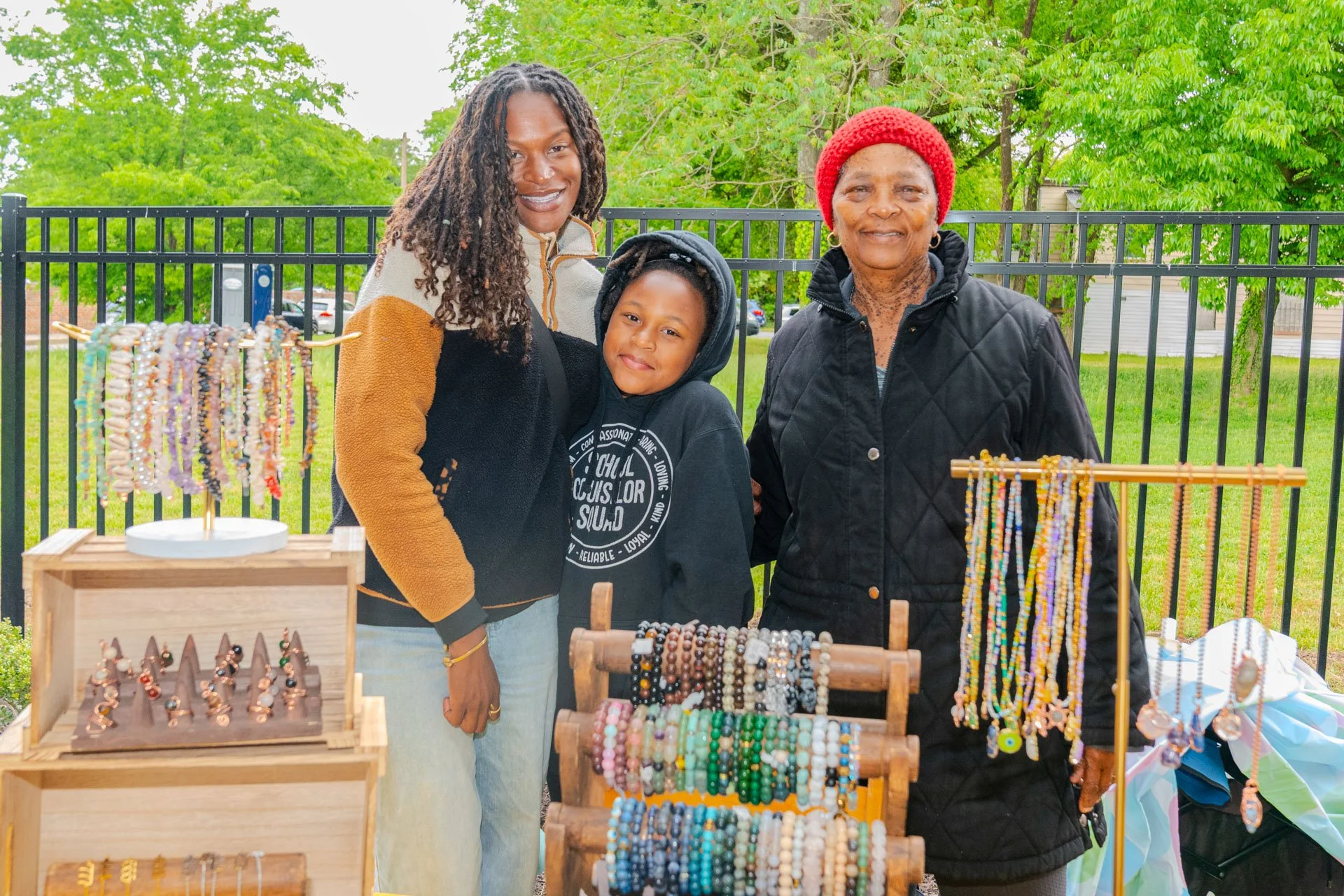
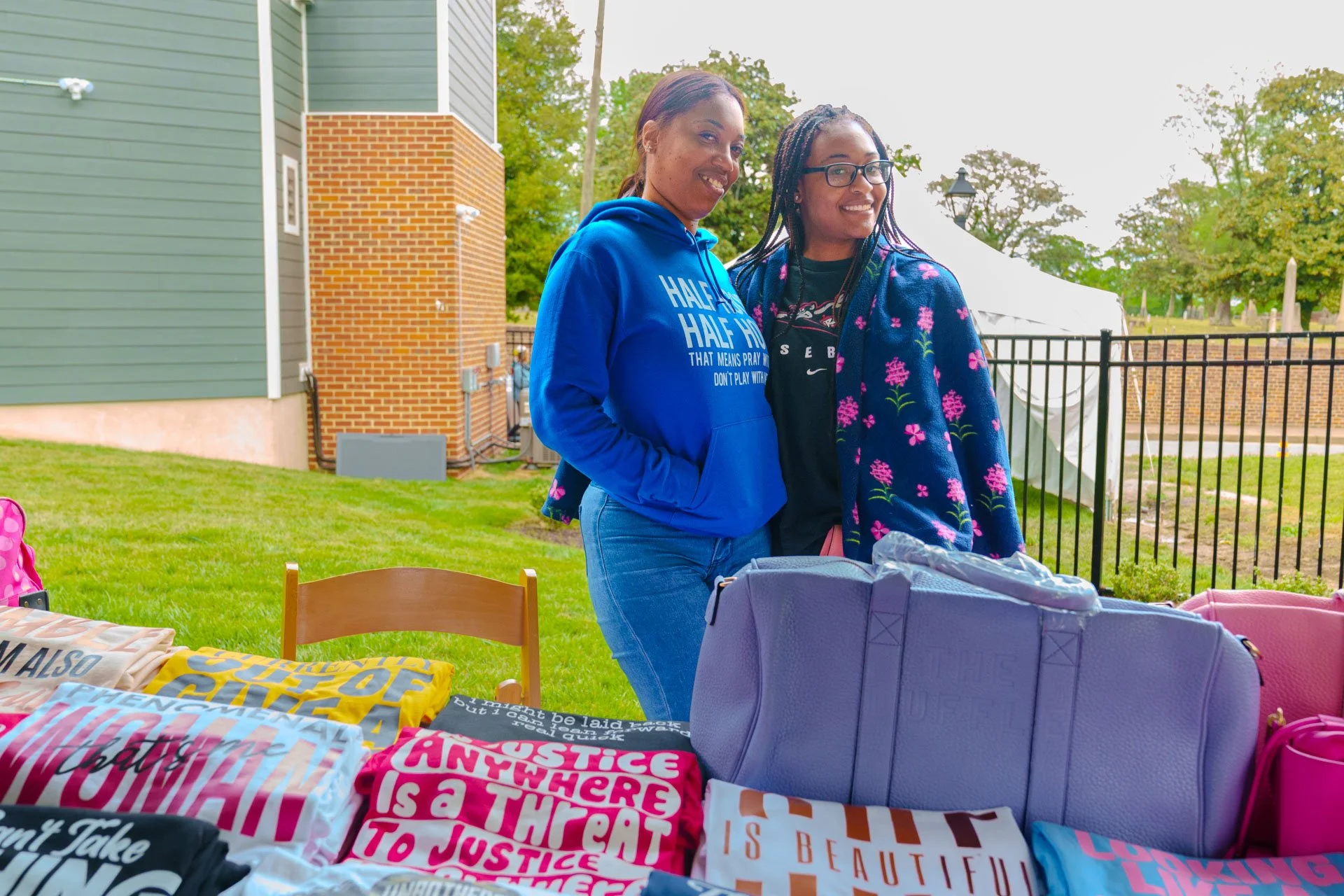
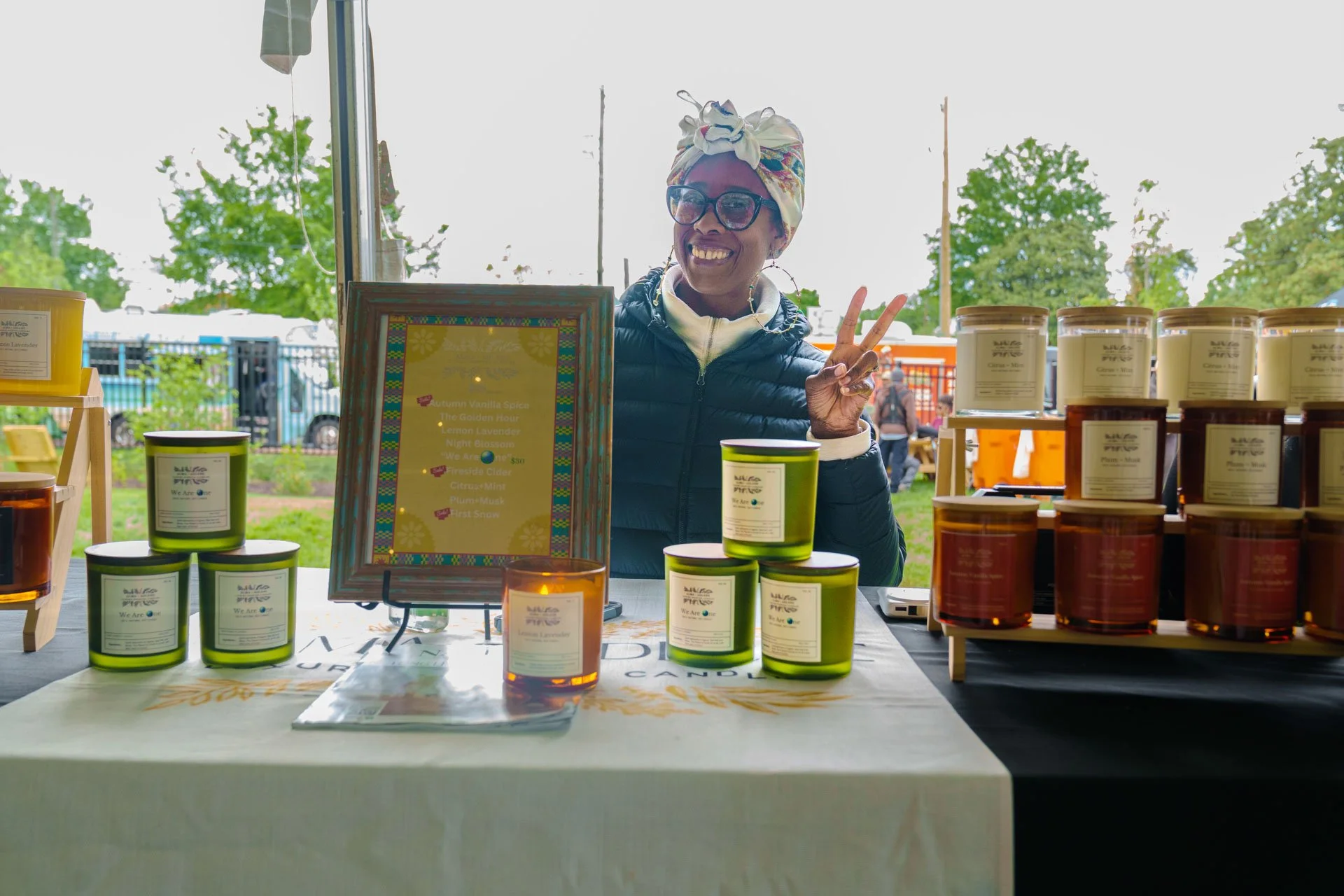
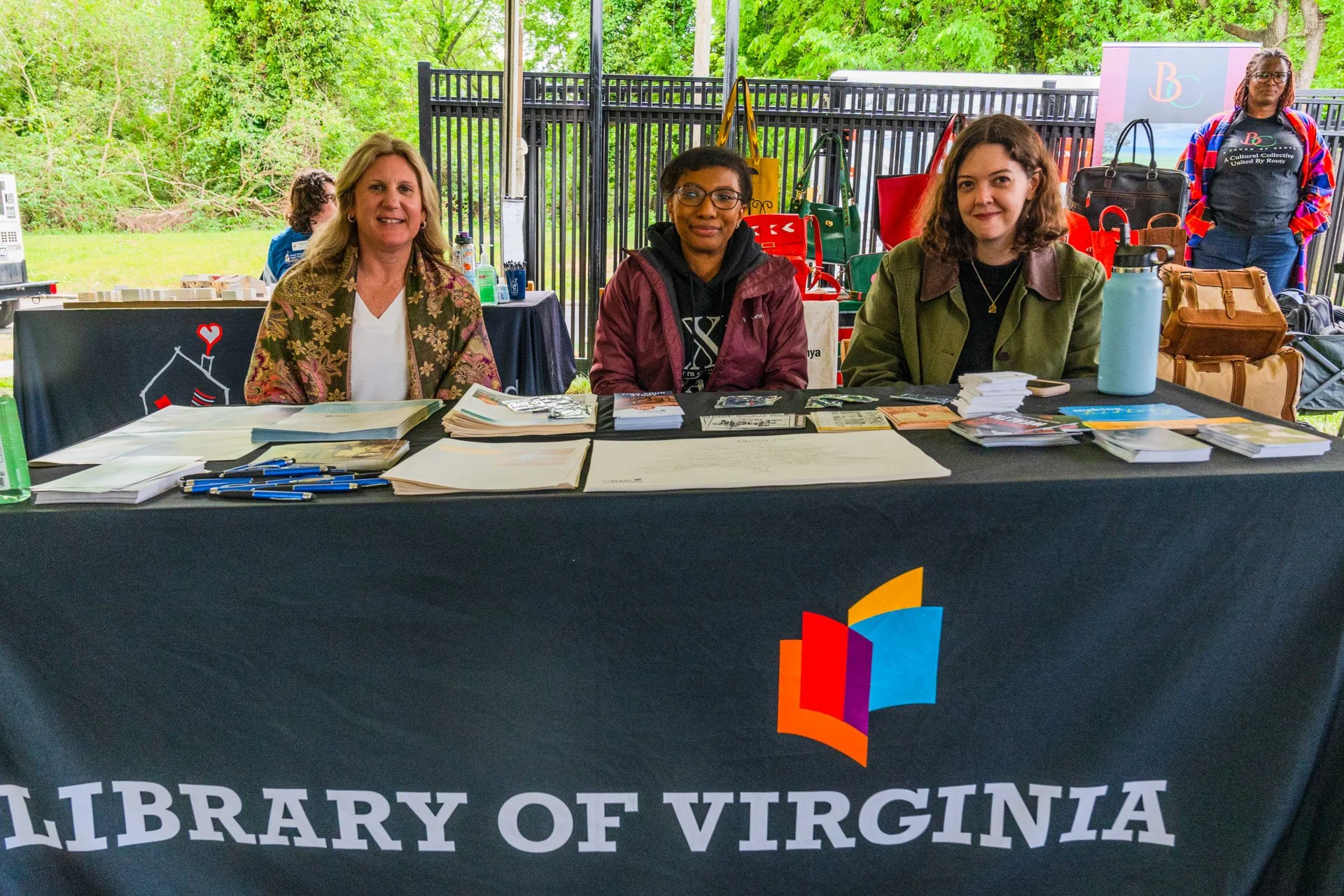
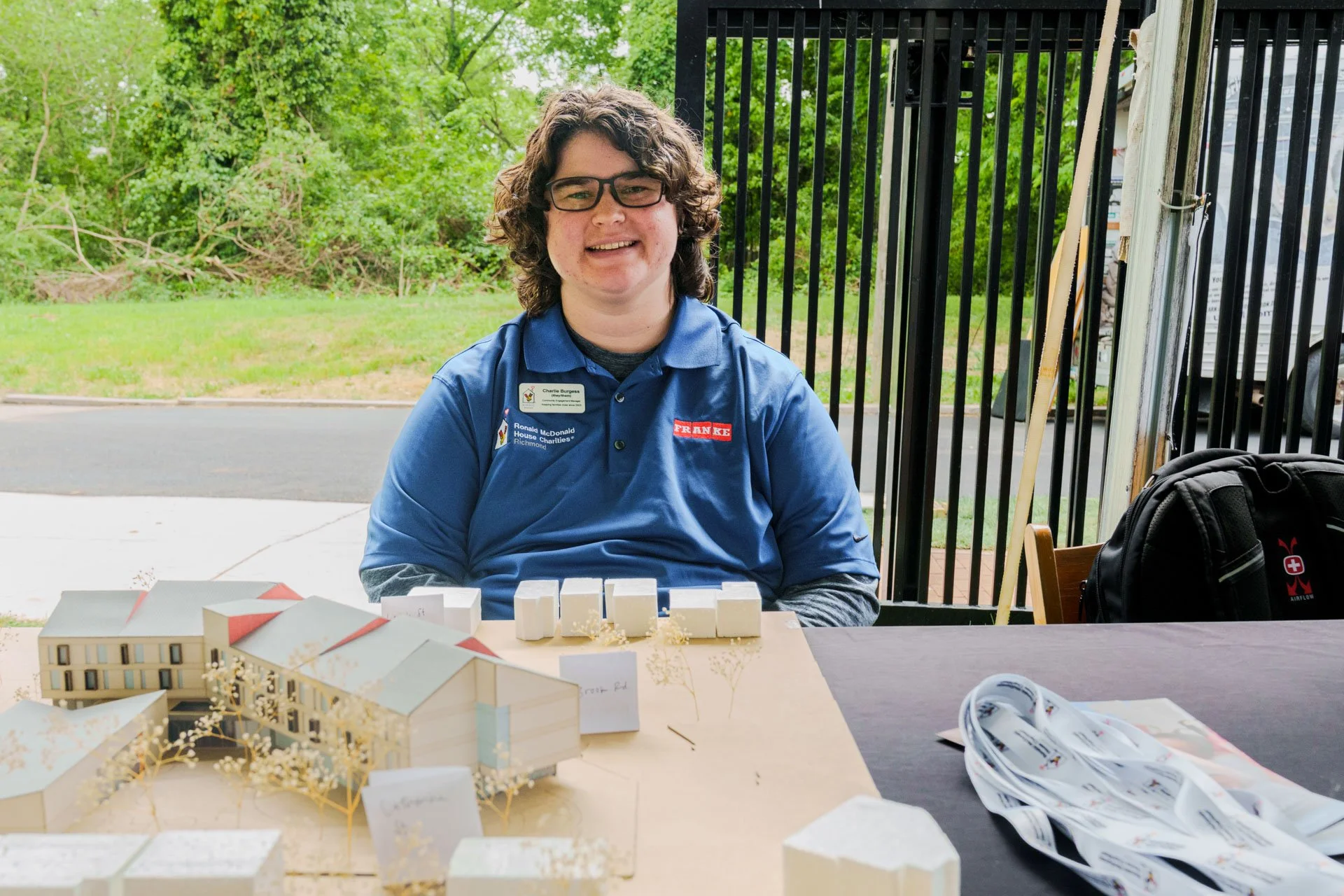
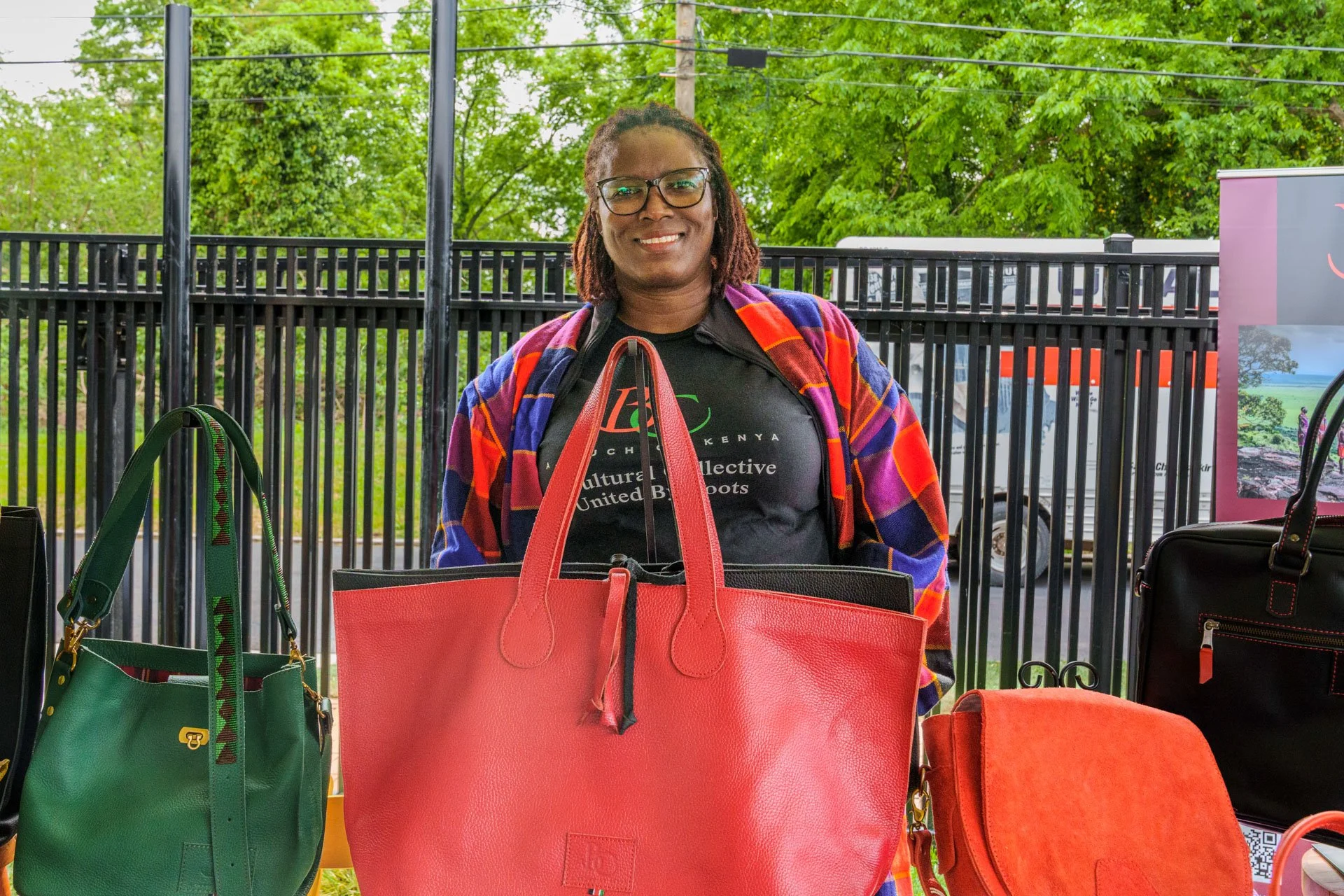
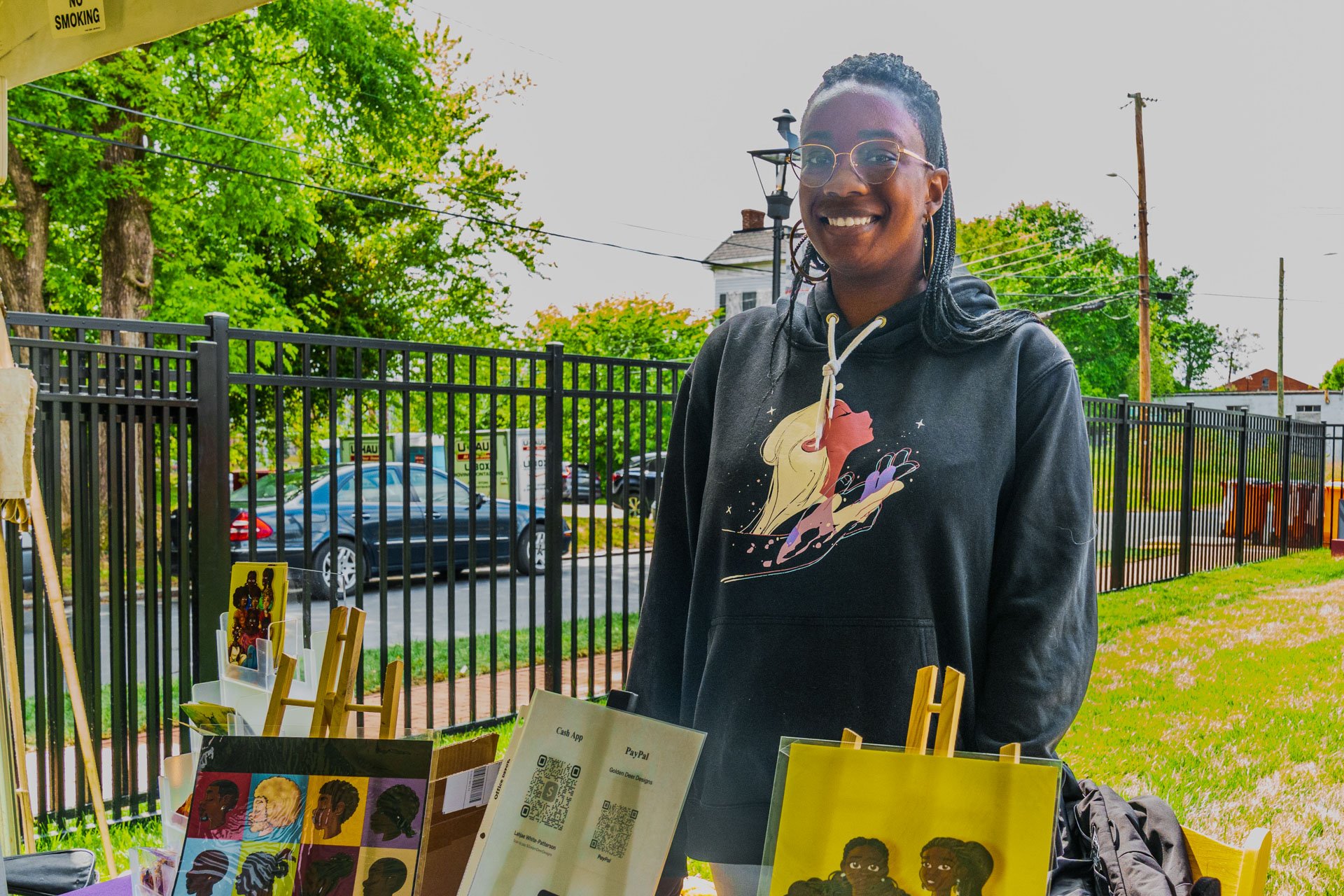
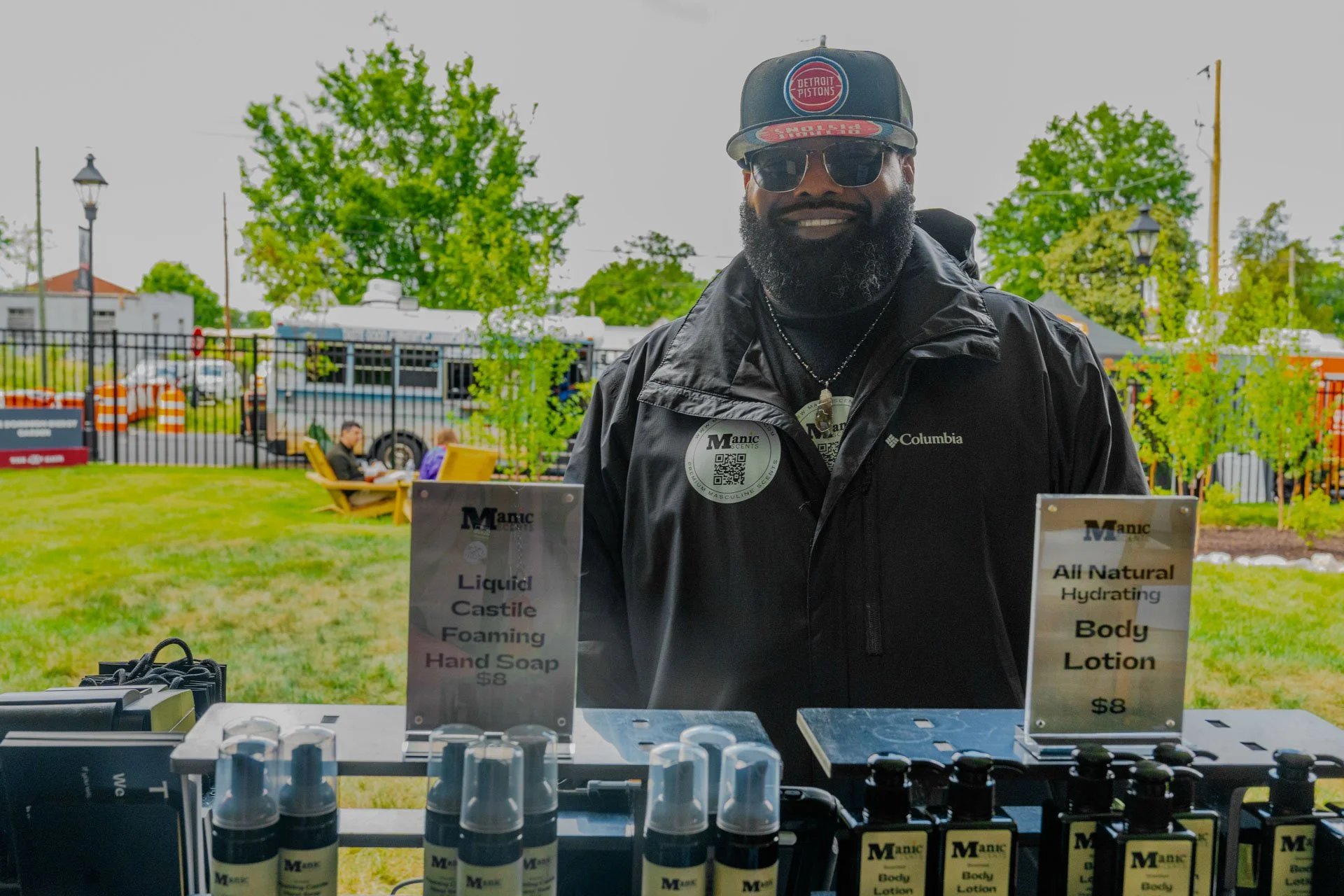
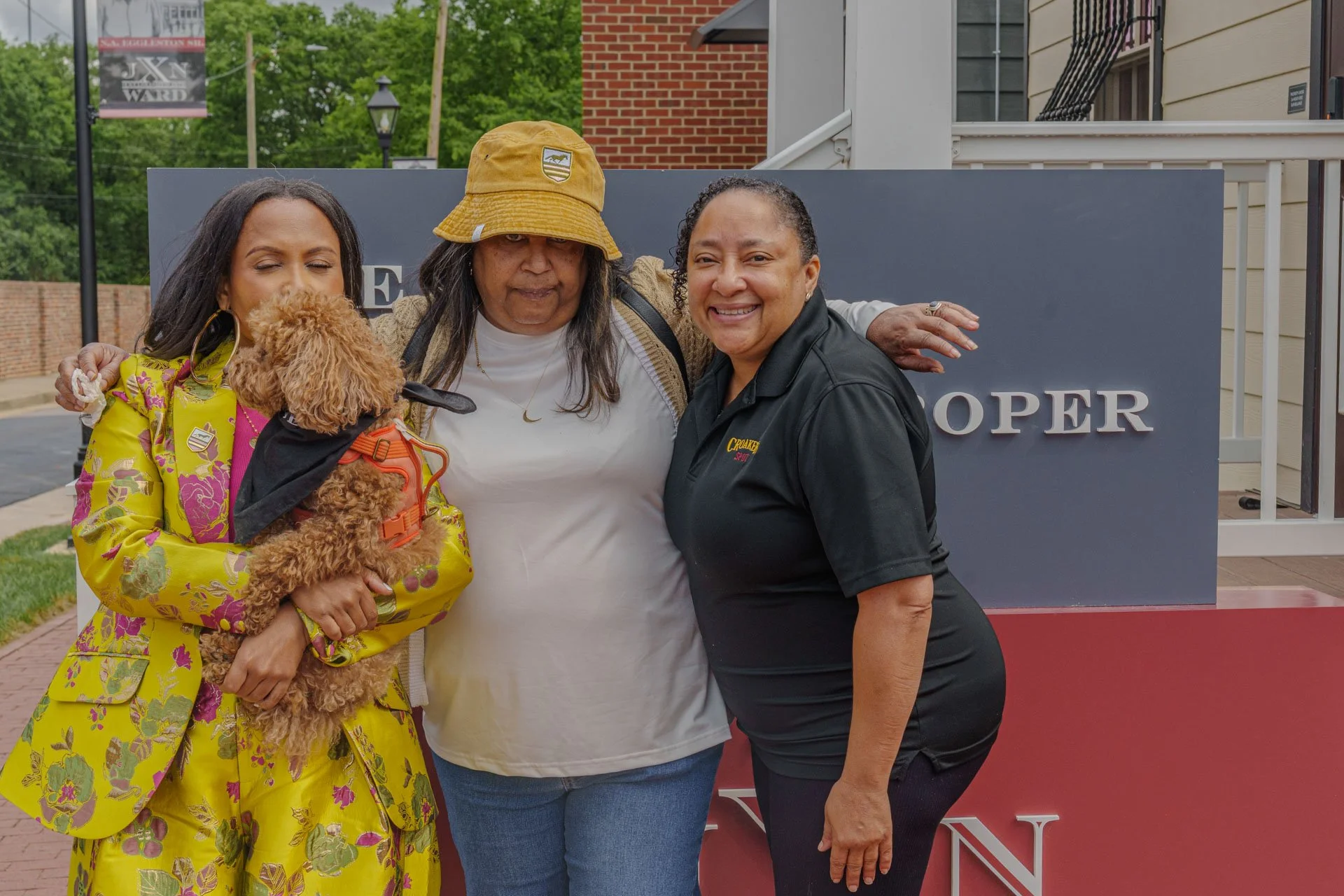
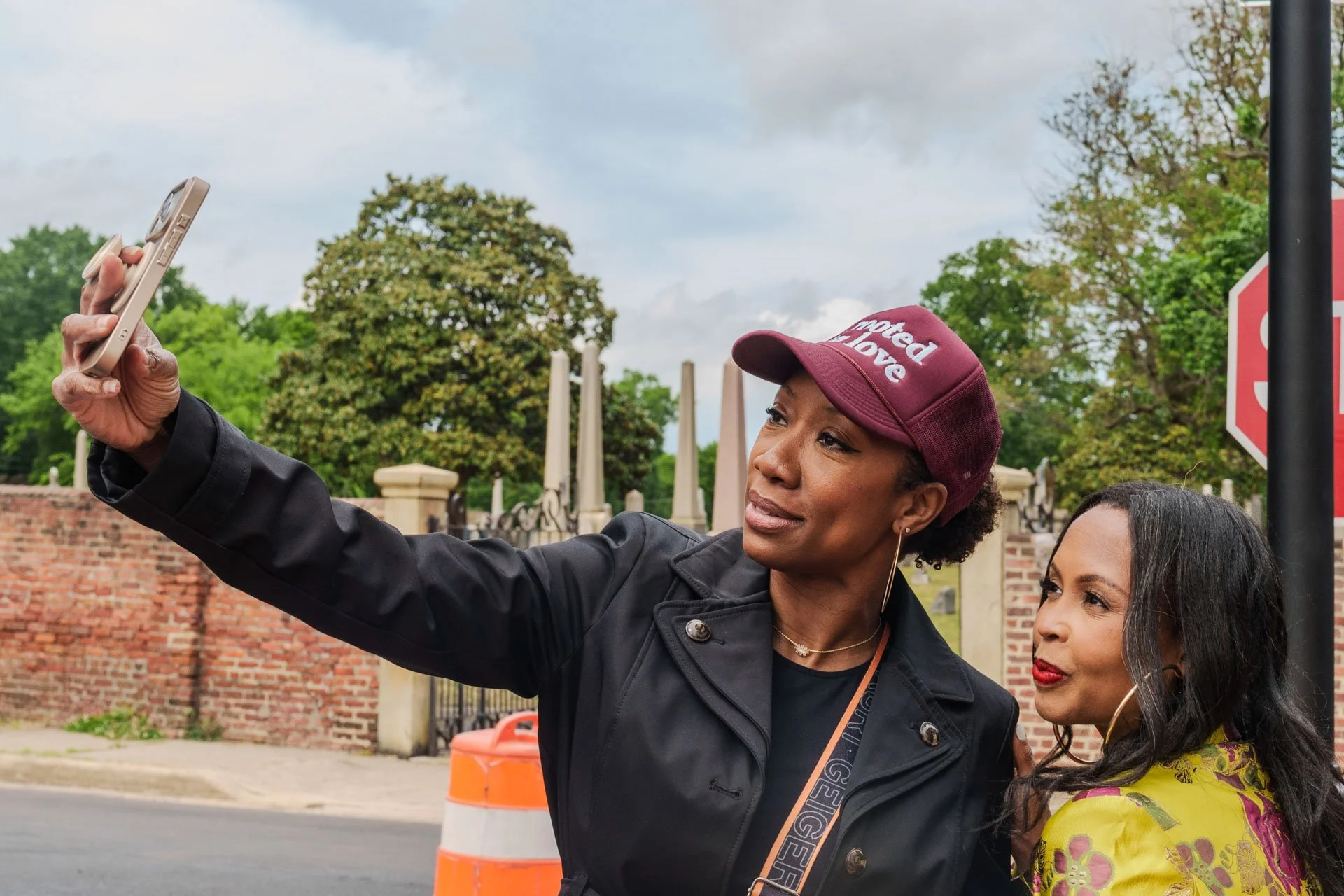
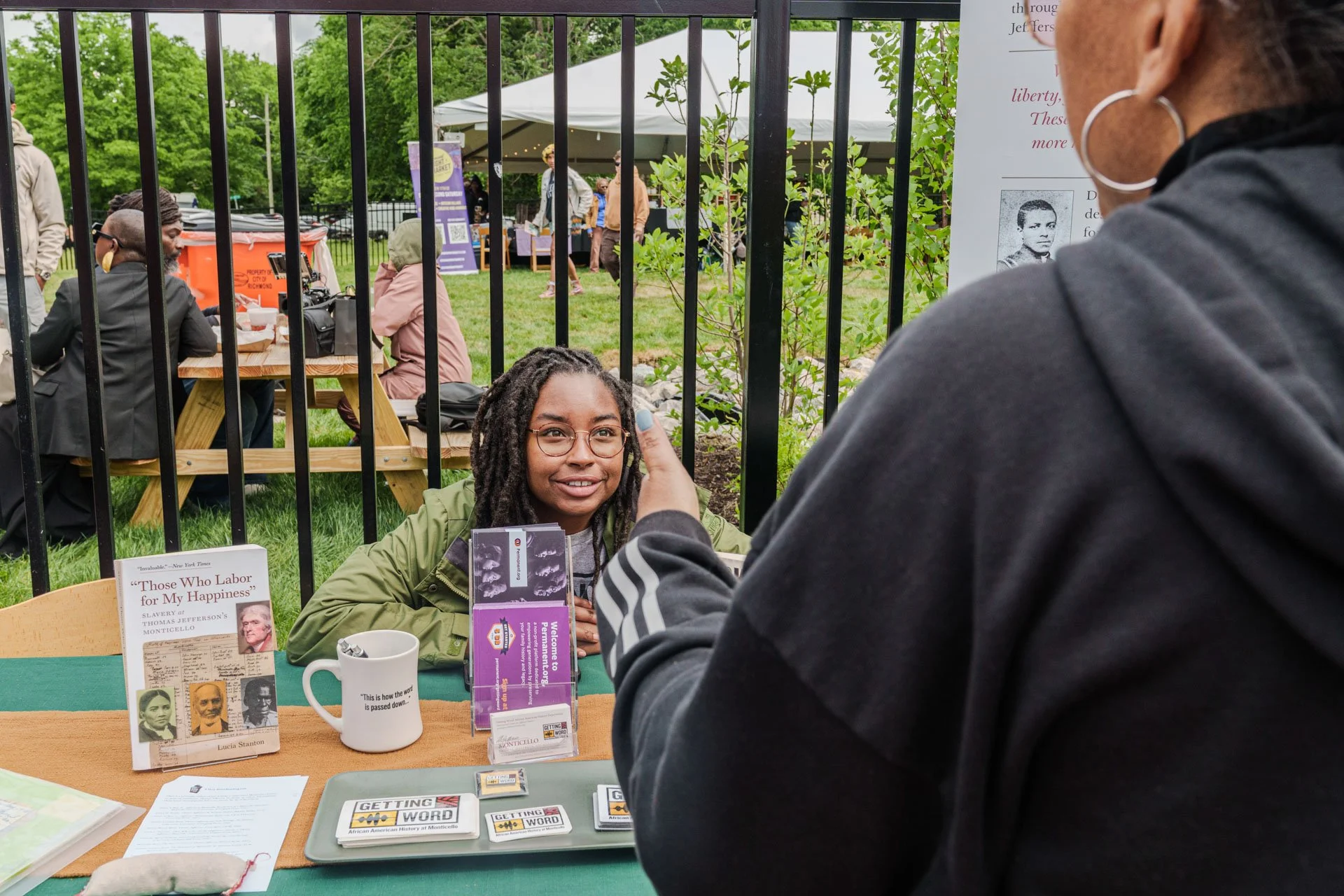
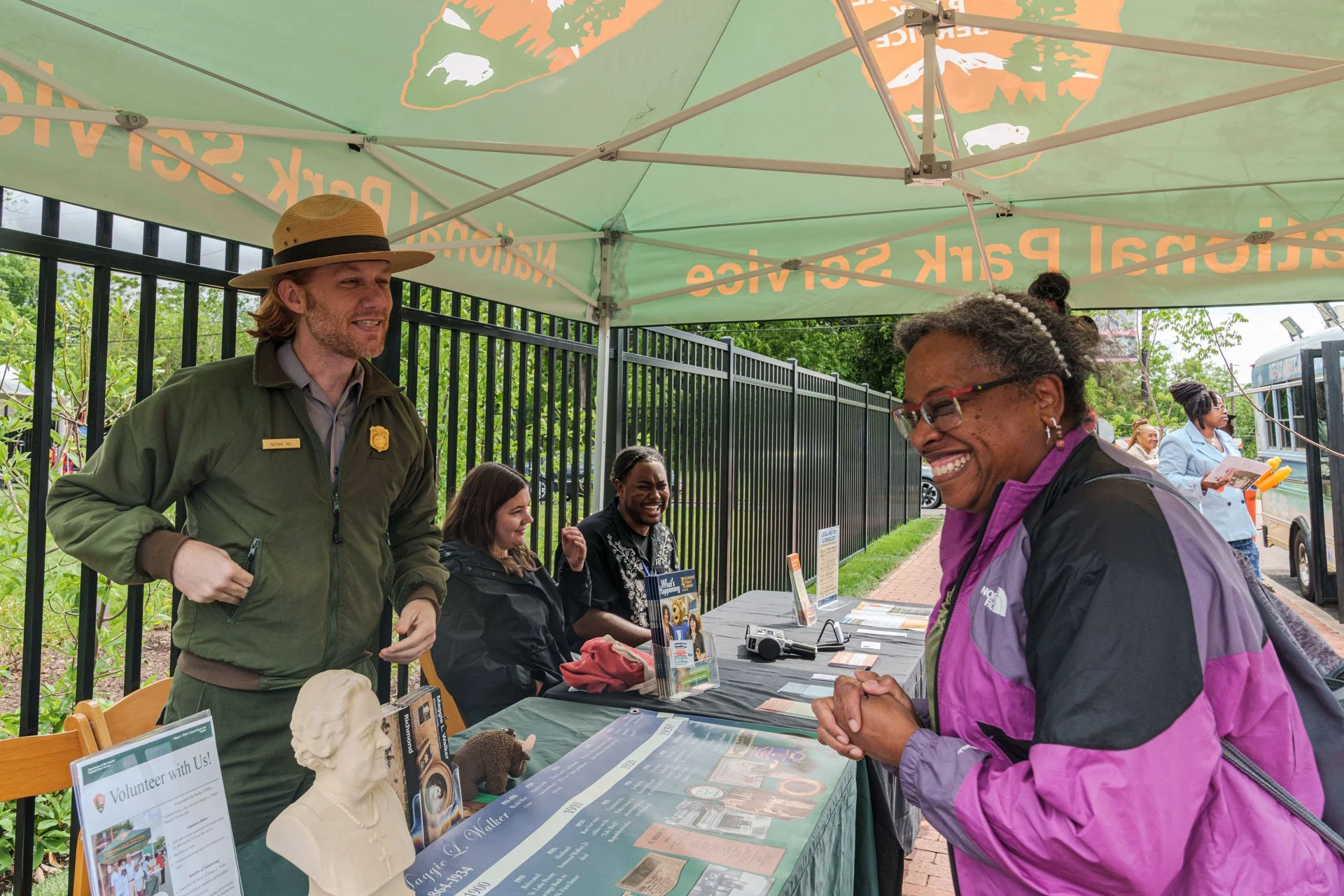
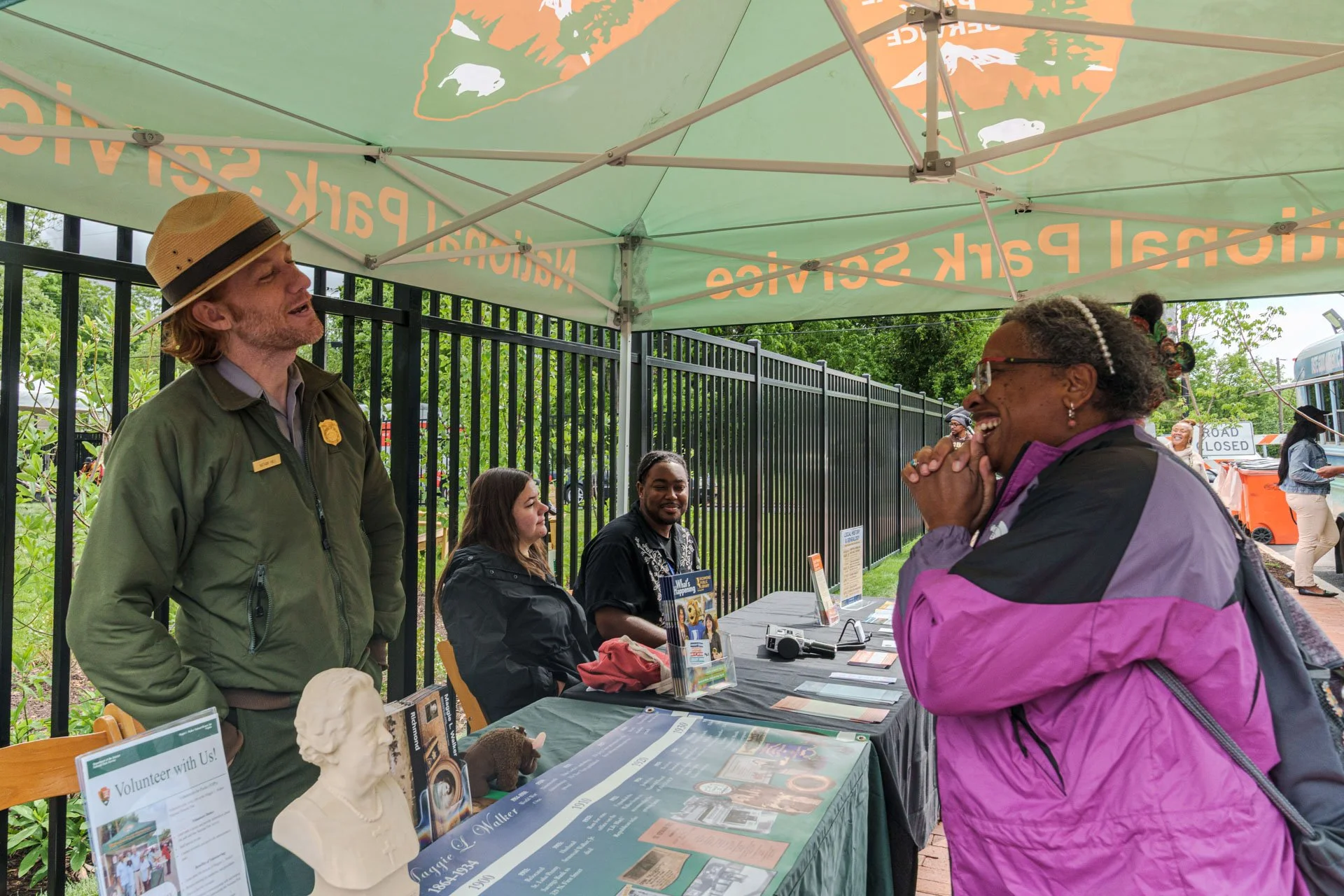
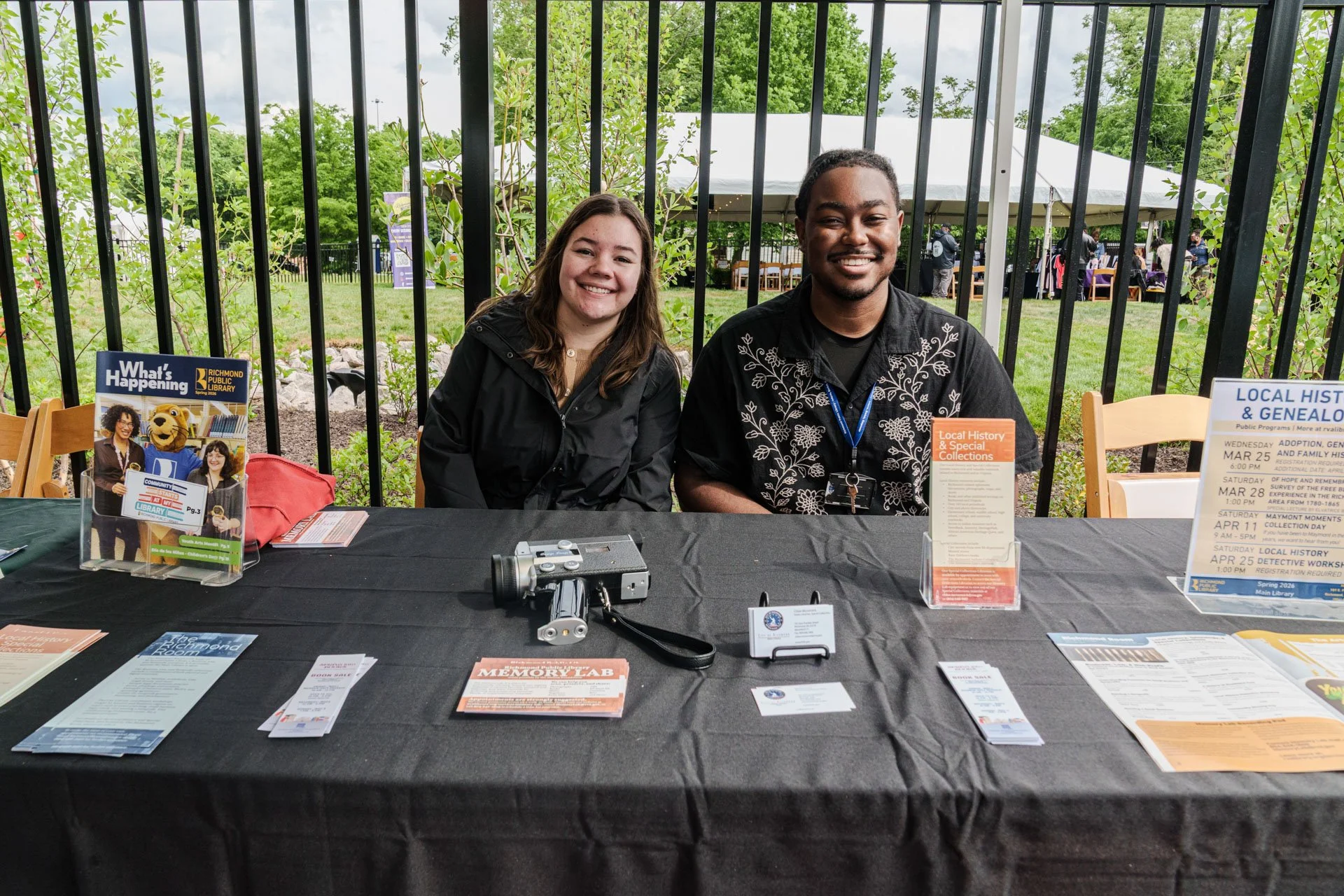
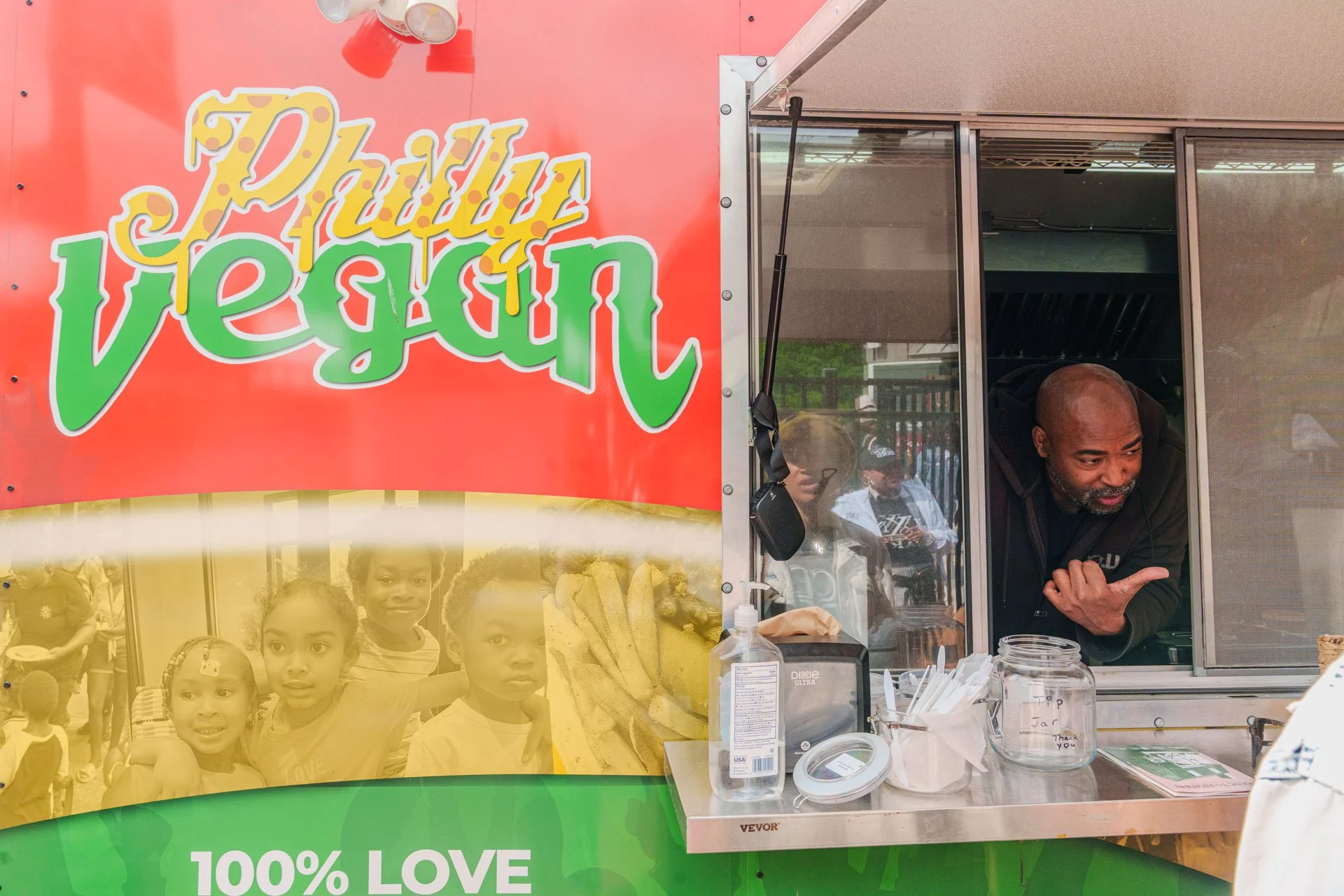
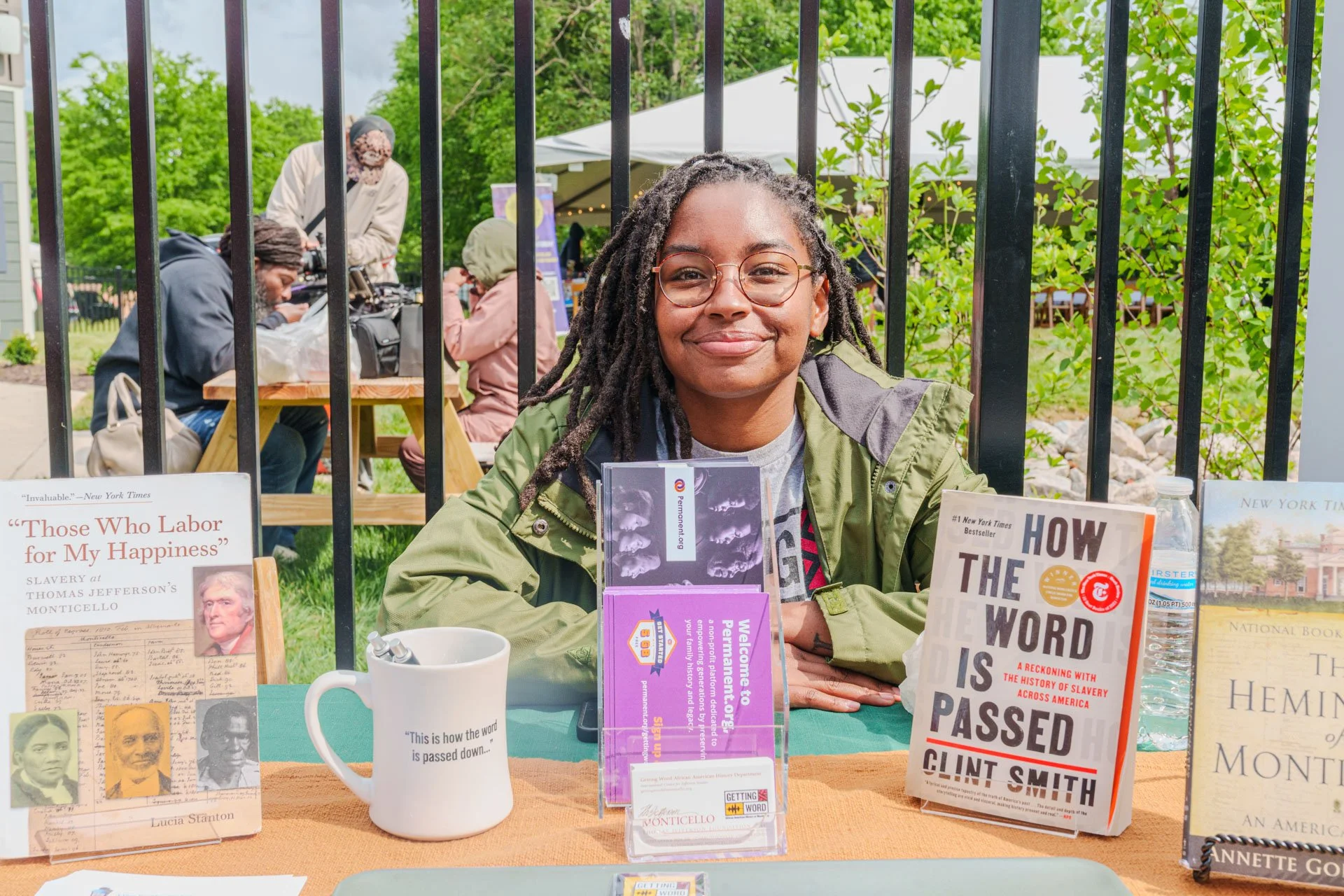
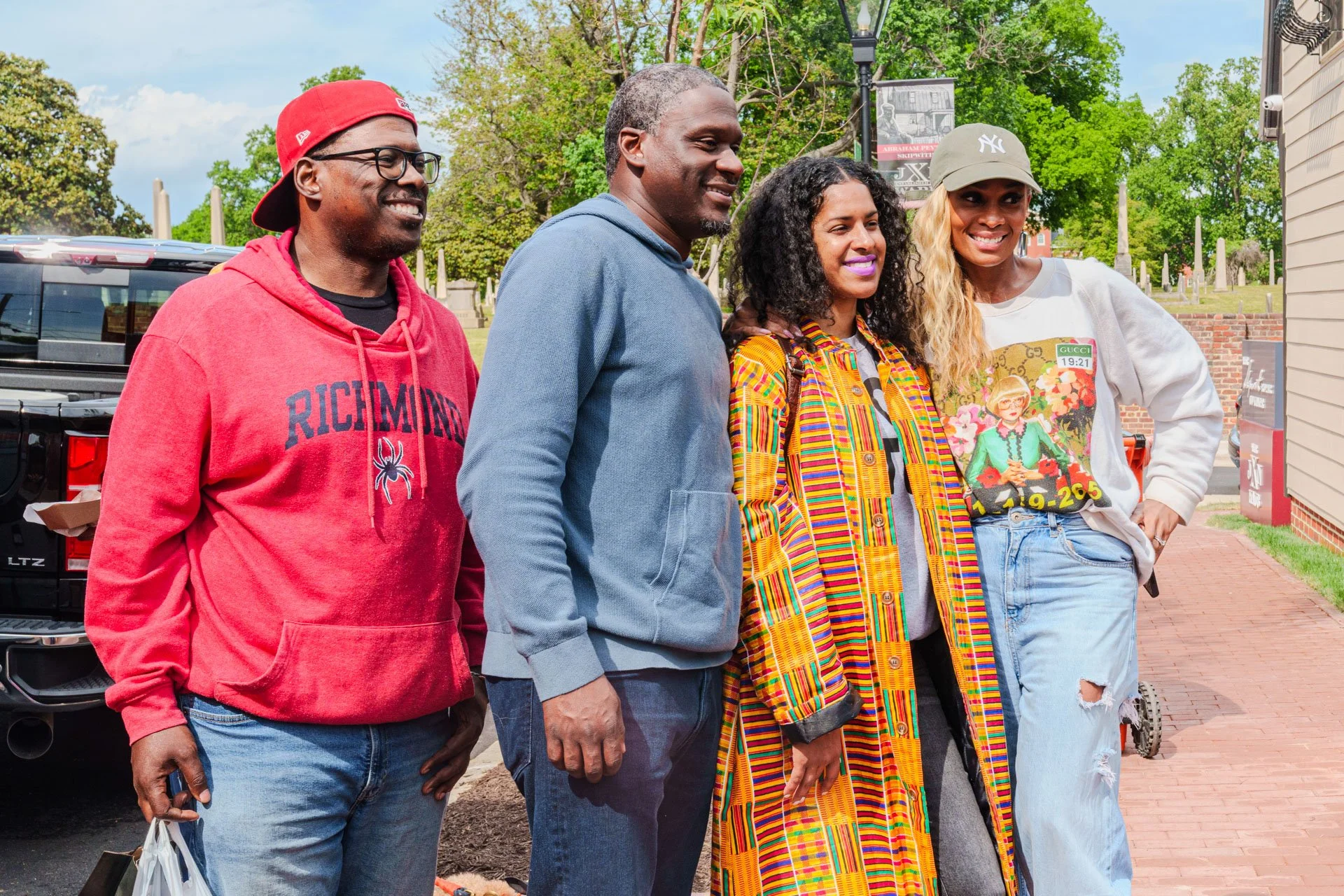
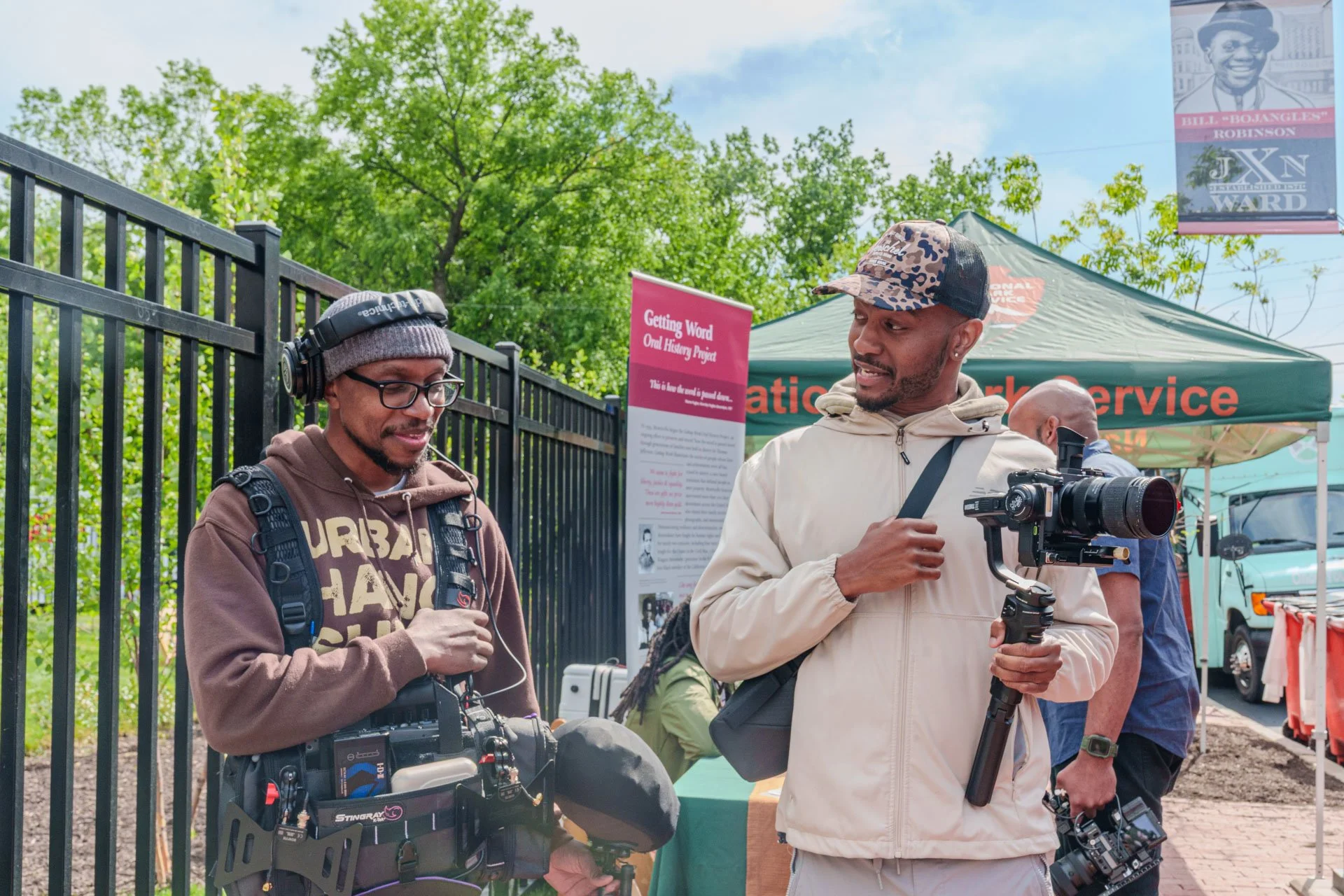
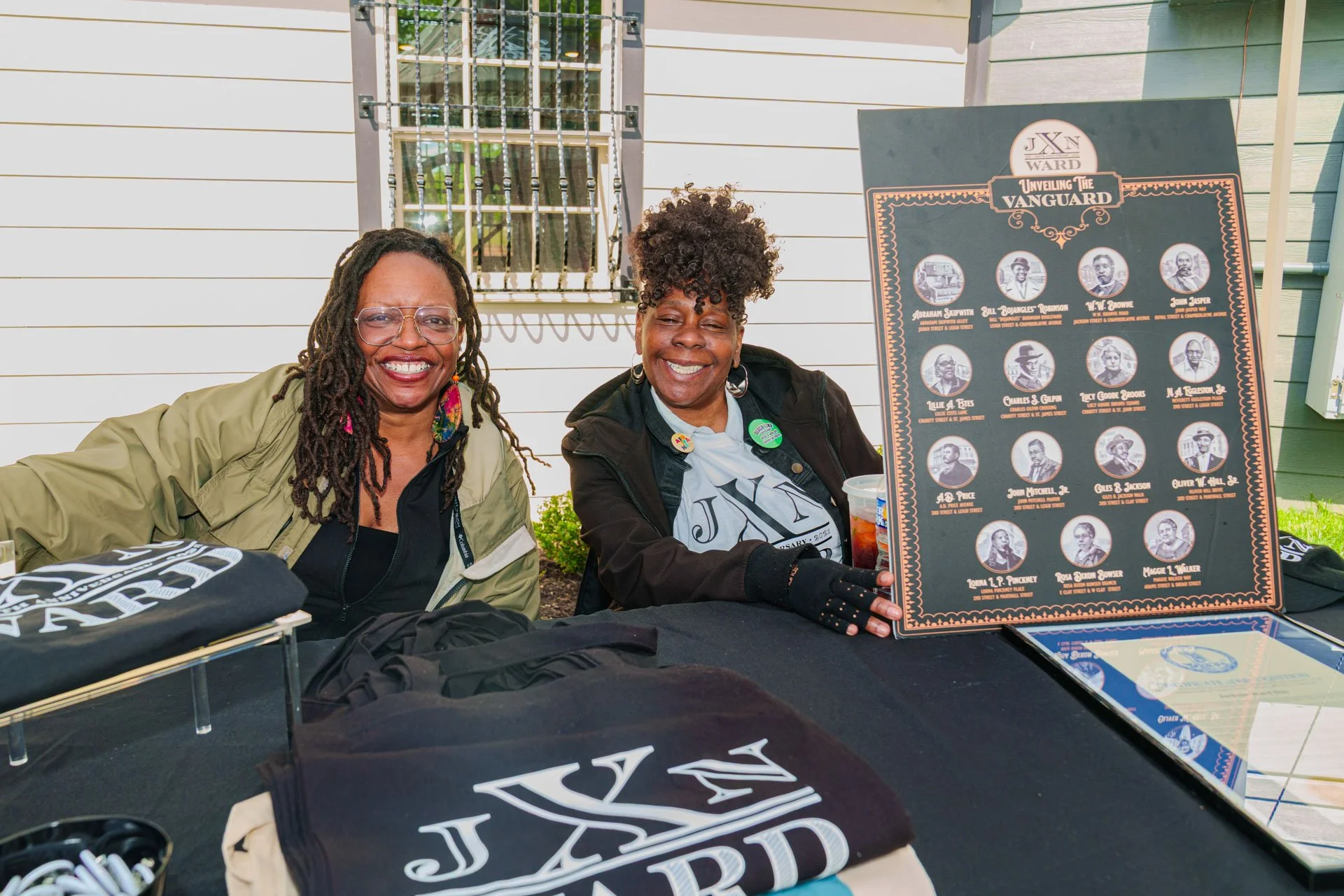
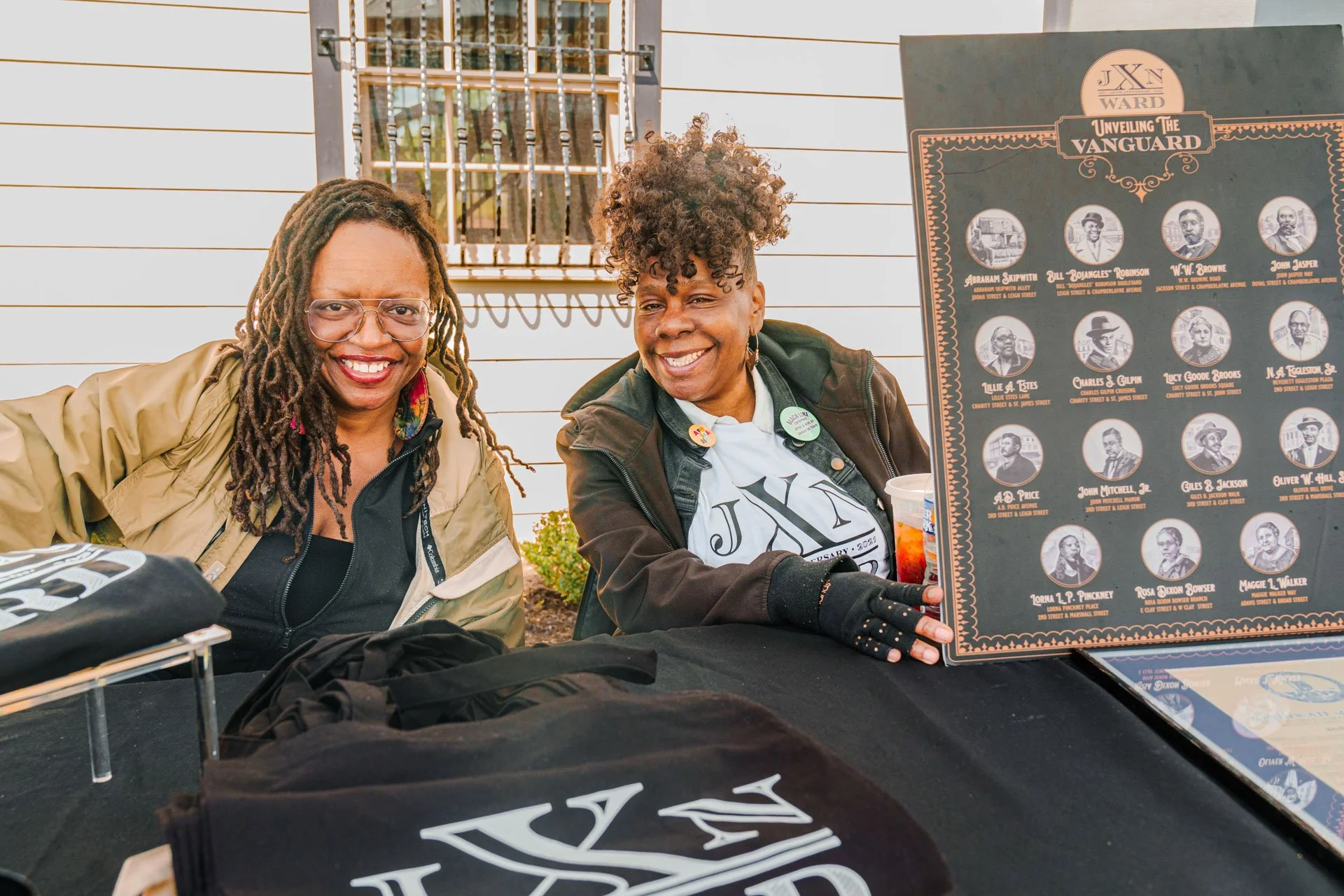
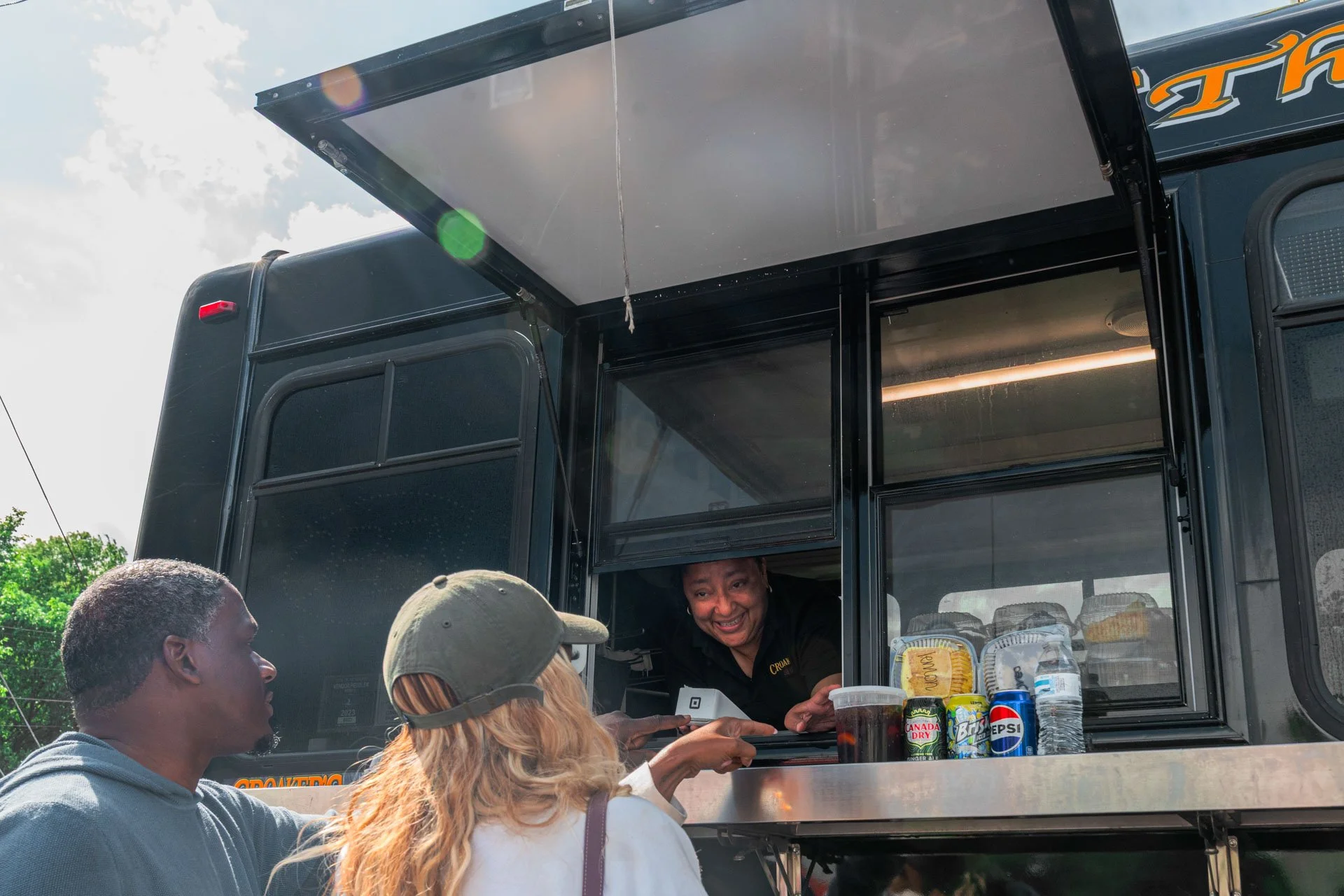
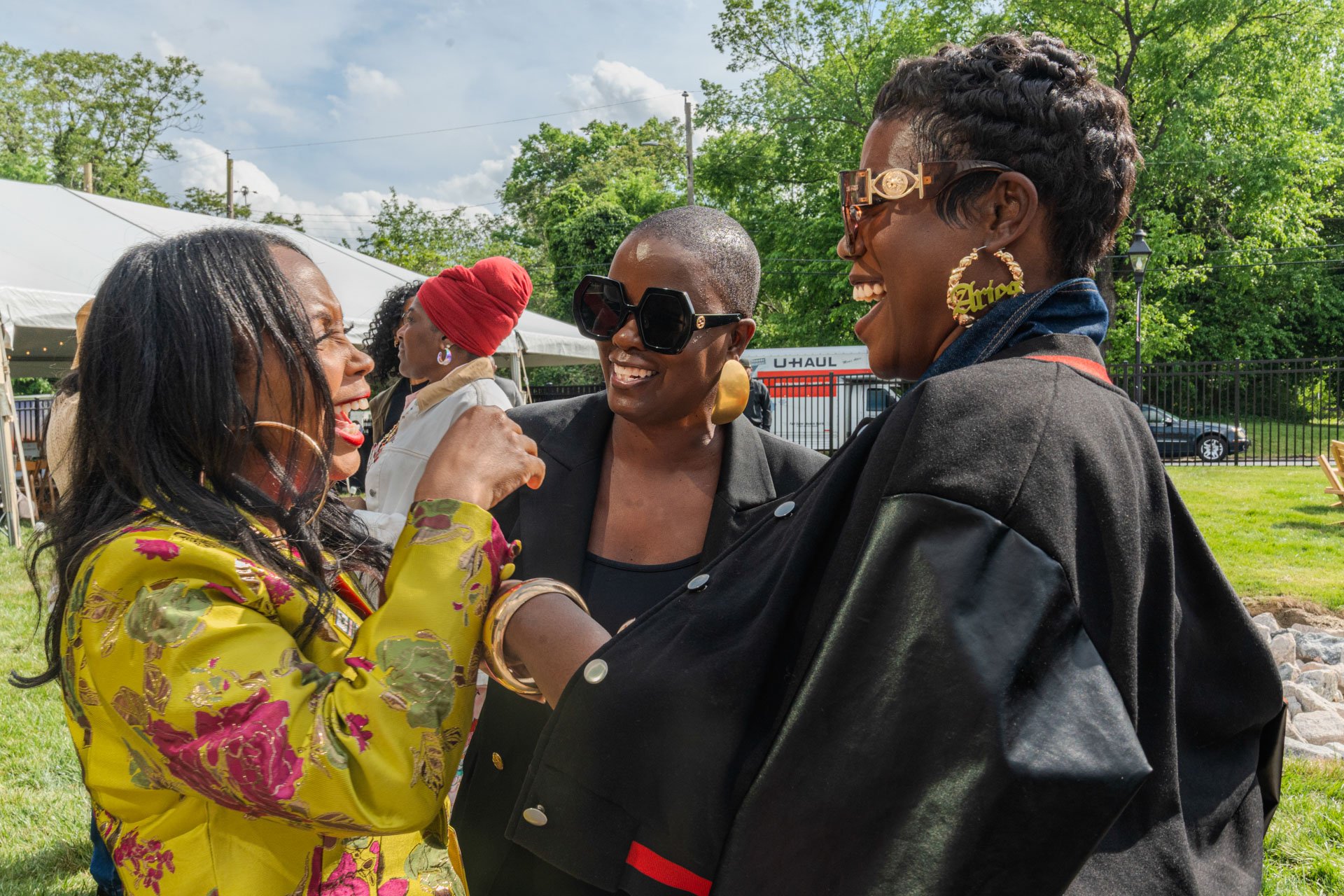
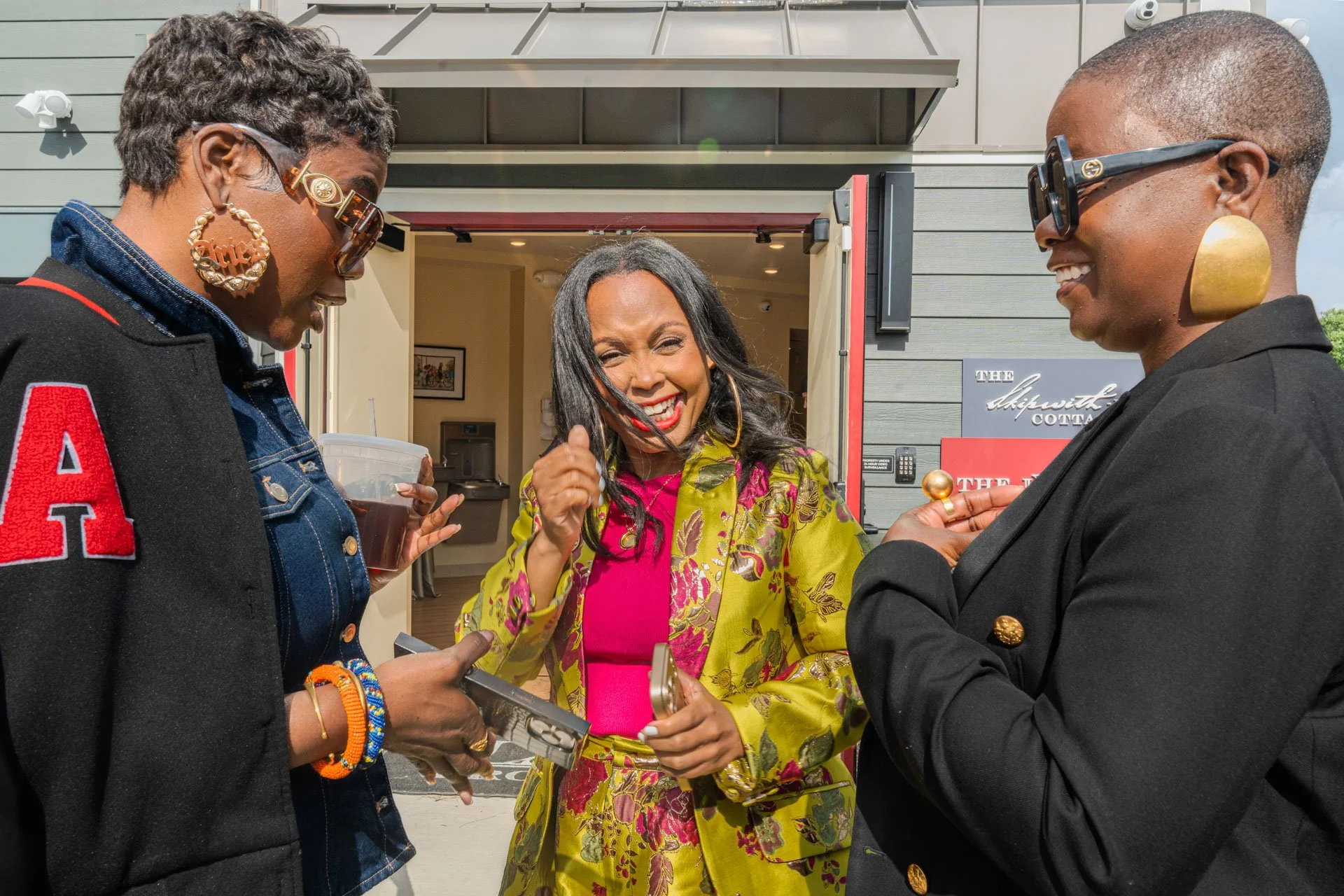
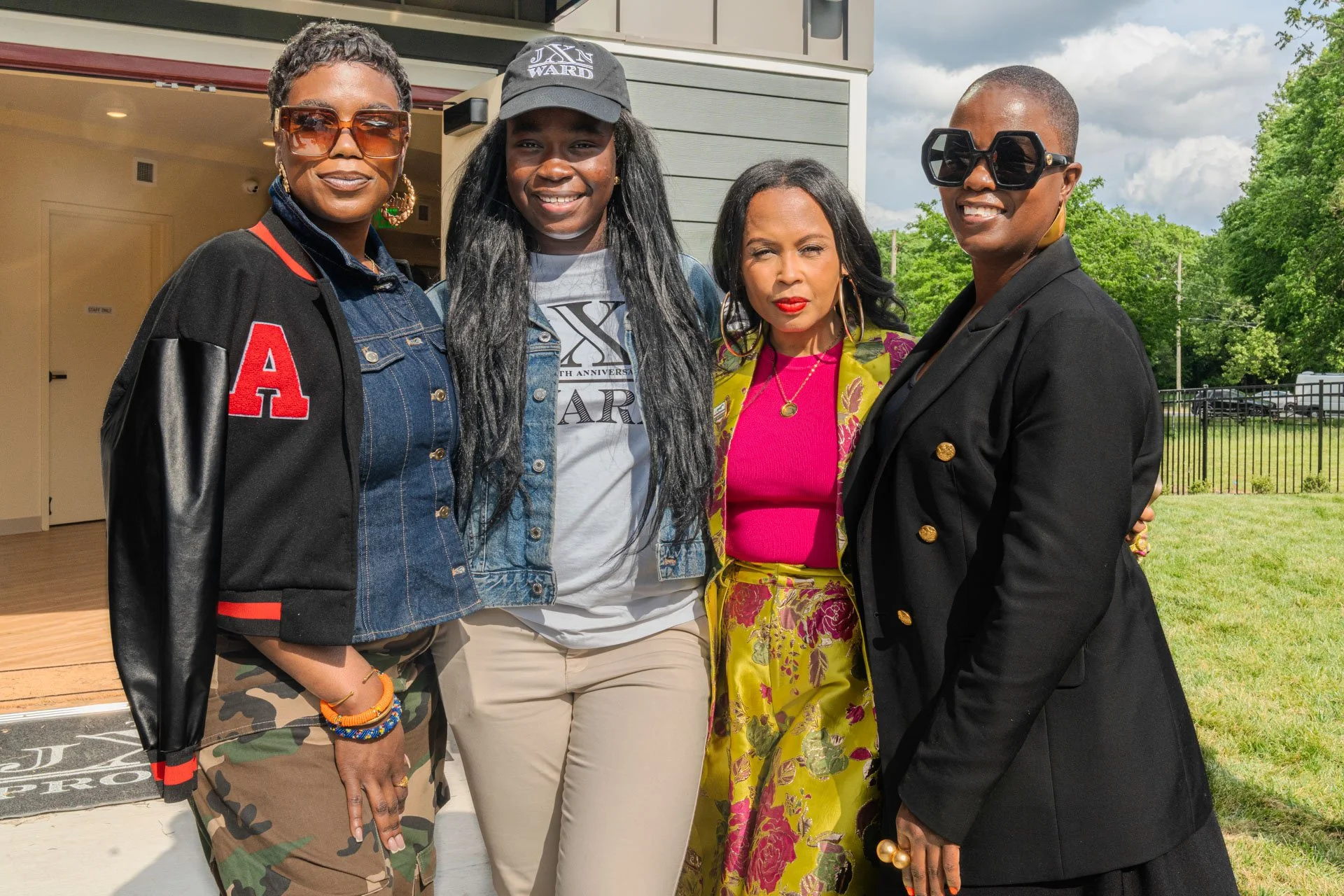
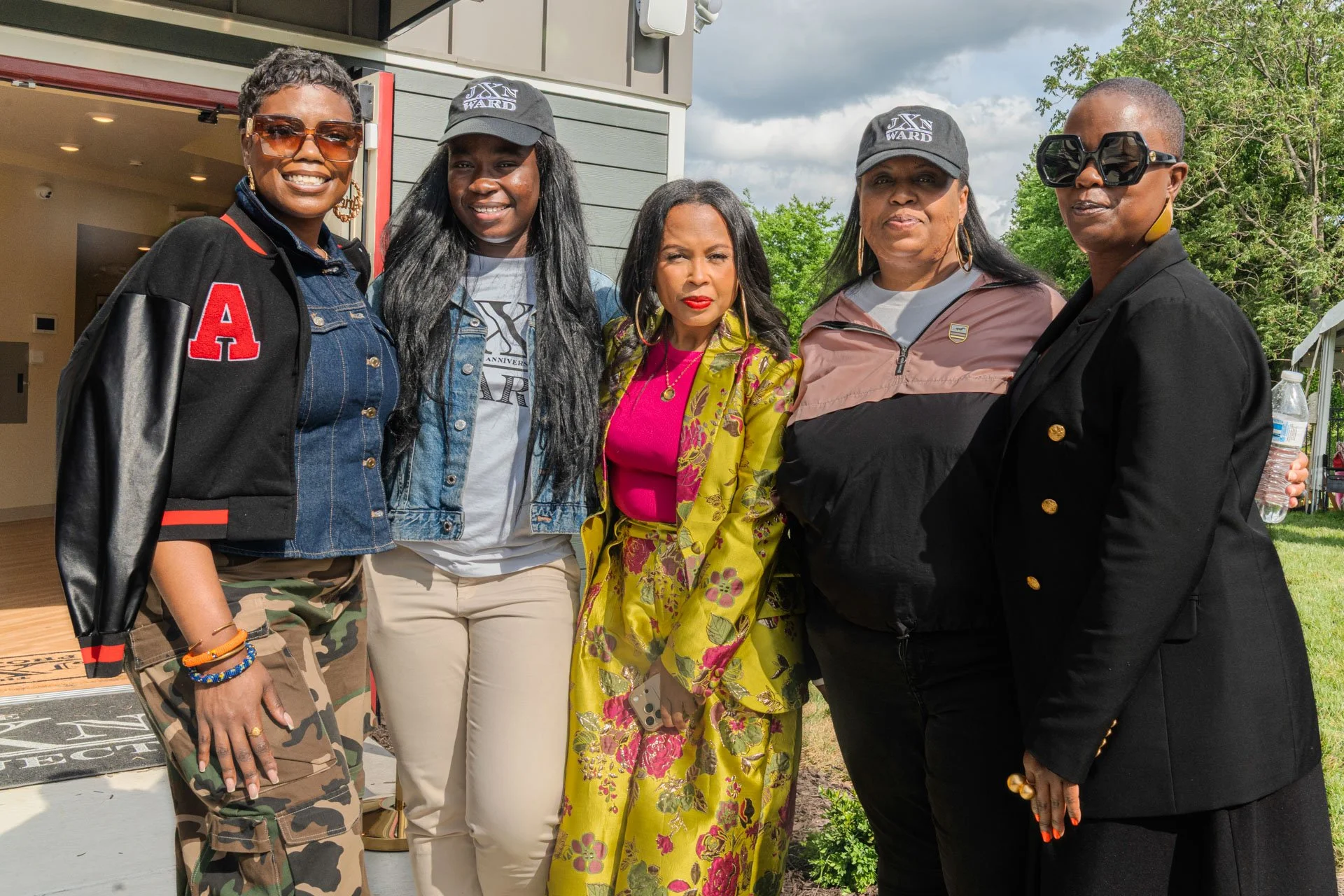
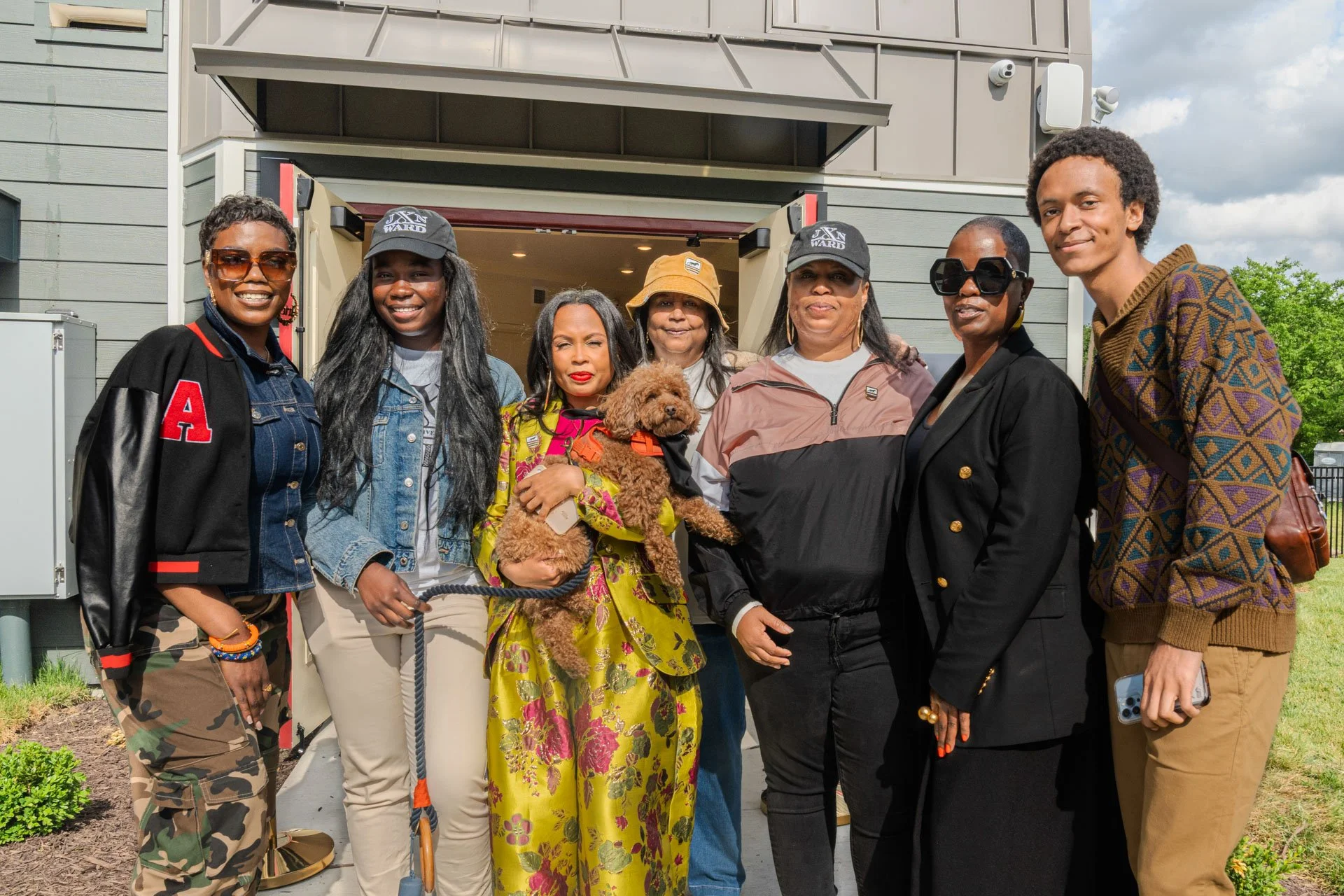
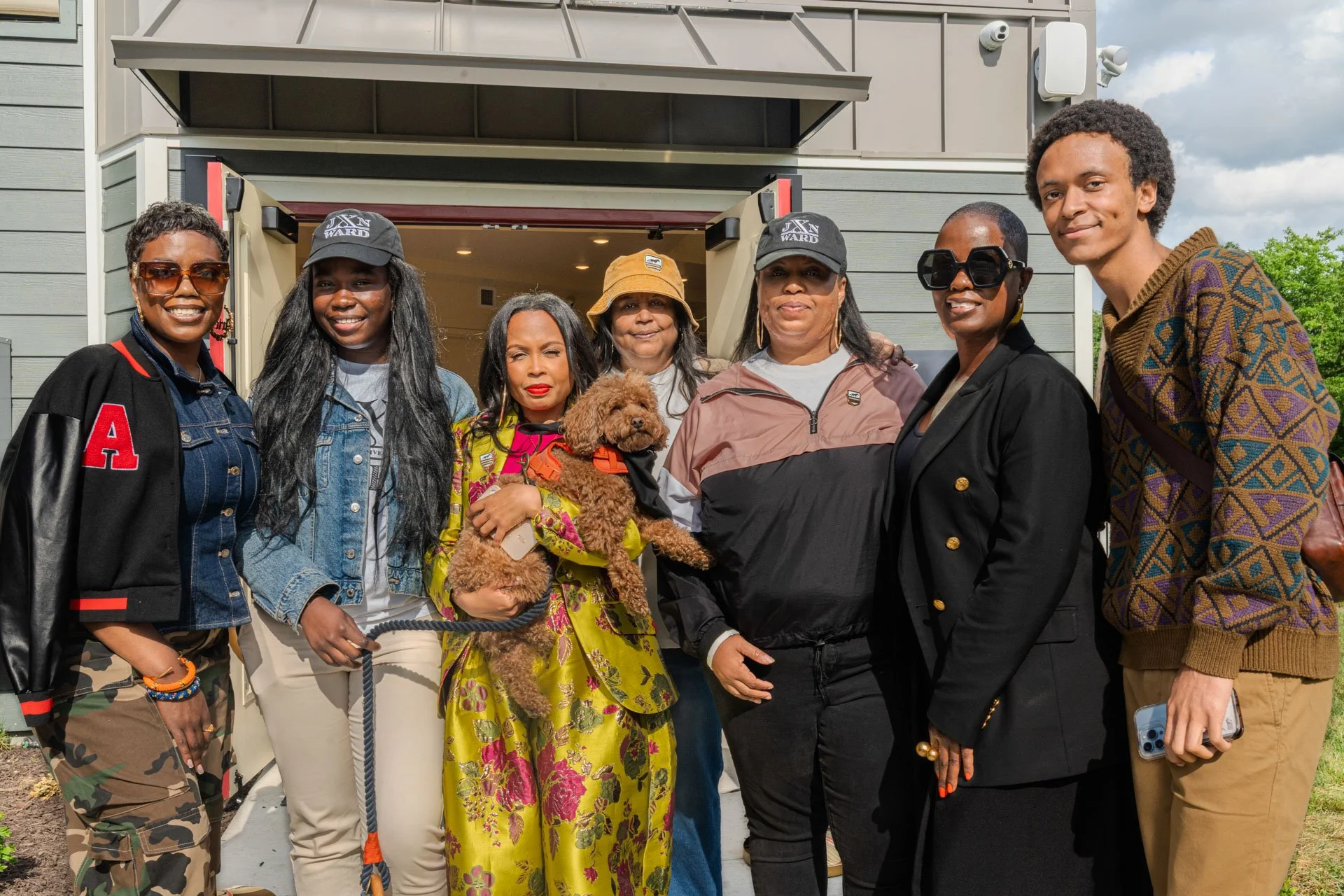
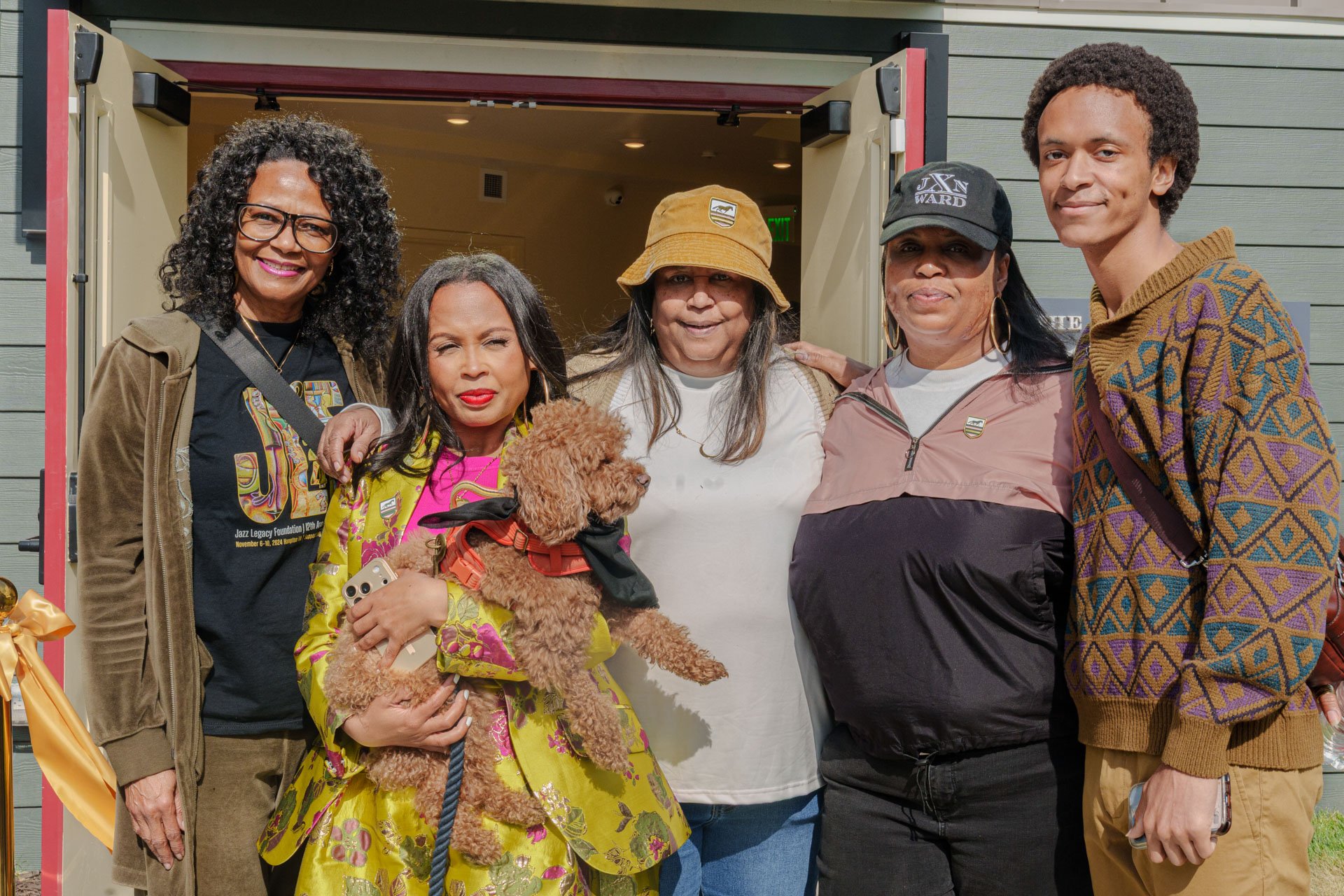
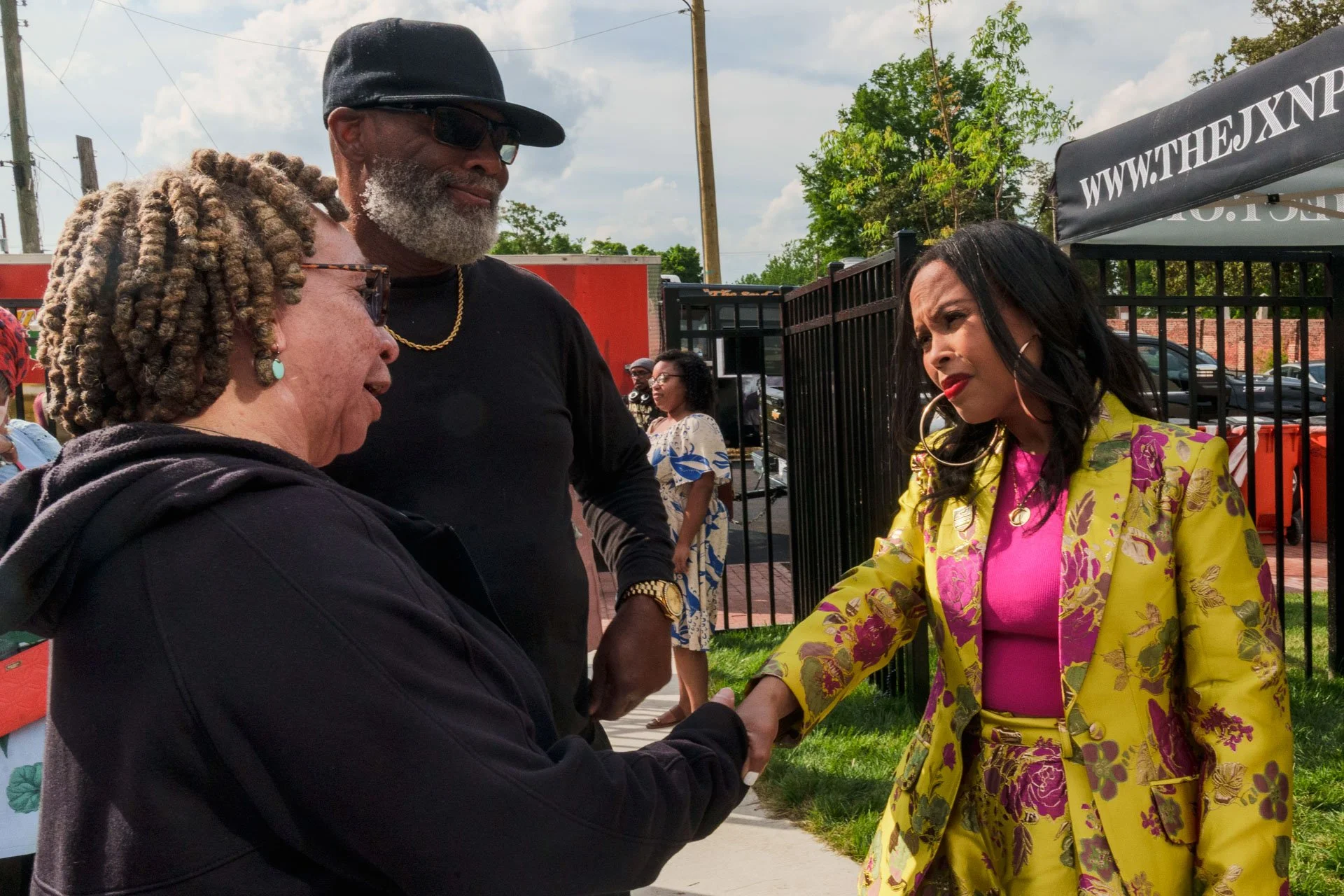
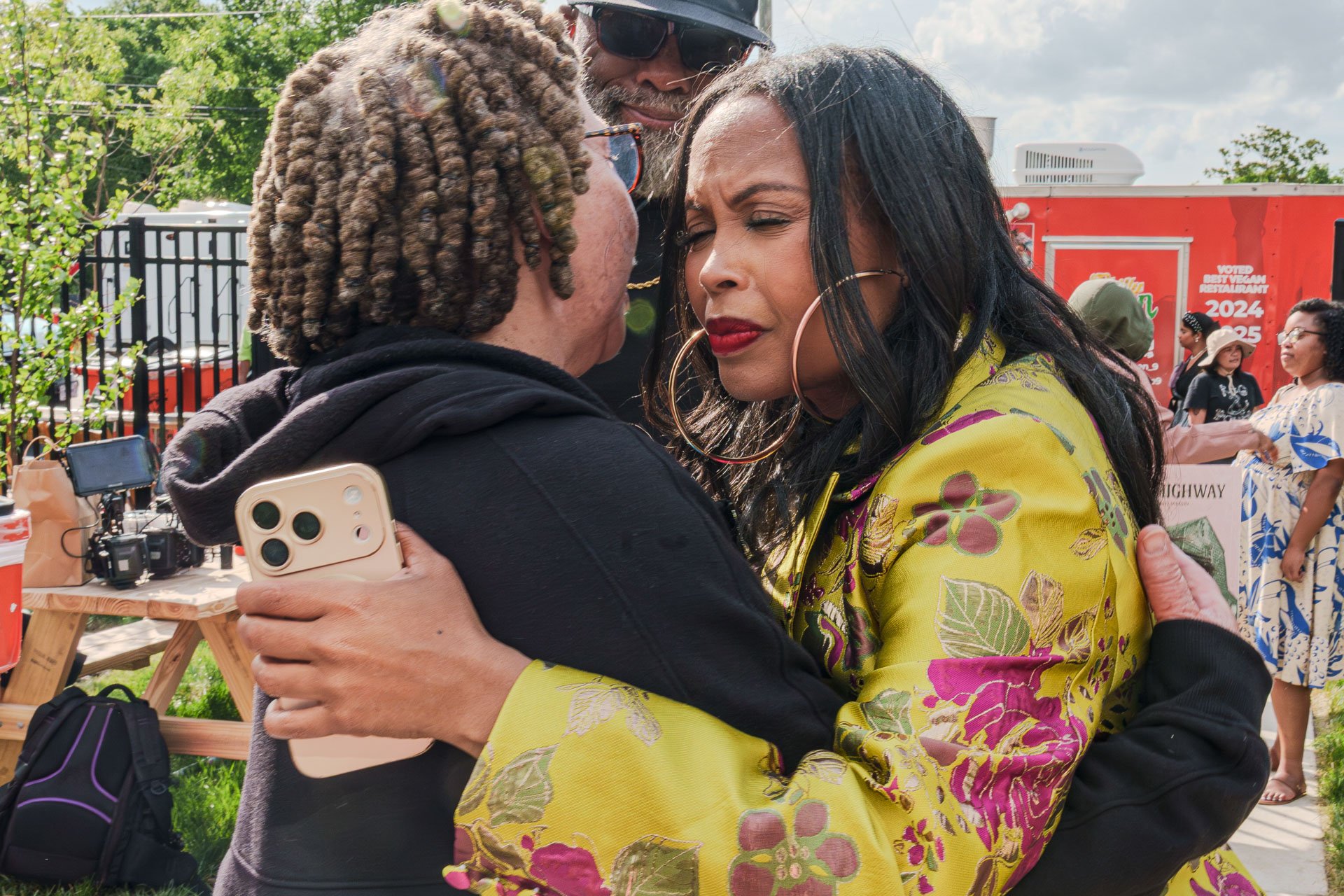
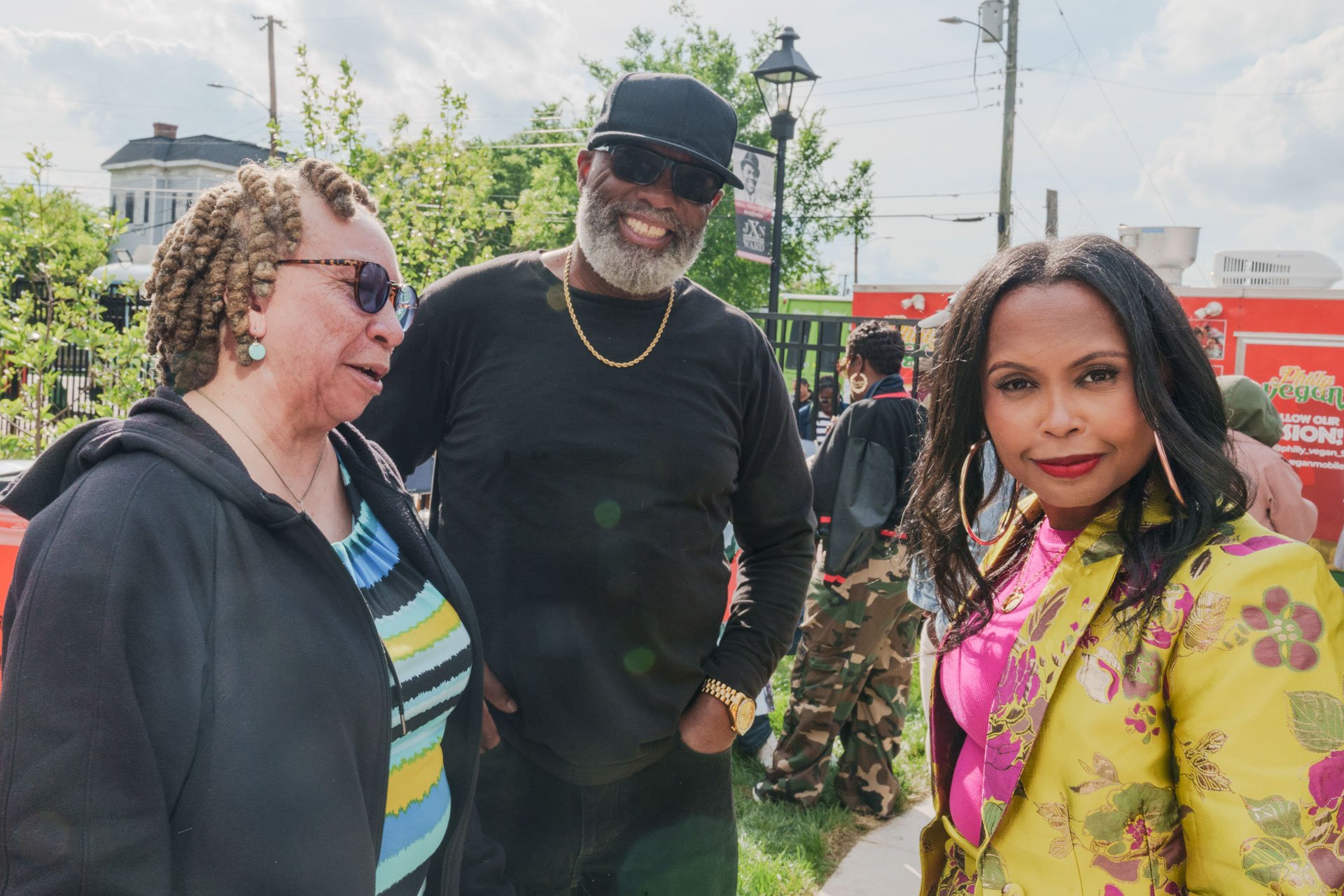
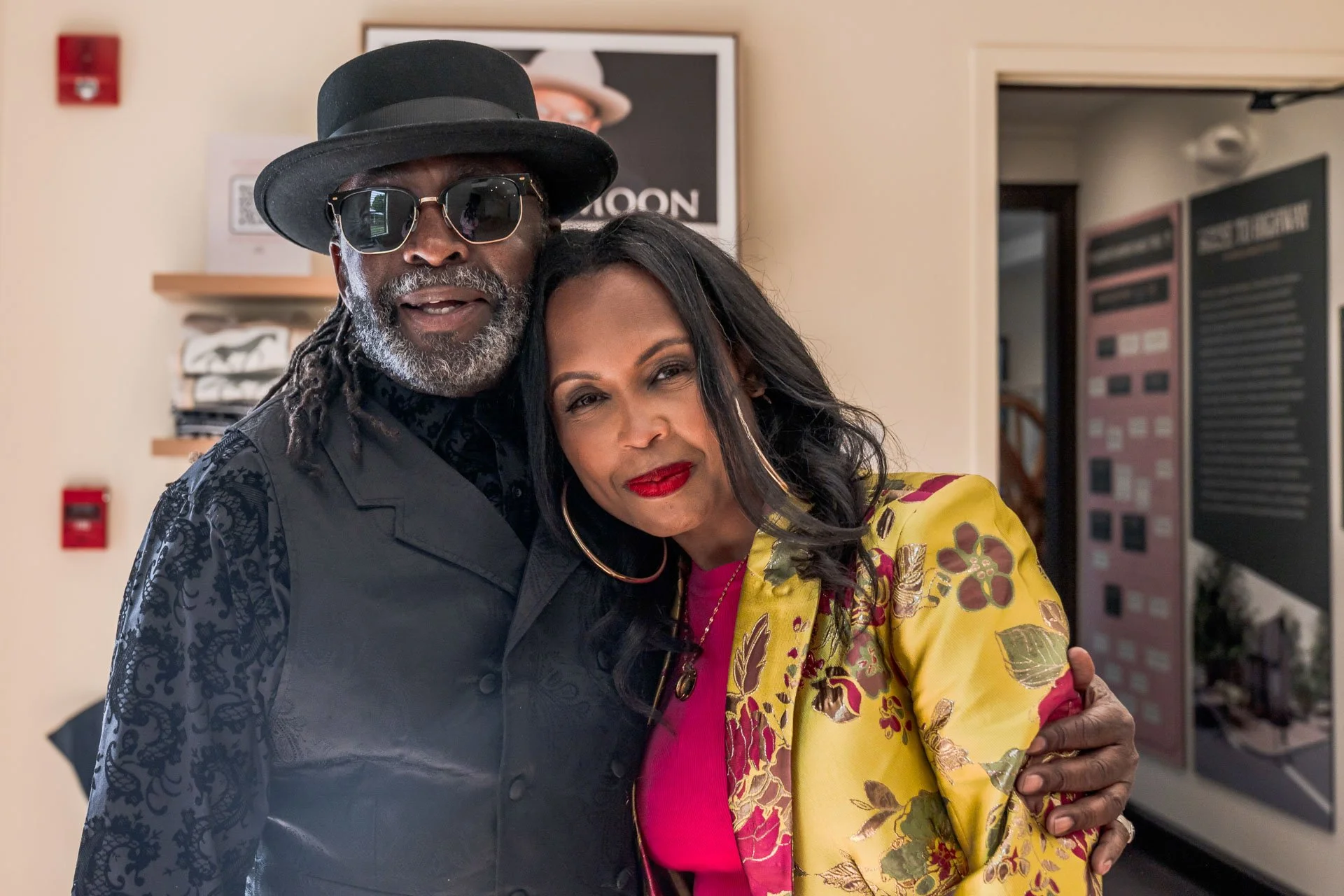
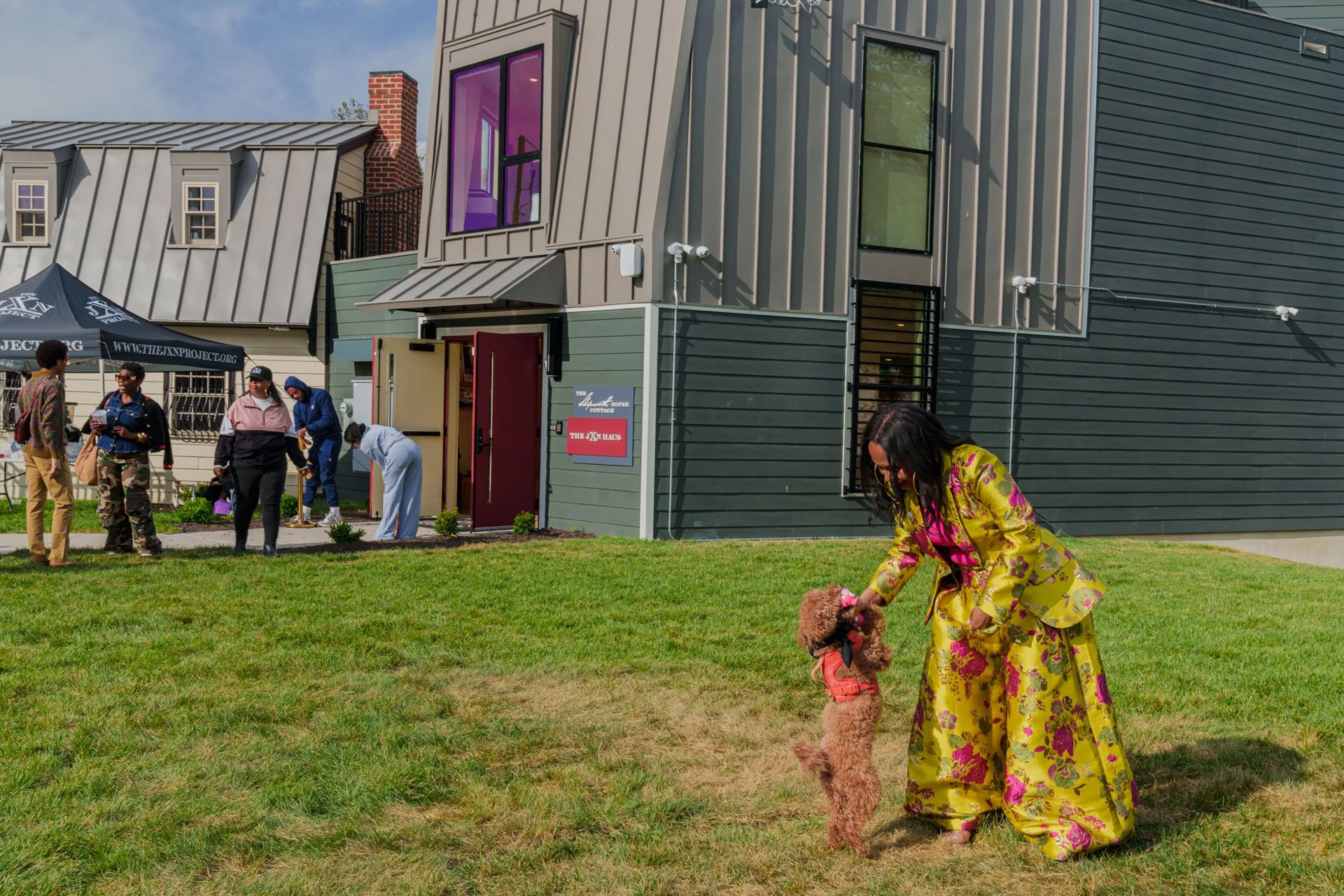
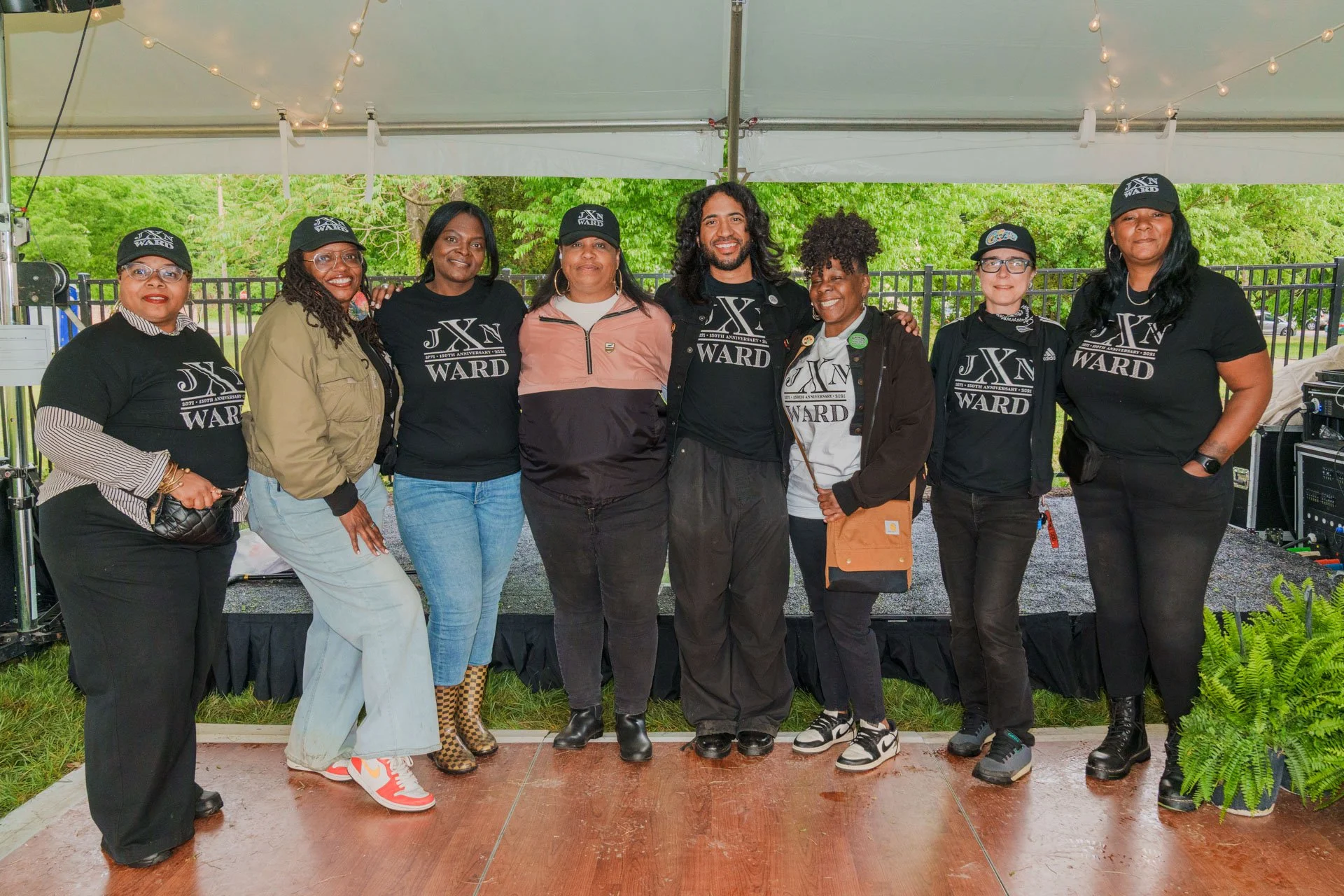
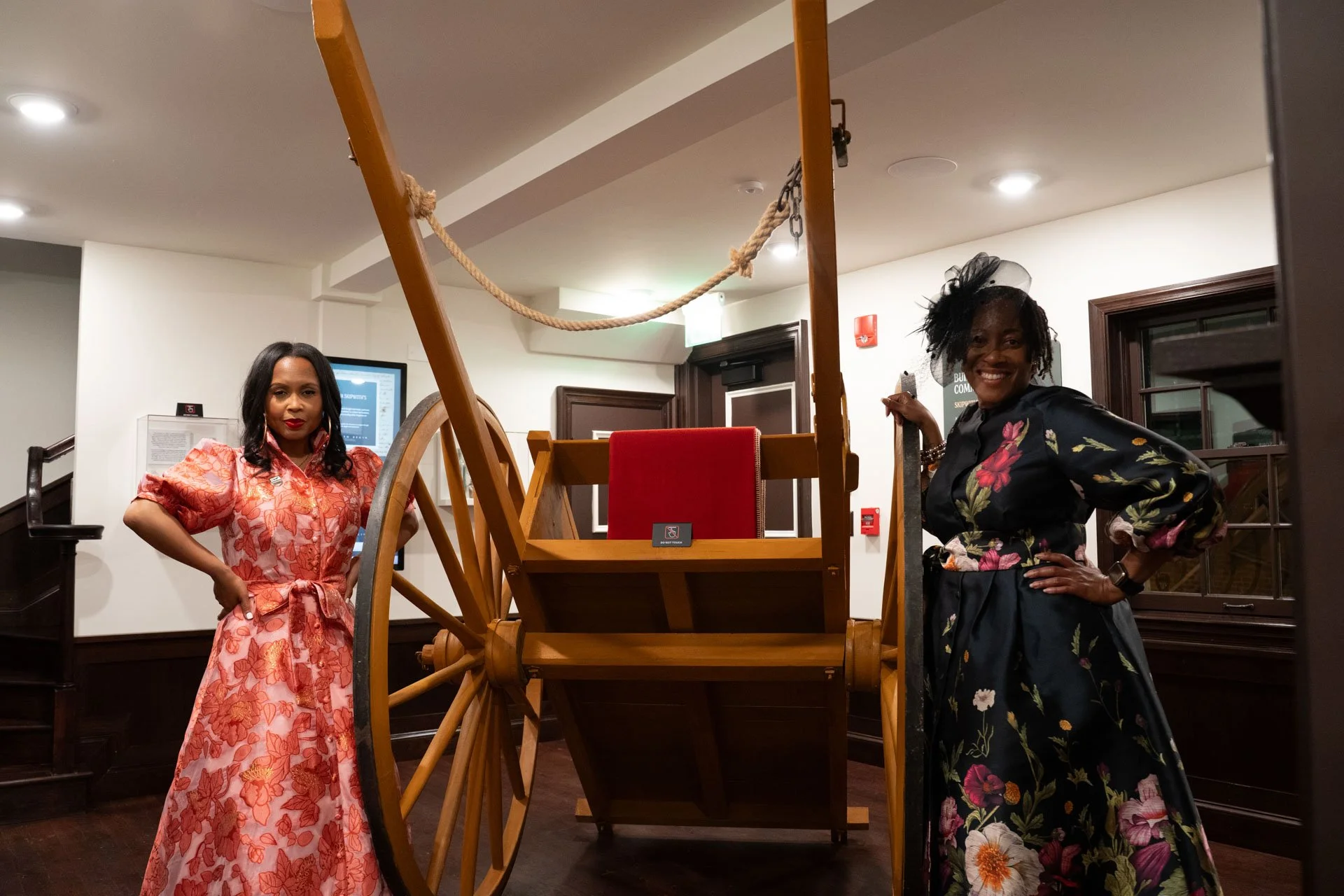
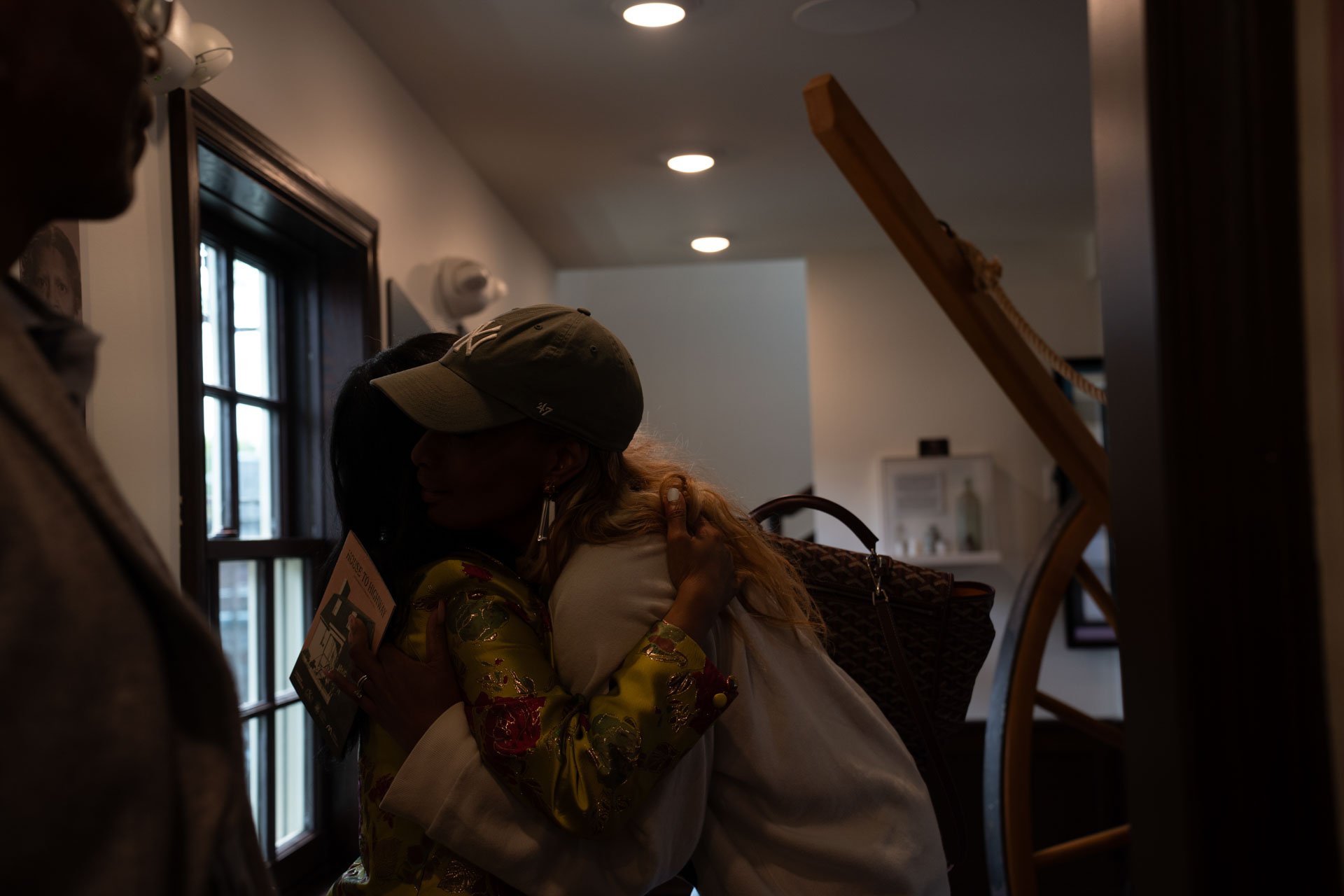
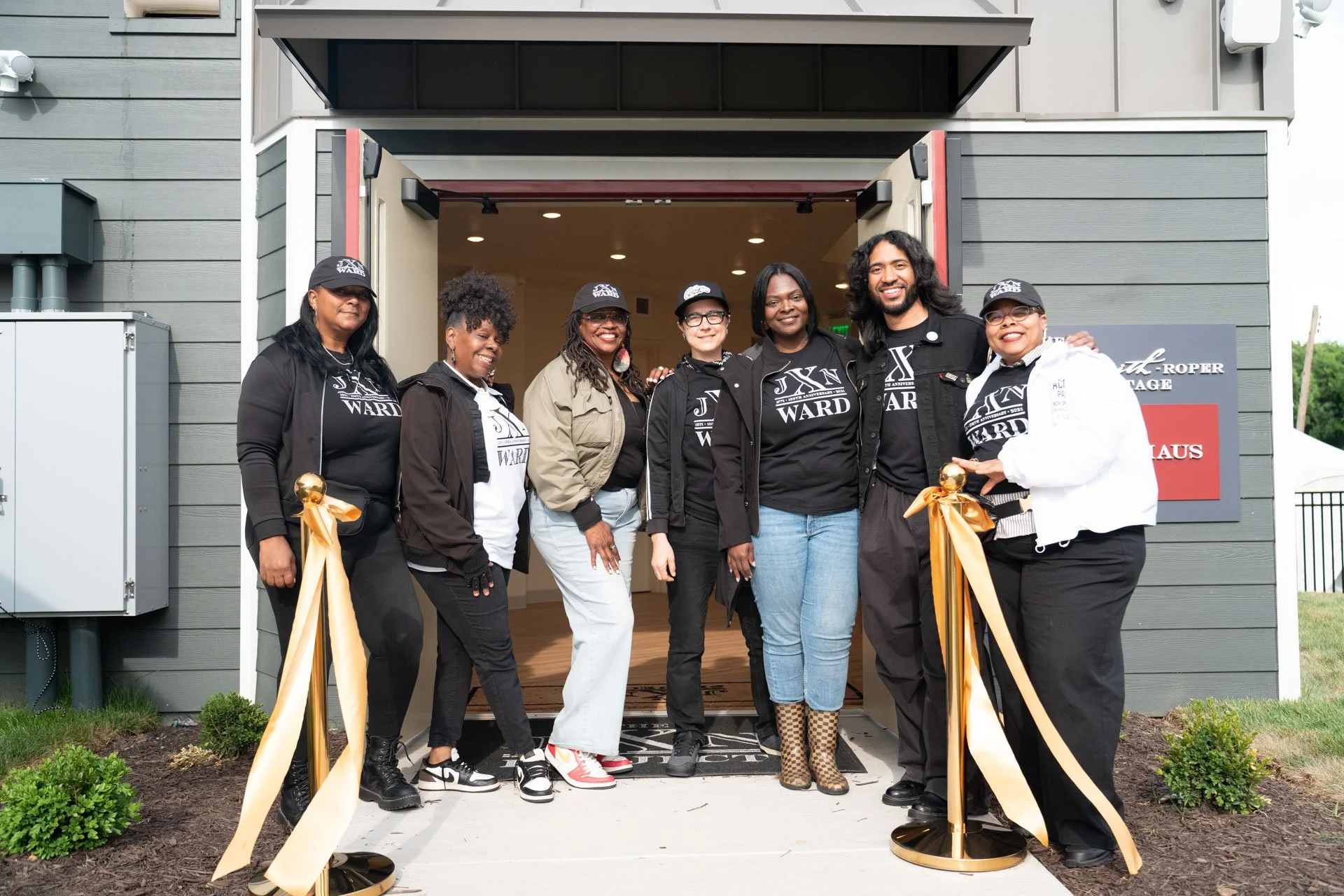
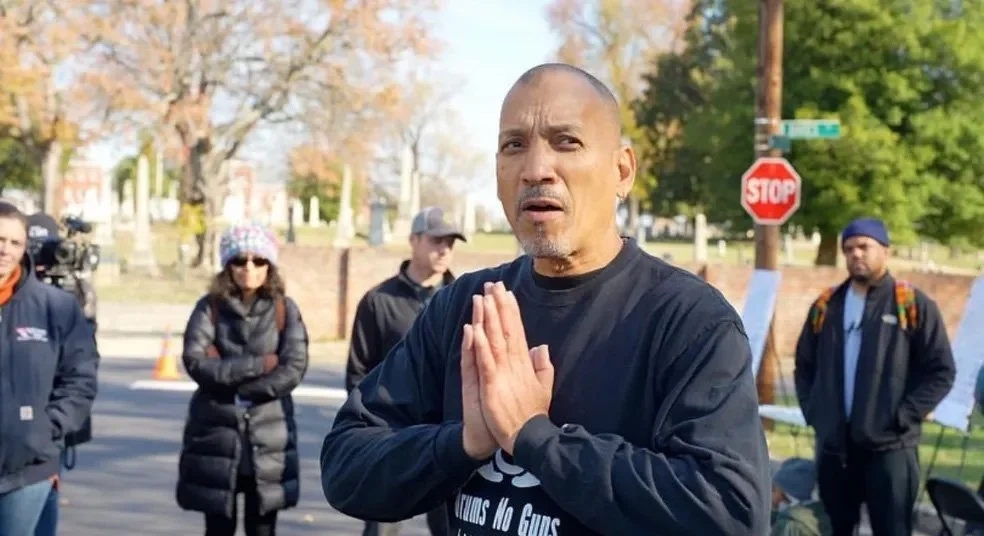
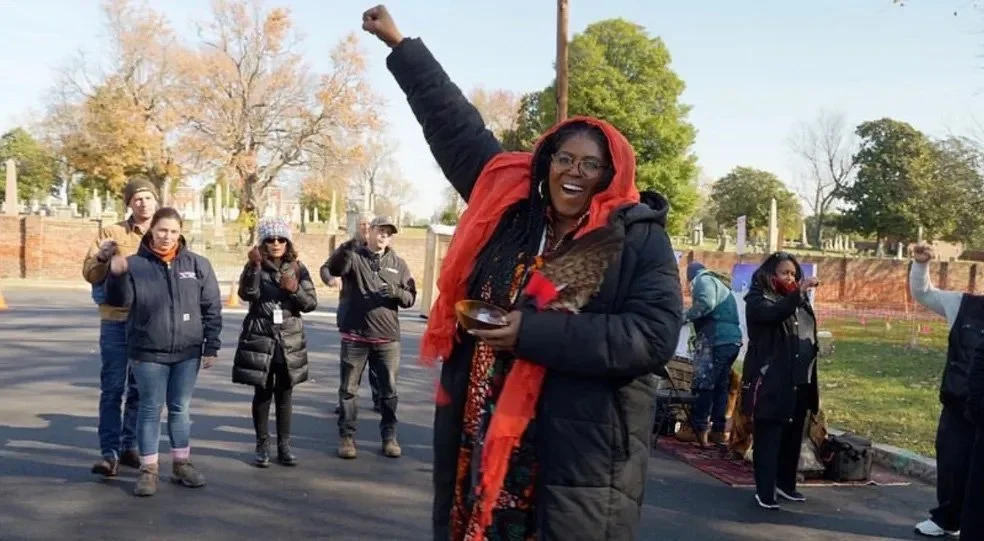
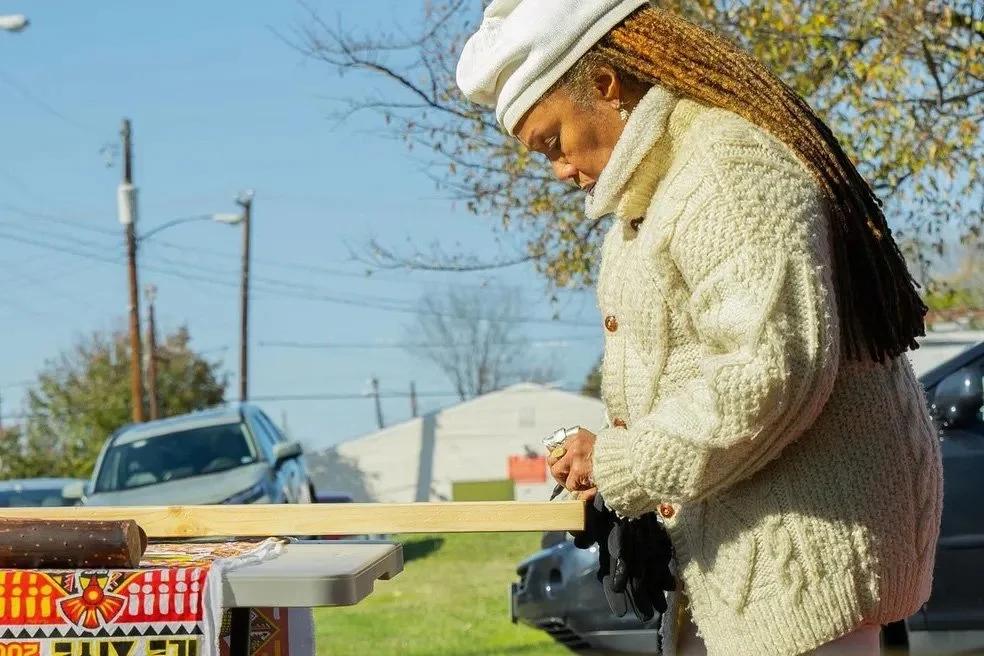
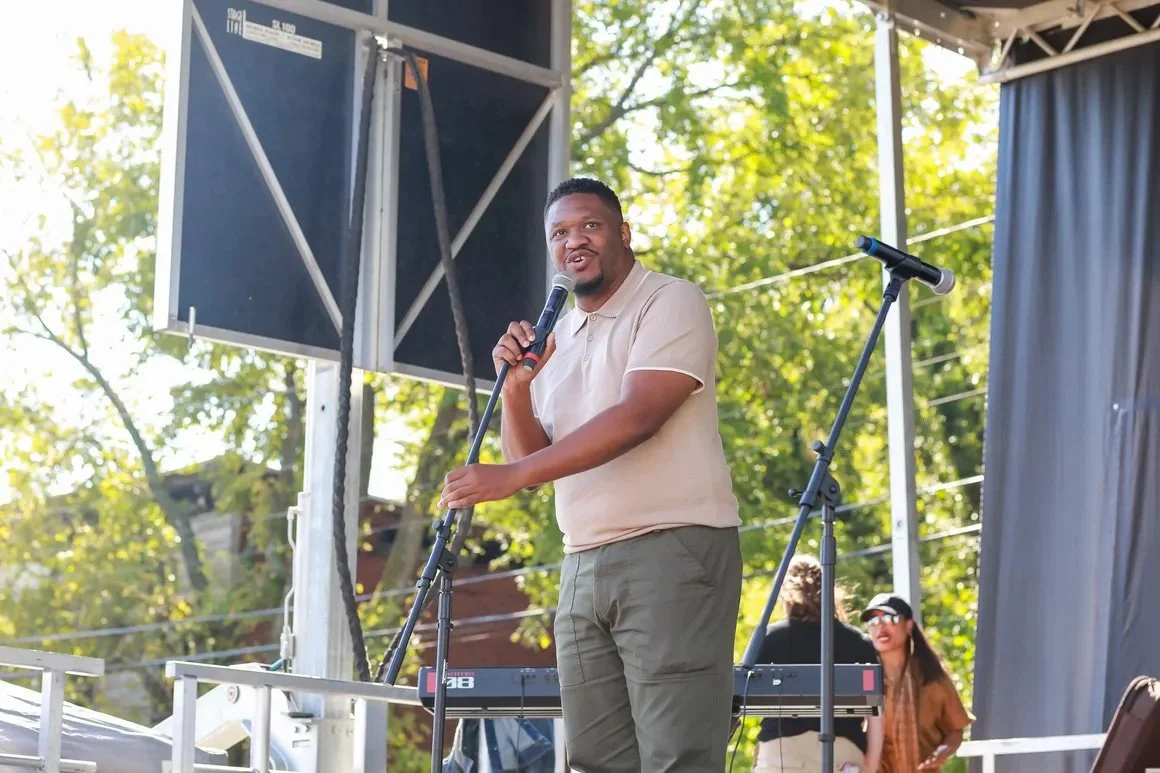
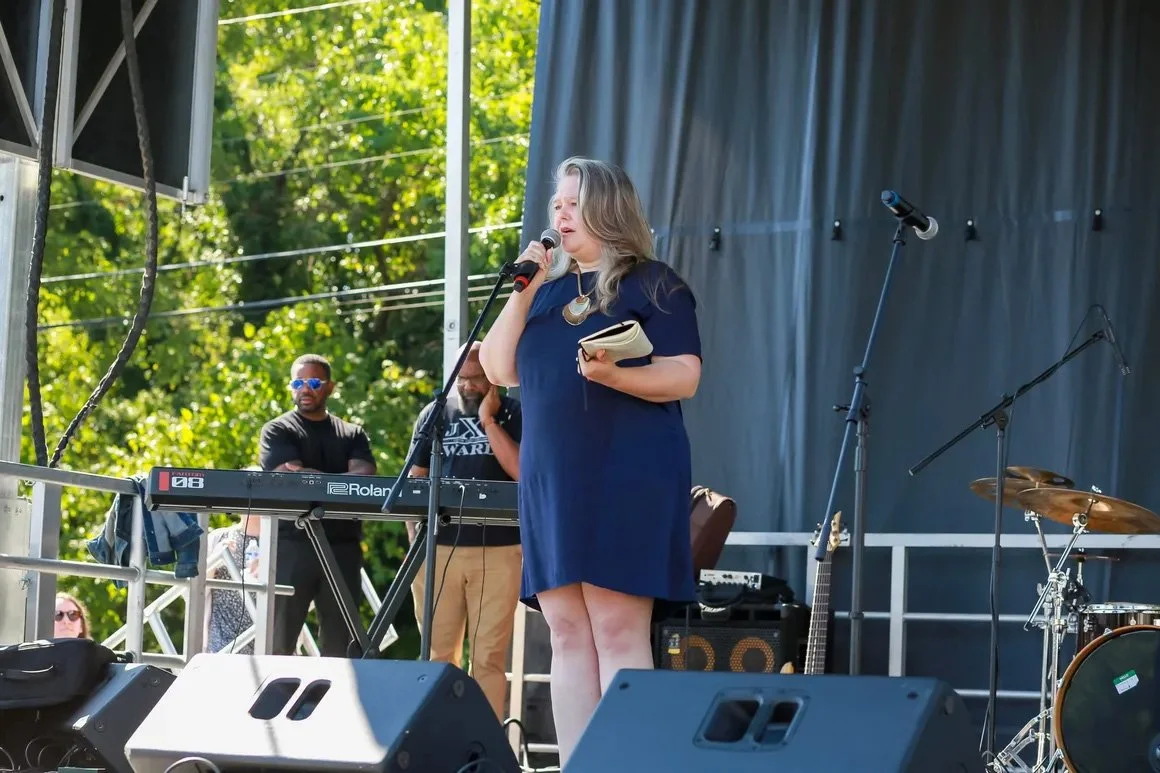
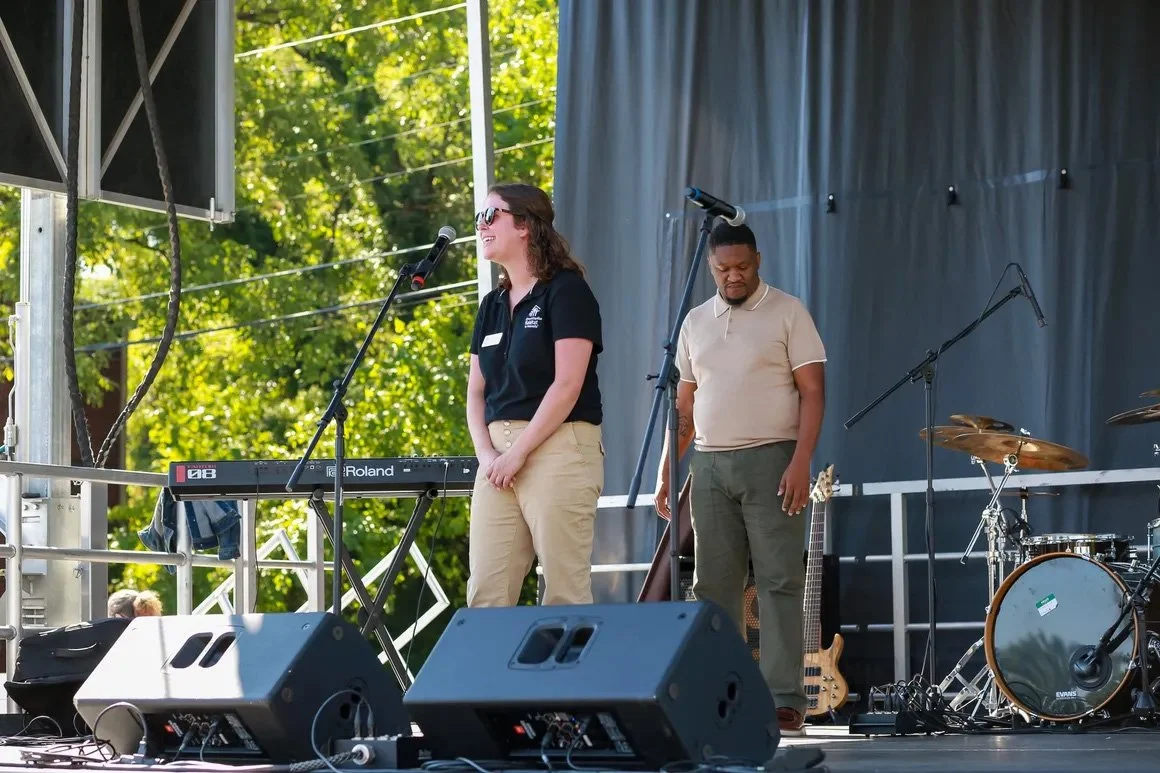
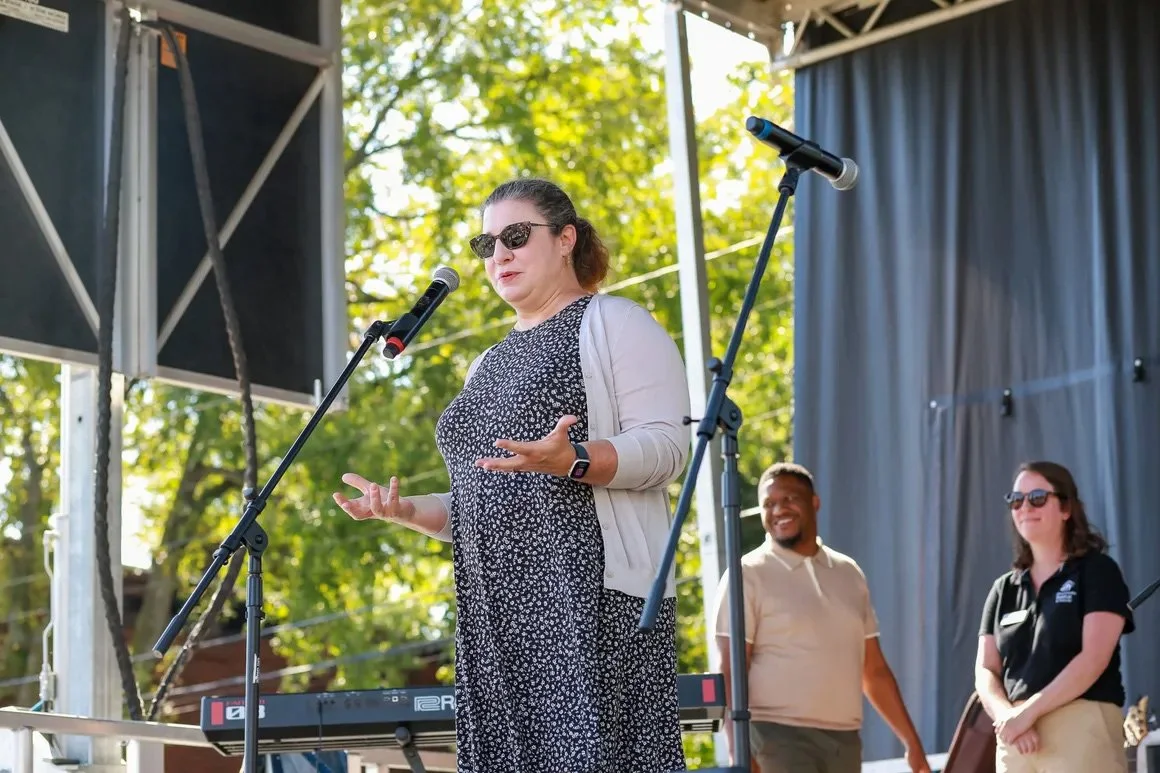
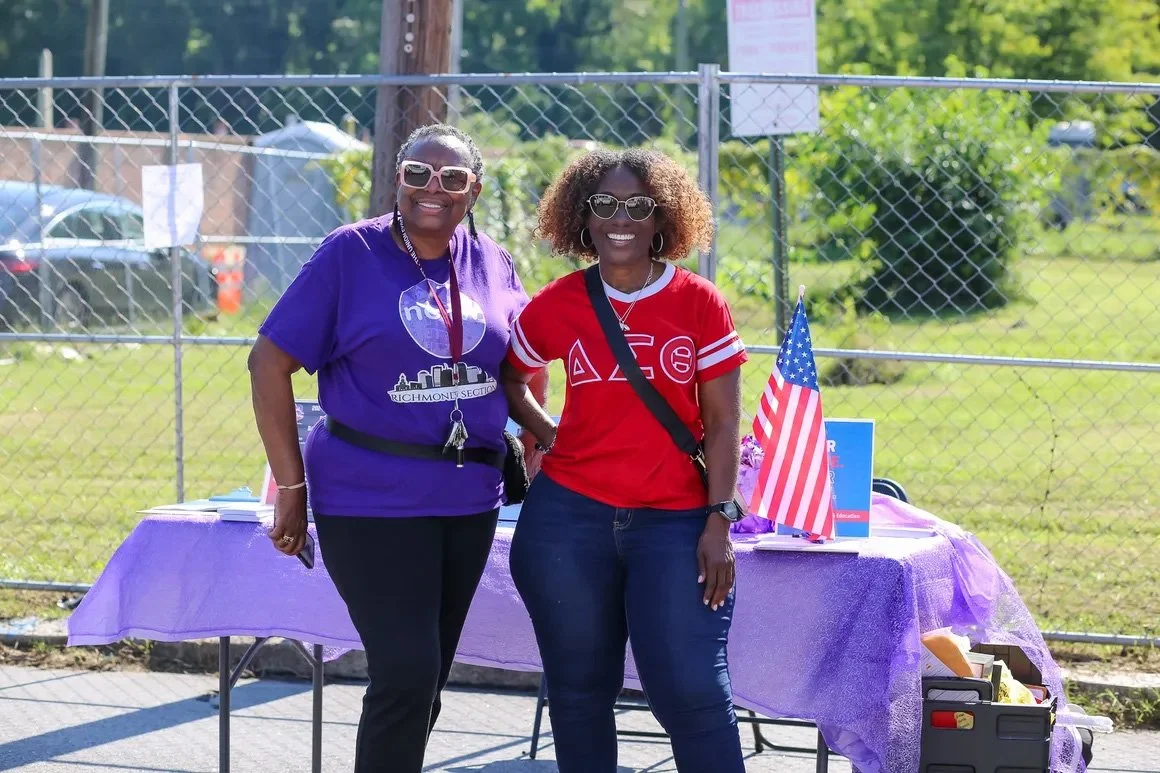
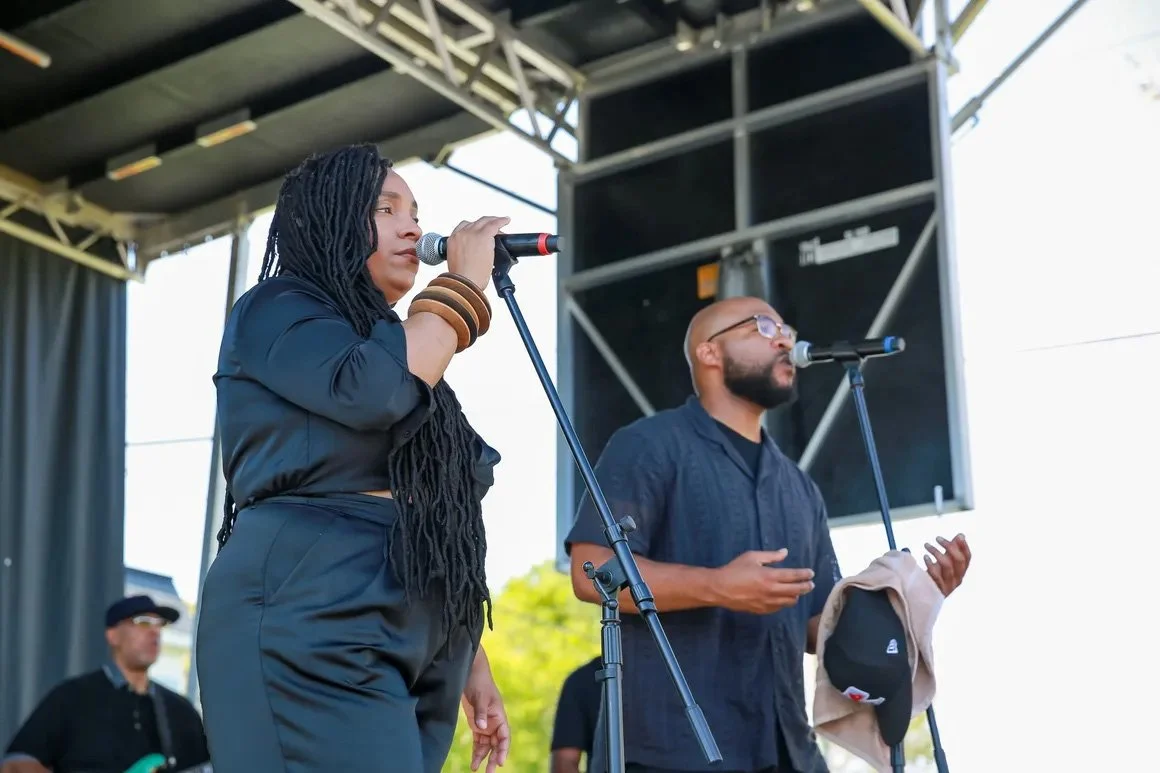
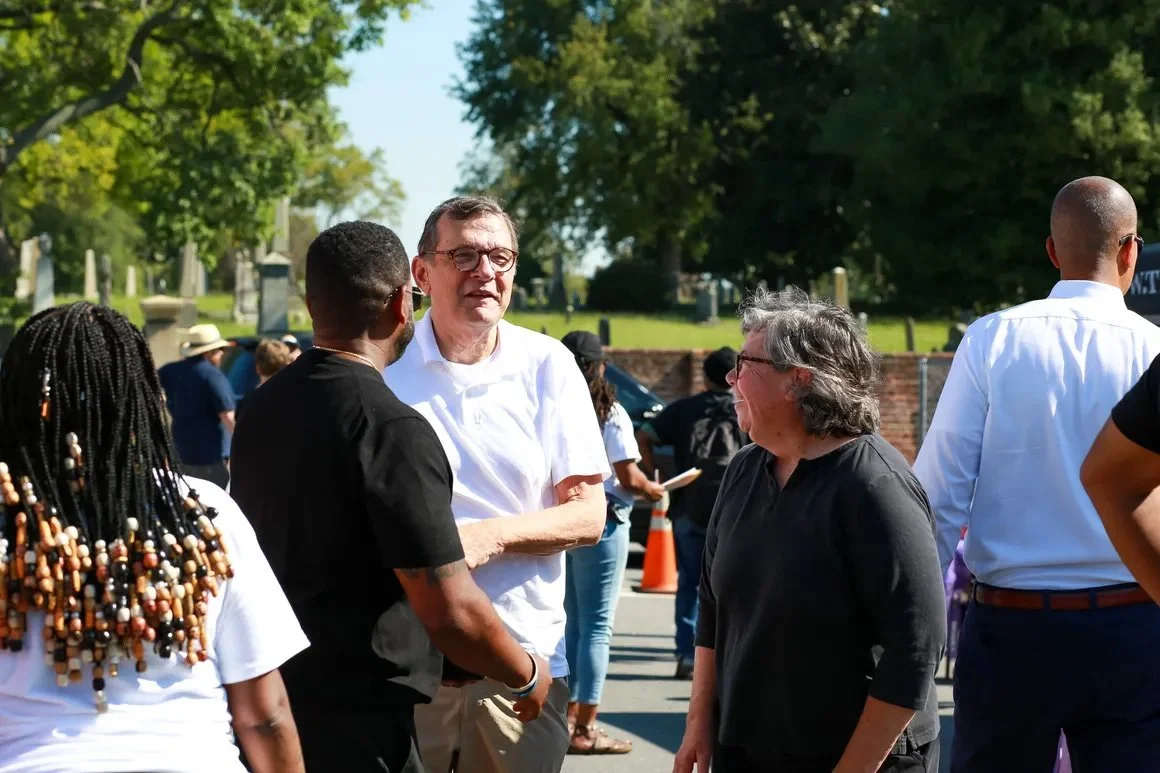
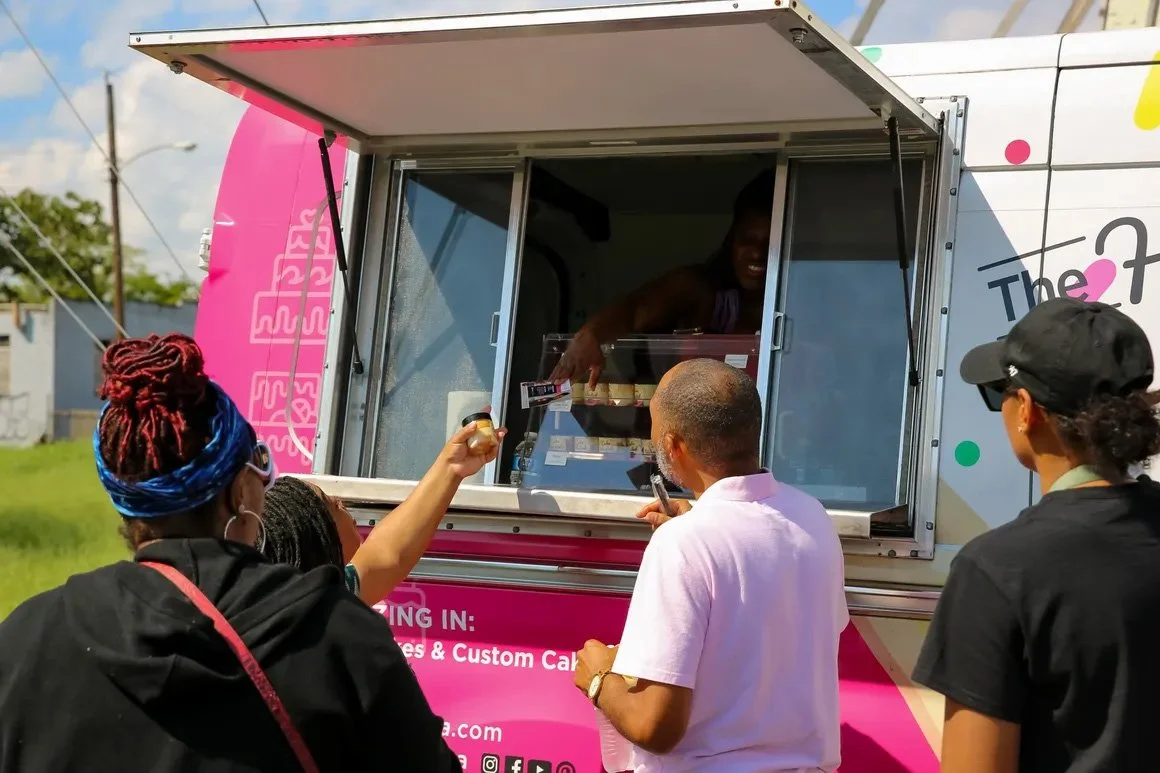
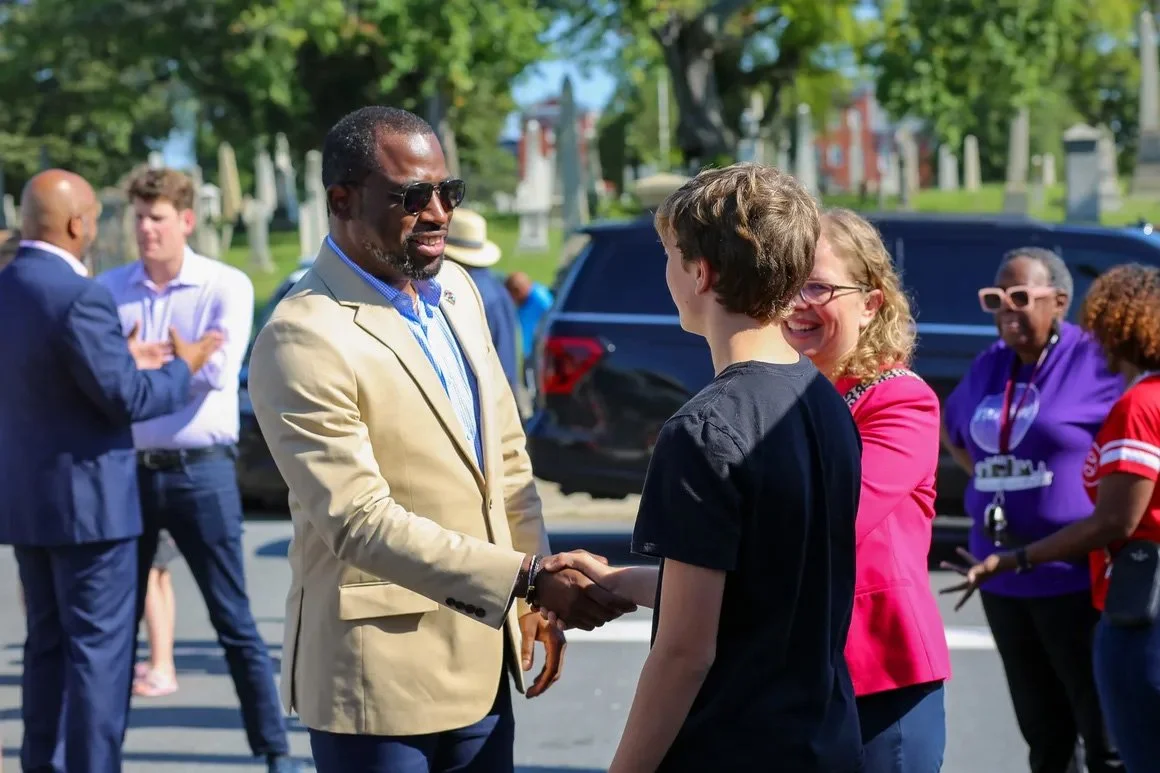
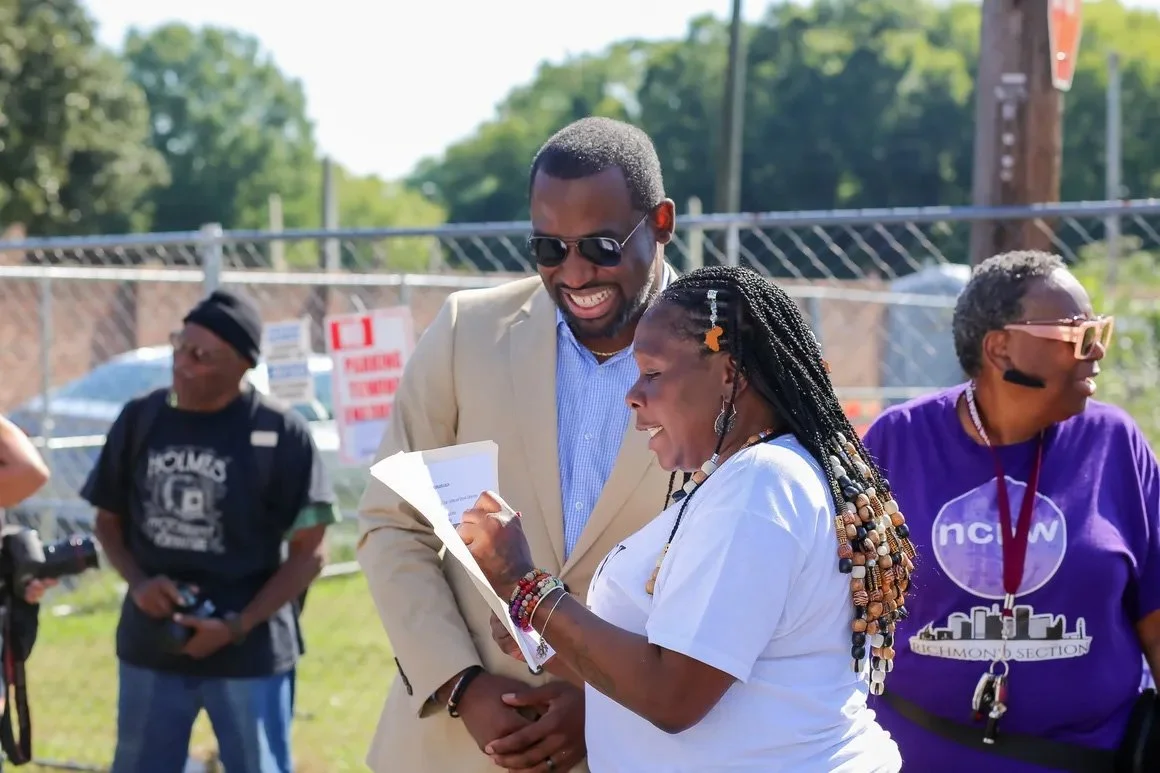
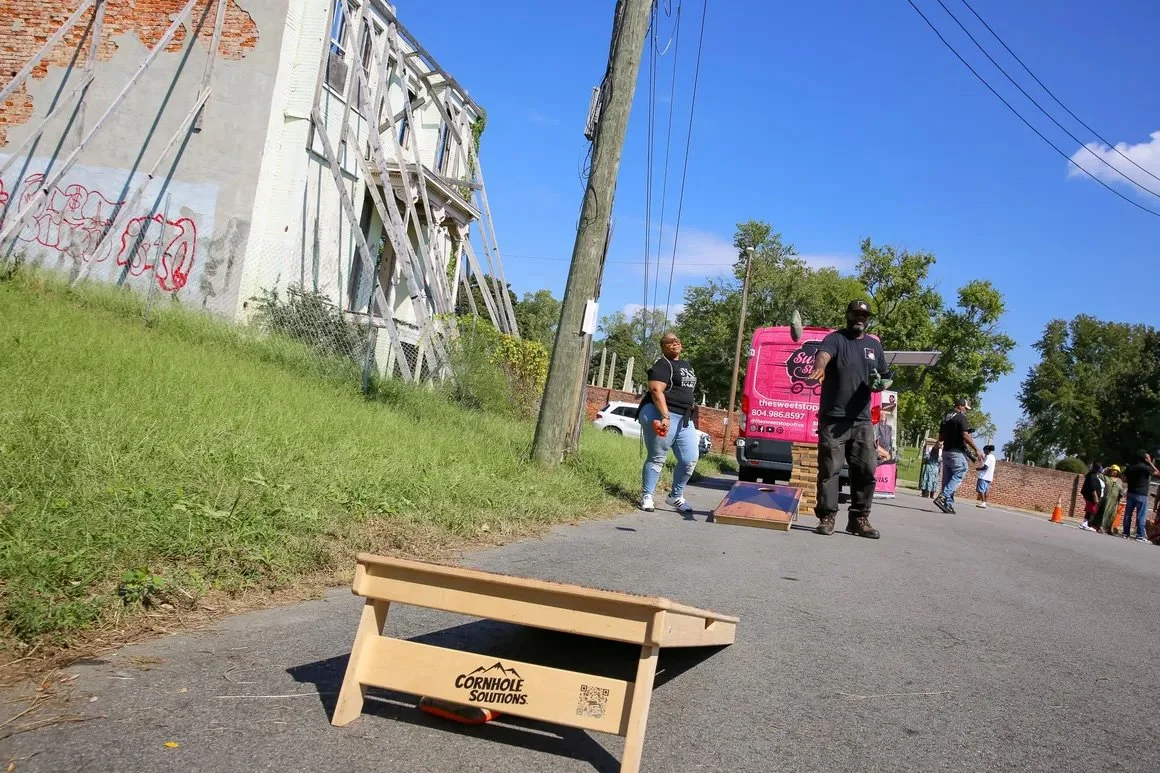
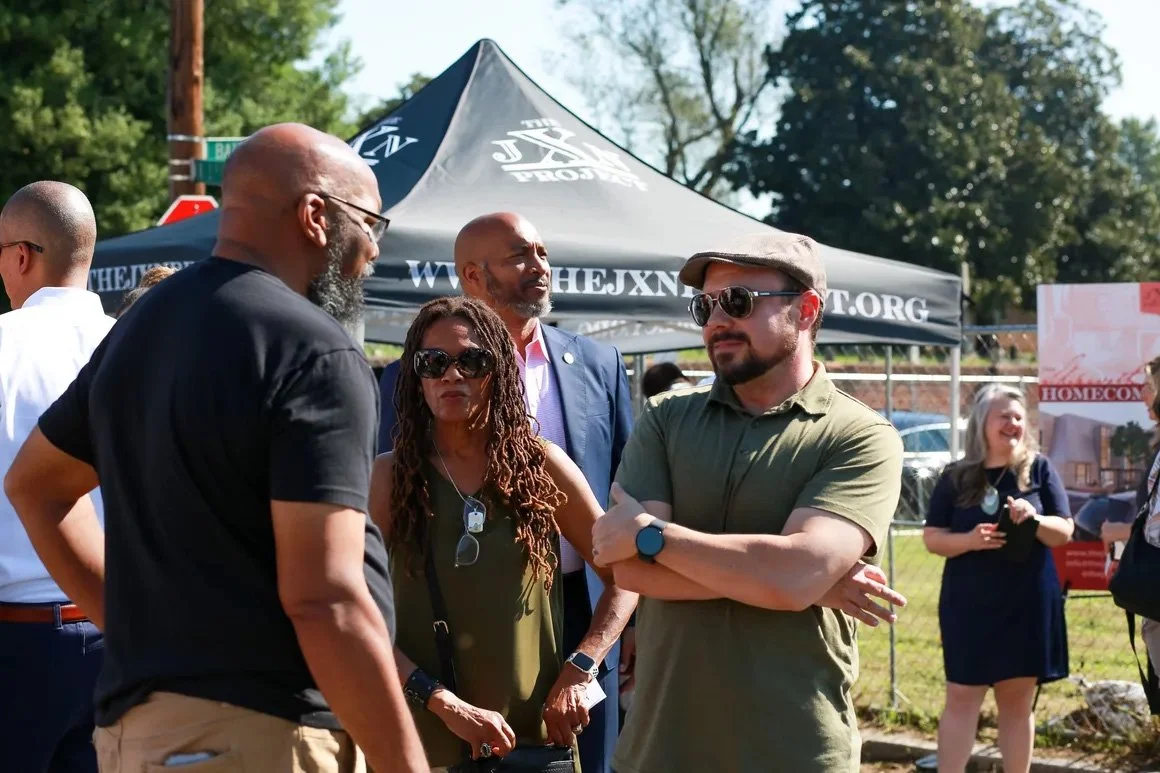
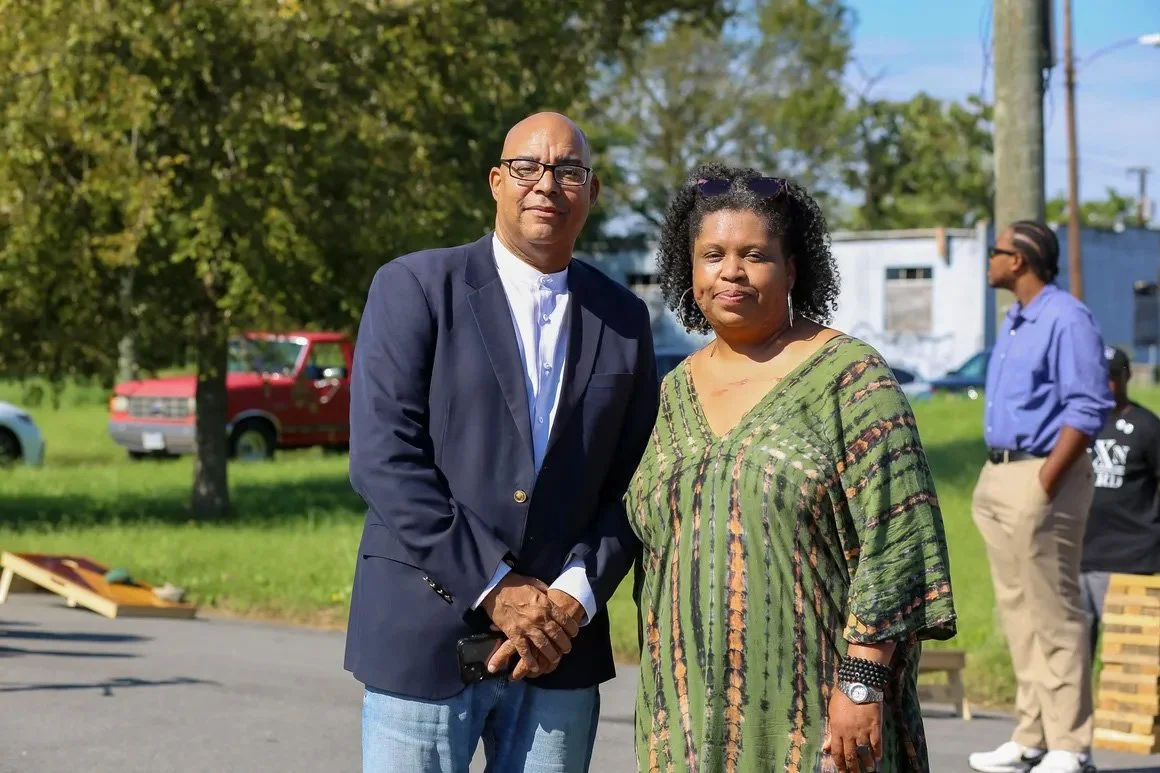
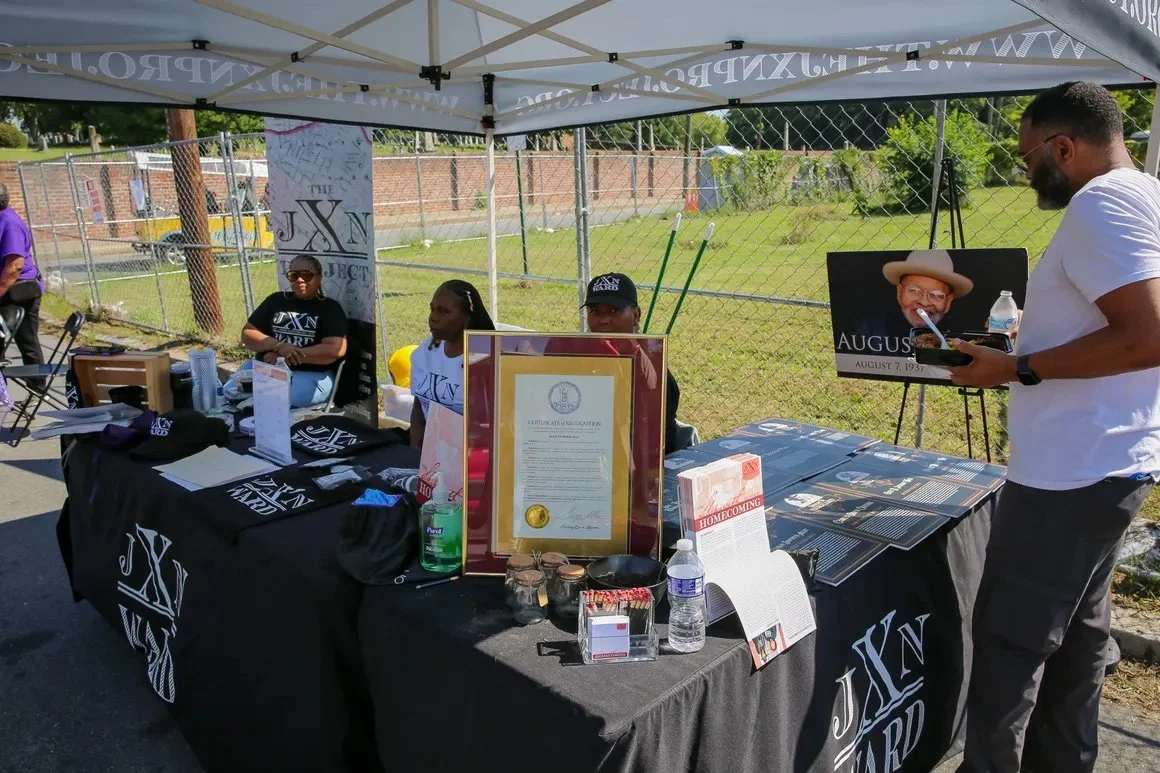
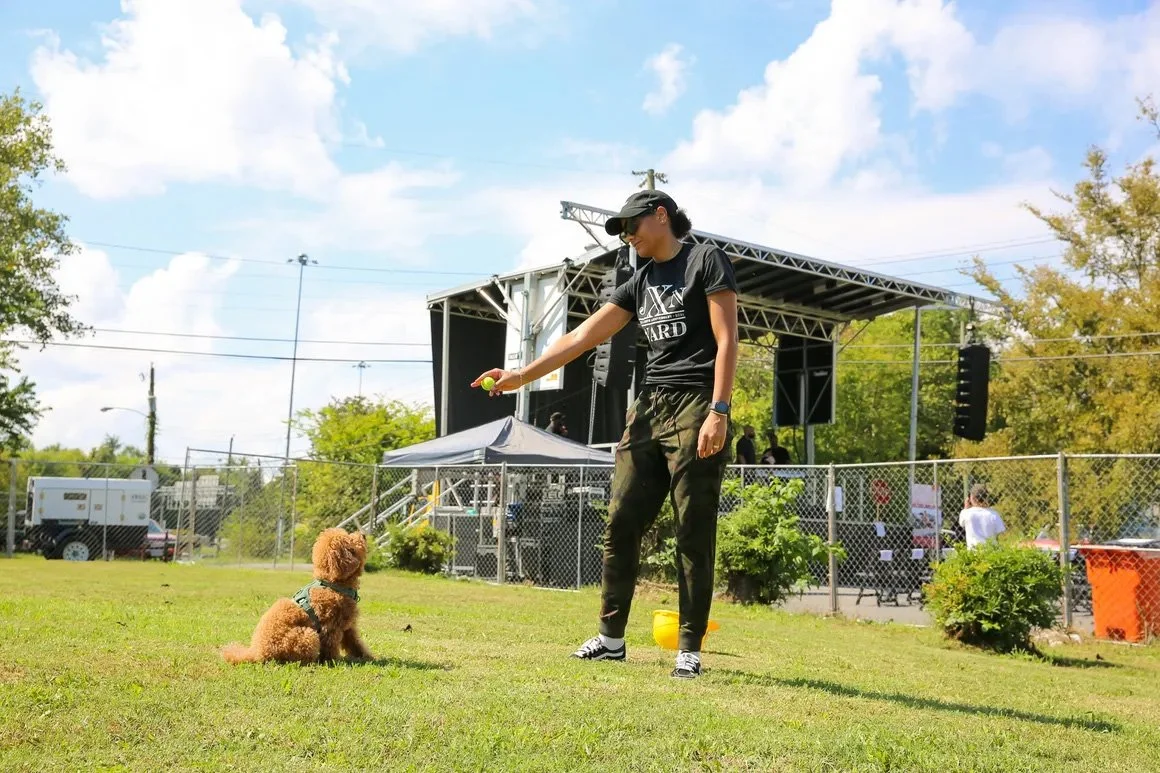
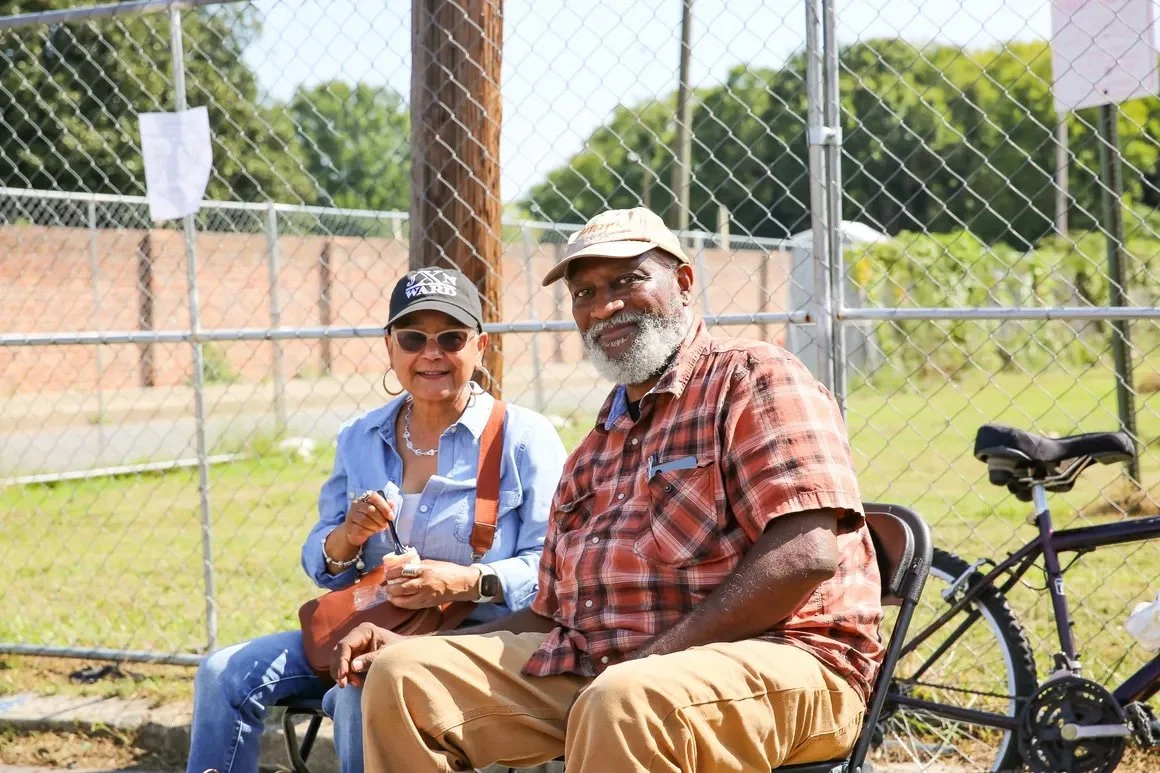
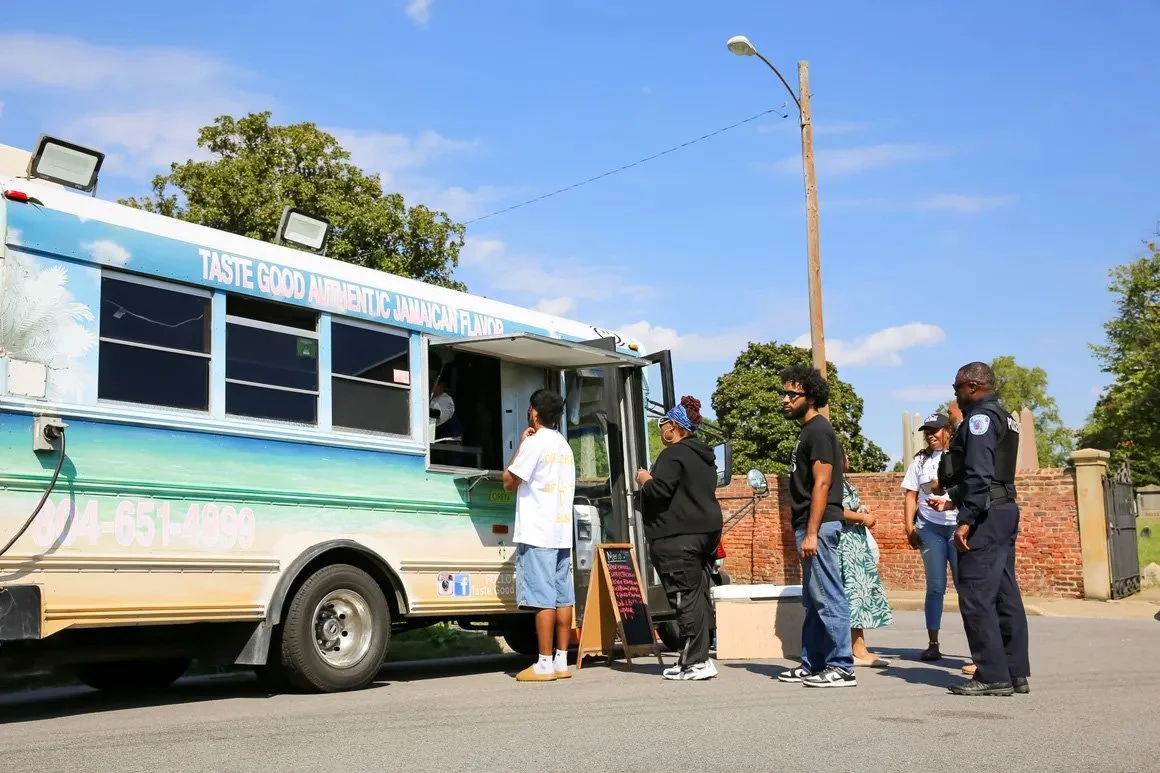
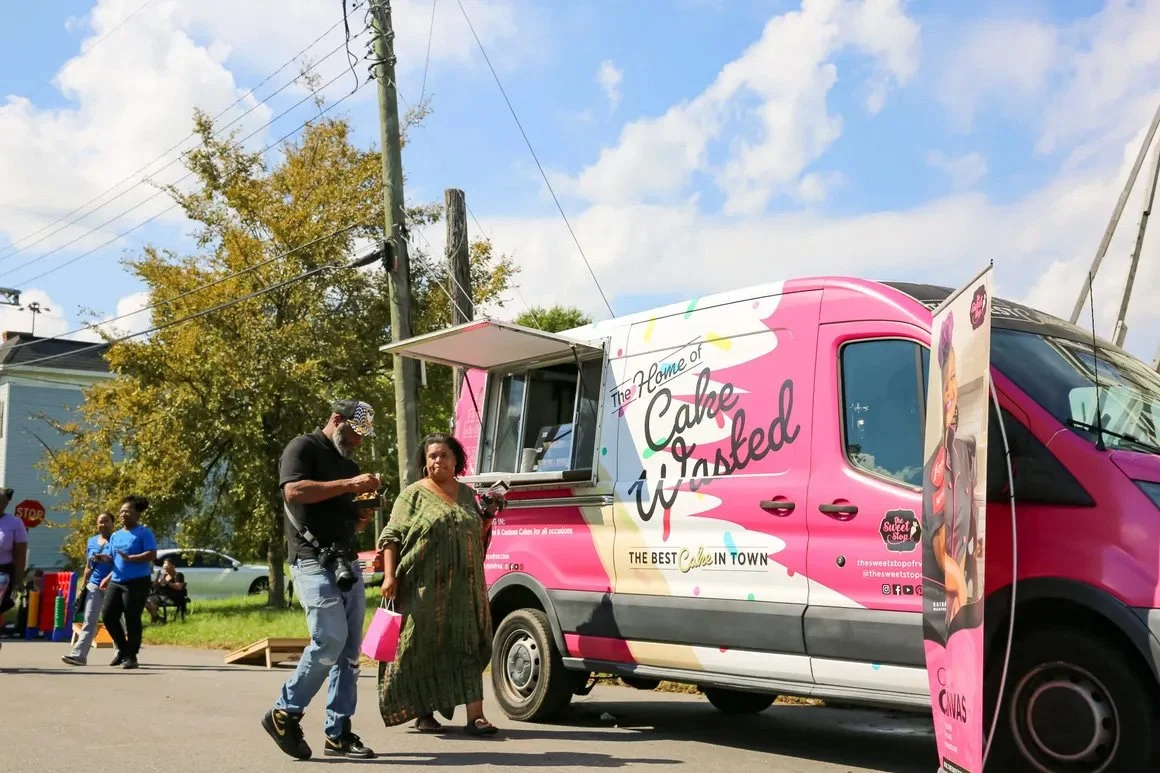
JXN concluded the homecoming weekend in partnership with Richmond Night Market to host the “JXN Open House and Black Ribbon Cutting” at The JXN Haus and Skipwith-Roper Cottage with sounds by DJ Rayvon, tabling by Black-owned food trucks, vendors and community organizations, and activations by the Elegba Folklore Society, Drums No Guns, The Well Collective and Memory Lab with the Richmond Public Library.

Primary Artifacts
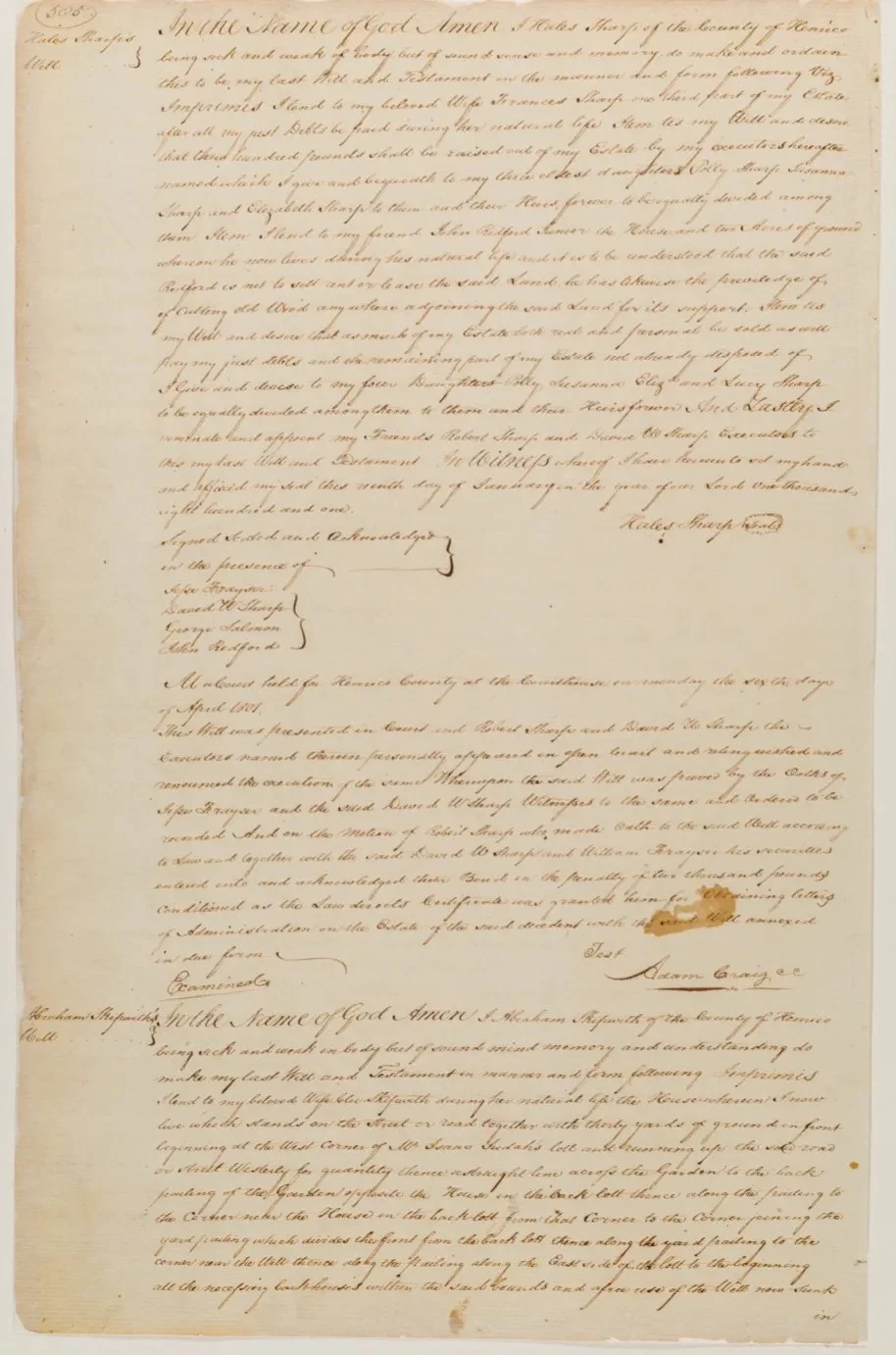
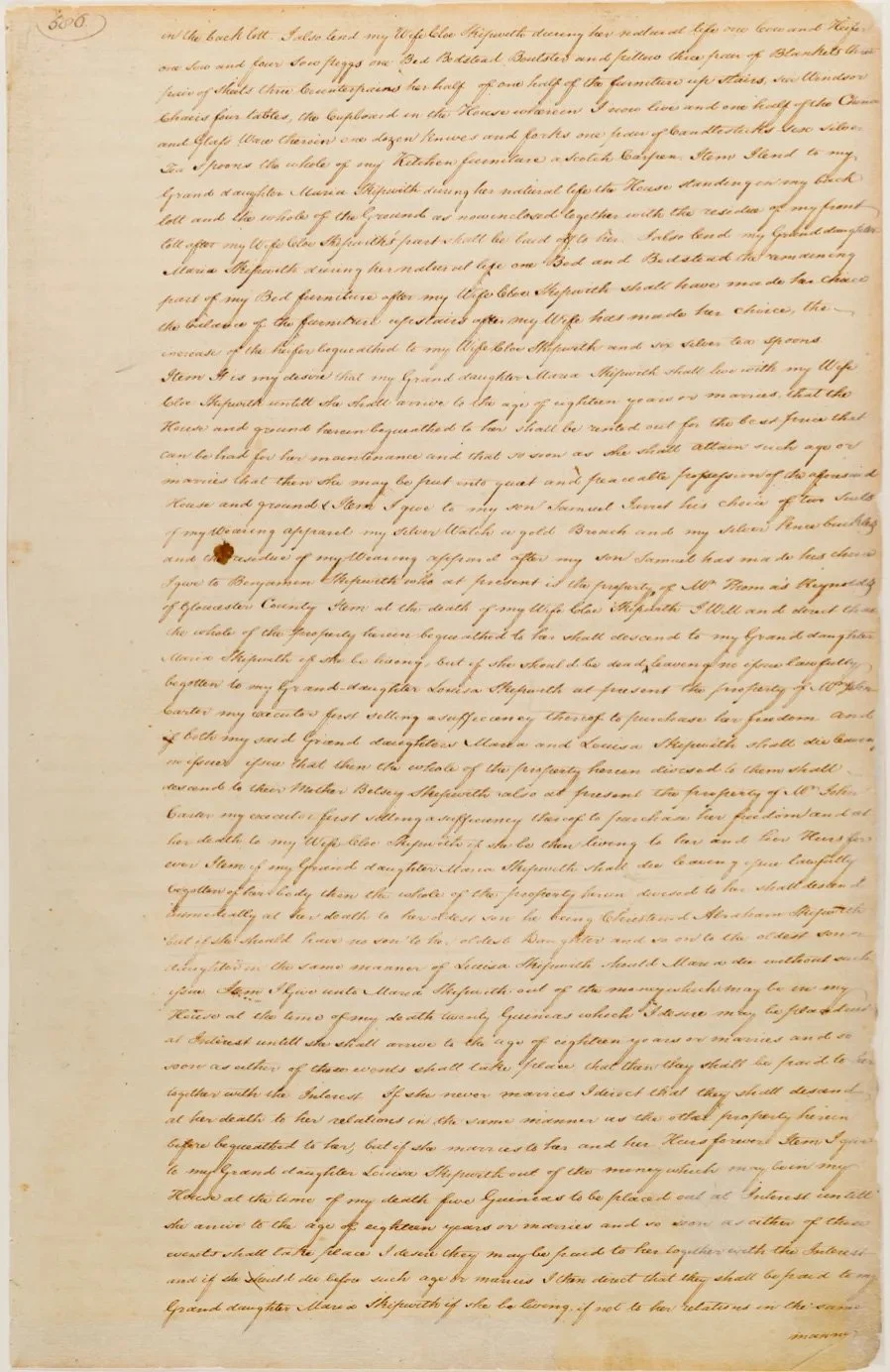
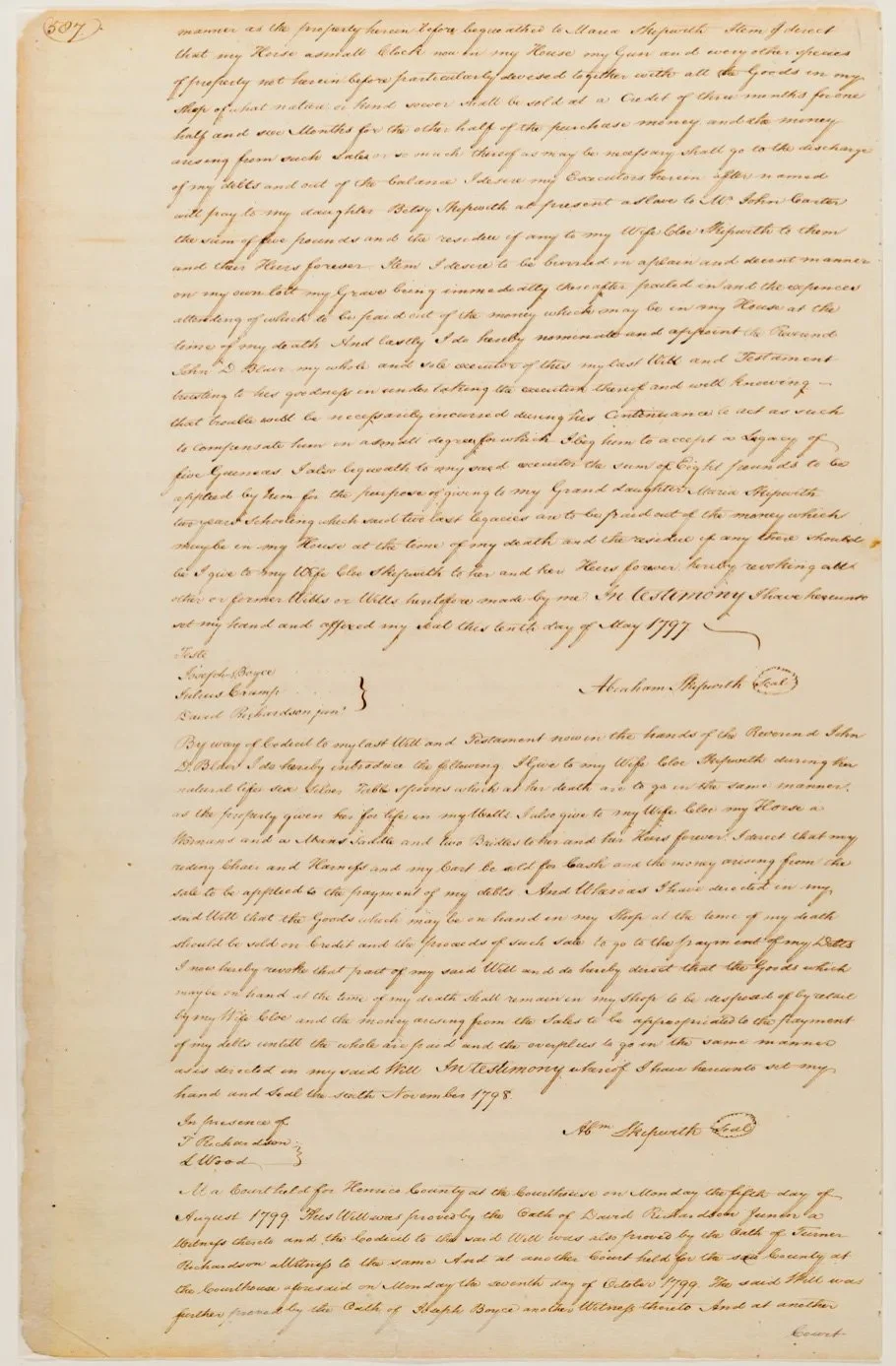
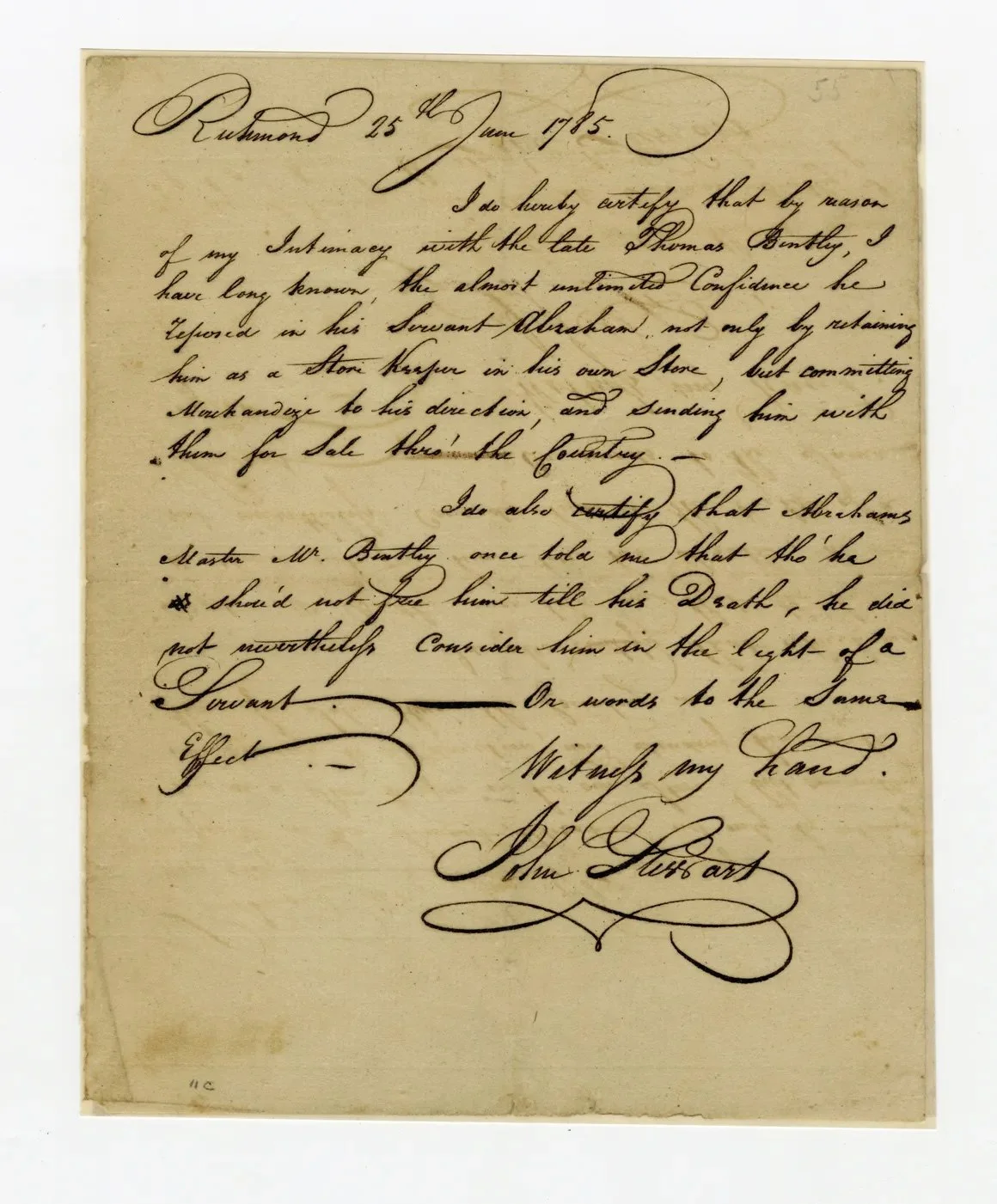
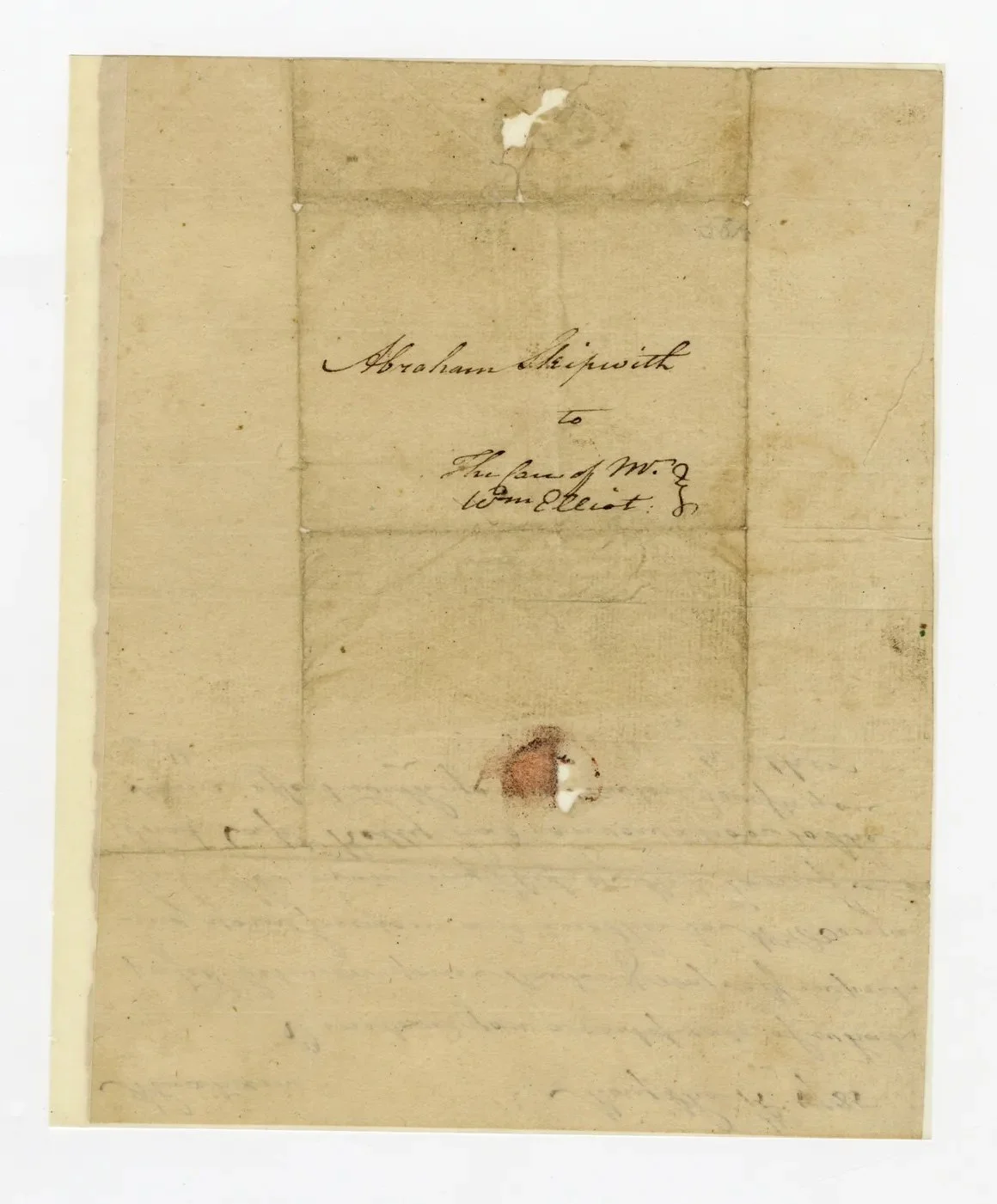
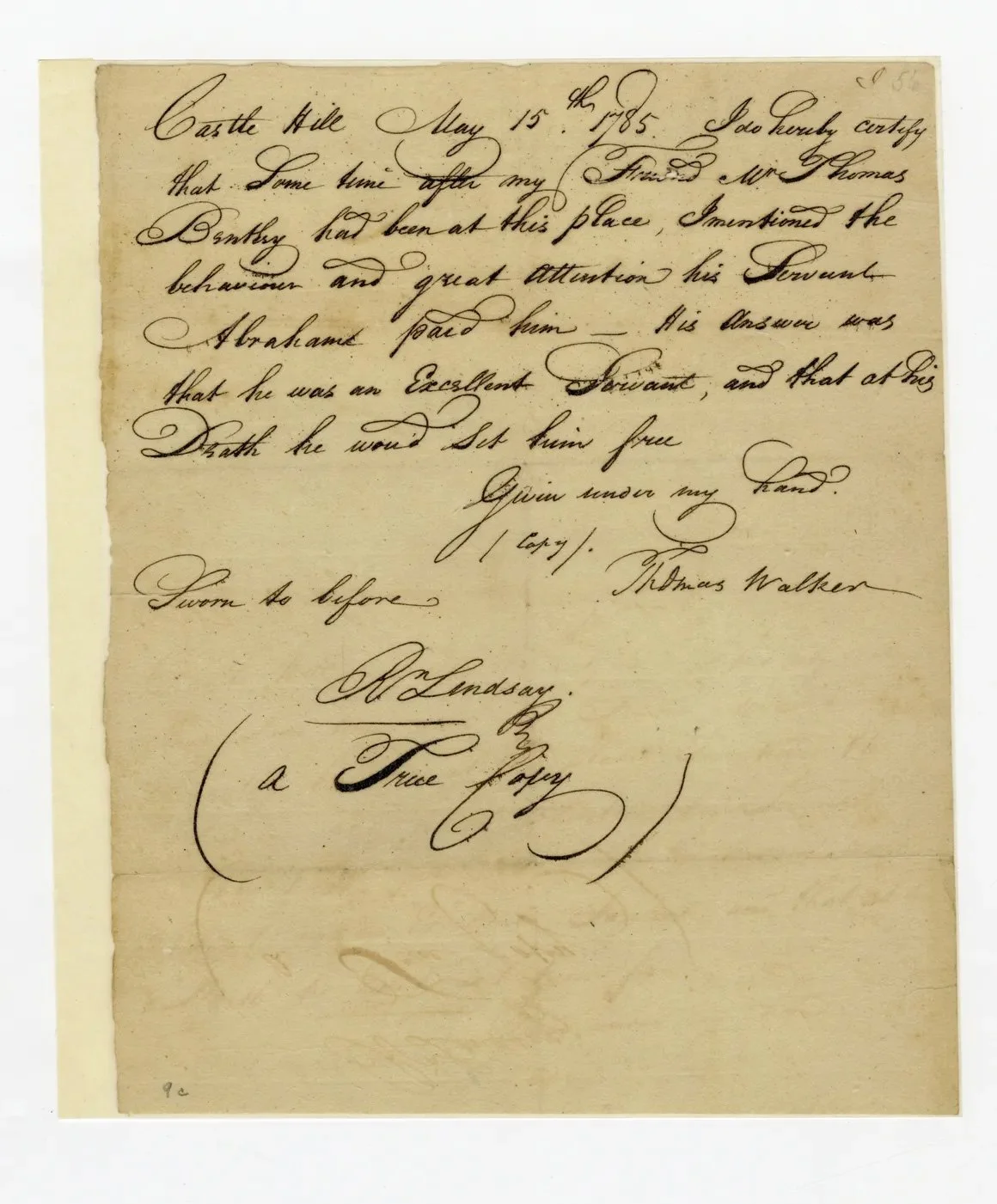
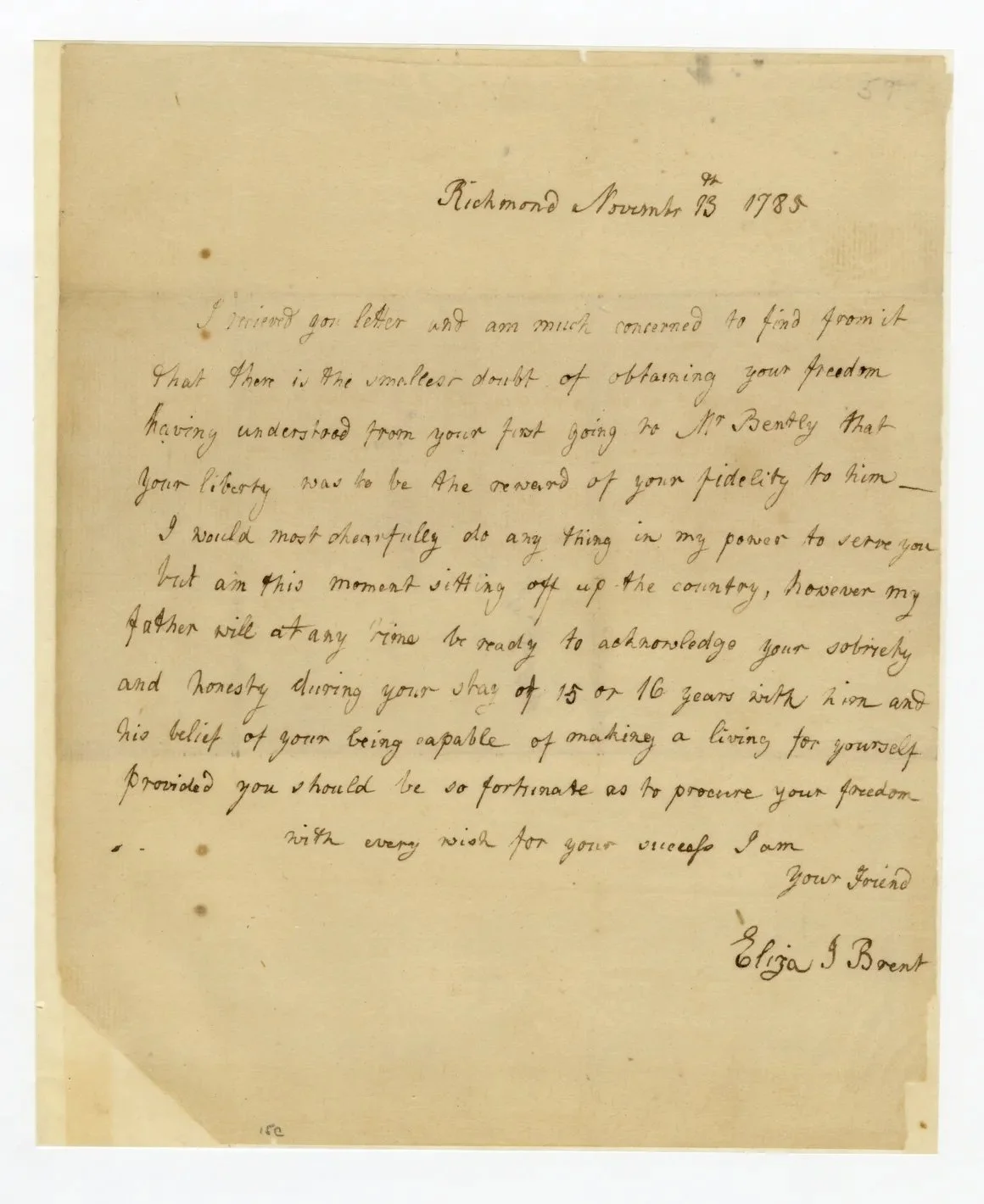
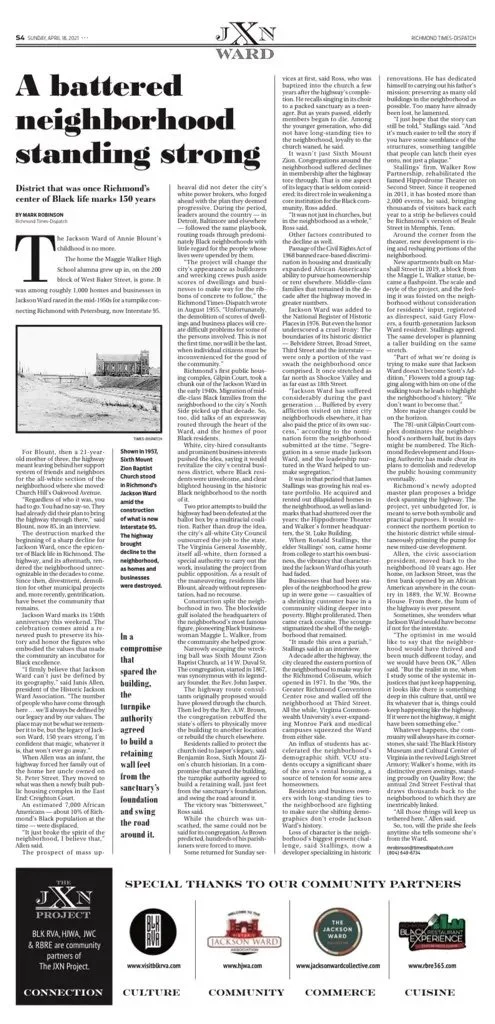
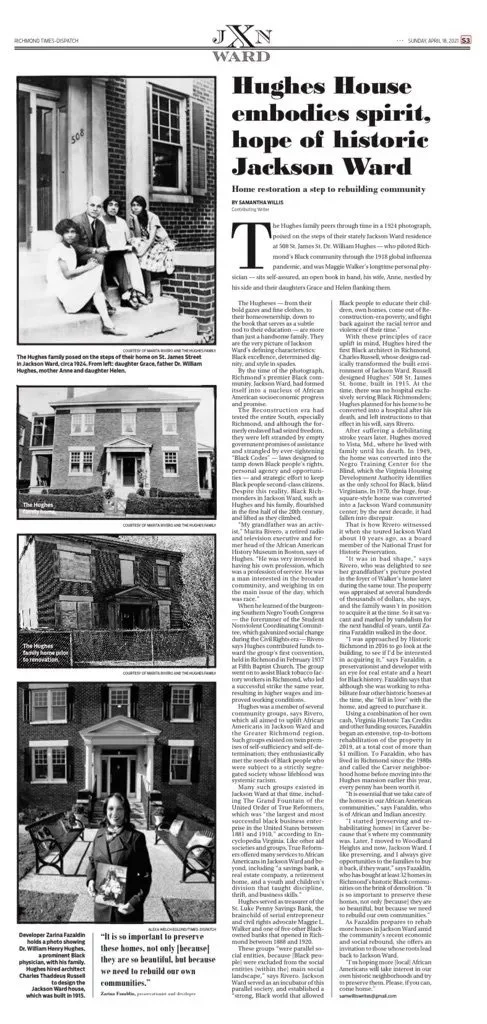
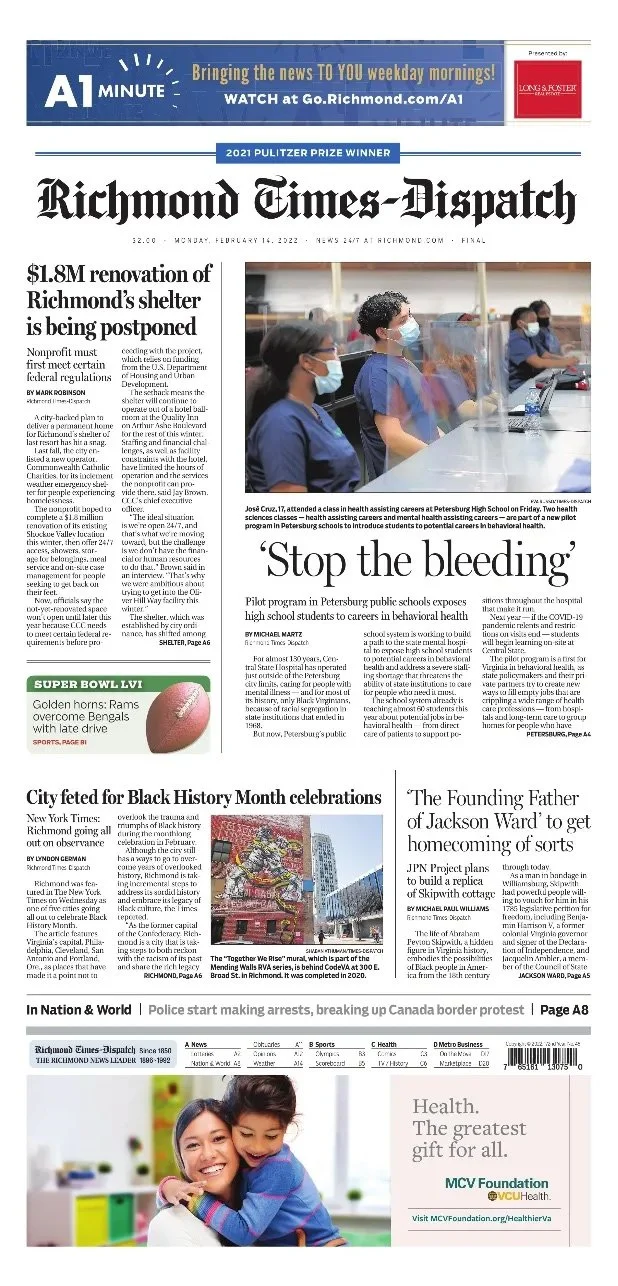
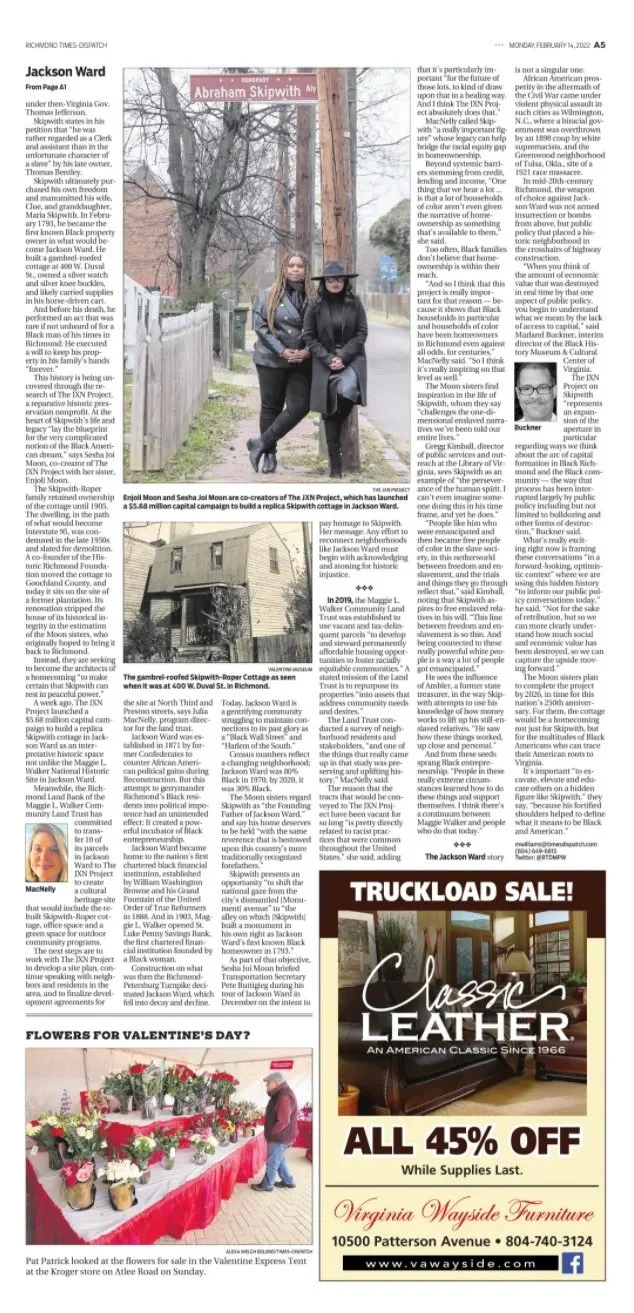
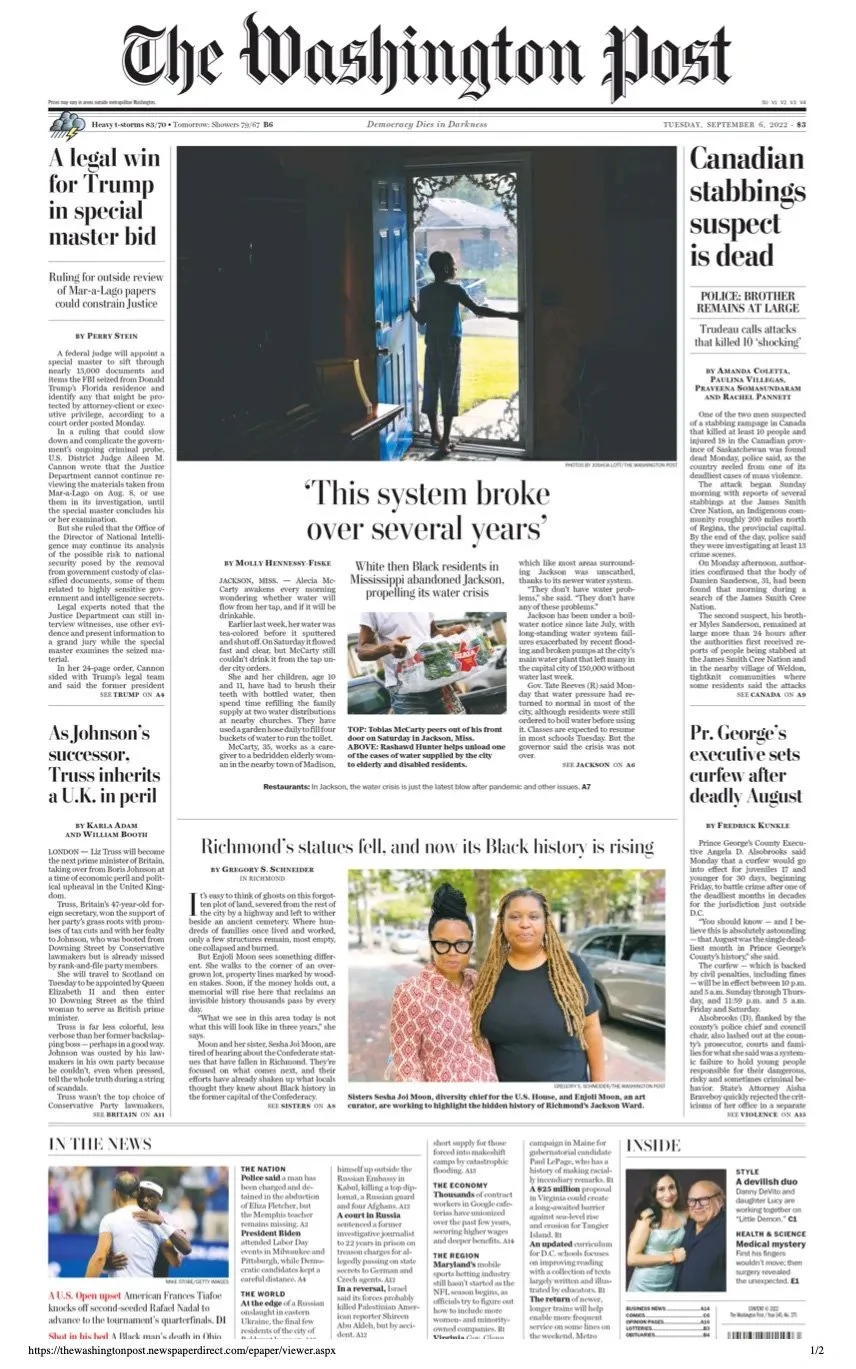
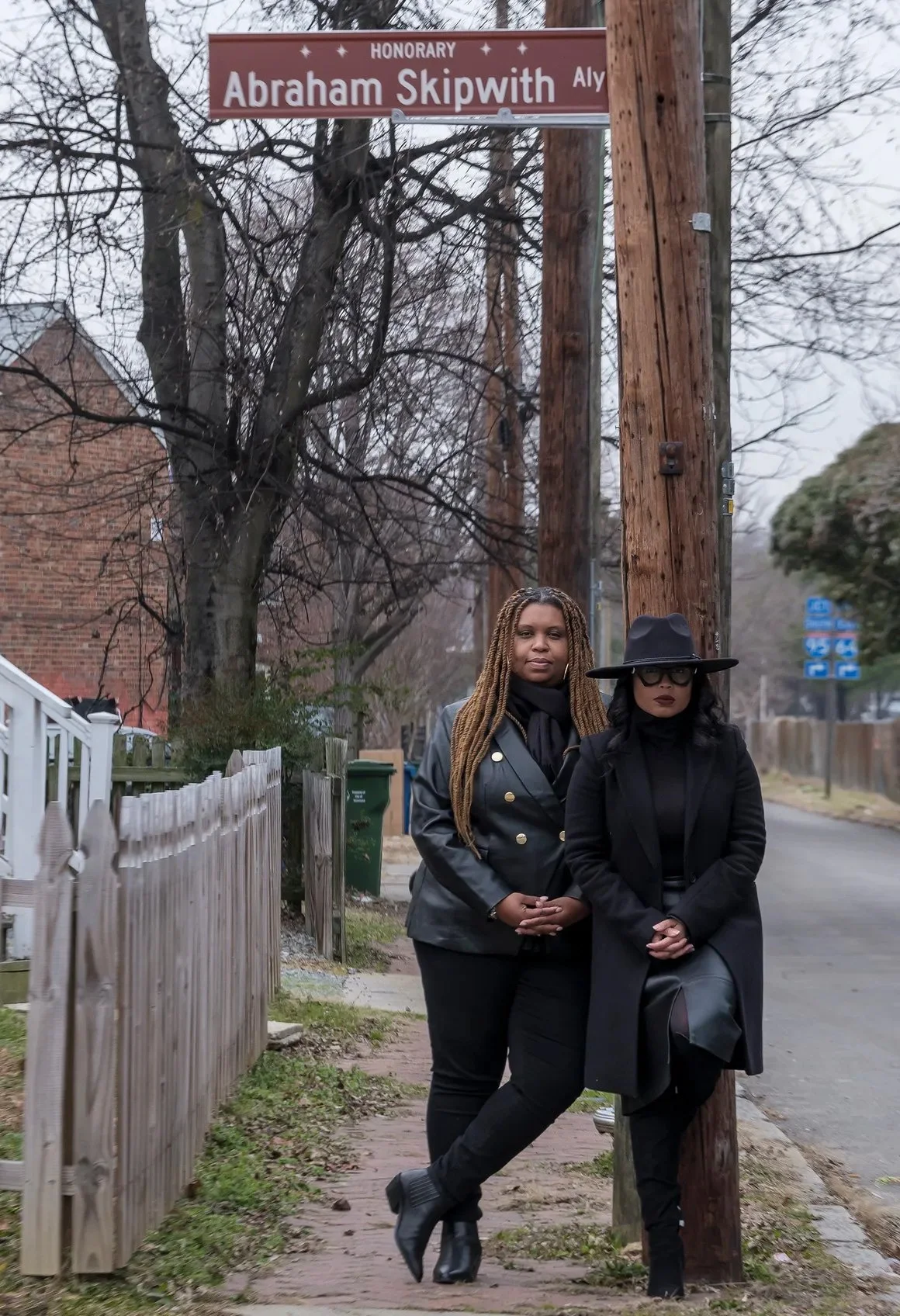
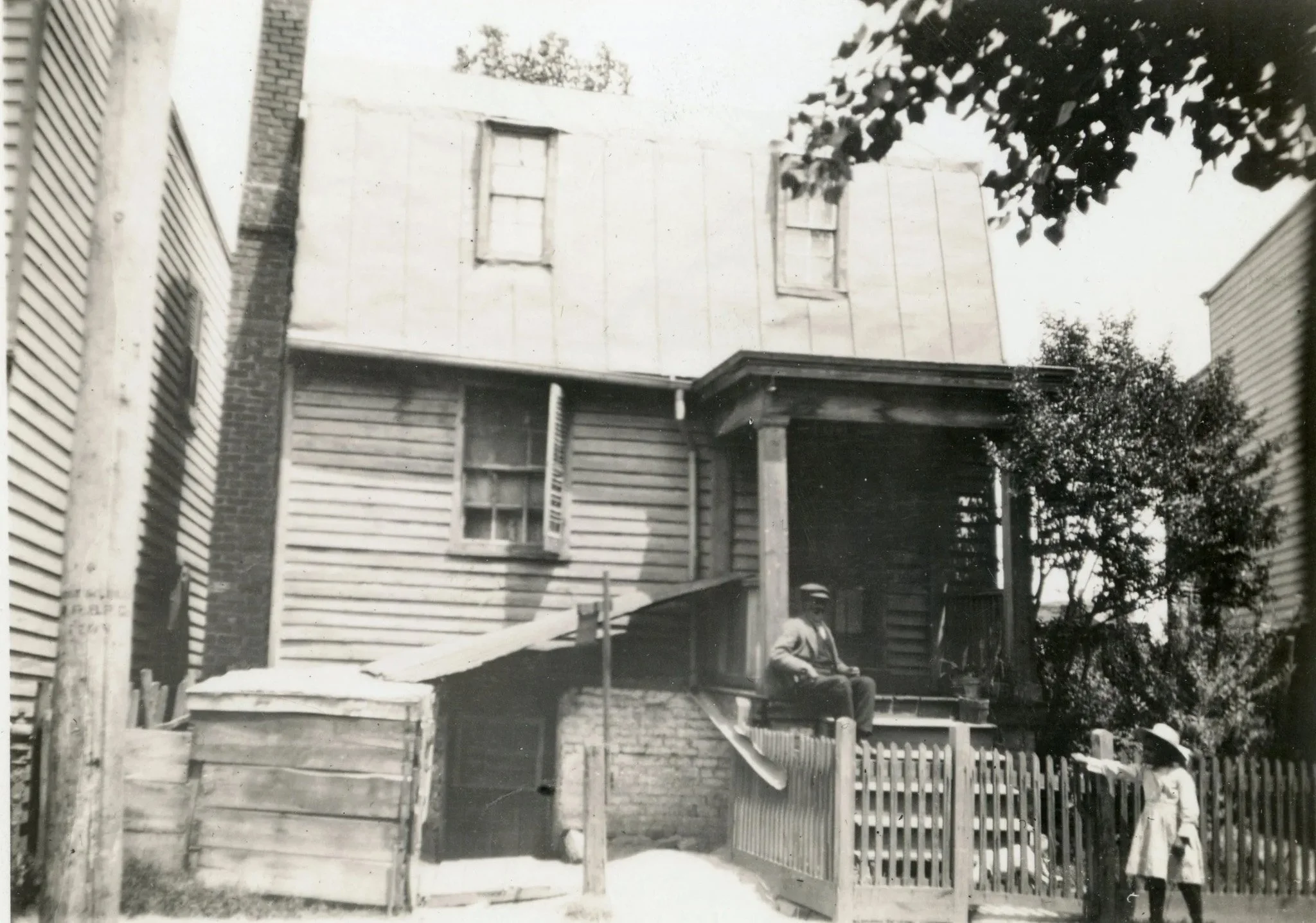
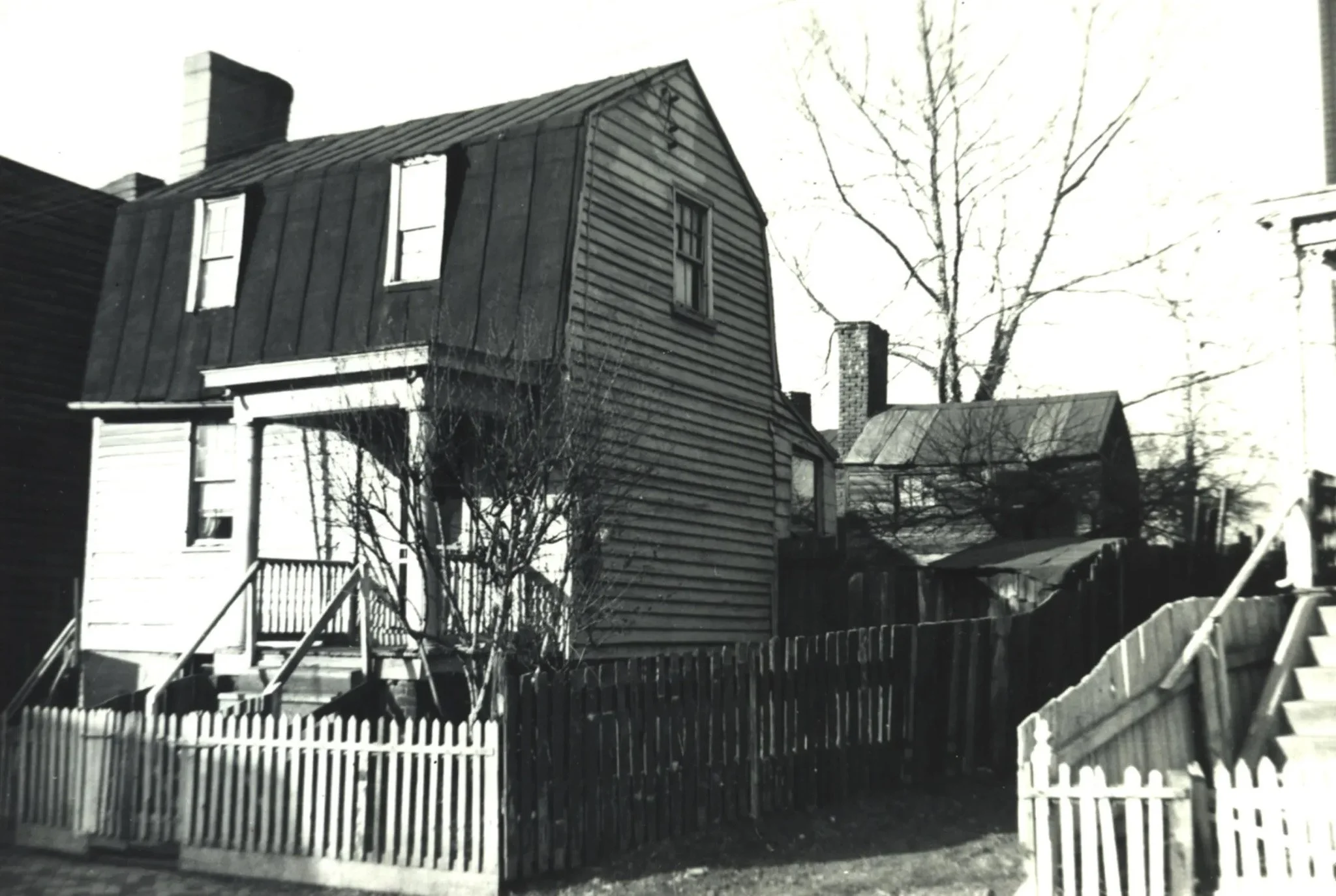
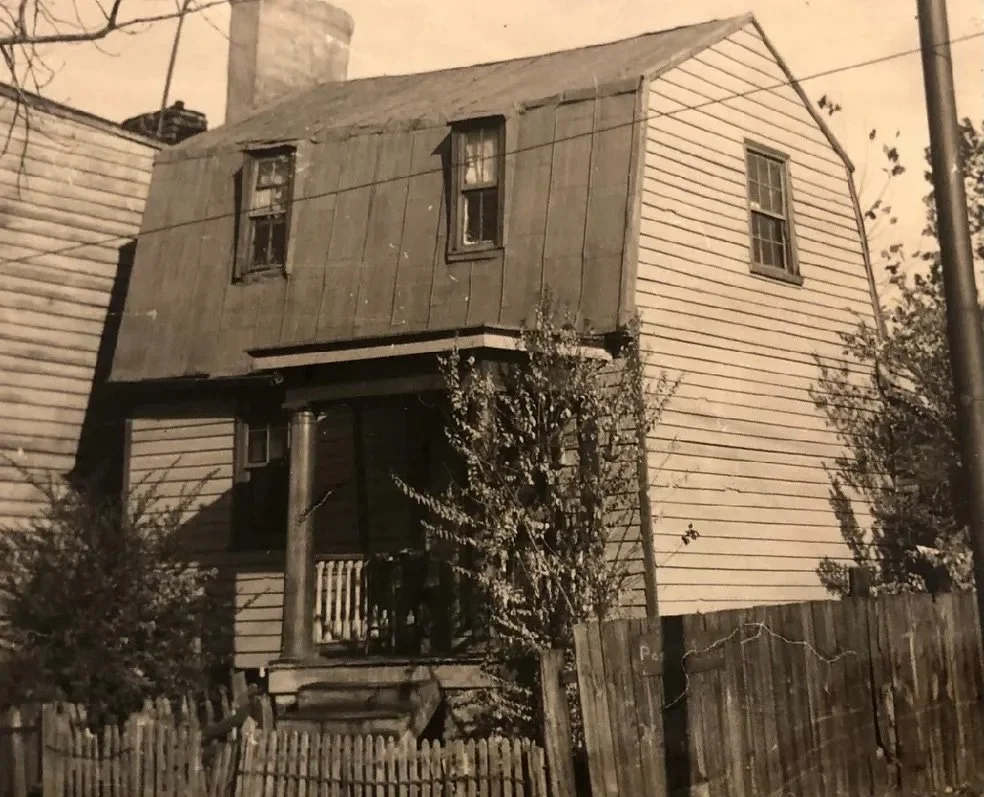
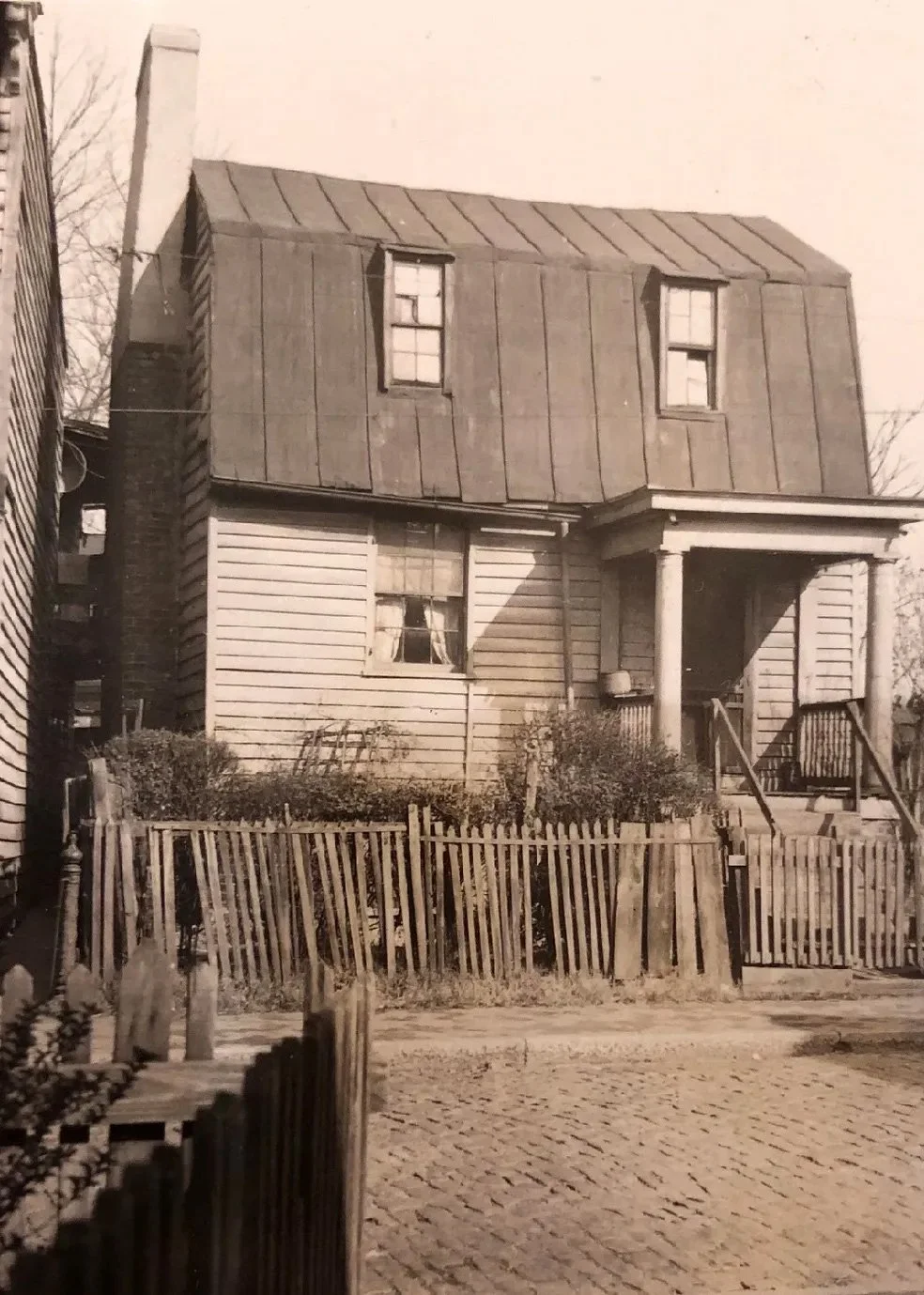
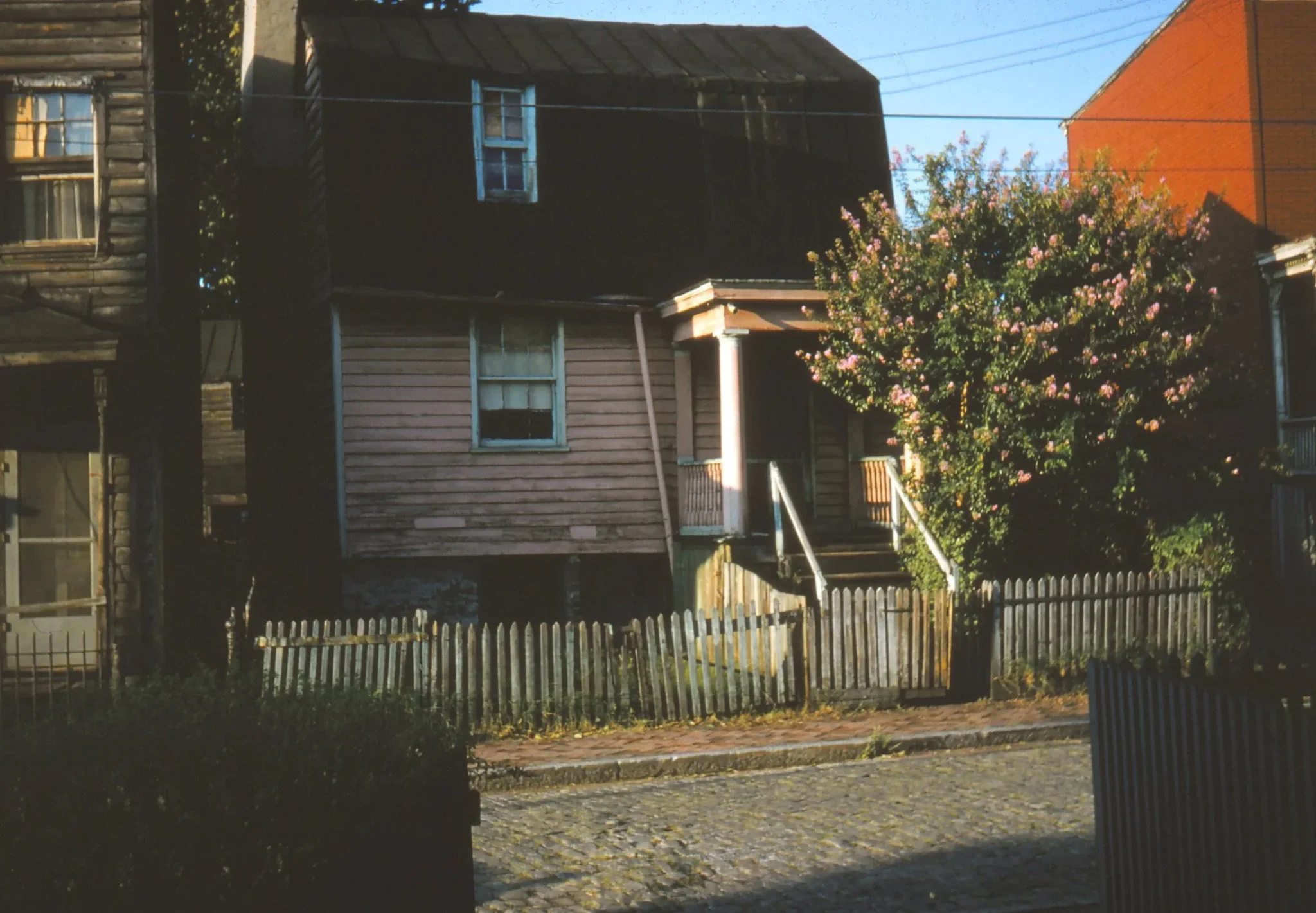
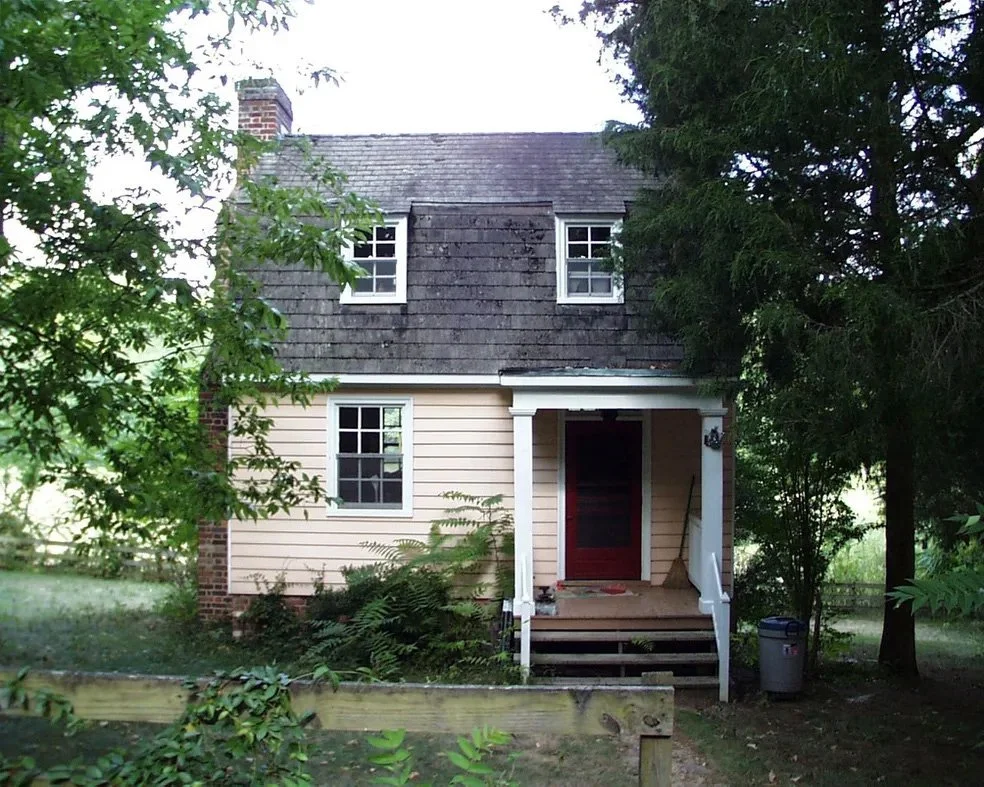
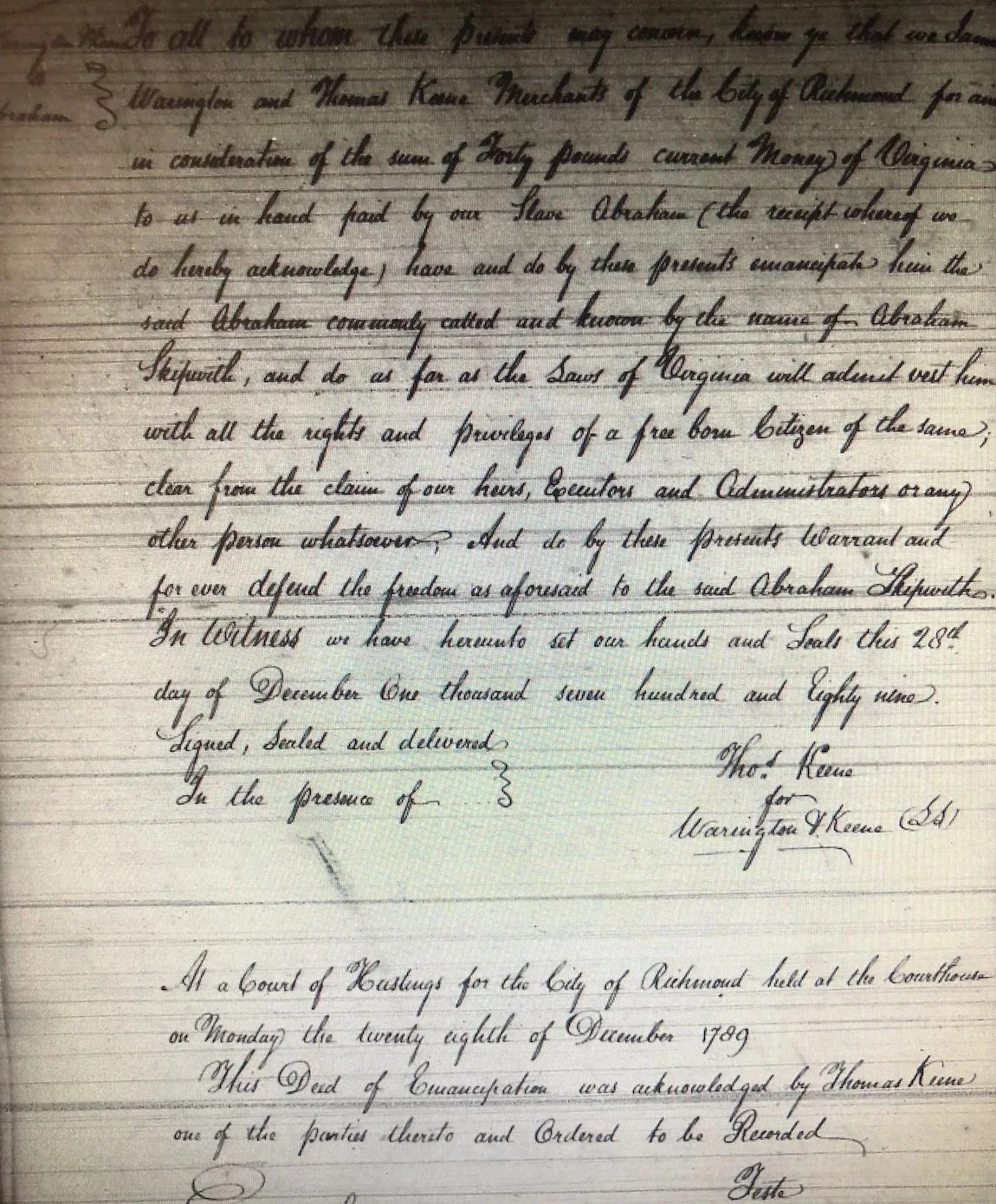
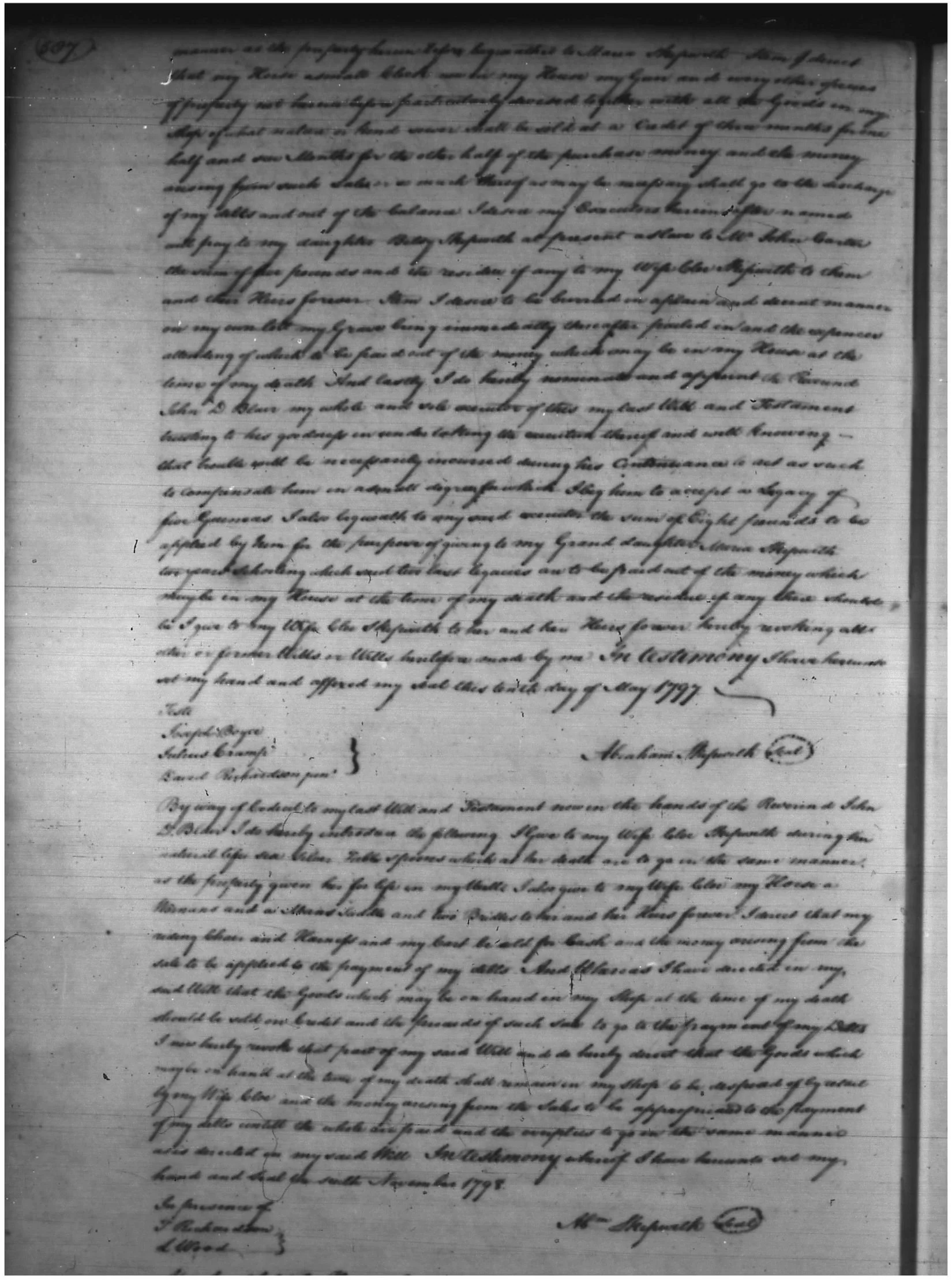
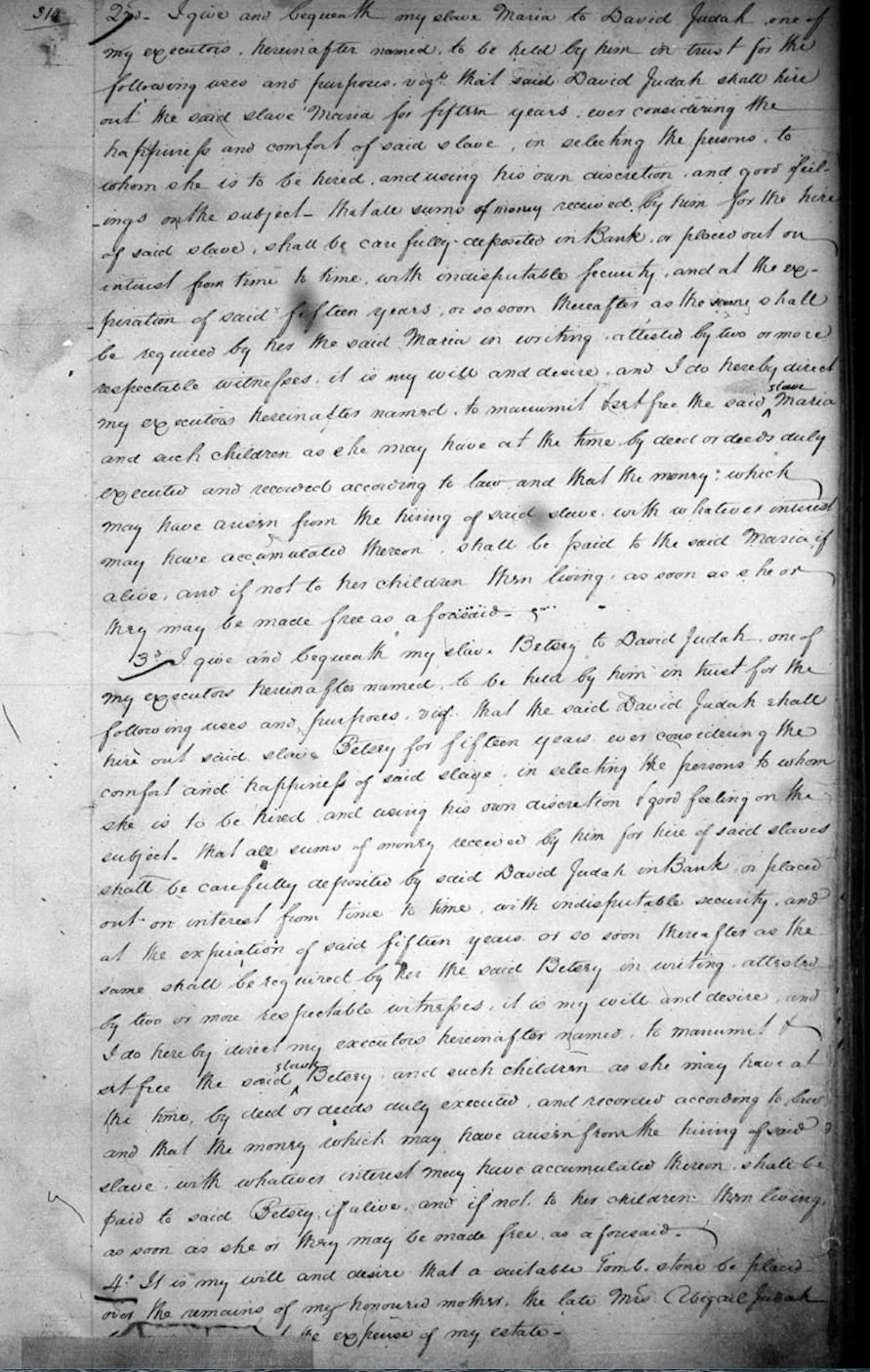




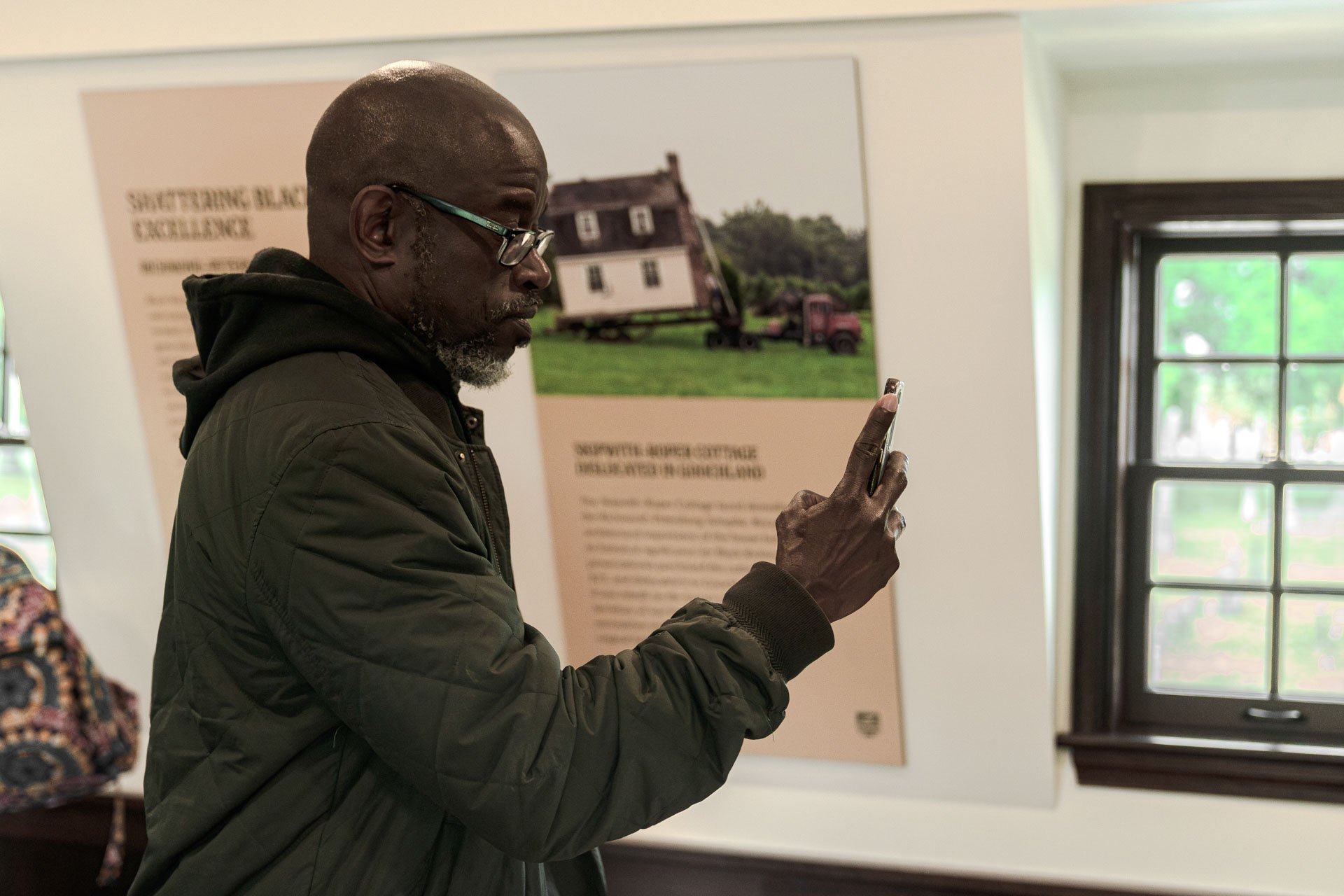
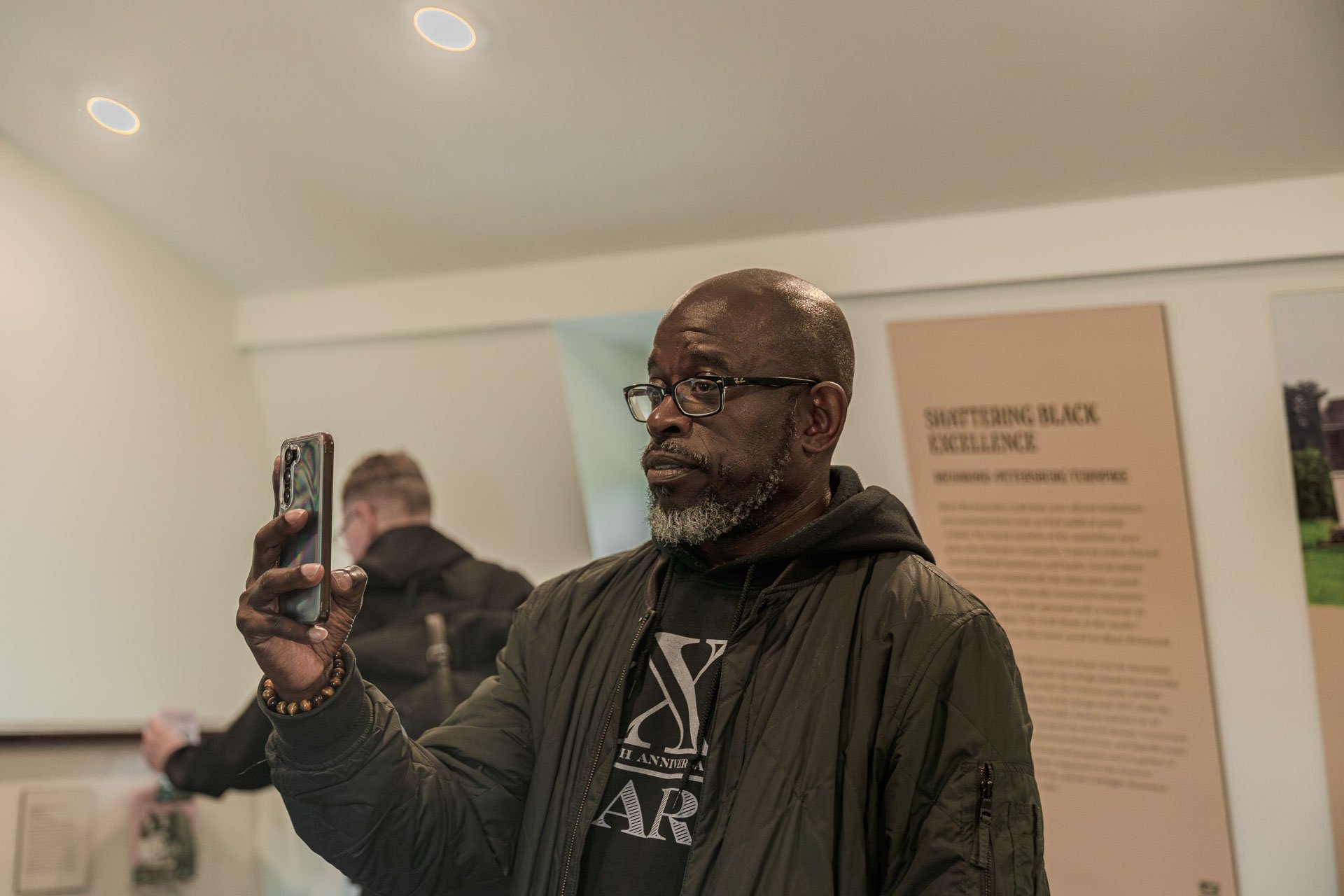
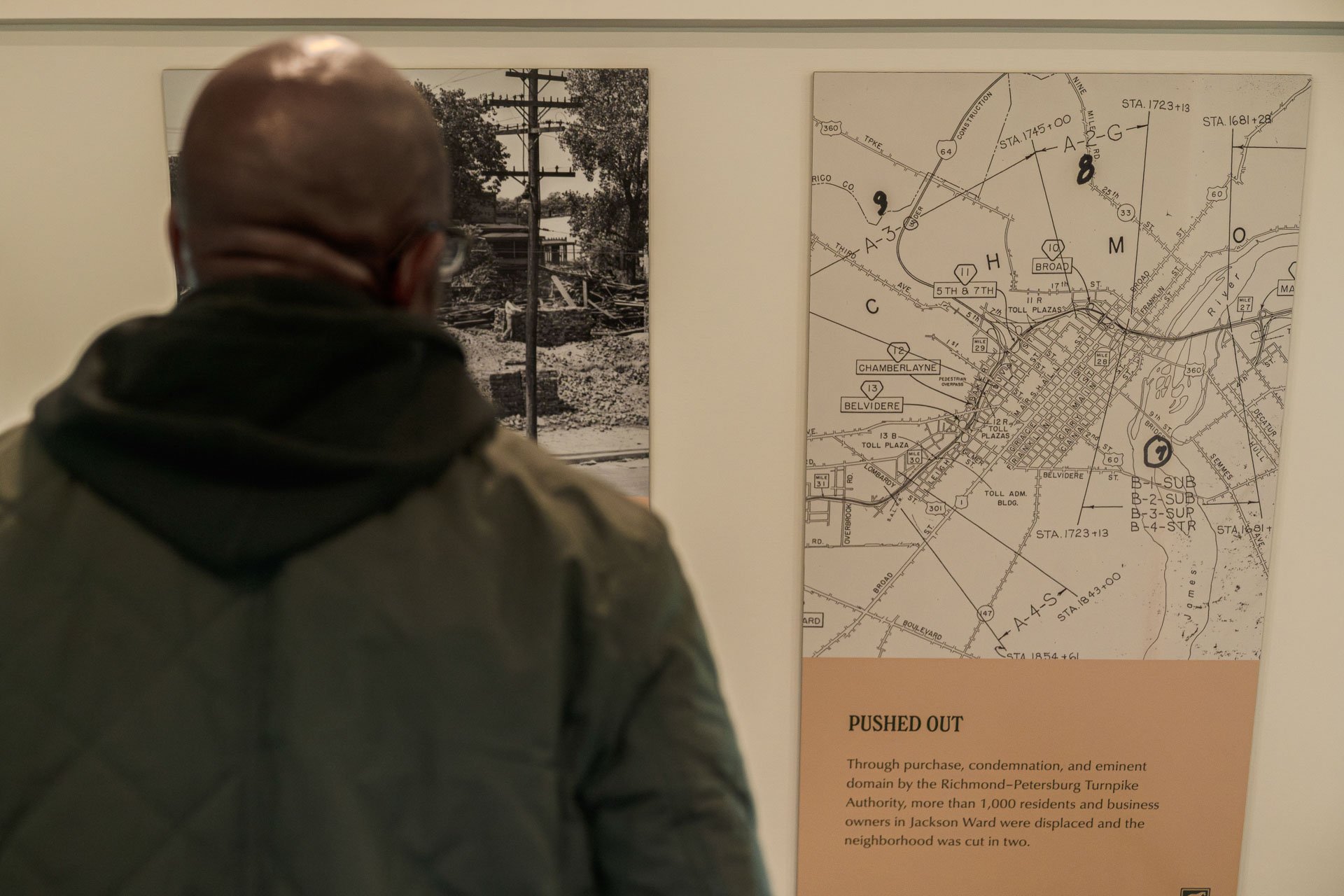
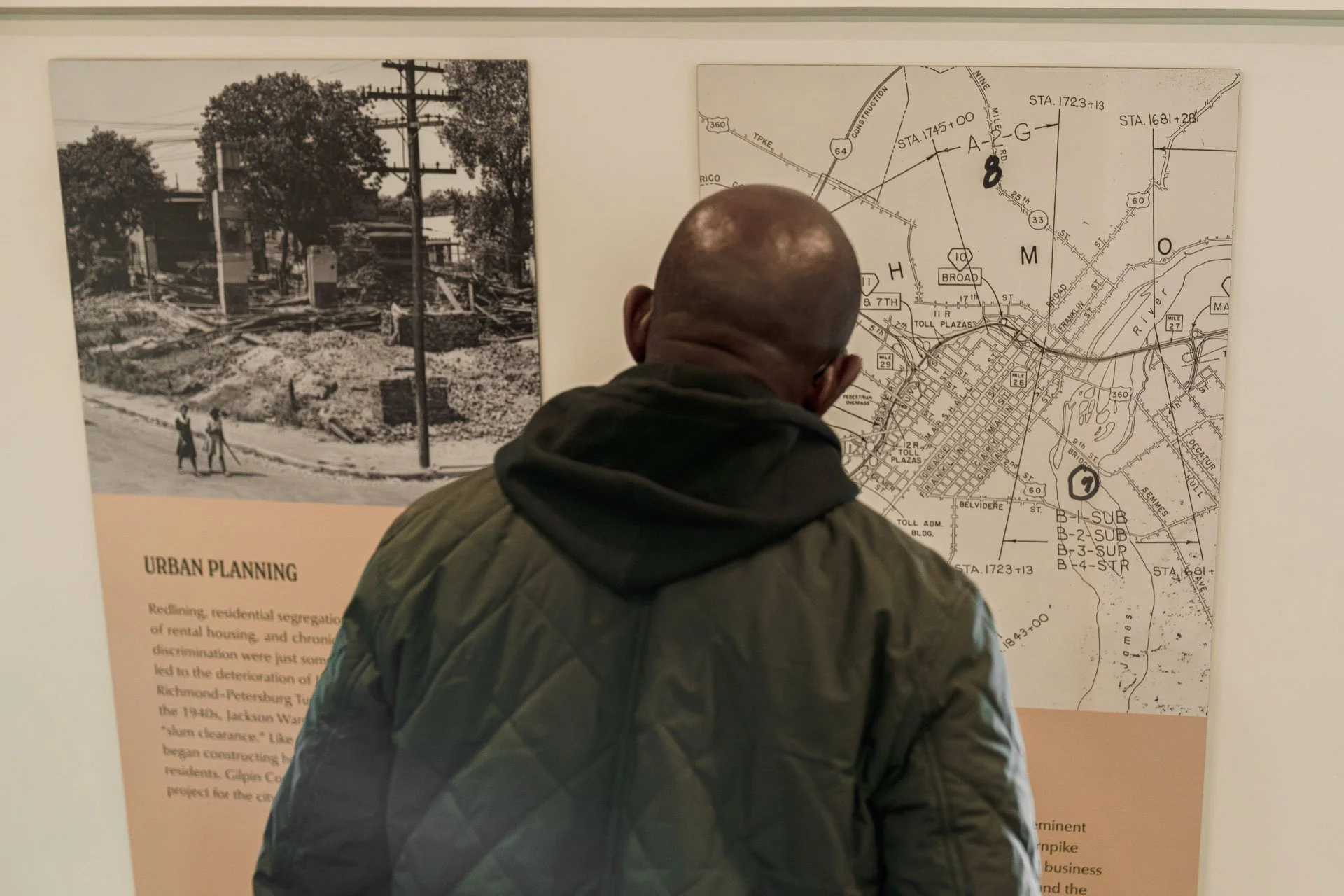
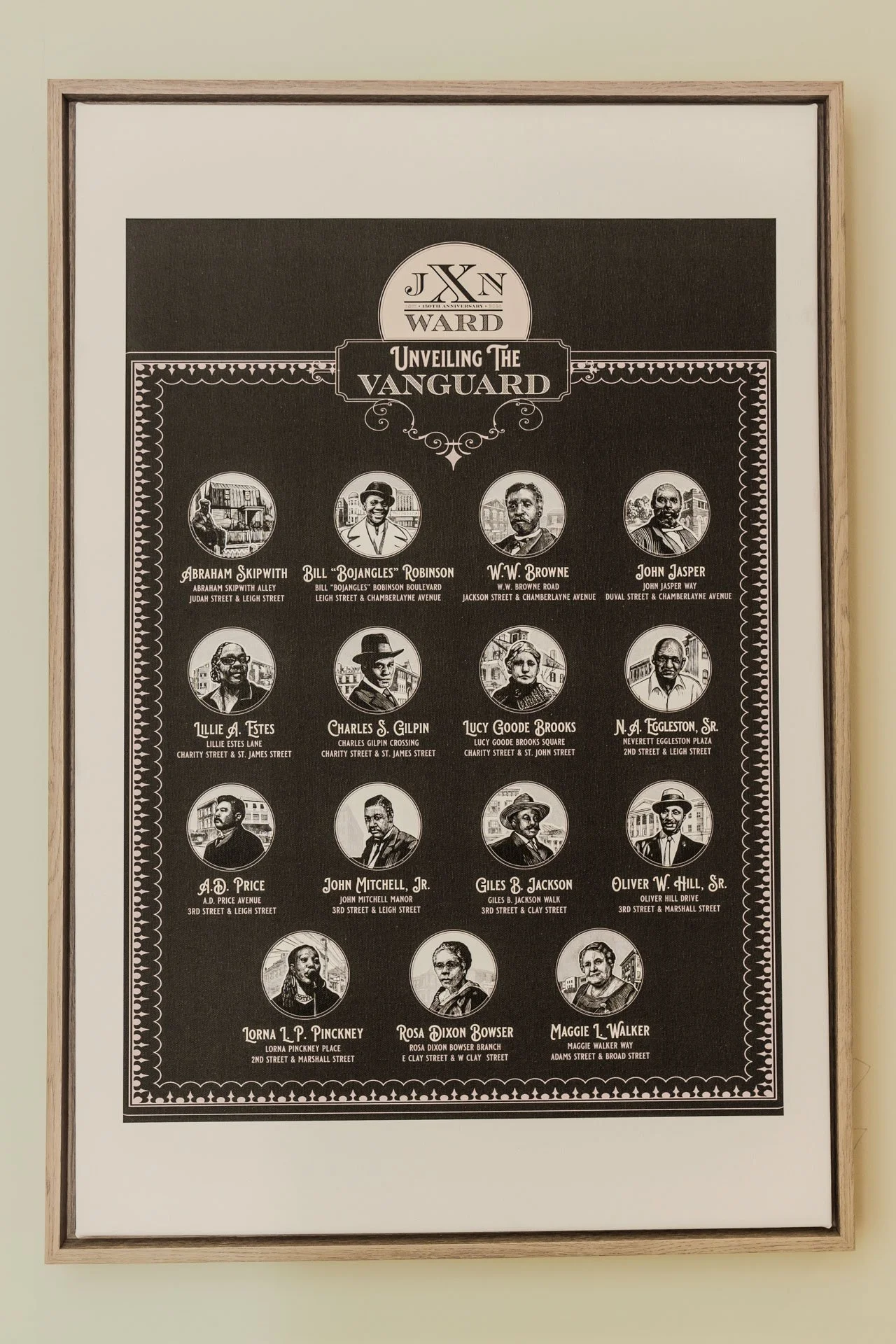
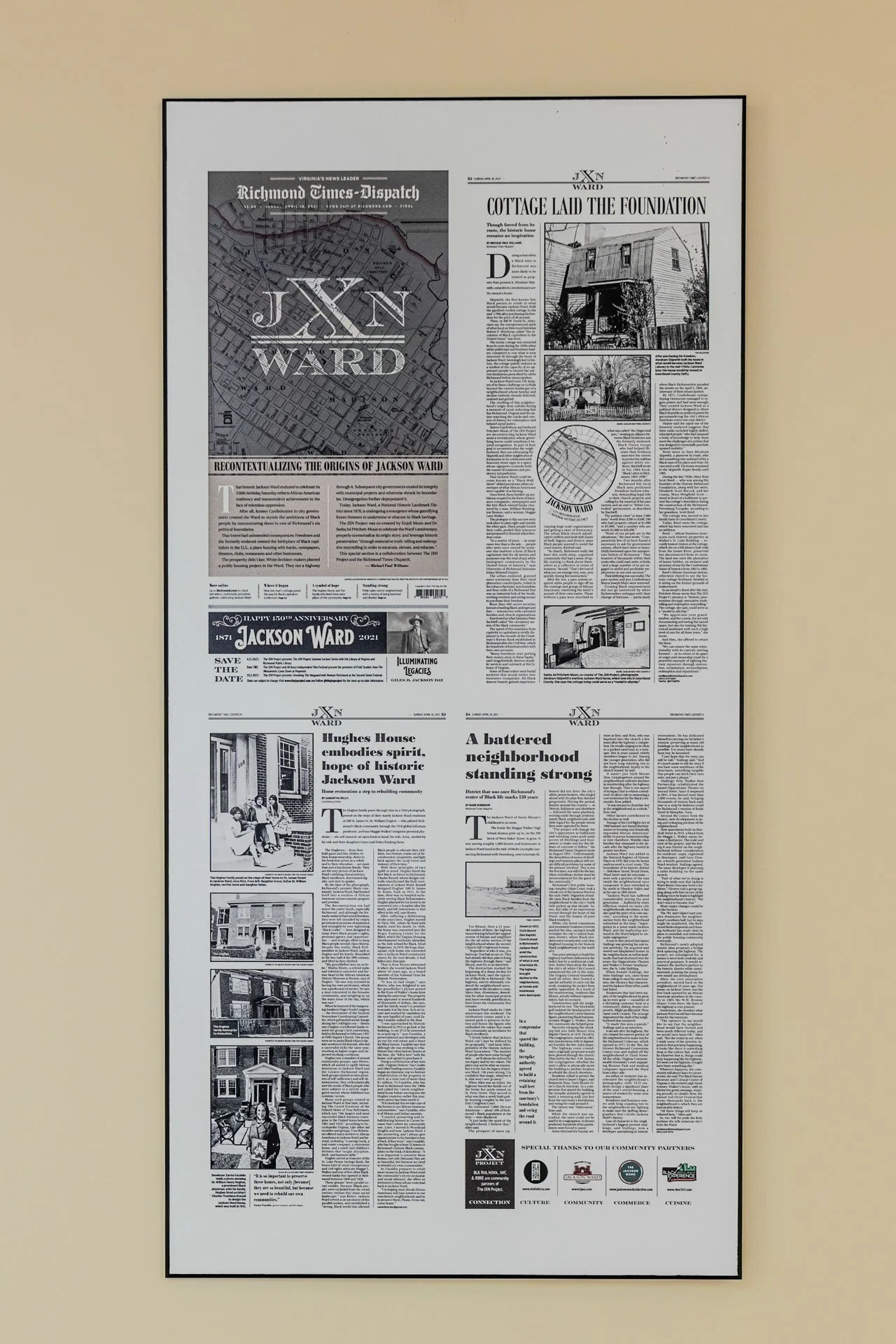
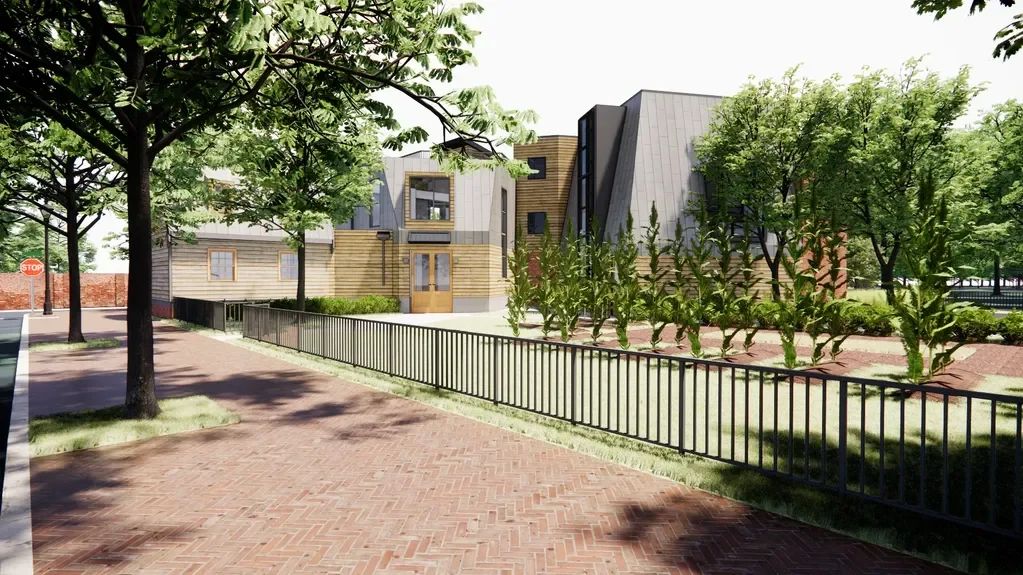
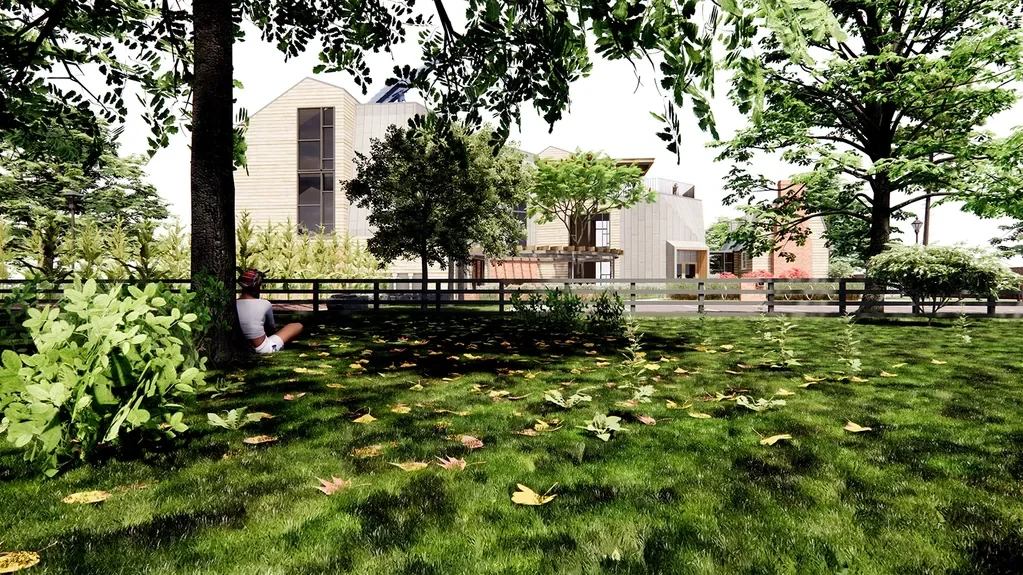
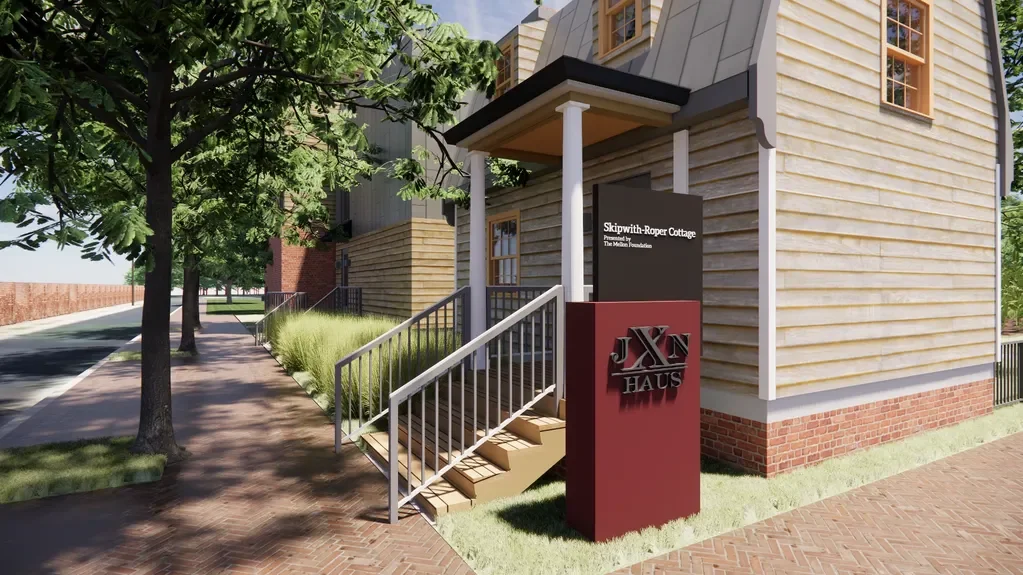


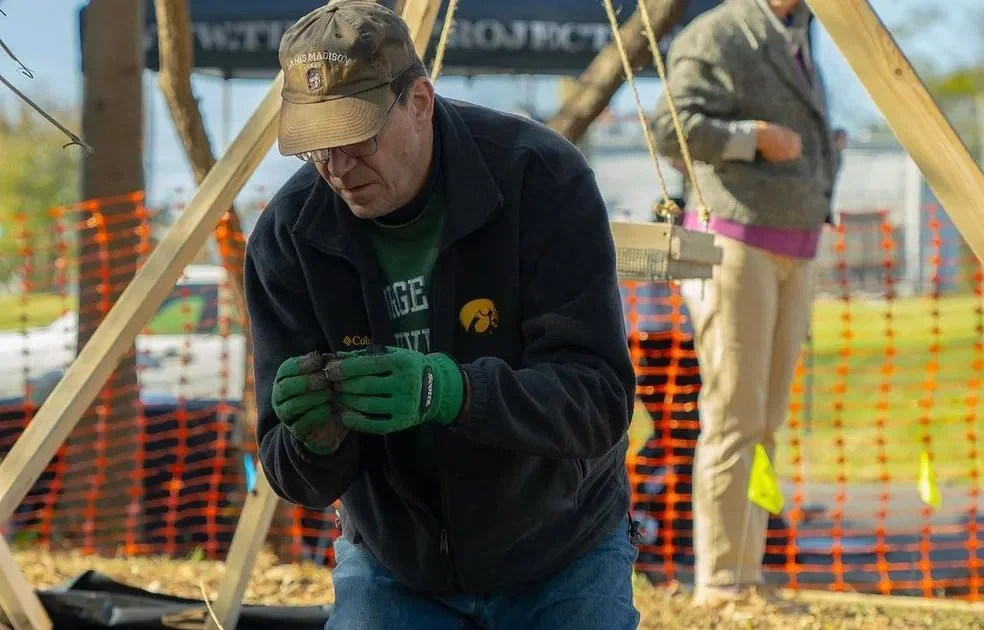
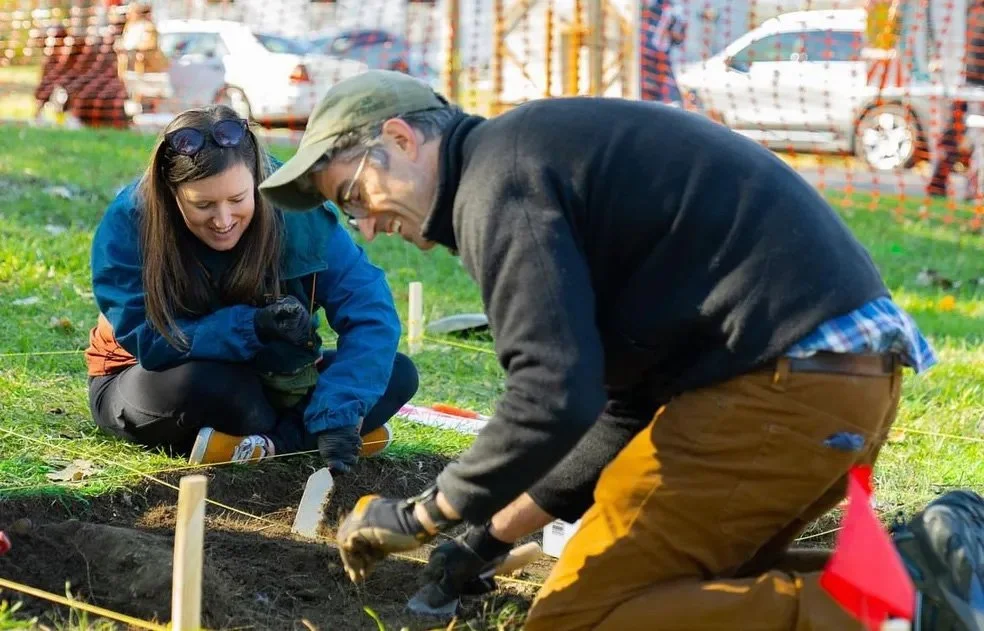
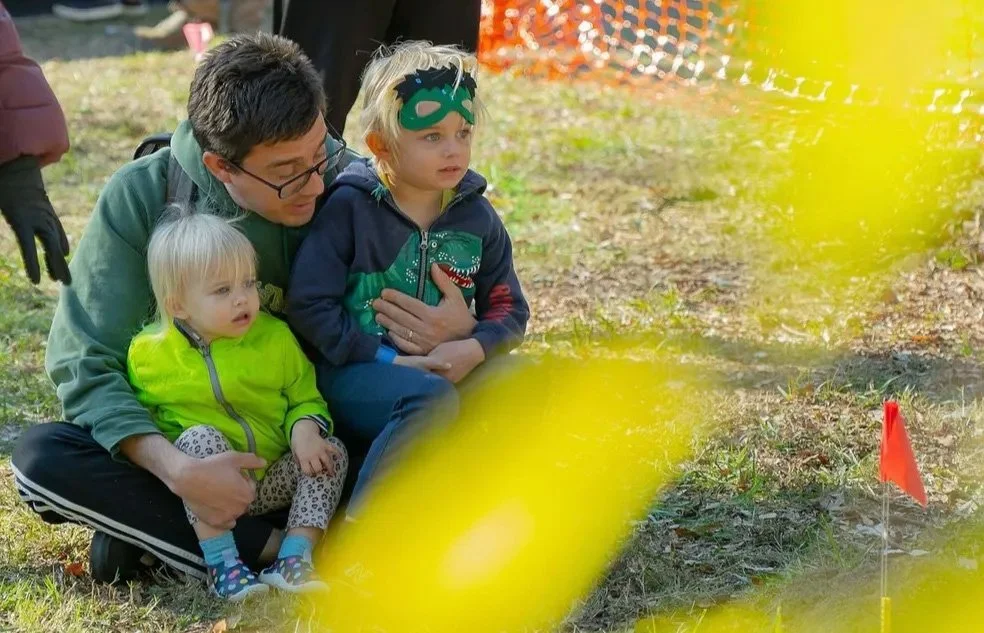
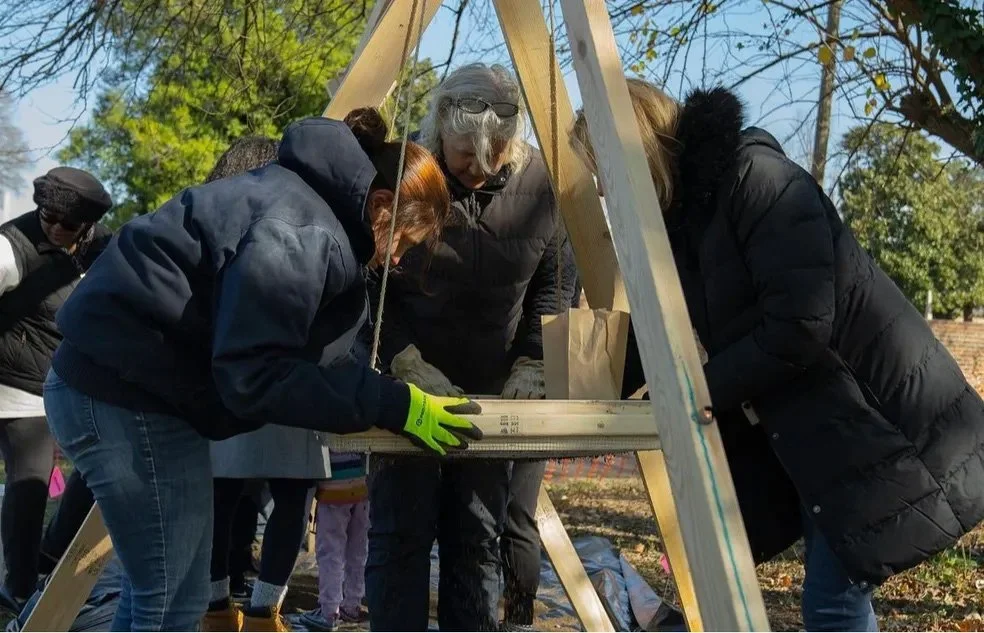
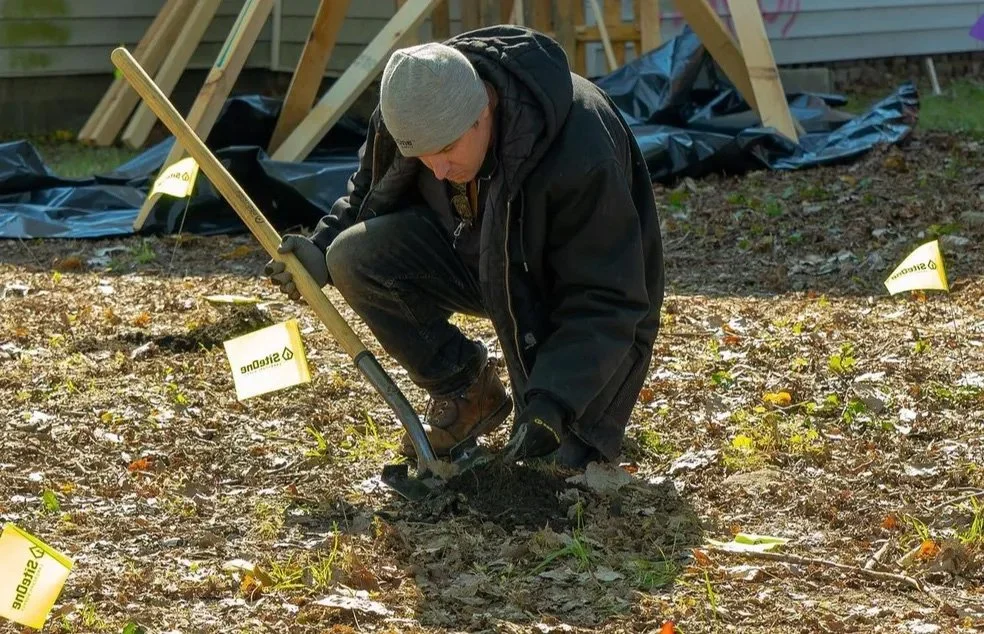
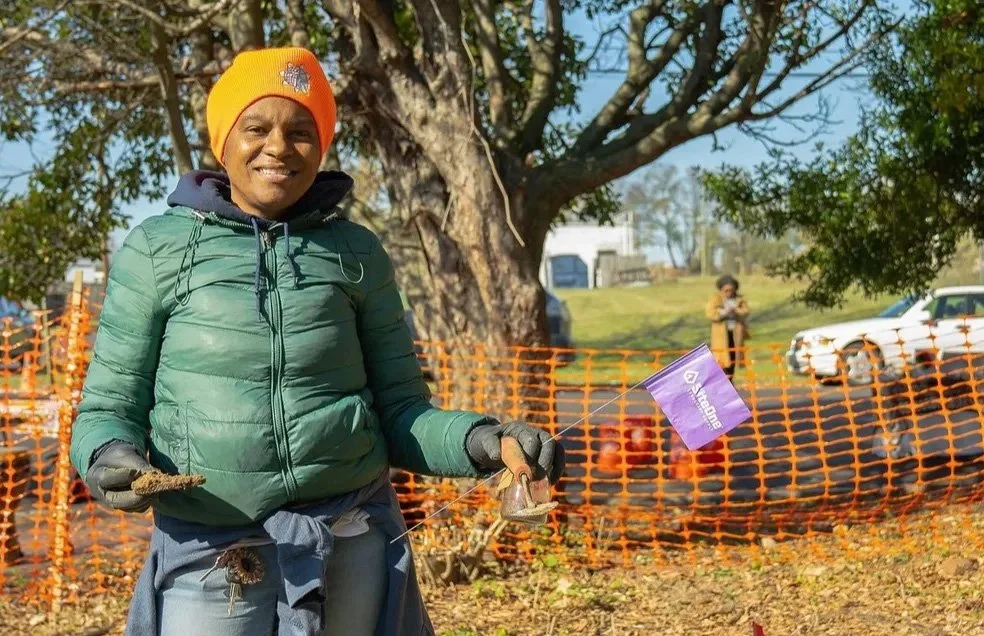
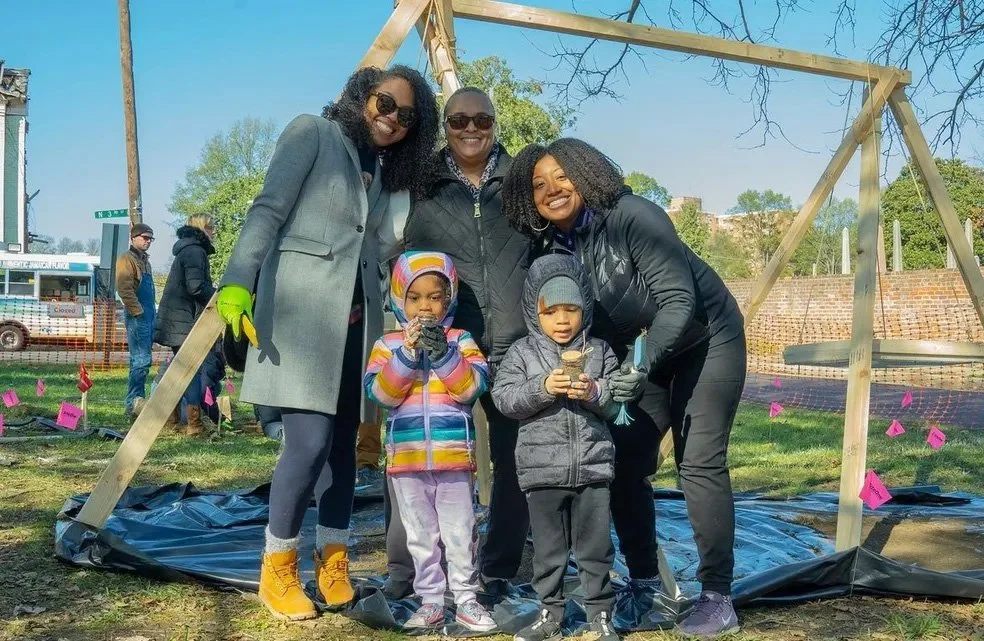
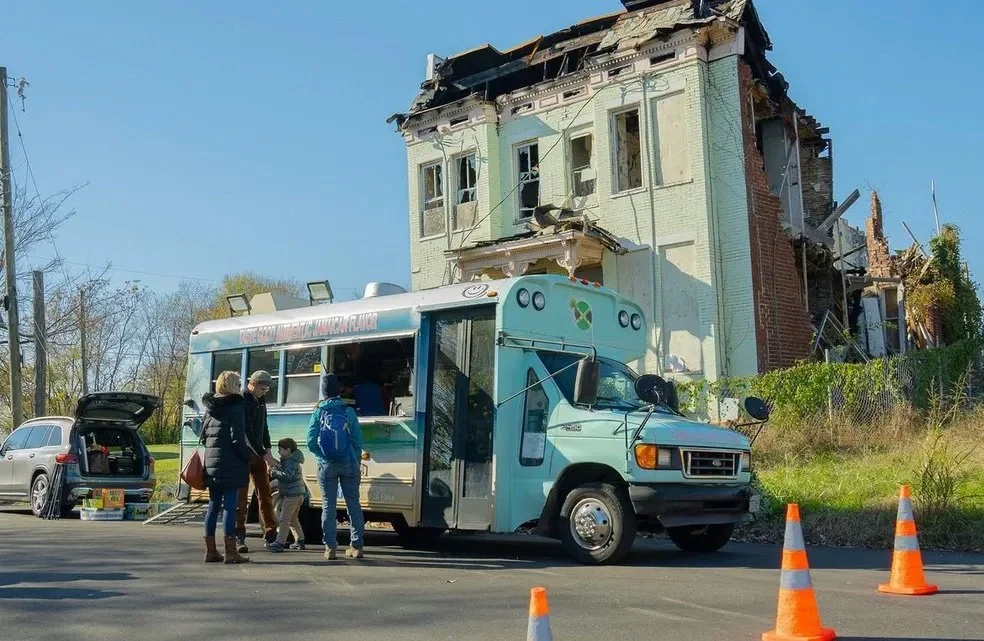
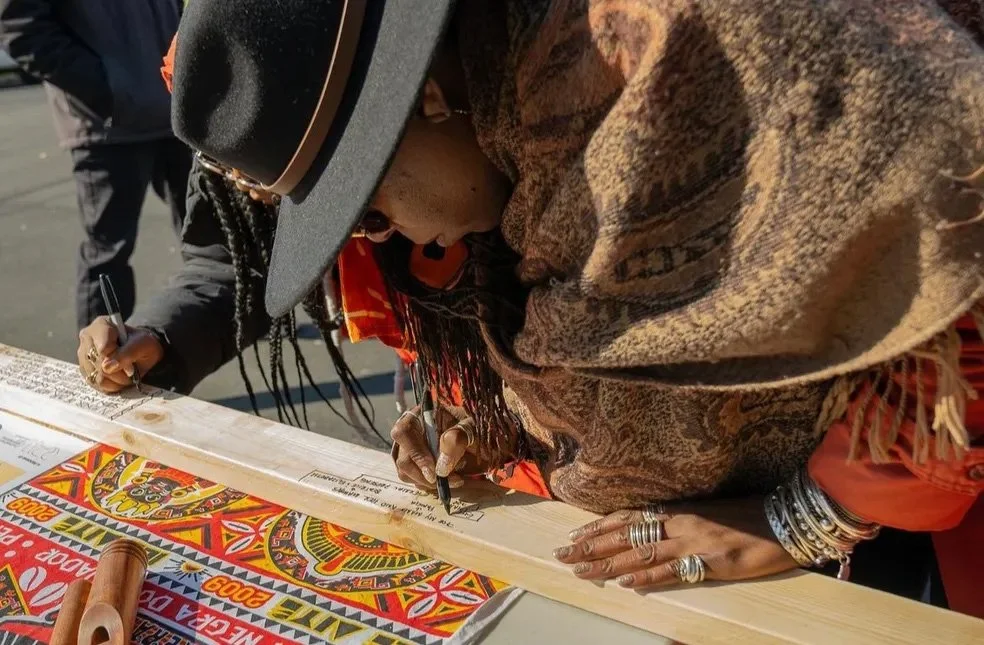
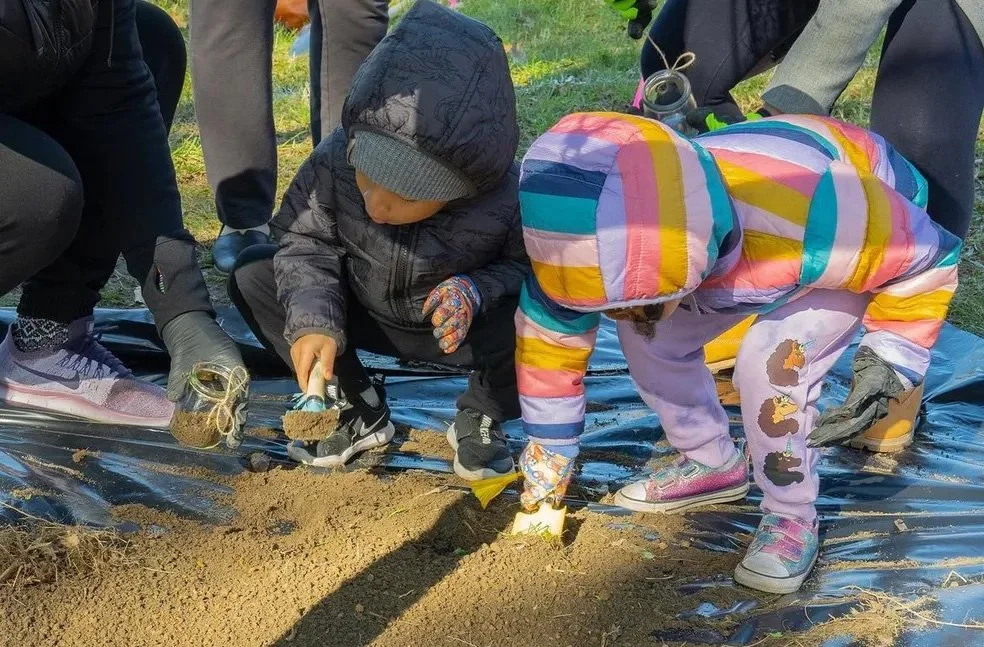
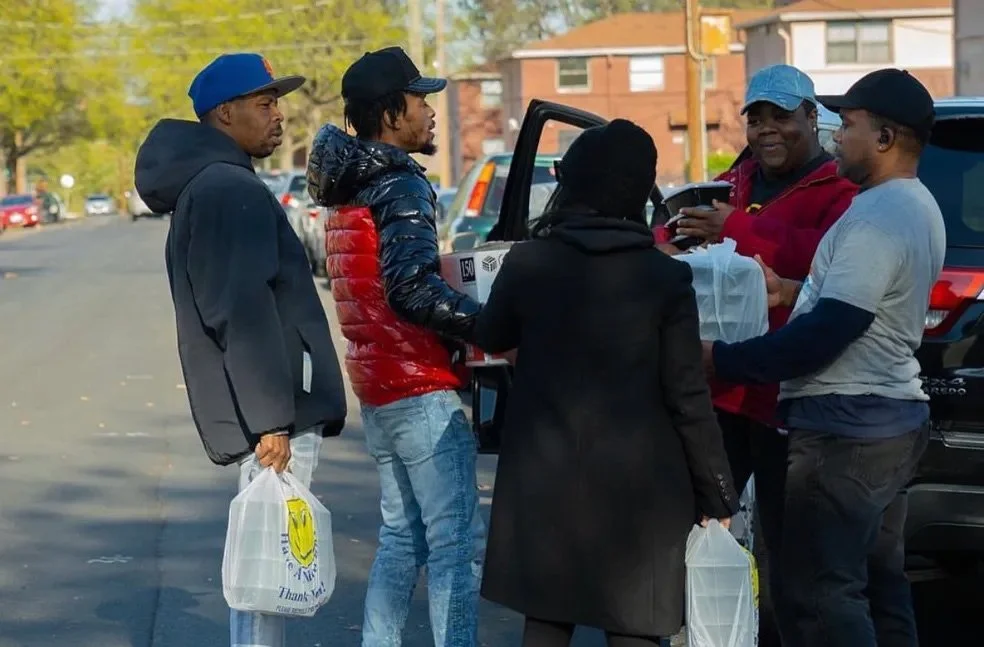
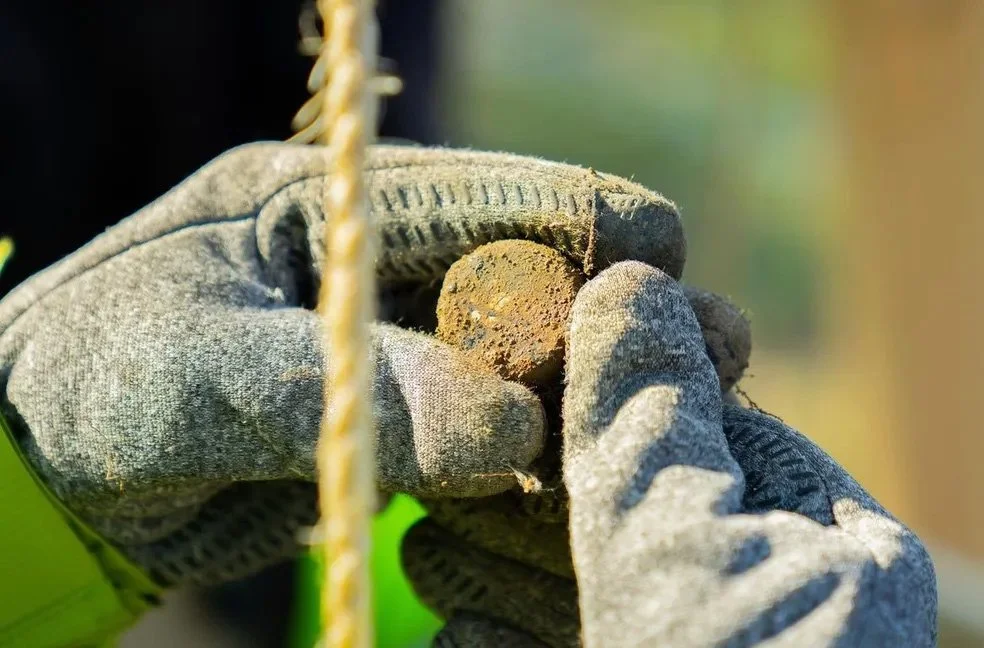
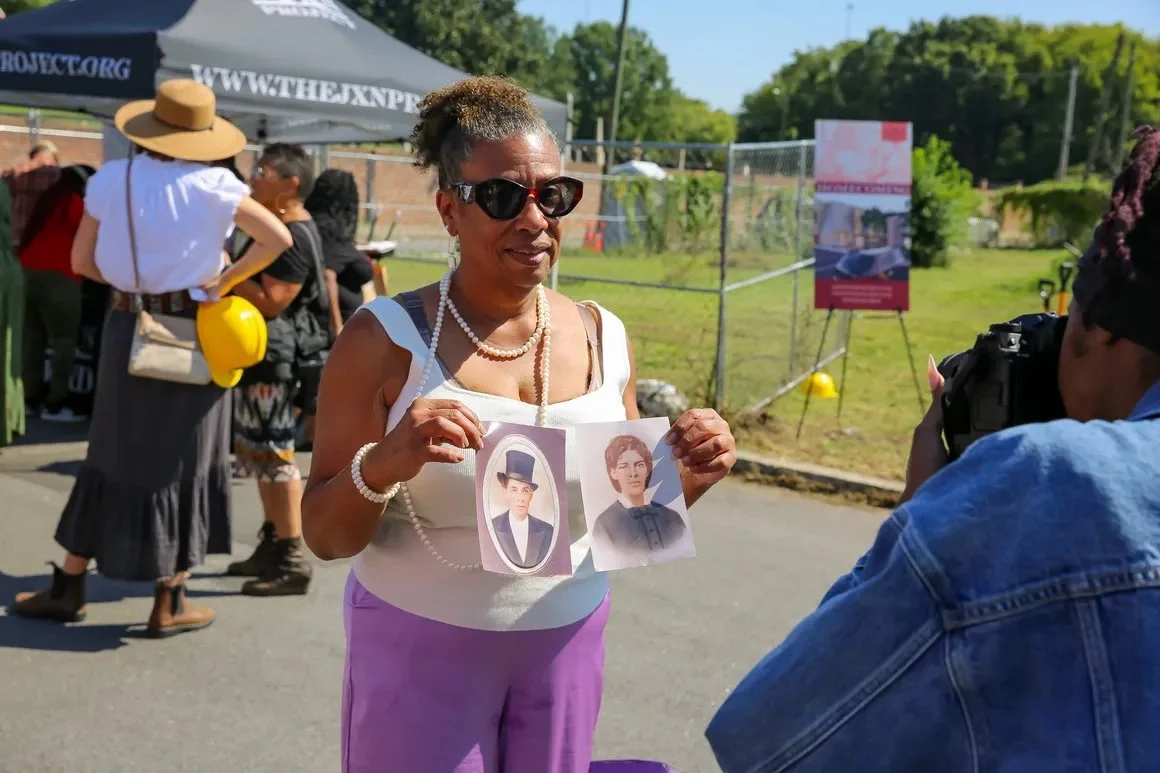

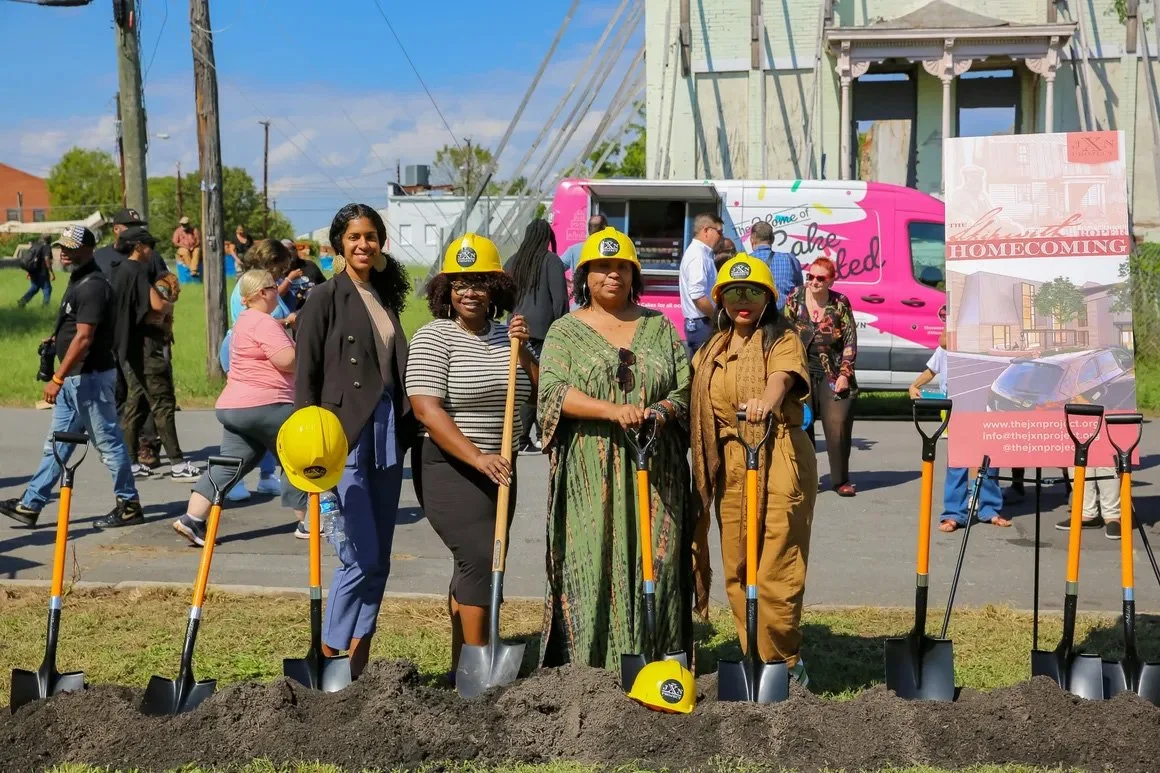
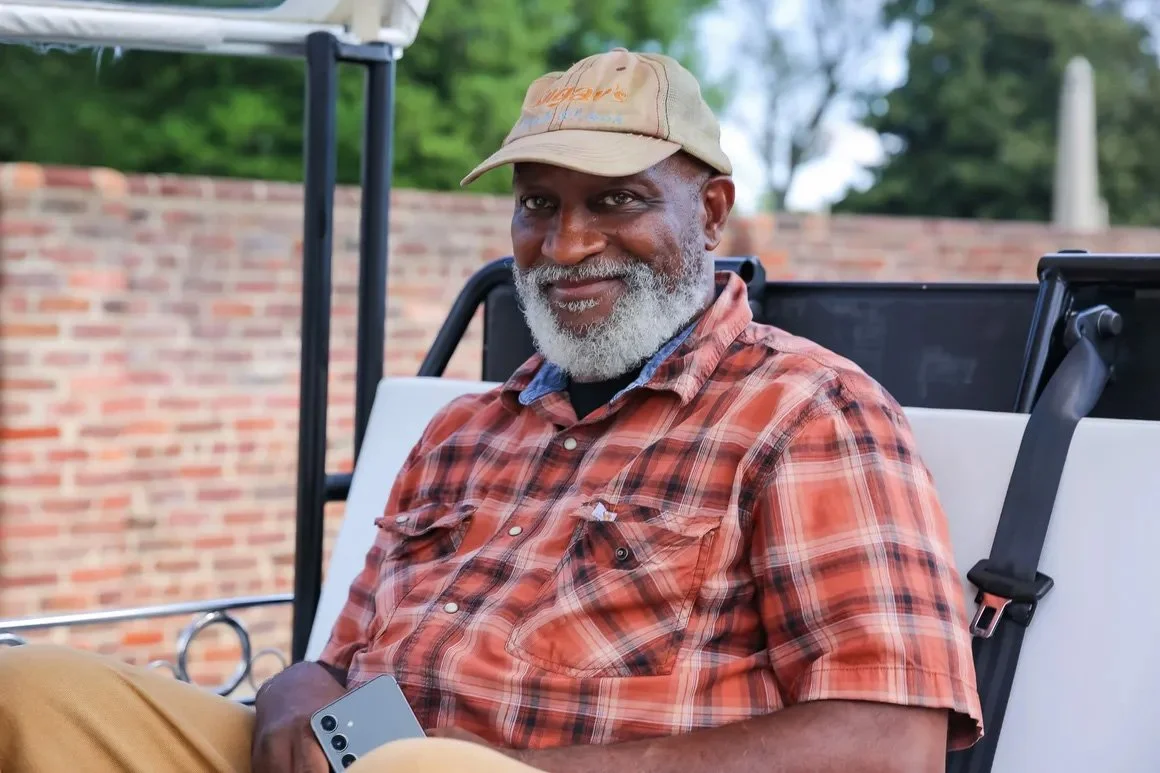
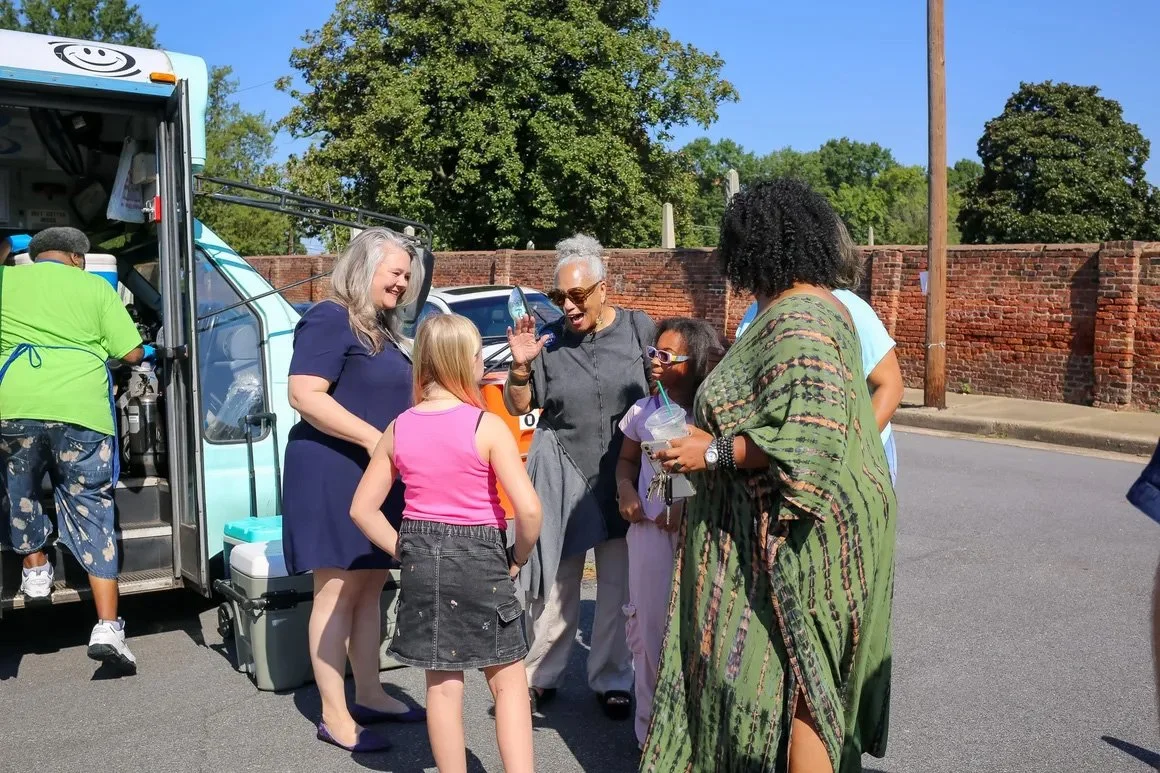
Photos Courtesy of the Richmond-Times Dispatch, Valentine Museum, Commonwealth Architects, and Sandra Sellars Commissions and Graphic Designs Courtesy of Barry O'Keefe and Meredith Carrington